
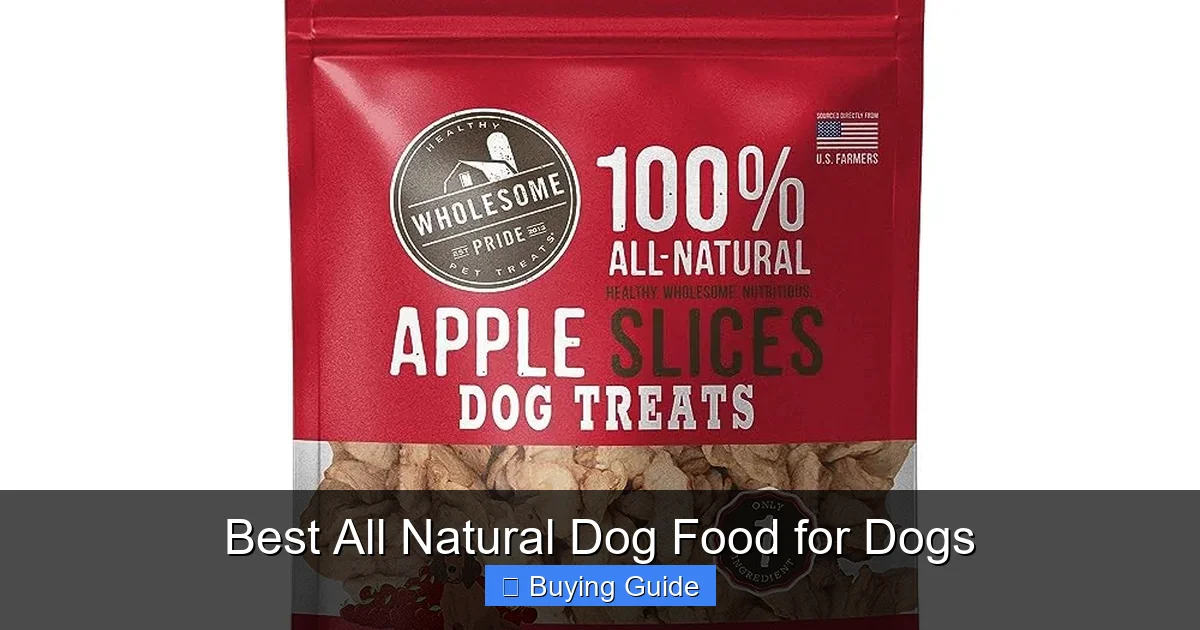
Choosing the best all natural dog food for dogs means prioritizing real ingredients, balanced nutrition, and transparency. In 2026, pet parents are more informed than ever, seeking clean-label options that support long-term health, energy, and digestion—without synthetic additives or hidden fillers.
Key Takeaways
- Real meat as the first ingredient: Look for named animal proteins like “chicken” or “salmon” listed first—not by-products or vague terms like “meat meal.”
- No artificial preservatives, colors, or flavors: Natural preservatives like mixed tocopherols (vitamin E) are safer and healthier long-term.
- Whole grains and veggies over fillers: Ingredients like sweet potatoes, oats, and peas provide fiber and nutrients—unlike corn or soy, which can be allergens.
- AAFCO compliance matters: Ensure the food meets AAFCO nutritional standards for your dog’s life stage (puppy, adult, senior).
- Transparency in sourcing: Top brands disclose where ingredients come from and how they’re processed—look for certifications like USDA Organic or Non-GMO Project Verified.
- Digestibility is key: High-quality natural foods are easier on your dog’s stomach, leading to firmer stools and better nutrient absorption.
- Tailor to your dog’s needs: Consider age, breed, activity level, and health conditions when selecting the best all natural dog food.
📑 Table of Contents
- Why Choose All Natural Dog Food in 2026?
- What Makes Dog Food “All Natural”?
- Top Benefits of Feeding All Natural Dog Food
- How to Choose the Best All Natural Dog Food for Your Dog
- Top All Natural Dog Food Brands in 2026
- Homemade vs. Commercial All Natural Dog Food
- Common Mistakes to Avoid When Switching to Natural Dog Food
- Final Thoughts: Is All Natural Dog Food Worth It?
Why Choose All Natural Dog Food in 2026?
Let’s be honest—our dogs aren’t just pets. They’re family. And just like we’ve started reading labels on our own food, we’re doing the same for theirs. In 2026, the shift toward clean eating has fully reached the pet food aisle. More than ever, dog owners are asking: What’s really in this kibble? The answer often leads them straight to all natural dog food.
All natural dog food means ingredients you can actually pronounce—real chicken, brown rice, carrots, blueberries—not a science experiment in a bag. These formulas skip artificial preservatives like BHA and BHT, synthetic dyes, and vague “meat by-products.” Instead, they focus on whole, minimally processed ingredients that mirror what dogs would eat in the wild—just with the balance and safety that modern nutrition science provides. And with rising concerns about obesity, allergies, and digestive issues in dogs, switching to a high-quality natural diet can make a real difference in your pup’s energy, coat shine, and overall well-being.
What Makes Dog Food “All Natural”?
The term “all natural” isn’t regulated by the FDA in the same way it is for human food, which means some brands stretch the truth. But in 2026, reputable pet food companies have stepped up with clearer standards and third-party certifications. So what should you look for?
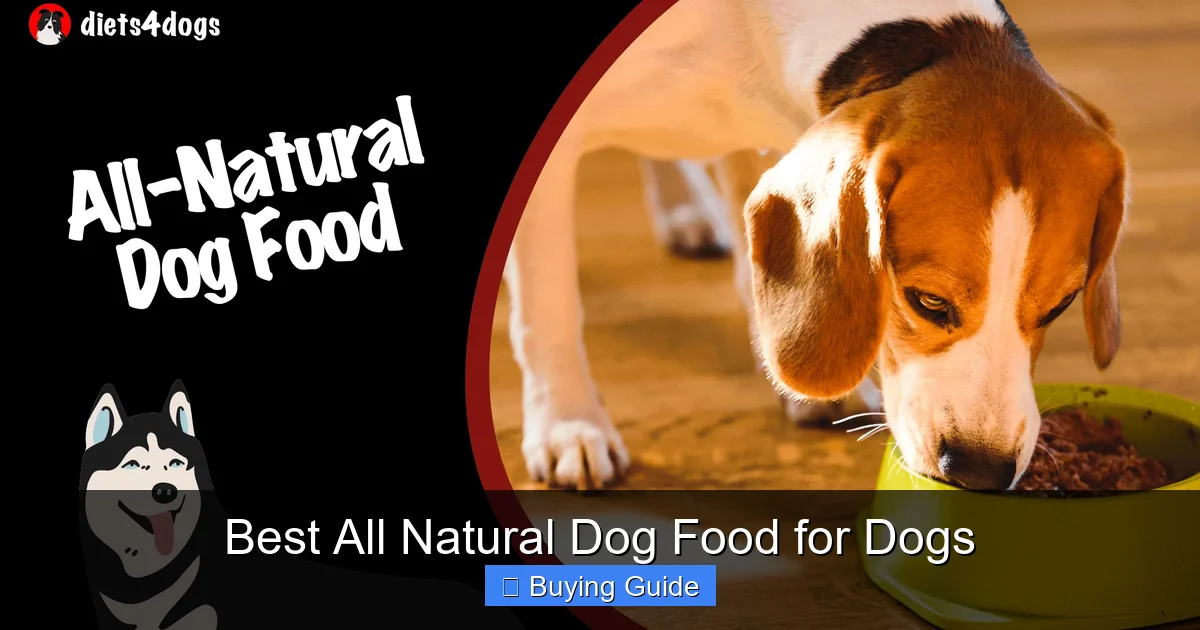
Visual guide about Best All Natural Dog Food for Dogs
Image source: diets4dogs.com
Defined Animal Protein Sources
The first ingredient should always be a named animal protein—like “deboned chicken,” “whole salmon,” or “lamb meal” (which is concentrated, dehydrated meat). Avoid vague terms like “poultry meal” or “meat and bone meal,” which can include parts you don’t want your dog eating. High-quality natural foods prioritize muscle meat, organs, and bones in balanced ratios, mimicking a prey-model diet without the mess.
Whole Grains and Vegetables
Carbohydrates aren’t the enemy—they’re essential for energy. But in all natural dog food, they come from wholesome sources like oats, quinoa, sweet potatoes, and barley—not corn, wheat, or soy, which are common fillers and allergens. These complex carbs provide sustained energy and fiber for healthy digestion. Plus, veggies like spinach, pumpkin, and carrots add vitamins, antioxidants, and phytonutrients that support immune function.
Healthy Fats and Oils
Fats are crucial for a shiny coat, brain health, and hormone production. Look for named fat sources like “chicken fat” or “salmon oil”—not generic “animal fat.” Omega-3 and omega-6 fatty acids, often from flaxseed, chia seeds, or fish oil, help reduce inflammation and support skin health. In 2026, many top brands also include algae-based DHA, a plant-based omega-3 that’s sustainable and highly bioavailable.
No Artificial Additives
This one’s a no-brainer. All natural dog food should be free from artificial colors (like Red 40 or Blue 2), synthetic flavors, and chemical preservatives. Instead, brands use natural preservatives like mixed tocopherols (a form of vitamin E), rosemary extract, or citric acid. These keep food fresh without the health risks linked to long-term exposure to chemicals like ethoxyquin.
Top Benefits of Feeding All Natural Dog Food
Switching to the best all natural dog food isn’t just a trend—it’s a lifestyle upgrade for your dog. Here’s what you can expect when you make the change.
Improved Digestion and Fewer Allergies
Many dogs suffer from food sensitivities, often triggered by low-quality fillers, artificial additives, or unnamed protein sources. Natural diets with limited, high-quality ingredients are easier to digest and less likely to cause upset stomachs, gas, or diarrhea. For example, a dog with chronic ear infections or itchy skin might see dramatic improvement after switching to a grain-free or novel protein formula like duck or venison.
Shinier Coat and Healthier Skin
Healthy fats and balanced nutrition show up in your dog’s coat. You’ll notice less shedding, reduced dander, and a soft, glossy finish. Dogs with dry, flaky skin often improve within weeks of eating natural food rich in omega fatty acids. One pet parent in Austin shared how her Golden Retriever’s hot spots cleared up completely after switching to a salmon-based natural kibble with flaxseed and coconut oil.
More Energy and Better Weight Management
Processed foods with empty calories can lead to sluggishness and weight gain. Natural dog food fuels your pup with nutrient-dense ingredients that support metabolism and muscle maintenance. Active breeds like Border Collies or Australian Shepherds thrive on high-protein, low-carb natural diets that keep them agile and alert. Even senior dogs often show renewed pep when their food isn’t weighed down by fillers.
Stronger Immune System
Antioxidant-rich ingredients like blueberries, cranberries, and spinach help boost your dog’s natural defenses. Vitamins A, C, and E—found in abundance in whole-food formulas—support immune function and cellular health. In 2026, some brands even include functional ingredients like turmeric, ginger, and medicinal mushrooms (like reishi or turkey tail) to further enhance immunity and reduce inflammation.
How to Choose the Best All Natural Dog Food for Your Dog
Not all natural dog foods are created equal. With so many options on the market, it’s important to know how to read labels and match the food to your dog’s unique needs.
Check the AAFCO Statement
Look for a statement on the packaging that says the food is “formulated to meet the nutritional levels established by the AAFCO Dog Food Nutrient Profiles.” This ensures the food is complete and balanced. Also, check whether it’s for “all life stages” or a specific stage like “adult maintenance” or “growth.” Puppies, seniors, and nursing dogs have different nutritional needs.
Consider Your Dog’s Life Stage and Activity Level
A high-energy working dog needs more protein and fat than a couch-loving senior. For example, a 3-year-old Labrador who hikes every weekend will thrive on a natural food with 28–32% protein and 15–18% fat. Meanwhile, a 10-year-old Shih Tzu might do better with a lower-calorie formula that supports joint health and digestion.
Watch for Common Allergens
Even natural foods can contain allergens. Chicken and beef are common triggers, so if your dog has sensitivities, consider novel proteins like lamb, duck, or kangaroo. Grain-free options aren’t always necessary—many dogs do fine with gluten-free grains like rice or quinoa—but they can help if your dog has a diagnosed grain allergy.
Look for Transparency and Certifications
Top brands in 2026 are proud of their sourcing. Look for labels like “USDA Organic,” “Non-GMO Project Verified,” or “Humanely Raised.” Some companies even publish ingredient traceability maps on their websites, showing where each component comes from. Brands like The Honest Kitchen and Open Farm lead the way in transparency, offering batch-specific sourcing info online.
Start with a Small Bag or Sample
Before committing to a 25-pound bag, try a smaller size or ask for samples. Transition slowly over 7–10 days by mixing the new food with the old, gradually increasing the ratio. This helps avoid digestive upset and gives you time to see how your dog responds.
Top All Natural Dog Food Brands in 2026
Based on ingredient quality, customer reviews, and veterinary recommendations, here are some of the best all natural dog food brands making waves in 2026.
The Honest Kitchen Human-Grade Dehydrated Dog Food
This brand takes “natural” to the next level with human-grade, dehydrated meals made from whole foods. Just add water, and you’ve got a fresh, minimally processed dinner. Their chicken recipe includes free-range chicken, organic oats, carrots, and apples—no fillers, no synthetic anything. It’s pricier than kibble, but many pet parents say it’s worth it for the health benefits and ease of digestion.
Open Farm Homestead Turkey & Chicken Recipe
Open Farm combines ethical sourcing with clean nutrition. Their turkey and chicken recipe features humanely raised poultry, non-GMO vegetables, and coconut oil for skin health. The food is cooked at low temperatures to preserve nutrients, and the company publishes full ingredient traceability. Plus, their packaging is recyclable—a big win for eco-conscious pet parents.
Wellness CORE Grain-Free Original Recipe
A longtime favorite, Wellness CORE offers high-protein, grain-free formulas with real meat as the first ingredient. Their original recipe includes deboned turkey, chicken meal, and peas, plus probiotics for digestive health. It’s AAFCO-compliant and free from artificial preservatives, making it a solid choice for active dogs.
Castor & Pollux Organix Grain-Free Chicken & Sweet Potato
As one of the first certified organic dog food brands, Castor & Pollux continues to lead in 2026. Their Organix line uses USDA organic chicken, sweet potatoes, and flaxseed, with no corn, wheat, or soy. It’s a great middle-ground option—premium quality without the premium price tag of dehydrated foods.
Ziwi Peak Air-Dried Dog Food
For pet parents who want the convenience of kibble with the nutrition of raw, Ziwi Peak’s air-dried formulas are a standout. Made with 90% meat, organs, and bone, plus green-lipped mussels for joint support, this New Zealand-based brand is rich in protein and naturally preserved. It’s shelf-stable and easy to serve—just scoop and go.
Homemade vs. Commercial All Natural Dog Food
Some dog owners consider making their own natural meals at home. While this gives you full control over ingredients, it’s not always the best choice—unless you’re working with a veterinary nutritionist.
The Pros of Homemade Diets
You know exactly what’s going into your dog’s bowl. You can tailor meals to allergies, preferences, or health conditions. And for dogs with severe sensitivities, homemade food can be a lifesaver.
The Risks of Imbalance
The biggest pitfall? Nutritional deficiencies. Dogs need a precise balance of protein, fat, calcium, phosphorus, and essential vitamins. A diet too high in liver, for example, can lead to vitamin A toxicity. Without proper formulation, homemade meals can cause long-term health issues like bone deformities or heart problems.
The Middle Ground: Fresh Food Delivery Services
In 2026, fresh food delivery services like Nom Nom and Farmer’s Dog have perfected the balance. These companies offer vet-formulated, pre-portioned meals made with human-grade ingredients. They’re more expensive than kibble but offer the convenience of commercial food with the quality of homemade. Many include personalized plans based on your dog’s age, weight, and activity level.
Common Mistakes to Avoid When Switching to Natural Dog Food
Even with the best intentions, pet parents can make errors that affect their dog’s transition. Here’s what to watch out for.
Switching Too Fast
Abrupt changes can cause diarrhea, vomiting, or refusal to eat. Always transition over 7–10 days, starting with 25% new food and 75% old, then gradually increasing the ratio.
Overfeeding
Natural foods are often more nutrient-dense, so your dog may need less by volume. Follow the feeding guidelines on the package and adjust based on your dog’s weight and energy levels.
Ignoring Portion Control
Just because it’s healthy doesn’t mean unlimited. Overfeeding—even natural food—can lead to obesity. Use a measuring cup, not a scoop, and avoid free-feeding.
Assuming “Grain-Free” Is Always Better
Grain-free diets have been linked to dilated cardiomyopathy (DCM) in some dogs, especially when they rely heavily on legumes like peas and lentils. Unless your dog has a diagnosed grain allergy, whole grains like oats or brown rice can be a healthy part of their diet.
Not Monitoring for Reactions
Even natural foods can cause sensitivities. Watch for signs like itching, ear infections, gas, or changes in stool. If symptoms persist, consult your vet and consider a different protein or formula.
Final Thoughts: Is All Natural Dog Food Worth It?
In 2026, the answer is a resounding yes—for most dogs. The best all natural dog food offers real, recognizable ingredients that support long-term health, digestion, and vitality. While it may cost more than conventional kibble, the investment often pays off in fewer vet bills, better behavior, and a happier, more energetic pup.
That said, “natural” doesn’t automatically mean “perfect.” Always read labels, consider your dog’s individual needs, and consult your veterinarian—especially if your dog has chronic health issues. With so many high-quality options available, there’s never been a better time to give your dog the clean, wholesome nutrition they deserve.
Frequently Asked Questions
What does “all natural” really mean in dog food?
In pet food, “all natural” generally means the ingredients are minimally processed and free from artificial additives. However, the term isn’t strictly regulated, so it’s important to look for brands that back up their claims with transparency and third-party certifications.
Is grain-free dog food better for my dog?
Not necessarily. Grain-free diets are helpful for dogs with diagnosed grain allergies, but for most dogs, whole grains like oats or rice provide valuable fiber and nutrients. Some grain-free foods high in legumes have been linked to heart issues, so consult your vet before making the switch.
Can puppies eat all natural dog food?
Yes, as long as the food is formulated for growth or all life stages and meets AAFCO standards. Puppies need higher levels of protein, fat, and certain vitamins, so choose a natural formula specifically designed for young dogs.
How do I transition my dog to natural food without digestive upset?
Gradually mix the new food with the old over 7–10 days. Start with 25% new food and increase the ratio every few days. This gives your dog’s digestive system time to adjust and reduces the risk of diarrhea or vomiting.
Are expensive natural dog foods worth the cost?
Often, yes. Higher-priced natural foods typically use better-quality ingredients, ethical sourcing, and safer processing methods. While not every dog needs the most expensive option, investing in good nutrition can lead to better health and fewer medical issues down the road.
Can I mix different brands of natural dog food?
It’s generally not recommended to mix brands regularly, as it can disrupt your dog’s digestion and make it harder to identify food sensitivities. If you do mix, do so temporarily during transitions and ensure both foods are nutritionally balanced.