
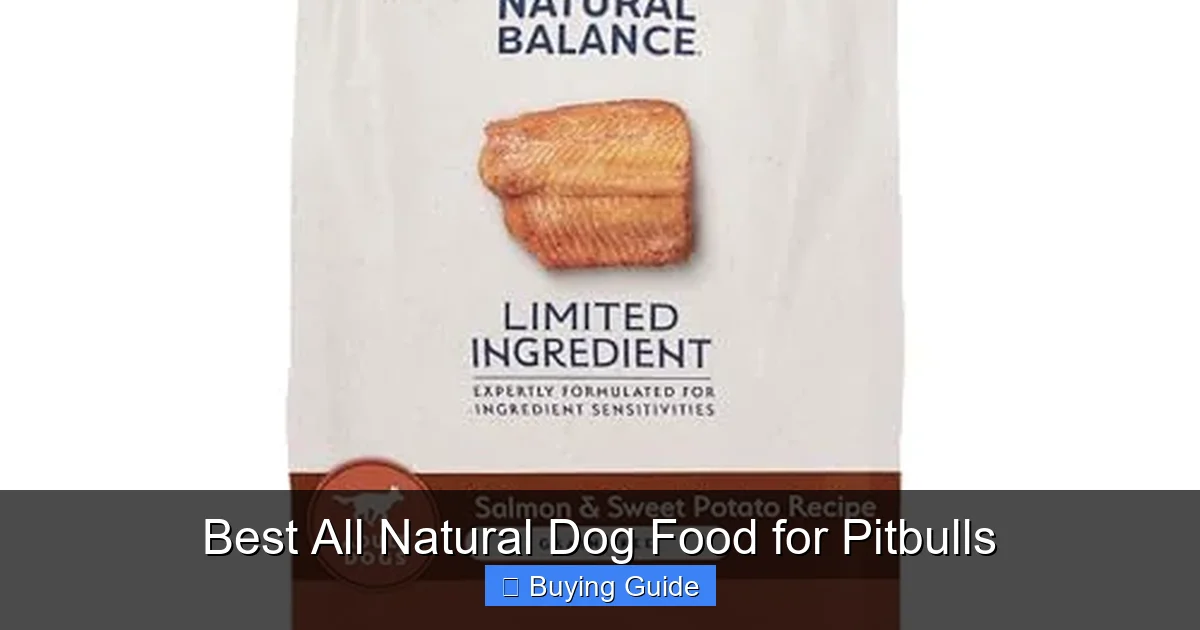
Choosing the best all natural dog food for pitbulls means prioritizing high-protein, grain-free formulas with real meat and no artificial additives. These powerful, athletic dogs thrive on nutrient-dense diets that support lean muscle, joint health, and sustained energy—especially in 2026’s evolving pet nutrition landscape.
Key Takeaways
- High-protein diets are essential: Pitbulls are muscular and active, requiring at least 25–30% protein from real animal sources like chicken, beef, or fish.
- Grain-free isn’t always necessary, but quality carbs matter: Opt for easily digestible carbohydrates like sweet potatoes or peas instead of fillers like corn or soy.
- Look for natural preservatives: Avoid BHA, BHT, and ethoxyquin. Choose foods with mixed tocopherols or rosemary extract.
- Omega fatty acids support skin and coat health: Pitbulls are prone to dry skin and allergies—look for foods rich in omega-3 and omega-6 from sources like salmon oil or flaxseed.
- Joint support ingredients are a plus: Glucosamine and chondroitin help maintain mobility, especially as your pitbull ages.
- AAFCO compliance ensures nutritional completeness: Always check that the food meets AAFCO standards for your dog’s life stage.
- Transition slowly to new food: Sudden diet changes can upset your pitbull’s stomach—gradually mix in new food over 7–10 days.
📑 Table of Contents
- Why All Natural Dog Food Matters for Pitbulls
- Understanding Your Pitbull’s Nutritional Needs
- Top Ingredients to Look For in All Natural Dog Food
- Common Pitfalls to Avoid When Choosing Dog Food
- Top 5 All Natural Dog Food Brands for Pitbulls in 2026
- How to Transition Your Pitbull to a New Diet
- Final Thoughts: Feeding Your Pitbull for a Long, Healthy Life
Why All Natural Dog Food Matters for Pitbulls
When it comes to feeding your pitbull, not all dog foods are created equal. These strong, energetic dogs have unique nutritional needs that go beyond just filling their bowls. In 2026, pet parents are more informed than ever—demanding transparency, clean ingredients, and science-backed nutrition. That’s why all natural dog food for pitbulls has become a top priority for responsible owners.
Pitbulls are naturally muscular and athletic, built for agility, endurance, and strength. Whether you’re training for obedience, enjoying weekend hikes, or simply playing fetch in the backyard, your pitbull needs fuel that matches their lifestyle. Commercial kibble loaded with fillers, artificial colors, and unnamed meat by-products simply won’t cut it. Instead, a high-quality, all-natural diet supports everything from digestion to immune function—and even temperament.
But what exactly does “all natural” mean in 2026? It goes beyond just avoiding artificial additives. Today’s best natural dog foods use human-grade ingredients, sustainable sourcing, and minimal processing to preserve nutrients. They’re free from GMOs, synthetic preservatives, and vague terms like “meat meal” without species specification. For pitbulls, this means better absorption of nutrients, fewer allergies, and a shinier, healthier coat.
Understanding Your Pitbull’s Nutritional Needs
Pitbulls aren’t just big dogs—they’re powerhouses. Their dense muscle mass and high metabolism require a diet rich in quality protein, healthy fats, and balanced carbohydrates. Unlike smaller breeds, they can be prone to joint issues, skin sensitivities, and weight gain if overfed or undernourished. That’s why understanding their specific nutritional profile is the first step in choosing the best all natural dog food.
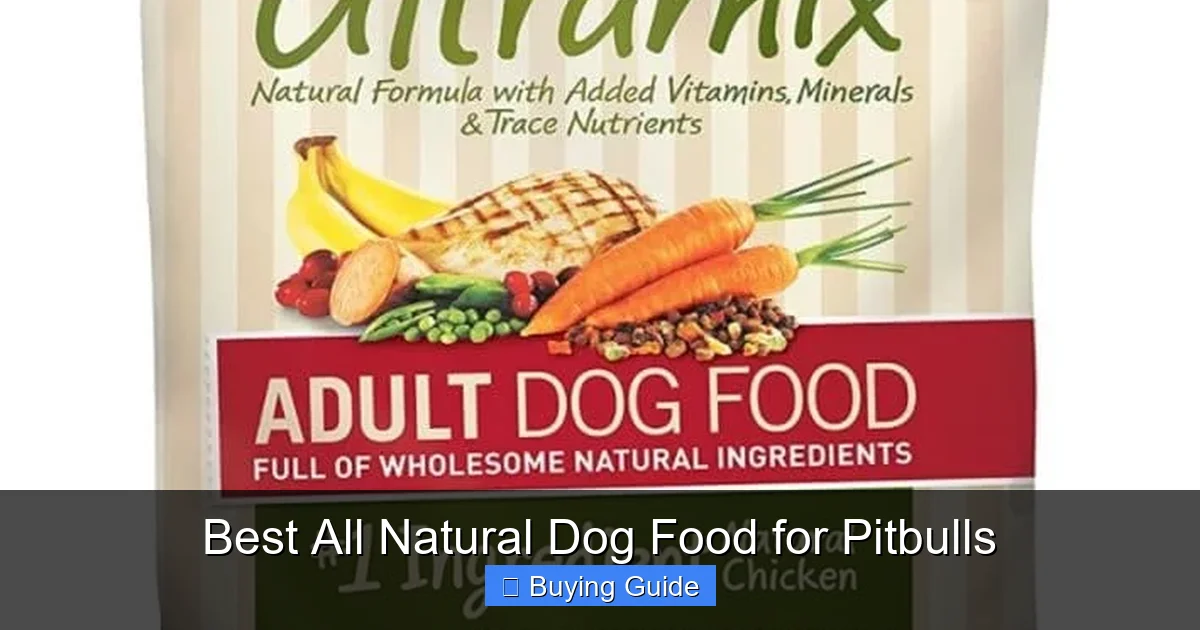
Visual guide about Best All Natural Dog Food for Pitbulls
Image source: rover.com
Protein: The Building Block of Muscle
Protein should be the cornerstone of your pitbull’s diet. Look for foods where real meat—like deboned chicken, turkey, lamb, or beef—is listed as the first ingredient. In 2026, top brands are using novel proteins like duck, bison, or wild-caught salmon to reduce allergy risks and boost flavor. Aim for a minimum of 25% protein content, with some performance formulas going as high as 30–35%.
But it’s not just about quantity—it’s about quality. Whole meats provide complete amino acid profiles, essential for muscle repair and growth. Avoid foods that rely heavily on plant-based proteins like pea protein isolate unless they’re supplemented with animal sources. Your pitbull’s body is designed to thrive on animal protein, so don’t skimp.
Healthy Fats for Energy and Coat Health
Fats are often misunderstood, but they’re vital for pitbulls. They provide concentrated energy, support brain function, and keep skin and coats healthy. Look for named fat sources like chicken fat, salmon oil, or flaxseed oil. These contain omega-3 and omega-6 fatty acids, which reduce inflammation and combat dry, itchy skin—a common issue in pitbulls.
In 2026, many premium brands are adding algae-based DHA for cognitive support and immune health. This is especially beneficial for puppies or senior pitbulls. Avoid generic “animal fat” listings, which can come from questionable sources. Instead, choose foods that specify the fat source and include a balanced omega ratio (ideally 5:1 to 10:1 omega-6 to omega-3).
Carbohydrates: Fuel Without the Fluff
While pitbulls don’t need carbs like humans do, they benefit from digestible sources of energy. The key is choosing complex carbohydrates that won’t spike blood sugar or contribute to weight gain. Sweet potatoes, peas, lentils, and chickpeas are excellent options—they’re rich in fiber, vitamins, and minerals.
Grain-free diets were once all the rage, but in 2026, the conversation has evolved. While some pitbulls do well on grain-free formulas, others thrive with small amounts of whole grains like oats or brown rice. The real issue isn’t grains—it’s fillers. Avoid corn, wheat, soy, and brewer’s rice, which offer little nutritional value and can trigger allergies.
Top Ingredients to Look For in All Natural Dog Food
Reading labels can feel like decoding a foreign language, but knowing what to look for makes all the difference. The best all natural dog food for pitbulls in 2026 features a short, recognizable ingredient list with real food you could eat yourself. Here’s a breakdown of must-have ingredients and why they matter.
Real Meat as the First Ingredient
This one’s non-negotiable. Whether it’s “deboned chicken,” “fresh turkey,” or “grass-fed beef,” the first ingredient should be a high-quality animal protein. Avoid vague terms like “meat meal” or “animal by-product meal” unless they specify the source (e.g., “chicken meal”).
Meat meals are actually concentrated protein sources and can be excellent—just make sure they’re from a named animal and not mixed with low-grade parts. In 2026, brands like The Honest Kitchen and Wellness CORE are leading the charge with humanely raised, traceable meats.
Functional Superfoods
Beyond the basics, the best natural dog foods include functional ingredients that support overall health. Think blueberries for antioxidants, pumpkin for digestion, and turmeric for anti-inflammatory benefits. These aren’t just marketing buzzwords—they’re science-backed additions that enhance your pitbull’s well-being.
For example, chia seeds provide omega-3s and fiber, while spinach offers iron and vitamin K. Some brands even include probiotics like Bacillus coagulans to support gut health. These extras can make a noticeable difference in your dog’s energy levels and digestion.
Natural Preservatives Only
Preservatives keep food fresh, but not all are safe. In 2026, the best brands use natural options like mixed tocopherols (vitamin E), rosemary extract, or citric acid. These prevent oxidation without the risks associated with synthetic preservatives like BHA, BHT, or ethoxyquin—linked to health concerns in dogs.
Always check the ingredient list. If you see “artificial preservatives” or chemical-sounding names, put it back on the shelf. Your pitbull deserves better.
Common Pitfalls to Avoid When Choosing Dog Food
Even with the best intentions, it’s easy to fall into common traps when shopping for dog food. Misleading labels, marketing hype, and outdated advice can lead you astray. Here’s what to watch out for in 2026.
“Natural” Doesn’t Always Mean “Premium”
Just because a bag says “natural” doesn’t mean it’s high-quality. The term is loosely regulated, and some brands use it as a marketing tool while still including fillers, unnamed meats, or synthetic additives. Always read the full ingredient list and nutrition facts.
Look for certifications like USDA Organic, Non-GMO Project Verified, or AAFCO compliance. These add an extra layer of trust and transparency.
Overfeeding and Weight Gain
Pitbulls love food—and they’ll eat until you stop them. But obesity is a serious risk, leading to joint stress, diabetes, and reduced lifespan. Even the best all natural dog food can cause weight gain if portioned incorrectly.
Follow the feeding guidelines on the package, but adjust based on your dog’s activity level, age, and body condition. Use a measuring cup—don’t eyeball it. And remember, treats should make up no more than 10% of daily calories.
Ignoring Life Stage Needs
A puppy pitbull has very different needs than a senior dog. Puppies require higher protein and fat for growth, while older dogs benefit from joint support and lower calories. Always choose a formula labeled for your dog’s life stage: puppy, adult, or senior.
In 2026, some brands offer “all life stages” foods, which can be convenient but may not be optimal for every dog. Consult your vet if you’re unsure.
Top 5 All Natural Dog Food Brands for Pitbulls in 2026
With so many options on the market, it’s hard to know where to start. Based on ingredient quality, customer reviews, and veterinary recommendations, here are five standout brands offering the best all natural dog food for pitbulls this year.
1. Orijen Original Grain-Free
Orijen remains a top choice for active breeds like pitbulls. Their Original formula features 85% animal ingredients, including free-run chicken, turkey, and wild-caught fish. It’s rich in protein (38%), low in carbs, and packed with fresh, regional ingredients.
What sets Orijen apart is their “biologically appropriate” philosophy—mimicking what dogs would eat in the wild. It’s freeze-dried coated for extra flavor and includes probiotics for digestion. While on the pricier side, many owners report shinier coats and better muscle tone.
2. Wellness CORE Grain-Free Original
Wellness CORE offers a balanced, high-protein diet with deboned turkey and chicken meal as top ingredients. At 34% protein, it supports lean muscle without excess fillers. It includes glucosamine and chondroitin for joint health—ideal for aging pitbulls.
The formula is grain-free, using peas and potatoes for energy, and includes antioxidants from fruits and vegetables. It’s also free from artificial colors, flavors, and preservatives. A great mid-range option with consistent quality.
3. The Honest Kitchen Human-Grade Dehydrated
For pet parents who want the convenience of kibble with the quality of fresh food, The Honest Kitchen is a game-changer. Their dehydrated recipes are made with human-grade ingredients—think free-range chicken, organic veggies, and quinoa.
Simply add warm water to rehydrate. It’s minimally processed, retaining more nutrients than traditional kibble. Great for picky eaters or dogs with sensitive stomachs. Plus, it’s easy to travel with.
4. Taste of the Wild High Prairie
This grain-free formula features roasted bison and roasted venison as primary proteins—perfect for dogs with chicken allergies. It includes probiotics, antioxidants, and omega fatty acids for immune and skin health.
At 32% protein, it’s slightly lower than some competitors but still excellent for active pitbulls. The inclusion of chicory root supports gut health, and the kibble is small and easy to chew.
5. American Journey Active Life Formula
Amazon’s own brand has stepped up its game in 2026. This formula uses real deboned chicken, menhaden fish meal, and sweet potatoes. It’s free from corn, wheat, and soy, and includes taurine for heart health.
At a more affordable price point, it’s a solid choice for budget-conscious owners who still want quality. It’s AAFCO-compliant and receives high marks for palatability and digestibility.
How to Transition Your Pitbull to a New Diet
Switching to a new food—even a better one—can be tricky. Dogs have sensitive digestive systems, and sudden changes can lead to gas, diarrhea, or refusal to eat. Here’s how to make the transition smooth and stress-free.
Step-by-Step Transition Plan
Start by mixing 25% new food with 75% old food for days 1–3. Increase to 50/50 for days 4–6. Then move to 75% new food for days 7–9. By day 10, your pitbull should be eating 100% of the new diet.
Monitor your dog closely during this time. If you notice vomiting, lethargy, or persistent diarrhea, slow down the process or consult your vet. Some dogs need up to two weeks to adjust.
Tips for Picky Eaters
If your pitbull turns up their nose at the new food, try warming it slightly or adding a splash of low-sodium bone broth. You can also mix in a spoonful of plain cooked chicken or pumpkin puree for flavor.
Avoid giving in and switching back—consistency is key. Most dogs adapt within a few days, especially when the new food is more aromatic and nutrient-dense.
Final Thoughts: Feeding Your Pitbull for a Long, Healthy Life
Choosing the best all natural dog food for pitbulls isn’t just about trends—it’s about giving your dog the foundation for a vibrant, active life. In 2026, we have more knowledge and better ingredients than ever before. By focusing on high-quality protein, natural preservatives, and functional superfoods, you’re setting your pitbull up for success.
Remember, every dog is unique. What works for one pitbull might not work for another. Pay attention to your dog’s energy levels, coat condition, stool quality, and overall happiness. These are the real indicators of a good diet.
And don’t forget regular vet check-ups. Your veterinarian can help tailor a nutrition plan based on your dog’s age, weight, and health status. With the right food, plenty of love, and daily exercise, your pitbull will thrive for years to come.
Frequently Asked Questions
What makes dog food “all natural”?
All natural dog food contains ingredients derived from natural sources without artificial additives, colors, or synthetic preservatives. In 2026, it often includes human-grade meats, organic produce, and clean-label formulations free from GMOs and fillers.
Can pitbulls eat grain-free food?
Yes, many pitbulls thrive on grain-free diets, especially if they have grain sensitivities. However, grain-free isn’t always necessary—some dogs do well with small amounts of whole grains like oats or brown rice. Focus on ingredient quality over grain content.
How much should I feed my pitbull?
Feeding amounts depend on age, weight, and activity level. Most adult pitbulls need 2–3 cups of high-quality kibble per day, split into two meals. Always follow the package guidelines and adjust based on your dog’s body condition.
Is raw food better than kibble for pitbulls?
Raw diets can offer benefits like improved coat and digestion, but they require careful balancing to avoid nutritional deficiencies. In 2026, many owners prefer high-quality kibble for convenience and safety, especially when formulated with natural, whole ingredients.
Can I make homemade all natural dog food for my pitbull?
Yes, but it’s challenging to get the nutrition right without a vet or canine nutritionist’s guidance. Homemade diets must include the right balance of protein, fat, calcium, and vitamins. Many owners supplement commercial food with fresh, dog-safe ingredients instead.
How often should I change my pitbull’s food?
There’s no need to change food frequently unless your dog has allergies or dietary needs. Consistency is best for digestion. If you do switch, do it gradually over 7–10 days to avoid stomach upset.