

Choosing the best all natural dog food for puppies is one of the most important decisions you’ll make as a new pet parent. With so many brands claiming to be “natural,” it’s easy to get overwhelmed—but we’ve done the research for you. From ingredient quality to life-stage nutrition, this guide breaks down everything you need to know to feed your growing pup right in 2026.
Welcoming a puppy into your home is one of life’s greatest joys—fluffy paws, wagging tails, and endless curiosity. But with that joy comes responsibility, especially when it comes to nutrition. Puppies grow faster in their first year than at any other time in their lives, and what you feed them lays the foundation for lifelong health. That’s why choosing the best all natural dog food for puppies isn’t just a trend—it’s a necessity.
In 2026, the pet food industry has evolved significantly. Pet parents are more informed than ever, demanding transparency, sustainability, and real food over marketing gimmicks. Gone are the days when “natural” was just a buzzword slapped on a bag of kibble filled with corn syrup and unnamed meat meals. Today’s top brands prioritize clean labels, ethical sourcing, and science-backed formulations. But with so many options on the shelf—and online—how do you know which one is truly right for your pup?
This guide cuts through the noise. We’ll walk you through what makes all natural puppy food truly beneficial, how to read labels like a pro, and which brands are leading the pack in 2026. Whether you’re raising a tiny Chihuahua or a future Great Dane, the principles of good nutrition remain the same: real ingredients, balanced nutrition, and a commitment to your puppy’s well-being.
Key Takeaways
- Real meat should be the first ingredient: Puppies need high-quality animal protein for muscle development and energy—look for named sources like chicken, lamb, or salmon.
- Avoid artificial additives: Steer clear of synthetic preservatives, colors, and flavors; natural alternatives like mixed tocopherols and rosemary extract are safer and healthier.
- Life-stage-specific formulas matter: Puppy food is specially designed with higher calories, DHA, and calcium to support rapid growth and brain development.
- Grain-free isn’t always better: Unless your pup has a diagnosed allergy, whole grains like oats and brown rice provide valuable fiber and nutrients.
- Check for AAFCO compliance: Ensure the food meets Association of American Feed Control Officials standards for complete and balanced puppy nutrition.
- Transparency is key: Trust brands that disclose sourcing, manufacturing locations, and third-party testing—this builds confidence in product safety.
- Transition gradually: When switching foods, mix the old and new over 7–10 days to avoid digestive upset.
📑 Table of Contents
- Why All Natural Matters for Growing Puppies
- What to Look for in All Natural Puppy Food
- Top All Natural Puppy Food Brands in 2026
- Homemade vs. Commercial All Natural Puppy Food
- How to Transition Your Puppy to a New Food
- Common Mistakes to Avoid
- Final Thoughts: Feeding Your Puppy for a Lifetime of Health
Why All Natural Matters for Growing Puppies
Puppies are not just small dogs—they’re developing beings with unique nutritional needs. Their bodies are building bones, muscles, brains, and immune systems at an astonishing rate. What they eat during this critical window can influence everything from coat quality to behavior to long-term disease risk.
All natural dog food for puppies means exactly that: ingredients derived from whole food sources without synthetic additives. Think real chicken, sweet potatoes, blueberries, and flaxseed—not “chicken by-product meal” or “artificial flavoring.” These clean ingredients are easier for young digestive systems to process and provide bioavailable nutrients that support healthy development.
Moreover, natural foods often contain higher levels of antioxidants, omega fatty acids, and phytonutrients—compounds that boost immunity and reduce inflammation. For example, blueberries are rich in antioxidants that help protect developing cells, while salmon oil provides DHA, a fatty acid essential for brain and vision development.
Another major benefit? Fewer digestive issues. Puppies fed natural diets tend to have firmer stools, less gas, and fewer allergic reactions compared to those on highly processed kibble. This is because natural ingredients are closer to what dogs would eat in the wild—whole, unprocessed, and balanced.
In 2026, the push toward natural isn’t just about health—it’s also about ethics. Many pet owners now consider the environmental impact of their choices. Brands using sustainable farming practices, recyclable packaging, and humanely raised meats are gaining traction. Feeding your puppy natural food becomes part of a larger commitment to wellness—for your pet, your family, and the planet.
What to Look for in All Natural Puppy Food
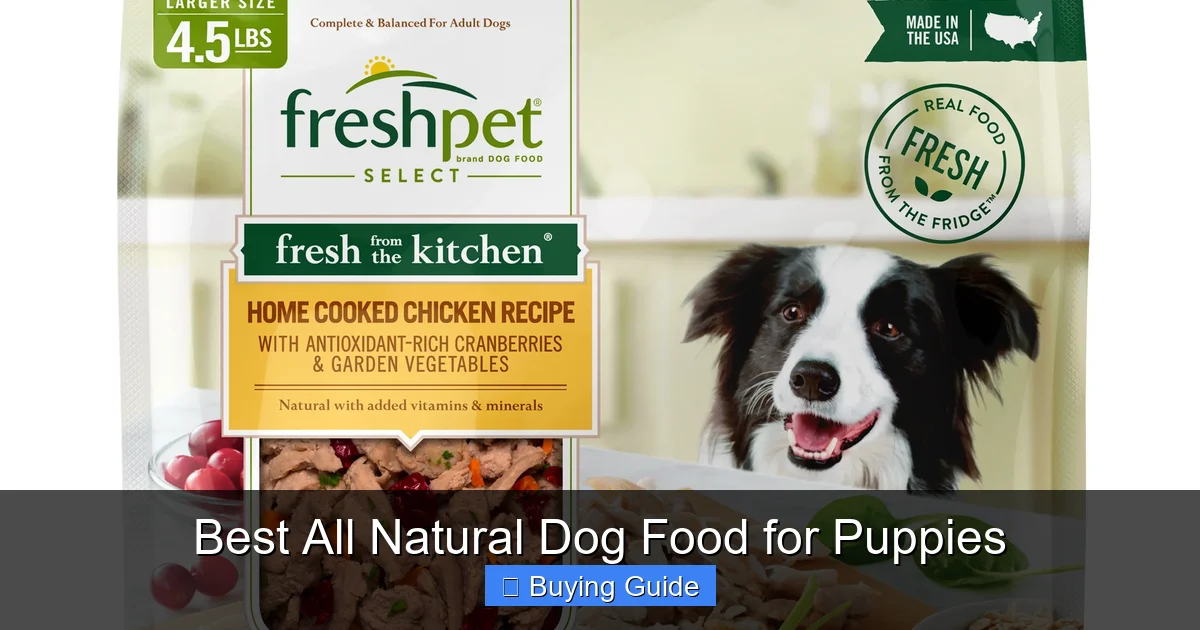
Visual guide about Best All Natural Dog Food for Puppies
Image source: i5.walmartimages.com
Not all “natural” labels are created equal. In fact, the term isn’t strictly regulated by the FDA or AAFCO, which means some brands use it loosely. To ensure you’re getting the best all natural dog food for puppies, you need to become a savvy label reader.
1. High-Quality Animal Protein First
The first ingredient should always be a named animal protein—like “deboned chicken,” “whole lamb,” or “fresh salmon.” Avoid vague terms like “meat meal” or “poultry by-products.” Puppies need about 22–32% protein in their diet, depending on breed and activity level, and it should come from real meat, not fillers.
For example, a top-tier natural puppy food might list “deboned turkey” as the first ingredient, followed by turkey meal (a concentrated protein source), lentils, and peas. This provides a complete amino acid profile essential for muscle growth.
2. Healthy Fats for Energy and Coat Health
Look for named fat sources like “chicken fat,” “salmon oil,” or “flaxseed oil.” These provide essential fatty acids like omega-3 and omega-6, which support brain development, reduce inflammation, and give your pup a shiny coat. Avoid generic “animal fat” or “vegetable oil,” which offer little nutritional value.
DHA (docosahexaenoic acid) is especially important for puppies. It’s a type of omega-3 found in fish oil and algae that supports cognitive function and vision. Many premium natural puppy foods now include DHA from sustainable sources like algae oil, making them ideal for brain development.
3. Whole Grains and Fiber (When Appropriate)
Contrary to popular belief, grain-free isn’t always better—especially for puppies. Whole grains like oatmeal, brown rice, and quinoa provide slow-burning energy, fiber for digestion, and B vitamins for metabolism. Unless your vet has diagnosed a grain allergy, these are safe and beneficial.
That said, some puppies do better on grain-free diets. If your pup has sensitive digestion or skin issues, look for natural grain-free options with alternative carb sources like sweet potatoes, chickpeas, or lentils.
4. No Artificial Additives
True all natural puppy food should be free from artificial preservatives (like BHA, BHT, and ethoxyquin), colors, and flavors. Instead, look for natural preservatives such as mixed tocopherols (vitamin E), rosemary extract, or ascorbic acid (vitamin C). These keep food fresh without harmful chemicals.
Also avoid added sugars, corn syrup, and propylene glycol—common in lower-quality kibbles and linked to obesity and hyperactivity in dogs.
5. AAFCO Statement of Nutritional Adequacy
Every reputable puppy food should include an AAFCO statement on the label. This confirms the food meets the nutritional standards for “growth” or “all life stages.” Look for phrases like “formulated to meet the nutritional levels established by the AAFCO Dog Food Nutrient Profiles for growth.”
This ensures your puppy gets the right balance of protein, fat, calcium, phosphorus, and other essential nutrients—not too little, not too much.
Top All Natural Puppy Food Brands in 2026
The market for natural puppy food has exploded in recent years, but only a few brands consistently deliver on quality, transparency, and performance. Here are the standout options in 2026.
The Honest Kitchen Human-Grade Dehydrated Puppy Food
This brand takes “natural” to the next level with human-grade, dehydrated meals made from whole foods. Their puppy formula features free-range chicken, organic oats, carrots, and coconut oil—all gently dehydrated to preserve nutrients.
What sets The Honest Kitchen apart is their transparency. You can trace every ingredient back to its source, and their food is made in small batches in the USA. Just add warm water, and you’ve got a fresh, minimally processed meal that puppies love.
It’s pricier than kibble, but many pet parents swear by the improved energy, digestion, and coat quality they see in their pups.
Open Farm Puppy Recipe with Humanely Raised Chicken
Open Farm is a leader in ethical pet food. Their puppy formula uses humanely raised chicken, non-GMO vegetables, and superfoods like pumpkin and chia seeds. The food is cooked at low temperatures to retain nutrients and is free from artificial preservatives.
They also use recyclable packaging and provide a “Track Your Food” feature on their website, so you can see exactly where your puppy’s meal came from. It’s a great choice for eco-conscious families who want high-quality nutrition without compromising their values.
Wellness CORE Grain-Free Puppy Formula
Wellness has long been a trusted name in natural pet food, and their CORE line is perfect for puppies with sensitive stomachs or grain allergies. This grain-free recipe features deboned turkey, turkey meal, and chicken meal as the top ingredients, providing a rich protein base.
It’s packed with DHA from salmon oil, probiotics for digestion, and antioxidants from fruits and veggies. Plus, it’s free from corn, wheat, soy, and artificial additives. Many breeders and vets recommend Wellness CORE for growing puppies due to its balanced nutrition and digestibility.
Taste of the Wild High Prairie Puppy Formula
Inspired by a dog’s ancestral diet, this brand offers a grain-free recipe with roasted bison and roasted venison as the primary proteins. It also includes peas, sweet potatoes, and dried chicory root for fiber and prebiotics.
Taste of the Wild uses proprietary probiotics to support gut health and includes chelated minerals for better absorption. It’s a great option for active puppies who need sustained energy and strong immunity.
Farmina N&D Ancestral Grain Puppy Formula
This Italian brand combines ancient grains like spelt and oats with fresh meats and low-glycemic vegetables. Their puppy formula features free-range chicken and eggs, along with herring oil for DHA and omega-3s.
Farmina uses a slow-cooking process to preserve nutrients and avoids synthetic additives. It’s a bit harder to find in stores, but widely available online and praised by holistic vets for its clean, balanced profile.
Homemade vs. Commercial All Natural Puppy Food
Some pet parents consider making their own puppy food at home to ensure complete control over ingredients. While this can be rewarding, it comes with significant challenges.
Pros of Homemade Puppy Food
– Full ingredient control
– No preservatives or fillers
– Can tailor to specific allergies or sensitivities
Cons of Homemade Puppy Food
– Risk of nutritional imbalances (especially calcium, phosphorus, and vitamin D)
– Time-consuming and costly
– Requires veterinary nutritionist guidance to ensure completeness
If you choose the homemade route, work with a board-certified veterinary nutritionist to create a balanced recipe. Never feed a raw diet without professional supervision—raw diets can pose risks of bacterial contamination and nutritional gaps.
For most families, high-quality commercial all natural puppy food offers the best balance of convenience, safety, and nutrition. Look for brands that use human-grade ingredients and provide detailed feeding guides.
How to Transition Your Puppy to a New Food
Switching your puppy to a new food—especially a high-quality natural one—should be done gradually to avoid digestive upset. Here’s a simple 7–10 day transition plan:
– **Days 1–2:** 25% new food, 75% old food
– **Days 3–4:** 50% new food, 50% old food
– **Days 5–6:** 75% new food, 25% old food
– **Day 7+:** 100% new food
Monitor your puppy for signs of digestive stress, such as diarrhea, vomiting, or lethargy. If issues persist, slow the transition or consult your vet.
Also, avoid frequent food switches. Puppies thrive on consistency, and changing brands too often can disrupt their gut microbiome.
Common Mistakes to Avoid
Even the most well-intentioned pet parents can make nutrition mistakes. Here are a few to watch out for:
– **Overfeeding:** Puppies need more calories per pound than adult dogs, but overfeeding can lead to rapid growth and joint problems, especially in large breeds. Follow feeding guidelines and adjust based on your pup’s body condition.
– **Ignoring breed-specific needs:** Large breed puppies (like Labs or German Shepherds) need controlled calcium and phosphorus levels to prevent skeletal issues. Look for formulas labeled “for large breed puppies.”
– **Feeding adult dog food:** Adult food doesn’t have the right nutrient balance for growing pups. Always choose a puppy-specific formula.
– **Relying on marketing claims:** Just because a bag says “natural” or “premium” doesn’t mean it’s good. Always read the ingredient list and AAFCO statement.
Final Thoughts: Feeding Your Puppy for a Lifetime of Health
Choosing the best all natural dog food for puppies is one of the most impactful decisions you’ll make as a pet owner. In 2026, pet parents have more options than ever—brands that prioritize real ingredients, ethical sourcing, and scientific nutrition.
Remember, the best food is one that supports your puppy’s growth, energy, and overall well-being without compromising on safety or sustainability. Whether you choose a dehydrated meal, a grain-free kibble, or a humanely sourced recipe, the key is consistency, quality, and love.
Your puppy’s diet today shapes their health tomorrow. By investing in all natural nutrition now, you’re setting them up for a vibrant, active, and happy life by your side.
Frequently Asked Questions
Is all natural puppy food worth the extra cost?
Yes, for most puppies. While natural food can be more expensive, the benefits—better digestion, healthier skin, fewer allergies, and improved energy—often outweigh the cost. Think of it as an investment in your puppy’s long-term health.
Can I feed my puppy vegetarian or vegan natural food?
No. Puppies are omnivores but require animal-based protein for essential amino acids like taurine and arginine. Vegetarian or vegan diets can lead to serious health issues unless carefully formulated by a veterinary nutritionist—and even then, they’re not recommended for growing pups.
How often should I feed my puppy natural food?
Most puppies need 3–4 meals per day until they’re about 6 months old, then 2 meals daily. Follow the feeding guidelines on the package and adjust based on your puppy’s age, breed, and activity level.
Are raw diets considered all natural?
Raw diets can be natural, but they’re not automatically safe or balanced. Raw feeding requires careful planning to avoid bacterial contamination and nutritional deficiencies. Consult your vet before starting a raw diet.
What if my puppy doesn’t like the new natural food?
Try mixing in a small amount of warm water or low-sodium bone broth to enhance flavor. You can also gradually increase the proportion over a longer transition period. Some puppies just need time to adjust.
How do I know if my puppy is thriving on their food?
Signs of a well-fed puppy include steady weight gain, bright eyes, a shiny coat, firm stools, high energy, and good muscle tone. Regular vet check-ups can also confirm healthy development.