

Choosing the right food for your dog is one of the most important decisions you’ll make as a pet parent. While some human foods are safe and even beneficial, others can cause serious harm—even in small amounts. This guide breaks down the best and worst food for dogs in 2026, helping you make informed, healthy choices for your furry friend.
Key Takeaways
- High-quality commercial dog food is the safest and most balanced option: Look for brands that meet AAFCO standards and list real meat as the first ingredient.
- Lean meats like chicken, turkey, and fish are excellent protein sources: Always cook them thoroughly and remove bones, skin, and seasonings.
- Vegetables such as carrots, green beans, and sweet potatoes support digestion and immunity: Serve plain and in moderation.
- Chocolate, grapes, onions, and xylitol are extremely toxic to dogs: Even small amounts can lead to kidney failure, seizures, or death.
- Raw diets carry risks like bacterial contamination and nutritional imbalances: Consult your vet before starting a raw feeding plan.
- Dairy should be limited due to lactose intolerance in many dogs: Small amounts of plain yogurt or cheese may be okay for some pups.
- Always introduce new foods gradually and watch for allergic reactions: Symptoms include itching, vomiting, or diarrhea.
📑 Table of Contents
- Introduction: Why Your Dog’s Diet Matters More Than You Think
- Understanding Your Dog’s Nutritional Needs
- The Best Food for Dogs: Safe, Nutritious, and Delicious Options
- The Worst Food for Dogs: Toxic and Dangerous Ingredients
- Special Dietary Considerations for Different Dogs
- How to Transition Your Dog to a New Food
- Conclusion: Feeding Your Dog with Confidence in 2026
Introduction: Why Your Dog’s Diet Matters More Than You Think
You love your dog—maybe even more than some people you know. And just like with any loved one, you want to give them the best. That starts with what’s in their bowl. In 2026, pet nutrition has evolved far beyond kibble and canned food. With more pet parents embracing fresh, raw, and homemade diets, the conversation around the best and worst food for dogs has never been more important—or more confusing.
But here’s the truth: not all food is created equal when it comes to your dog’s health. While a shiny coat and wagging tail might make you think your pup is thriving, hidden dietary issues can lead to long-term problems like obesity, allergies, digestive disorders, and even organ damage. The good news? With the right knowledge, you can easily avoid the pitfalls and feed your dog meals that support energy, longevity, and overall well-being.
This guide will walk you through everything you need to know about the best and worst food for dogs in 2026. From safe human foods you can share to dangerous ingredients that belong nowhere near your pet, we’ll cover it all—with practical tips, expert-backed advice, and real-world examples to help you make smart choices every day.
Understanding Your Dog’s Nutritional Needs
Dogs are omnivores with a carnivorous倾向—meaning they thrive on a balanced mix of animal protein, healthy fats, carbohydrates, vitamins, and minerals. Unlike humans, their digestive systems are shorter and more acidic, designed to process meat efficiently. But that doesn’t mean they can eat anything. In fact, their nutritional needs are quite specific, and getting them right is key to a long, healthy life.
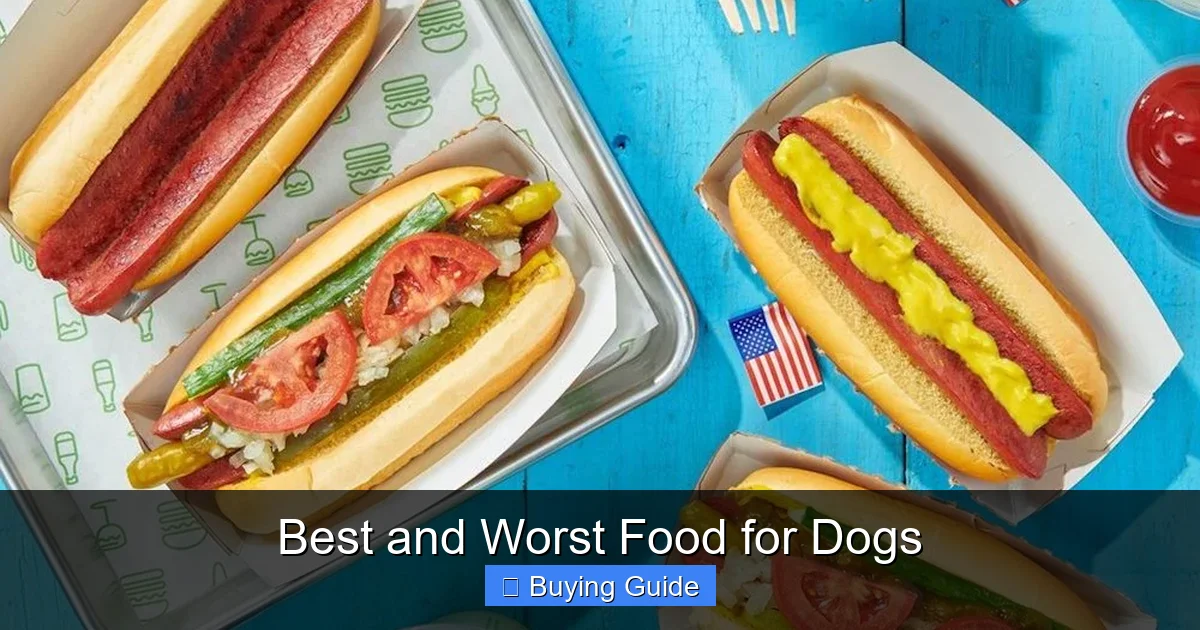
Visual guide about Best and Worst Food for Dogs
Image source: mashed.com
Protein: The Foundation of a Healthy Diet
Protein is the cornerstone of your dog’s diet. It supports muscle development, immune function, and healthy skin and coat. High-quality animal-based proteins—like chicken, beef, lamb, and fish—should make up the majority of their meals. In 2026, many premium dog food brands now use novel proteins like duck, venison, or even insect-based protein to cater to dogs with allergies or sensitivities.
Look for foods where real meat is listed as the first ingredient. Avoid products with vague terms like “meat meal” or “by-product meal” unless they’re clearly defined (e.g., “chicken meal”). These can be lower in nutritional value and may include parts not fit for human consumption.
Fats and Omega Fatty Acids
Healthy fats are essential for energy, brain function, and a shiny coat. Omega-3 and Omega-6 fatty acids—found in fish oil, flaxseed, and chicken fat—help reduce inflammation and support joint health. Dogs with dry, itchy skin or arthritis often benefit from supplements rich in these fats.
But be cautious: too much fat can lead to pancreatitis, a painful and potentially life-threatening condition. Stick to balanced commercial diets or consult your vet before adding oils or fatty treats to your dog’s routine.
Carbohydrates: Not the Enemy
Contrary to popular belief, dogs do need some carbohydrates. They provide energy and help with digestion when sourced from whole grains, vegetables, and legumes. Brown rice, oats, sweet potatoes, and peas are excellent options. Avoid refined carbs like white flour or sugar, which offer little nutritional value and can spike blood sugar.
Vitamins and Minerals
Calcium, phosphorus, vitamin D, and B vitamins are crucial for bone health, metabolism, and nerve function. Most commercial dog foods are fortified with these nutrients, but homemade diets require careful planning to avoid deficiencies. For example, too much calcium in large-breed puppies can cause skeletal problems, while too little can lead to weak bones.
Hydration: Often Overlooked
Water is just as important as food. Dogs should always have access to fresh, clean water. Wet food can help increase moisture intake, especially for dogs who don’t drink enough. Dehydration can lead to urinary tract issues, kidney stones, and lethargy.
The Best Food for Dogs: Safe, Nutritious, and Delicious Options
Now that you understand what your dog needs, let’s talk about the best food for dogs—foods that are not only safe but can actually boost their health. These include high-quality commercial diets, fresh whole foods, and vet-approved supplements.
Top Commercial Dog Foods in 2026
In 2026, the pet food market is more transparent and innovative than ever. Brands like The Honest Kitchen, Open Farm, and Ollie offer fresh, human-grade meals with minimal processing. These foods often use sustainably sourced ingredients and are free from artificial preservatives, fillers, and by-products.
When shopping for kibble or wet food, look for:
- AAFCO (Association of American Feed Control Officials) certification
- Real meat as the first ingredient
- No artificial colors, flavors, or preservatives
- Whole food ingredients (e.g., “sweet potato” instead of “sweet potato powder”)
- Transparent sourcing and manufacturing practices
For example, Open Farm’s grain-free chicken recipe uses free-range chicken, pumpkin, and coconut oil—ingredients you’d feel good about eating yourself. These brands often provide feeding guides and nutritional breakdowns, making it easy to choose the right option for your dog’s age, size, and activity level.
Safe Human Foods You Can Share
Many human foods are not only safe for dogs but can be healthy additions to their diet. Here are some of the best:
- Cooked chicken or turkey: Lean, protein-rich, and easy to digest. Remove skin, bones, and any seasoning (especially garlic and onion).
- Fish (salmon, sardines, mackerel): Packed with Omega-3s. Always cook thoroughly to kill parasites and remove bones.
- Eggs: A great source of protein and biotin. Serve scrambled or boiled—never raw, as raw egg whites contain avidin, which can interfere with biotin absorption.
- Carrots: Low in calories and high in fiber and vitamin A. Great for dental health and as a crunchy treat.
- Green beans: Fresh or frozen (not canned with salt) are a low-calorie snack rich in vitamins and minerals.
- Sweet potatoes: Cooked and plain, they’re a great source of fiber and beta-carotene. Avoid sweet potato fries or anything with added sugar or spices.
- Pumpkin (plain, canned or cooked): Excellent for digestion. Helps with both diarrhea and constipation due to its high fiber content.
- Blueberries: Antioxidant powerhouses. Serve fresh or frozen as a healthy treat.
- Apples (without seeds or core): High in fiber and vitamin C. Remove the seeds, which contain cyanide in large amounts.
These foods can be mixed into your dog’s regular meals or used as training rewards. Just remember: treats should make up no more than 10% of your dog’s daily caloric intake.
Homemade and Fresh Food Diets
More pet owners are turning to homemade or fresh food diets in 2026, driven by concerns about processed ingredients and recalls. While these diets can be beneficial, they require careful planning to ensure nutritional balance.
If you’re considering a homemade diet, work with a veterinary nutritionist to create a recipe that meets your dog’s needs. A typical balanced homemade meal might include:
- 60% protein (chicken, beef, fish)
- 20% vegetables (carrots, spinach, green beans)
- 20% carbohydrates (sweet potato, brown rice)
- Added supplements (fish oil, calcium, vitamin E)
Fresh food delivery services like Nom Nom and Spot & Tango offer pre-portioned, vet-formulated meals that take the guesswork out of homemade feeding. These services are convenient and ensure your dog gets all the nutrients they need without the risk of deficiency.
The Worst Food for Dogs: Toxic and Dangerous Ingredients
While it’s easy to get excited about sharing your food with your dog, some human foods are extremely dangerous—even in small amounts. Knowing the worst food for dogs can literally save your pet’s life.
Foods That Are Toxic to Dogs
These foods should never, under any circumstances, be given to dogs:
- Chocolate: Contains theobromine and caffeine, which dogs cannot metabolize. Dark chocolate and baking chocolate are especially dangerous. Symptoms include vomiting, diarrhea, rapid breathing, seizures, and death.
- Grapes and raisins: Even a few can cause acute kidney failure in dogs. The exact toxin is unknown, but the effect is well-documented.
- Onions, garlic, and chives: These contain compounds that damage red blood cells, leading to anemia. This includes all forms—raw, cooked, powdered, or dehydrated.
- Xylitol: A sugar substitute found in gum, candy, toothpaste, and some peanut butter. It causes a rapid insulin release, leading to hypoglycemia (low blood sugar), liver failure, and death.
- Alcohol: Even small amounts can cause vomiting, diarrhea, difficulty breathing, coma, and death. Never let your dog drink beer, wine, or liquor.
- Caffeine: Found in coffee, tea, energy drinks, and soda. Like chocolate, it stimulates the nervous system and can be fatal.
- Macadamia nuts: Toxic to dogs, causing weakness, depression, vomiting, and tremors. The exact mechanism is unknown.
- Avocado: Contains persin, which can cause vomiting and diarrhea. The pit also poses a choking hazard.
If your dog ingests any of these, contact your vet or the ASPCA Animal Poison Control Center immediately. Time is critical in poisoning cases.
Foods That Are Unsafe or Harmful
These foods aren’t necessarily toxic but can still cause health problems:
- Bones (especially cooked): Cooked bones can splinter and cause choking, intestinal blockages, or perforations. Raw bones are controversial—some owners swear by them, but vets warn of bacterial risks (like Salmonella) and dental damage.
- Dairy products: Many dogs are lactose intolerant. While small amounts of plain yogurt or cheese may be okay for some, milk can cause gas, diarrhea, and upset stomach.
- Fatty or fried foods: Can lead to pancreatitis, a painful and potentially deadly inflammation of the pancreas. Avoid bacon grease, fried chicken, and greasy leftovers.
- Salty snacks: Chips, pretzels, and popcorn can cause sodium ion poisoning, leading to vomiting, diarrhea, tremors, and seizures.
- Raw meat and eggs: While some advocate for raw diets, they carry risks of Salmonella, E. coli, and nutritional imbalances. If you choose raw feeding, follow strict hygiene and consult your vet.
- Yeast dough: Can expand in the stomach, causing bloating and potentially life-threatening gastric dilation-volvulus (GDV). The fermentation process also produces alcohol, which is toxic.
Common Household Items That Are Dangerous
It’s not just food—some everyday items can be harmful if ingested:
- Sugar-free gum or mints: Often contain xylitol.
- Medications: Human painkillers like ibuprofen and acetaminophen are toxic to dogs.
- Houseplants: Lilies, sago palm, and azaleas can be deadly if eaten.
- Cleaning products: Store out of reach and use pet-safe cleaners when possible.
Special Dietary Considerations for Different Dogs
Not all dogs have the same dietary needs. Age, breed, size, and health conditions all play a role in determining the best food for your dog.
Puppies vs. Adult Dogs vs. Seniors
Puppies need more calories, protein, and fat to support rapid growth. Look for food labeled “for growth” or “for all life stages.” Avoid overfeeding large-breed puppies, as this can lead to joint problems.
Adult dogs (1–7 years) need balanced nutrition to maintain energy and weight. Senior dogs (7+) often benefit from lower-calorie diets with joint support (like glucosamine) and easier-to-digest ingredients.
Breed-Specific Needs
Large breeds like Great Danes and Mastiffs are prone to bloat and joint issues, so they benefit from smaller, more frequent meals and food with controlled calcium levels.
Small breeds like Chihuahuas and Yorkies have fast metabolisms and may need calorie-dense food. They’re also more prone to dental issues, so dental chews or kibble designed for small mouths can help.
Health Conditions and Diet
Dogs with health issues often require special diets:
- Kidney disease: Low phosphorus and protein diets.
- Diabetes: High-fiber, low-fat diets with consistent carbohydrate levels.
- Food allergies: Limited-ingredient diets with novel proteins (e.g., duck, kangaroo).
- Obesity: Weight management formulas with fewer calories and more fiber.
Always consult your vet before switching to a therapeutic diet.
How to Transition Your Dog to a New Food
Switching your dog’s food too quickly can cause digestive upset. Follow these steps for a smooth transition:
- Day 1–2: 25% new food, 75% old food
- Day 3–4: 50% new food, 50% old food
- Day 5–6: 75% new food, 25% old food
- Day 7+: 100% new food
Watch for signs of intolerance: vomiting, diarrhea, gas, or lethargy. If symptoms persist, slow the transition or consult your vet.
Conclusion: Feeding Your Dog with Confidence in 2026
Feeding your dog the right food isn’t just about filling their bowl—it’s about giving them the foundation for a healthy, happy life. In 2026, we have more options than ever, from high-tech fresh food deliveries to transparent, sustainable kibble. But with great choice comes great responsibility.
By focusing on the best food for dogs—real, whole ingredients, balanced nutrition, and vet-approved formulations—you can avoid the pitfalls of the worst food for dogs, like toxins, fillers, and harmful additives. Remember, your dog relies on you to make smart choices. With this guide, you’re equipped to do just that.
So go ahead—give your pup a treat they’ll love, a meal that fuels their adventures, and the peace of mind that comes from knowing you’re doing what’s best for them. After all, they’re not just pets. They’re family.
Frequently Asked Questions
Can dogs eat bananas?
Yes, bananas are safe for dogs in moderation. They’re rich in potassium, fiber, and vitamin C. However, they’re high in sugar, so limit them to small pieces as an occasional treat.
Is peanut butter safe for dogs?
Most peanut butter is safe, but check the label for xylitol, a sugar substitute that’s toxic to dogs. Choose natural, unsalted peanut butter with no added sugars or artificial ingredients.
Can dogs eat rice?
Yes, plain white or brown rice is safe and often recommended for dogs with upset stomachs. It’s easy to digest and helps firm up stools. Avoid adding salt, butter, or seasonings.
Are raw diets safe for dogs?
Raw diets can be nutritious but carry risks like bacterial contamination and nutritional imbalances. If you choose raw feeding, consult a veterinary nutritionist and follow strict hygiene practices.
How much should I feed my dog?
Feeding amounts depend on your dog’s size, age, breed, and activity level. Follow the guidelines on the food packaging and adjust based on your dog’s weight and body condition. Your vet can help determine the right portion.
What should I do if my dog eats something toxic?
Contact your veterinarian or the ASPCA Animal Poison Control Center immediately. Do not induce vomiting unless instructed by a professional. Bring the packaging or ingredient list if possible.