

Yeast infections in dogs are common but manageable with the right diet. This guide reveals the best real foods to fight yeast overgrowth and the worst offenders that worsen symptoms—so you can feed your dog safely and effectively in 2026.
If your dog is scratching constantly, shaking their head, or has a funky smell coming from their ears or skin folds, you might be dealing with a yeast infection. And while it’s tempting to reach for medicated shampoos or antibiotics, the real solution often starts in the kitchen. In 2026, more pet parents are turning to real food diets to manage and prevent yeast overgrowth in dogs—because what your pup eats directly impacts their microbiome, immune system, and overall health.
Yeast, specifically *Malassezia* and *Candida* species, naturally live on your dog’s skin and in their gut. But when their environment becomes unbalanced—due to poor diet, antibiotics, or allergies—these fungi can multiply rapidly, leading to itchy skin, ear infections, redness, and even behavioral changes. The good news? You have more control than you think. By choosing the right real foods and avoiding the worst culprits, you can starve the yeast, support your dog’s natural defenses, and help them feel like themselves again.
This guide will walk you through the best and worst real foods for yeast infection dogs in 2026. We’ll cover everything from protein sources and healthy fats to probiotics and vegetables—plus practical tips for transitioning your dog to a yeast-fighting diet. Whether you’re feeding raw, home-cooked meals, or high-quality commercial food, these principles apply. Let’s dive in and give your dog the relief they deserve.
Key Takeaways
- Yeast thrives on sugar and carbs: Avoid high-glycemic foods like grains, potatoes, and sweet treats that feed yeast overgrowth.
- Protein-rich, low-carb diets help: Lean meats like turkey, chicken, and fish support immune function without promoting yeast.
- Probiotics are essential: Fermented foods like plain goat’s milk kefir restore healthy gut flora and combat yeast.
- Healthy fats reduce inflammation: Omega-3s from salmon oil and coconut oil have antifungal and anti-inflammatory benefits.
- Dairy can be tricky: Most dogs are lactose intolerant; avoid cow’s milk but consider small amounts of fermented dairy.
- Fresh vegetables matter: Low-sugar veggies like zucchini and broccoli support digestion; avoid starchy or sweet ones.
- Always consult your vet: Diet changes should complement, not replace, medical treatment for severe yeast infections.
📑 Table of Contents
Understanding Yeast Infections in Dogs
Yeast infections in dogs are more than just an itchy nuisance—they’re often a sign of deeper imbalances in your pet’s body. These fungal overgrowths typically occur in warm, moist areas like ears, paws, armpits, and skin folds. Common symptoms include excessive licking, head shaking, dark waxy ear discharge, red or inflamed skin, and a distinct “corn chip” or musty odor. While yeast is naturally present on healthy skin, it becomes problematic when it multiplies out of control.
Several factors can trigger or worsen yeast infections. Allergies—whether to food, pollen, or environmental irritants—are a major contributor. When a dog’s immune system is constantly fighting allergens, their skin barrier weakens, creating the perfect environment for yeast to thrive. Antibiotic use is another common culprit, as it wipes out beneficial gut bacteria that normally keep yeast in check. Poor diet, especially one high in carbohydrates and sugars, also plays a huge role. Yeast feeds on sugar, so a diet loaded with grains, starches, and processed ingredients can literally fuel the infection.
In 2026, veterinarians and holistic pet nutritionists agree: diet is one of the most powerful tools in managing yeast. While medications like antifungal shampoos or oral treatments may be necessary for severe cases, long-term success often depends on dietary changes. Real, whole foods can help restore balance to your dog’s gut microbiome, reduce inflammation, and strengthen their immune response. The key is understanding which foods support a healthy environment and which ones make things worse.
How Diet Impacts Yeast Overgrowth
Think of your dog’s body like a garden. Beneficial bacteria are the good plants, and yeast is the weed. When the soil (your dog’s internal environment) is healthy, the good plants thrive and keep the weeds under control. But if you over-fertilize with sugar and carbs, the weeds take over. That’s exactly what happens with yeast infections.
Carbohydrates, especially refined ones, break down into sugars during digestion. These sugars feed yeast, allowing it to multiply rapidly. Grains like corn, wheat, and rice—common in many commercial dog foods—are particularly problematic. Even “grain-free” kibble often contains starchy substitutes like potatoes, sweet potatoes, or peas, which still spike blood sugar and feed yeast.
On the flip side, a diet rich in high-quality protein, healthy fats, and low-glycemic vegetables creates an environment where beneficial bacteria can flourish. These good bacteria produce compounds that naturally inhibit yeast growth. They also support gut barrier function, preventing toxins and undigested food particles from leaking into the bloodstream—a condition known as “leaky gut” that can trigger inflammation and worsen yeast issues.
In 2026, research continues to show that dogs on species-appropriate, low-carb diets have fewer recurrent infections and better overall health. This doesn’t mean you need to go full raw or spend hours cooking every meal. Even small shifts—like replacing kibble with fresh meat and veggies a few times a week—can make a big difference.
The Best Real Foods for Fighting Yeast
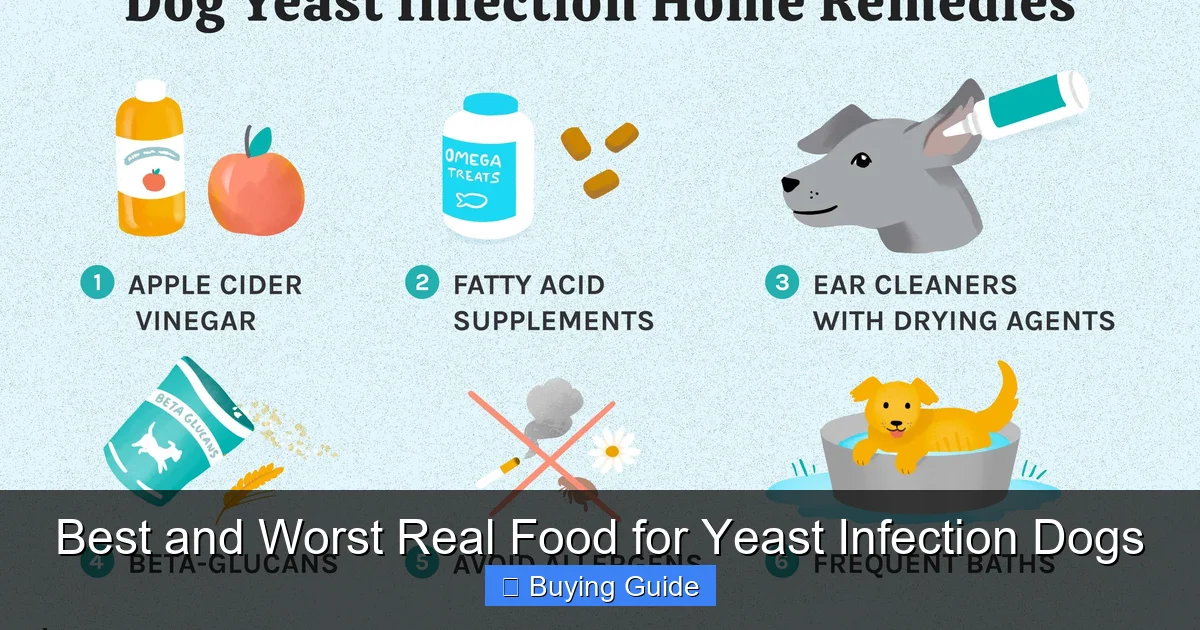
Visual guide about Best and Worst Real Food for Yeast Infection Dogs
Image source: thesprucepets.com
When it comes to beating yeast infections, not all real foods are created equal. The best options are those that starve yeast, support gut health, and reduce inflammation. In 2026, the most effective yeast-fighting foods are whole, unprocessed, and nutrient-dense. Let’s break down the top choices.
Lean, High-Quality Proteins
Protein should be the foundation of any yeast-fighting diet. It provides essential amino acids for tissue repair, immune function, and hormone balance—all critical when your dog is battling an infection. Lean meats are ideal because they’re low in fat (which can sometimes worsen skin issues) and free from added sugars or fillers.
Top protein sources include:
– **Chicken (skinless, boneless):** Easily digestible and rich in B vitamins.
– **Turkey:** A great alternative for dogs with chicken sensitivities.
– **Fish (especially salmon and sardines):** Packed with omega-3 fatty acids that reduce inflammation.
– **Eggs (cooked):** A complete protein with biotin, which supports healthy skin and coat.
Avoid processed meats like hot dogs or deli slices, which often contain sugar, preservatives, and fillers that can feed yeast. If you’re feeding raw, ensure proper handling to avoid bacterial contamination. For home-cooked meals, aim for a ratio of about 70% protein, 20% vegetables, and 10% healthy fats.
Probiotic-Rich Fermented Foods
One of the most powerful ways to combat yeast is by replenishing your dog’s gut with beneficial bacteria. Probiotics help restore microbial balance, strengthen the gut lining, and produce natural antifungal compounds.
In 2026, fermented foods are gaining popularity as a natural alternative to probiotic supplements. The best options for dogs include:
– **Plain goat’s milk kefir:** Easier to digest than cow’s milk and rich in live cultures. Start with 1 teaspoon per 10 pounds of body weight daily.
– **Fermented vegetables (like sauerkraut):** Make sure they’re free of garlic and onions, which are toxic to dogs. Offer small amounts (1/4 to 1/2 teaspoon per 10 lbs) as a topper.
– **Bone broth (fermented):** Simmer bones for 24–48 hours, then ferment with a probiotic starter for added benefits.
These foods not only support gut health but also enhance nutrient absorption. Many dog owners report reduced itching and improved coat condition within weeks of adding probiotics to the diet.
Healthy Fats with Antifungal Properties
Not all fats are created equal—especially when it comes to yeast. While excessive fat can contribute to skin oiliness, certain healthy fats actually have antifungal and anti-inflammatory effects.
Top choices include:
– **Coconut oil:** Contains caprylic acid and lauric acid, natural antifungals that help kill yeast. Start with 1/4 teaspoon per 10 lbs of body weight daily, gradually increasing.
– **Salmon oil:** Rich in EPA and DHA, omega-3s that reduce inflammation and support skin health.
– **Flaxseed oil:** A plant-based omega-3 source, best used in rotation with fish oils.
Avoid vegetable oils like corn, soybean, or canola oil, which are high in omega-6 fatty acids and can promote inflammation. Always store oils in a cool, dark place to prevent rancidity.
Low-Sugar, Non-Starchy Vegetables
Vegetables provide fiber, vitamins, and antioxidants that support detoxification and immune function. But not all veggies are safe for yeast-prone dogs. The key is choosing low-sugar, non-starchy options.
Great choices include:
– **Zucchini:** High in water and fiber, easy to digest.
– **Broccoli (steamed):** Rich in sulforaphane, a compound that supports liver detox.
– **Green beans:** Low in sugar and high in fiber.
– **Cucumber:** Hydrating and gentle on the stomach.
– **Spinach (in moderation):** Packed with iron and folate, but limit due to oxalates.
Avoid starchy or sweet vegetables like carrots, sweet potatoes, corn, and peas—even in small amounts. These can spike blood sugar and feed yeast. Always cook or lightly steam veggies to improve digestibility.
The Worst Real Foods for Yeast Infection Dogs
Just as some foods help fight yeast, others actively make it worse. In 2026, pet parents are becoming more aware of how hidden sugars and inflammatory ingredients in “healthy” foods can sabotage their dog’s recovery. Here’s what to avoid.
High-Carbohydrate and Starchy Foods
Yeast loves sugar—and carbohydrates break down into sugar during digestion. Even foods marketed as “natural” or “grain-free” can be loaded with starchy ingredients that feed yeast.
Avoid:
– **Grains:** Corn, wheat, rice, barley, and oats.
– **Starchy vegetables:** Potatoes, sweet potatoes, yams, and peas.
– **Legumes:** Lentils, chickpeas, and beans (common in grain-free kibble).
– **Processed treats:** Most commercial dog treats contain fillers, sugars, or artificial ingredients.
Even small amounts of these foods can disrupt gut balance. If you’re feeding kibble, look for brands with less than 20% carbohydrates on a dry matter basis. Better yet, consider transitioning to a fresh food diet.
Sugary and Sweet Foods
This one might seem obvious, but hidden sugars are everywhere. Yeast infections thrive in sugary environments, so even “healthy” snacks can be problematic.
Steer clear of:
– **Fruit (especially high-sugar ones):** Bananas, grapes, apples, and mangoes are too sweet for yeast-prone dogs.
– **Honey and maple syrup:** Often used as “natural” sweeteners, but still feed yeast.
– **Dried fruit and fruit juices:** Concentrated sugar bombs.
– **Yogurt with added sugar:** Even “low-fat” or “probiotic” yogurts often contain sweeteners.
Small amounts of low-sugar fruits like blueberries (1–2 per day for small dogs) may be okay occasionally, but avoid them during active infections.
Dairy Products (Except Fermented)
Most dogs are lactose intolerant, meaning they can’t properly digest the sugar in milk (lactose). Undigested lactose ferments in the gut, creating an environment where yeast can flourish.
Avoid:
– **Cow’s milk:** High in lactose and inflammatory proteins.
– **Cheese and cream:** High in fat and lactose.
– **Ice cream and yogurt (unless specified):** Often loaded with sugar and additives.
The exception? Fermented dairy like kefir or plain, unsweetened goat’s milk yogurt—these contain live cultures that support gut health and are lower in lactose. Always introduce slowly and watch for digestive upset.
Processed and Artificial Ingredients
Even if a food doesn’t contain obvious sugars or carbs, hidden ingredients can still harm your dog’s microbiome.
Watch out for:
– **Artificial preservatives:** BHA, BHT, and ethoxyquin.
– **Food dyes and flavors:** Linked to inflammation and allergies.
– **By-products and meat meals:** Low-quality protein sources that may contain contaminants.
– **Fillers:** Soy, corn gluten meal, and cellulose.
These ingredients don’t just lack nutritional value—they can trigger immune responses that worsen yeast overgrowth. Always read labels carefully, even on “premium” brands.
How to Transition Your Dog to a Yeast-Fighting Diet
Switching your dog’s diet can feel overwhelming, but with a slow and steady approach, most dogs adapt well. The key is gradual change to avoid digestive upset.
Step-by-Step Transition Plan
1. **Start with a 75/25 ratio:** Feed 75% old food and 25% new food for 3–5 days.
2. **Move to 50/50:** Continue for another 3–5 days.
3. **Shift to 25/75:** After a week, increase the new food to 75%.
4. **Go 100% new food:** By day 10–14, your dog should be fully transitioned.
If your dog has a sensitive stomach, extend each phase by a few days. Watch for signs of digestive upset like diarrhea or vomiting—if they occur, slow down the process.
Sample Meal Plan for Yeast-Prone Dogs
Here’s a simple, balanced meal you can make at home:
– **Protein:** 1 cup cooked turkey or chicken (boneless, skinless)
– **Vegetables:** 1/2 cup steamed zucchini and broccoli
– **Fat:** 1 teaspoon coconut oil
– **Probiotic:** 1 tablespoon goat’s milk kefir
Mix and serve at room temperature. Adjust portions based on your dog’s size and activity level. For raw feeders, use similar ratios with raw meat, organs, and bones (always follow safe handling practices).
Supplements to Consider
While real food should be the foundation, certain supplements can boost your dog’s recovery:
– **Digestive enzymes:** Help break down food and reduce gut stress.
– **Omega-3 fatty acids:** Reduce inflammation and support skin health.
– **Caprylic acid:** A natural antifungal derived from coconut oil.
– **Vitamin E:** Supports skin healing and immune function.
Always consult your vet before adding supplements, especially if your dog is on medication.
When to See a Veterinarian
While diet plays a huge role in managing yeast infections, it’s not a substitute for veterinary care. If your dog has:
– Severe redness, swelling, or open sores
– Persistent ear infections or head shaking
– Foul-smelling discharge
– Lethargy or loss of appetite
…it’s time to see a vet. They may prescribe antifungal medications, topical treatments, or allergy testing. In 2026, many vets are also open to integrative approaches, combining conventional medicine with dietary and lifestyle changes.
Remember, every dog is different. What works for one may not work for another. Keep a food and symptom journal to track what helps—and what doesn’t.
Conclusion
Yeast infections in dogs are frustrating, but they don’t have to be a lifelong battle. By focusing on real, whole foods and avoiding the worst offenders, you can create an internal environment where yeast can’t thrive. In 2026, the shift toward natural, species-appropriate diets is stronger than ever—and for good reason.
The best real foods for yeast infection dogs include lean proteins, probiotic-rich ferments, healthy fats like coconut and salmon oil, and low-sugar vegetables. The worst? High-carb grains, starchy veggies, sugary treats, and processed ingredients. With patience, consistency, and a little kitchen creativity, you can help your dog feel better from the inside out.
Always work with your vet, listen to your dog’s body, and remember: small changes can lead to big results. Your pup deserves to itch less, smell better, and live their happiest, healthiest life.
Frequently Asked Questions
Can I feed my dog yogurt for yeast infections?
Only if it’s plain, unsweetened, and fermented—like goat’s milk kefir. Most commercial yogurts contain sugar and lactose, which can worsen yeast. Always introduce small amounts and watch for digestive issues.
Are sweet potatoes bad for dogs with yeast infections?
Yes, sweet potatoes are high in starch and sugar, which feed yeast. Avoid them during active infections. Opt for low-sugar veggies like zucchini or green beans instead.
How long does it take for diet changes to improve yeast infections?
Some dogs show improvement in 2–4 weeks, but it can take up to 8–12 weeks for full results. Consistency is key—stick with the diet and monitor symptoms closely.
Can I give my dog coconut oil every day?
Yes, in moderation. Start with 1/4 teaspoon per 10 pounds of body weight daily. Too much can cause diarrhea or weight gain. Use virgin, unrefined coconut oil for best results.
Is raw food better for yeast-prone dogs?
Raw diets can be beneficial due to their high protein and low carb content, but they require careful balancing and safe handling. Consult a vet or pet nutritionist before switching.
Do probiotics really help with yeast infections?
Yes! Probiotics restore healthy gut bacteria, which naturally inhibit yeast overgrowth. Fermented foods like kefir are a great natural source—just avoid added sugars.