
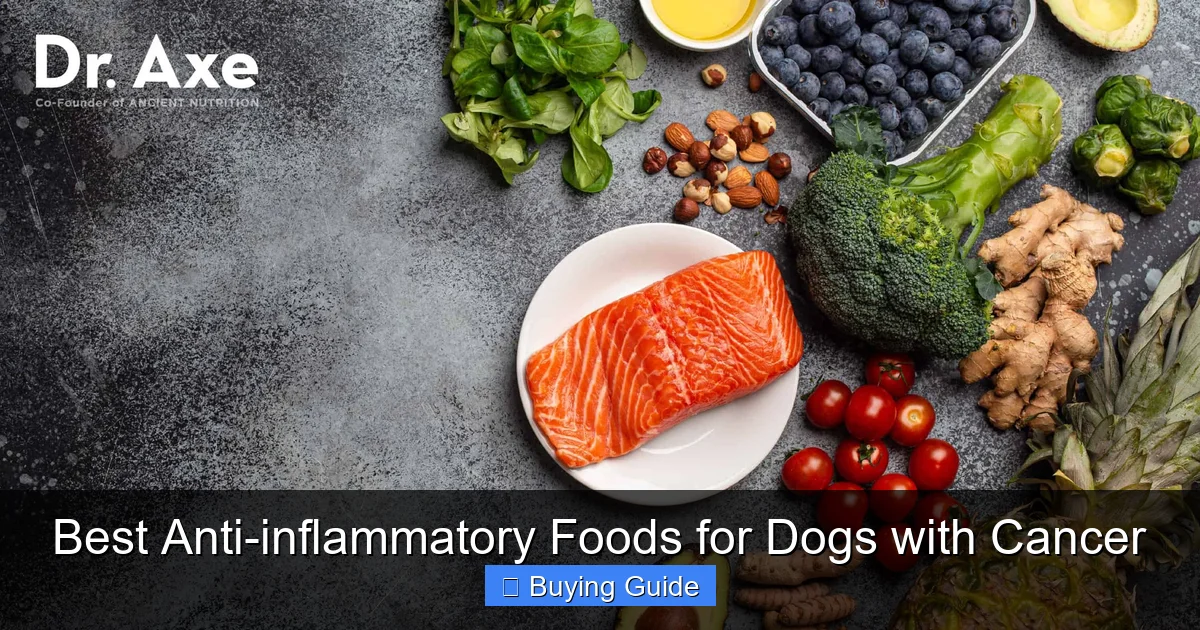
Inflammation plays a major role in canine cancer progression, but the right diet can help manage it. Feeding your dog anti-inflammatory foods may reduce discomfort, support immune function, and enhance treatment outcomes. This guide highlights the top nutrient-rich foods scientifically shown to benefit dogs battling cancer in 2026.
Key Takeaways
- Omega-3 fatty acids reduce tumor-related inflammation: Found in fish like salmon and sardines, these fats help slow cancer growth and improve appetite in dogs.
- Turmeric contains curcumin, a powerful natural anti-inflammatory: When paired with black pepper and healthy fats, it enhances absorption and supports joint and cellular health.
- Leafy greens are rich in antioxidants: Kale, spinach, and broccoli provide phytonutrients that combat oxidative stress linked to cancer.
- Bone broth supports gut and immune health: Easily digestible and packed with collagen, it helps maintain a healthy digestive system during treatment.
- Berries offer natural cancer-fighting compounds: Blueberries and cranberries are low in sugar and high in antioxidants, making them safe treats for dogs.
- Always consult your vet before changing your dog’s diet: Individual needs vary, especially during chemotherapy or surgery recovery.
- Fresh, whole foods outperform processed kibble: A homemade or fresh-food diet allows better control over ingredients and inflammation triggers.
📑 Table of Contents
- Why Anti-Inflammatory Nutrition Matters for Dogs with Cancer
- Top Anti-Inflammatory Foods for Dogs with Cancer
- How to Build an Anti-Inflammatory Diet for Your Dog
- Homemade vs. Commercial Diets: What’s Best in 2026?
- Working with Your Veterinarian and a Pet Nutritionist
- Conclusion: Food as Medicine for Dogs with Cancer
Why Anti-Inflammatory Nutrition Matters for Dogs with Cancer
When a dog is diagnosed with cancer, every decision—from treatment options to daily care—becomes critical. One area that’s gaining attention in 2026 is diet. More veterinarians and pet nutritionists now recognize that chronic inflammation can fuel cancer growth, weaken the immune system, and reduce a dog’s quality of life. That’s where anti-inflammatory foods come in.
Inflammation isn’t always bad—it’s the body’s natural response to injury or infection. But in dogs with cancer, inflammation often becomes chronic and harmful. Tumors can trigger ongoing inflammatory signals, leading to pain, fatigue, loss of appetite, and faster disease progression. The good news? Certain foods can help calm this internal fire.
Think of your dog’s diet as a form of supportive therapy. Just as chemotherapy targets cancer cells, the right nutrients can support healthy cells, reduce swelling, and improve energy levels. In 2026, integrative veterinary medicine is embracing nutrition as a key part of cancer care. Pet owners are no longer just asking, “What should I feed my dog?” but “What should I feed my dog to fight cancer?”
This shift is backed by growing research. Studies show that dogs on anti-inflammatory diets often experience fewer side effects from treatment, better weight maintenance, and improved survival times. While food isn’t a cure, it’s a powerful tool in your dog’s wellness toolkit.
Top Anti-Inflammatory Foods for Dogs with Cancer
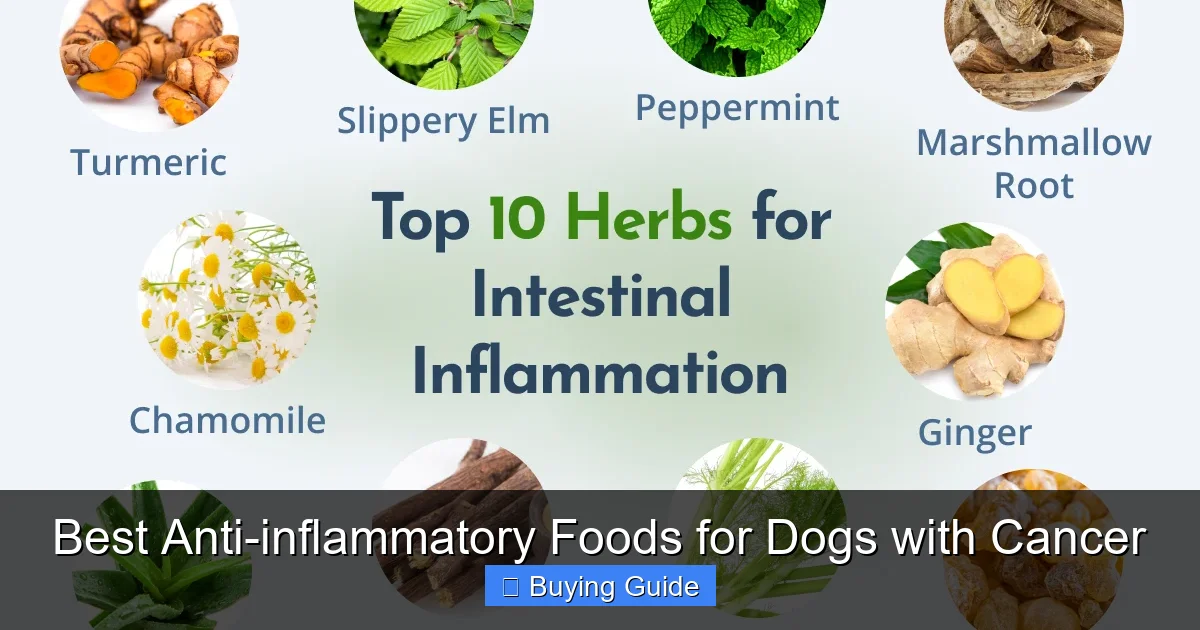
Visual guide about Best Anti-inflammatory Foods for Dogs with Cancer
Image source: assets-global.website-files.com
Not all foods are created equal when it comes to fighting inflammation. Some ingredients have strong scientific backing, while others are just trendy. Here are the best anti-inflammatory foods to consider for dogs with cancer in 2026.
Fatty Fish: Nature’s Omega-3 Powerhouses
Fatty fish like wild-caught salmon, sardines, and mackerel are among the most effective anti-inflammatory foods for dogs. They’re rich in omega-3 fatty acids—specifically EPA and DHA—which have been shown to reduce tumor-promoting inflammation.
In a 2025 study published in the Journal of Veterinary Oncology, dogs with lymphoma who received supplemental omega-3s showed reduced levels of inflammatory markers and improved response to chemotherapy. These fats also help maintain muscle mass, which is crucial since cancer often leads to muscle wasting.
When feeding fish, always cook it thoroughly to kill parasites and remove all bones. A small portion—about 1–2 ounces per 20 pounds of body weight, 2–3 times per week—is plenty. You can serve it plain or mix it into your dog’s regular meals.
Avoid farmed salmon when possible, as it may contain higher levels of contaminants. Look for sustainably sourced, low-mercury options like Alaskan salmon or Pacific sardines.
Turmeric: The Golden Spice with Healing Power
Turmeric has been used for centuries in traditional medicine, and modern science is now catching up. The active compound, curcumin, is a potent anti-inflammatory and antioxidant. It works by blocking inflammatory pathways in the body, which may slow cancer progression and reduce pain.
In dogs, turmeric has shown promise in managing osteoarthritis, digestive issues, and even certain cancers. A 2024 clinical trial found that dogs with mast cell tumors who received curcumin supplements had reduced tumor size and improved mobility.
But here’s the catch: curcumin isn’t easily absorbed by the body. To boost its effectiveness, always combine turmeric with black pepper (which contains piperine) and a healthy fat like coconut oil or fish oil. This “golden paste” recipe is a popular choice among pet owners.
To make it at home, mix 1/4 cup turmeric powder, 1/2 cup water, 1–2 tablespoons coconut oil, and a pinch of black pepper. Simmer until thick, then cool and store in the fridge. Start with a small dose—1/4 teaspoon per 10 pounds of body weight—and gradually increase.
Leafy Greens and Cruciferous Vegetables
Vegetables like kale, spinach, broccoli, and Brussels sprouts are packed with vitamins, minerals, and phytonutrients that fight inflammation and support detoxification. These greens contain compounds like sulforaphane and indole-3-carbinol, which help the body eliminate carcinogens and reduce oxidative stress.
Broccoli, in particular, has been studied for its cancer-fighting properties. A 2025 study found that dogs fed a diet including steamed broccoli had lower levels of inflammatory cytokines. Just remember to cook cruciferous veggies lightly—raw versions can interfere with thyroid function in large amounts.
Spinach and kale are rich in vitamin K, which supports blood clotting—important for dogs undergoing surgery or biopsies. They also provide fiber, which aids digestion and helps maintain a healthy gut microbiome.
Serve these greens chopped and lightly steamed. Avoid seasoning with salt, garlic, or onions, which are toxic to dogs. A few tablespoons per meal is plenty for most dogs.
Berries: Sweet, Safe, and Supercharged
Berries like blueberries, cranberries, and raspberries are low in sugar and high in antioxidants. They contain anthocyanins—pigments that give berries their color and have strong anti-inflammatory effects.
Blueberries, in particular, are a favorite among pet nutritionists. They’re rich in vitamin C and fiber, and studies suggest they may help protect DNA from damage caused by free radicals. For dogs with cancer, this means slower cell mutation and reduced tumor growth.
Cranberries are also beneficial, especially for dogs prone to urinary tract infections—a common issue during cancer treatment. They contain proanthocyanidins that prevent bacteria from sticking to the bladder walls.
Fresh or frozen berries are both fine. Avoid dried berries with added sugar. Offer a few as a treat or mix them into meals. A small dog might enjoy 2–3 blueberries, while a larger dog can have up to a tablespoon.
Bone Broth: Gut-Healing and Immune-Boosting
Bone broth is more than just a trendy health food—it’s a healing elixir for dogs with cancer. Made by simmering bones and connective tissue from chicken, beef, or fish, it’s rich in collagen, amino acids, and minerals.
One of its biggest benefits is gut support. Cancer treatments like chemotherapy can damage the intestinal lining, leading to leaky gut and poor nutrient absorption. Bone broth helps repair this barrier, reducing inflammation and improving digestion.
It’s also hydrating and easy to eat, which is helpful for dogs who lose their appetite during treatment. The gelatin in bone broth soothes the stomach and can even help reduce nausea.
Make your own by simmering bones in water with a splash of apple cider vinegar (to draw out minerals) for 12–24 hours. Strain and cool before serving. Store in the fridge for up to 5 days or freeze in ice cube trays for easy portions.
How to Build an Anti-Inflammatory Diet for Your Dog
Creating a cancer-fighting diet isn’t about feeding your dog a single “superfood.” It’s about combining the right ingredients in balanced, digestible meals. Here’s how to get started.
Start with a Base of High-Quality Protein
Protein is essential for maintaining muscle mass and supporting immune function. Dogs with cancer often experience muscle wasting, so they need plenty of easily digestible protein.
Choose lean, fresh meats like chicken, turkey, rabbit, or fish. Avoid processed meats or those high in fat, which can trigger inflammation. Organ meats like liver and kidney are also valuable—they’re rich in B vitamins and minerals, but should be fed in moderation (no more than 10% of the diet).
If your dog is on chemotherapy, their protein needs may increase. Work with your vet to determine the right amount.
Incorporate Healthy Fats
Not all fats are bad. In fact, healthy fats are crucial for reducing inflammation and supporting brain health. Omega-3s from fish oil are a top choice, but you can also use coconut oil, flaxseed oil, or chia seeds.
Coconut oil contains medium-chain triglycerides (MCTs), which are easily absorbed and may have anti-cancer properties. Some studies suggest MCTs can starve cancer cells by reducing their access to glucose.
Add fats gradually to avoid digestive upset. A general rule is 1 teaspoon of oil per 10 pounds of body weight per day.
Limit Carbohydrates and Avoid Inflammatory Ingredients
Cancer cells thrive on sugar, so it’s important to minimize simple carbohydrates like corn, wheat, and rice. These can spike blood sugar and fuel tumor growth.
Instead, opt for low-glycemic vegetables like zucchini, green beans, and squash. They provide fiber and nutrients without the sugar rush.
Also avoid common inflammatory triggers:
- Processed grains and fillers
- Artificial preservatives (BHA, BHT, ethoxyquin)
- Sugary treats and table scraps
- Excessive dairy (can cause bloating and mucus)
Hydration and Digestive Support
Cancer and its treatments can dehydrate your dog. Always provide fresh, clean water. You can also add moisture to meals with bone broth or lightly cooked vegetables.
Probiotics are another key player. A healthy gut microbiome supports immunity and reduces inflammation. Look for dog-specific probiotic supplements or add fermented foods like plain, unsweetened goat’s milk kefir (in small amounts).
Homemade vs. Commercial Diets: What’s Best in 2026?
One of the biggest debates among pet owners is whether to feed homemade or commercial food. In 2026, the answer isn’t black and white—it depends on your dog’s needs, your time, and your budget.
The Case for Homemade Meals
Homemade diets allow complete control over ingredients. You know exactly what’s going into your dog’s food—no hidden fillers, preservatives, or inflammatory oils. This is especially important for dogs with cancer, who may be sensitive to certain additives.
With guidance from a veterinary nutritionist, you can create balanced meals tailored to your dog’s condition. For example, a dog with kidney cancer might need lower phosphorus, while one with liver tumors benefits from higher antioxidants.
However, homemade diets require careful planning. Dogs need a precise balance of protein, fat, calcium, and other nutrients. Skipping key elements can lead to deficiencies over time.
Commercial Fresh and Raw Options
If cooking isn’t feasible, consider high-quality commercial fresh or raw diets. In 2026, many brands now offer cancer-supportive formulas with anti-inflammatory ingredients.
Look for brands that:
- Use whole, named meats as the first ingredient
- Include omega-3s from fish or algae
- Avoid grains, potatoes, and legumes
- Are free from artificial additives
- Are formulated with vet input
Some top-rated options in 2026 include Nom Nom’s Fresh Dog Food, The Honest Kitchen’s Dehydrated Meals, and Open Farm’s Raw Frozen Diets. These brands prioritize transparency and nutrition.
Transitioning Your Dog to a New Diet
Switching foods too quickly can upset your dog’s stomach. Always transition gradually over 7–10 days. Start by mixing 25% new food with 75% old food, then increase the ratio every few days.
Watch for signs of digestive upset—vomiting, diarrhea, or lethargy. If your dog reacts poorly, slow the transition or consult your vet.
Working with Your Veterinarian and a Pet Nutritionist
While diet is powerful, it should never replace medical treatment. Always work with your veterinarian when managing your dog’s cancer. They can help you understand how nutrition fits into the bigger picture.
When to Involve a Veterinary Nutritionist
A board-certified veterinary nutritionist (like those from the American College of Veterinary Nutrition) can create a custom meal plan based on your dog’s diagnosis, weight, activity level, and treatment plan.
They’re especially helpful for complex cases—like dogs with multiple health issues or those on multiple medications. They can also recommend supplements that won’t interfere with chemotherapy.
Many vets now offer nutritional consultations, or you can find one through the ACVN website.
Monitoring Your Dog’s Progress
Keep a journal of your dog’s appetite, energy levels, stool quality, and weight. These clues help you and your vet assess whether the diet is working.
Regular blood work can also track inflammation markers like C-reactive protein (CRP). A drop in CRP may indicate that the anti-inflammatory diet is having a positive effect.
Conclusion: Food as Medicine for Dogs with Cancer
In 2026, the role of nutrition in canine cancer care is clearer than ever. While no food can cure cancer, the right diet can significantly improve your dog’s comfort, strength, and response to treatment. Anti-inflammatory foods like fatty fish, turmeric, leafy greens, berries, and bone broth offer natural, science-backed support.
Remember, every dog is different. What works for one may not work for another. The key is to stay informed, work closely with your vet, and listen to your dog’s needs.
Feeding your dog isn’t just about filling their bowl—it’s about giving them the best possible chance to heal, thrive, and enjoy every moment. With love, care, and the right nutrition, you’re not just feeding your dog. You’re fighting for them.
Frequently Asked Questions
Can I give my dog turmeric every day?
Yes, in moderation. Most dogs can safely have turmeric daily when prepared as a golden paste with black pepper and fat. Start with a small dose and monitor for digestive upset.
Is it safe to feed raw fish to dogs with cancer?
No, raw fish can contain parasites and bacteria that may weaken an already compromised immune system. Always cook fish thoroughly before feeding.
How much omega-3 should my dog with cancer get?
A general guideline is 20–50 mg of EPA+DHA per pound of body weight daily. Your vet can recommend the right dose based on your dog’s size and condition.
Can anti-inflammatory foods replace chemotherapy?
No. While diet supports treatment, it should not replace conventional therapies like chemotherapy, surgery, or radiation. Always follow your vet’s medical plan.
Are sweet potatoes good for dogs with cancer?
Sweet potatoes are high in sugar and can feed cancer cells. Limit or avoid them. Choose lower-glycemic veggies like green beans or zucchini instead.
How long does it take to see benefits from an anti-inflammatory diet?
Some dogs show improved energy and appetite within a few weeks. Full benefits, like reduced inflammation markers, may take 4–8 weeks with consistent feeding.