
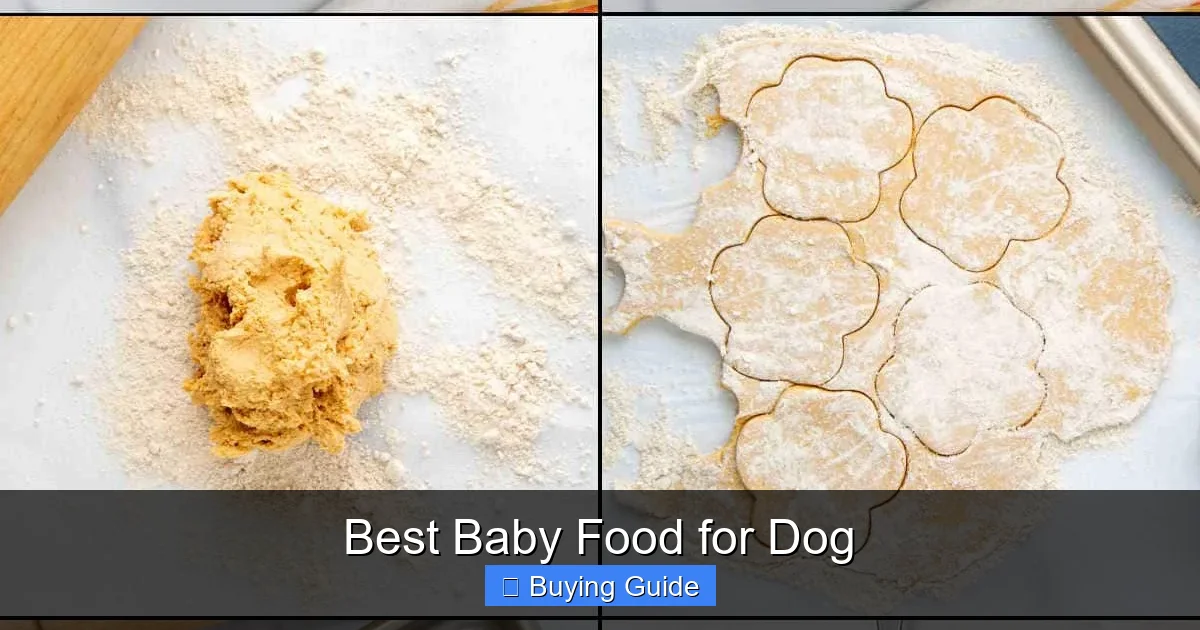
Choosing the best baby food for your dog can be a game-changer for picky eaters, puppies, or dogs recovering from illness. In 2026, pet parents have more safe, vet-recommended options than ever—packed with real ingredients and free from harmful additives. This guide helps you pick the right kind, avoid common mistakes, and keep your furry friend healthy and happy.
Key Takeaways
- Safety first: Only use baby food labeled “100% natural” with no onion, garlic, or artificial sweeteners like xylitol—these are toxic to dogs.
- Age and size matter: Puppies, senior dogs, and small breeds have different nutritional needs; choose baby food that complements their diet.
- Check the label: Look for simple ingredients like chicken, sweet potato, or carrots—avoid fillers, salt, and added sugars.
- Use as a supplement, not a meal: Baby food should enhance your dog’s regular meals, not replace balanced kibble or raw diets.
- Vet consultation is key: Always talk to your veterinarian before introducing baby food, especially for dogs with allergies or medical conditions.
- Top brands in 2026: Gerber Purees, Beech-Nut Naturals, and Earth’s Best offer dog-safe options when chosen carefully.
- DIY alternatives: Homemade purees using steamed veggies and lean meats can be a healthy, cost-effective option.
📑 Table of Contents
- Why Would You Feed Baby Food to Your Dog?
- What Makes Baby Food Safe (or Unsafe) for Dogs?
- When Is Baby Food Appropriate for Dogs?
- Top Baby Food Brands for Dogs in 2026
- How to Safely Feed Baby Food to Your Dog
- Myths and Misconceptions About Baby Food for Dogs
- Final Thoughts: Making the Best Choice for Your Dog
Why Would You Feed Baby Food to Your Dog?
You might be wondering—why on earth would you give baby food to your dog? After all, dogs aren’t babies (even if they act like it sometimes). But here’s the truth: in certain situations, baby food can be a safe, helpful addition to your dog’s diet. Whether your pup is recovering from surgery, dealing with a sensitive stomach, or just turning up their nose at dinner, baby food offers a soft, easy-to-digest option that’s packed with nutrients.
In 2026, more pet owners are turning to baby food as a temporary dietary aid. It’s especially useful for puppies who are still learning to eat solid food, senior dogs with dental issues, or dogs with temporary appetite loss due to illness. The smooth texture makes it easy to swallow, and many varieties contain real fruits and vegetables that support digestion and immunity. Plus, it’s often more appealing than plain water or broth when your dog isn’t feeling their best.
But—and this is a big but—not all baby food is created equal. Some brands sneak in ingredients that are perfectly fine for human babies but downright dangerous for dogs. That’s why knowing what to look for is crucial. When used correctly, baby food can be a lifesaver. When used carelessly, it can lead to serious health problems. So let’s dive into how to choose the best baby food for your dog—safely and smartly.
What Makes Baby Food Safe (or Unsafe) for Dogs?
Visual guide about Best Baby Food for Dog
Image source: spoiledhounds.com
The biggest concern when feeding baby food to dogs isn’t the concept—it’s the ingredients. Dogs have different digestive systems and metabolic needs than humans, and even small amounts of certain foods can be toxic. The good news? Many commercial baby foods are made with simple, whole ingredients. The bad news? Some of those ingredients are a no-go for canines.
Toxic Ingredients to Avoid
Let’s start with the big offenders. Onion and garlic—whether powdered, dried, or fresh—are highly toxic to dogs. Even small amounts can cause anemia by damaging red blood cells. Unfortunately, some baby food blends (especially “garden vegetable” or “beef stew” varieties) include onion or garlic powder as flavor enhancers. Always read the label carefully.
Another red flag? Xylitol. This artificial sweetener is commonly found in “sugar-free” or “low-sugar” baby foods and is extremely dangerous for dogs. It can cause a rapid insulin release, leading to hypoglycemia (low blood sugar), seizures, liver failure, and even death. Always check for xylitol, sorbitol, or any ingredient ending in “-ol” that isn’t naturally occurring.
Salt is another concern. While dogs need a small amount of sodium, excessive salt can lead to sodium ion poisoning—especially in small breeds. Avoid baby foods with added salt or sodium-based preservatives.
Safe and Beneficial Ingredients
Now for the good stuff. Look for baby foods with simple, recognizable ingredients like:
– Chicken or turkey (plain, no seasoning)
– Sweet potato or pumpkin
– Carrots
– Green beans
– Apples (no seeds)
– Pears
– Peas
These ingredients are not only safe but also offer nutritional benefits. For example, pumpkin is rich in fiber and helps soothe upset stomachs. Sweet potatoes provide beta-carotene and complex carbohydrates for energy. Lean meats offer high-quality protein to support muscle health.
In 2026, brands like Gerber and Beech-Nut have responded to pet owner demand by clearly labeling “dog-safe” options on their packaging. Some even include a paw print or note saying “safe for pets when used as directed.” That’s a huge win for transparency.
Organic vs. Conventional: Does It Matter?
You might be wondering if organic baby food is better for your dog. The short answer: it can be, but it’s not always necessary. Organic baby foods are free from synthetic pesticides, GMOs, and artificial additives—ingredients that some pet owners prefer to avoid. If your dog has a sensitive system or food allergies, organic options may reduce the risk of irritation.
However, conventional baby foods that meet safety standards can still be perfectly fine. The key is ingredient quality, not necessarily the “organic” label. Just make sure the product is free from harmful additives and made with real food.
When Is Baby Food Appropriate for Dogs?
Baby food isn’t meant to replace your dog’s regular meals. Think of it as a supplement—a helpful tool in specific situations. Here are the most common scenarios where baby food can be beneficial.
Post-Surgery or Illness Recovery
After surgery or during recovery from illness, dogs often lose their appetite. Food that’s easy to eat and highly palatable can encourage them to eat when they otherwise wouldn’t. Baby food’s smooth texture and mild flavor make it ideal for this. Mix a spoonful into their regular food or offer it alone to stimulate hunger.
For example, a dog recovering from dental surgery might struggle with kibble. A small amount of plain chicken and sweet potato baby food can provide calories and nutrients without discomfort.
Picky Eaters and Appetite Stimulation
Some dogs are just naturally picky. If your pup turns up their nose at dinner, a dab of baby food on top of their kibble can make it more appealing. The strong aroma of meat-based purees often triggers a dog’s interest in food.
Try mixing a teaspoon of turkey and rice baby food into their bowl. Just don’t overdo it—too much can spoil their appetite for balanced meals.
Puppies Transitioning to Solid Food
Puppies between 3 and 8 weeks old are learning to eat solid food. While they should primarily nurse or drink puppy formula, some breeders and vets recommend introducing soft foods like baby food to ease the transition.
Use plain, single-ingredient purees like chicken or sweet potato. Avoid mixed vegetable blends that may contain unsafe ingredients. Always consult your vet before introducing any new food to a puppy.
Senior Dogs with Dental or Digestive Issues
As dogs age, they may develop dental problems, reduced appetite, or slower digestion. Soft foods like baby food can be easier to chew and gentler on the stomach. It’s also a good way to ensure they’re getting enough calories and nutrients when eating less.
For senior dogs, consider baby food with added fiber (like pumpkin) to support digestion, or protein-rich options (like chicken) to maintain muscle mass.
Hydration Support
Dehydration is a serious risk for sick or elderly dogs. If your dog isn’t drinking enough water, mixing baby food with a little warm water or low-sodium broth can encourage fluid intake. The flavor makes it more appealing than plain water.
Top Baby Food Brands for Dogs in 2026
Not all baby food brands are equally safe or suitable for dogs. In 2026, several brands stand out for their clean ingredients, transparency, and pet-friendly formulations. Here’s a breakdown of the best options.
Gerber Purees
Gerber remains one of the most trusted names in baby food—and for good reason. Their “Simple” and “Purees” lines feature minimal ingredients and no added sugar, salt, or artificial flavors. Look for single-ingredient options like:
– Gerber Chicken Puree
– Gerber Sweet Potato Puree
– Gerber Carrot Puree
Avoid any blends with onion, garlic, or mixed vegetables unless you’ve verified each ingredient. Gerber also offers a “Nature Select” line with organic ingredients, which some pet owners prefer.
Beech-Nut Naturals
Beech-Nut prides itself on using real, recognizable ingredients. Their “Stage 1” and “Stage 2” purees are great for dogs because they’re simple and free from common irritants. Favorites include:
– Beech-Nut Turkey & Sweet Potato
– Beech-Nut Apple & Carrot
– Beech-Nut Green Beans
Beech-Nut clearly labels their ingredients and avoids fillers, making it easier to spot dog-safe options. In 2026, they’ve also introduced a “Pet-Friendly” symbol on select jars to help pet owners identify safe choices.
Earth’s Best Organic
For pet parents who prefer organic, Earth’s Best offers a range of certified organic baby foods. Their single-vegetable and single-meat purees are excellent for dogs. Try:
– Earth’s Best Organic Chicken & Sweet Potato
– Earth’s Best Organic Butternut Squash
– Earth’s Best Organic Pear
Just remember: “organic” doesn’t automatically mean “dog-safe.” Always double-check for onion, garlic, or xylitol.
Homemade Baby Food Alternatives
If you’re feeling adventurous (or want more control over ingredients), making your own dog-safe baby food at home is a great option. It’s often cheaper, fresher, and free from preservatives.
Here’s a simple recipe:
Homemade Chicken & Pumpkin Puree
- 1 cup cooked, shredded chicken (no bones, skin, or seasoning)
- 1/2 cup plain canned pumpkin (not pumpkin pie filling)
- 1/4 cup water or low-sodium chicken broth
Blend until smooth. Store in an airtight container in the fridge for up to 3 days, or freeze in ice cube trays for longer storage.
Other safe combinations include sweet potato and turkey, carrots and green beans, or apples and pears (no seeds). Always cook meats thoroughly and avoid adding salt, oil, or spices.
How to Safely Feed Baby Food to Your Dog
Even the best baby food can cause problems if not used correctly. Follow these guidelines to keep your dog safe and healthy.
Start Small
Introduce baby food gradually. Offer a teaspoon mixed into their regular food and watch for any signs of digestive upset, like diarrhea or vomiting. If your dog tolerates it well, you can increase the amount slightly—but never replace more than 10–15% of their daily calories with baby food.
Use as a Topper or Mix-In
The best way to use baby food is as a meal enhancer. Spoon a small amount over kibble or mix it into wet food. This boosts flavor and nutrition without disrupting their balanced diet.
For example, if your dog eats 1 cup of kibble per day, add 1–2 tablespoons of baby food. That’s enough to make a difference without overloading their system.
Avoid Long-Term Use
Baby food should be a temporary solution, not a long-term diet. It lacks the complete nutrition dogs need, including essential fatty acids, calcium, and certain vitamins. Relying on it too much can lead to deficiencies.
If your dog needs ongoing dietary support, talk to your vet about specialized dog foods or supplements.
Monitor for Allergies
Just like humans, dogs can have food allergies. Common signs include itching, ear infections, diarrhea, or excessive gas. If you notice any of these after introducing baby food, stop using it and consult your vet.
Stick to single-ingredient purees when testing new foods. That way, you can easily identify the culprit if a reaction occurs.
Store Properly
Once opened, baby food should be stored in the refrigerator and used within 2–3 days. Don’t leave it out at room temperature for more than 2 hours. If you’re using homemade purees, freeze portions to extend shelf life.
Myths and Misconceptions About Baby Food for Dogs
Despite its benefits, baby food for dogs is surrounded by myths. Let’s clear up some common misconceptions.
Myth: All Baby Food Is Safe for Dogs
False. As we’ve discussed, many baby foods contain onion, garlic, or xylitol—all toxic to dogs. Always read labels carefully.
Myth: Baby Food Can Replace Dog Food
No. Baby food lacks the balanced nutrition dogs need. It’s a supplement, not a meal replacement.
Myth: Dogs Love Baby Food, So It Must Be Healthy
Just because your dog gobbles it up doesn’t mean it’s good for them. Dogs will eat many things that aren’t safe. Palatability ≠ nutrition.
Myth: Homemade Is Always Better
Not necessarily. Homemade baby food can be great, but it’s easy to miss key nutrients or accidentally include unsafe ingredients. Commercial options are often more consistent and tested.
Myth: You Can Feed Baby Food to Puppies Freely
Puppies have very specific nutritional needs. Baby food should only be used under veterinary guidance during weaning or recovery.
Final Thoughts: Making the Best Choice for Your Dog
In 2026, feeding baby food to dogs is more common—and more informed—than ever. With greater awareness of pet nutrition and improved labeling from major brands, pet parents have safer, smarter options. But knowledge is power. The best baby food for your dog isn’t just about taste or convenience—it’s about safety, nutrition, and timing.
Always prioritize ingredients you can pronounce and understand. Avoid anything with onion, garlic, xylitol, or added salt. Use baby food as a short-term aid, not a dietary staple. And when in doubt, consult your veterinarian. They can help you determine if baby food is right for your dog and recommend the best types and amounts.
Remember, every dog is different. What works for one pup might not work for another. Pay attention to your dog’s behavior, digestion, and energy levels. If they’re happy, healthy, and thriving, you’re on the right track.
At the end of the day, the best baby food for your dog is the one that supports their health without compromising their safety. With the tips and insights in this guide, you’re well-equipped to make the right choice—for 2026 and beyond.
Frequently Asked Questions
Can I feed my dog baby food every day?
No, baby food should not be fed daily as a main diet. It lacks complete nutrition and is best used as an occasional topper or short-term supplement during illness or recovery.
Is Gerber baby food safe for dogs?
Yes, but only certain varieties. Choose plain, single-ingredient purees like chicken, sweet potato, or carrots—avoid any with onion, garlic, or xylitol.
Can puppies eat baby food?
Puppies can eat baby food in small amounts during weaning or recovery, but only under veterinary guidance. Never replace puppy formula or puppy food with baby food.
What are the signs of xylitol poisoning in dogs?
Symptoms include vomiting, weakness, lethargy, loss of coordination, seizures, and collapse. If you suspect xylitol ingestion, contact your vet or emergency clinic immediately.
Can I make my own baby food for my dog?
Yes! Homemade purees using cooked chicken, pumpkin, sweet potato, or carrots are safe and healthy. Avoid adding salt, oil, or seasonings.
How much baby food can I give my dog?
Start with 1 teaspoon mixed into their meal. Gradually increase to no more than 1–2 tablespoons per day, depending on your dog’s size and dietary needs.