

Choosing the best beef dog food for small dogs ensures your pet gets high-quality protein, essential nutrients, and great taste. In 2026, top brands prioritize digestibility, real meat content, and balanced formulas tailored for small breeds.
Key Takeaways
- Real beef as the first ingredient: Look for recipes where real beef or beef meal is listed first, ensuring high protein content for muscle maintenance and energy.
- Digestibility matters: Small dogs have sensitive stomachs, so easily digestible beef-based formulas with prebiotics and probiotics are ideal.
- Tailored kibble size: Smaller kibble designed for tiny mouths helps prevent choking and encourages proper chewing.
- No fillers or artificial additives: Avoid corn, soy, by-products, and artificial colors or preservatives that offer little nutritional value.
- Balanced nutrition for life stages: Choose formulas specific to your dog’s age—puppy, adult, or senior—to meet changing dietary needs.
- AAFCO compliance: Ensure the food meets AAFCO nutrient profiles for complete and balanced nutrition.
- Veterinarian and owner reviews: Real-world feedback and vet recommendations help identify trustworthy brands in 2026.
📑 Table of Contents
- Why Beef Is a Great Protein Choice for Small Dogs
- What to Look for in the Best Beef Dog Food for Small Dogs
- Top Beef Dog Food Brands for Small Dogs in 2026
- How to Transition Your Small Dog to a New Beef Diet
- Common Mistakes to Avoid When Feeding Beef Dog Food
- Conclusion: Making the Right Choice for Your Small Dog
Why Beef Is a Great Protein Choice for Small Dogs
When it comes to feeding your small dog, protein is the cornerstone of a healthy diet. Among the many protein sources available, beef stands out as a favorite for both dogs and their owners. Rich in essential amino acids, iron, zinc, and B vitamins, beef supports strong muscles, a shiny coat, and sustained energy levels—especially important for active little pups.
But why beef over chicken, fish, or lamb? For one, beef is a highly bioavailable protein, meaning your dog’s body can absorb and use it efficiently. It’s also less likely to trigger food sensitivities in dogs who’ve had reactions to poultry. Plus, many small dogs simply love the rich, savory flavor of beef, making mealtime more enjoyable and reducing picky eating.
In 2026, pet nutrition science has advanced significantly. We now know that not all beef is created equal. High-quality beef dog food uses real, named meat sources—like “beef” or “beef meal”—rather than vague terms like “meat meal” or “animal digest.” This transparency ensures you’re giving your dog a nutrient-dense meal, not just filler.
The Nutritional Benefits of Beef for Small Breeds
Small dogs have faster metabolisms than larger breeds, which means they need more calories per pound of body weight. Beef delivers concentrated energy in a compact form, making it perfect for tiny bodies that burn fuel quickly. A 10-pound Chihuahua, for example, may need nearly double the calories per pound compared to a 70-pound Labrador.
Beyond calories, beef provides key nutrients that support small dog health:
– Iron: Essential for oxygen transport in the blood, especially important for active small breeds.
– Zinc: Supports immune function and skin health—critical for dogs prone to dry skin or allergies.
– B Vitamins (B12, niacin, riboflavin): Aid in energy metabolism and nervous system function.
– Omega-3 and Omega-6 fatty acids: Often included in beef-based formulas to promote a glossy coat and reduce inflammation.
Many premium beef dog foods in 2026 also include organ meats like liver and kidney, which are nutrient powerhouses. These organs are rich in vitamin A, copper, and CoQ10, supporting vision, liver function, and cellular energy.
Beef vs. Other Proteins: What Sets It Apart?
While chicken and fish are popular protein sources, beef offers unique advantages—especially for small dogs with specific dietary needs. Poultry can be a common allergen, and some dogs develop sensitivities over time. Beef, being a novel protein for many pets, is often better tolerated.
Fish-based diets are excellent for omega-3s but may not provide the same level of iron and zinc as beef. Lamb is another alternative, but it’s typically more expensive and less widely available in high-quality kibble form.
Beef also tends to be more calorie-dense, which is beneficial for small dogs who need nutrient-rich food without overeating. This helps maintain a healthy weight—a common concern for small breeds like Dachshunds, Pomeranians, and French Bulldogs.
That said, not all beef is ideal. Low-quality beef meals or by-products can contain parts of the animal that offer little nutritional value. Always check the ingredient list and opt for brands that use human-grade or named beef sources.
What to Look for in the Best Beef Dog Food for Small Dogs
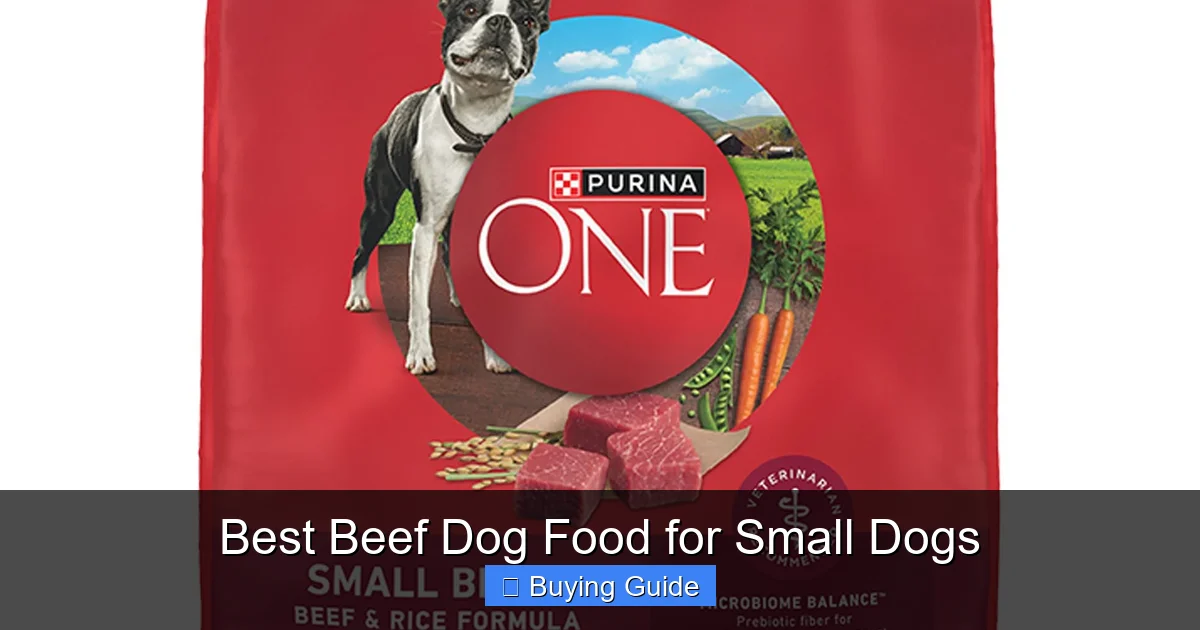
Visual guide about Best Beef Dog Food for Small Dogs
Image source: s7d2.scene7.com
With so many options on the market in 2026, finding the right beef dog food can feel overwhelming. But by focusing on a few key factors, you can make an informed choice that supports your dog’s long-term health.
1. Real Beef as the First Ingredient
The ingredient list on dog food packaging is ordered by weight. That means the first ingredient makes up the largest portion of the food. For the best beef dog food, real beef—such as “deboned beef” or “beef meal”—should be the first item listed.
Beef meal is not a bad thing. In fact, it’s a concentrated form of beef that has been cooked to remove moisture, resulting in a protein-rich ingredient. It’s often more nutrient-dense than fresh beef, which contains a lot of water.
Avoid foods that list “meat meal,” “animal by-product meal,” or “beef by-products” as the primary protein. These terms are vague and may include parts of the animal not intended for human consumption.
2. Appropriate Kibble Size and Texture
Small dogs have tiny mouths and short snouts, which can make chewing large kibble difficult or even dangerous. The best beef dog food for small dogs features small, bite-sized kibble that’s easy to pick up and chew.
Look for kibble that’s around 8–10mm in diameter—roughly the size of a pea or small bean. Some brands even offer “small breed” or “mini” formulas specifically designed for dogs under 20 pounds.
Texture also matters. Kibble should be firm enough to support dental health by reducing plaque buildup, but not so hard that it causes jaw strain. Many 2026 formulas include added moisture or soft-coating technology to make kibble easier to chew while maintaining crunch.
3. Digestibility and Gut Health Support
Small dogs are prone to digestive issues like gas, bloating, and sensitive stomachs. High-quality beef dog food should be easy on the tummy while still delivering maximum nutrition.
Look for formulas that include:
– Prebiotics: Such as chicory root or beet pulp, which feed beneficial gut bacteria.
– Probiotics: Live cultures like Lactobacillus that support a healthy microbiome.
– Easily digestible carbohydrates: Like sweet potatoes, oats, or brown rice—avoid corn and wheat, which can be harder to digest.
Some premium brands now use enzyme-enhanced kibble, which breaks down proteins and starches during processing to improve absorption. This is especially helpful for older small dogs or those with known digestive sensitivities.
4. Life Stage Appropriateness
Just like humans, dogs have different nutritional needs at different stages of life. A puppy needs more calories, fat, and calcium for growth, while a senior dog benefits from joint support and lower phosphorus levels.
When choosing beef dog food, make sure it’s formulated for your dog’s life stage:
– Puppy: High protein (22–32%), DHA for brain development, and smaller kibble.
– Adult: Balanced protein (18–25%), moderate fat, and added fiber for digestion.
– Senior: Lower calories, glucosamine for joints, and antioxidants for immune support.
Some brands offer “all life stages” formulas, but these may not meet the specific needs of growing puppies or aging dogs. Always check the AAFCO statement on the packaging to confirm suitability.
5. No Artificial Additives or Fillers
The best beef dog food is free from unnecessary fillers, artificial colors, flavors, and preservatives. Ingredients like BHA, BHT, and ethoxyquin are controversial and may pose long-term health risks.
Instead, look for natural preservatives like mixed tocopherols (vitamin E) or rosemary extract. These keep the food fresh without synthetic chemicals.
Fillers like corn, soy, and wheat offer little nutritional value and can contribute to allergies or weight gain. While small amounts of grains can be part of a balanced diet, they shouldn’t dominate the ingredient list.
Top Beef Dog Food Brands for Small Dogs in 2026
The pet food market in 2026 is more competitive than ever, with brands leveraging advanced nutrition science and sustainable sourcing. Here are some of the top-rated beef dog food options for small dogs, based on ingredient quality, customer reviews, and veterinary recommendations.
1. Wellness CORE Small Breed Grain-Free Beef & Potato
Wellness has long been a trusted name in natural pet nutrition, and their CORE line continues to impress in 2026. This grain-free formula features deboned beef as the first ingredient, followed by beef meal and turkey meal for a protein punch of over 34%.
The kibble is specially sized for small mouths, and the recipe includes prebiotic fiber and probiotics for digestive health. It’s also fortified with glucosamine and chondroitin for joint support—important for small breeds prone to patellar luxation.
Owners report shinier coats, better energy levels, and fewer digestive upsets after switching to Wellness CORE. The only downside? It’s on the pricier side, but many feel the quality justifies the cost.
2. Blue Buffalo Life Protection Formula Small Breed Beef & Brown Rice
Blue Buffalo remains a household name, and their Life Protection line is a solid choice for budget-conscious pet parents who still want quality. Real beef is the first ingredient, and the recipe includes brown rice, oatmeal, and barley for digestible carbs.
This formula is enhanced with LifeSource Bits—a blend of antioxidants, vitamins, and minerals. It’s also free from poultry by-product meals, corn, wheat, and soy.
The kibble is small and crunchy, ideal for small dogs. While not grain-free, the inclusion of whole grains provides sustained energy and fiber. Many small breed owners appreciate the balanced nutrition and affordable price point.
3. Taste of the Wild Appalachian Valley Small Breed Recipe
Inspired by the ancestral diet of wild canines, Taste of the Wild offers a grain-free beef formula that’s rich in novel proteins. This recipe features roasted bison and roasted venison alongside beef, providing a diverse amino acid profile.
The kibble is small and infused with probiotics for digestive health. It also includes antioxidants from fruits like blueberries and raspberries, supporting immune function.
One standout feature in 2026 is the brand’s commitment to sustainable sourcing. Their beef is ethically raised, and the packaging is now 100% recyclable. Small dog owners love the high palatability—even picky eaters tend to gobble it up.
4. Nutro Wholesome Essentials Small Breed Beef & Barley
Nutro focuses on simple, recognizable ingredients, and their Wholesome Essentials line reflects that philosophy. This beef formula uses farm-raised beef as the primary protein, paired with whole grains like barley and oatmeal.
The recipe is free from artificial colors, flavors, and preservatives, and it includes essential fatty acids for skin and coat health. The kibble is small and easy to chew, making it a great option for older small dogs.
Nutro also partners with trusted farmers and suppliers, ensuring transparency in sourcing. While not grain-free, the inclusion of whole grains provides fiber and energy without fillers.
5. Purina Pro Plan Small Breed Beef & Rice
Purina Pro Plan is a vet-recommended brand known for its science-backed formulations. Their small breed beef recipe features real beef as the first ingredient and is enriched with live probiotics for digestive and immune health.
The kibble is designed with a unique shape and texture to promote chewing and reduce plaque. It’s also fortified with glucosamine for joint support and omega-6 fatty acids for a healthy coat.
One advantage in 2026 is the brand’s use of real meat and no artificial colors or preservatives. While some purists prefer grain-free options, the inclusion of rice provides a gentle source of carbohydrates for active small dogs.
How to Transition Your Small Dog to a New Beef Diet
Switching your dog to a new food—especially one with a different protein source like beef—requires a gradual transition to avoid digestive upset. Sudden changes can lead to diarrhea, vomiting, or refusal to eat.
Step-by-Step Transition Guide
Follow this 7–10 day plan to safely introduce your small dog to a new beef-based diet:
Days 1–2: Mix 25% new food with 75% current food. Monitor your dog’s stool and appetite.
Days 3–4: Increase to 50% new food and 50% old food. Watch for any signs of gas or loose stools.
Days 5–6: Use 75% new food and 25% old food. Most dogs adapt well by this stage.
Day 7 and beyond: Serve 100% new food. Continue observing your dog’s energy, coat condition, and digestion.
Tips for a Smooth Transition
– Stick to the same feeding schedule: Consistency helps your dog adjust.
– Add warm water or low-sodium broth: This can soften kibble and enhance flavor, encouraging eating.
– Avoid treats with conflicting ingredients: During the transition, stick to simple, compatible snacks.
– Consult your vet if issues arise: Persistent diarrhea or vomiting may indicate a food intolerance.
Some small dogs adapt quickly, while others take longer. Be patient and don’t rush the process. A slow transition reduces the risk of digestive issues and helps your dog accept the new food.
Common Mistakes to Avoid When Feeding Beef Dog Food
Even with the best intentions, pet owners can make mistakes that affect their dog’s health. Here are some common pitfalls to avoid when feeding beef-based diets to small dogs.
Overfeeding Due to High Calorie Density
Beef is calorie-dense, which is great for active dogs but risky for small breeds prone to obesity. Overfeeding can lead to joint stress, diabetes, and reduced lifespan.
Always follow the feeding guidelines on the package, but adjust based on your dog’s activity level, age, and body condition. Use a measuring cup—not a scoop—to ensure accuracy.
Ignoring Food Allergies or Sensitivities
While beef is less allergenic than chicken, some dogs can still develop sensitivities. Symptoms include itching, ear infections, chronic gas, or loose stools.
If you suspect a food allergy, work with your vet to conduct an elimination diet. This involves feeding a novel protein (like duck or kangaroo) for 8–12 weeks to identify triggers.
Choosing Based on Price Alone
Cheaper dog foods often use lower-quality ingredients, including unnamed meat meals, fillers, and artificial additives. While budget is a factor, investing in high-quality beef dog food can prevent health issues and reduce vet bills long-term.
Look for sales, subscribe-and-save options, or buy in bulk to save money without compromising quality.
Not Reading the AAFCO Statement
The AAFCO (Association of American Feed Control Officials) statement confirms whether a food is “complete and balanced” for your dog’s life stage. Always check the label to ensure the food meets nutritional standards.
Avoid foods that say “intended for intermittent or supplemental feeding only”—these are not suitable for daily meals.
Conclusion: Making the Right Choice for Your Small Dog
Choosing the best beef dog food for small dogs in 2026 is about more than just flavor—it’s about providing balanced, digestible nutrition that supports a long, healthy life. With real beef as the foundation, small breed formulas can deliver the protein, vitamins, and energy your dog needs to thrive.
Look for brands that prioritize transparency, use high-quality ingredients, and design kibble for tiny mouths. Pay attention to life stage, digestibility, and your dog’s individual preferences. And remember, a gradual transition and regular vet check-ups are key to success.
Whether you choose a premium grain-free option or a vet-recommended formula, the right beef dog food can make a noticeable difference in your dog’s energy, coat, and overall well-being. In 2026, pet nutrition has never been more advanced—so take advantage of it and give your small dog the best start every day.
Frequently Asked Questions
Is beef safe for small dogs with sensitive stomachs?
Yes, beef can be safe and even beneficial for small dogs with sensitive stomachs, especially if it’s high-quality and easily digestible. Look for formulas with prebiotics, probiotics, and limited ingredients to reduce the risk of digestive upset.
Can I feed beef dog food to my small breed puppy?
Yes, but make sure the food is specifically formulated for puppies. Puppy formulas have higher protein, fat, and calcium levels to support growth and development. Always check the AAFCO statement to confirm it’s suitable for growth.
How often should I feed my small dog beef dog food?
Most small dogs do well with two meals per day—once in the morning and once in the evening. Puppies under six months may need three to four smaller meals. Follow the feeding guidelines on the package and adjust based on your dog’s needs.
What if my small dog doesn’t like beef dog food?
Some dogs are picky eaters. Try mixing the new food with a small amount of warm water or low-sodium broth to enhance flavor. You can also gradually increase the proportion over 7–10 days. If refusal persists, consult your vet to rule out health issues.
Are grain-free beef dog foods better for small dogs?
Not necessarily. Grain-free diets can be beneficial for dogs with grain allergies, but whole grains like oats and brown rice provide valuable fiber and energy. The best choice depends on your dog’s individual health and dietary needs.
How do I know if my small dog is allergic to beef?
Signs of a beef allergy include itching, ear infections, chronic diarrhea, or vomiting. If you suspect an allergy, work with your veterinarian to conduct an elimination diet using a novel protein source to confirm the trigger.