
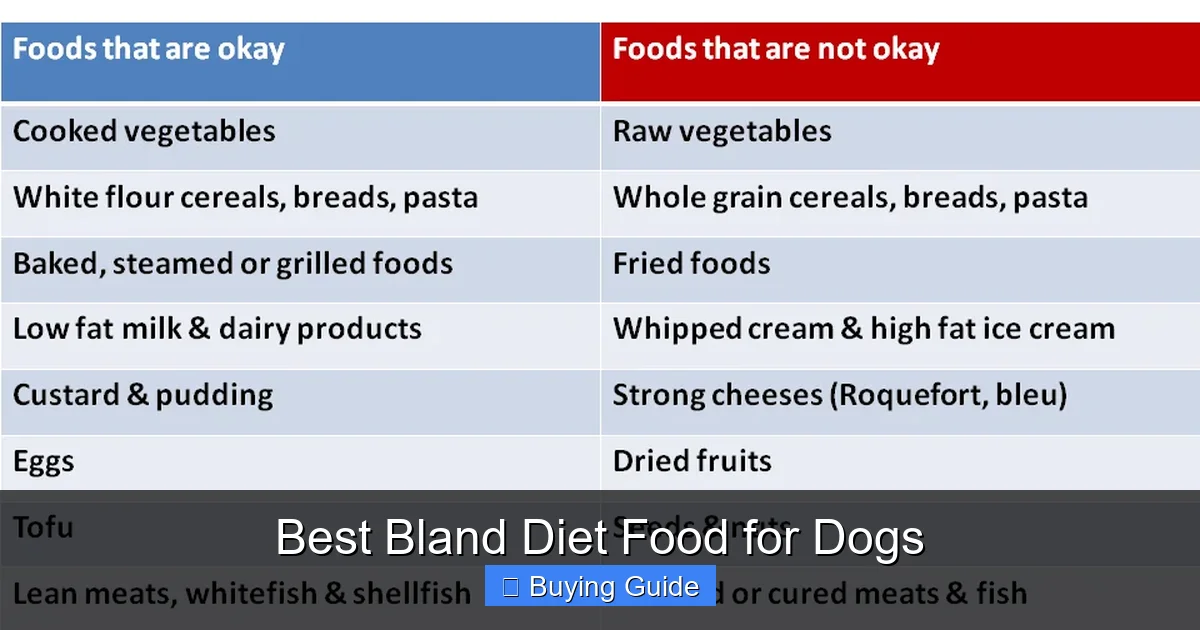
When your dog has an upset stomach, a bland diet can be a lifesaver. This guide covers the best bland diet food for dogs in 2026—vet-approved, easy to digest, and perfect for short-term digestive recovery. Whether homemade or store-bought, we’ll help you choose wisely.
Key Takeaways
- Why bland diets work: Bland foods are low in fat, easy to digest, and help rest the digestive system during bouts of vomiting, diarrhea, or nausea.
- Top ingredients to include: Boiled chicken, white rice, plain pumpkin, and bone broth are gentle on the stomach and provide essential nutrients.
- Store-bought vs. homemade: Both options can be effective, but homemade diets offer more control over ingredients and freshness.
- How long to feed a bland diet: Most dogs should stay on a bland diet for 2–5 days, or as directed by a veterinarian.
- When to see a vet: If symptoms persist beyond 48 hours, worsen, or include lethargy, blood in stool, or dehydration, seek professional care immediately.
- Transitioning back to regular food: Gradually reintroduce your dog’s normal diet over 3–5 days to avoid further stomach upset.
- 2026 innovations: New pre-portioned, freeze-dried, and vet-formulated bland diets make it easier than ever to support your dog’s recovery at home.
📑 Table of Contents
- What Is a Bland Diet for Dogs and Why Does It Matter?
- When Should You Feed Your Dog a Bland Diet?
- Best Ingredients for a Homemade Bland Diet
- Top Store-Bought Bland Diet Foods for Dogs in 2026
- How to Prepare and Serve a Bland Diet at Home
- Common Mistakes to Avoid When Feeding a Bland Diet
- 2026 Innovations in Bland Diet Foods for Dogs
- Final Thoughts: Choosing the Best Bland Diet Food for Your Dog
What Is a Bland Diet for Dogs and Why Does It Matter?
If your dog has ever had an upset stomach—whether from eating something they shouldn’t have, a sudden change in food, or a mild illness—you’ve probably heard the term “bland diet.” But what exactly does it mean, and why is it so effective?
A bland diet for dogs is a short-term feeding plan designed to be gentle on the digestive system. It typically includes simple, easily digestible ingredients that are low in fat, fiber, and spices. The goal isn’t to provide long-term nutrition, but to give your dog’s stomach a break and help it recover from irritation or inflammation.
Think of it like a reset button for your dog’s gut. When the digestive tract is stressed—due to vomiting, diarrhea, or nausea—it needs time to heal. Bland foods reduce the workload on the stomach and intestines, allowing them to calm down and function properly again. This is especially important because dogs, unlike humans, can’t tell us when they’re feeling off. A sudden change in stool, loss of appetite, or lethargy could signal that something’s wrong.
In 2026, more pet owners than ever are turning to bland diets as a first-line response to minor digestive issues. With rising awareness of canine gut health and the availability of high-quality, vet-approved options, it’s easier than ever to support your dog’s recovery at home. But knowing what to feed—and how to feed it—is key to success.
When Should You Feed Your Dog a Bland Diet?
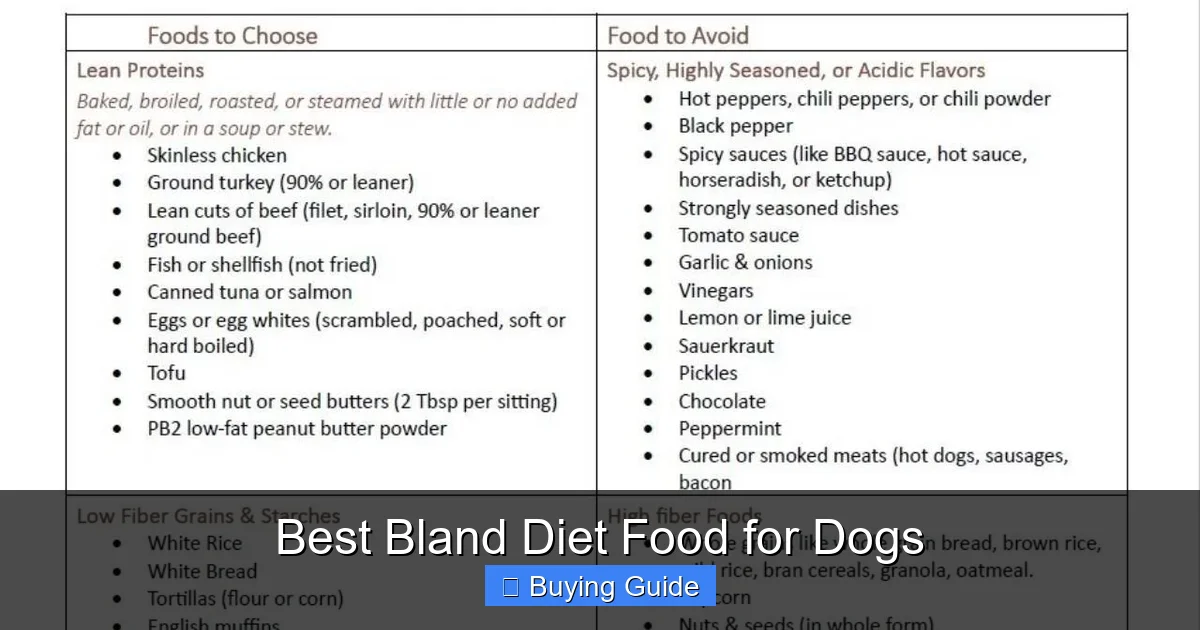
Visual guide about Best Bland Diet Food for Dogs
Image source: kajabi-storefronts-production.kajabi-cdn.com
Not every upset stomach requires a full dietary overhaul, but there are clear signs that a bland diet might be the right move. The most common triggers include:
– Sudden vomiting (especially if it happens more than once in a few hours)
– Diarrhea lasting more than 12–24 hours
– Loss of appetite or refusal to eat
– Signs of nausea (drooling, lip licking, or restlessness)
– Recent dietary indiscretion (e.g., eating garbage, table scraps, or spoiled food)
These symptoms can stem from a variety of causes—stress, food allergies, infections, or even motion sickness. In most cases, a bland diet can help your dog feel better within 24 to 48 hours. However, it’s important to monitor your dog closely. If symptoms persist or worsen, it’s time to call the vet.
Common Causes of Digestive Upset in Dogs
Understanding why your dog is unwell can help you choose the right approach. Some common culprits include:
– **Dietary changes:** Switching dog food too quickly can disrupt the gut microbiome.
– **Food intolerances:** Some dogs react poorly to certain proteins or grains.
– **Toxic ingestion:** Chocolate, grapes, onions, and xylitol are all dangerous for dogs.
– **Stress or anxiety:** Travel, loud noises, or changes in routine can upset a dog’s stomach.
– **Infections:** Bacterial or viral infections (like giardia or parvovirus) can cause severe vomiting and diarrhea.
A bland diet won’t cure infections or toxicity, but it can provide relief while you seek veterinary care. For mild cases, it may be all your dog needs to bounce back.
How Long Should a Dog Stay on a Bland Diet?
Most veterinarians recommend feeding a bland diet for 2 to 5 days, depending on the severity of symptoms. The general rule is to continue until your dog has had at least 24 hours of normal bowel movements and is eating and drinking normally.
For example, if your dog has mild diarrhea after eating leftover pizza crust, a 2-day bland diet of boiled chicken and rice might be enough. But if your dog is vomiting frequently or seems lethargic, your vet may suggest a longer period or additional treatment.
Never keep your dog on a bland diet for more than a week without veterinary guidance. While it’s gentle, it’s not nutritionally complete for long-term use. Dogs need a balanced diet with the right mix of protein, fats, carbohydrates, vitamins, and minerals to stay healthy.
Best Ingredients for a Homemade Bland Diet
One of the biggest advantages of a homemade bland diet is control. You know exactly what’s going into your dog’s food—no hidden additives, fillers, or artificial ingredients. Here are the top ingredients to include:
Protein: Boiled Chicken or Turkey
Lean, cooked poultry is the gold standard for bland diets. It’s high in protein, easy to digest, and most dogs love the taste. Stick to skinless, boneless chicken breast or turkey breast. Boil it in plain water—no salt, spices, or oil. Once cooked, shred it into small, bite-sized pieces.
Avoid dark meat (like thighs) as it’s higher in fat, which can irritate the stomach. Also, never feed your dog raw or undercooked meat, as it may contain harmful bacteria.
Carbohydrates: White Rice or Oatmeal
White rice is a classic choice because it’s gentle on the stomach and helps firm up loose stools. Cook it in water (not broth) until it’s soft and easy to mash. Brown rice is healthier long-term, but its higher fiber content can be harder to digest during recovery.
Plain oatmeal is another good option, especially for dogs with sensitive stomachs. Make sure it’s unflavored and unsweetened. Instant oatmeal is fine, but avoid varieties with added sugar or artificial sweeteners.
Fiber: Plain Pumpkin Puree
Canned pumpkin (not pumpkin pie filling) is a secret weapon for digestive health. It’s rich in soluble fiber, which helps regulate bowel movements—great for both diarrhea and constipation. Just a tablespoon or two mixed into your dog’s meal can make a big difference.
Choose 100% pure pumpkin puree. Avoid brands with added spices, sugar, or preservatives. Fresh pumpkin is also an option, but it must be cooked and mashed thoroughly.
Liquid Support: Low-Sodium Bone Broth
Bone broth adds moisture and flavor while providing trace minerals. Look for low-sodium, dog-safe versions with no onions, garlic, or artificial ingredients. You can make your own by simmering chicken or beef bones (without seasoning) for 12–24 hours, then straining and cooling the liquid.
Bone broth can be fed on its own as a hydrating treat or mixed into meals. It’s especially helpful for dogs who are reluctant to drink water during illness.
Probiotics: Plain Yogurt or Supplements
A small amount of plain, unsweetened yogurt with live cultures can support gut health. The probiotics help restore the balance of good bacteria in the digestive tract. Choose yogurt with no artificial sweeteners—especially xylitol, which is toxic to dogs.
Alternatively, you can use a vet-recommended probiotic supplement. In 2026, many new canine-specific probiotics are available in powder, chew, or capsule form, making it easy to support your dog’s microbiome during recovery.
Top Store-Bought Bland Diet Foods for Dogs in 2026
While homemade diets are effective, not every pet owner has the time or resources to cook daily. That’s where store-bought bland diet foods come in. In 2026, the market is flooded with high-quality, vet-formulated options that are convenient, nutritious, and easy to prepare.
Freeze-Dried and Dehydrated Options
Brands like **The Honest Kitchen**, **Stella & Chewy’s**, and **Primal Pet Foods** now offer freeze-dried bland diet formulas specifically designed for digestive upset. These products typically include human-grade chicken, turkey, or fish paired with white rice, sweet potato, or pumpkin.
To prepare, simply add warm water to rehydrate the food. The texture is similar to fresh-cooked meals, and most dogs find them highly palatable. Plus, they’re shelf-stable and easy to store—perfect for keeping on hand in case of emergencies.
Wet and Canned Foods
Canned dog foods labeled as “sensitive stomach” or “bland diet” are another excellent option. Look for brands like **Hill’s Prescription Diet i/d**, **Royal Canin Gastrointestinal**, and **Purina Pro Plan Veterinary Diets EN**. These are formulated with highly digestible ingredients and often include prebiotics and probiotics.
In 2026, many of these brands have introduced new flavors and textures to improve palatability. For example, Hill’s now offers a chicken and rice stew that’s both soothing and tasty. These foods can be fed as-is or mixed with a little warm water to enhance aroma and encourage eating.
Powdered and Mix-In Supplements
For pet owners who want to enhance their dog’s regular food during recovery, powdered bland diet mixes are a great solution. Products like **Nulo Digestive Health Powder** and **Zesty Paws Probiotic Bites** can be sprinkled over your dog’s usual kibble to make it gentler on the stomach.
These supplements often contain digestive enzymes, probiotics, and soothing herbs like ginger or slippery elm. They’re especially useful for dogs with chronic digestive issues who need ongoing support.
Pre-Portioned Meal Kits
One of the biggest trends in 2026 is the rise of pre-portioned bland diet meal kits. Companies like **Ollie** and **Nom Nom Now** now offer vet-approved, fresh-cooked meals delivered to your door. You can order a 3-day or 5-day bland diet plan tailored to your dog’s size and needs.
These kits include everything you need—pre-measured proteins, carbs, and supplements—so there’s no guesswork. They’re refrigerated and ready to serve, making them ideal for busy pet parents.
How to Prepare and Serve a Bland Diet at Home
Whether you’re cooking from scratch or using a store-bought mix, proper preparation is key to success. Here’s a step-by-step guide to feeding your dog a bland diet safely and effectively.
Step 1: Withhold Food (Temporarily)
If your dog is vomiting, it’s often best to withhold food for 12 to 24 hours. This gives the stomach time to settle. However, always provide fresh water to prevent dehydration. Puppies, small breeds, and dogs with health conditions should not fast without veterinary advice.
Step 2: Start with Small Portions
Once your dog is ready to eat, start with small, frequent meals. Offer ¼ to ½ cup of bland food every 2 to 3 hours. This prevents overwhelming the digestive system and reduces the risk of vomiting.
For example, a 30-pound dog might eat ½ cup of chicken and rice every 3 hours for the first day. Gradually increase the portion size as your dog tolerates it.
Step 3: Mix Ingredients in the Right Ratio
A typical bland diet ratio is 1 part protein to 2 parts carbohydrate. So for every 1 cup of shredded chicken, use 2 cups of cooked white rice. You can adjust slightly based on your dog’s preferences, but avoid making the meal too rich or fatty.
Add a tablespoon of pumpkin puree or a splash of bone broth for extra moisture and nutrients. Avoid adding salt, butter, or oil.
Step 4: Monitor and Adjust
Watch your dog closely for signs of improvement. Normal bowel movements, increased energy, and a return of appetite are all good signs. If vomiting or diarrhea continues, consult your vet.
Also, make sure your dog is drinking enough water. Dehydration can worsen digestive issues. If your dog refuses water, try offering ice chips or diluted bone broth.
Step 5: Transition Back to Regular Food
After 2–5 days on a bland diet, it’s time to slowly reintroduce your dog’s normal food. Start by mixing 25% regular food with 75% bland food for 1–2 days. Then increase to 50/50 for another day or two, and so on.
This gradual transition helps prevent another upset. Rushing back to kibble too quickly can trigger a relapse.
Common Mistakes to Avoid When Feeding a Bland Diet
Even with the best intentions, it’s easy to make mistakes that can delay your dog’s recovery. Here are some common pitfalls to watch out for:
Feeding Too Much Too Soon
Overfeeding can overwhelm the digestive system and cause a relapse. Stick to small, frequent meals, especially in the first 24–48 hours.
Using the Wrong Ingredients
Avoid fatty meats, spicy foods, dairy (except small amounts of plain yogurt), and high-fiber grains like brown rice or quinoa. These can irritate the stomach.
Adding Seasonings or Oils
Salt, garlic, onion, and butter are all harmful to dogs. Even a small amount can cause toxicity or worsen digestive issues.
Keeping the Diet Too Long
As mentioned earlier, a bland diet is not nutritionally complete. Prolonged use can lead to deficiencies. Stick to the recommended timeframe and consult your vet if symptoms persist.
Ignoring Underlying Health Issues
A bland diet treats symptoms, not causes. If your dog has recurring stomach problems, it could be a sign of a more serious condition like pancreatitis, inflammatory bowel disease, or food allergies. Always seek veterinary advice for chronic issues.
2026 Innovations in Bland Diet Foods for Dogs
The pet food industry is evolving rapidly, and 2026 has brought exciting advancements in bland diet options. Here are some of the latest trends and innovations:
AI-Powered Meal Planning
New apps like **PetPlate Pro** and **DoggyDigest AI** use machine learning to create personalized bland diet plans based on your dog’s breed, age, weight, and symptoms. Simply input your dog’s details, and the app generates a customized feeding schedule with recipes and portion sizes.
Functional Ingredients
Modern bland diets now include functional ingredients like L-glutamine (to support gut lining repair), colostrum (for immune support), and marshmallow root (to soothe the digestive tract). These ingredients go beyond basic nutrition to actively promote healing.
Sustainable and Ethical Sourcing
More brands are prioritizing sustainability. Look for products made with humanely raised poultry, organic vegetables, and eco-friendly packaging. Companies like **Wild Earth** and **Jiminy’s** are leading the charge with plant-based and insect-protein options that are gentle on the stomach and the planet.
Telehealth Integration
Many vet clinics now offer virtual consultations for digestive issues. During a video call, your vet can assess your dog’s symptoms, recommend a bland diet, and even send a prescription for therapeutic food directly to your door.
Smart Feeders with Health Tracking
Smart feeders like the **Petnet 2026** can monitor your dog’s eating habits, track water intake, and alert you to changes in behavior. Some models even sync with vet-approved diet plans, ensuring your dog gets the right food at the right time.
Final Thoughts: Choosing the Best Bland Diet Food for Your Dog
When your dog is feeling under the weather, a bland diet can be a simple, effective way to help them recover. Whether you choose to cook at home or buy a vet-formulated product, the key is to keep it simple, gentle, and short-term.
In 2026, pet owners have more options than ever—from freeze-dried meals to AI-powered meal plans. But no matter how advanced the technology, the basics remain the same: lean protein, easily digestible carbs, and plenty of hydration.
Always consult your veterinarian before starting a bland diet, especially if your dog has pre-existing health conditions. And remember, while a bland diet can soothe an upset stomach, it’s not a substitute for professional care when needed.
With the right approach, your dog will be back to their happy, tail-wagging self in no time.
Frequently Asked Questions
Can I feed my dog a bland diet long-term?
No, a bland diet is not nutritionally complete and should only be used for 2–5 days. Prolonged use can lead to deficiencies. Always transition back to a balanced diet under veterinary guidance.
Is it safe to feed my dog rice every day?
White rice is safe in small amounts during a bland diet, but it shouldn’t replace a balanced diet long-term. It lacks essential nutrients and can lead to imbalances if overused.
Can I use sweet potato instead of white rice?
Yes, plain cooked sweet potato is a good alternative. It’s gentle on the stomach and provides fiber and vitamins. Just avoid adding sugar or spices.
What if my dog refuses to eat the bland diet?
Try warming the food slightly or adding a splash of low-sodium bone broth to enhance flavor. If your dog still refuses to eat for more than 24 hours, contact your vet.
Are there any dogs who shouldn’t be on a bland diet?
Dogs with diabetes, kidney disease, or other chronic conditions should only be on a bland diet under veterinary supervision. Some ingredients may not be suitable for their specific needs.
Can puppies eat a bland diet?
Yes, but puppies have higher energy needs and should not fast for long. Consult your vet before starting a bland diet, and ensure they’re getting enough calories and hydration.