
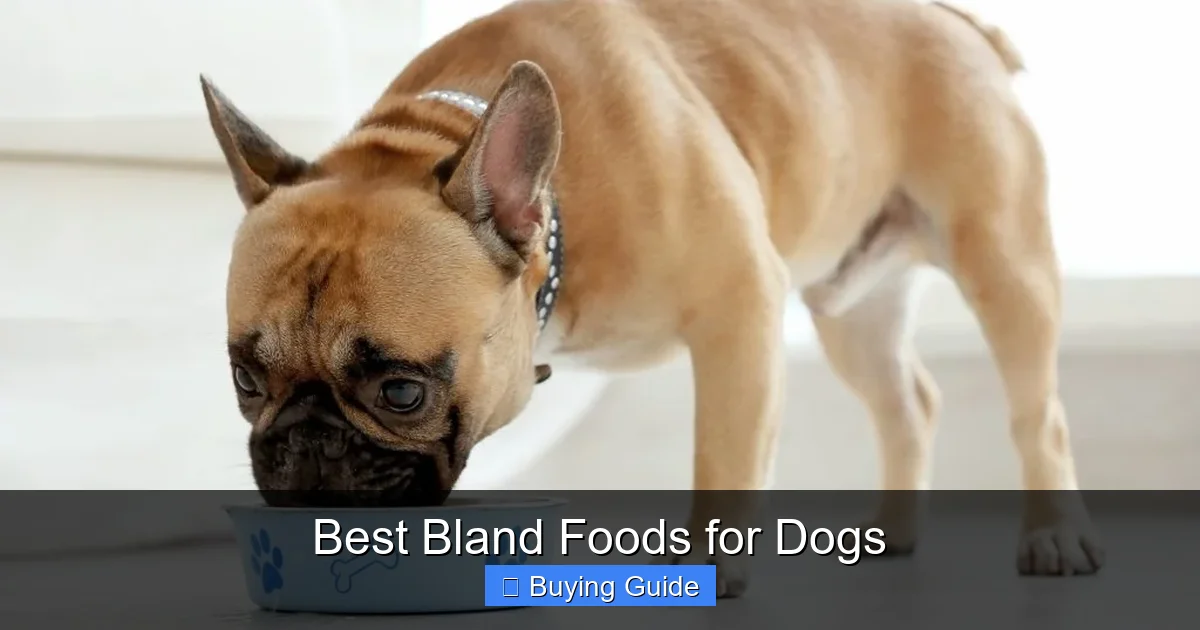
When your dog has an upset stomach, bland foods can provide gentle relief and help restore digestive balance. This guide covers the safest, most effective bland diets for dogs in 2026, including vet-approved recipes, store-bought options, and feeding tips to ensure a smooth recovery.
This is a comprehensive guide about best bland foods for dogs.
Key Takeaways
- Chicken and rice is a classic bland diet: Boiled, skinless chicken breast with plain white rice is easy to digest and widely recommended by veterinarians.
- Pumpkin supports digestion: Canned pure pumpkin (not pie filling) adds fiber and helps regulate bowel movements during digestive upset.
- Avoid fatty, spicy, or seasoned foods: These can worsen stomach issues; stick to simple, unseasoned ingredients.
- Gradual reintroduction to regular food is key: Transition back to your dog’s normal diet over 3–5 days to prevent relapse.
- Hydration matters as much as food: Offer fresh water frequently and consider bone broth (low-sodium, no onions/garlic) for added electrolytes.
- Commercial bland diets are convenient and balanced: Brands like Hill’s i/d and Royal Canin Gastrointestinal offer vet-formulated options for sensitive stomachs.
- Consult your vet for persistent symptoms: Vomiting, diarrhea, or lethargy lasting more than 24–48 hours requires professional evaluation.
[FEATURED_IMAGE_PLACEHOLDER]
Introduction: Why Bland Foods Are Essential for Dogs with Digestive Issues
Just like humans, dogs can experience digestive upset from time to time. Whether it’s a sudden change in diet, scavenging something they shouldn’t have, or a mild stomach bug, an upset tummy can leave your pup feeling miserable. In these moments, feeding the right kind of food is crucial—not just to ease discomfort, but to support healing and prevent further irritation. That’s where bland foods for dogs come in.
Bland diets are specially designed to be gentle on the digestive system. They’re low in fat, easy to digest, and free from ingredients that might trigger nausea, vomiting, or diarrhea. Think of them as the canine version of chicken soup and toast—simple, soothing, and effective. In 2026, pet owners have more options than ever, from homemade recipes to scientifically formulated commercial diets. But with so many choices, it’s important to know what truly works and how to use these foods safely.
What Makes a Food “Bland” for Dogs?
Not all plain foods are created equal when it comes to soothing a dog’s upset stomach. A truly bland diet is more than just unseasoned—it’s carefully balanced to minimize digestive workload while providing essential nutrients. The goal is to give the gastrointestinal tract a break so it can heal.
Low Fat Content
Fat is harder for dogs to digest, especially when their stomachs are already sensitive. High-fat foods like bacon, butter, or greasy table scraps can trigger pancreatitis or worsen diarrhea. Bland foods are typically low in fat, making them easier on the digestive system. For example, skinless chicken breast contains less fat than dark meat or chicken with skin.
High Digestibility
Bland foods should break down quickly in the stomach and intestines. Easily digestible proteins like boiled chicken, turkey, or lean ground beef are ideal. Carbohydrates such as white rice, plain oatmeal, or boiled potatoes also fit the bill because they’re gentle and provide energy without taxing the gut.
Minimal Seasonings and Additives
Even small amounts of salt, garlic, onion, or spices can irritate a dog’s stomach. Bland diets avoid all seasonings, sauces, and artificial additives. This means no bouillon, soy sauce, or flavored broths—even if they seem harmless. Stick to plain, cooked ingredients.
Moisture-Rich Options
Hydration is critical during digestive upset. Wet or moisture-rich foods like plain cooked chicken with broth (low-sodium, no onions) or commercial wet gastrointestinal diets help maintain fluid balance. Dehydration can worsen symptoms and slow recovery.
Fiber Balance
While too much fiber can cause gas and bloating, the right amount helps regulate bowel movements. Ingredients like canned pumpkin (pure, not pie filling) provide soluble fiber that firms up loose stools without irritating the gut.
Top Homemade Bland Foods for Dogs in 2026
Many pet owners prefer making bland meals at home because they can control the ingredients and ensure freshness. Here are some of the most effective and vet-approved homemade options available in 2026.
Boiled Chicken and White Rice
This classic combo remains the gold standard for bland diets. Use skinless, boneless chicken breast boiled in plain water—no salt, no seasonings. Cook until fully done, then shred or chop into small pieces. Pair it with plain white rice (not brown rice, which is higher in fiber and harder to digest). A typical ratio is 1 part chicken to 2 parts rice.
Pro tip: Add a teaspoon of plain, low-sodium chicken broth (check labels for no onions or garlic) to boost flavor and encourage eating. Serve at room temperature to avoid shocking the stomach.
Ground Turkey and Sweet Potato
Lean ground turkey is another excellent protein source for sensitive stomachs. Cook it thoroughly in a non-stick pan with no oil. Sweet potatoes are a great carbohydrate alternative to rice—they’re rich in vitamins and fiber but gentle when cooked and mashed. Avoid adding butter or cinnamon.
This combo is especially helpful for dogs with mild food sensitivities. Just be sure to introduce it slowly if your dog hasn’t had sweet potatoes before.
Pure Pumpkin and Cottage Cheese
For dogs with diarrhea, a small amount of pure pumpkin (not pumpkin pie filling) can work wonders. It’s high in soluble fiber, which absorbs excess water in the intestines and firms up stools. Pair it with low-fat, plain cottage cheese for a protein boost. Cottage cheese is also rich in probiotics, which support gut health.
Use no more than 1–2 tablespoons of pumpkin per 10 pounds of body weight per meal. Too much can cause loose stools again.
Scrambled Eggs and Plain Oatmeal
Eggs are highly digestible and packed with protein. Scramble them without oil, butter, or seasonings. Serve with plain, cooked oatmeal (not instant or flavored varieties). Oats are gentle on the stomach and provide slow-releasing energy.
This meal is ideal for dogs who need a quick protein source. Just avoid feeding eggs daily long-term, as they can lead to biotin deficiency if overused.
Bone Broth (Homemade or Store-Bought)
Bone broth is rich in collagen, amino acids, and electrolytes—perfect for rehydrating and nourishing a dog with digestive issues. Make your own by simmering bones (chicken, beef, or turkey) in water for 12–24 hours. Strain thoroughly and cool before serving.
Store-bought options are convenient, but read labels carefully. Choose brands with no added salt, onions, garlic, or preservatives. Brands like The Honest Kitchen and Open Farm offer vet-approved bone broths in 2026.
Best Commercial Bland Foods for Dogs in 2026
While homemade meals are great, commercial bland diets offer convenience, nutritional balance, and consistency. In 2026, several brands have refined their formulas to meet the needs of dogs with sensitive stomachs, food intolerances, or recovering from illness.
Hill’s Prescription Diet i/d
Hill’s Science Diet i/d is one of the most trusted gastrointestinal diets on the market. It’s formulated with highly digestible ingredients, prebiotic fiber, and added nutrients to support gut healing. Available in both dry and wet forms, it’s often recommended by veterinarians for acute and chronic digestive issues.
The wet version is especially helpful for dogs who aren’t drinking enough water. It’s also enriched with omega-3 fatty acids to reduce inflammation.
Royal Canin Gastrointestinal Low Fat
Royal Canin’s Gastrointestinal Low Fat formula is designed for dogs with pancreatitis, diarrhea, or general stomach sensitivity. It features highly digestible proteins and a precise balance of fiber to regulate digestion. The low-fat content makes it safe for dogs prone to pancreatitis.
This diet is available by prescription and should be used under veterinary guidance, especially for long-term management.
Purina Pro Plan Veterinary Diets EN Gastroenteric
Purina’s EN formula is another vet-recommended option. It’s made with hydrolyzed proteins, which are broken down into smaller molecules for easier digestion. This makes it ideal for dogs with food allergies or intolerances.
The diet also includes medium-chain triglycerides (MCTs) for quick energy and reduced fat absorption. Available in both canned and kibble forms.
The Honest Kitchen Human-Grade Dehydrated Food
For pet owners who want a high-quality, minimally processed option, The Honest Kitchen offers human-grade dehydrated meals. Their “Simple” line includes recipes like chicken and barley or turkey and pumpkin—perfect for bland feeding.
Just add warm water to rehydrate. These meals are free from fillers, artificial preservatives, and common allergens. While not prescription-grade, they’re excellent for short-term use during digestive upset.
Open Farm Gently Cooked Gastrointestinal Recipe
Open Farm’s gently cooked meals are made with human-grade ingredients and slow-cooked to preserve nutrients. Their Gastrointestinal recipe features turkey, pumpkin, and oats—all gentle on the stomach.
The meals are shelf-stable and come in convenient pouches. They’re a great middle ground between homemade and prescription diets.
How to Feed a Bland Diet: Step-by-Step Guide
Knowing what to feed is only half the battle—how you feed it matters just as much. A proper feeding protocol ensures your dog gets the most benefit from a bland diet and reduces the risk of relapse.
Step 1: Fast for 12–24 Hours (If Recommended)
For mild stomach upset, vets often recommend a 12- to 24-hour fast to let the digestive system rest. This doesn’t mean withholding water—always provide fresh water. Fasting helps reduce vomiting and allows the gut to reset.
Only fast adult dogs. Puppies, small breeds, or dogs with health conditions should not fast without veterinary approval.
Step 2: Start with Small, Frequent Meals
After fasting, introduce bland food in small portions—about ¼ to ½ cup for small dogs, ½ to 1 cup for larger dogs. Feed every 3–4 hours instead of two large meals. This prevents overwhelming the stomach.
For example, feed ¼ cup of chicken and rice at 8 a.m., 12 p.m., 4 p.m., and 8 p.m. Gradually increase portion size as your dog tolerates it.
Step 3: Monitor Symptoms
Watch for improvements in vomiting, diarrhea, and energy levels. If symptoms worsen or persist beyond 48 hours, contact your vet. Signs like blood in stool, lethargy, or refusal to eat require immediate attention.
Step 4: Transition Back to Regular Food
Once your dog is eating well and has normal stools for 2–3 days, begin transitioning back to their regular diet. Mix increasing amounts of regular food with decreasing amounts of bland food over 3–5 days.
Day 1: 75% bland, 25% regular
Day 2: 50% bland, 50% regular
Day 3: 25% bland, 75% regular
Day 4: 100% regular food
Rushing this step can trigger another upset, so take it slow.
Step 5: Prevent Future Issues
To avoid repeat episodes, maintain a consistent diet, avoid table scraps, and keep trash and toxic foods out of reach. Consider probiotics or digestive supplements if your dog has recurring stomach issues.
Foods to Avoid When Your Dog Has an Upset Stomach
Just as important as knowing what to feed is knowing what not to feed. Certain foods can worsen symptoms or even be toxic.
Fatty or Greasy Foods
Bacon, sausage, fried foods, and butter are high in fat and can trigger pancreatitis—a serious inflammation of the pancreas. Even small amounts can be dangerous.
Dairy Products (for Some Dogs)
While cottage cheese and plain yogurt (in moderation) can be okay, many dogs are lactose intolerant. Milk, cheese, and ice cream can cause gas, bloating, and diarrhea.
Onions, Garlic, and Chives
These ingredients are toxic to dogs and can cause anemia, even in small amounts. Avoid any broth, seasoning, or food containing them.
Spices and Seasonings
Salt, pepper, cumin, and other spices can irritate the stomach. Stick to plain, unseasoned foods only.
Raw or Undercooked Meat and Eggs
Raw diets carry a risk of bacterial contamination like Salmonella or E. coli, which can worsen digestive issues. Always cook meat and eggs thoroughly.
Chocolate, Grapes, and Xylitol
These are toxic to dogs and should never be fed under any circumstances. Even small amounts of chocolate or xylitol (found in sugar-free gum) can be life-threatening.
When to See a Veterinarian
While most cases of mild stomach upset resolve with a bland diet and rest, some symptoms require professional care. Don’t wait if your dog shows any of the following:
- Vomiting more than twice in 24 hours
- Diarrhea lasting more than 48 hours
- Blood in vomit or stool
- Lethargy, weakness, or collapse
- Abdominal pain or bloating
- Refusal to drink water
- Signs of dehydration (dry gums, sunken eyes, loss of skin elasticity)
These could indicate serious conditions like parvovirus, intestinal blockages, or pancreatitis. Early intervention can save your dog’s life.
Your vet may recommend diagnostic tests like blood work, X-rays, or ultrasounds to determine the cause. They might also prescribe medications like anti-nausea drugs or probiotics to support recovery.
Conclusion: Gentle Nutrition for a Happy, Healthy Dog
Feeding the best bland foods for dogs isn’t just about managing symptoms—it’s about supporting your dog’s overall health and well-being. Whether you choose a simple homemade recipe or a vet-formulated commercial diet, the key is consistency, care, and attention to your dog’s individual needs.
In 2026, pet owners have access to more resources than ever, from high-quality commercial diets to expert-backed feeding guidelines. By understanding what makes a food truly “bland” and how to use it effectively, you can help your dog recover quickly and comfortably. Remember, when in doubt, consult your veterinarian. A healthy gut leads to a happier pup—and that’s what every dog parent wants.
Frequently Asked Questions
Can I feed my dog plain yogurt for an upset stomach?
Yes, in small amounts. Plain, unsweetened yogurt with live cultures can help restore gut bacteria. Avoid flavored or sweetened yogurts, which may contain xylitol or excess sugar.
How long should I feed my dog a bland diet?
Most dogs only need a bland diet for 2–5 days, depending on symptoms. Once stools are firm and energy levels improve, begin transitioning back to regular food over 3–5 days.
Is brown rice okay for dogs with diarrhea?
No, brown rice is higher in fiber and harder to digest. Stick to white rice, which is gentler on the stomach and helps firm up stools.
Can I add probiotics to my dog’s bland diet?
Yes, probiotics can support gut healing. Look for dog-specific formulas or ask your vet for recommendations. Avoid human probiotics unless directed.
What if my dog refuses to eat bland food?
Warm the food slightly to enhance aroma, or mix in a small amount of low-sodium broth. If your dog refuses to eat for more than 24 hours, contact your vet.
Are there any long-term risks to feeding a bland diet?
Bland diets are not nutritionally complete for long-term use. They lack essential fats, vitamins, and minerals. Use them only for short-term digestive support under veterinary guidance.