
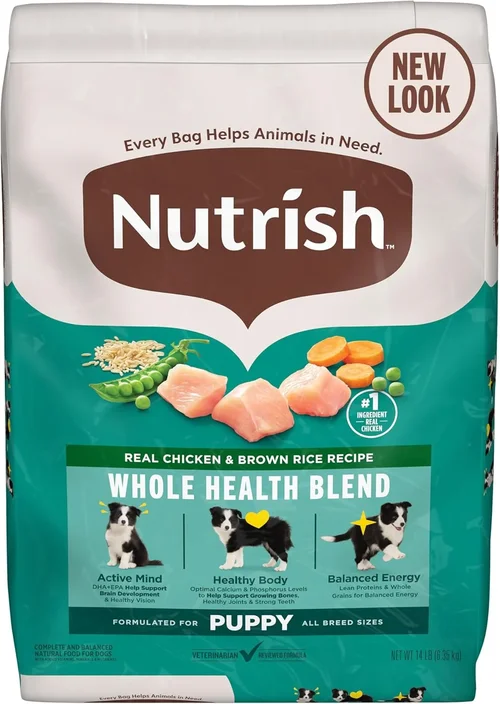
Great Dane puppies are among the most majestic and gentle giants in the canine world. Known for their towering stature, calm demeanor, and affectionate nature, these dogs require specialized care—especially when it comes to nutrition. As a Great Dane puppy grows, it can gain up to 5 pounds per week during peak growth phases, reaching over 100 pounds by just six months of age. This rapid development places immense demands on their bodies, particularly their bones, joints, and digestive systems. Feeding them the wrong food can lead to serious health issues such as hip dysplasia, osteochondrosis, or bloat—conditions that are not only painful but potentially life-threatening.
That’s why choosing the right dog food isn’t just about convenience or preference—it’s a critical component of responsible Great Dane ownership. The market is flooded with hundreds of brands, each claiming to be “the best” for large breeds. But not all formulas are created equal, and what works for a small-breed puppy can be disastrous for a rapidly growing Great Dane. This comprehensive guide is designed to cut through the noise, offering expert-backed insights into what makes a truly great diet for your Great Dane puppy. Whether you’re a first-time owner or a seasoned breeder, you’ll learn how to evaluate ingredients, understand nutritional needs, avoid common pitfalls, and make an informed decision that supports your puppy’s long-term health and well-being.
In this guide, we’ll explore the top-rated dog food brands specifically formulated for large-breed puppies, with a focus on those that meet the unique requirements of Great Danes. We’ll break down key factors like protein content, calcium-to-phosphorus ratios, ingredient quality, and feeding guidelines. You’ll also find detailed comparisons of different food types—kibble, wet, raw, and freeze-dried—alongside budget-friendly options and premium picks. By the end, you’ll have a clear roadmap to selecting the best possible nutrition for your gentle giant, ensuring they grow strong, healthy, and happy for years to come.

What to Look for When Buying Buying Guide
1. Protein Content and Source
Protein is the cornerstone of any puppy’s diet, but for Great Danes, balance is everything. While protein supports muscle development and overall growth, excessive amounts—especially from low-quality sources—can accelerate growth rates beyond what their skeletal system can safely handle. Look for foods with a protein content between 22% and 26% on a dry matter basis. This range supports steady, healthy growth without overstimulating rapid weight gain.
Equally important is the source of that protein. High-quality animal-based proteins like deboned chicken, turkey, lamb, or fish should appear as the first ingredient. Avoid meals labeled simply as “meat meal” or “animal by-product meal,” as these are often lower in nutritional value and may contain parts not fit for human consumption. Whole meats or named meat meals (e.g., “chicken meal”) are far superior. Additionally, ensure the food includes digestible proteins that are easy on your puppy’s developing digestive tract. Great Danes are prone to sensitive stomachs, so easily digestible proteins help prevent gastrointestinal upset.
2. Calcium-to-Phosphorus Ratio
One of the most critical—and often misunderstood—aspects of feeding large-breed puppies is the calcium-to-phosphorus ratio. Great Danes are genetically predisposed to skeletal disorders, and improper mineral balance is a leading cause. The ideal ratio is between 1.1:1 and 1.4:1 (calcium to phosphorus). Too much calcium can lead to abnormal bone development, joint deformities, and even premature closure of growth plates.
Avoid foods that list calcium levels above 1.5% on a dry matter basis. While some brands market “high-calcium” formulas for large breeds, this is outdated advice that can do more harm than good. Instead, opt for foods that explicitly state they are formulated for large-breed puppies and meet AAFCO (Association of American Feed Control Officials) standards for growth. Always check the guaranteed analysis on the label—don’t rely solely on marketing claims.
3. Fat Content and Essential Fatty Acids
Fat provides concentrated energy and supports brain development, skin health, and a shiny coat. For Great Dane puppies, fat content should range from 8% to 12% on a dry matter basis. Higher fat levels may contribute to excessive weight gain, which puts additional strain on developing joints.
Look for sources of healthy fats such as chicken fat, flaxseed, salmon oil, or canola oil. These provide essential fatty acids like omega-3 and omega-6, which reduce inflammation, support cognitive function, and promote healthy skin and coat. DHA (docosahexaenoic acid), an omega-3 fatty acid found in fish oil, is particularly beneficial for brain and vision development in puppies. Avoid foods with unnamed fat sources like “animal fat” or excessive plant-based oils, which may not offer the same bioavailability.
4. Grain Inclusion and Digestibility
There’s a lot of debate around grains in dog food, but for Great Dane puppies, the issue isn’t whether grains are present—it’s whether they’re digestible and beneficial. Whole grains like brown rice, oatmeal, barley, and quinoa provide complex carbohydrates, fiber, and essential nutrients. They also help maintain stable energy levels and support digestive health.
Contrary to popular belief, most dogs—including Great Danes—can tolerate grains well, especially when they’re properly cooked and sourced. The real concern is fillers like corn gluten meal, wheat, or soy, which offer little nutritional value and may trigger allergies or digestive issues. If your puppy has a known grain sensitivity, consider grain-free options with alternative carb sources like sweet potatoes or peas—but only under veterinary guidance. Remember, grain-free doesn’t automatically mean healthier, and some grain-free diets have been linked to dilated cardiomyopathy (DCM) in dogs due to legume-heavy formulations.
5. Kibble Size and Shape
Great Danes have large mouths, but their puppies start small—and kibble size matters more than you might think. Puppies under six months should be fed smaller kibble (around ½ inch or less) to encourage proper chewing and prevent choking. As they grow, you can transition to larger kibble, which helps promote jaw strength and dental health.
Some brands design kibble specifically for large breeds, with shapes that encourage slower eating—a crucial feature for Great Danes, who are highly susceptible to bloat (gastric dilatation-volvulus or GDV). Slower eating reduces the amount of air swallowed during meals, lowering the risk of this life-threatening condition. Look for kibble that’s not only the right size but also textured to slow ingestion. Some premium brands even incorporate anti-bloat features like larger, denser kibble or unique shapes that require more chewing.
6. Brand Reputation and Transparency
Not all dog food companies are created equal. When it comes to your Great Dane puppy’s health, you want a brand with a proven track record, rigorous quality control, and full transparency about sourcing and manufacturing. Reputable brands will provide detailed ingredient lists, nutritional analyses, and information about where and how their food is made.
Look for companies that employ veterinary nutritionists, conduct feeding trials, and publish their research. Avoid brands that use vague terms like “natural” or “premium” without substantiation. The best brands are often those that are transparent about recalls, sourcing practices, and third-party testing. Reading customer reviews and checking independent watchdog sites like the Dog Food Advisor or the FDA’s pet food recall database can also help you assess a brand’s reliability.
7. Feeding Guidelines and Portion Control
Great Dane puppies grow fast, but they shouldn’t be overfed. Rapid weight gain increases the risk of joint problems and bloat. Most high-quality large-breed puppy foods come with detailed feeding charts based on age and expected adult weight. Follow these guidelines closely, but also monitor your puppy’s body condition regularly.
Use the body condition scoring system: you should be able to feel your puppy’s ribs without seeing them, and there should be a visible waist when viewed from above. If your puppy is gaining weight too quickly, reduce portions slightly—but never drastically. Consult your veterinarian if you’re unsure. Some brands offer portion-controlled feeding plans or even apps to track intake, which can be especially helpful for new owners.
8. Additives, Preservatives, and Fillers
The ingredient list is your best friend when evaluating dog food. Avoid artificial preservatives like BHA, BHT, and ethoxyquin, which have been linked to health issues in dogs. Instead, look for natural preservatives such as mixed tocopherols (vitamin E), rosemary extract, or ascorbic acid (vitamin C).
Fillers like corn, wheat, and soy should be minimized or avoided altogether. While small amounts may be acceptable, they shouldn’t dominate the ingredient list. Similarly, avoid foods with excessive sugar, salt, or artificial colors and flavors. These offer no nutritional benefit and may contribute to obesity or behavioral issues. Focus on whole, recognizable ingredients that support your puppy’s growth and vitality.
Different Types of Buying Guide

Common Buying Mistakes to Avoid
❌ Mistake: Feeding Adult Dog Food Too Early
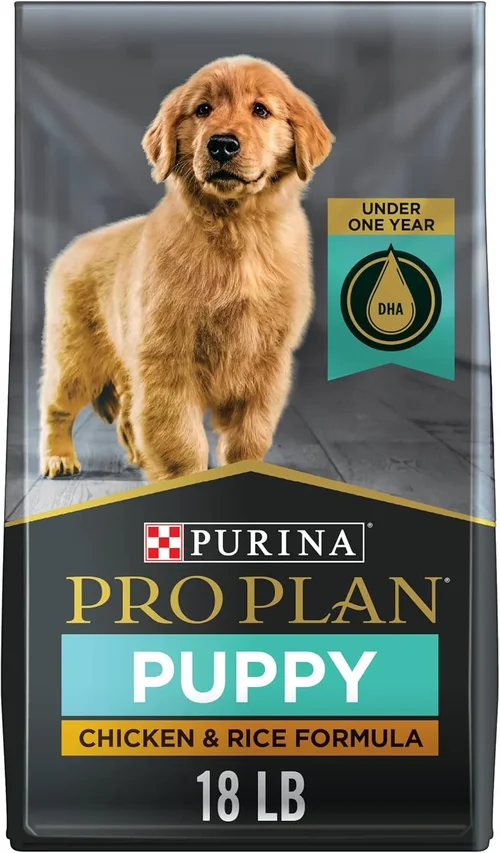
Why it’s bad: Adult dog food lacks the higher protein, fat, and calorie density needed for growing puppies. Feeding it too soon can stunt growth or lead to nutritional deficiencies. Additionally, adult formulas often have higher calcium levels, which are dangerous for large-breed puppies.
What to do instead: Stick to large-breed puppy formulas until your Great Dane reaches at least 12–18 months of age. Transition gradually to adult food only after consulting your vet.
❌ Mistake: Overfeeding in an Attempt to “Bulk Up”
Why it’s bad: Rapid weight gain is one of the biggest risk factors for skeletal disorders in Great Danes. Overfeeding can lead to obesity, joint stress, and increased bloat risk.
What to do instead: Follow the feeding guidelines on the bag and adjust based on your puppy’s body condition. Weigh your puppy monthly and keep a growth journal.
❌ Mistake: Choosing Food Based Solely on Price
Why it’s bad: Cheap dog foods often contain fillers, by-products, and artificial additives that offer little nutritional value. Long-term, this can lead to health problems and higher veterinary costs.
What to do instead: Invest in high-quality food now to prevent costly health issues later. Think of it as preventive healthcare.
❌ Mistake: Ignoring the Calcium-to-Phosphorus Ratio
Why it’s bad: Imbalanced minerals can cause irreversible bone and joint damage. Many owners don’t realize this ratio is more important than total calcium content.
What to do instead: Always check the guaranteed analysis. Aim for a ratio between 1.1:1 and 1.4:1 and calcium levels under 1.5%.
❌ Mistake: Switching Foods Too Frequently
Why it’s bad: Frequent changes can upset your puppy’s digestive system, leading to diarrhea, vomiting, or food sensitivities.
What to do instead: If you need to switch, do so gradually over 7–10 days, mixing increasing amounts of the new food with the old.
❌ Mistake: Feeding from Elevated Bowls Without Vet Approval
Why it’s bad: While elevated bowls are often recommended for large breeds to reduce bloat risk, recent studies suggest they may actually increase the risk in some dogs.
What to do instead: Consult your veterinarian before using elevated feeders. Some experts now recommend ground-level feeding with slow-feed bowls instead.
❌ Mistake: Relying on Marketing Claims Over Ingredient Lists
Why it’s bad: Terms like “premium,” “natural,” or “holistic” are not regulated and can be misleading. A food can claim to be “grain-free” but still be loaded with potatoes and peas as fillers.
What to do instead: Always read the ingredient list and guaranteed analysis. Focus on what’s actually in the food, not the packaging.
Budget Guidelines: How Much Should You Spend?
– Entry-Level ($25–$40 per 30-lb bag): What to expect… These foods often meet basic AAFCO standards but may use lower-quality proteins, fillers, and artificial preservatives. While some budget brands offer decent large-breed formulas, they typically lack the precision in mineral balance and digestibility needed for Great Danes. Best for short-term use or supplemental feeding, but not ideal for long-term growth.
– Mid-Range ($40–$60 per 30-lb bag): Sweet spot for most buyers… This tier includes reputable brands that prioritize high-quality ingredients, proper calcium-to-phosphorus ratios, and large-breed-specific formulations. You’ll find named meat sources, natural preservatives, and added DHA. These foods offer excellent value and are suitable for daily feeding. Examples include Wellness CORE Large Breed Puppy and Nutro Wholesome Essentials Large Breed.
– Premium ($60–$90 per 30-lb bag): For enthusiasts and professionals… Premium foods use human-grade ingredients, novel proteins, and advanced nutritional science. They often include probiotics, prebiotics, joint support supplements (like glucosamine), and minimally processed components. Brands like Royal Canin Giant Puppy and Hill’s Science Diet Large Breed Puppy fall here. Ideal for show dogs or puppies with specific health concerns.
– Luxury ($90+ per 30-lb bag): Top-tier features… These include fresh, raw, or freeze-dried options from brands like The Farmer’s Dog, Nom Nom, or Stella & Chewy’s. They offer customized nutrition, ultra-high protein bioavailability, and zero fillers. While expensive, they’re ideal for owners who want the absolute best for their puppy’s development and are willing to invest in long-term health.

Expert Tips for Getting the Best Deal
– Buy in Bulk During Sales: Many online retailers (like Chewy, Amazon, or Petco) offer discounts on larger bags or multi-bag purchases. Sign up for newsletters to get alerts on seasonal sales, especially around holidays like Black Friday or National Pet Day.
– Subscribe and Save: Most major pet food retailers offer subscription services with 5–15% off regular prices. You can often pause or cancel anytime, making it a flexible way to save.
– Check Local Breeders and Vets: Some breeders and veterinary clinics sell high-quality food at wholesale prices. They may also offer exclusive formulas not available in stores.
– Compare Unit Prices: Don’t just look at the total cost—compare price per pound or per cup. A $70 bag might actually be cheaper per serving than a $50 one if it’s more nutrient-dense and requires smaller portions.
– Look for Manufacturer Rebates: Brands like Royal Canin and Hill’s often run rebate programs, especially for first-time buyers. These can save you $10–$20 per bag.
– Read Return Policies: If your puppy doesn’t like the food or has a reaction, you’ll want to be able to return it. Most reputable retailers offer 100% satisfaction guarantees.
– Test Before Committing: Buy a small bag first to see how your puppy reacts. Look for signs of good digestion, energy levels, coat shine, and stool quality.
– Ask Your Vet for Samples: Many vets keep samples of premium puppy foods. This is a great way to try before you buy without spending money.
Frequently Asked Questions
Q: When should I switch my Great Dane puppy to adult food?
A: Great Danes are considered large-breed dogs, and they grow more slowly than smaller breeds. Most experts recommend keeping them on a large-breed puppy formula until they are 12 to 18 months old. Switching too early can deprive them of essential nutrients needed for proper bone and joint development. Always consult your veterinarian before making the transition.
Q: Can I mix wet and dry food for my Great Dane puppy?
A: Yes, many owners mix wet and dry food to increase palatability and hydration. Just be sure to adjust portion sizes accordingly to avoid overfeeding. For example, if you add one 13-oz can of wet food, reduce the dry food by about 1–1.5 cups to maintain caloric balance.
Q: Is grain-free food better for Great Dane puppies?
A: Not necessarily. Grain-free diets are only beneficial if your puppy has a confirmed grain allergy. In fact, some grain-free foods use legumes like peas and lentils, which have been linked to DCM in dogs. Unless your vet recommends it, a high-quality food with digestible grains is often a safer choice.
Q: How often should I feed my Great Dane puppy?
A: Puppies under 6 months should be fed 3–4 times per day. From 6 to 12 months, reduce to 2–3 meals. After 12 months, most Great Danes do well with two meals per day. Consistent feeding times help regulate digestion and reduce bloat risk.
Q: What are the signs of a good-quality puppy food?
A: Look for firm, well-formed stools, a shiny coat, healthy energy levels, and steady growth. Your puppy should maintain a lean body condition without rapid weight gain. If you notice diarrhea, vomiting, excessive gas, or lethargy, the food may not be suitable.
Q: Can I make homemade food for my Great Dane puppy?
A: Yes, but it requires careful planning and veterinary supervision. Homemade diets must be nutritionally balanced, especially in calcium, phosphorus, and vitamin D. Many homemade diets fail to meet these requirements, leading to deficiencies. If you choose this route, work with a veterinary nutritionist to formulate a complete diet.
Q: Are raw diets safe for Great Dane puppies?
A: Raw diets can offer benefits like improved coat condition and digestion, but they also carry risks such as bacterial contamination (Salmonella, E. coli) and nutritional imbalances. If you feed raw, ensure it’s from a reputable source, properly handled, and balanced for growth. Freeze-dried raw is a safer alternative.
Q: How do I prevent bloat in my Great Dane puppy?
A: Feed smaller, more frequent meals, avoid vigorous exercise right before or after eating, use a slow-feed bowl, and don’t let your puppy drink large amounts of water immediately after meals. Some experts also recommend feeding from ground level rather than elevated bowls.
Q: Should I add supplements to my puppy’s food?
A: Generally, no—if you’re feeding a high-quality, AAFCO-complete large-breed puppy food, supplements are unnecessary and could be harmful. Excess calcium or vitamin D can cause serious health issues. Only add supplements under veterinary guidance.
Q: How do I know if my puppy is growing too fast?
A: Weigh your puppy weekly and track growth on a chart. Rapid weight gain (more than 5–7 pounds per week after 4 months) is a red flag. Signs include difficulty moving, limping, or reluctance to play. Consult your vet if you’re concerned.
Our Final Recommendations
– Best for Budget-Conscious Buyers: Nutro Wholesome Essentials Large Breed Puppy – Offers excellent value with real chicken as the first ingredient, balanced minerals, and no artificial preservatives. Priced under $50 for a 30-lb bag, it’s a reliable choice for owners watching their budget.
– Best Overall Value: Wellness CORE Large Breed Puppy – Packed with high-protein, grain-free ingredients, this formula supports lean muscle development and digestive health. It includes DHA for brain development and probiotics for gut health. A top performer in its price range.
– Best Premium Option: Royal Canin Giant Puppy – Specifically designed for puppies over 70 lbs at maturity, this food features precise calcium and phosphorus levels, joint support nutrients, and a unique kibble shape to slow eating. Ideal for show-quality Danes.
– Best for Beginners: Hill’s Science Diet Large Breed Puppy – Trusted by veterinarians, this formula is easy to find, well-balanced, and comes with clear feeding guidelines. It’s a safe, no-fuss choice for new Great Dane owners.
– Best for Advanced Users: The Farmer’s Dog (Custom Fresh Food) – For owners who want complete control over their puppy’s diet, this fresh, human-grade food is customized to your dog’s age, weight, and activity level. Delivered frozen, it’s convenient and nutritionally superior—though at a premium price.
Conclusion: Making the Right Choice
Choosing the right food for your Great Dane puppy is one of the most important decisions you’ll make as an owner. These gentle giants deserve a diet that supports their extraordinary growth, protects their delicate joints, and lays the foundation for a long, healthy life. By focusing on high-quality proteins, balanced minerals, digestible ingredients, and appropriate feeding practices, you can give your puppy the best possible start.
Remember, no single brand is perfect for every puppy. What works for one Great Dane may not suit another due to individual sensitivities, activity levels, or health conditions. Use this guide as a starting point, but always consult your veterinarian to tailor nutrition to your puppy’s unique needs.
Investing in premium nutrition now can save you thousands in veterinary bills later. It’s not just about feeding your dog—it’s about nurturing a lifelong companion. With the right food, plenty of love, and consistent care, your Great Dane puppy will grow into the majestic, loyal friend you’ve always dreamed of.
Take the time to read labels, compare options, and make an informed choice. Your puppy’s health—and your peace of mind—are worth it.