

When it comes to feeding your large breed dog, the stakes are higher than you might think. These majestic canines—whether they’re towering Great Danes, powerful German Shepherds, or gentle Golden Retrievers—require a specialized diet that supports their unique physiology. Unlike smaller dogs, large breeds grow rapidly during puppyhood and are prone to joint issues, digestive sensitivities, and metabolic imbalances later in life. Feeding them the wrong food can lead to serious health problems, including hip dysplasia, obesity, and heart conditions. That’s why choosing the right dog food isn’t just about convenience or preference—it’s a critical component of responsible pet ownership.
This comprehensive buying guide is designed to help you navigate the crowded and often confusing world of large breed dog food in 2026. Whether you’re a first-time dog owner or a seasoned pet parent looking to upgrade your pup’s diet, you’ll find everything you need to make an informed decision. We’ll break down the essential nutritional requirements for large dogs, explain what labels really mean, compare top brands, and highlight common pitfalls to avoid. By the end of this guide, you’ll know exactly what to look for on ingredient lists, how to interpret feeding guidelines, and which products offer the best balance of quality, value, and health support.
The market for large breed dog food has evolved significantly in recent years. With growing awareness of pet nutrition, more brands are now formulating recipes specifically for dogs over 50 pounds. From grain-free kibble to raw frozen meals and limited-ingredient diets, the options are vast—and not all of them are created equal. Some prioritize high protein, while others focus on joint-supporting supplements like glucosamine and chondroitin. Premium brands use human-grade ingredients, while budget-friendly options may rely on fillers and by-products. Our goal is to cut through the marketing noise and give you science-backed, practical advice so you can feed your big dog with confidence.
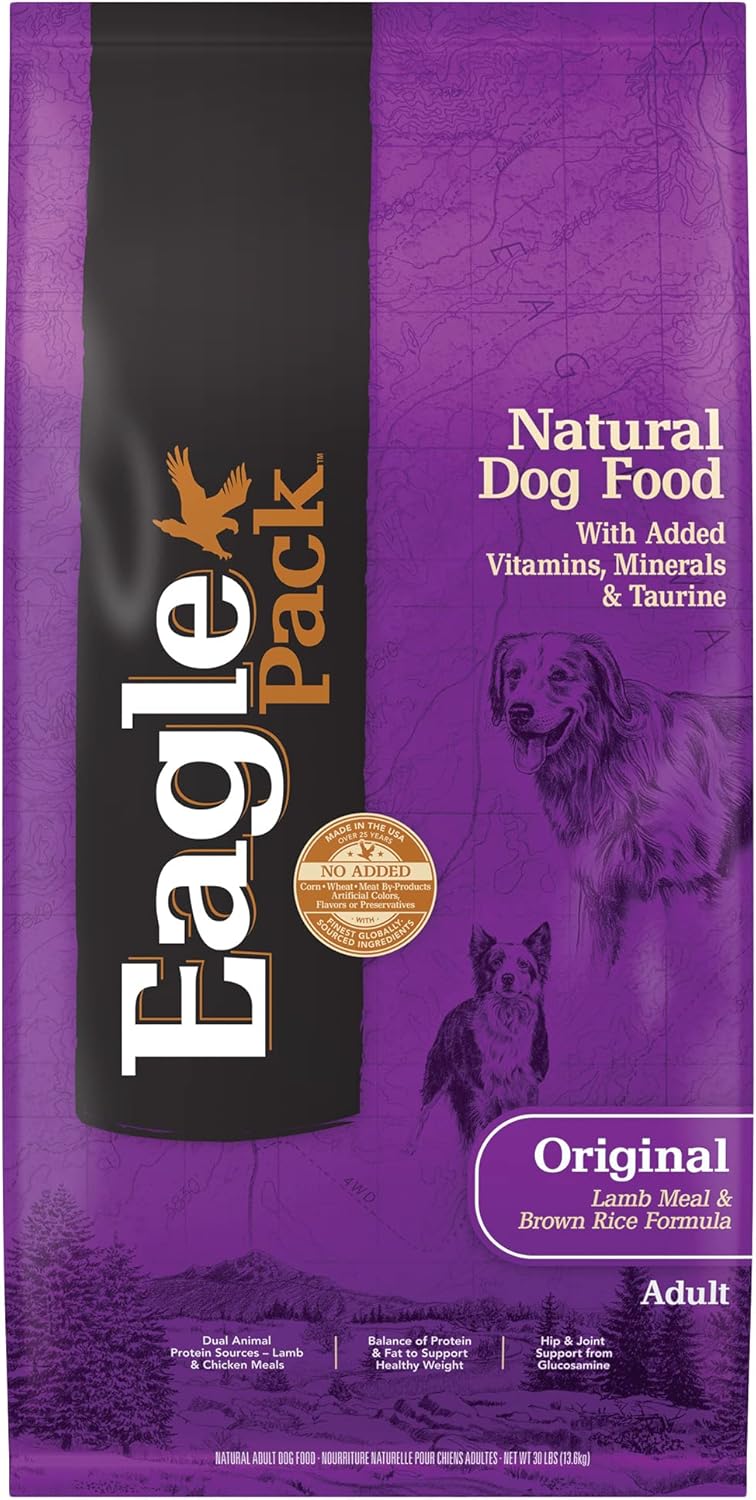
What to Look for When Buying Dog Food for Large Breeds
1. Protein Content and Source
Protein is the cornerstone of any dog’s diet, but for large breeds, the type and amount matter even more. These dogs need high-quality, highly digestible protein to support muscle development without overloading their systems. Look for foods where the first ingredient is a named animal protein—such as “chicken,” “lamb,” or “salmon”—not “meat meal” or “by-product meal.” Whole meats are ideal, but meat meals (like chicken meal) can also be excellent sources if they’re from a reputable source and not overly processed.
The Association of American Feed Control Officials (AAFCO) recommends that adult large breed dogs consume at least 18% crude protein, while large breed puppies need around 22%. However, more isn’t always better. Excessive protein can strain developing kidneys and contribute to rapid growth, which increases the risk of skeletal abnormalities. Aim for a moderate-to-high protein level (22–26% for adults, 26–30% for puppies) from animal-based sources. Avoid plant-heavy proteins like soy, corn gluten meal, or wheat gluten, which are less bioavailable and harder for dogs to utilize.
2. Fat Levels and Fatty Acid Balance
Fat provides concentrated energy and supports skin, coat, and brain health. For large breeds, fat should be moderate—too much can lead to weight gain, while too little can cause dull coats and lethargy. AAFCO recommends a minimum of 5% fat for adult dogs and 8% for puppies. Ideal fat levels for large breeds typically fall between 10% and 15%.
More importantly, pay attention to the types of fat. Omega-3 and omega-6 fatty acids are essential for reducing inflammation, supporting joint health, and maintaining a shiny coat. Look for ingredients like fish oil, flaxseed, chia seeds, or canola oil, which are rich in these beneficial fats. Avoid foods that list “animal fat” without specifying the source, as this could indicate low-quality or rancid fats.
Large breeds are especially prone to inflammatory conditions like arthritis, so a diet rich in anti-inflammatory fats can make a real difference in their quality of life as they age.
3. Calcium-to-Phosphorus Ratio
One of the most critical—and often overlooked—factors in large breed nutrition is the calcium-to-phosphorus ratio. This balance is vital for proper bone and joint development, especially during the rapid growth phase of puppyhood. Too much calcium can lead to skeletal deformities, while too little can weaken bones.
The ideal ratio is between 1:1 and 1.5:1 (calcium to phosphorus). For example, if a food contains 1.2% calcium, it should have between 0.8% and 1.2% phosphorus. Many premium large breed formulas are carefully calibrated to meet this standard. Avoid supplements unless advised by a vet, as adding extra calcium to a balanced diet can disrupt this delicate balance.
This is especially important for large breed puppies. Feeding adult dog food or high-calcium supplements to a growing giant breed can increase the risk of developmental orthopedic diseases like osteochondrosis.
4. Calorie Density and Portion Control
Large breed dogs have slower metabolisms than smaller dogs, meaning they don’t need as many calories per pound of body weight. Overfeeding is a common issue that leads to obesity, which in turn increases the risk of diabetes, heart disease, and joint stress.
Look for foods with moderate calorie density—typically between 350 and 400 kcal per cup for dry kibble. This allows you to feed satisfying portions without overloading your dog with excess energy. Many large breed formulas are designed to be less calorie-dense than standard adult dog foods, helping prevent weight gain.
Feeding guidelines on the bag are a starting point, but every dog is different. Adjust portions based on your dog’s age, activity level, and body condition. Use a body condition score chart (available from most vets) to assess whether your dog is underweight, ideal, or overweight.
5. Joint Support Ingredients
Large breeds are genetically predisposed to joint problems, including hip and elbow dysplasia, arthritis, and ligament tears. While genetics play a role, diet can either exacerbate or mitigate these risks. Look for foods that include joint-supporting supplements such as:
– Glucosamine and chondroitin: These compounds help maintain cartilage health and reduce inflammation.
– MSM (methylsulfonylmethane): A natural sulfur compound that supports connective tissue.
– Green-lipped mussel: A rich source of omega-3s and glycosaminoglycans, known for anti-inflammatory properties.
– Hyaluronic acid: Supports joint lubrication and mobility.
These ingredients are often found in premium large breed formulas, but not all brands include them. If your dog is prone to joint issues or you want to be proactive, choose a food that lists at least one of these on the ingredient panel.
6. Digestive Health and Fiber Content
Large breeds can be prone to bloat (gastric dilatation-volvulus or GDV), a life-threatening condition where the stomach twists. While diet alone can’t prevent bloat, certain dietary factors can reduce the risk. Feeding smaller, more frequent meals and avoiding high-fat or gas-producing ingredients can help.
Fiber plays a key role in digestive health. Look for moderate fiber levels (3–5%) from sources like beet pulp, pumpkin, sweet potato, or oat bran. These ingredients support healthy gut motility and can help regulate bowel movements. Avoid excessive fiber, which can interfere with nutrient absorption.
Probiotics and prebiotics are also beneficial. These support a healthy gut microbiome, improve digestion, and boost immunity. Ingredients like dried chicory root, lactobacillus, or yeast cultures indicate the presence of these beneficial compounds.
7. Grain Inclusion vs. Grain-Free
The grain-free trend has sparked debate in the pet nutrition world. While some dogs benefit from grain-free diets due to allergies or sensitivities, most large breeds do just fine with grains—and may even benefit from them.
Grains like brown rice, oats, and barley provide complex carbohydrates, fiber, and essential B vitamins. They’re also less likely to cause allergic reactions than some protein sources. The FDA has raised concerns about a potential link between grain-free diets and dilated cardiomyopathy (DCM) in dogs, especially when legumes like peas, lentils, or potatoes are used as primary ingredients.
Unless your dog has a diagnosed grain allergy, there’s no need to avoid grains. In fact, whole grains can be a valuable part of a balanced diet. If you do choose grain-free, ensure the food uses high-quality protein sources and doesn’t rely heavily on legumes or potatoes as fillers.
8. Brand Transparency and Manufacturing Standards
Not all dog food brands are created equal when it comes to quality control and ingredient sourcing. Look for companies that:
– Manufacture their own food (not co-packed by third parties)
– Conduct regular nutritional testing and AAFCO feeding trials
– Provide clear information about ingredient sourcing
– Have a history of recalls or safety issues (check FDA databases)
Reputable brands often publish nutritional adequacy statements, list their manufacturing facilities, and offer customer support for dietary questions. Avoid brands that use vague terms like “meat by-products” or “animal digest” without specifying the source.
Transparency builds trust. If a company is hesitant to share information about where their ingredients come from or how their food is made, it’s a red flag.
Different Types of Dog Food for Large Breeds

Common Buying Mistakes to Avoid
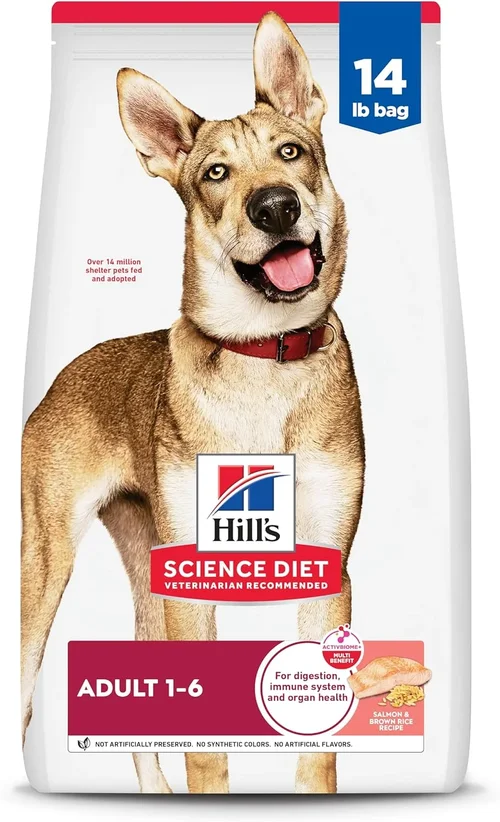
❌ Mistake: Choosing Based Solely on Price
Why it’s bad: Cheap dog food often contains fillers, by-products, and low-quality proteins that don’t meet your dog’s nutritional needs. Over time, this can lead to health issues, higher vet bills, and reduced lifespan.
What to do instead: Focus on value, not just cost. A slightly more expensive food with high-quality ingredients can save money in the long run by preventing health problems. Calculate cost per feeding, not just per bag.
❌ Mistake: Ignoring Feeding Guidelines
Why it’s bad: Overfeeding is a leading cause of obesity in large breeds. Even high-quality food can harm your dog if portions are too large.
What to do instead: Follow the feeding chart on the bag as a starting point, then adjust based on your dog’s weight, activity level, and body condition. Weigh your dog monthly and consult your vet if you’re unsure.
❌ Mistake: Switching Foods Too Quickly
Why it’s bad: Sudden diet changes can cause digestive upset, including diarrhea, vomiting, and gas. Large breeds are especially sensitive to abrupt transitions.
What to do instead: Transition over 7–10 days. Start with 25% new food and 75% old food, gradually increasing the ratio each day until fully switched.
❌ Mistake: Overlooking Life Stage Needs
Why it’s bad: Puppies, adults, and seniors have different nutritional requirements. Feeding adult food to a puppy can stunt growth, while senior food may lack the energy a young dog needs.
What to do instead: Choose a formula labeled for your dog’s life stage. Large breed puppies need food specifically formulated for slow, steady growth.
❌ Mistake: Believing Marketing Claims
Why it’s bad: Terms like “natural,” “holistic,” or “premium” are not regulated. A food can be labeled “grain-free” but still contain low-quality ingredients.
What to do instead: Read the ingredient list and guaranteed analysis. Look for AAFCO statements and feeding trial data. Ignore flashy packaging and focus on substance.
❌ Mistake: Not Consulting a Veterinarian
Why it’s bad: Every dog is unique. A food that works for one large breed may not suit another due to allergies, sensitivities, or medical conditions.
What to do instead: Discuss your dog’s diet with your vet, especially if they have health issues. Your vet can recommend brands or even prescribe therapeutic diets if needed.
❌ Mistake: Feeding Table Scraps or Human Food
Why it’s bad: Many human foods are toxic to dogs (e.g., chocolate, onions, grapes). Even safe foods can disrupt balanced nutrition and lead to weight gain.
What to do instead: Stick to dog-safe treats and avoid sharing meals. If you want to add variety, consider dog-approved fruits and vegetables like carrots or blueberries in moderation.
Budget Guidelines: How Much Should You Spend?
– Entry-Level ($25–$40 per 30-lb bag): These foods meet basic AAFCO standards but may use lower-quality proteins, fillers like corn or wheat, and synthetic preservatives. Brands like Purina Dog Chow or Iams fall into this range. Suitable for short-term use or dogs with no health issues, but not ideal for long-term feeding.
– Mid-Range ($40–$60 per 30-lb bag): This is the sweet spot for most large breed owners. Brands like Hill’s Science Diet, Royal Canin, and Blue Buffalo offer scientifically formulated recipes with real meat, joint support, and balanced nutrition. These foods provide excellent value and are widely available.
– Premium ($60–$90 per 30-lb bag): These brands prioritize high-quality, human-grade ingredients, often sourced from trusted farms. Examples include Wellness CORE, Orijen, and Acana. They typically include probiotics, omega fatty acids, and no artificial additives. Ideal for owners who want the best for their dog without going fully raw.
– Luxury ($90+ per bag or $100+ per month): Raw, freeze-dried, or custom-formulated diets fall here. Brands like The Farmer’s Dog, Stella & Chewy’s, or Nom Nom offer fresh, minimally processed meals delivered to your door. These are excellent for dogs with allergies or picky appetites but require a significant financial commitment.
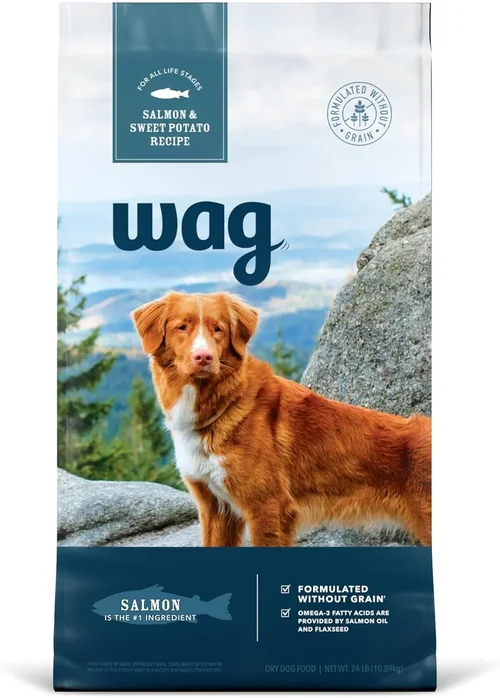
Expert Tips for Getting the Best Deal
– Buy during seasonal sales: Look for discounts around holidays like Black Friday, Memorial Day, or pet-specific events like National Dog Day. Many retailers offer 20–30% off during these periods.
– Subscribe and save: Online retailers like Chewy, Amazon, and Petco offer subscription services with automatic discounts. You’ll never run out, and you’ll save money over time.
– Compare cost per pound or per feeding: A $70 bag may seem expensive, but if it lasts longer due to higher density, it could be cheaper than a $50 bag that runs out faster.
– Check for rebates and loyalty programs: Some brands offer mail-in rebates or points-based rewards. Sign up for newsletters to get exclusive offers.
– Read return policies: If your dog doesn’t like the food or has a reaction, you want to be able to return it. Choose retailers with flexible return windows.
– Test small bags first: Before committing to a 30-pound bag, try a 4- or 6-pound sample. Many brands offer trial sizes or money-back guarantees.
– Ask your vet for samples: Veterinarians often receive free samples from pet food companies. They may be willing to give you a small bag to test.
– Join online communities: Facebook groups, Reddit forums, and pet blogs often share deals, reviews, and insider tips. You might discover a hidden gem or a limited-time promo.

Frequently Asked Questions
Q: Can I feed my large breed puppy adult dog food?
A: No. Large breed puppies have different nutritional needs, especially regarding calcium and calorie density. Adult food can lead to rapid growth and skeletal problems. Always choose a formula labeled for “large breed puppies” or “growth.”
Q: How often should I feed my large breed dog?
A: Adult large breeds do well with two meals per day. Puppies under six months may need three to four meals. Avoid free-feeding, as it increases the risk of bloat.
Q: Is grain-free food better for large breeds?
A: Not necessarily. Unless your dog has a diagnosed grain allergy, grains like rice or oats can be healthy and beneficial. Grain-free diets have been linked to heart issues in some dogs, so consult your vet before switching.
Q: How do I know if my dog is overweight?
A: Use the body condition score (BCS) system. You should be able to feel your dog’s ribs without pressing hard, and they should have a visible waist when viewed from above. If you can’t feel the ribs or see a rounded belly, your dog may be overweight.
Q: Can I mix wet and dry food?
A: Yes! Many owners combine wet and dry food for variety and added moisture. Just adjust portions to avoid overfeeding. For example, replace one cup of dry food with one can of wet food.
Q: Are raw diets safe for large breeds?
A: Raw diets can be safe if properly balanced and handled. However, they carry risks of bacterial contamination and nutritional imbalances. Consult a veterinary nutritionist before starting a raw diet.
Q: How long can I keep an open bag of dog food?
A: Most dry kibble stays fresh for 6–8 weeks after opening if stored in a cool, dry place in an airtight container. Wet food should be refrigerated and used within 3–5 days.
Q: What should I do if my dog has food allergies?
A: Common signs include itching, ear infections, and digestive issues. Work with your vet to identify the allergen. Limited-ingredient diets or hydrolyzed protein foods can help.
Q: Can large breed dogs eat small breed food?
A: It’s not ideal. Small breed foods are often higher in calories and fat, which can lead to weight gain in large dogs. Stick to formulas designed for large breeds.
Q: Is it okay to give my dog supplements?
A: Only if recommended by your vet. Over-supplementing can cause imbalances. Many high-quality foods already include necessary vitamins and minerals.
Our Final Recommendations
– Best for Budget-Conscious Buyers: Purina Pro Plan Large Breed Adult – Offers excellent nutrition at an affordable price, with real chicken, joint support, and probiotics.
– Best Overall Value: Hill’s Science Diet Large Breed Adult – Veterinarian-recommended, scientifically formulated, and widely available. Great balance of quality and cost.
– Best Premium Option: Orijen Original Grain-Free – High-protein, biologically appropriate diet with fresh regional ingredients. Ideal for owners who want the best.
– Best for Beginners: Royal Canin Large Adult – Easy to find, well-balanced, and designed specifically for large breeds. Great for first-time owners.
– Best for Advanced Users: The Farmer’s Dog – Fresh, human-grade meals customized to your dog’s needs. Requires a subscription but offers unparalleled quality and convenience.
Conclusion: Making the Right Choice
Choosing the right dog food for your large breed is one of the most important decisions you’ll make as a pet owner. It affects everything from their energy levels and coat shine to their joint health and longevity. By focusing on high-quality protein, balanced fats, proper calcium levels, and joint support, you can give your dog the foundation they need to thrive.
Remember, no single food is perfect for every dog. Consider your pet’s age, activity level, health status, and personal preferences. Read labels carefully, avoid marketing traps, and don’t hesitate to consult your veterinarian. With the knowledge from this guide, you’re equipped to make a confident, informed choice.
Your large breed dog deserves the best—not just in size, but in care. Feed them well, and they’ll reward you with years of loyalty, love, and tail wags. Start today by evaluating your current food and making the switch if needed. Your dog’s future self will thank you.