

As our beloved canine companions age, their nutritional needs shift in ways that can significantly impact their health, energy levels, and overall quality of life. Senior dogs—typically defined as those over seven years old, though this varies by breed size—face unique challenges such as slower metabolisms, joint stiffness, reduced immune function, and potential organ decline. Choosing the right dog food becomes more than just a matter of preference; it’s a vital component of proactive senior care. Unfortunately, the pet food market is flooded with options, many of which make bold claims without scientific backing. This makes it difficult for even the most attentive pet parents to separate marketing hype from genuine nutritional value.
This comprehensive buying guide is designed to cut through the noise and equip you with expert-level knowledge to make an informed decision. Whether you’re caring for a spry 8-year-old Labrador or a dignified 12-year-old Chihuaua, you’ll learn how to evaluate senior dog food formulas based on ingredients, nutritional balance, brand transparency, and real-world performance. We’ll walk you through the key factors to consider, compare different types of senior diets, highlight common pitfalls, and provide actionable tips to help you choose the best food for your aging pup—without overspending or compromising on quality.
The senior dog food segment has evolved rapidly in recent years, with brands investing heavily in research-backed formulations that address age-related concerns like cognitive decline, mobility issues, and weight management. From premium kibble enriched with glucosamine and omega-3s to limited-ingredient wet foods for sensitive stomachs, the options are vast. However, not all “senior” labels are created equal. Some products simply reduce calorie content without adjusting other critical nutrients, while others rely on fillers and artificial additives. Our goal is to help you navigate this complex landscape with confidence, ensuring your dog enjoys their golden years with vitality, comfort, and joy.

What to Look for When Buying Senior Dog Food
1. High-Quality Protein Sources
Protein is the cornerstone of a senior dog’s diet, but not all proteins are equal. As dogs age, their ability to digest and utilize protein decreases, making it essential to choose foods with highly digestible, bioavailable sources like real chicken, turkey, lamb, or fish listed as the first ingredient. Look for named meats (e.g., “deboned chicken”) rather than vague terms like “meat meal” or “animal by-products.” Senior dogs need adequate protein to maintain muscle mass, support immune function, and prevent sarcopenia—the age-related loss of muscle tissue. However, protein levels should be balanced; excessively high protein can strain kidneys in dogs with pre-existing renal issues. Aim for a minimum of 18–25% crude protein on a dry matter basis, depending on your dog’s health status and activity level.
2. Controlled Calorie and Fat Content
Senior dogs are generally less active than their younger counterparts, leading to a natural slowdown in metabolism. This means they require fewer calories to maintain a healthy weight. Obesity in older dogs exacerbates joint problems, diabetes risk, and cardiovascular strain. Therefore, senior formulas often feature reduced fat and calorie counts—typically between 10–15% fat and 300–350 kcal per cup. That said, extremely low-fat diets can deprive dogs of essential fatty acids needed for skin, coat, and brain health. The key is balance: look for moderate fat levels from quality sources like chicken fat or flaxseed, and avoid foods that compensate for low fat with excessive carbohydrates.
3. Joint Support Ingredients
Arthritis and joint stiffness are among the most common ailments in senior dogs. Foods formulated for older canines should include proven joint-supportive ingredients such as glucosamine, chondroitin sulfate, and MSM (methylsulfonylmethane). These compounds help maintain cartilage integrity and reduce inflammation. Additionally, omega-3 fatty acids—particularly EPA and DHA from fish oil—have strong anti-inflammatory properties that can alleviate pain and improve mobility. Some premium brands also incorporate green-lipped mussel extract or turmeric for enhanced joint health. Always check the guaranteed analysis or ingredient panel to ensure these aren’t just token additions but present in meaningful amounts.
4. Digestive Health and Fiber
Aging can slow gastrointestinal motility, leading to constipation or irregular digestion. Senior dog foods should include moderate levels of fiber—ideally 3–7% crude fiber—to promote healthy bowel movements without causing loose stools. Look for fermentable fibers like beet pulp, pumpkin, or chicory root, which act as prebiotics to nourish beneficial gut bacteria. Probiotics (live active cultures) are another valuable addition, especially if your dog has a history of digestive upset or has recently been on antibiotics. Avoid excessive fillers like corn, wheat, or soy, which offer little nutritional value and may trigger sensitivities.
5. Cognitive and Immune Support
Canine cognitive dysfunction syndrome (CCDS), often compared to Alzheimer’s in humans, affects up to 68% of dogs over 15 years old. Senior diets increasingly include brain-boosting nutrients such as L-carnitine, antioxidants (vitamins E and C), medium-chain triglycerides (MCTs), and DHA. These components help protect neurons, improve memory, and slow cognitive decline. Similarly, a robust immune system becomes crucial as dogs age. Ingredients like beta-glucans, zinc, selenium, and natural sources of vitamin E support immune resilience. If your dog shows signs of confusion, disorientation, or changes in sleep patterns, a food with cognitive support ingredients may be especially beneficial.
6. Kidney and Heart Health Considerations
Chronic kidney disease and heart conditions are prevalent in senior dogs. While no commercial dog food can cure these diseases, certain formulations can help manage symptoms and slow progression. For kidney health, look for reduced phosphorus levels (ideally below 0.8% on a dry matter basis) and controlled sodium. Excess phosphorus accelerates kidney damage, while too much salt can increase blood pressure. For heart health, taurine—an amino acid critical for cardiac function—should be included, especially in grain-free diets where taurine deficiency has been linked to dilated cardiomyopathy (DCM). Always consult your veterinarian before switching to a therapeutic diet, but many premium senior foods now incorporate these protective elements proactively.
7. Ingredient Transparency and Brand Reputation
Not all brands disclose full ingredient sourcing or manufacturing practices. Reputable companies provide clear information about where their ingredients come from, whether they conduct feeding trials, and if their facilities meet AAFCO (Association of American Feed Control Officials) standards. Avoid brands that use artificial preservatives (BHA, BHT, ethoxyquin), colors, or flavors. Instead, opt for those using natural preservatives like mixed tocopherols (vitamin E) or rosemary extract. Research the brand’s history: Have there been recalls? Do they invest in veterinary nutrition research? Transparency builds trust, and in the realm of senior nutrition, trust is non-negotiable.
8. Palatability and Texture
Senior dogs may experience decreased appetite due to dental issues, reduced sense of smell, or illness. Food must be appealing enough to encourage consistent eating. Wet or semi-moist foods can be more enticing for picky eaters and easier to chew for dogs with missing teeth or gum disease. Some brands offer kibble coated with digest or freeze-dried raw bits to enhance flavor. If your dog struggles with hard kibble, consider soaking it in warm water or low-sodium broth. Palatability matters—even the most nutritious food won’t help if your dog refuses to eat it.
Different Types of Senior Dog Food

Common Buying Mistakes to Avoid
❌ Mistake: Choosing Based Solely on “Senior” Labeling
Why it’s bad: The term “senior” is not regulated by AAFCO or the FDA, meaning any brand can use it regardless of actual formulation. Some “senior” foods are little more than repackaged adult formulas with slightly reduced calories.
What to do instead: Always read the ingredient list and guaranteed analysis. Look for specific senior-focused nutrients like glucosamine, L-carnitine, or controlled phosphorus—not just a label.
❌ Mistake: Overlooking Your Dog’s Individual Health Status
Why it’s bad: A food ideal for a healthy 8-year-old may be inappropriate for a 12-year-old with kidney disease or diabetes. One-size-fits-all approaches ignore critical medical nuances.
What to do instead: Consult your veterinarian before switching foods, especially if your dog has chronic conditions. Consider bloodwork to assess organ function and tailor nutrition accordingly.
❌ Mistake: Prioritizing Price Over Quality
Why it’s bad: Cheap dog foods often rely on fillers, by-products, and synthetic additives that offer minimal nutritional value and may harm long-term health.
What to do instead: View dog food as an investment in longevity. Mid-range premium brands often provide better value than budget options when considering health outcomes and vet bill reductions.
❌ Mistake: Ignoring Transition Guidelines
Why it’s bad: Sudden diet changes can cause gastrointestinal upset, diarrhea, or refusal to eat—especially in sensitive senior dogs.
What to do instead: Gradually transition over 7–10 days, mixing increasing amounts of new food with the old. Monitor stool consistency and appetite closely.
❌ Mistake: Neglecting Hydration
Why it’s bad: Senior dogs are prone to dehydration, which can worsen kidney function and urinary tract health. Dry kibble alone may not provide sufficient moisture.
What to do instead: Add warm water or low-sodium broth to kibble, or incorporate wet food into the diet. Ensure fresh water is always available.
❌ Mistake: Sticking to One Brand Indefinitely
Why it’s bad: Dogs’ needs change with age, weight, and health status. A food that worked at age 8 may not suit them at 12.
What to do instead: Reassess your dog’s diet annually or after significant health changes. Be open to adjusting protein levels, fiber, or supplement needs.
❌ Mistake: Falling for Marketing Buzzwords
Why it’s bad: Terms like “natural,” “holistic,” or “grain-free” sound appealing but lack standardized definitions. Grain-free diets, in particular, have been linked to DCM in some dogs.
What to do instead: Focus on concrete ingredients and nutritional profiles rather than marketing language. Ask: What specific benefits does this ingredient provide?
Budget Guidelines: How Much Should You Spend?
Entry-Level ($20–$35 per 15–30 lb bag): These foods typically meet basic AAFCO standards but may include lower-quality proteins, fillers like corn or wheat, and minimal joint or cognitive support. Suitable for healthy seniors on a tight budget, but monitor for digestive issues or weight gain. Brands like Purina ONE Senior or Iams ProActive Health Senior fall into this range.
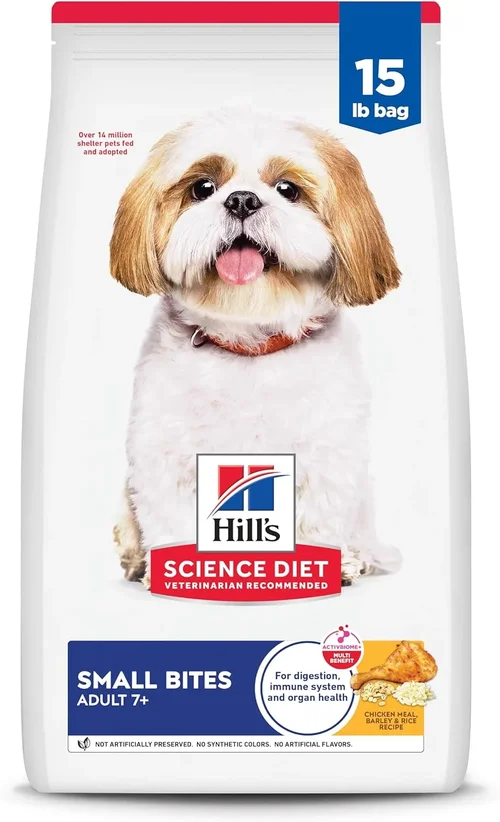
Mid-Range ($35–$60 per 15–30 lb bag): This is the sweet spot for most pet owners. These formulas feature named meat proteins, added glucosamine, omega-3s, and better fiber sources. They avoid artificial preservatives and offer balanced nutrition for active or moderately healthy seniors. Examples include Hill’s Science Diet Adult 7+, Royal Canin Aging 12+, and Wellness Complete Health Senior.
Premium ($60–$90 per bag): Designed for discerning owners who prioritize ingredient quality and scientific formulation. These foods often include novel proteins, probiotics, high levels of EPA/DHA, and human-grade ingredients. Ideal for dogs with early signs of aging or mild health concerns. Brands like Orijen Senior, Acana Senior, and The Honest Kitchen are standout options.
Luxury ($90+ per bag or subscription-based): Reserved for fresh, raw, or custom-formulated diets. These products offer maximum nutrient bioavailability, minimal processing, and often vet collaboration. Best for dogs with complex health needs or owners willing to invest heavily in preventive care. Examples include Nom Nom Fresh Dog Food, JustFoodForDogs, and Open Farm’s freeze-dried raw.
Expert Tips for Getting the Best Deal
- Buy in bulk during seasonal sales: Major retailers like Chewy, Petco, and Amazon often run 20–30% off promotions during holidays (Black Friday, Prime Day) or end-of-season clearances. Stock up on 2–3 months’ supply if your dog tolerates the food well.
- Subscribe for auto-delivery: Most online pet stores offer 5–15% discounts for recurring orders. This also ensures you never run out and avoids last-minute trips to the store.
- Check manufacturer rebates: Brands like Hill’s, Royal Canin, and Purina frequently offer mail-in rebates or free vet consultations with purchase. These can offset costs significantly.
- Compare unit pricing: A $70 bag may seem expensive, but if it lasts longer due to higher density or smaller portions, it could be cheaper per serving than a $45 bag.
- Ask your vet for samples: Many veterinary clinics provide free samples of prescription or therapeutic diets. This lets you test palatability before committing.
- Read return policies: Ensure the retailer allows returns if your dog refuses the food. Chewy and Petco have generous return windows, while some smaller sites do not.
- Join loyalty programs: Pet stores like PetSmart and Chewy reward points for purchases, which can be redeemed for future discounts or free items.
- Consider mixed feeding: Combine a high-quality dry kibble with occasional wet food to boost hydration and palatability without doubling costs.

Frequently Asked Questions
Q: When should I switch my dog to senior food?
A: Most dogs benefit from a senior diet around age 7, but larger breeds (like Great Danes or Mastiffs) may need the switch as early as 5–6 due to faster aging. Smaller breeds can often wait until 8–10. Consult your vet to determine the right timing based on breed, weight, and health.
Q: Can senior dogs eat puppy or adult food?
A: While occasional feeding won’t harm, long-term use of high-calorie adult or puppy food can lead to obesity in less active seniors. Conversely, senior food is generally safe for adult dogs but may lack sufficient calories for highly active ones.
Q: Is grain-free senior food better?
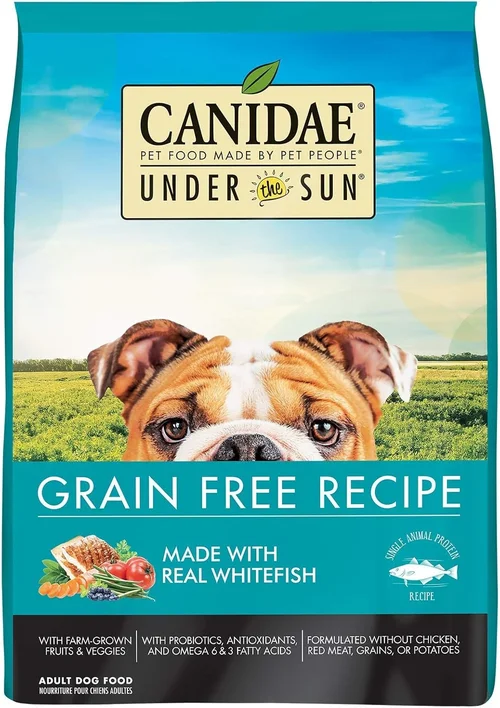
A: Not necessarily. While some dogs with grain allergies benefit, grain-free diets have been associated with DCM in certain breeds. Whole grains like oats or barley provide fiber and nutrients. Choose based on your dog’s individual needs, not trends.
Q: How much should I feed my senior dog?
A: Feeding guidelines on the bag are starting points. Adjust based on body condition: you should be able to feel but not see ribs, and your dog should have a visible waist. Senior dogs often need 10–20% fewer calories than adults.
Q: Should I add supplements to senior dog food?
A: Many premium senior foods already include joint, cognitive, and immune support. Adding extra supplements can lead to overdosing (e.g., too much vitamin D or calcium). Only supplement under veterinary guidance.
Q: My senior dog is losing weight. What should I do?
A: Unintentional weight loss in seniors can signal serious issues like cancer, kidney disease, or hyperthyroidism. Schedule a vet visit immediately. High-calorie, highly palatable foods or appetite stimulants may be recommended.
Q: Can I make homemade senior dog food?
A: Yes, but it requires careful balancing to avoid deficiencies. Work with a veterinary nutritionist to formulate a complete diet. Homemade meals often lack essential nutrients like taurine or choline if not properly planned.
Q: How often should I change my senior dog’s food?
A: Stability is key for senior digestion. Avoid frequent changes unless medically necessary. If switching, do so gradually and only when your dog’s needs evolve (e.g., new diagnosis, weight change).
Q: Are there senior foods for small vs. large breeds?
A: Yes. Large-breed seniors need controlled calcium and phosphorus to protect joints, while small breeds benefit from smaller kibble sizes and higher calorie density. Brands like Royal Canin and Hill’s offer breed-specific senior lines.
Q: What if my senior dog has multiple health issues?
A: In cases of overlapping conditions (e.g., arthritis + kidney disease), a prescription diet tailored to the primary issue is often best. Your vet may recommend a therapeutic formula or a customized approach combining food and medication.
Our Final Recommendations
Best for Budget-Conscious Buyers: Purina Pro Plan Bright Mind Adult 7+ – Offers excellent cognitive support with real chicken, DHA, and antioxidants at a reasonable price. Widely available and vet-recommended.
Best Overall Value: Hill’s Science Diet Adult 7+ – Balanced nutrition, strong brand reputation, and clinically proven ingredients. Includes glucosamine, controlled calories, and high digestibility.
Best Premium Option: Orijen Senior – Biologically appropriate with 85% animal ingredients, low-glycemic carbohydrates, and rich in omega-3s. Ideal for owners seeking top-tier ancestral nutrition.
Best for Beginners: Royal Canin Aging 12+ – Specifically formulated for very senior dogs, with soft kibble texture, joint support, and immune boosters. Easy transition and reliable results.
Best for Advanced Users: Nom Nom Fresh Dog Food (Senior Recipe) – Custom-portioned, human-grade meals delivered fresh. Perfect for tech-savvy owners who want precision nutrition and full transparency.
Conclusion: Making the Right Choice
Choosing the best senior dog food isn’t just about checking a box labeled “for older dogs”—it’s about understanding your pet’s evolving physiology and matching it with scientifically sound nutrition. From prioritizing high-quality protein and joint support to avoiding common pitfalls like misleading labels or sudden diet changes, every decision you make contributes to your dog’s comfort, mobility, and longevity. Remember, the ideal food is one that your dog eagerly eats, maintains a healthy weight on, and supports their overall well-being without straining your budget.
While this guide provides a robust framework, your dog’s unique needs should always take center stage. Regular vet check-ups, observation of behavior and digestion, and willingness to adjust as needed are just as important as the food itself. Seniorhood doesn’t have to mean decline—it can be a time of gentle joy, deep bonding, and continued adventure, supported by the right nutrition. Take the time to evaluate your options, ask questions, and invest in a formula that honors your dog’s years of loyalty. After all, they’ve earned nothing less than the best.