
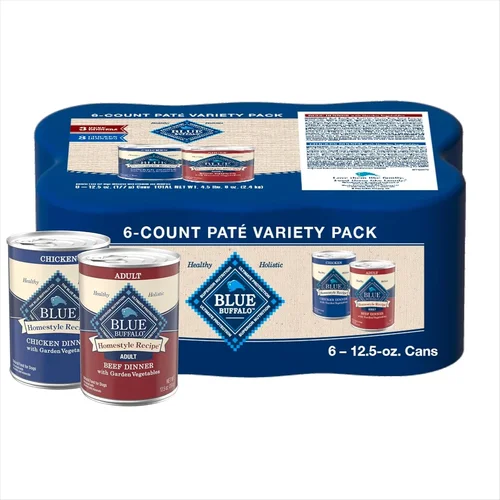
When it comes to feeding your dog, the choices can feel overwhelming. With countless brands, formulas, and formats on the market, pet parents often find themselves standing in the pet food aisle, paralyzed by decision fatigue. Among the most popular options is canned dog food—a moist, flavorful, and highly palatable choice that many dogs simply can’t resist. But not all canned dog foods are created equal. Some are packed with real meat and wholesome ingredients, while others rely on fillers, artificial additives, and vague labeling. That’s why choosing the best brand for canned dog food isn’t just about picking the shiniest can—it’s about making an informed decision that supports your dog’s long-term health, energy levels, digestion, and overall well-being.
This comprehensive buying guide is designed to cut through the noise and help you navigate the crowded landscape of wet dog food with confidence. Whether you’re a first-time dog owner or a seasoned pet parent looking to upgrade your pup’s diet, you’ll learn exactly what to look for when evaluating canned dog food brands. We’ll explore key factors like ingredient quality, nutritional balance, brand transparency, price, and special dietary needs. You’ll also discover how different types of canned food—such as grain-free, limited ingredient, or veterinary diets—compare in terms of benefits and cost. By the end of this guide, you’ll have the tools to confidently select a brand that aligns with your dog’s unique needs and your budget.
The canned dog food market has evolved dramatically over the past decade. Once dominated by a handful of mass-market brands, it now features a diverse array of options—from premium, human-grade recipes to affordable, vet-recommended formulas. Major players like Hill’s Science Diet, Royal Canin, and Purina have long held strong positions, but newer entrants such as The Honest Kitchen, Wellness, and Open Farm are gaining traction thanks to their focus on transparency, sustainability, and high-quality sourcing. Meanwhile, pet parents are increasingly prioritizing clean labels, ethical sourcing, and functional nutrition—ingredients that do more than just fill a belly, but actively support immune health, joint function, skin and coat condition, and digestive balance. This shift has led to greater innovation, but also more complexity. Our goal is to simplify that complexity and empower you to make the best possible choice for your four-legged family member.
What to Look for When Buying Canned Dog Food
1. Ingredient Quality & Transparency
The foundation of any great canned dog food starts with what’s inside the can. High-quality ingredients are non-negotiable when it comes to your dog’s health. Look for brands that list a named animal protein as the first ingredient—such as “chicken,” “beef,” or “salmon”—rather than vague terms like “meat meal” or “animal by-products.” Real meat provides essential amino acids, supports muscle development, and is more biologically appropriate for dogs than plant-based fillers.
Transparency is equally important. Reputable brands will clearly disclose where their ingredients come from, whether they use human-grade meats, and if they avoid common allergens like corn, wheat, soy, and artificial preservatives. Avoid products with long lists of unpronounceable additives, chemical preservatives (like BHA, BHT, or ethoxyquin), or artificial colors and flavors. These can contribute to allergies, digestive upset, and long-term health issues.
2. Nutritional Adequacy & AAFCO Compliance
Not all canned dog foods meet the nutritional standards required for a complete and balanced diet. The Association of American Feed Control Officials (AAFCO) sets guidelines for pet food nutrition, and any reputable brand should state on the label whether the food is “complete and balanced” for a specific life stage—such as growth, maintenance, or all life stages.
Look for the AAFCO statement, which typically reads something like: “[Product name] is formulated to meet the nutritional levels established by the AAFCO Dog Food Nutrient Profiles for [life stage].” This ensures the food contains the right balance of protein, fat, carbohydrates, vitamins, and minerals. Without this, you risk underfeeding or over-supplementing your dog, which can lead to deficiencies or obesity.
Additionally, consider your dog’s specific needs. Puppies, seniors, and working dogs have different caloric and nutrient requirements. For example, senior dogs may benefit from lower phosphorus levels to support kidney health, while active breeds need higher protein and fat for sustained energy.
3. Protein Source & Digestibility
Protein is the cornerstone of a dog’s diet, and the source matters just as much as the quantity. High-quality canned dog foods use whole meats, meat meals (which are concentrated protein sources), or named animal proteins like “deboned turkey” or “lamb meal.” These are more digestible and biologically appropriate than plant-based proteins like pea protein or lentils, which are often used as fillers in lower-quality formulas.
Digestibility refers to how well your dog can break down and absorb the nutrients in the food. Highly digestible proteins lead to firmer stools, better energy levels, and improved coat condition. Look for brands that use single or limited protein sources if your dog has food sensitivities. Novel proteins like duck, venison, or rabbit can be excellent alternatives for dogs with allergies to common meats like chicken or beef.
4. Moisture Content & Hydration Benefits
One of the biggest advantages of canned dog food is its high moisture content—typically 70–80%. This is especially beneficial for dogs who don’t drink enough water, as it helps support kidney and urinary tract health. Dehydration is a common issue in dogs, particularly in older pets or those prone to urinary crystals or infections.
Wet food can also be a great way to increase water intake in dogs with kidney disease or diabetes, as it reduces the strain on the kidneys compared to dry kibble. Additionally, the moisture helps keep stools soft and easier to pass, which can be helpful for dogs with constipation.
When comparing brands, check the guaranteed analysis on the label. The moisture percentage should be clearly listed. Avoid foods with excessive water content that dilute nutrient density—look for a balance where moisture supports hydration without compromising nutritional value.
5. Additives, Preservatives & Artificial Ingredients
The presence of artificial additives is a major red flag in canned dog food. Many budget brands use chemical preservatives like BHA, BHT, and ethoxyquin to extend shelf life, but these have been linked to potential health risks, including cancer and liver damage. Similarly, artificial colors and flavors serve no nutritional purpose and can trigger allergic reactions or hyperactivity in sensitive dogs.
Instead, look for brands that use natural preservatives such as mixed tocopherols (a form of vitamin E), rosemary extract, or citric acid. These are safer and align with a clean-label approach. Also, avoid foods with excessive sodium, sugar, or unnamed “flavorings.” Dogs don’t need added sugars, and high sodium levels can be harmful, especially for dogs with heart or kidney conditions.
6. Brand Reputation & Manufacturing Practices
A brand’s reputation is a strong indicator of its reliability and commitment to quality. Research the company’s history—have they had recalls? Do they conduct independent testing? Are they transparent about their manufacturing facilities?
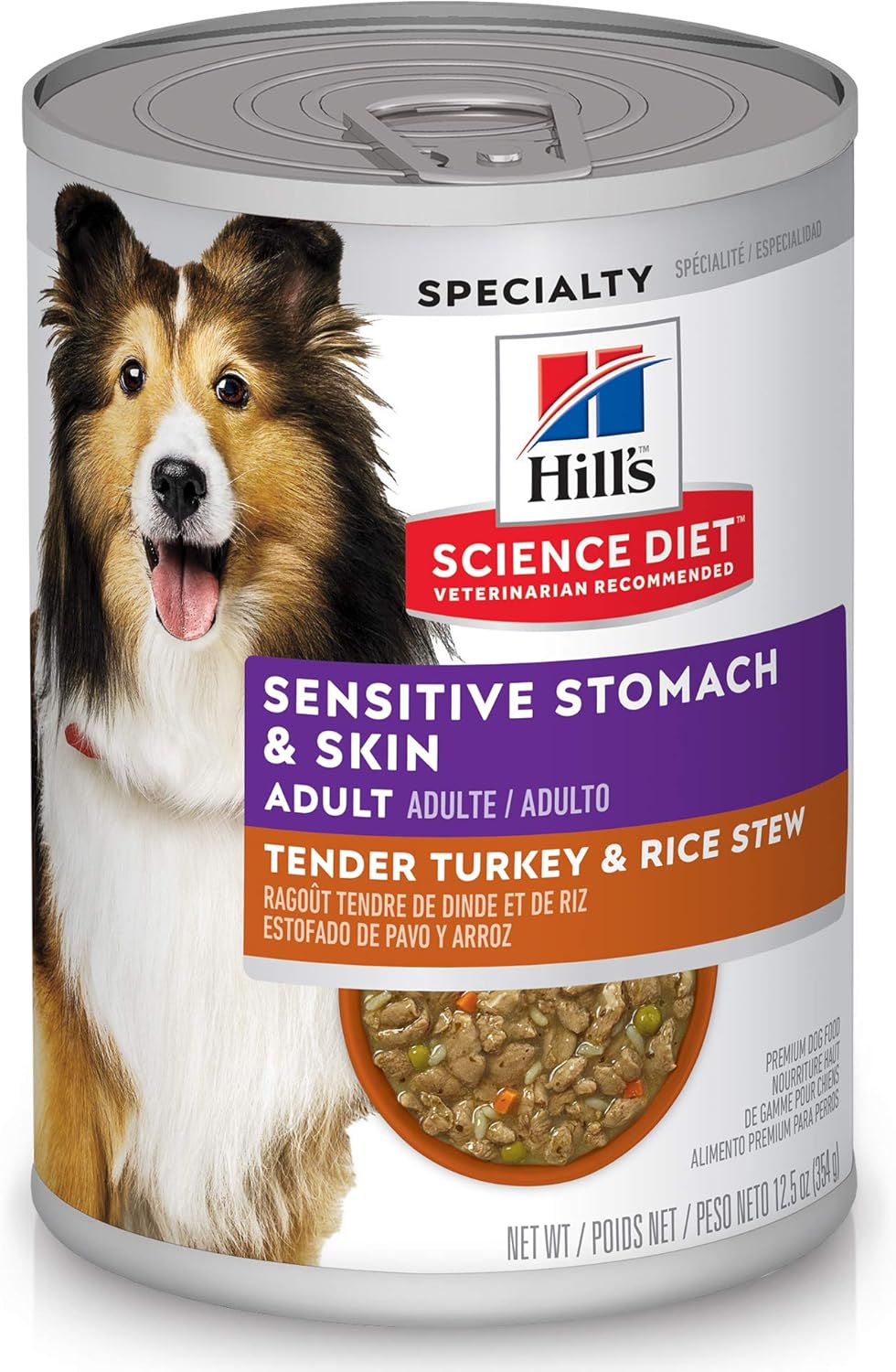
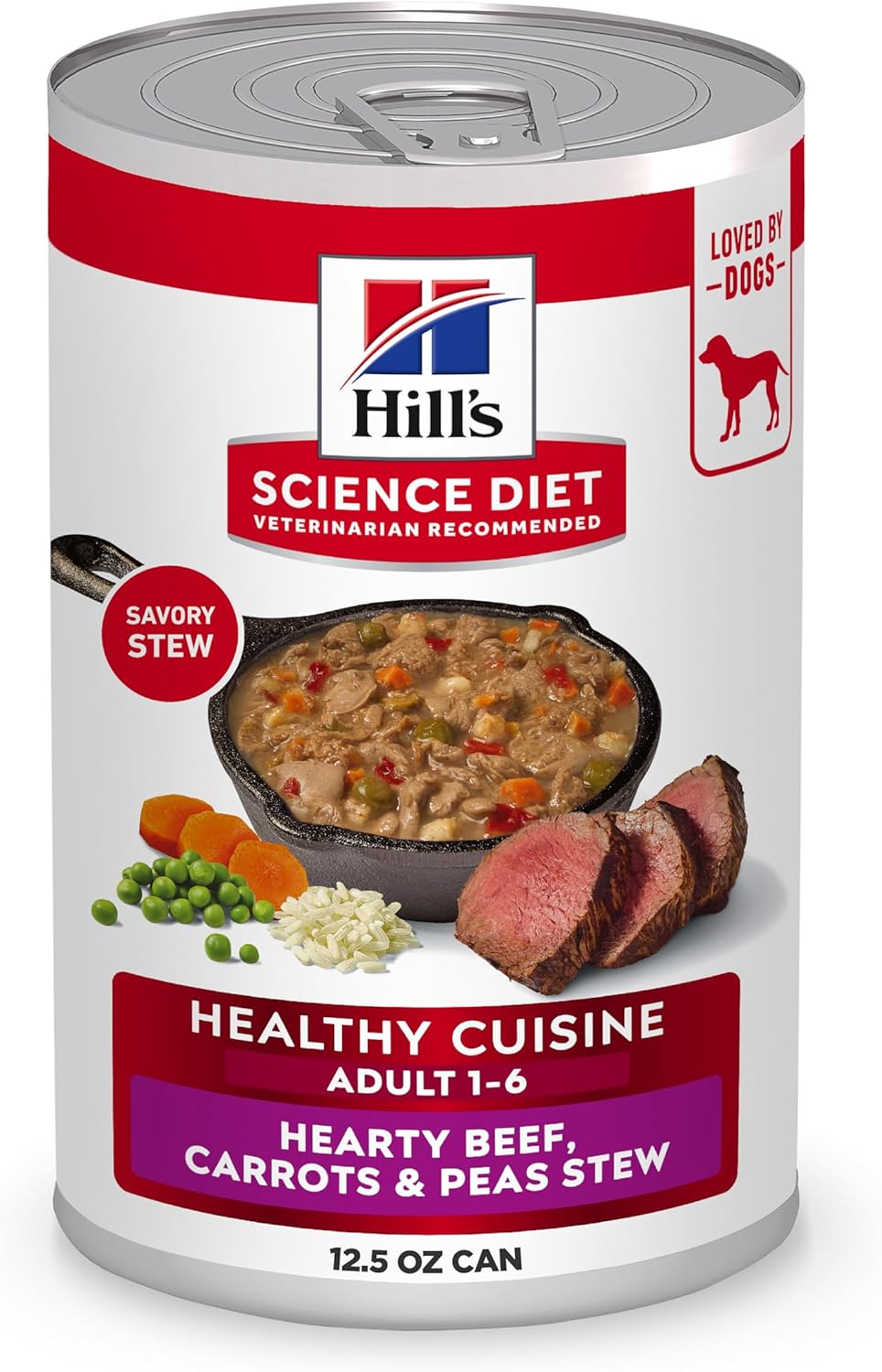
Top-tier brands often manufacture their own food in company-owned facilities, which allows for greater quality control. They may also partner with veterinary nutritionists to formulate their recipes and conduct feeding trials to ensure efficacy. Brands like Hill’s Science Diet and Royal Canin have long-standing relationships with veterinarians and are frequently recommended in clinical settings.
On the other hand, some brands outsource production to third-party manufacturers, which can lead to inconsistencies in quality. While not all private-label brands are bad, it’s important to verify their standards. Look for certifications like USDA Organic, Non-GMO Project Verified, or Global Animal Partnership (GAP) ratings, which indicate higher ethical and quality standards.
7. Price & Value for Money
Price is a practical consideration, but it shouldn’t be the only one. Canned dog food ranges from budget-friendly options under $1 per can to premium brands that cost $3 or more per can. While it’s tempting to go for the cheapest option, remember that you often get what you pay for.
Budget brands may use lower-quality proteins, fillers, and artificial additives to keep costs down. Mid-range brands typically offer better ingredient quality and nutritional balance, while premium brands invest in human-grade ingredients, sustainable sourcing, and advanced formulations.
To assess value, calculate the cost per pound or per 1,000 kcal. This helps you compare different can sizes and caloric densities. For example, a 13-ounce can with 400 kcal may be more economical than a 5.5-ounce can with 200 kcal, even if the latter has a lower per-can price.
8. Special Dietary Needs & Life Stage Formulas
Every dog is unique, and their dietary needs change over time. Puppies require higher levels of protein, fat, and calories to support rapid growth, while senior dogs benefit from joint-supporting ingredients like glucosamine and lower-calorie formulas to prevent weight gain.
Dogs with medical conditions—such as diabetes, kidney disease, or food allergies—may require specialized diets. Veterinary brands like Hill’s Prescription Diet or Royal Canin Veterinary Diet offer clinically proven formulas designed to manage specific health issues. These are often available through your vet and may require a prescription.
For dogs with sensitivities, limited ingredient diets (LID) with a single protein and carbohydrate source can help identify and avoid allergens. Grain-free options are popular, but note that the FDA has investigated a potential link between grain-free diets and dilated cardiomyopathy (DCM) in dogs, so consult your vet before making the switch.
Different Types of Canned Dog Food
Common Buying Mistakes to Avoid

❌ Mistake: Choosing Based on Price Alone
Why it’s bad: Opting for the cheapest canned dog food may save money upfront, but it can lead to higher veterinary bills down the line. Low-quality ingredients often result in poor digestion, allergies, obesity, and chronic health issues.
What to do instead: Focus on value, not just cost. Calculate the cost per pound or per 1,000 kcal, and prioritize brands with high-quality proteins and transparent sourcing. Consider buying in bulk or using subscription services to reduce long-term expenses.
❌ Mistake: Ignoring the AAFCO Statement
Why it’s bad: Without an AAFCO statement, you can’t be sure the food meets your dog’s nutritional needs. Feeding an incomplete diet can lead to deficiencies in essential vitamins and minerals.
What to do instead: Always check the label for the AAFCO nutritional adequacy statement. Ensure it matches your dog’s life stage—puppy, adult, or senior. If in doubt, consult your veterinarian.
❌ Mistake: Overlooking Ingredient Order
Why it’s bad: Ingredients are listed by weight, so if the first few items are fillers like corn or wheat, the food is likely low in protein and high in carbohydrates—something dogs don’t need in large amounts.
What to do instead: Look for a named animal protein as the first ingredient. Avoid foods where grains or by-products appear before meat.
❌ Mistake: Not Transitioning Gradually
Why it’s bad: Switching dog food abruptly can cause diarrhea, vomiting, or loss of appetite. Dogs have sensitive digestive systems that need time to adjust.
What to do instead: Transition over 7–10 days by mixing increasing amounts of the new food with the old. Start with 25% new food and 75% old, gradually shifting to 100% new food.
❌ Mistake: Assuming All “Natural” or “Organic” Labels Are Equal
Why it’s bad: Terms like “natural” and “organic” are not strictly regulated in pet food. Some brands use them as marketing tactics without meeting high standards.
What to do instead: Look for third-party certifications like USDA Organic, Non-GMO Project Verified, or AAFCO compliance. Research the brand’s sourcing and manufacturing practices.
❌ Mistake: Feeding Only Wet Food Without Monitoring Calories
Why it’s bad: Canned food is often more calorie-dense than kibble. Overfeeding can lead to rapid weight gain, especially in less active dogs.
What to do instead: Follow the feeding guidelines on the label and adjust based on your dog’s weight, activity level, and body condition. Use a measuring cup to ensure accuracy.
❌ Mistake: Not Considering Your Dog’s Individual Needs
Why it’s bad: A food that works for one dog may not suit another. Age, breed, size, activity level, and health status all influence dietary requirements.
What to do instead: Consult your veterinarian to determine the best diet for your dog. Consider factors like joint health, coat condition, and digestive sensitivity when choosing a formula.
Budget Guidelines: How Much Should You Spend?
– Entry-Level ($0.75–$1.25 per can): These budget-friendly options are widely available at grocery stores and big-box retailers. Brands like Pedigree, Alpo, and some store brands fall into this category. While convenient, they often contain lower-quality proteins, fillers, and artificial additives. Best for temporary use or as a topper, but not ideal for long-term feeding.
– Mid-Range ($1.50–$2.50 per can): This is the sweet spot for most pet parents. Brands like Purina Pro Plan, Iams, and Wellness offer balanced nutrition with real meat as the first ingredient, minimal fillers, and AAFCO compliance. These foods provide excellent value and are suitable for daily feeding.
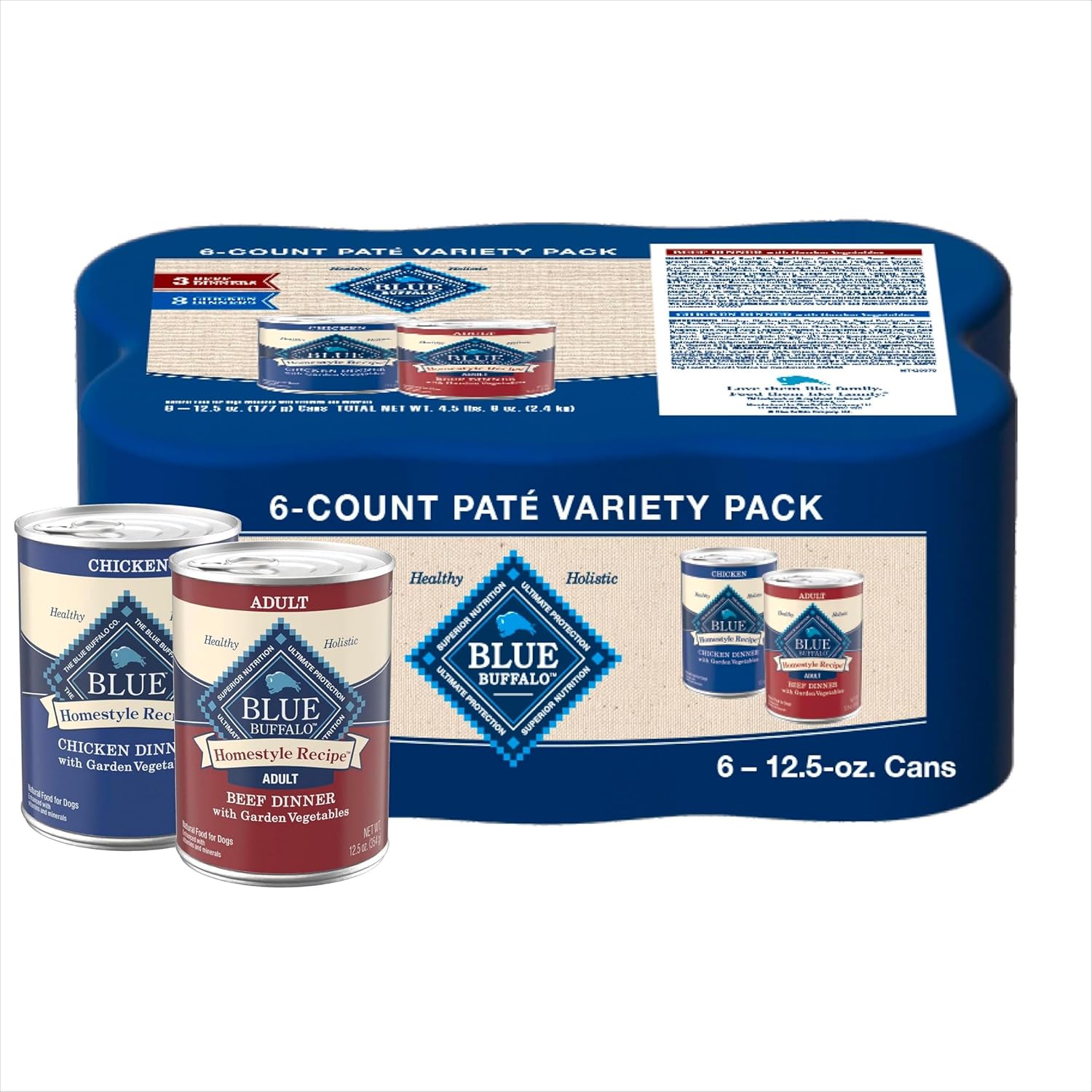
– Premium ($2.50–$3.50 per can): Premium brands like Hill’s Science Diet, Royal Canin, and Blue Buffalo focus on high-quality ingredients, specialized formulations, and veterinary backing. They’re ideal for dogs with specific health needs or owners who want peace of mind about ingredient sourcing.
– Luxury ($3.50+ per can): At the top end are human-grade, organic, and boutique brands like The Honest Kitchen, Open Farm, and Nom Nom. These use restaurant-quality ingredients, sustainable sourcing, and often offer fresh or gently cooked options. While expensive, they’re perfect for pet parents who treat their dogs like family and prioritize transparency and ethics.

Expert Tips for Getting the Best Deal
– Buy in Bulk: Purchasing larger cases or multi-packs reduces the per-can cost. Many online retailers offer discounts for 12-can or 24-can bundles.
– Subscribe & Save: Sign up for auto-delivery on platforms like Chewy, Amazon, or the brand’s website. Most offer 10–15% off recurring orders and free shipping.
– Watch for Sales: Major holidays like Black Friday, Cyber Monday, and Prime Day often feature deep discounts on pet food. Sign up for newsletters to get early alerts.
– Use Cashback & Rewards: Apps like Rakuten, Honey, or credit card rewards can add up over time. Some pet stores also have loyalty programs that offer points or discounts.
– Compare Retailers: Prices can vary significantly between stores. Chewy, Petco, and Amazon often have competitive pricing, but local pet stores may offer in-store promotions.
– Check Return Policies: If your dog doesn’t like a new food, you want the option to return or exchange it. Most reputable retailers allow returns within 30 days.
– Read Reviews: Look beyond star ratings. Read detailed customer reviews to learn about palatability, packaging, and how dogs with similar needs responded.
– Consult Your Vet: Some veterinary clinics offer discounts on prescription diets or partner with brands for special pricing. Ask if they have any recommendations or promotions.
Frequently Asked Questions
Q: Is canned dog food better than dry kibble?
A: Canned food has higher moisture content, which supports hydration and urinary health, and is often more palatable for picky eaters. However, dry kibble is more convenient, cost-effective, and can help with dental health. Many pet parents use a combination of both for balanced nutrition.
Q: How long does opened canned dog food last?
A: Once opened, canned dog food should be refrigerated and used within 3–5 days. Store it in an airtight container to prevent spoilage and odor transfer.
Q: Can I feed my puppy adult canned dog food?
A: It’s not recommended. Puppies have higher energy and nutrient needs. Feeding adult food can lead to deficiencies in calcium, phosphorus, and DHA, which are critical for growth and brain development.
Q: Is grain-free dog food safe?
A: While grain-free diets are safe for many dogs, the FDA has investigated a potential link between certain grain-free diets and dilated cardiomyopathy (DCM) in dogs. If you choose grain-free, ensure the food contains adequate taurine and consult your vet.
Q: How much canned food should I feed my dog?
A: Feeding guidelines vary by brand and your dog’s weight, age, and activity level. Check the label for recommended amounts and adjust based on your dog’s body condition. Your vet can help determine the ideal portion.
Q: Can canned dog food cause diarrhea?
A: Yes, especially if introduced too quickly or if your dog has a sensitivity to an ingredient. Transition gradually and monitor for signs of digestive upset. If diarrhea persists, consult your veterinarian.
Q: Are expensive brands worth the cost?
A: Not always. While premium brands often use higher-quality ingredients, some mid-range options offer excellent nutrition at a lower price. Focus on ingredient quality and AAFCO compliance rather than price alone.
Q: Can I mix different brands of canned dog food?
A: Yes, but do so gradually to avoid digestive issues. Mixing brands can provide variety and balance, but ensure both foods are nutritionally complete and balanced.
Q: Is it safe to feed raw and canned food together?
A: It’s possible, but requires careful planning to avoid nutritional imbalances or bacterial contamination. Consult a veterinary nutritionist before combining raw and cooked diets.
Q: How do I know if my dog likes the food?
A: Signs of a happy eater include finishing meals quickly, maintaining a healthy weight, having firm stools, and showing enthusiasm at mealtime. If your dog leaves food behind or seems disinterested, try a different flavor or brand.
Our Final Recommendations
– Best for Budget-Conscious Buyers: Purina Pro Plan Savor – Offers real meat as the first ingredient, AAFCO compliance, and excellent value at around $1.50 per can. Available widely and trusted by veterinarians.
– Best Overall Value: Wellness Complete Health – Combines high-quality proteins, natural ingredients, and balanced nutrition at a mid-range price. Great for everyday feeding with no artificial additives.
– Best Premium Option: Hill’s Science Diet – Backed by decades of research and veterinary expertise. Ideal for dogs with specific health needs or owners who want scientifically formulated nutrition.
– Best for Beginners: Blue Buffalo Life Protection Formula – Easy to find, affordable, and made with real meat and wholesome grains. A solid choice for first-time dog owners.
– Best for Advanced Users: The Honest Kitchen Human-Grade Dehydrated Food (Reconstituted) – While not traditional canned food, it’s prepared by adding water to create a moist, fresh meal. Perfect for owners who want maximum control over ingredients and sourcing.
Conclusion: Making the Right Choice
Choosing the best brand for canned dog food is about more than just picking a can off the shelf—it’s about investing in your dog’s health, happiness, and longevity. With so many options available, it’s easy to feel overwhelmed, but by focusing on key factors like ingredient quality, nutritional adequacy, and your dog’s individual needs, you can make a confident and informed decision.
Remember, the best food for your dog is one that meets their nutritional requirements, supports their health, and fits within your budget. Don’t be swayed by flashy packaging or celebrity endorsements. Instead, read labels carefully, research brands, and consult your veterinarian when in doubt. Whether you opt for a budget-friendly formula or a premium human-grade recipe, what matters most is consistency, quality, and love.
Your dog relies on you to make the right choices—so take the time to do it well. With the insights from this guide, you’re now equipped to navigate the world of canned dog food like a pro. Here’s to many happy meals and a healthy, thriving pup!