

When your dog starts scratching incessantly, develops rashes, or experiences digestive issues like vomiting and diarrhea, it’s natural to feel concerned—and confused. You want the best for your furry companion, but navigating the world of dog food for allergies can be overwhelming. With thousands of brands, ingredient lists, and marketing claims flooding the market, it’s easy to make a decision based on flashy packaging rather than nutritional science. That’s why this comprehensive buying guide exists: to cut through the noise and help you make an informed, confident choice about the best brand of dog food for dogs with allergies.
In this guide, you’ll learn how to identify true allergens in dog food, understand the difference between food sensitivities and environmental allergies, and evaluate brands based on transparency, ingredient quality, and clinical efficacy. We’ll explore the most common triggers—like chicken, beef, wheat, and soy—and explain why novel proteins and limited-ingredient diets are often the gold standard for allergy management. Whether your dog has mild itching or severe gastrointestinal distress, this guide will equip you with the knowledge to select a diet that supports long-term health, not just temporary relief.
The pet food market has evolved significantly in recent years, with more brands offering hypoallergenic, grain-free, and hydrolyzed protein formulas than ever before. However, not all “allergy-friendly” labels are created equal. Some products make bold claims without scientific backing, while others use misleading terms like “natural” or “holistic” to appeal to health-conscious pet parents. Our goal is to help you distinguish between marketing hype and real solutions. By the end of this guide, you’ll know exactly what to look for, which brands stand out, and how to transition your dog safely to a new diet—all while staying within your budget.

What to Look for When Buying Dog Food for Dogs with Allergies
1. Limited Ingredient Formulas
One of the most critical factors when choosing dog food for allergies is the number and type of ingredients. Limited ingredient diets (LIDs) are specifically designed to minimize exposure to potential allergens by using a single protein source and a minimal number of carbohydrates and additives. These formulas are ideal for dogs with known or suspected food sensitivities because they reduce the likelihood of triggering an adverse reaction.
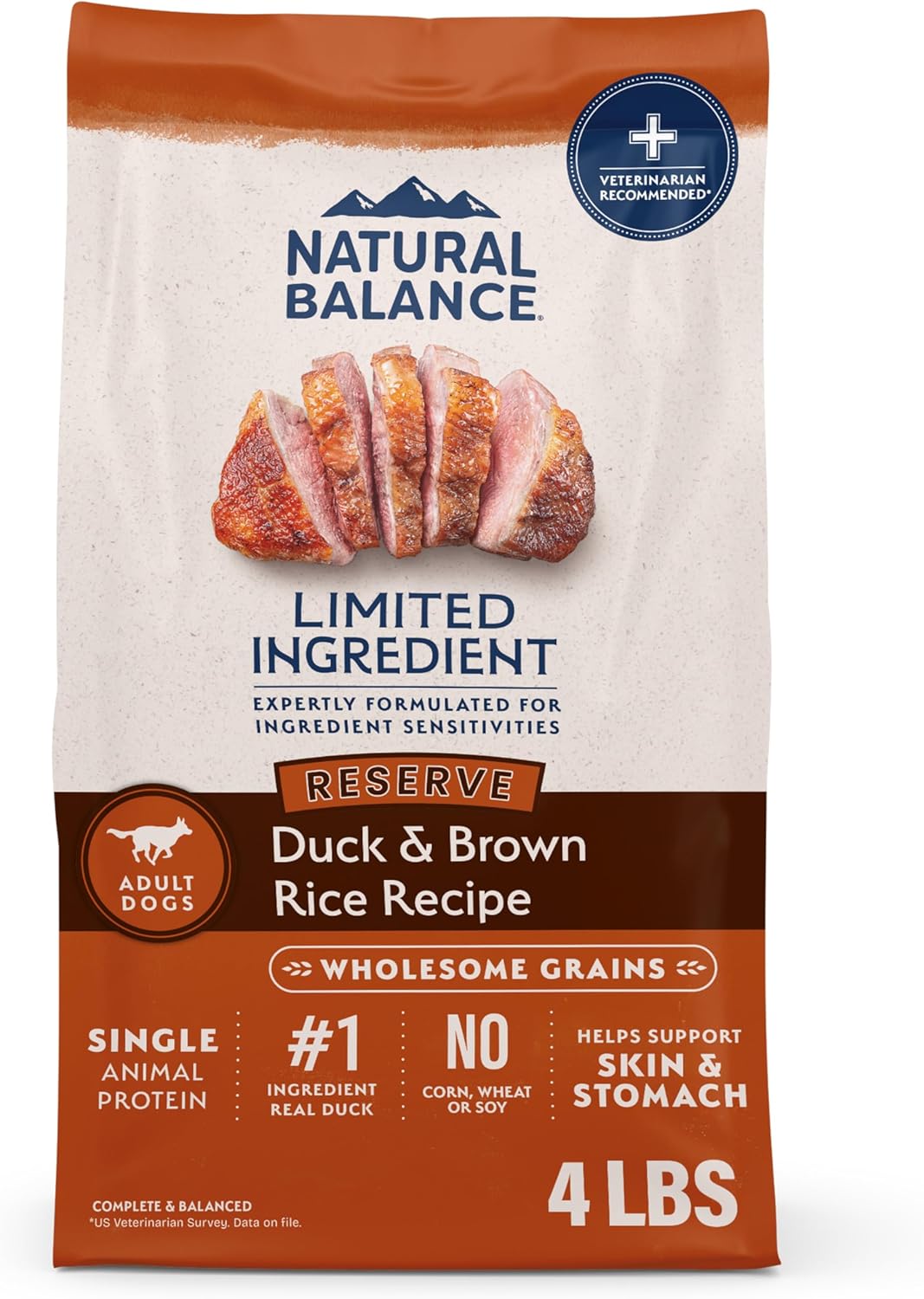
When evaluating LIDs, look for products that list a novel protein—such as duck, venison, rabbit, or kangaroo—as the first ingredient. Novel proteins are less commonly used in commercial dog foods, meaning your dog is less likely to have been exposed to them before, reducing the risk of an allergic response. Similarly, avoid foods with multiple protein sources (e.g., chicken and beef), as this increases the chances of including a known allergen.
Carbohydrates should also be limited and easily digestible. Sweet potatoes, peas, and chickpeas are common in high-quality LIDs and are less likely to cause allergic reactions compared to grains like wheat, corn, or soy. Always check the ingredient list for hidden fillers or by-products, which can trigger sensitivities even in small amounts.
2. Novel Protein Sources
Novel proteins are animal-based ingredients that your dog has likely never consumed before. Because food allergies develop over time due to repeated exposure, introducing a protein your dog hasn’t eaten significantly lowers the risk of an immune response. Common novel proteins include duck, venison, rabbit, bison, kangaroo, and even fish like salmon or whitefish (for dogs not allergic to seafood).
It’s important to note that “novel” is relative to your dog’s individual diet history. If your dog has already eaten chicken-based kibble for years, switching to another poultry like turkey may not be effective—even though turkey is less common. In such cases, a truly novel protein like kangaroo or rabbit becomes essential.
When selecting a novel protein formula, ensure the brand clearly states the protein source and avoids vague terms like “meat meal” or “animal digest.” Transparency is key. Brands that provide detailed sourcing information and third-party testing are more likely to offer a genuinely hypoallergenic product.
3. Grain-Free vs. Grain-Inclusive Options
The debate over grain-free diets has been ongoing, but for dogs with allergies, the presence or absence of grains depends on the individual. While grains like wheat, corn, and soy are common allergens, not all dogs react to them. In fact, some dogs may actually benefit from whole grains like oats, barley, or rice, which provide fiber and essential nutrients without triggering allergies.
Grain-free diets eliminate all cereal grains and often replace them with legumes (like peas or lentils) or potatoes. While this can be helpful for dogs with grain sensitivities, it’s not a universal solution. Recent studies have raised concerns about the potential link between grain-free diets and dilated cardiomyopathy (DCM) in dogs, particularly when legumes are used as primary carbohydrate sources. Therefore, grain-free should not be assumed to be healthier or safer unless your dog has a confirmed grain allergy.
The best approach is to work with your veterinarian to determine whether grains are a trigger. If they are, opt for a grain-free formula with safe carbohydrate alternatives. If not, a grain-inclusive diet with high-quality grains may be more balanced and sustainable long-term.
4. Hydrolyzed Protein Formulas
Hydrolyzed protein diets are considered the gold standard for diagnosing and managing food allergies in dogs. In these formulas, proteins are broken down into tiny fragments through a process called hydrolysis, making them too small for the immune system to recognize and react to. This effectively eliminates the allergenic potential of the protein source.
Hydrolyzed diets are typically prescription-only and formulated by veterinary nutritionists. Brands like Hill’s Prescription Diet z/d, Royal Canin Hypoallergenic, and Purina Pro Plan Veterinary Diets HA are widely used in elimination trials—a diagnostic process where dogs are fed a novel or hydrolyzed diet for 8–12 weeks to see if symptoms improve.
While hydrolyzed diets are highly effective, they are also more expensive and may not be palatable to all dogs. Some pets refuse to eat them due to their altered taste and texture. However, for dogs with severe or multiple food allergies, they remain the most reliable option. Always consult your vet before starting a hydrolyzed diet, as it requires strict adherence and monitoring.
5. Avoidance of Common Allergens
Certain ingredients are more likely to cause allergic reactions in dogs than others. The most common food allergens include beef, dairy, chicken, eggs, wheat, soy, and corn. These ingredients appear in a majority of commercial dog foods, making them frequent culprits in allergy cases.
When reading labels, be vigilant about hidden sources of these allergens. For example, “chicken fat” or “beef broth” still contain proteins that can trigger reactions. Similarly, “wheat gluten” or “soy lecithin” may seem harmless but can provoke immune responses in sensitive dogs.
To minimize risk, choose brands that explicitly state they are free from common allergens. Look for certifications or statements like “no beef,” “no chicken,” or “grain-free and soy-free.” Some premium brands go further by using single-source proteins and avoiding all major allergens, making them ideal for dogs with multiple sensitivities.
6. High Digestibility and Bioavailability
Even if a food avoids allergens, it must still be easily digestible to support overall health. Dogs with food allergies often have compromised digestive systems, making it harder to absorb nutrients. High digestibility ensures that your dog gets the maximum benefit from each meal, reducing the risk of malnutrition and supporting immune function.
Digestibility is influenced by ingredient quality, processing methods, and the presence of prebiotics and probiotics. Look for foods that include easily digestible proteins (like hydrolyzed or novel proteins), highly soluble fibers (such as pumpkin or beet pulp), and digestive enzymes. Brands that use gentle cooking methods—like cold-pressing or slow-baking—tend to preserve nutrient integrity better than high-heat extrusion.
Bioavailability refers to how well your dog’s body can absorb and use the nutrients in the food. High-bioavailability diets often include amino acid profiles that match a dog’s natural dietary needs, as well as added vitamins and minerals in forms that are easily absorbed (e.g., chelated minerals).
7. Brand Transparency and Quality Control
Not all dog food brands are equally committed to quality and safety. When dealing with allergies, you need a brand you can trust—one that provides full ingredient disclosure, sourcing information, and manufacturing practices. Transparency is a hallmark of reputable companies.
Look for brands that publish detailed nutritional analyses, including guaranteed analysis of protein, fat, fiber, and moisture. They should also disclose the country of origin for key ingredients and whether their facilities are certified by organizations like AAFCO (Association of American Feed Control Officials) or meet international standards like ISO or GMP.
Third-party testing is another important factor. Brands that submit their products for independent lab testing for contaminants, pathogens, and nutritional accuracy demonstrate a higher level of accountability. Avoid brands that use vague language like “natural flavors” or “animal digest” without further explanation.
8. Veterinarian Recommendations and Clinical Support
While many over-the-counter dog foods claim to be hypoallergenic, the most effective options are often those recommended or prescribed by veterinarians. These diets are backed by clinical research and formulated to meet specific medical needs.
Veterinary diets undergo rigorous testing and are designed for use in diagnostic elimination trials. They are also typically more consistent in formulation, ensuring that each batch meets the same nutritional standards. This consistency is crucial when managing allergies, as even minor variations in ingredients can trigger a reaction.
If your dog has severe or persistent symptoms, consult your vet before making any dietary changes. They can help determine whether the issue is food-related or due to environmental factors (like pollen or flea bites) and recommend the most appropriate diet. Some vets also offer nutritional counseling and can guide you through the transition process.
Different Types of Dog Food for Allergies

Common Buying Mistakes to Avoid

❌ Mistake: Assuming All “Natural” or “Holistic” Foods Are Safe
Why it’s bad: Terms like “natural” and “holistic” are not regulated by the FDA or AAFCO, meaning they can be used loosely by manufacturers. A food labeled “natural” may still contain common allergens like chicken or wheat. Relying on these labels without reading the full ingredient list can lead to accidental exposure.
What to do instead: Always read the ingredient list and guaranteed analysis. Focus on specific claims like “limited ingredients” or “novel protein” rather than vague marketing terms.
❌ Mistake: Switching Diets Too Frequently
Why it’s bad: Constantly changing your dog’s food can confuse the digestive system and make it difficult to identify the true cause of allergies. It can also lead to nutrient imbalances and gastrointestinal upset.
What to do instead: Stick to one diet for at least 8–12 weeks during an elimination trial. Keep a food and symptom journal to track progress and identify patterns.
❌ Mistake: Ignoring Treats and Supplements
Why it’s bad: Even if you switch to a hypoallergenic kibble, giving your dog treats with chicken, beef, or grains can undermine your efforts. Many commercial treats contain hidden allergens.
What to do instead: Use treats made from the same novel protein as the main diet or choose single-ingredient treats like freeze-dried duck or rabbit. Avoid flavored supplements unless they’re allergen-free.
❌ Mistake: Not Consulting a Veterinarian
Why it’s bad: Food allergies can mimic other conditions like environmental allergies, parasites, or infections. Self-diagnosing and treating without professional guidance can delay proper care and worsen symptoms.
What to do instead: Schedule a vet visit to rule out other causes and get a proper diagnosis. Your vet can recommend an appropriate elimination diet and monitor your dog’s progress.
❌ Mistake: Choosing Based on Price Alone
Why it’s bad: While budget is important, the cheapest option may use low-quality ingredients, fillers, or common allergens. This can lead to ongoing health issues and higher veterinary costs down the line.
What to do instead: Prioritize ingredient quality and nutritional adequacy over price. Look for mid-range brands that offer good value without compromising on safety.
❌ Mistake: Overlooking Cross-Contamination
Why it’s bad: Even if a food is labeled “grain-free” or “chicken-free,” it may be processed in facilities that also handle allergens. Cross-contamination can trigger reactions in highly sensitive dogs.
What to do instead: Choose brands that state they are produced in dedicated facilities or have strict allergen control protocols. Look for certifications like “gluten-free” or “allergen-safe manufacturing.”
Budget Guidelines: How Much Should You Spend?
When it comes to feeding a dog with allergies, cost is a significant factor—but it shouldn’t be the only one. The price of hypoallergenic dog food varies widely based on ingredients, formulation, and brand reputation. Here’s a breakdown of what to expect at different price points:
Entry-Level ($20–$35 per 15-lb bag): These diets often use common proteins like lamb or fish and may include grains or legumes. While some are suitable for mild sensitivities, they may not be ideal for dogs with confirmed allergies. Brands in this range include Purina ONE and Iams, which offer limited-ingredient options but may still contain potential allergens.
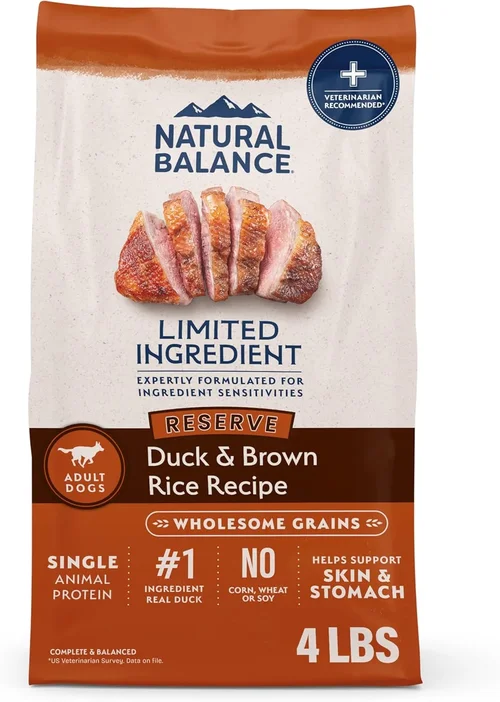
Mid-Range ($35–$60 per 15-lb bag): This is the sweet spot for most pet owners. Brands like Blue Buffalo Basics, Wellness Simple, and Natural Balance offer high-quality LIDs with novel proteins and minimal ingredients. These diets are often veterinarian-recommended and provide excellent value for the price.
Premium ($60–$90 per 15-lb bag): Premium brands like Canidae Pure, Merrick Limited Ingredient, and Zignature focus on exotic proteins and grain-free formulas. They use high-quality, human-grade ingredients and are ideal for dogs with moderate to severe allergies. These diets often include added probiotics and omega fatty acids for skin and coat health.
Luxury ($90+ per 15-lb bag): At the top end are prescription and veterinary-exclusive brands like Hill’s Prescription Diet, Royal Canin Veterinary Diet, and Purina Pro Plan Veterinary Diets. These are hydrolyzed or highly specialized formulas designed for medical use. While expensive, they are often necessary for dogs with complex or life-threatening allergies.
Expert Tips for Getting the Best Deal
- Buy During Seasonal Sales: Major pet retailers like Chewy, Petco, and Amazon often run promotions during holidays (e.g., Black Friday, Prime Day) or seasonal transitions. Stock up on your dog’s allergy-friendly food during these times to save significantly.
- Compare Online vs. In-Store Prices: Online retailers typically offer lower prices and wider selections than brick-and-mortar stores. Use price comparison tools to find the best deals across platforms.
- Look for Manufacturer Rebates: Some brands offer mail-in rebates or instant discounts on first-time purchases. Check the brand’s website or packaging for current promotions.
- Subscribe for Auto-Delivery: Most online pet stores offer subscription services with discounts (usually 5–15%) and free shipping. This ensures you never run out and saves money over time.
- Check Return Policies: If your dog doesn’t tolerate a new food, you’ll want to return it. Choose retailers with flexible return policies, especially for unopened bags.
- Ask Your Vet for Samples: Many veterinary clinics provide free samples of prescription diets. This allows you to test the food before committing to a full bag.
- Monitor Ingredient Changes: Brands occasionally reformulate their products. Sign up for email alerts or follow the brand on social media to stay informed about changes that could affect your dog’s allergies.
Frequently Asked Questions
Q: How long does it take to see improvement after switching to an allergy-friendly diet?
A: Most dogs show improvement within 2–4 weeks, but it can take up to 12 weeks for full results. During this time, avoid giving any other food, treats, or flavored medications that could interfere with the elimination process.
Q: Can dogs outgrow food allergies?
A: Unlike humans, dogs rarely outgrow food allergies. Once a dog develops an allergy to a specific ingredient, it typically remains sensitive for life. However, symptoms can be managed effectively with the right diet.
Q: Are grain-free diets always better for dogs with allergies?
A: Not necessarily. Only dogs with confirmed grain allergies benefit from grain-free diets. For others, grains like oats or rice can be safe and nutritious. Always consult your vet before making dietary changes.
Q: Can I make homemade dog food for allergies?
A: Yes, but it requires careful planning to ensure nutritional balance. Homemade diets should be formulated with the help of a veterinary nutritionist to avoid deficiencies. They can be effective but are often more time-consuming and expensive than commercial options.
Q: What if my dog refuses to eat the new food?
A: Gradual transition is key. Mix the new food with the old over 7–10 days, increasing the proportion of new food each day. You can also try warming the food slightly or adding a small amount of low-sodium broth (allergen-free) to enhance palatability.
Q: Are raw diets safe for dogs with allergies?
A: Raw diets can be risky due to bacterial contamination and nutritional imbalances. While some owners report success, they are not recommended for dogs with compromised immune systems or severe allergies. Consult your vet before trying a raw diet.
Q: Can environmental allergies be confused with food allergies?
A: Yes. Both can cause itching, ear infections, and skin rashes. Food allergies often involve gastrointestinal symptoms, while environmental allergies (like pollen or dust) are more likely to cause seasonal itching. A vet can help differentiate between the two.
Q: Is it safe to rotate proteins in a rotation diet?
A: Rotation diets can be beneficial for preventing new allergies, but they are not recommended during an active elimination trial. Once your dog’s allergens are identified, you can consider rotating safe proteins under veterinary guidance.
Our Final Recommendations
Best for Budget-Conscious Buyers: Natural Balance L.I.D. Limited Ingredient Diets Sweet Potato & Fish Formula – This affordable option uses a novel protein (fish) and sweet potato, avoiding common allergens. It’s widely available and vet-recommended for mild sensitivities.
Best Overall Value: Blue Buffalo Basics Limited Ingredient Diet, Duck & Potato – Offers high-quality ingredients, a novel protein, and added probiotics at a reasonable price. Ideal for most dogs with food allergies.
Best Premium Option: Zignature Kangaroo Formula – Uses kangaroo as the sole protein source, making it one of the most hypoallergenic options available. Grain-free and free from common fillers, it’s perfect for dogs with multiple sensitivities.
Best for Beginners: Wellness Simple Limited Ingredient Diet, Salmon & Potato – Easy to find, palatable, and formulated with digestive support. Great for first-time users of allergy-friendly diets.
Best for Advanced Users (Severe Allergies): Hill’s Prescription Diet z/d Canine – A hydrolyzed protein diet available only through veterinarians. Clinically proven to eliminate food allergy symptoms and ideal for complex cases.
Conclusion: Making the Right Choice
Choosing the best brand of dog food for dogs with allergies is not just about finding a product that stops the itching—it’s about supporting your dog’s long-term health, comfort, and quality of life. With so many options on the market, it’s easy to feel overwhelmed, but by focusing on key factors like limited ingredients, novel proteins, and brand transparency, you can make a confident decision.
Remember, every dog is unique. What works for one may not work for another. Patience, consistency, and professional guidance are essential. Work closely with your veterinarian, keep detailed records, and don’t hesitate to try different brands or formulations until you find the right fit.
Ultimately, the best dog food for allergies is one that your dog can tolerate, enjoy, and thrive on. By prioritizing quality, safety, and nutritional adequacy, you’re not just feeding your dog—you’re investing in their happiness and well-being for years to come.