
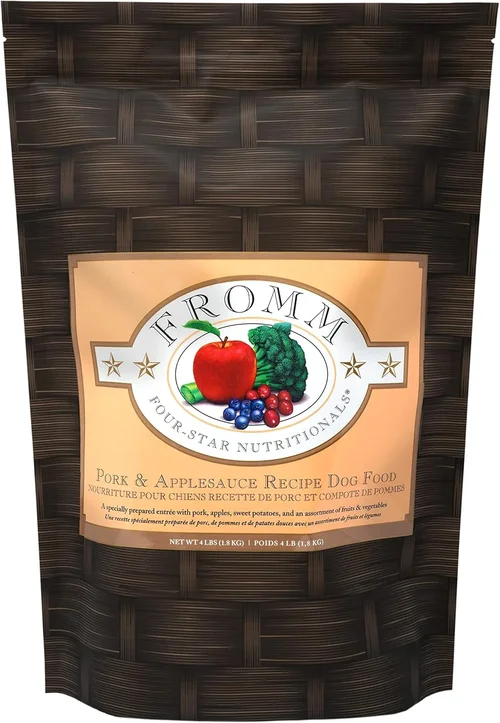
French Bulldogs are one of the most beloved companion breeds in the world—charming, affectionate, and full of personality. But behind their adorable bat ears and smushy faces lies a unique set of health considerations that make choosing the right dog food absolutely critical. Unlike larger or more active breeds, Frenchies are prone to brachycephalic syndrome, sensitive digestion, skin allergies, joint issues, and weight gain. Their compact bodies and specific metabolic needs demand a diet that’s not just nutritious, but thoughtfully formulated for their breed-specific challenges.
That’s why this comprehensive buying guide exists. Whether you’re a first-time French Bulldog owner or a seasoned enthusiast looking to upgrade your pup’s nutrition, this guide will equip you with everything you need to make an informed decision. We’ll walk you through the essential factors to consider—from ingredient quality and protein sources to kibble size and digestibility—and help you navigate the crowded pet food market with confidence. You’ll learn how to avoid common pitfalls, understand what your Frenchie truly needs at different life stages, and discover which brands consistently deliver on both nutrition and palatability.
The dog food industry is flooded with options—over 2,000 brands in the U.S. alone—and many claim to be “premium,” “natural,” or “breed-specific.” But not all of them are created equal, especially when it comes to meeting the nuanced needs of a French Bulldog. Some foods may look healthy on the label but contain fillers, artificial additives, or excessive carbohydrates that can trigger allergies or digestive upset. Others may be too large in kibble size, making it hard for your Frenchie to chew comfortably. This guide cuts through the marketing noise and focuses on science-backed nutrition, real-world performance, and expert recommendations to help you find the best possible food for your four-legged friend.

What to Look for When Buying Dog Food for French Bulldogs
1. High-Quality Animal Protein as the First Ingredient
French Bulldogs are carnivores by nature, and their bodies thrive on animal-based proteins. Look for foods where a named meat source—such as chicken, turkey, lamb, or salmon—appears as the very first ingredient. Avoid vague terms like “meat meal” or “animal by-product meal,” which can include low-quality or inconsistent protein sources. High-quality protein supports muscle maintenance, energy levels, and healthy skin and coat—critical for a breed prone to dermatitis and shedding.
Additionally, Frenchies often have sensitive stomachs, so easily digestible proteins like deboned chicken or hydrolyzed fish can reduce the risk of gastrointestinal upset. Aim for a minimum of 25–30% crude protein content for adult French Bulldogs, and slightly higher (28–32%) for puppies or active adults. Remember: protein quality matters more than quantity. A food with 35% protein from unnamed “poultry by-products” is far less beneficial than one with 28% from real chicken breast.
2. Limited, Digestible Carbohydrates
Unlike wolves or wild canines, domestic dogs—especially brachycephalic breeds like Frenchies—don’t require large amounts of carbohydrates. However, some carbs are necessary for energy and fiber. The key is choosing easily digestible, low-glycemic sources that won’t spike blood sugar or contribute to weight gain. Sweet potatoes, peas, lentils, and oats are excellent choices. Avoid corn, wheat, soy, and excessive amounts of potato starch, which are common fillers and potential allergens.
French Bulldogs are prone to obesity, so monitoring carbohydrate intake is essential. Look for foods with less than 30% carbohydrates (calculated by subtracting protein, fat, moisture, and ash from 100%). Also, consider the glycemic index: low-GI carbs release energy slowly, helping maintain stable energy levels and reducing the risk of insulin resistance.
3. Healthy Fats for Skin, Coat, and Brain Health
Fats are a concentrated source of energy and play a vital role in maintaining healthy skin, a shiny coat, and cognitive function. French Bulldogs are especially susceptible to dry, itchy skin and ear infections, so omega-3 and omega-6 fatty acids are non-negotiable. Look for ingredients like chicken fat, flaxseed, chia seeds, and fish oil (especially from salmon or anchovies), which provide essential fatty acids like EPA and DHA.
Aim for a fat content of 12–16% for adult Frenchies. Too little fat can lead to dull coats and poor immunity; too much can contribute to pancreatitis or weight gain. Avoid foods with generic “vegetable oil” or hydrogenated fats, which offer little nutritional value and may promote inflammation.
4. Appropriate Kibble Size and Shape
One of the most overlooked factors for French Bulldogs is kibble size. Due to their short muzzles and crowded teeth, Frenchies often struggle to chew large or hard kibbles. This can lead to choking, dental issues, or improper digestion. Opt for small to medium-sized kibbles (around 8–12mm in diameter) that are easy to pick up and crush with their teeth.
Some brands even offer “brachycephalic-specific” kibble shapes—flatter or ridged designs that are easier for flat-faced dogs to grip and chew. These can significantly improve eating comfort and reduce the risk of regurgitation, a common issue in Frenchies due to their narrow esophagi.
5. Grain-Free vs. Grain-Inclusive: What’s Right for Your Frenchie?
The grain-free debate has been hotly contested in recent years, especially after the FDA’s investigation into a potential link between grain-free diets and dilated cardiomyopathy (DCM) in dogs. While no conclusive evidence proves grain-free diets cause DCM, the concern has led many experts to recommend caution—especially for breeds not genetically predisposed to the condition.
For French Bulldogs, grain-inclusive diets are generally safe and often beneficial. Whole grains like brown rice, quinoa, and oats provide fiber, B vitamins, and sustained energy. However, if your Frenchie has a diagnosed grain allergy (rare but possible), a grain-free option with legumes or potatoes may be necessary. Always consult your vet before making a switch, and monitor for signs of heart issues like lethargy, coughing, or difficulty breathing.
6. Added Probiotics and Digestive Enzymes
French Bulldogs are notorious for sensitive stomachs, gas, and irregular bowel movements. Probiotics—live beneficial bacteria—can help maintain a healthy gut microbiome, improve nutrient absorption, and reduce digestive upset. Look for foods that list specific strains like Lactobacillus acidophilus or Bifidobacterium animalis on the label.
Digestive enzymes such as amylase, protease, and lipase can also aid in breaking down food more efficiently, especially in dogs with pancreatic insufficiency or chronic diarrhea. These are often found in high-end or veterinary-formulated diets but are increasingly common in premium commercial brands.
7. No Artificial Additives, Fillers, or By-Products
Artificial colors, flavors, and preservatives like BHA, BHT, and ethoxyquin have been linked to allergic reactions, hyperactivity, and long-term health issues. French Bulldogs are particularly sensitive to food additives, which can trigger skin rashes, ear infections, or digestive problems.
Instead, choose foods preserved with natural antioxidants like mixed tocopherols (vitamin E) or rosemary extract. Avoid foods with corn syrup, caramel coloring, or unnamed “flavoring.” Also, steer clear of generic “meat meal” or “animal fat,” which can come from diseased or euthanized animals.
8. Life Stage and Activity Level Appropriateness
French Bulldogs have different nutritional needs at different stages of life. Puppies require higher protein and fat for growth, while seniors need joint support and lower calories to prevent obesity. Active Frenchies may benefit from higher-fat diets, while sedentary ones need calorie-controlled formulas.
Always choose a food labeled for your dog’s life stage: “puppy,” “adult,” or “senior.” Some brands offer “all life stages” formulas, but these may not be ideal for Frenchies due to their specific metabolic rate and tendency toward weight gain. If your Frenchie has a medical condition (e.g., kidney disease, allergies), consider a vet-recommended therapeutic diet.
Different Types of Dog Food for French Bulldogs

Common Buying Mistakes to Avoid
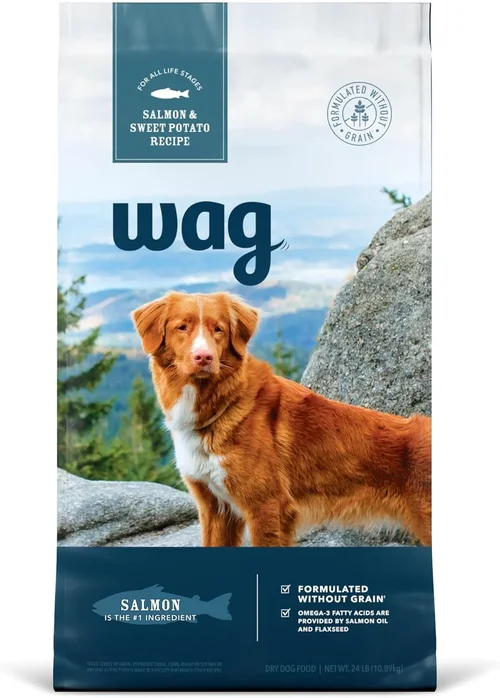
❌ Mistake: Choosing Based on Price Alone
Why it’s bad: Cheap dog foods often rely on fillers, by-products, and artificial preservatives that can harm your Frenchie’s health over time. Low-cost kibble may also be harder to digest, leading to more frequent vet visits and higher long-term costs.
What to do instead: Focus on value, not just price. A mid-range food with high-quality ingredients may cost more upfront but can prevent allergies, obesity, and digestive issues. Calculate cost per feeding, not per bag.
❌ Mistake: Ignoring the Ingredient List
Why it’s bad: Marketing claims like “natural” or “premium” are not regulated. A food can claim to be “grain-free” but still contain low-quality proteins and excessive legumes, which may increase DCM risk.
What to do instead: Always read the ingredient list. Prioritize named meats, whole grains (if included), and natural preservatives. Use resources like the Association of American Feed Control Officials (AAFCO) guidelines to verify nutritional adequacy.
❌ Mistake: Feeding “All Life Stages” to Adult Frenchies
Why it’s bad: These formulas are often too high in calories and protein for sedentary adult French Bulldogs, increasing the risk of obesity and joint strain.
What to do instead: Choose a food specifically formulated for adult maintenance. If your Frenchie is overweight, look for a weight management formula with added L-carnitine and fiber.
❌ Mistake: Overlooking Kibble Size and Texture
Why it’s bad: Large or hard kibbles can cause choking, dental damage, or regurgitation in Frenchies with narrow airways and crowded teeth.
What to do instead: Opt for small, soft, or specially designed kibbles. Brands like Royal Canin and Hill’s offer brachycephalic-specific shapes that improve chewing efficiency.
❌ Mistake: Switching Foods Too Quickly
Why it’s bad: Sudden diet changes can trigger diarrhea, vomiting, or food intolerances in sensitive French Bulldogs.
What to do instead: Transition gradually over 7–10 days, mixing increasing amounts of the new food with the old. Monitor for digestive upset and adjust the pace if needed.
❌ Mistake: Not Considering Individual Allergies or Sensitivities
Why it’s bad: Frenchies are prone to food allergies (especially to chicken, beef, or grains). Feeding a common allergen can lead to chronic itching, ear infections, or gastrointestinal issues.
What to do instead: If your Frenchie shows signs of allergies (scratching, red skin, ear infections), consider a limited-ingredient diet with novel proteins like duck, venison, or kangaroo. Work with your vet to conduct an elimination trial.
❌ Mistake: Relying Solely on Online Reviews
Why it’s bad: Reviews can be biased, outdated, or based on individual dogs with different needs. What works for one Frenchie may not work for another.
What to do instead: Use reviews as a starting point, but prioritize scientific formulations, AAFCO compliance, and vet recommendations. Try small bags first to test palatability and digestibility.
Budget Guidelines: How Much Should You Spend?
Feeding a French Bulldog doesn’t have to break the bank, but investing in quality nutrition pays off in long-term health and reduced vet bills. Here’s a realistic breakdown of what to expect at different price points:
Entry-Level ($1.50–$2.50 per lb): These foods often contain by-products, corn, wheat, and artificial preservatives. While they meet basic AAFCO standards, they may not support optimal health for a sensitive breed like the French Bulldog. Best for temporary use or multi-dog households on a tight budget. Examples include Purina Dog Chow or Iams ProActive Health.
Mid-Range ($2.50–$4.00 per lb): This is the sweet spot for most French Bulldog owners. These foods use named meat sources, limited fillers, and added probiotics or omega fatty acids. Brands like Wellness CORE, Blue Buffalo Life Protection, and Nutro Ultra fall into this category. They offer excellent nutrition without the premium price tag.
Premium ($4.00–$6.00 per lb): Ideal for owners who prioritize ingredient quality and digestive health. These diets often feature human-grade proteins, novel ingredients, and specialized formulations for brachycephalic breeds. Examples include Orijen, Acana, and Fromm Family Foods. Many include freeze-dried raw coatings for enhanced palatability.
Luxury ($6.00+ per lb): Reserved for raw, fresh, or veterinary-grade diets. These options offer the highest nutrient density and minimal processing but require more effort and storage. Brands like The Farmer’s Dog, Nom Nom, and Stella & Chewy’s are popular in this tier. Best for dogs with severe allergies or owners seeking the closest thing to a natural diet.

Expert Tips for Getting the Best Deal
- Shop During Sales Cycles: Major pet retailers like Chewy, Petco, and Amazon often run seasonal promotions (e.g., Black Friday, Prime Day, end-of-season clearance). Sign up for newsletters to get early access to discounts.
- Compare Unit Prices: Don’t just look at the total cost—check the price per pound or per feeding. A larger bag may seem expensive but could be cheaper per serving.
- Use Subscription Services: Many online retailers offer 5–15% off for recurring deliveries. This also ensures you never run out and can help track your dog’s eating habits.
- Check for Rebates and Loyalty Programs: Brands like Royal Canin and Hill’s Science Diet offer rebates through their websites or vet partnerships. Pet store loyalty cards can also accumulate points for future savings.
- Read Return Policies: If your Frenchie refuses the food or has an adverse reaction, you want to be able to return it. Most reputable retailers allow returns within 30–60 days, even for opened bags.
- Test Before Committing: Buy small bags (4–6 lbs) of new food to test palatability and digestibility before purchasing a 30-pound bag. This is especially important for picky eaters or dogs with sensitivities.
- Consult Your Veterinarian: Your vet can recommend brands based on your Frenchie’s health history and may have access to exclusive discounts on therapeutic diets.
- Watch for Recalls: Stay informed about pet food recalls through the FDA website or apps like Pet Food Recall Alerts. Even premium brands can have issues, so vigilance is key.

Frequently Asked Questions
Q: Can French Bulldogs eat grain-free food?
A: Yes, but with caution. While grain-free diets can help dogs with diagnosed grain allergies, there’s ongoing concern about a potential link to DCM. If you choose grain-free, ensure the food includes adequate taurine and isn’t overloaded with legumes. Always consult your vet.
Q: How much should I feed my French Bulldog?
A: Most adult Frenchies need 1/2 to 1 cup of high-quality kibble per day, split into two meals. Puppies may require up to 1.5 cups. Adjust based on weight, activity level, and body condition. Use a measuring cup—never free-feed.
Q: Is raw food safe for French Bulldogs?
A: Raw diets can be nutritious but carry risks like bacterial contamination (Salmonella, E. coli) and nutritional imbalances if not properly formulated. If you choose raw, use commercially prepared, balanced meals and practice strict hygiene.
Q: Why does my Frenchie vomit after eating?
A: This is common in brachycephalic breeds due to rapid eating, narrow esophagi, or food intolerances. Try slow-feeder bowls, smaller kibbles, or a diet with probiotics. If vomiting persists, see your vet to rule out medical issues.
Q: Can I mix wet and dry food?
A: Absolutely! Many owners mix wet food into kibble to increase palatability and hydration. Just adjust portions to avoid overfeeding. Wet food is especially helpful for Frenchies who don’t drink enough water.
Q: How often should I change my Frenchie’s food?
A: There’s no need to switch brands regularly unless your dog has allergies or digestive issues. Consistency is key for gut health. If you do switch, do so gradually over 7–10 days.
Q: Are French Bulldogs prone to food allergies?
A: Yes. Common allergens include chicken, beef, dairy, wheat, and soy. Symptoms include itching, ear infections, and diarrhea. A limited-ingredient diet or hydrolyzed protein formula can help identify and manage triggers.
Q: Should I feed my Frenchie a breed-specific formula?
A: Breed-specific diets (like Royal Canin French Bulldog Adult) are formulated with kibble size, digestion, and skin health in mind. They can be helpful, but not all are created equal. Always check the ingredient list and nutritional profile.
Q: Is it okay to give my Frenchie human food?
A: In small amounts, yes—but avoid toxic foods like chocolate, grapes, onions, and xylitol. Safe options include plain cooked chicken, carrots, or green beans. Never replace meals with human food.
Q: How do I know if my Frenchie is overweight?
A: You should be able to feel (but not see) their ribs, and they should have a visible waist when viewed from above. If their belly sags or they struggle to walk, consult your vet for a weight management plan.
Our Final Recommendations
Best for Budget-Conscious Buyers: Wellness CORE Grain-Free Small Breed – Offers high protein (34%), small kibble, and added probiotics at a mid-range price. Great for Frenchies who need lean muscle support without breaking the bank.
Best Overall Value: Blue Buffalo Life Protection Formula Small Breed – Features real chicken, brown rice, and LifeSource Bits with antioxidants. Affordable, widely available, and trusted by veterinarians.
Best Premium Option: Orijen Original Grain-Free – Packed with 85% animal ingredients, including fresh meats and organs. Ideal for owners who want a biologically appropriate, high-moisture diet. Note: Monitor for legume content if DCM is a concern.
Best for Beginners: Royal Canin French Bulldog Adult – Specifically designed for the breed, with brachycephalic kibble, skin-support nutrients, and digestive enzymes. Easy to find and vet-recommended.
Best for Advanced Users: The Farmer’s Dog Fresh Food – Customized, human-grade meals delivered to your door. Perfect for owners who want complete control over ingredients and are willing to pay a premium for convenience and quality.
Conclusion: Making the Right Choice
Choosing the best dog food for your French Bulldog isn’t just about picking a bag off the shelf—it’s about understanding your dog’s unique physiology, dietary sensitivities, and long-term health needs. From high-quality proteins and digestible carbs to appropriate kibble size and added probiotics, every detail matters. While the market offers countless options, the right food will support your Frenchie’s energy, digestion, skin health, and overall well-being.
Remember, no single brand is perfect for every dog. What works for one Frenchie may not suit another. Prioritize transparency, ingredient quality, and your vet’s advice. Don’t be swayed by flashy packaging or celebrity endorsements—focus on science, nutrition, and real-world results. And always monitor your dog’s response: a healthy coat, regular digestion, and stable weight are the best indicators of a good diet.
Ultimately, the best food for your French Bulldog is the one that keeps them happy, healthy, and thriving for years to come. Use this guide as your roadmap, stay informed, and never stop learning. Your loyal companion deserves nothing less.