
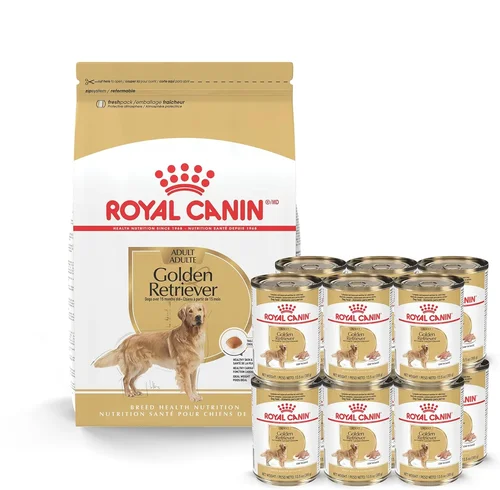
Choosing the right dog food for your Golden Retriever isn’t just about picking a bag off the shelf—it’s about making a long-term investment in your dog’s health, energy, coat quality, and overall well-being. As one of the most beloved family breeds in the world, Golden Retrievers are known for their friendly demeanor, intelligence, and boundless enthusiasm. But they’re also prone to specific health issues like hip dysplasia, obesity, skin allergies, and certain cancers, all of which can be influenced—or even mitigated—by proper nutrition. With thousands of dog food brands flooding the market, each claiming to be “the best,” it’s easy to feel overwhelmed. That’s where this comprehensive buying guide comes in.
In this detailed review, we’ll cut through the marketing noise and deliver expert-backed insights to help you choose the best dog food for your Golden Retriever in 2026. Whether you’re feeding a playful puppy, an active adult, or a senior dog with changing dietary needs, this guide will walk you through everything you need to know. You’ll learn how to evaluate ingredients, understand nutritional labels, compare price points, and avoid common pitfalls that even experienced dog owners fall into. We’ll also break down the top-performing brands based on real-world performance, veterinary recommendations, and customer feedback. By the end, you’ll have the knowledge and confidence to make an informed decision that supports your Golden’s vitality for years to come.
The dog food industry has evolved dramatically over the past decade, with a surge in premium, science-backed formulas and a growing emphasis on transparency. From grain-free options to limited-ingredient diets, raw food blends, and even fresh-cooked meal delivery services, the choices are vast—and not all of them are created equal. While some brands prioritize flashy packaging and celebrity endorsements, others focus on rigorous nutritional science and sourcing high-quality proteins and wholesome ingredients. Our goal is to help you navigate this complex landscape with clarity and confidence, ensuring that your Golden Retriever gets the balanced, species-appropriate nutrition they deserve.

What to Look for When Buying Dog Food
1. High-Quality Protein Sources
Protein is the cornerstone of any healthy dog diet, especially for active breeds like Golden Retrievers. Look for named animal proteins—such as deboned chicken, turkey meal, salmon, or lamb—listed as the first ingredient. Avoid vague terms like “meat meal” or “animal by-products,” which can include low-quality or inconsistent sources. Dogs are primarily carnivorous, and their bodies thrive on animal-based proteins that provide essential amino acids like taurine, lysine, and methionine. For Goldens, who are prone to joint and muscle issues, adequate protein supports lean muscle mass and helps maintain mobility as they age.
2. Healthy Fats for Skin and Coat
Golden Retrievers are famous for their lustrous, water-resistant double coats—but that beauty requires proper nourishment. Omega-3 and Omega-6 fatty acids, particularly from sources like fish oil, flaxseed, and chicken fat, are essential for reducing inflammation, supporting skin health, and promoting a shiny coat. Look for foods that include EPA and DHA (types of Omega-3s) derived from cold-water fish like salmon or sardines. These fats also support brain development in puppies and cognitive function in older dogs.
Avoid foods that rely heavily on plant-based oils like corn or soybean oil, which offer less bioavailable fatty acids. Instead, prioritize formulas that list animal-based fats early in the ingredient list. A healthy balance of fats also helps maintain energy levels without contributing to obesity—a common issue in less active Goldens.
3. Joint Support Ingredients
Hip and elbow dysplasia are prevalent in Golden Retrievers, making joint health a top priority. The best dog foods for this breed include glucosamine, chondroitin, and MSM (methylsulfonylmethane), which help maintain cartilage integrity and reduce joint inflammation. Some premium brands also incorporate green-lipped mussel powder or collagen peptides for added support.
Additionally, look for foods fortified with antioxidants like vitamin E and C, which combat oxidative stress that can accelerate joint degeneration. While no food can cure genetic conditions, consistent nutritional support can slow progression and improve quality of life. If your Golden is already showing signs of stiffness or reluctance to climb stairs, consider switching to a joint-support formula or supplementing with vet-approved additives.
4. Digestive Health and Probiotics
Golden Retrievers can be sensitive eaters, with some prone to gas, diarrhea, or food intolerances. A diet that supports gut health is crucial. Look for dog foods that include prebiotic fibers (like chicory root or beet pulp) and live probiotics (such as Lactobacillus acidophilus). These ingredients promote a balanced gut microbiome, improve nutrient absorption, and reduce digestive upset.
Some brands now offer “limited ingredient” formulas designed specifically for dogs with food sensitivities. These typically feature a single protein source (like duck or venison) and a single carbohydrate (like sweet potato), minimizing the risk of allergic reactions. If your Golden has chronic digestive issues, consult your vet before making a switch—but a high-fiber, probiotic-rich diet is often a good starting point.
5. Appropriate Caloric Density and Portion Control
Obesity is one of the most serious health threats to Golden Retrievers. Overfeeding or choosing calorie-dense foods without adjusting portions can lead to rapid weight gain, which exacerbates joint problems and shortens lifespan. The best dog foods provide balanced caloric density—enough to fuel an active lifestyle without excess.
Check the feeding guidelines on the packaging, but remember that every dog is different. Factors like age, activity level, metabolism, and neutering status all affect caloric needs. Use a body condition score (BCS) chart to assess your dog’s weight: you should be able to feel their ribs without seeing them, and they should have a visible waist when viewed from above.
6. Grain Inclusion vs. Grain-Free: What’s Best?
The grain-free debate has raged for years, but recent research suggests that grains aren’t inherently bad for dogs—especially when they’re digestible and nutrient-rich. Whole grains like brown rice, oats, and barley provide fiber, B vitamins, and sustained energy. For most Golden Retrievers, a diet that includes grains is perfectly healthy and may even support heart health.
However, some dogs have grain sensitivities or allergies. In those cases, grain-free options with alternative carbs like sweet potatoes, peas, or lentils can be beneficial. The key is to avoid foods that use excessive legumes (like peas and lentils) as primary ingredients, as high levels have been linked to dilated cardiomyopathy (DCM) in dogs—especially when combined with low meat content.
Always consult your veterinarian before switching to a grain-free diet, particularly if your dog has a history of heart issues. The FDA has issued warnings about certain grain-free formulas, so proceed with caution.
7. Life Stage Appropriateness
Golden Retrievers have different nutritional needs at each stage of life. Puppies require higher protein and fat levels to support rapid growth, along with DHA for brain and vision development. Adult dogs need balanced nutrition to maintain muscle mass and energy, while seniors benefit from lower-calorie, high-fiber formulas that support metabolism and joint health.
Never feed adult or senior food to a growing puppy, as it can lead to developmental issues. Similarly, feeding high-calorie puppy food to an older, less active Golden can result in obesity. Look for AAFCO (Association of American Feed Control Officials) statements on the packaging that confirm the food is “complete and balanced” for your dog’s life stage.
8. Brand Transparency and Manufacturing Standards
Not all dog food brands are created equal when it comes to sourcing and production. Choose companies that are transparent about where their ingredients come from and how their food is made. Look for brands that conduct in-house testing, use human-grade ingredients, and avoid artificial preservatives like BHA, BHT, and ethoxyquin.
Reputable manufacturers will often publish nutritional research, ingredient sourcing details, and third-party lab results on their websites. Avoid brands that outsource production to unknown facilities or use vague labeling. The best companies stand behind their products with money-back guarantees and responsive customer service.
Different Types of Dog Food for Golden Retrievers

Common Buying Mistakes to Avoid
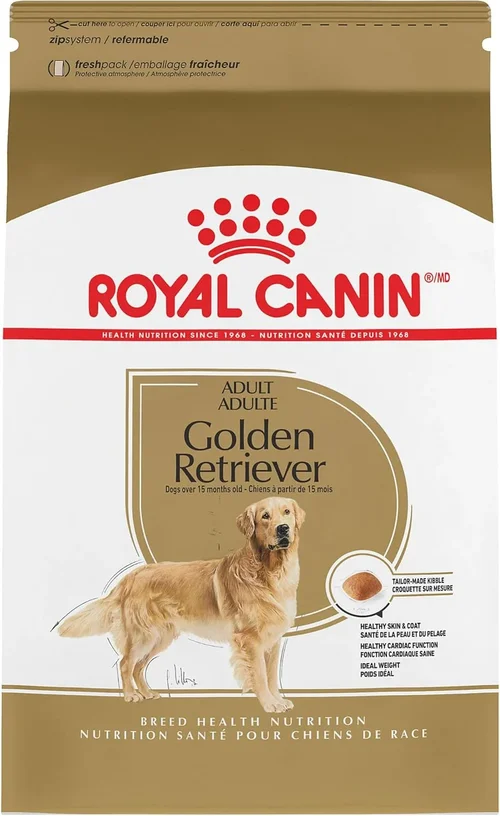
❌ Mistake: Choosing Based on Marketing Claims Alone
Why it’s bad: Phrases like “all-natural,” “premium,” or “gourmet” are unregulated and can be used by any brand—even those with low-quality ingredients. Relying on packaging instead of ingredient lists can lead to feeding your dog fillers, by-products, or artificial additives.
What to do instead: Always read the ingredient list and guaranteed analysis. Look for real meat as the first ingredient, minimal fillers, and recognizable components. Use resources like the Dog Food Advisor or AAFCO guidelines to verify claims.
❌ Mistake: Overlooking Life Stage Needs
Why it’s bad: Feeding adult food to a puppy can stunt growth, while giving high-calorie puppy food to a senior dog can cause obesity and related health issues.
What to do instead: Match the food to your dog’s age, size, and activity level. Puppies need growth-formulated diets, adults need maintenance formulas, and seniors benefit from lower-calorie, joint-support options.
❌ Mistake: Ignoring Portion Sizes
Why it’s bad: Overfeeding is a leading cause of obesity in Golden Retrievers, which increases the risk of diabetes, arthritis, and heart disease.
What to do instead: Follow feeding guidelines but adjust based on your dog’s body condition. Use a measuring cup, not a scoop, and monitor weight monthly. Consider using a food scale for precision.
❌ Mistake: Switching Foods Too Quickly
Why it’s bad: Sudden diet changes can cause gastrointestinal upset, including vomiting, diarrhea, and loss of appetite.
What to do instead: Transition gradually over 7–10 days. Start with 25% new food and 75% old, increasing the ratio every few days until fully switched.
❌ Mistake: Feeding Table Scraps or Human Food
Why it’s bad: Many human foods—like chocolate, onions, grapes, and xylitol—are toxic to dogs. Even “safe” foods can disrupt nutritional balance and encourage begging.
What to do instead: Stick to dog-safe treats and avoid sharing meals. If you want to give human food, consult your vet first and keep portions small.
❌ Mistake: Not Considering Food Allergies or Sensitivities
Why it’s bad: Chronic itching, ear infections, and digestive issues can stem from food intolerances. Ignoring these signs can lead to long-term discomfort.
What to do instead: If your Golden shows signs of allergies, try an elimination diet with a novel protein (like duck or rabbit) and single carb source. Work with your vet to identify triggers.
❌ Mistake: Buying the Cheapest Option Without Research
Why it’s bad: Budget brands often use low-quality proteins, fillers like corn and wheat, and artificial preservatives that can harm your dog over time.
What to do instead: Invest in quality nutrition. While premium food costs more upfront, it can reduce vet bills and improve longevity. Look for value in mid-range brands that balance cost and quality.
Budget Guidelines: How Much Should You Spend?
– Entry-Level ($1.00–$1.80/lb): These foods often contain meat by-products, corn, soy, and artificial additives. While they meet minimum AAFCO standards, they may not support optimal health in active or sensitive Goldens. Best for temporary use or multi-dog households on a tight budget.
– Mid-Range ($1.80–$3.00/lb): This is the sweet spot for most owners. Brands in this tier use named meats, whole grains or legumes, and include beneficial supplements like probiotics and joint support. Examples include Wellness Core, Blue Buffalo Life Protection, and Nutro Wholesome Essentials.
– Premium ($3.00–$5.00/lb): These formulas feature high-quality proteins, limited ingredients, and advanced nutrition. They often include novel proteins, functional ingredients (like turmeric or kelp), and are free from artificial preservatives. Ideal for Goldens with allergies, high activity levels, or owners seeking top-tier nutrition.
– Luxury ($5.00+/lb): Includes fresh, raw, or custom-formulated diets from brands like The Farmer’s Dog, Nom Nom, or Open Farm. These offer human-grade ingredients, personalized nutrition, and minimal processing. Best for owners willing to invest in cutting-edge canine nutrition.

Expert Tips for Getting the Best Deal
– Buy in Bulk: Larger bags (25–40 lbs) often cost less per pound. Store in an airtight container in a cool, dry place to maintain freshness.
– Subscribe and Save: Many online retailers (Chewy, Amazon) offer 5–15% off recurring orders. Set up auto-ship to never run out.
– Watch for Sales: Major discounts occur during holidays (Black Friday, Memorial Day) and end-of-season clearances. Sign up for brand newsletters for exclusive offers.
– Compare Online vs. In-Store: Online prices are often lower, but factor in shipping. Local pet stores may price-match or offer loyalty rewards.
– Check Return Policies: Some brands allow returns if your dog doesn’t like the food. This is especially useful when trying new formulas.
– Rotate Proteins: Feeding different protein sources (chicken, salmon, lamb) can prevent sensitivities and keep meals interesting. Just transition slowly.
– Consult Your Vet: Before making major dietary changes—especially for puppies, seniors, or dogs with health conditions—get professional advice.
– Read Real Reviews: Look beyond star ratings. Read detailed customer reviews on Chewy, Amazon, or Reddit to learn about palatability, stool quality, and energy levels.

Frequently Asked Questions
Q: How often should I feed my Golden Retriever?
A: Puppies (under 6 months) should be fed 3–4 times daily. Adults do well with two meals per day, which helps prevent bloat. Seniors may benefit from smaller, more frequent meals if they have digestive issues.
Q: Can I mix wet and dry food?
A: Yes! Many owners combine both for added moisture, flavor, and texture. Just adjust portions to avoid overfeeding. For example, replace half a cup of kibble with half a can of wet food.
Q: Is grain-free food better for Golden Retrievers?
A: Not necessarily. While some Goldens benefit from grain-free diets due to sensitivities, most do fine with whole grains. The FDA has raised concerns about grain-free diets linked to DCM, so consult your vet before switching.
Q: How do I know if my dog is allergic to their food?
A: Common signs include chronic itching, ear infections, paw licking, vomiting, or diarrhea. These symptoms often appear gradually. An elimination diet under veterinary supervision is the best way to identify triggers.
Q: Should I feed my Golden a raw diet?
A: Raw diets can offer benefits like improved coat and digestion, but they carry risks of bacterial contamination (like Salmonella) and nutritional imbalances if not properly formulated. If you choose raw, use reputable brands or consult a veterinary nutritionist.
Q: How much should my Golden Retriever eat per day?
A: On average, an adult Golden needs 3–4 cups of high-quality kibble daily, depending on size and activity level. Always refer to the feeding chart on the bag and adjust based on body condition.
Q: Can I make homemade dog food?
A: Yes, but it requires careful planning to ensure nutritional balance. Use recipes approved by veterinary nutritionists and supplement with calcium, vitamins, and minerals. Never feed unbalanced meals long-term.
Q: What’s the best food for a Golden Retriever puppy?
A: Look for large-breed puppy formulas with controlled calcium and phosphorus to support healthy bone growth. Brands like Royal Canin Golden Retriever Puppy or Hill’s Science Diet Large Breed Puppy are excellent choices.
Q: How long can I store opened dog food?
A: Dry kibble stays fresh for 6–8 weeks in an airtight container. Wet food should be refrigerated and used within 3–5 days. Always check for mold or rancidity.
Q: Is it okay to give my Golden treats?
A: Yes, but treats should not exceed 10% of daily caloric intake. Choose healthy options like freeze-dried liver, carrots, or vet-approved dental chews. Avoid high-fat or sugary treats.
Our Final Recommendations
– Best for Budget-Conscious Buyers: Blue Buffalo Life Protection Formula – Offers real chicken, whole grains, and LifeSource Bits with antioxidants at an affordable price.
– Best Overall Value: Wellness Core Grain-Free Original – High protein (34%), includes probiotics and joint support, and avoids fillers. Great for active Goldens.
– Best Premium Option: The Farmer’s Dog – Fresh, human-grade meals delivered to your door. Customized to your dog’s needs with no preservatives or processing.
– Best for Beginners: Hill’s Science Diet Large Breed Adult – Veterinarian-recommended, easy to find, and formulated specifically for large breeds with joint and heart support.
– Best for Advanced Users: Open Farm RawMix Kibble – Combines high-protein kibble with freeze-dried raw bits, using ethically sourced ingredients and transparent sourcing.
Conclusion: Making the Right Choice
Choosing the best dog food for your Golden Retriever is one of the most important decisions you’ll make as a pet owner. It’s not just about satisfying hunger—it’s about fueling a long, healthy, and joyful life. From supporting joint health and maintaining a shiny coat to preventing obesity and digestive issues, the right nutrition touches every aspect of your dog’s well-being.
As you’ve learned, the ideal food depends on your Golden’s age, activity level, health status, and your budget. While premium brands offer advanced formulations and transparency, even mid-range options can deliver excellent results when chosen wisely. The key is to prioritize quality ingredients, avoid misleading marketing, and stay attuned to your dog’s individual needs.
Remember, no single brand is perfect for every dog. What works for one Golden may not suit another. Be patient, observe how your dog responds to new foods, and don’t hesitate to consult your veterinarian for personalized advice. With the knowledge from this guide, you’re now equipped to make confident, informed decisions that will keep your loyal companion thriving for years to come.
Your Golden Retriever gives you unconditional love—return the favor with the gift of optimal nutrition. Start reading labels, comparing options, and investing in the best food you can afford. Your dog’s health, happiness, and longevity depend on it.