

As our beloved canine companions enter their golden years, their nutritional needs undergo significant changes. Just like humans, older dogs experience shifts in metabolism, joint health, digestion, and energy levels—making it essential to adjust their diet accordingly. Unfortunately, many pet owners continue feeding senior dogs the same food they’ve always eaten, unaware that this can lead to weight gain, reduced mobility, or even chronic health issues. That’s why choosing the right dog food for older dogs isn’t just a nice-to-have—it’s a critical component of maintaining their quality of life in later years.
This comprehensive buying guide is designed to help you navigate the crowded and often confusing world of senior dog food. Whether you’re caring for a 7-year-old Labrador or a 12-year-old Chihuahua, we’ll walk you through everything you need to know to make an informed, confident decision. You’ll learn how to evaluate ingredients, understand nutritional labels, compare brands, avoid common pitfalls, and ultimately select a diet that supports your dog’s age-related health needs. With thousands of products on the market—ranging from budget kibble to premium prescription formulas—it’s easy to feel overwhelmed. But armed with the right knowledge, you can cut through the noise and find the best possible nutrition for your aging best friend.
The senior dog food market has exploded in recent years, driven by increased pet ownership, longer lifespans due to better veterinary care, and growing awareness of preventive nutrition. Major brands like Hill’s Science Diet, Royal Canin, Purina Pro Plan, and Blue Buffalo now offer dedicated senior lines, while niche players such as The Honest Kitchen, Wellness Core, and Orijen have introduced grain-free, high-protein, or fresh-food options tailored to older dogs. At the same time, direct-to-consumer startups and subscription services are reshaping how people buy pet food, offering convenience and customization. Amid this abundance, however, not all products are created equal—and some may even do more harm than good if they don’t meet your dog’s specific needs. This guide will help you separate marketing hype from science-backed nutrition so you can choose wisely.

What to Look for When Buying Buying Guide
1. Protein Quality and Digestibility
Contrary to outdated beliefs, older dogs actually benefit from high-quality, highly digestible protein—not less of it. As dogs age, they lose muscle mass (a condition called sarcopenia), and adequate protein helps preserve lean body tissue. However, the source and form of protein matter greatly. Look for named animal proteins like “chicken meal,” “salmon,” or “turkey” listed as the first ingredient, rather than vague terms like “meat meal” or “animal by-products.” Highly digestible proteins reduce strain on the kidneys and support nutrient absorption, which becomes less efficient with age. Avoid foods with excessive plant-based proteins (like pea protein or soy), which are harder for dogs to utilize and may displace animal protein.
2. Joint Support Ingredients
Arthritis and joint stiffness are among the most common ailments in older dogs. The right diet can help manage inflammation and support cartilage health. Key ingredients to look for include glucosamine, chondroitin sulfate, omega-3 fatty acids (especially EPA and DHA from fish oil), and antioxidants like vitamin E. These compounds work synergistically to reduce joint pain, improve mobility, and slow degenerative changes. Some premium brands also include green-lipped mussel extract or turmeric, which have natural anti-inflammatory properties. Avoid foods that rely solely on fillers or lack clinically proven joint-support nutrients—your dog’s comfort depends on it.
3. Fiber Content and Digestive Health
Senior dogs often struggle with slower digestion, constipation, or irregular bowel movements. Adequate dietary fiber—particularly soluble and fermentable fibers like beet pulp, pumpkin, or chicory root—helps regulate gut motility and supports a healthy microbiome. Prebiotics (such as FOS and MOS) and probiotics (live beneficial bacteria) are also valuable additions, especially for dogs with sensitive stomachs or those recovering from illness. However, too much insoluble fiber (like corn hulls or cellulose) can cause gas and bloating. Aim for a balanced fiber profile that promotes regularity without irritation.
4. Calorie Density and Weight Management
Metabolism slows down in older dogs, making them prone to weight gain—even if they eat the same amount as before. Obesity exacerbates joint problems, diabetes risk, and heart strain. Therefore, senior dog foods should be moderately calorie-controlled but not overly restricted, as underfeeding can lead to muscle loss. Look for formulas with moderate fat levels (10–15%) and controlled carbohydrate sources like sweet potatoes or oats instead of corn or wheat. Many reputable brands now offer “light” or “weight management” senior formulas for less active dogs. Always monitor your dog’s body condition score and adjust portions accordingly.
5. Kidney and Liver Support
While healthy senior dogs don’t necessarily need low-protein diets, those with early-stage kidney disease benefit from reduced phosphorus and moderate, high-quality protein. Excess phosphorus accelerates kidney damage, so avoid foods with high phosphorus content unless prescribed by a vet. Similarly, liver function can decline with age, so avoid artificial preservatives like BHA, BHT, or ethoxyquin—opt for natural preservatives like mixed tocopherols (vitamin E) instead. Antioxidants such as vitamin C, selenium, and beta-carotene also support organ health and cellular repair.
6. Dental Health Considerations
Dental disease affects over 80% of dogs by age three, and the problem worsens with age. While no kibble can fully replace brushing, some senior dog foods are formulated with larger kibble sizes or textured surfaces to encourage chewing and reduce plaque buildup. Look for products recognized by the Veterinary Oral Health Council (VOHC) for tartar control. Wet food lovers should consider dental-specific wet formulas or supplement with dental chews—but avoid sugary treats. Good oral health isn’t just about fresh breath; it prevents systemic infections that can affect the heart, kidneys, and joints.
7. Palatability and Appetite Stimulation
Loss of appetite is common in senior dogs due to reduced sense of smell, dental pain, or illness. A food that’s unappetizing won’t provide any benefits—no matter how nutritious it is. High-fat content, real meat juices, and natural flavors (like chicken broth or liver) enhance palatability. Some brands offer “senior” versions with added flavor enhancers or softer textures for dogs with missing teeth. If your dog is a picky eater, consider rotating between two trusted brands or mixing wet and dry food. Never force-feed, but do consult your vet if appetite loss persists beyond a few days.
8. Brand Transparency and Safety Record
Not all pet food companies prioritize safety and transparency. Research the brand’s manufacturing practices: Do they produce their own food in-house, or outsource to third-party facilities? Have they had recalls in the past five years? Reputable brands publish detailed ingredient sourcing information, conduct feeding trials, and comply with AAFCO (Association of American Feed Control Officials) standards. Avoid companies that use vague labeling (“flavor” instead of “chicken”) or refuse to disclose their manufacturing locations. Transparency builds trust—and your dog’s health depends on it.
Different Types of Buying Guide

Common Buying Mistakes to Avoid
❌ Mistake: Assuming “Senior” Means Lower Protein
Why it’s bad: Many owners mistakenly believe senior dogs need less protein, leading them to choose low-protein diets that accelerate muscle wasting. In reality, aging dogs require high-quality protein to maintain muscle mass and immune function.
What to do instead: Choose senior foods with 25–30% protein (dry matter basis) from animal sources. Consult your vet only if your dog has kidney disease—otherwise, don’t restrict protein unnecessarily.
❌ Mistake: Ignoring the Ingredient List
Why it’s bad: Marketing claims like “natural” or “holistic” mean little without checking the actual ingredients. Some “senior” foods are packed with fillers, artificial colors, or unnamed meat meals.
What to do instead: Always read the ingredient list. The first three ingredients should be named animal proteins. Avoid foods with corn syrup, artificial preservatives, or generic “meat by-products.”
❌ Mistake: Feeding the Same Food Indefinitely
Why it’s bad: A dog’s needs change as they age. What worked at age 7 may not suit them at 12. Sticking to one food without reassessment can lead to nutritional gaps or excesses.
What to do instead: Reevaluate your dog’s diet annually. Consider switching if you notice weight changes, lethargy, coat dullness, or digestive issues.
❌ Mistake: Overlooking Moisture Content
Why it’s bad: Senior dogs are prone to dehydration, especially if they have kidney issues or reduced thirst drive. Dry kibble alone may not provide enough hydration.
What to do instead: Mix wet food into kibble, add water or low-sodium broth, or consider a primarily wet diet for dogs with dental problems or low water intake.
❌ Mistake: Buying Based Solely on Price
Why it’s bad: Cheap dog food often uses low-quality ingredients that cost less to produce but offer minimal nutritional value. This can lead to health problems down the line—costing more in vet bills.
What to do instead: View dog food as an investment in health. Mid-range premium brands often offer the best balance of quality and affordability.
❌ Mistake: Not Transitioning Gradually
Why it’s bad: Sudden diet changes can cause vomiting, diarrhea, or refusal to eat—especially in sensitive senior dogs.
What to do instead: Transition over 7–10 days, mixing increasing amounts of new food with the old. Monitor stool consistency and appetite closely.
❌ Mistake: Ignoring Vet Recommendations
Why it’s bad: While commercial senior foods are generally safe, dogs with medical conditions (e.g., diabetes, heart disease) may need specialized nutrition that only a vet can prescribe.
What to do instead: Always discuss dietary changes with your veterinarian, especially if your dog has a diagnosed health issue. Prescription diets are often worth the extra cost for therapeutic benefits.
Budget Guidelines: How Much Should You Spend?
When it comes to senior dog food, price doesn’t always correlate with quality—but extremely cheap options are rarely optimal. Here’s a realistic breakdown of what to expect at different price points:
- Entry-Level ($1.00–$2.00/lb): These foods typically use lower-quality proteins (like poultry by-product meal), fillers (corn, wheat), and artificial additives. While they meet basic AAFCO standards, they lack the targeted nutrition senior dogs need. Best avoided unless financially constrained—and even then, look for store-brand “senior” lines from reputable retailers like Costco or Petco, which often offer better value.
- Mid-Range ($2.50–$4.00/lb): This is the sweet spot for most pet owners. Brands like Purina Pro Plan Bright Mind, Hill’s Science Diet Senior, and Blue Buffalo Life Protection Formula Senior offer scientifically backed formulas with real meat, joint support, and digestive aids. You get excellent nutrition without breaking the bank. Many of these foods are available at major pet stores and online with subscription discounts.
- Premium ($4.50–$7.00/lb): Ideal for owners who prioritize ingredient quality and sourcing. These include brands like Wellness Complete Health Senior, Nutro Ultra Senior, and Royal Canin Veterinary Diet. They often feature novel proteins, limited ingredients, and added functional supplements. Great for dogs with mild sensitivities or owners who want peace of mind.
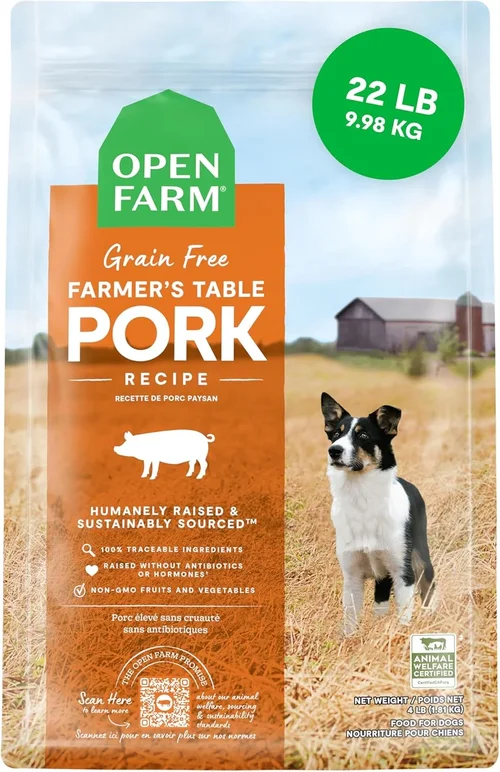
- Luxury ($7.50+/lb): Reserved for fresh, raw, or human-grade diets from companies like The Farmer’s Dog, Nom Nom, or Open Farm. These foods are minimally processed, delivered fresh, and tailored to individual dogs. While expensive, they offer maximum nutrient retention and palatability—perfect for picky eaters or those with complex health needs. Only recommended if budget allows and your dog tolerates fresh food well.
Expert Tips for Getting the Best Deal
- Buy in Bulk During Sales: Major retailers like Chewy, PetSmart, and Amazon run seasonal promotions (Black Friday, Prime Day, end-of-year clearance). Stock up on 3–6 months’ worth when prices drop—just ensure the food won’t expire before use.
- Compare Unit Prices: Don’t just look at total cost—check price per pound or per cup. A larger bag isn’t always cheaper per unit. Use online calculators or apps to compare brands side-by-side.
- Read Verified Customer Reviews: Look for reviews from owners of senior dogs with similar breeds or health conditions. Pay attention to comments about stool quality, energy levels, and coat condition—not just taste.
- Ask Your Vet for Samples: Many veterinary clinics carry sample packs of prescription or therapeutic diets. Try before you commit, especially if your dog has special needs.
- Check Return Policies: Reputable retailers allow returns if your dog refuses the food. Chewy, for example, offers full refunds on unopened bags—even if your dog won’t eat it.
- Consider Subscription Flexibility: Choose services that let you pause, skip, or cancel anytime. Avoid long-term contracts unless you’re certain about the product.
- Watch for Recalls: Sign up for FDA pet food recall alerts. Even premium brands can have issues—staying informed protects your dog.
- Don’t Overfeed: Follow feeding guidelines based on your dog’s ideal weight, not current weight. Overfeeding premium food wastes money and harms health.

Frequently Asked Questions
Q: At what age should I switch my dog to senior food?
A: Most large breeds (e.g., Labradors, German Shepherds) can transition around 7–8 years old, while small breeds (e.g., Chihuahuas, Dachshunds) may wait until 10–12. However, consult your vet—they can assess your dog’s individual health and recommend the right timing.
Q: Can I mix wet and dry senior food?
A: Absolutely! Mixing textures can enhance palatability and hydration. Just adjust portions to avoid overfeeding. For example, replace ¼ of the kibble with an equal calorie amount of wet food.
Q: Is grain-free senior food better?
A: Not necessarily. Unless your dog has a diagnosed grain allergy (rare), grains like oats or barley provide beneficial fiber and energy. The FDA has linked some grain-free diets to heart disease (DCM), so proceed with caution.
Q: How do I know if my senior dog is getting enough protein?
A: Signs of adequate protein include maintained muscle mass, healthy coat, and good energy. If your dog appears thin, lethargic, or has a dull coat, discuss protein levels with your vet.
Q: Should I avoid chicken if my dog is older?
A: No—chicken is an excellent protein source for most senior dogs. Only avoid it if your dog has a confirmed chicken allergy (symptoms include itching, ear infections, or chronic gas).
Q: Can senior dog food help with bad breath?
A: Yes, if the food includes dental-support ingredients or larger kibble designed to reduce plaque. However, persistent bad breath may indicate dental disease—schedule a vet cleaning.
Q: Is it safe to homemade senior dog food?
A: Homemade diets can work but require careful balancing to avoid deficiencies. Consult a veterinary nutritionist to formulate a complete recipe. Never rely on online “recipes” without professional input.
Q: How often should I feed my senior dog?
A: Most senior dogs do well with two smaller meals per day to aid digestion and prevent bloating. Avoid free-feeding, especially for overweight dogs.
Q: What if my senior dog won’t eat the new food?
A: Try warming it slightly, adding low-sodium broth, or mixing in a small amount of wet food. If refusal continues for more than 48 hours, consult your vet—it could signal an underlying illness.
Q: Do senior dogs need supplements in addition to food?
A: Not if they’re eating a complete, balanced senior diet. However, some dogs benefit from extra omega-3s, glucosamine, or probiotics—ask your vet before adding supplements to avoid overdosing.
Our Final Recommendations
- Best for Budget-Conscious Buyers: Purina Pro Plan Bright Mind Adult 7+ – Offers excellent brain support, real chicken as the first ingredient, and joint-friendly nutrients at under $3/lb. Widely available and vet-recommended.
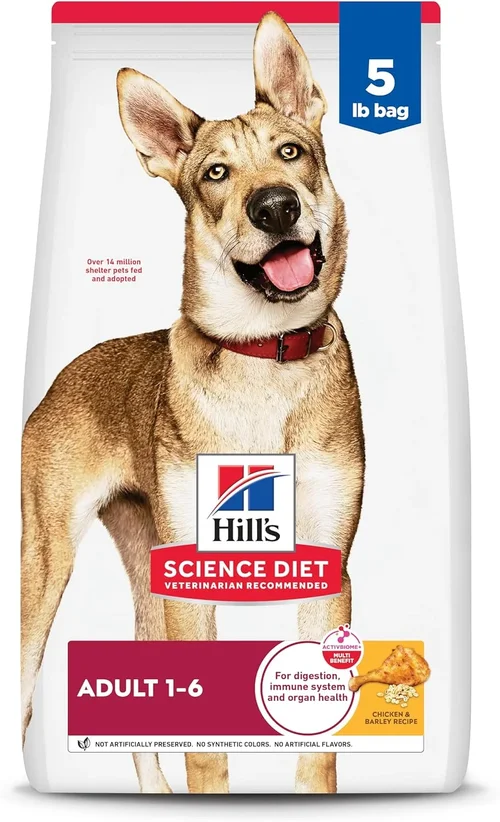
- Best Overall Value: Hill’s Science Diet Senior 7+ Chicken Meal & Barley – Scientifically formulated with high digestibility, natural fibers, and antioxidants. Trusted by veterinarians for decades and reasonably priced.
- Best Premium Option: Wellness Complete Health Senior Deboned Chicken & Oatmeal – Features deboned chicken, probiotics, glucosamine, and no artificial additives. Ideal for owners who want clean ingredients without raw food costs.
- Best for Beginners: Blue Buffalo Life Protection Formula Senior – Easy to find, affordable, and includes LifeSource Bits with vitamins and minerals. Great entry point into premium senior nutrition.
- Best for Advanced Users: The Farmer’s Dog Fresh Beef Recipe – Customized, human-grade meals delivered fresh. Perfect for tech-savvy owners willing to invest in personalized, minimally processed nutrition.
Conclusion: Making the Right Choice
Choosing the best dog food for your older dog is one of the most impactful decisions you can make for their health and happiness. It’s not just about extending their life—it’s about ensuring those extra years are filled with comfort, energy, and joy. By focusing on high-quality protein, joint support, digestive health, and brand transparency, you’re giving your senior companion the nutritional foundation they need to thrive.
Remember, every dog is unique. What works for a 10-year-old Golden Retriever may not suit a 14-year-old Pomeranian. Stay observant, consult your veterinarian regularly, and don’t be afraid to adjust as your dog’s needs evolve. And while cost is a factor, view premium nutrition as a long-term investment—one that can reduce future medical expenses and deepen the bond you share.
Armed with the insights from this guide, you’re now equipped to cut through the marketing noise and make a confident, informed choice. Your dog has given you their all—now it’s your turn to give them the best possible care in return. Start today, and watch your senior pup enjoy every moment of their golden years.