
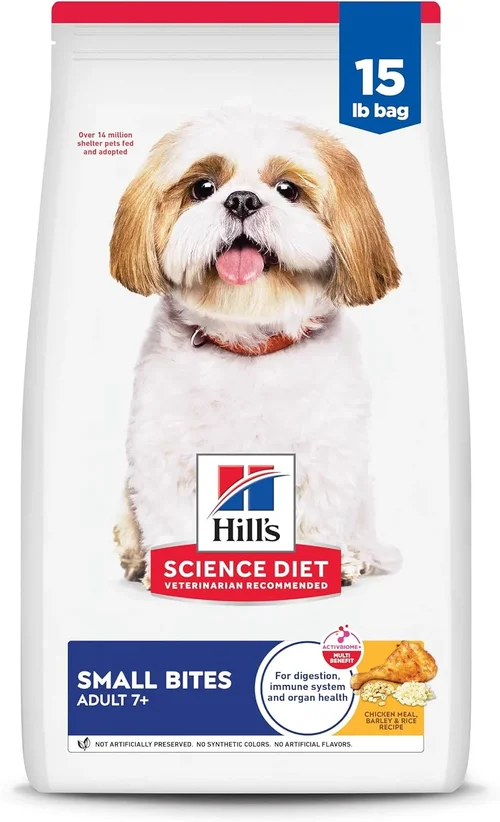
When it comes to caring for your Shih Tzu, few decisions are as impactful—or as overwhelming—as choosing the right dog food. These small, affectionate companions may look delicate, but they have specific nutritional needs that directly influence their energy levels, coat health, digestion, and overall longevity. With thousands of dog food brands flooding the market, each claiming to be “the best,” it’s easy for even the most devoted pet parent to feel lost in a sea of kibble, cans, and freeze-dried options. That’s why this comprehensive guide exists: to cut through the noise and give you expert-backed, practical advice tailored specifically to Shih Tzus.
In this guide, you’ll learn exactly what makes a high-quality dog food suitable for your Shih Tzu’s unique physiology and lifestyle. We’ll break down the critical factors you should evaluate—from ingredient quality and protein sources to kibble size and digestibility—and explain why each matters for this breed. You’ll also discover how to avoid common pitfalls like overfeeding, falling for marketing gimmicks, or choosing foods that cause allergies or digestive upset. Whether you’re a first-time Shih Tzu owner or a seasoned enthusiast looking to upgrade your pup’s diet, this guide will equip you with the knowledge to make a confident, informed choice.
The dog food market has evolved dramatically in recent years, with premium brands emphasizing transparency, whole-food ingredients, and breed-specific formulations. Yet, not all “natural” or “grain-free” labels are created equal—and some can even be harmful if not properly balanced. For Shih Tzus, who are prone to dental issues, sensitive stomachs, and skin allergies, selecting the right food isn’t just about taste; it’s about proactive health management. By the end of this article, you’ll understand how to read labels like a pro, compare brands objectively, and find a diet that supports your Shih Tzu’s vibrant personality and long-term well-being.

What to Look for When Buying Dog Food for Your Shih Tzu
1. High-Quality Protein as the First Ingredient
Protein is the cornerstone of any healthy dog diet, and for Shih Tzus, it’s especially important. As small breed dogs with relatively high metabolisms, they require easily digestible, high-biological-value protein to maintain muscle mass, support immune function, and fuel their playful energy. Look for named animal proteins—such as chicken, turkey, lamb, or salmon—listed as the very first ingredient on the label. Avoid vague terms like “meat meal” or “animal by-products,” which can indicate lower-quality or inconsistent sources.
For Shih Tzus, animal-based proteins are superior to plant-based ones because they contain all essential amino acids in the right proportions. While some plant proteins (like peas or lentils) can supplement a diet, they should never replace meat as the primary protein source. Additionally, consider whether the protein is fresh (e.g., “deboned chicken”) or rendered (e.g., “chicken meal”). Chicken meal, when sourced responsibly, is actually highly concentrated and nutritious—but always check that it’s from a named species and not a generic “poultry meal.”
2. Appropriate Kibble Size and Shape
Shih Tzus have small mouths and short muzzles, which can make chewing larger kibble difficult or uncomfortable. This isn’t just a matter of convenience—it affects dental health. Dogs who can’t chew their food properly are more likely to swallow large pieces whole, leading to poor digestion and increased risk of choking or bloat. Smaller, bite-sized kibble encourages chewing, which helps reduce plaque buildup and supports oral hygiene.
Look for kibble specifically designed for small or toy breeds. These formulas are typically under 10mm in diameter and often have a softer texture or porous structure that’s easier to break down. Some brands even offer kibble shaped like stars, hearts, or discs to promote slower eating. If your Shih Tzu tends to gulp food, consider pairing appropriately sized kibble with a slow-feeder bowl to further aid digestion and prevent overeating.
3. Limited, Digestible Carbohydrates
While dogs don’t require carbohydrates in the same way humans do, they do benefit from easily digestible carbs that provide sustained energy and support gut health. For Shih Tzus—who are prone to sensitive stomachs and food intolerances—the type and amount of carbohydrate matter greatly. Avoid fillers like corn, wheat, and soy, which are common allergens and offer little nutritional value.
Instead, opt for whole-food carbohydrates such as sweet potatoes, brown rice, oats, or quinoa. These are rich in fiber, vitamins, and minerals, and they’re less likely to cause digestive upset. Fiber is particularly important for Shih Tzus, as it supports healthy bowel movements and can help manage weight. However, too much fiber can lead to gas or loose stools, so balance is key. Aim for a food where carbs complement the protein and fat content without dominating the formula.
4. Healthy Fats for Coat and Skin Health
Shih Tzus are famous for their long, flowing coats—but maintaining that luxurious fur requires more than just regular grooming. Dietary fats, especially omega-3 and omega-6 fatty acids, play a crucial role in keeping their skin healthy and their coat shiny. Look for ingredients like chicken fat, flaxseed, chia seeds, or fish oil (particularly from salmon or sardines), which are rich in these essential fatty acids.
Avoid foods that rely on generic “vegetable oils” or excessive amounts of saturated fats. While some fat is necessary for energy and nutrient absorption, too much can lead to weight gain—a common issue in small breeds. The ideal fat content for an adult Shih Tzu is typically between 12% and 16%. Puppies and active dogs may need slightly more, while senior or less active dogs benefit from lower-fat formulas. Always check the guaranteed analysis on the packaging to ensure the fat level aligns with your dog’s life stage and activity level.
5. No Artificial Additives or Fillers
Artificial preservatives, colors, and flavors may make dog food more appealing on the shelf—but they offer zero nutritional benefit and can trigger allergies or behavioral issues in sensitive dogs like Shih Tzus. Common culprits include BHA, BHT, ethoxyquin, and propylene glycol, which have been linked to health concerns in long-term studies.
Instead, choose foods preserved naturally with mixed tocopherols (a form of vitamin E) or rosemary extract. Similarly, avoid foods with artificial dyes like Red 40 or Blue 2, which serve no purpose other than visual appeal. Fillers such as corn gluten meal, brewers rice, or cellulose should also be avoided—they’re often used to bulk up kibble cheaply and can contribute to weight gain or digestive issues. A clean ingredient list with recognizable, whole-food components is a strong indicator of a high-quality formula.
6. Breed-Specific or Small Breed Formulation
Not all dog foods are created equal—even among those labeled “complete and balanced.” Shih Tzus have unique needs compared to larger breeds, including higher calorie density per bite, dental support, and ingredients that address common health concerns like tear staining and skin fold infections. Many premium brands now offer formulas specifically tailored for small or toy breeds, which take these factors into account.
These specialized diets often include added L-carnitine to support metabolism, prebiotics for gut health, and ingredients like cranberry extract for urinary tract support. Some even incorporate enzymes or probiotics to enhance digestion. While you don’t necessarily need to buy a “Shih Tzu-specific” food, choosing a reputable small breed formula is a smart move. It ensures the nutritional profile is optimized for your dog’s size, energy needs, and common health risks.
7. Transparency and Brand Reputation
In an industry where marketing often overshadows science, brand transparency is a powerful indicator of quality. Reputable companies openly share information about their sourcing, manufacturing processes, and quality control measures. They’re also willing to answer questions about ingredient origins, testing protocols, and recalls.
Look for brands that conduct AAFCO (Association of American Feed Control Officials) feeding trials—not just formulate to meet nutrient profiles. Feeding trials involve real dogs eating the food over time, providing stronger evidence of digestibility and nutritional adequacy. Additionally, check if the brand manufactures its own food or uses third-party co-packers. In-house production often allows for stricter quality control. Reading third-party reviews, checking for recalls on the FDA website, and consulting your veterinarian can also help you assess a brand’s trustworthiness.
8. Life Stage and Health Considerations
Your Shih Tzu’s nutritional needs will change throughout their life. Puppies require higher levels of protein, fat, and calories to support rapid growth, while senior dogs benefit from joint-supporting ingredients like glucosamine and lower-calorie formulas to prevent obesity. Dogs with specific health issues—such as kidney disease, allergies, or dental problems—may need therapeutic or prescription diets.
Always choose a food that matches your dog’s life stage: puppy, adult, or senior. If your Shih Tzu has diagnosed health conditions, consult your vet before making any dietary changes. Even within the same life stage, individual dogs vary in activity level, metabolism, and tolerance. Some may thrive on grain-free diets, while others do better with grains. Pay attention to your dog’s energy, coat condition, stool quality, and weight, and adjust as needed. A food that works for one Shih Tzu may not suit another—even within the same household.
Different Types of Dog Food for Shih Tzus

Common Buying Mistakes to Avoid
❌ Mistake: Choosing Based Solely on Price
Why it’s bad: While budget is important, the cheapest dog food often contains low-quality proteins, fillers, and artificial additives that can lead to health problems over time. Shih Tzus are prone to allergies, obesity, and dental issues—conditions that can be exacerbated by poor nutrition. Spending a little more on high-quality food can save hundreds in vet bills down the line.
What to do instead: Focus on value, not just cost. Compare price per pound or per serving, and consider the long-term health benefits of premium ingredients. Look for sales, subscription discounts, or bulk-buy options from reputable brands to stretch your budget without compromising quality.
❌ Mistake: Falling for Marketing Buzzwords
Why it’s bad: Terms like “natural,” “holistic,” “grain-free,” or “superfood” are not regulated by the FDA and can be used misleadingly. A food labeled “grain-free” might still contain high levels of potatoes or legumes, which can contribute to heart issues in some dogs. Similarly, “natural” doesn’t guarantee safety or nutritional adequacy.
What to do instead: Read the ingredient list and guaranteed analysis, not just the front label. Prioritize named proteins, whole-food carbs, and recognizable ingredients. Use resources like the Dog Food Advisor or consult your vet to verify claims.
❌ Mistake: Ignoring Kibble Size and Texture
Why it’s bad: Large or hard kibble can be difficult for Shih Tzus to chew, leading to poor digestion, choking hazards, and dental problems. Dogs who swallow food whole miss out on the mechanical cleaning action of chewing, which helps reduce tartar buildup.
What to do instead: Choose small-breed kibble designed for tiny mouths. If your dog struggles with dry food, consider mixing in wet food or soaking kibble in warm water to soften it.
❌ Mistake: Overfeeding or Free-Feeding
Why it’s bad: Shih Tzus are small but love to eat, and overfeeding is a leading cause of obesity in the breed. Excess weight puts strain on joints, increases diabetes risk, and shortens lifespan. Free-feeding (leaving food out all day) makes it impossible to monitor intake and can lead to picky eating.
What to do instead: Follow the feeding guidelines on the package as a starting point, then adjust based on your dog’s weight, activity level, and body condition. Use a measuring cup, feed at set times, and avoid giving too many treats.
❌ Mistake: Switching Foods Too Quickly
Why it’s bad: Sudden diet changes can cause diarrhea, vomiting, or refusal to eat. Shih Tzus have sensitive stomachs, and their digestive systems need time to adapt to new ingredients.
What to do instead: Transition gradually over 7–10 days. Start by mixing 25% new food with 75% old food, increasing the ratio every few days until fully switched. Monitor stool quality and energy levels throughout.
❌ Mistake: Neglecting Hydration
Why it’s bad: Dry food provides minimal moisture, and Shih Tzus may not drink enough water on their own. Chronic mild dehydration can lead to urinary tract issues, kidney strain, and dry skin.
What to do instead: Always provide fresh water, and consider adding wet food or broth (low-sodium, no onions/garlic) to increase moisture intake. Some owners use water fountains to encourage drinking.
❌ Mistake: Not Consulting a Veterinarian
Why it’s bad: Every dog is unique, and what works for one Shih Tzu may not suit another. Health conditions, allergies, or metabolic differences require professional guidance. Relying solely on online reviews or pet store advice can lead to inappropriate choices.
What to do instead: Schedule regular check-ups and discuss your dog’s diet with your vet. They can recommend specific brands, life-stage formulas, or therapeutic diets based on your dog’s individual needs.
Budget Guidelines: How Much Should You Spend?
Feeding your Shih Tzu doesn’t have to break the bank—but it’s important to understand what you’re getting at different price points. Here’s a realistic breakdown of what to expect across budget tiers:
- Entry-Level ($15–$25 per 10–12 lb bag): These foods often use by-product meals, corn, wheat, or soy as primary ingredients. While they meet basic AAFCO standards, they may lack high-quality proteins and contain artificial preservatives. Best for temporary use or multi-dog households, but not ideal for long-term health.
- Mid-Range ($25–$40 per 10–12 lb bag): This is the sweet spot for most Shih Tzu owners. Brands in this range typically feature named meat proteins, limited fillers, and added vitamins. Look for small-breed formulas with omega fatty acids and probiotics. Examples include Wellness Small Breed, Blue Buffalo Life Protection, and Nutro Ultra.
- Premium ($40–$60 per 10–12 lb bag): These foods prioritize human-grade ingredients, novel proteins (like duck or venison), and advanced nutrition. They often include probiotics, prebiotics, joint support, and antioxidants. Ideal for dogs with sensitivities or owners seeking optimal health. Brands like Orijen, Acana, and Taste of the Wild fall here.
- Luxury ($60+ per bag or $3+ per meal): This tier includes fresh, raw, or custom-formulated diets. While expensive, they offer maximum freshness, minimal processing, and tailored nutrition. Best for owners with the budget and commitment to invest in their dog’s long-term wellness. Examples: The Farmer’s Dog, Nom Nom, and Stella & Chewy’s freeze-dried.
Expert Tips for Getting the Best Deal
- Buy in Bulk or Subscribe: Many online retailers (like Chewy, Amazon, or brand websites) offer discounts for auto-ship subscriptions or bulk purchases. This can save 10–20% and ensure you never run out.
- Watch for Seasonal Sales: Major holidays (Black Friday, Memorial Day, Christmas) often bring significant discounts on premium dog food. Stock up during these periods if storage space allows.
- Check Local Pet Stores: Independent pet shops may offer loyalty programs, price matching, or in-store promotions not available online. They also allow you to inspect packaging and ask staff questions.
- Read Return Policies: If your Shih Tzu doesn’t like a new food or has a reaction, you’ll want the option to return it. Reputable brands and retailers usually accept unopened returns within 30 days.
- Test Small Quantities First: Before committing to a large bag, buy a small size or sample pack. This lets you assess palatability, digestion, and coat response without wasting money.
- Use Cashback and Rewards: Apps like Rakuten or credit cards with pet store rewards can add up over time. Combine these with sales for maximum savings.
- Ask Your Vet for Samples: Some clinics receive free samples from manufacturers and are happy to share them with clients. This is a great way to try premium brands risk-free.
- Join Breed-Specific Forums: Shih Tzu owner communities often share deals, recalls, and honest reviews. Members may even organize group buys for discounts.

Frequently Asked Questions
Q: Can Shih Tzus eat grain-free food?
A: Yes, but with caution. Grain-free diets are fine for most Shih Tzus, especially those with grain allergies. However, recent FDA investigations have linked certain grain-free formulas high in legumes (like peas and lentils) to dilated cardiomyopathy (DCM) in some dogs. If choosing grain-free, ensure the food is balanced and consult your vet. Grains like oats or brown rice are not harmful and can be beneficial for digestion.
Q: How much should I feed my Shih Tzu per day?
A: Most adult Shih Tzus need about 1/2 to 3/4 cup of high-quality dry food per day, divided into two meals. Puppies may require up to 1 cup, depending on age and growth rate. Always refer to the feeding guidelines on the package and adjust based on your dog’s weight, activity, and body condition. Use a measuring cup—not a mug—for accuracy.
Q: Is wet food better than dry food for Shih Tzus?
A: Not necessarily—both have pros and cons. Wet food is more palatable and hydrating, making it ideal for picky eaters or dogs with dental issues. Dry food is convenient, cost-effective, and helps reduce plaque. Many owners use a combination: dry kibble for meals and wet food as a topper or treat. The best choice depends on your dog’s preferences and health needs.
Q: How often should I change my Shih Tzu’s food?
A: There’s no need to change food regularly unless advised by your vet. Consistency is key for digestive health. Only switch if your dog shows signs of intolerance, you’re upgrading quality, or their nutritional needs change (e.g., aging, pregnancy, illness). When changing, do so gradually over 7–10 days.
Q: Can I make homemade dog food for my Shih Tzu?
A: Yes, but it requires careful planning. Homemade diets must be nutritionally balanced to prevent deficiencies. Consult a veterinary nutritionist to formulate a recipe that meets AAFCO standards. Common mistakes include too much liver, insufficient calcium, or imbalanced fats. Never feed onions, garlic, chocolate, grapes, or xylitol.
Q: What ingredients should I avoid in Shih Tzu food?
A: Avoid artificial preservatives (BHA, BHT), fillers (corn, wheat, soy), by-product meals, generic “meat” sources, and excessive salt or sugar. Also be cautious with high-legume grain-free diets. Always check for recalls and choose brands with transparent sourcing.
Q: How do I know if my Shih Tzu is allergic to their food?
A: Food allergies in dogs often manifest as itchy skin, ear infections, hot spots, or gastrointestinal issues (vomiting, diarrhea). Unlike humans, dogs rarely show respiratory symptoms. If you suspect an allergy, work with your vet to conduct an elimination diet—typically feeding a novel protein and carb for 8–12 weeks while avoiding all other foods and treats.
Q: Should I give my Shih Tzu supplements?
A: Most dogs on a balanced diet don’t need supplements. However, some may benefit from omega-3 fatty acids (for coat health), glucosamine (for joints), or probiotics (for digestion). Always consult your vet before adding supplements, as excess amounts can be harmful.
Q: Is it okay to feed my Shih Tzu table scraps?
A: Generally, no. Human food is often too rich, salty, or fatty for dogs and can lead to pancreatitis, obesity, or toxicity. Occasional plain, cooked meats (like chicken or turkey) in small amounts are safer, but treats should not exceed 10% of daily calories. Avoid bones, especially cooked ones, which can splinter.
Q: How long can I store opened dog food?
A: Dry kibble should be stored in an airtight container and used within 6 weeks of opening to prevent rancidity. Wet food must be refrigerated and consumed within 3–5 days. Always check for mold, off smells, or changes in texture before feeding.
Our Final Recommendations
- Best for Budget-Conscious Buyers: Wellness Complete Health Small Breed – Offers high-quality protein, small kibble, and added probiotics at a mid-range price. Great balance of nutrition and affordability.
- Best Overall Value: Blue Buffalo Life Protection Formula Small Breed – Features real chicken, brown rice, and LifeSource Bits with antioxidants. Widely available and trusted by veterinarians.
- Best Premium Option: Orijen Original Small Breed – Biologically appropriate with 85% animal ingredients, including fresh regional meats. Ideal for owners seeking top-tier nutrition.
- Best for Beginners: Nutro Ultra Small Breed – Easy to find, gentle on stomachs, and made with non-GMO ingredients. A reliable choice for new Shih Tzu owners.
- Best for Advanced Users: The Farmer’s Dog – Fresh, human-grade meals delivered to your door. Customized to your dog’s profile and backed by veterinary nutritionists. Perfect for those willing to invest in cutting-edge nutrition.
Conclusion: Making the Right Choice
Choosing the best dog food for your Shih Tzu is one of the most important decisions you’ll make as a pet parent. It’s not just about filling their bowl—it’s about supporting their health, happiness, and longevity. From high-quality proteins and appropriate kibble size to avoiding harmful additives and understanding your dog’s unique needs, every detail matters. While the market offers endless options, the right food will align with your Shih Tzu’s life stage, health status, and personal preferences.
Remember, there’s no one-size-fits-all solution. What works for your neighbor’s Shih Tzu might not suit yours. Stay observant, read labels carefully, and don’t hesitate to consult your veterinarian. Invest in nutrition today, and you’ll reap the rewards in a vibrant, energetic companion for years to come. Whether you choose a trusted mid-range brand or splurge on a premium fresh diet, the key is consistency, quality, and love. Your Shih Tzu deserves nothing less.