
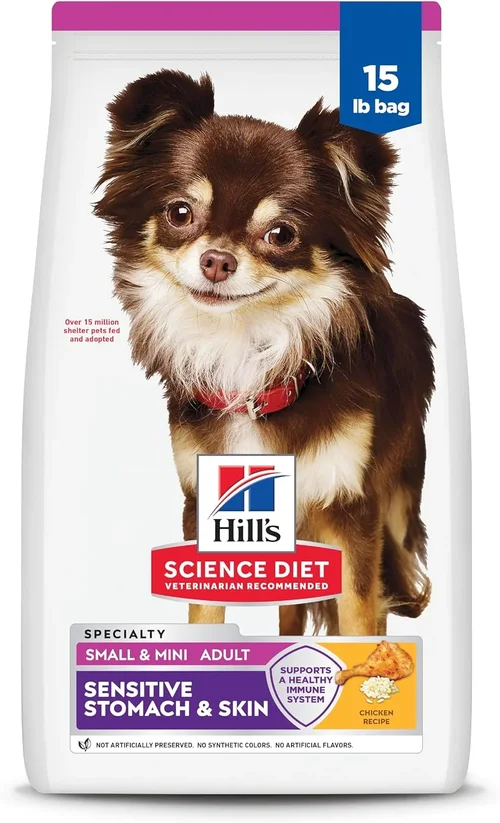
When it comes to feeding your small breed dog, the choices can feel overwhelming. With hundreds of brands lining pet store shelves and endless online reviews to sift through, how do you know which food is truly the best for your pint-sized companion? The truth is, small dogs have unique nutritional needs that differ significantly from their larger counterparts. Their faster metabolisms, higher energy requirements, and smaller mouths mean they need specially formulated diets that support their health without overwhelming their tiny systems. Choosing the right food isn’t just about convenience—it’s about longevity, vitality, and preventing costly health issues down the road.
This comprehensive guide is designed to cut through the noise and help you make an informed, confident decision. Whether you’re a first-time pet parent or a seasoned dog owner looking to upgrade your pup’s diet, you’ll learn exactly what to look for in high-quality small breed dog food. We’ll break down the science behind nutrition, compare top brands, highlight common pitfalls, and provide expert-backed recommendations tailored to your budget and lifestyle. By the end of this article, you’ll have a clear roadmap to selecting a food that keeps your small dog healthy, happy, and thriving for years to come.
The market for small breed dog food has exploded in recent years, driven by rising pet ownership and growing awareness of species-specific nutrition. Premium brands now offer grain-free, high-protein, and even fresh-cooked options, while budget-friendly alternatives promise “complete and balanced” formulas at a fraction of the cost. But not all labels are created equal—some use misleading marketing terms like “natural” or “premium” without meeting actual nutritional standards. That’s why understanding ingredient quality, caloric density, kibble size, and life stage appropriateness is crucial. This guide will equip you with the knowledge to decode labels, compare brands objectively, and choose a food that delivers real value—not just flashy packaging.

What to Look for When Buying Dog Food for Small Breeds
1. High-Quality Protein as the First Ingredient
Protein is the cornerstone of any healthy dog diet, but it’s especially critical for small breeds. These energetic pups burn calories at a much faster rate than larger dogs due to their elevated metabolic rates—sometimes up to twice as fast! This means they need more protein per pound of body weight to maintain muscle mass, support immune function, and fuel their daily activities. Look for named animal proteins like “chicken,” “turkey,” “salmon,” or “lamb” listed as the very first ingredient. Avoid vague terms like “meat meal” or “poultry by-product meal,” which can include low-quality or inconsistent sources.
High-quality protein should come from whole meats or meat meals that specify the animal source (e.g., “chicken meal” vs. “animal meal”). Ideally, the protein content should be between 25% and 35% on a dry matter basis for adult small breeds. Puppies may require even higher levels—up to 30%–40%—to support rapid growth. Don’t be fooled by high protein percentages if the source is plant-based (like pea protein); dogs are primarily carnivorous and absorb animal proteins far more efficiently.
2. Appropriate Kibble Size and Shape
One of the most overlooked yet essential factors for small breed dogs is kibble size. Tiny mouths and short snouts make it difficult for small dogs to chew large or awkwardly shaped kibble. If the pieces are too big, they may swallow chunks whole, increasing the risk of choking or digestive upset. Conversely, if the kibble is too small or crumbly, it may not provide enough chewing resistance to help reduce plaque buildup—a common issue in small breeds prone to dental disease.
Look for kibble specifically labeled “small breed” or “miniature.” These are typically designed with smaller diameters (around 8–10mm) and textured surfaces to encourage chewing. Some brands even offer uniquely shaped kibble—like ridges or grooves—that help scrape teeth clean as your dog eats. Brands such as Royal Canin and Hill’s Science Diet are known for their precision-formulated kibble sizes tailored to small jaws. Always check the product description or packaging for kibble dimensions if you’re unsure.
3. Caloric Density and Portion Control
Small breed dogs don’t eat much—but they still need a lot of energy. Because of their high metabolism, they require calorie-dense foods that deliver maximum nutrition in minimal volume. A 10-pound Chihuahua might only eat ¾ to 1 cup of food per day, yet that small amount must fuel their entire day. Low-calorie or filler-heavy diets force owners to overfeed to meet energy needs, which can lead to obesity—a serious concern for small dogs whose joints and hearts are under constant strain.
Check the caloric content listed on the label, usually expressed as kilocalories per cup (kcal/cup). Ideal small breed formulas range from 400 to 500 kcal/cup. This ensures your dog gets enough energy without overeating. Additionally, precise portion control is easier with calorie-dense food, helping you avoid accidental weight gain. Use a measuring cup—never guess—and adjust portions based on your dog’s activity level and body condition score (a vet can help assess this).
4. Healthy Fats for Skin, Coat, and Brain Health
Fats are another vital component of small breed nutrition, providing concentrated energy and supporting vital functions. Omega-3 and omega-6 fatty acids are particularly important for maintaining a shiny coat, reducing inflammation, and supporting cognitive development—especially in puppies and senior dogs. Look for named fat sources like “chicken fat,” “salmon oil,” or “flaxseed oil” rather than generic “animal fat.”
The ideal fat content for small breeds is between 15% and 20% on a dry matter basis. Avoid foods with excessive fat, which can contribute to pancreatitis—a dangerous condition more common in small breeds like Miniature Schnauzers and Yorkshire Terriers. Also, be cautious of foods listing multiple vegetable oils (like corn oil or soybean oil) as primary fat sources; these are often cheaper fillers with lower bioavailability than animal-based fats.
5. Limited, Digestible Carbohydrates
While dogs don’t require carbohydrates, they can be a useful source of energy and fiber when sourced properly. For small breeds, easily digestible carbs like sweet potatoes, brown rice, oats, or peas are preferable over corn, wheat, or soy—common allergens and fillers that offer little nutritional value. Excessive or low-quality carbs can lead to weight gain, blood sugar spikes, and digestive issues in sensitive small dogs.
Grain-free options are popular, but they’re not always necessary—and in some cases, may even pose risks. The FDA has investigated a potential link between certain grain-free diets (especially those high in legumes like lentils and peas) and dilated cardiomyopathy (DCM) in dogs. Unless your dog has a diagnosed grain allergy, whole grains like quinoa or barley can be excellent, affordable carbohydrate sources. Always prioritize digestibility and moderation over trendy labels.
6. Life Stage and Health-Specific Formulas
Not all small breed dogs have the same nutritional needs. Puppies, adults, and seniors require different balances of protein, fat, calcium, and other nutrients. Feeding an adult formula to a growing puppy can stunt development, while senior food may lack the energy a young, active terrier needs. Many top brands offer life-stage-specific lines (e.g., “Small Breed Puppy,” “Adult Maintenance,” “Senior 7+”) designed to match these evolving requirements.
Additionally, some small breeds are prone to specific health issues—like dental disease, urinary crystals, or joint problems—that can be managed through diet. For example, Hill’s Prescription Diet offers formulas for urinary health, while Purina Pro Plan includes glucosamine for joint support. If your dog has a known condition, consult your veterinarian before switching foods. Even without health issues, choosing a formula aligned with your dog’s age and activity level ensures optimal nutrition.
7. Brand Transparency and Safety Standards
Not all dog food brands are created equal when it comes to sourcing, manufacturing, and testing. Reputable companies conduct regular nutritional analyses, employ veterinary nutritionists, and follow AAFCO (Association of American Feed Control Officials) guidelines. They also provide clear information about ingredient sourcing, manufacturing locations, and recall history. Avoid brands that are vague about where their food is made or use excessive synthetic additives.
Look for brands that perform feeding trials—not just laboratory analysis—to verify their food meets nutritional claims. Companies like Royal Canin, Hill’s Science Diet, and Wellness conduct extensive trials with real dogs to ensure digestibility and palatability. Also, check for third-party certifications like NSF or USDA Organic if you prioritize transparency. A trustworthy brand will have nothing to hide about its process.
8. Palatability and Digestibility
Even the most nutritious food is useless if your dog won’t eat it. Small breeds can be notoriously picky eaters, so palatability is a key consideration. High-quality fats, real meat, and natural flavor enhancers (like broth or yeast extract) improve taste without relying on artificial additives. Some brands offer “rotisserie” or “slow-cooked” styles that mimic homemade meals, which many small dogs find irresistible.
Digestibility matters just as much. A food that causes gas, loose stools, or frequent vomiting isn’t doing your dog any favors—even if the ingredients look great on paper. Highly digestible foods mean more nutrients are absorbed and less waste is produced. Look for brands that list digestibility percentages (often found in technical sheets or vet resources). A digestibility rate above 80% is considered excellent.
Different Types of Dog Food for Small Breeds

Common Buying Mistakes to Avoid
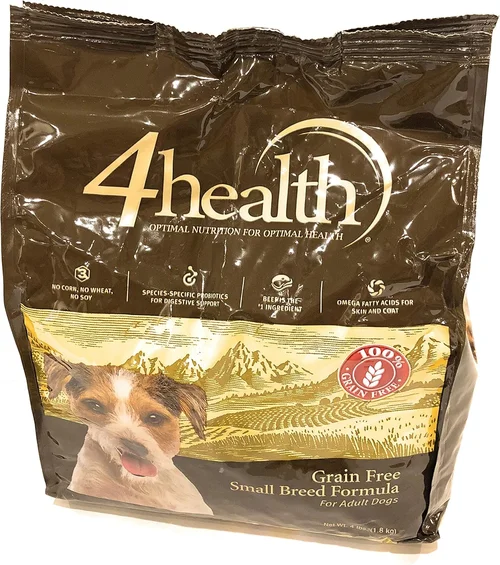
❌ Mistake: Choosing Based Solely on Price
Why it’s bad: Cheap dog food often relies on fillers, by-products, and artificial preservatives to cut costs. These ingredients provide little nutritional value and can lead to obesity, allergies, or digestive issues over time. A lower upfront cost may result in higher vet bills later.
What to do instead: Focus on value, not just price. Calculate cost per pound and per serving, and compare ingredient quality. A mid-range food with real meat and no fillers often costs less in the long run than frequent vet visits.
❌ Mistake: Ignoring Kibble Size
Why it’s bad: Large kibble forces small dogs to gulp food, increasing the risk of choking, bloating, or poor digestion. It also reduces chewing, which is essential for dental health.
What to do instead: Always choose kibble labeled for small breeds. If your dog struggles to chew, consider mixing in a bit of wet food or soaking kibble in warm water to soften it.
❌ Mistake: Overfeeding Due to Misreading Labels
Why it’s bad: Feeding guidelines on bags are estimates. Overfeeding—even with premium food—leads to obesity, joint stress, and reduced lifespan in small dogs.
What to do instead: Use a measuring cup, weigh your dog monthly, and adjust portions based on body condition. Consult your vet if you’re unsure about ideal weight.
❌ Mistake: Switching Foods Too Quickly
Why it’s bad: Sudden diet changes can cause diarrhea, vomiting, or refusal to eat. Small breeds often have sensitive stomachs and need time to adapt.
What to do instead: Transition over 7–10 days by gradually mixing the new food with the old, increasing the ratio each day. Monitor for digestive upset.
❌ Mistake: Falling for Marketing Buzzwords
Why it’s bad: Terms like “natural,” “holistic,” or “premium” aren’t regulated. A food labeled “grain-free” might still contain low-quality proteins or excessive legumes linked to heart disease.
What to do instead: Read the ingredient list and guaranteed analysis. Look for AAFCO statements and feeding trial data. Ignore flashy packaging.
❌ Mistake: Neglecting Hydration
Why it’s bad: Small dogs on dry food only may not drink enough water, increasing the risk of urinary tract infections or kidney stones—common in breeds like Shih Tzus and Lhasa Apsos.
What to do instead: Add warm water or low-sodium broth to kibble, or incorporate wet food into their diet. Always provide fresh water.
❌ Mistake: Not Consulting a Veterinarian
Why it’s bad: Every dog is unique. What works for one Chihuahua may not suit another with a sensitive stomach or food allergy.
What to do instead: Schedule a nutrition consult with your vet, especially when switching foods or if your dog has health issues. They can recommend brands and formulas tailored to your dog’s needs.
Budget Guidelines: How Much Should You Spend?
Feeding your small breed dog doesn’t have to break the bank—but it shouldn’t be an afterthought either. The cost of dog food varies widely based on ingredients, manufacturing processes, and brand reputation. Here’s a realistic breakdown to help you budget wisely:
- Entry-Level ($1.00–$1.75/lb): These foods often contain by-products, corn, soy, and artificial preservatives. While they meet basic AAFCO standards, they lack high-quality proteins and may contribute to long-term health issues. Best for temporary use or multi-dog households on tight budgets—but not ideal for daily feeding.
- Mid-Range ($1.75–$3.00/lb): This is the sweet spot for most small breed owners. Brands like Purina Pro Plan, Iams, and Blue Buffalo offer real meat as the first ingredient, balanced nutrition, and small-breed-specific formulas. You get excellent value without overspending.
- Premium ($3.00–$5.00/lb): These foods use human-grade ingredients, novel proteins (like duck or venison), and minimal processing. Brands such as Wellness, Taste of the Wild, and Orijen fall here. Ideal for dogs with allergies, picky eaters, or owners who prioritize ingredient quality.
- Luxury ($5.00+/lb): Includes fresh, raw, or custom-formulated diets from companies like The Farmer’s Dog, Nom Nom, or Stella & Chewy’s. These offer the highest nutrient density and palatability but require refrigeration and come with a steep price tag. Best for dedicated pet parents willing to invest in top-tier nutrition.
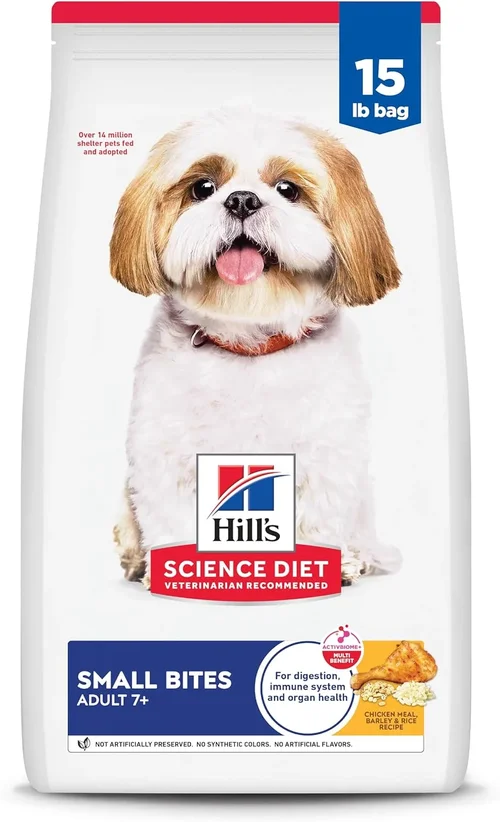
Expert Tips for Getting the Best Deal
- Shop During Sales Cycles: Pet food brands often run promotions in January (post-holiday), April (National Pet Month), and November (Black Friday). Sign up for newsletters to get early access to discounts.
- Use Subscription Services: Companies like Chewy, Amazon Subscribe & Save, and The Farmer’s Dog offer 5%–15% off recurring orders. You save money and never run out.
- Compare Unit Prices: Don’t just look at the total cost—check price per pound or per kcal. A smaller bag may seem cheaper but cost more per serving.
- Buy Direct from Manufacturers: Brands like Hill’s and Royal Canin often offer rebates, free samples, or loyalty programs when you purchase directly or through your vet.
- Check Return Policies: If your dog refuses the food, you want the option to return it. Most reputable retailers allow returns within 30 days if the bag is unopened or partially used.
- Ask for Samples: Many vets and pet stores provide free samples. Try a small amount before committing to a full bag.
- Monitor Your Dog’s Response: Keep a food journal noting energy levels, coat condition, stool quality, and appetite. This helps you assess whether the food is truly working.
- Don’t Overlook Store Brands: Some pet store private labels (like Petco’s WholeHearted or Chewy’s Tylee’s) offer high-quality ingredients at lower prices than name brands.

Frequently Asked Questions
Q: Can I feed my small breed dog large breed food?
A: It’s not recommended. Large breed formulas are lower in calories and fat to prevent rapid growth, which can leave small dogs undernourished. They also have larger kibble that’s hard for small jaws to manage.
Q: How often should I feed my small breed dog?
A: Most small dogs do best with two meals per day to maintain stable blood sugar and prevent hypoglycemia (low blood sugar), which is common in tiny breeds like Chihuahuas and Toy Poodles.
Q: Is grain-free food better for small breeds?
A: Not necessarily. Unless your dog has a diagnosed grain allergy, whole grains can be a healthy part of their diet. Recent studies suggest some grain-free diets may increase the risk of heart disease, so consult your vet before switching.
Q: Can I mix wet and dry food?
A: Absolutely! Many owners combine both for variety, hydration, and enhanced palatability. Just adjust portions to avoid overfeeding—wet food is less calorie-dense than dry.
Q: How do I know if my dog is overweight?
A: You should be able to feel—but not see—your dog’s ribs. There should be a visible waist when viewed from above. If you can’t feel the ribs or see a tuck in the abdomen, your dog may be overweight.
Q: Should I switch foods as my dog ages?
A: Yes. Senior small breeds (typically 7+ years) benefit from lower-calorie, joint-supportive formulas with added glucosamine and antioxidants. Puppies need higher protein and fat for growth.
Q: Are raw diets safe for small dogs?
A: Raw diets carry risks like bacterial contamination and nutritional imbalances if not properly formulated. If you choose raw, opt for commercially prepared, balanced options and handle with care.
Q: What if my dog has food allergies?
A: Common signs include itching, ear infections, and digestive issues. Work with your vet to identify triggers and consider limited-ingredient or hypoallergenic diets with novel proteins like duck or kangaroo.
Q: Can I make homemade dog food?
A: Yes, but it’s challenging to balance nutrients without a veterinary nutritionist’s guidance. Homemade diets often lack essential vitamins and minerals, leading to deficiencies over time.
Q: How long can I store opened dog food?
A: Dry kibble lasts 6–8 weeks in an airtight container. Wet food should be refrigerated and used within 3–5 days. Always check for mold or rancid smells.
Our Final Recommendations
- Best for Budget-Conscious Buyers: Purina Pro Plan Small Breed Formula – Offers real chicken, small kibble, and balanced nutrition at an affordable price. Widely available and vet-recommended.
- Best Overall Value: Blue Buffalo Life Protection Small Breed – Features deboned chicken, brown rice, and LifeSource Bits with antioxidants. Excellent ingredient quality for the price.
- Best Premium Option: Wellness CORE Grain-Free Small Breed – High-protein, grain-free, and packed with probiotics and omega fatty acids. Ideal for active or sensitive small dogs.
- Best for Beginners: Hill’s Science Diet Small Paws Adult – Scientifically formulated, easy to digest, and trusted by veterinarians. Great for first-time owners seeking reliability.
- Best for Advanced Users: The Farmer’s Dog Fresh Food – Customized, human-grade meals delivered to your door. Perfect for owners who want maximum control over ingredients and freshness.
Conclusion: Making the Right Choice
Choosing the best dog food for your small breed is one of the most important decisions you’ll make as a pet parent. It impacts everything from their energy levels and coat shine to their long-term health and lifespan. While the market offers endless options, the key is to focus on quality over trends, science over marketing, and your dog’s individual needs over generic advice.
Remember, the best food is one that your dog enjoys eating, digests well, and supports their unique physiology. Don’t be afraid to experiment—within reason—and always consult your veterinarian when in doubt. Whether you opt for a trusted mid-range brand or invest in a premium fresh diet, what matters most is consistency, balance, and love.
Your small dog may be tiny, but their nutritional needs are mighty. With the knowledge from this guide, you’re now equipped to make a confident, informed choice that sets them up for a vibrant, healthy life. Start reading those labels, measuring those portions, and watching your pup thrive—one perfectly sized kibble at a time.