
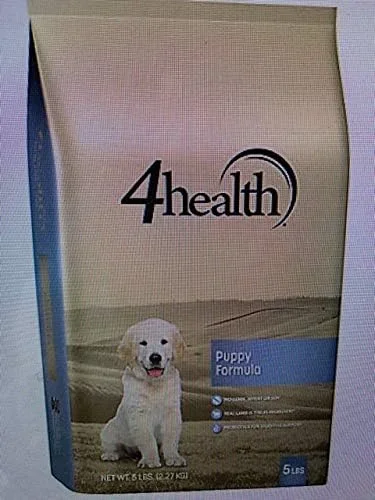
Welcoming a puppy into your home is one of life’s most joyful experiences. Their boundless energy, curious eyes, and wagging tails quickly turn them into cherished family members. But with that joy comes great responsibility—especially when it comes to their nutrition. Puppies aren’t just small dogs; they’re rapidly growing, developing bodies that require precise nutrients in the right balance to support healthy bones, strong immune systems, sharp brains, and vibrant coats. Choosing the right dry dog food isn’t just about filling their bowl—it’s about laying the foundation for a long, healthy, and happy life.
That’s why this comprehensive buying guide exists. Whether you’re a first-time pet parent or adding another furry friend to your pack, navigating the overwhelming world of puppy food can be daunting. The market is flooded with options—from budget-friendly kibble to premium formulas boasting “human-grade” ingredients and “vet-recommended” labels. But not all puppy foods are created equal. Some may lack essential nutrients, while others might contain fillers, artificial additives, or excessive calories that could harm your pup’s development. In this guide, we’ll cut through the noise, debunk marketing myths, and give you the expert-backed knowledge you need to make an informed decision.
By the end of this article, you’ll understand exactly what makes a high-quality puppy food, how to read labels like a pro, which brands consistently deliver on nutrition and safety, and how to match your choice to your puppy’s breed, size, and lifestyle. We’ll cover everything from ingredient quality and AAFCO compliance to budget considerations and common pitfalls. Whether you’re feeding a tiny Chihuahua or a future Great Dane, this guide will empower you to choose the best dry dog food for your puppy in 2026—and beyond.

What to Look for When Buying Buying Guide
1. AAFCO Nutritional Adequacy Statement
The Association of American Feed Control Officials (AAFCO) sets the gold standard for pet food nutrition in the U.S. Look for a statement on the packaging that says the food is “formulated to meet the nutritional levels established by the AAFCO Dog Food Nutrient Profiles for Growth” or “for all life stages.” This ensures the food contains the right balance of protein, fat, calcium, phosphorus, and other critical nutrients for puppies. Avoid foods that only say “for adult maintenance”—they won’t support your puppy’s rapid growth.
2. High-Quality Animal Protein as the First Ingredient
Puppies need more protein than adult dogs—typically 22–32% depending on breed size. The first ingredient should be a named animal source like “chicken,” “salmon,” or “lamb,” not vague terms like “meat meal” or “poultry by-product.” Whole meats provide complete amino acids essential for muscle development, immune function, and energy. Look for meals (e.g., “chicken meal”) too—they’re concentrated protein sources with moisture removed, making them highly nutritious.
3. Appropriate Fat Content for Energy and Coat Health
Fat is a concentrated energy source for active puppies and supports brain development and a shiny coat. Aim for at least 8–20% fat content. Sources like chicken fat, salmon oil, or flaxseed are ideal because they provide omega-3 and omega-6 fatty acids. Avoid foods listing generic “animal fat” or excessive plant oils without clear sourcing—these may lack nutritional value or stability.
4. Balanced Calcium-to-Phosphorus Ratio
This is especially crucial for large and giant breed puppies. Too much calcium can lead to skeletal abnormalities like hip dysplasia. The ideal Ca:P ratio is between 1:1 and 1.8:1. Large-breed puppy formulas often have slightly lower calcium levels to support controlled growth. Always check the guaranteed analysis on the label—don’t assume all “puppy” foods are safe for big breeds.
5. DHA for Brain and Vision Development
Docosahexaenoic acid (DHA) is an omega-3 fatty acid found in mother’s milk and critical for cognitive and retinal development. Many premium puppy foods add DHA from sources like fish oil, algae, or egg yolks. Puppies fed DHA-enriched diets often show better trainability and problem-solving skills. If your puppy’s food doesn’t list DHA, consider it a red flag.
6. Digestibility and Gut Health Support
A puppy’s digestive system is still maturing, so highly digestible ingredients reduce the risk of upset stomachs, gas, and loose stools. Look for prebiotics (like FOS and MOS), probiotics, and easily digestible carbs such as sweet potatoes or oatmeal. Avoid excessive corn, soy, or wheat—common fillers that can cause allergies or poor digestion in sensitive pups.
7. Breed-Specific Formulations
Small, medium, and large breeds have different nutritional needs. Small breeds burn calories faster and may benefit from smaller kibble and higher fat content. Large breeds need controlled calorie density and joint-supporting nutrients like glucosamine. Some brands offer breed-specific lines (e.g., “Large Breed Puppy” or “Toy Puppy”)—these can be excellent choices if tailored to your dog’s expected adult size.
8. Transparency and Brand Reputation
Choose brands that are transparent about sourcing, manufacturing, and testing. Reputable companies conduct feeding trials, publish ingredient origins, and avoid artificial preservatives (like BHA, BHT, or ethoxyquin). Look for brands with a history of recalls or vague labeling—these are warning signs. Independent reviews, vet recommendations, and third-party certifications (like NSF or USDA Organic) add credibility.
Different Types of Buying Guide

Common Buying Mistakes to Avoid
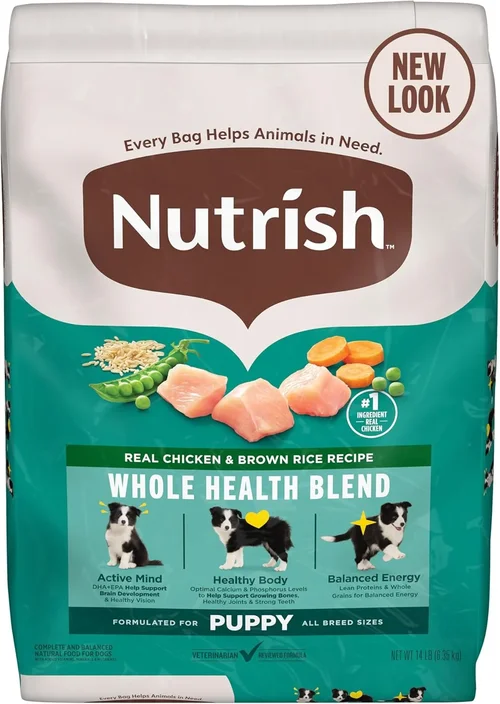
❌ Mistake: Choosing Based Solely on Price
Why it’s bad: Cheap puppy foods often use low-quality proteins, fillers like corn and soy, and artificial preservatives. These can lead to poor growth, digestive issues, and long-term health problems. Saving a few dollars now may cost hundreds in vet bills later.
What to do instead: Focus on value, not just cost. Compare price per pound and ingredient quality. A mid-range food with real meat and no fillers is often a better investment than the cheapest option.
❌ Mistake: Ignoring Breed Size
Why it’s bad: Feeding a large-breed puppy a standard high-calorie formula can cause rapid growth, increasing the risk of joint disorders. Conversely, small breeds may not get enough energy from large-breed formulas.
What to do instead: Match the food to your puppy’s expected adult size. Use breed-specific formulas when available, and consult your vet if unsure.
❌ Mistake: Overlooking the Ingredient List
Why it’s bad: Ingredients are listed by weight. If the first few items are grains, by-products, or unnamed meats, the food lacks sufficient protein. Hidden sugars (like molasses or beet pulp) can also be problematic.
What to do instead: Read the label carefully. Prioritize whole meats, named meals, and recognizable ingredients. Avoid foods with long lists of chemicals or vague terms.
❌ Mistake: Switching Foods Too Quickly
Why it’s bad: Sudden changes can upset your puppy’s stomach, causing diarrhea or vomiting. Puppies have sensitive digestive systems that need time to adapt.
What to do instead: Transition gradually over 7–10 days. Start with 25% new food and 75% old, increasing the ratio every few days until fully switched.
❌ Mistake: Believing Marketing Claims
Why it’s bad: Terms like “natural,” “premium,” or “holistic” aren’t regulated. A bag may say “grain-free” but still contain low-quality proteins or excessive legumes linked to heart issues.
What to do instead: Look beyond the front label. Check the guaranteed analysis, ingredient list, and AAFCO statement. Research the brand’s reputation and recall history.
❌ Mistake: Feeding Adult Dog Food
Why it’s bad: Adult formulas lack the higher protein, fat, and calorie density puppies need. They may also have unbalanced calcium levels, risking developmental issues.
What to do instead: Always feed a food labeled for “growth” or “all life stages” until your puppy reaches adulthood (usually 12–18 months, longer for large breeds).
❌ Mistake: Not Consulting a Veterinarian
Why it’s bad: Every puppy is unique. Health conditions, allergies, or breed predispositions may require specialized diets. Relying solely on online reviews or store recommendations can miss critical needs.
What to do instead: Schedule a puppy wellness visit and discuss nutrition with your vet. They can recommend brands based on your dog’s health, size, and activity level.
Budget Guidelines: How Much Should You Spend?
- Entry-Level ($1.00–$1.80/lb): These foods meet basic AAFCO standards but often use lower-quality proteins (like poultry by-product meal) and fillers. Suitable for short-term use or multi-dog households on tight budgets, but not ideal for long-term puppy development. Examples include Purina Puppy Chow or Iams ProActive Health.
- Mid-Range ($1.80–$2.80/lb): The sweet spot for most pet owners. These foods feature real meat as the first ingredient, moderate fillers, and added DHA or probiotics. Brands like Blue Buffalo Life Protection Puppy, Wellness Complete Health Puppy, and Nutro Wholesome Essentials offer excellent nutrition without breaking the bank.
- Premium ($2.80–$4.50/lb): Designed for optimal health and performance. These formulas use human-grade ingredients, novel proteins (like duck or venison), and advanced supplements (glucosamine, chondroitin, superfoods). Ideal for show dogs, working breeds, or puppies with sensitivities. Top picks include Orijen Puppy, Acana Puppy & Junior, and Taste of the Wild High Prairie Puppy.
- Luxury ($4.50+/lb): The pinnacle of puppy nutrition. These foods often include raw-coated kibble, organic ingredients, and limited batches with full traceability. Brands like The Honest Kitchen, Stella & Chewy’s, and Open Farm offer freeze-dried or dehydrated options that mimic a raw diet. Best for owners prioritizing ingredient purity and minimal processing.
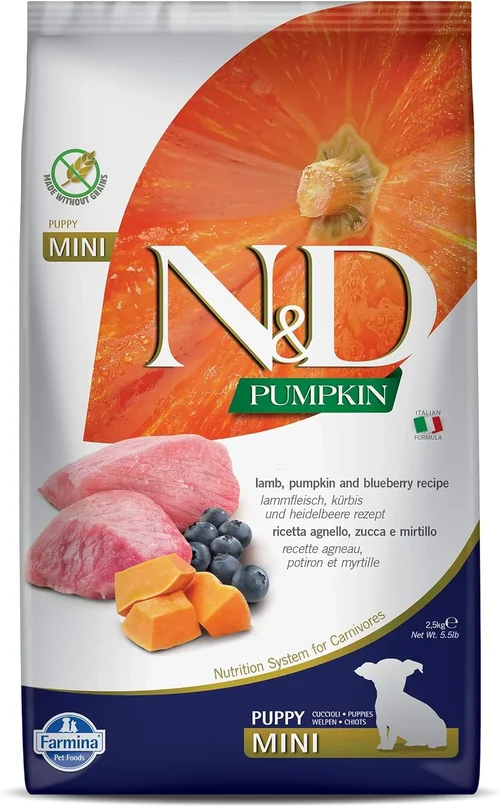
Expert Tips for Getting the Best Deal
- Shop During Seasonal Sales: Major retailers like Chewy, Petco, and Amazon offer deep discounts during holidays (e.g., Memorial Day, Labor Day, Christmas). Sign up for newsletters to get early alerts.
- Compare Online vs. In-Store: Online retailers often have lower overhead and better deals, plus auto-ship discounts (5–10% off). However, in-store pickup can save on shipping fees for heavy bags.
- Use Loyalty Programs: Stores like PetSmart, Chewy, and Walmart offer points, rewards, and exclusive coupons. Over time, these can significantly reduce costs.
- Check Manufacturer Rebates: Some brands (like Royal Canin or Hill’s) offer mail-in rebates or free samples through vet clinics. These can offset the cost of trying a new food.
- Read Return Policies: Ensure the retailer allows returns if your puppy doesn’t like the food or has an adverse reaction. Most reputable sellers offer 30-day guarantees.
- Test Small Bags First: Before committing to a 30-pound bag, buy a smaller size (4–6 lbs) to see how your puppy reacts. This minimizes waste if they refuse it or develop digestive issues.
- Consider Subscription Services: Auto-delivery programs (like Chewy’s Autoship) provide convenience and discounts. You can pause or cancel anytime, and many offer free shipping.
- Look for Bundle Deals: Some brands sell starter kits with food, treats, and toys at a discounted rate. These are great for new puppy owners.

Frequently Asked Questions
Q: How much should I feed my puppy?
A: Feeding amounts depend on age, weight, breed, and activity level. Most puppy foods provide a feeding guide on the bag based on expected adult weight. Start with the recommended amount and adjust based on body condition—your puppy should have a visible waist and palpable ribs. Overfeeding can lead to obesity and joint stress, especially in large breeds.
Q: Can I mix wet and dry food?
A: Yes! Many owners combine both for variety, hydration, and enhanced flavor. Just ensure the total daily calories from both sources align with your puppy’s needs. Use a calorie calculator or consult your vet to avoid overfeeding.
Q: Is grain-free puppy food better?
A: Not necessarily. Grain-free diets are beneficial for puppies with confirmed grain allergies, but recent FDA investigations linked certain grain-free formulas (high in legumes) to dilated cardiomyopathy (DCM). Unless your vet recommends it, a balanced grain-inclusive diet is often safer.
Q: How long should I feed puppy food?
A: Most puppies switch to adult food between 12 and 18 months. Small breeds mature faster (12 months), while large and giant breeds may need puppy food until 18–24 months. Transition gradually to avoid digestive upset.
Q: What if my puppy has food allergies?
A: Symptoms include itching, ear infections, diarrhea, or vomiting. Work with your vet to identify triggers. Hypoallergenic or limited-ingredient diets (with novel proteins like duck or salmon) can help. Avoid frequent food changes, which can worsen sensitivities.
Q: Are raw diets safe for puppies?
A: Raw diets carry risks of bacterial contamination (like Salmonella) and nutritional imbalances if not properly formulated. If you choose raw, consult a veterinary nutritionist to ensure completeness. Freeze-dried or dehydrated options are safer alternatives.
Q: Can I make homemade puppy food?
A: Yes, but it’s challenging to get the right nutrient balance. Homemade diets require precise ratios of protein, fat, calcium, and supplements. Use recipes approved by a veterinary nutritionist and avoid toxic ingredients like onions, garlic, and xylitol.
Q: What’s the difference between “chicken meal” and “chicken”?
A: “Chicken” includes water (up to 70%), so it may appear first but contribute less protein. “Chicken meal” is rendered, dehydrated chicken with most moisture removed, making it a more concentrated protein source. Both can be high-quality—look for named sources.
Q: Should I avoid foods with by-products?
A: Not all by-products are bad. Named by-products (like “chicken by-product meal”) include nutrient-rich organs like liver and kidneys. However, avoid vague terms like “meat by-products,” which can include low-quality or unspecified parts.
Q: How do I store dry puppy food?
A: Keep it in a cool, dry place in an airtight container. Don’t store it in the original bag inside the container—transfer the entire bag or pour it in. Use within 6 weeks of opening to prevent rancidity, especially in high-fat formulas.
Our Final Recommendations
- Best for Budget-Conscious Buyers: Blue Buffalo Life Protection Puppy – Offers real deboned chicken, DHA, and probiotics at a mid-range price. No artificial preservatives or fillers. Great for small to medium breeds.
- Best Overall Value: Wellness Complete Health Puppy – Balanced nutrition with deboned chicken, oatmeal, and flaxseed. Includes DHA, antioxidants, and prebiotics. Transparent sourcing and no corn, soy, or wheat.
- Best Premium Option: Orijen Puppy – Biologically appropriate with 85% animal ingredients, including fresh chicken, turkey, and fish. High protein (38%), rich in omega fatty acids, and made in small batches. Ideal for active or sensitive puppies.
- Best for Large Breeds: Royal Canin Large Breed Puppy – Specifically formulated to support controlled growth with optimal calcium levels, glucosamine, and L-carnitine. Vet-recommended and backed by extensive research.
- Best for Sensitive Stomachs: Hill’s Science Diet Puppy Sensitive Stomach & Skin – Highly digestible with prebiotic fiber, vitamin E, and omega-6 fatty acids. Gentle on digestion and supports skin health. Trusted by veterinarians worldwide.
- Best Organic Choice: Castor & Pollux Organix Puppy Recipe – USDA Organic certified with organic chicken, brown rice, and superfoods like blueberries and coconut oil. Free from antibiotics, hormones, and synthetic pesticides.
- Best Raw-Coated Option: Stella & Chewy’s Freeze-Dried Raw Puppy Patties – Made with 95% cage-free poultry and organs, gently freeze-dried to retain nutrients. Can be rehydrated or used as a topper. Excellent for picky eaters.
Conclusion: Making the Right Choice
Choosing the best dry dog food for your puppy is one of the most important decisions you’ll make as a pet parent. It’s not just about convenience or cost—it’s about providing the foundational nutrition that will shape your puppy’s health, behavior, and longevity. From understanding AAFCO standards and ingredient quality to avoiding common pitfalls and matching food to breed size, this guide has equipped you with the knowledge to navigate the complex world of puppy nutrition with confidence.
Remember, there’s no one-size-fits-all answer. What works for a Chihuahua may not suit a Great Dane. What’s perfect for a high-energy Border Collie might be excessive for a laid-back Bulldog. Prioritize transparency, balance, and your puppy’s individual needs. Don’t be swayed by flashy packaging or celebrity endorsements—look instead for real meat, clear labeling, and a brand with a proven track record of safety and quality.
Investing in a high-quality puppy food now can prevent costly health issues down the road and set your dog up for a lifetime of vitality. Whether you choose a mid-range favorite like Wellness or splurge on a premium option like Orijen, the key is consistency, observation, and regular check-ins with your veterinarian. Watch your puppy thrive—on the outside with a shiny coat and bright eyes, and on the inside with strong bones, a robust immune system, and a sharp mind.
Your puppy deserves the best start in life. With the insights from this guide, you’re now ready to make a choice that’s not just good—but truly great. Welcome to the journey of raising a healthy, happy dog.