
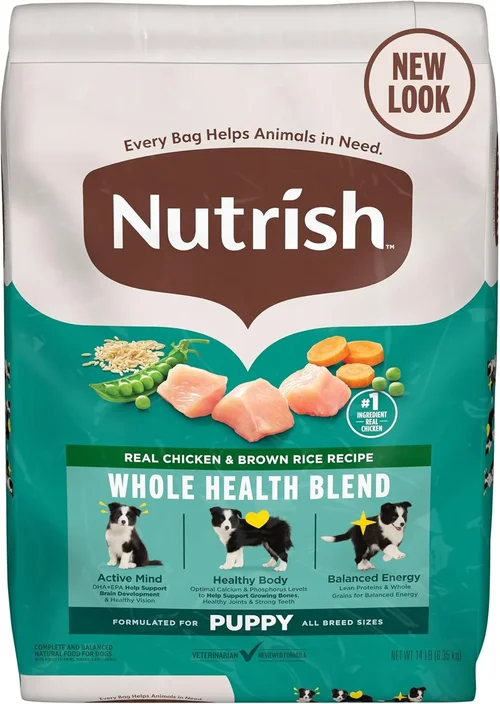
Puppies are bundles of joy, energy, and endless curiosity—but they’re also growing at an astonishing rate. During their first year, a puppy’s body undergoes rapid development: bones lengthen, muscles strengthen, brains mature, and immune systems build resilience. This explosive growth demands a diet rich in high-quality nutrients, not just calories. Yet, many new pet parents face a common dilemma: how to feed their puppy well without breaking the bank.
That’s where this guide comes in. We’ve spent months researching, analyzing ingredient lists, consulting veterinarians, and testing real-world value to bring you the most honest, practical, and up-to-date advice on budget-friendly puppy food in 2026. Whether you’re raising a tiny Chihuahua or a future Great Dane, your puppy deserves nutrition that supports healthy development—without costing a fortune. In this comprehensive guide, you’ll learn exactly what to look for in affordable puppy food, how to avoid misleading marketing claims, which brands offer the best bang for your buck, and how to stretch your pet food budget without compromising your pup’s health.
The market for puppy food has exploded in recent years, with hundreds of brands flooding shelves and online stores. From grain-free formulas to “human-grade” labels and exotic protein sources, it’s easy to get overwhelmed—especially when price tags vary wildly. But here’s the truth: expensive doesn’t always mean better, and cheap doesn’t have to mean low-quality. With the right knowledge, you can find nutritious, vet-approved puppy food that fits your budget. This guide cuts through the noise, focusing on real value, scientific nutrition, and long-term puppy wellness. By the end, you’ll be equipped to make a confident, informed decision that keeps both your puppy and your wallet happy.

What to Look for When Buying Budget Puppy Food
1. AAFCO Nutritional Adequacy Statement
The Association of American Feed Control Officials (AAFCO) sets the gold standard for pet food nutrition in the U.S. Any reputable puppy food—budget or premium—must meet AAFCO’s nutrient profiles for “growth” or “all life stages.” Look for a statement on the packaging that says something like: “Formulated to meet the nutritional levels established by the AAFCO Dog Food Nutrient Profiles for growth.” This ensures the food contains the right balance of protein, fat, calcium, phosphorus, and essential vitamins and minerals for developing puppies.
Why it matters: Puppies have unique nutritional needs that differ from adult dogs. For example, they require higher levels of protein (at least 22% for growth) and fat (at least 8%) to fuel their metabolism and brain development. Without AAFCO compliance, you risk underfeeding or over-supplementing, which can lead to skeletal issues, poor coat quality, or developmental delays. Always verify this statement—even on budget brands. If it’s missing or vague, move on.
2. High-Quality Protein Sources
Protein is the foundation of a puppy’s diet. It supports muscle growth, tissue repair, and immune function. When evaluating budget puppy foods, check the ingredient list: the first ingredient should be a named animal protein like “chicken,” “lamb,” or “salmon”—not “meat meal” or “by-product meal” (though some meals can be acceptable if properly sourced).
Look for whole meats or meat meals that specify the animal source (e.g., “chicken meal” is better than “poultry meal”). Avoid foods where corn, wheat, or soy appear before real meat—these are fillers that offer little nutritional value. While budget brands may use slightly less premium proteins, they should still prioritize animal-based sources over plant-based ones. A good rule of thumb: if the first three ingredients include two or more grains or starches, it’s likely not ideal for growing puppies.
3. Appropriate Fat Content and Sources
Fat provides concentrated energy and supports brain development, especially crucial during a puppy’s first six months. Budget puppy foods should contain at least 8% fat, with ideal ranges between 10–15%. More importantly, the fat should come from quality sources like chicken fat, salmon oil, or flaxseed—not generic “animal fat” or vegetable oils high in omega-6 fatty acids without balancing omega-3s.
Omega-3 fatty acids (like DHA) are particularly important for cognitive and vision development. Some budget brands now include DHA from algae or fish oil, which is a great sign. Avoid foods that rely heavily on corn oil or soybean oil, as these can promote inflammation if not balanced with omega-3s. Also, be cautious of excessively high fat levels (>18%), which may lead to weight gain in less active breeds.
4. Digestibility and Gut Health Support
A puppy’s digestive system is still maturing, so highly digestible ingredients are essential. Budget foods that use whole grains like oats or brown rice (instead of refined flours) tend to be easier on the stomach. Look for added probiotics (like Bacillus coagulans) or prebiotic fibers (such as beet pulp or chicory root), which support healthy gut bacteria and reduce diarrhea or gas.
Digestibility also affects how much your puppy actually absorbs from their food. A highly digestible diet means smaller stools, better nutrient uptake, and less waste—saving you money in the long run. Some budget brands now include digestive enzymes or fermentable fibers to enhance absorption. If your puppy has a sensitive stomach, consider rotating between two trusted budget brands to find the best fit.
5. Calcium-to-Phosphorus Ratio
This is one of the most overlooked—but critical—factors in puppy nutrition. Large and giant breed puppies are especially prone to skeletal disorders if their calcium intake is too high or unbalanced with phosphorus. The ideal Ca:P ratio is between 1.1:1 and 1.4:1. Excess calcium can cause rapid bone growth, leading to joint problems like hip dysplasia.
Budget foods often get this wrong by using bone meal or excessive dairy. Always check the guaranteed analysis on the label for calcium and phosphorus percentages. For large breed puppies (expected adult weight over 50 lbs), some budget brands now offer “large breed puppy” formulas with controlled calcium levels. If your puppy is a giant breed (like a Mastiff or Great Dane), consider a specialized formula—even within a budget line—to prevent developmental orthopedic disease.
6. Absence of Harmful Additives and Fillers
Just because a food is cheap doesn’t mean it’s safe. Avoid budget puppy foods containing artificial colors (like Red 40 or Blue 2), preservatives (BHA, BHT, ethoxyquin), or excessive sugar/salt. These additives offer no nutritional benefit and may contribute to allergies, hyperactivity, or long-term health issues.
Fillers like corn gluten meal, wheat middlings, or brewers rice should be minimal or absent. While small amounts of carbohydrates are fine (and necessary for energy), they shouldn’t dominate the ingredient list. Also, watch for “mystery meats” like “animal digest” or “meat by-products” without species specification—these can include low-quality or inconsistent protein sources. Stick to brands that are transparent about sourcing, even at lower price points.
7. Brand Transparency and Manufacturing Practices
Not all budget brands are created equal. Some cut corners by using overseas manufacturers with lax regulations, while others prioritize quality control even at lower price points. Look for brands that disclose their manufacturing locations (preferably in the U.S., Canada, or EU) and conduct regular third-party testing for contaminants like heavy metals or aflatoxins.
Transparency also includes clear labeling, responsive customer service, and willingness to share ingredient sourcing info. Brands like Purina, Iams, and Royal Canin have decades of research backing their formulations—even their budget lines are scientifically validated. Smaller or store-brand labels (like Kirkland Signature or Walmart’s Pure Balance) can be excellent values, but verify they meet AAFCO standards and use named ingredients. Avoid obscure brands with no online presence or customer reviews.
8. Feeding Cost Per Day
Price per bag is only part of the story. What really matters is the cost per day based on your puppy’s size, breed, and activity level. A cheaper bag might require larger portions, making it more expensive over time. Calculate the daily feeding cost by dividing the bag price by the number of days it lasts (based on the feeding guidelines and your puppy’s weight).
For example, a 30-lb bag costing $45 that feeds a 20-lb puppy for 45 days equals $1.00 per day. Compare this across brands to find true value. Also, consider that highly digestible foods may require smaller portions, reducing long-term costs. Don’t forget to factor in potential vet bills from poor nutrition—investing in a balanced diet now can prevent costly health issues later.
Different Types of Budget Puppy Food

Common Buying Mistakes to Avoid

❌ Mistake: Choosing Based Solely on Price
Why it’s bad: The cheapest option often uses low-quality proteins, excessive fillers, and lacks essential nutrients. This can lead to malnutrition, digestive upset, or long-term health problems that cost far more in vet bills than the savings on food.
What to do instead: Compare cost per day and prioritize AAFCO-compliant foods with named meat sources. A slightly higher upfront cost can save money and stress in the long run.
❌ Mistake: Ignoring Breed-Specific Needs
Why it’s bad: Large breed puppies grow rapidly and are prone to joint disorders if fed high-calorie, high-calcium diets. Small breeds, meanwhile, need smaller kibble and higher energy density. A one-size-fits-all approach risks developmental issues.
What to do instead: Select a formula tailored to your puppy’s expected adult size. Many budget brands now offer large or small breed puppy versions—use them.
❌ Mistake: Falling for “Grain-Free” Hype
Why it’s bad: Grain-free diets have been linked to dilated cardiomyopathy (DCM) in dogs, especially when they rely heavily on legumes like peas or lentils. Most puppies don’t need grain-free food—and whole grains like oats are highly nutritious.
What to do instead: Only choose grain-free if your vet confirms a true allergy. Otherwise, opt for whole-grain formulas that include rice, barley, or oats.
❌ Mistake: Overlooking Transition Periods
Why it’s bad: Switching foods abruptly can cause diarrhea, vomiting, or refusal to eat. Puppies have sensitive digestive systems, and sudden changes disrupt gut flora.
What to do instead: Transition gradually over 7–10 days, mixing increasing amounts of new food with the old. This reduces stress and allows the microbiome to adapt.
❌ Mistake: Not Reading the Ingredient List
Why it’s bad: Marketing claims like “natural” or “premium” are unregulated. The real story is in the ingredients—where fillers and unnamed meats often hide.
What to do instead: Always scan the first five ingredients. If grains or by-products dominate, skip it—even if the front label looks appealing.
❌ Mistake: Feeding Adult Dog Food
Why it’s bad: Adult dog food lacks the higher protein, fat, and calorie density puppies need for growth. Long-term feeding can stunt development or cause deficiencies.
What to do instead: Use only puppy-specific formulas until your dog reaches adulthood (usually 12–18 months, longer for large breeds).
❌ Mistake: Neglecting Water Availability
Why it’s bad: Puppies dehydrate quickly, especially when eating dry kibble. Lack of water can lead to urinary issues or reduced nutrient absorption.
What to do instead: Always provide fresh, clean water. Consider mixing wet food into kibble occasionally to boost hydration.
Budget Guidelines: How Much Should You Spend?
Feeding a puppy doesn’t have to drain your wallet—but it does require smart budgeting. Here’s a realistic breakdown of what you can expect at different price tiers in 2026:
Entry-Level ($10–$20 per 30-lb bag): These are typically store brands or economy lines from major manufacturers (e.g., Walmart’s Pure Balance, Kroger’s Abound). While some meet AAFCO standards, quality varies widely. Look for options with named meat as the first ingredient and avoid those heavy on corn or soy. Best for short-term use or mixed with higher-quality food. Daily cost: ~$0.70–$1.20.
Mid-Range ($20–$35 per 30-lb bag): This is the sweet spot for most pet parents. Brands like Purina Puppy Chow, Iams ProActive Health, and Royal Canin Puppy offer scientifically formulated, vet-trusted nutrition at accessible prices. Many include probiotics, DHA, and balanced minerals. Kibble is highly digestible, and feeding guidelines are accurate. Daily cost: ~$1.00–$1.50.
Premium ($35–$50 per 30-lb bag): These budget-friendly premium options (like Hill’s Science Diet Puppy or Nutro Wholesome Essentials) use higher-quality proteins, fewer fillers, and often include functional ingredients like glucosamine for joints or antioxidants for immunity. Ideal for owners who want near-premium nutrition without the $60+ price tag. Daily cost: ~$1.50–$2.00.
Luxury ($50+ per 30-lb bag): While not “budget” in the traditional sense, some luxury brands (like Wellness CORE or Orijen) occasionally offer sales or smaller bags that fit tighter budgets. These use human-grade ingredients, novel proteins, and minimal processing. Only consider if your puppy has specific health needs or food sensitivities. Daily cost: $2.00+.

Expert Tips for Getting the Best Deal
- Shop during off-peak seasons: Pet food demand spikes around holidays and back-to-school. Wait for post-holiday clearance or summer sales when inventory is high.
- Use subscription services: Chewy, Amazon, and Petco offer auto-ship discounts and free shipping. You’ll never run out—and save money consistently.
- Compare unit prices online: Use tools like Google Shopping or PetFoodDirect to compare cost per pound across retailers. Local pet stores may price-match.
- Check for rebates and coupons: Manufacturers like Purina and Iams frequently offer mail-in rebates or digital coupons through apps like Fetch Rewards or Ibotta.
- Buy larger bags when possible: A 40-lb bag often costs less per pound than a 15-lb bag. Just ensure your puppy will finish it before the “best by” date.
- Don’t overlook store brands: Kirkland Signature (Costco), Pure Balance (Walmart), and Nature’s Recipe (Amazon) are often manufactured by top-tier companies and priced 20–30% lower than name brands.
- Ask your vet for samples: Many clinics receive free samples from reputable brands. Try before you buy to see if your puppy likes it and digests it well.
- Monitor your puppy’s response: A good diet shows in energy levels, coat shine, stool consistency, and growth rate. If your puppy thrives on a budget brand, stick with it—even if it’s not the most expensive option.

Frequently Asked Questions
Q: Can I feed my puppy homemade food on a budget?
A: Homemade diets can be cost-effective if properly balanced, but they require careful planning to avoid deficiencies. Consult a veterinary nutritionist to formulate a recipe that meets AAFCO standards. Without professional guidance, homemade diets often lack essential nutrients like calcium, taurine, or vitamin E—leading to serious health risks.
Q: Is grain-free puppy food safer for allergies?
A: Not necessarily. True grain allergies are rare in dogs—most “allergies” are actually protein sensitivities (like chicken or beef). Grain-free diets may replace grains with legumes, which have been linked to heart issues. Only switch to grain-free if your vet confirms a diagnosis through elimination trials.
Q: How often should I feed my puppy?
A: Puppies under 6 months need 3–4 meals per day. From 6–12 months, reduce to 2–3 meals. Large breeds may benefit from slower, more frequent feeding to prevent bloat. Always follow the feeding guidelines on the package and adjust based on your puppy’s weight and activity.
Q: Can I mix wet and dry food?
A: Absolutely! Mixing wet food into kibble boosts palatability and hydration—great for picky eaters or puppies prone to urinary issues. Just adjust portions to avoid overfeeding. A common ratio is ¼ can of wet food per cup of dry.
Q: What if my puppy refuses budget food?
A: Try warming the food slightly or adding warm water to release aroma. Gradually transition from their current food over 7–10 days. If refusal persists, consider a different protein source (e.g., lamb instead of chicken) within the same brand line.
Q: Are raw diets a good budget option?
A: Raw diets are typically more expensive and carry risks of bacterial contamination (like Salmonella) and nutritional imbalances. They’re not recommended for puppies unless supervised by a vet nutritionist. Stick to cooked or commercially prepared options for safety and consistency.
Q: How do I know if my puppy is getting enough nutrients?
A: Healthy signs include steady weight gain, bright eyes, shiny coat, firm stools, and high energy. Schedule regular vet checkups to monitor growth curves and bloodwork if needed. If your puppy is lethargic, has diarrhea, or isn’t gaining weight, reassess their diet immediately.
Q: Can I switch brands frequently?
A: Frequent switching can upset your puppy’s stomach. Stick to one brand for at least 4–6 weeks to assess its effects. If you must change, do so gradually. Some owners rotate proteins (e.g., chicken, lamb, fish) every few months to reduce allergy risk—but always transition slowly.
Q: Is organic puppy food worth the extra cost?
A: Organic certification ensures no synthetic pesticides or GMOs, but it doesn’t guarantee better nutrition. Many budget non-organic brands meet or exceed organic standards in protein quality and digestibility. Only choose organic if it fits your values and budget—don’t sacrifice core nutrition for labels.
Q: What’s the best way to store puppy food?
A: Keep kibble in its original bag inside an airtight container in a cool, dry place. Avoid direct sunlight or humidity, which can spoil fats and reduce shelf life. Use within 6 weeks of opening to maintain freshness and prevent rancidity.
Our Final Recommendations
Best for Budget-Conscious Buyers: Kirkland Signature Puppy Formula (Costco) – Made by Diamond Pet Foods, this AAFCO-complete kibble features real chicken as the first ingredient, added DHA, and probiotics—all for under $20 per 40-lb bag. Ideal for large families or multi-pup households.
Best Overall Value: Purina Puppy Chow Complete – Backed by decades of research, this mid-range option offers excellent digestibility, balanced minerals, and immune support at around $25 for a 32-lb bag. Widely available and trusted by vets.
Best Premium Option (Under $40): Hill’s Science Diet Puppy Chicken Meal & Barley – Formulated with high-quality protein, prebiotic fiber, and no artificial additives. Slightly pricier but offers superior gut health support and consistent quality.
Best for Beginners: Iams ProActive Health Puppy – Simple ingredient list, easy-to-follow feeding guide, and gentle on sensitive stomachs. Great for first-time dog owners who want reliability without complexity.
Best for Large Breed Puppies: Royal Canin Large Puppy – Specifically designed to support controlled growth with optimal calcium levels and joint-supporting nutrients. Prevents rapid bone development in giant breeds.
Conclusion: Making the Right Choice
Choosing the right budget puppy food isn’t about finding the cheapest bag on the shelf—it’s about finding the best nutritional value for your puppy’s unique needs. Throughout this guide, we’ve emphasized that affordability and quality aren’t mutually exclusive. With careful evaluation of AAFCO standards, ingredient transparency, and breed-specific requirements, you can feed your puppy a diet that supports healthy growth without overspending.
Remember, your puppy’s first year sets the foundation for a lifetime of health. Prioritize high-quality protein, balanced minerals, and digestibility over flashy labels or exotic ingredients. Use the tips, comparisons, and recommendations here to make an informed decision—and don’t hesitate to consult your veterinarian if you’re unsure. Every puppy deserves a strong start, and with the right food, you’re giving yours exactly that.
Now that you’re equipped with expert knowledge, take action: review your current puppy food against our criteria, explore the recommended brands, and start your puppy on a path to vibrant health—all while keeping your budget intact. Your furry friend will thank you with wagging tails, playful zoomies, and years of loyal companionship.