

Feeding your dog isn’t just about filling their bowl—it’s about fueling their health, energy, and longevity. With thousands of dog food options flooding the market in 2026, choosing the right one can feel overwhelming. From grain-free kibble to raw frozen meals, limited-ingredient diets to vet-recommended formulas, the choices are endless—and often confusing. That’s why this comprehensive buying guide exists: to cut through the noise, debunk marketing myths, and help you make an informed decision that truly benefits your furry companion.
In this guide, you’ll learn how to evaluate dog food like a pro. We’ll walk you through the most critical factors to consider—from ingredient quality and nutritional balance to life stage suitability and brand transparency. You’ll discover how to read labels like an expert, avoid common pitfalls, and understand what your dog actually needs at different stages of life. Whether you’re a first-time dog owner or a seasoned pet parent looking to upgrade your pup’s diet, this guide equips you with the knowledge to choose wisely. We’ll also compare different types of dog food, break down budget considerations, and share insider tips to help you get the best value without compromising on quality.
The dog food industry has evolved dramatically in recent years. Pet parents are more informed than ever, and brands are responding with innovative formulations, sustainable packaging, and greater transparency. However, not all that glitters is gold. Some products boast “natural” or “premium” labels but fall short on nutrition. Others are priced high simply due to branding, not content. Our goal is to empower you to see beyond the packaging and marketing buzzwords. By the end of this guide, you’ll know exactly what to look for, what to avoid, and how to find the best dog food for your pet’s unique needs—without overspending or falling for gimmicks.

What to Look for When Buying Dog Food
1. Ingredient Quality and Sourcing
The foundation of any great dog food is high-quality ingredients. Start by checking the ingredient list—it’s listed in order of weight, so the first few items should be real, identifiable protein sources like “chicken,” “salmon,” or “lamb,” not vague terms like “meat meal” or “animal by-products.” Whole meats are ideal, but named meat meals (like “chicken meal”) are also excellent, as they’re concentrated sources of protein with most of the moisture removed.
Look for whole grains (like brown rice or oats) or easily digestible carbohydrates such as sweet potatoes or peas. Avoid fillers like corn, soy, and wheat, especially if your dog has sensitivities. Artificial preservatives (BHA, BHT, ethoxyquin), colors, and flavors are red flags—opt for natural preservatives like mixed tocopherols (vitamin E) instead.
Sourcing matters too. Reputable brands often disclose where their ingredients come from—whether it’s human-grade farms, sustainable fisheries, or certified organic suppliers. Transparency here is a strong indicator of quality. For example, brands that partner with local farms or use traceable supply chains are more likely to maintain consistent standards.
2. Nutritional Adequacy and AAFCO Compliance
Not all dog foods are nutritionally complete. The Association of American Feed Control Officials (AAFCO) sets standards for pet food nutrition, and any reputable brand should meet these guidelines. Look for a statement on the packaging that says the food is “complete and balanced” for a specific life stage—such as “growth,” “maintenance,” or “all life stages.”
This statement should also indicate whether the food was tested through feeding trials or formulated to meet AAFCO nutrient profiles. Feeding trials are more reliable because they involve real dogs eating the food over time, ensuring it supports health in practice, not just on paper.
Avoid foods that only claim to be “natural” or “holistic” without AAFCO compliance—these terms are unregulated and don’t guarantee nutritional adequacy. For puppies, seniors, or dogs with medical conditions, choose formulas specifically designed for their needs. For instance, large-breed puppies require controlled calcium levels to prevent joint issues, while senior dogs benefit from lower calories and added joint support.
3. Life Stage and Breed-Specific Needs
Dogs have different nutritional requirements depending on their age, size, and breed. Puppies need higher protein and fat for growth, while adult dogs require balanced maintenance diets. Senior dogs often benefit from lower-calorie formulas with added glucosamine and omega-3s for joint and cognitive health.
Breed size also matters. Small breeds may prefer smaller kibble and higher-calorie diets, while large breeds need controlled growth formulas to prevent hip dysplasia. Giant breeds like Great Danes or Mastiffs benefit from diets with balanced calcium-to-phosphorus ratios and L-carnitine to support healthy weight.
Some brands offer breed-specific formulas—like “for German Shepherds” or “for Golden Retrievers”—but these are often marketing gimmicks unless they address real nutritional differences. Focus instead on life stage, activity level, and any health concerns your dog may have.
4. Protein Content and Source
Protein is the cornerstone of a dog’s diet. Adult dogs typically need at least 18–25% protein, while puppies and active dogs may require 22–32%. However, the source of that protein matters more than the percentage alone.
Animal-based proteins (chicken, beef, fish, eggs) are more biologically appropriate for dogs than plant-based sources like peas or lentils. While some plant proteins can supplement a diet, they shouldn’t replace meat as the primary protein source. Look for named animal proteins as the first ingredient.
Be cautious of “protein inflation”—some brands list multiple plant-based proteins (pea protein, lentil protein) early in the ingredient list to boost the protein percentage without using enough meat. This can mislead consumers into thinking the food is higher quality than it is.
5. Grain-Free vs. Grain-Inclusive: The Great Debate
Grain-free diets were once touted as the ultimate solution for allergies and digestion, but recent research has linked them to a potential risk of dilated cardiomyopathy (DCM) in dogs, especially those not genetically predisposed to the condition. The FDA has investigated this connection, and while no definitive cause has been established, many experts now recommend caution.
Grains like rice, oats, and barley are not inherently bad—they provide fiber, energy, and essential nutrients. Most dogs digest them well. Unless your dog has a confirmed grain allergy (which is rare), grain-inclusive diets are generally safe and nutritious.
That said, some dogs do better on grain-free diets due to sensitivities. If you choose grain-free, ensure the carbohydrates are high-quality (like sweet potatoes or chickpeas) and that the food still meets AAFCO standards. Always consult your vet before making major dietary changes.
6. Additives, Preservatives, and Fillers
Dog food should nourish, not harm. Avoid artificial additives like BHA, BHT, and ethoxyquin—these preservatives have been linked to health issues in animals. Instead, look for natural preservatives such as vitamin E (mixed tocopherols), vitamin C (ascorbic acid), or rosemary extract.
Fillers like corn gluten meal, soybean meal, and brewers rice offer little nutritional value and are often used to bulk up the food cheaply. While small amounts aren’t harmful, they shouldn’t dominate the ingredient list.
On the flip side, beneficial additives like probiotics, prebiotics, omega-3 fatty acids (from fish oil), and glucosamine can enhance digestion, coat health, and joint function. These are signs of a thoughtfully formulated food.
7. Brand Reputation and Transparency
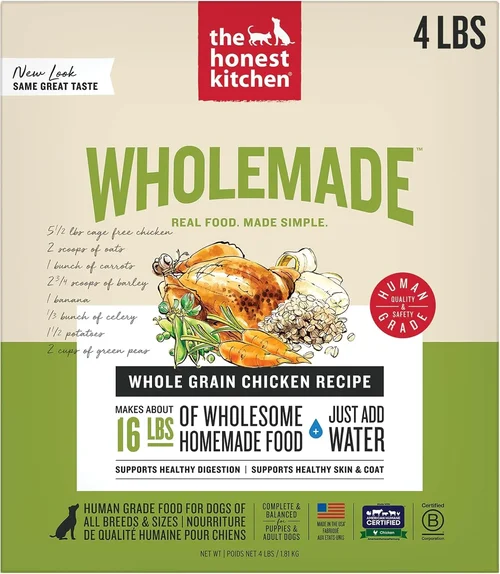
Not all dog food brands are created equal. Research the company behind the product. Do they manufacture their own food, or do they outsource to third-party facilities? Brands that control their own production (like Wellness, Orijen, or The Honest Kitchen) often have stricter quality control.
Check for recalls. A brand with a history of recalls—especially for contamination or nutritional imbalances—should raise concerns. Websites like the FDA’s pet food recall database can help you stay informed.
Transparency is key. Top brands publish detailed ingredient sourcing info, nutritional analyses, and even batch testing results online. They’re also responsive to customer inquiries and willing to share information about their manufacturing processes.
8. Price vs. Value: Understanding Cost Per Day
Dog food prices vary widely—from $20 to $100+ per bag. But the cheapest option isn’t always the best value. Instead of focusing solely on price per bag, calculate the cost per day based on your dog’s feeding requirements.
For example, a $60 bag of premium kibble that lasts 30 days costs $2 per day, while a $30 bag that requires double the portion due to low density could cost $4 per day. Higher-quality foods are often more nutrient-dense, so your dog eats less to feel full.
Consider long-term health costs too. A diet that supports digestion, immunity, and joint health may reduce vet bills over time. Investing in quality food now can save money—and stress—later.
Different Types of Dog Food

Common Buying Mistakes to Avoid
❌ Mistake: Choosing Based on Marketing Claims
Why it’s bad: Terms like “natural,” “holistic,” “premium,” and “gourmet” are not regulated by the FDA or AAFCO. A food labeled “premium” may still contain fillers, artificial preservatives, or low-quality proteins. Relying on flashy packaging or celebrity endorsements can lead you to overpay for subpar nutrition.
What to do instead: Focus on the ingredient list and nutritional adequacy statement. Ignore buzzwords and look for real meat as the first ingredient, AAFCO compliance, and transparent sourcing. Research the brand independently—don’t let marketing sway your decision.
❌ Mistake: Ignoring Your Dog’s Life Stage
Why it’s bad: Feeding a puppy food to an adult dog can lead to obesity and nutrient imbalances. Conversely, adult food lacks the extra calories and nutrients growing puppies need. Senior dogs require different support for joints, digestion, and metabolism.
What to do instead: Always match the food to your dog’s life stage. Check the label for phrases like “for growth,” “for maintenance,” or “for seniors.” If your dog has health issues, consult your vet for a tailored recommendation.
❌ Mistake: Overlooking Feeding Guidelines
Why it’s bad: Overfeeding is a leading cause of obesity in dogs, which can shorten lifespan and increase the risk of diabetes, arthritis, and heart disease. Underfeeding, on the other hand, can lead to malnutrition and low energy.
What to do instead: Follow the feeding guidelines on the package as a starting point, then adjust based on your dog’s weight, activity level, and body condition. Use a measuring cup—don’t eyeball it. Weigh your dog regularly and consult your vet if you’re unsure.
❌ Mistake: Switching Foods Too Quickly
Why it’s bad: Sudden diet changes can cause digestive upset, including diarrhea, vomiting, and gas. Dogs have sensitive digestive systems, and abrupt switches disrupt the gut microbiome.
What to do instead: Transition gradually over 7–10 days. Start by mixing 25% new food with 75% old food, then increase the ratio every few days until you’re feeding 100% new food. This allows your dog’s system to adapt.
❌ Mistake: Buying the Cheapest Option
Why it’s bad: Low-cost dog foods often use inferior ingredients, fillers, and artificial additives to cut costs. They may also be less nutrient-dense, requiring larger portions to meet your dog’s needs—ultimately costing more per day.
What to do instead: Calculate the cost per day, not per bag. Invest in quality food that supports long-term health. Look for sales, bulk discounts, or subscription services to save money without sacrificing nutrition.
❌ Mistake: Not Reading the Full Ingredient List
Why it’s bad: The first ingredient might be chicken, but if the next five are corn, soy, and by-products, the food is still low quality. Some brands use “splitting”—listing multiple forms of the same filler (e.g., corn gluten meal, ground corn, corn bran)—to make meat appear higher on the list.
What to do instead: Read the entire ingredient list. Look for whole, recognizable ingredients and avoid vague terms like “meat meal” or “animal fat.” Use online tools or apps to analyze ingredient quality.
❌ Mistake: Assuming All “Grain-Free” Diets Are Better
Why it’s bad: As mentioned earlier, grain-free diets have been linked to DCM in some dogs. Grains are not inherently harmful and can be a healthy part of a balanced diet. Avoiding them unnecessarily may deprive your dog of beneficial nutrients.
What to do instead: Only choose grain-free if your dog has a confirmed allergy or sensitivity. Otherwise, opt for grain-inclusive diets with high-quality carbohydrates. Always consult your vet before making dietary changes.
Budget Guidelines: How Much Should You Spend?
– Entry-Level ($20–$40 per 30-lb bag): These foods often contain lower-quality proteins, fillers, and artificial additives. They may meet basic AAFCO standards but lack optimal nutrition. Best for temporary use or multi-dog households on a tight budget. Examples include Purina Dog Chow or Pedigree.
– Mid-Range ($40–$60 per 30-lb bag): This is the sweet spot for most dog owners. These foods use named meat sources, fewer fillers, and natural preservatives. They’re nutrient-dense and often come from reputable brands. Examples include Blue Buffalo Life Protection, Wellness Core, and Nutro Wholesome Essentials.
– Premium ($60–$90 per 30-lb bag): These foods feature high-protein recipes, novel proteins (like duck or bison), and functional ingredients like probiotics and omega-3s. They’re ideal for active dogs, those with sensitivities, or owners who prioritize quality. Examples include Orijen, Acana, and Taste of the Wild.
– Luxury ($90+ per bag or $5+ per meal): This tier includes fresh, raw, or custom-formulated diets. Brands like The Farmer’s Dog, Nom Nom, and Stella & Chewy’s offer human-grade ingredients, personalized nutrition, and minimal processing. Best for dogs with complex health needs or owners willing to invest in top-tier care.

Expert Tips for Getting the Best Deal
– Buy in Bulk: Larger bags often cost less per pound. If you have storage space, buying a 40-lb bag instead of two 20-lb bags can save 10–15%.
– Watch for Seasonal Sales: Major retailers like Chewy, Petco, and Amazon offer discounts during holidays (Black Friday, Prime Day, Back-to-School). Stock up during these periods.
– Use Subscription Services: Auto-shipping programs often include discounts (e.g., 5–15% off) and free shipping. You can pause or cancel anytime.
– Check Manufacturer Rebates: Some brands offer mail-in rebates or digital coupons through their websites or apps.
– Compare Retailers: Prices vary between stores. Chewy and PetSmart often have competitive pricing, while local pet stores may offer personalized service.
– Read Return Policies: If your dog doesn’t like the food or has a reaction, you should be able to return it. Most reputable retailers accept unopened returns within 30–60 days.
– Ask Your Vet: Some vets carry prescription or therapeutic diets at discounted rates for clients. They may also have samples or trial sizes.
– Test Before Committing: Buy small bags or trial sizes first. Many brands offer 4–6 lb bags or sample packs to test palatability and digestion.

Frequently Asked Questions
Q: How often should I change my dog’s food?
A: There’s no need to change food unless your dog has allergies, health issues, or you’re upgrading for better nutrition. Frequent changes can upset their stomach. If you do switch, do it gradually over 7–10 days.
Q: Can I mix wet and dry food?
A: Yes! Many owners combine wet and dry food for variety, added moisture, and enhanced flavor. Just adjust portions to avoid overfeeding. A common ratio is 75% dry and 25% wet.
Q: Is raw food safe for dogs?
A: Raw diets can be nutritious but carry risks like bacterial contamination (Salmonella, E. coli). If you choose raw, handle it carefully, freeze it before feeding, and consult your vet. Freeze-dried or dehydrated raw options are safer alternatives.
Q: How much should I feed my dog?
A: Follow the feeding guidelines on the package, then adjust based on your dog’s weight, age, and activity level. Use a measuring cup and monitor body condition—your dog should have a visible waist and palpable ribs.
Q: What if my dog is a picky eater?
A: Try warming wet food, adding bone broth, or mixing in a small amount of high-value topping like plain cooked chicken. Avoid feeding table scraps, as this can encourage pickiness.
Q: Are grain-free diets necessary?
A: Only if your dog has a confirmed grain allergy. Most dogs digest grains well, and grain-free diets may pose health risks. Consult your vet before switching.
Q: How long can I store opened dog food?
A: Dry kibble stays fresh for 6–8 weeks in a sealed container. Wet food should be refrigerated and used within 5–7 days. Freeze-dried food lasts up to a year if unopened.
Q: Can puppies eat adult dog food?
A: No. Puppies need higher protein, fat, and calories for growth. Adult food lacks these nutrients and can stunt development. Use puppy-specific formulas until 12–18 months (longer for large breeds).
Q: What’s the best way to transition to a new food?
A: Mix increasing amounts of the new food with the old over 7–10 days. Start with 25% new, 75% old, and gradually increase until fully switched. Monitor for digestive issues.
Q: Should I feed my dog once or twice a day?
A: Most adult dogs do well with two meals per day. Puppies under 6 months may need 3–4 meals. Feeding twice helps regulate digestion and prevents bloat in large breeds.
Our Final Recommendations
– Best for Budget-Conscious Buyers: Blue Buffalo Life Protection Formula – Offers real meat as the first ingredient, no poultry by-product meals, and AAFCO compliance at a mid-range price.
– Best Overall Value: Wellness Core Grain-Free Original – High-protein, grain-free, with probiotics and omega-3s. Excellent nutrition for the price.
– Best Premium Option: Orijen Original – Biologically appropriate, with 85% animal ingredients and regional sourcing. Ideal for active or sensitive dogs.
– Best for Beginners: Purina Pro Plan Savor – Trusted brand, widely available, and formulated with real chicken and rice. Great for first-time owners.
– Best for Advanced Users: The Farmer’s Dog – Fresh, customized meals delivered to your door. Human-grade ingredients and vet-approved recipes. Perfect for owners who want the best.
Conclusion: Making the Right Choice
Choosing the right dog food is one of the most important decisions you’ll make as a pet parent. It affects your dog’s energy, coat, digestion, immunity, and overall lifespan. With so many options available in 2026, it’s easy to feel overwhelmed—but armed with the right knowledge, you can cut through the confusion and make a confident, informed choice.
Remember, the best dog food isn’t necessarily the most expensive or the most heavily advertised. It’s the one that meets your dog’s unique nutritional needs, supports their health, and fits your budget. Prioritize ingredient quality, AAFCO compliance, and life stage suitability. Avoid marketing gimmicks, read labels carefully, and don’t be afraid to ask questions.
Your dog relies on you for everything—love, care, and yes, good food. By investing time in understanding what goes into their bowl, you’re investing in their long-term well-being. Whether you choose kibble, wet food, raw, or fresh, the key is consistency, quality, and love.
Take the insights from this guide, evaluate your dog’s needs, and make a decision that feels right for both of you. And when in doubt, consult your veterinarian—they’re your best partner in keeping your furry friend healthy and happy for years to come.