

When it comes to feeding your Pomeranian, choosing the right canned dog food isn’t just about picking something off the shelf that looks appealing. These tiny, energetic dogs have unique nutritional needs, sensitive digestive systems, and specific taste preferences that demand careful consideration. As a small breed with a fast metabolism, your Pom requires high-quality protein, healthy fats, and easily digestible ingredients to maintain energy, support coat health, and promote overall well-being. Yet, with hundreds of canned dog food options flooding the market—each boasting “premium,” “grain-free,” or “vet-recommended” labels—it’s easy to feel overwhelmed. That’s where this comprehensive guide comes in.
In this detailed buying guide, you’ll learn exactly what to look for when selecting the best canned dog food for your Pomeranian. We’ll walk you through the most critical factors—from ingredient quality and nutritional balance to texture, flavor variety, and brand transparency. Whether you’re a first-time Pom owner or a seasoned pet parent looking to upgrade your dog’s diet, this guide will equip you with expert-level knowledge to make an informed, confident decision. You’ll also discover common pitfalls to avoid, budget-friendly strategies, and insider tips to ensure your furry companion gets the nutrition they deserve without breaking the bank.
The canned dog food market has evolved significantly in recent years, with brands now offering everything from single-protein formulas to limited-ingredient diets, organic blends, and even fresh-cooked meals in a can. While this variety is a win for pet owners, it also means more noise and marketing hype to sift through. Our goal is to cut through the clutter and deliver practical, science-backed advice tailored specifically to Pomeranians—a breed known for their picky appetites, dental sensitivities, and predisposition to certain health issues like hypoglycemia and dental disease. By the end of this guide, you’ll not only know which products stand out but also how to evaluate any canned dog food like a pro.
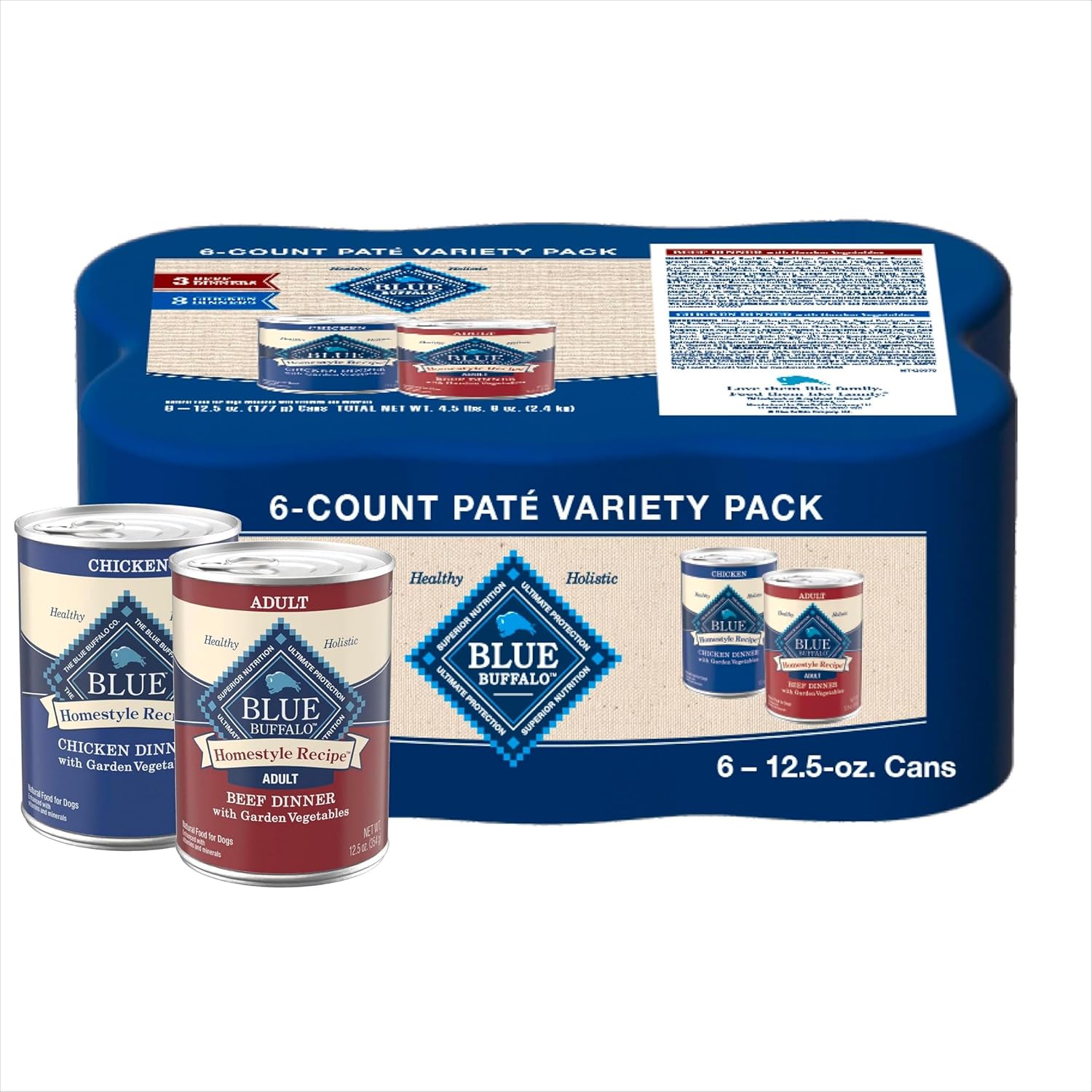
What to Look for When Buying Canned Dog Food
1. High-Quality Protein as the First Ingredient
For Pomeranians, protein is the foundation of a healthy diet. As carnivores by nature, dogs thrive on animal-based proteins that provide essential amino acids for muscle maintenance, immune function, and energy. When scanning ingredient lists, look for named meats like “chicken,” “turkey,” “duck,” or “salmon” listed as the very first ingredient. Avoid vague terms like “meat meal” or “animal by-products,” which can indicate lower-quality sources. Real meat should make up a significant portion of the formula—ideally at least 30–40% crude protein on a dry matter basis. For Poms, who are prone to weight gain and low blood sugar, high-protein meals help stabilize energy levels and support lean muscle mass.
2. Appropriate Fat Content for Energy and Coat Health
Fat is another crucial macronutrient for Pomeranians, especially given their high metabolic rate and luxurious double coat. Look for healthy animal fats like chicken fat, salmon oil, or flaxseed oil, which provide omega-3 and omega-6 fatty acids. These support skin health, reduce inflammation, and give your Pom’s fur that signature shine. Aim for a fat content between 15–20% on a dry matter basis. However, avoid excessive fat, as Poms are small and can easily become overweight. Also, steer clear of generic “vegetable oil” or “animal fat” without specification—these are often low-quality fillers.
3. Grain-Free vs. Whole Grains: What’s Right for Your Pom?
The grain-free debate has raged in the pet food world, but the truth is more nuanced. While some Poms may benefit from grain-free diets due to sensitivities, most do just fine with whole grains like brown rice, oats, or barley—especially if they’re easily digestible and non-inflammatory. The key is to avoid corn, wheat, and soy, which are common allergens and often used as cheap fillers. If your Pom has a sensitive stomach or shows signs of food intolerance (itching, gas, loose stools), a limited-ingredient or grain-free formula might be worth trying. Always consult your vet before making major dietary changes.
4. Moisture Content and Digestibility
Canned dog food typically contains 70–80% moisture, which is excellent for hydration—especially important for small breeds like Poms who may not drink enough water. High moisture content also aids digestion and helps prevent urinary tract issues. However, not all wet foods are created equal. Some use excessive water to dilute low-quality ingredients. Check the ingredient list: if water is listed multiple times under different names (e.g., “broth,” “stock,” “moisture”), it could be a red flag. Opt for formulas where water appears only once, early in the list, indicating natural moisture from real meat.
5. No Artificial Additives or Fillers
Pomeranians have delicate systems, and artificial preservatives, colors, and flavors can trigger allergies or digestive upset. Avoid cans containing BHA, BHT, ethoxyquin, artificial dyes (like Red 40 or Yellow 5), or synthetic flavor enhancers. Instead, look for natural preservatives like mixed tocopherols (vitamin E) or rosemary extract. Fillers such as corn gluten meal, brewers rice, or cellulose should also be minimized. These offer little nutritional value and can contribute to weight gain or poor stool quality.
6. Texture and Palatability for Small Mouths
Poms have tiny jaws and can be notoriously picky eaters. The texture of canned food matters—some prefer pâté, others enjoy chunks in gravy or shredded meat. Pâté is often easier for small dogs to chew and digest, while gravy-based formulas can encourage eating in finicky pups. If your Pom has dental issues (common in small breeds), softer textures are gentler on the teeth. Consider rotating textures occasionally to prevent boredom, but always transition gradually to avoid stomach upset.
7. Brand Transparency and Sourcing Practices
Not all pet food brands are equally transparent about where their ingredients come from or how their food is made. Reputable companies will clearly state their sourcing practices, manufacturing locations, and quality control measures. Look for brands that conduct AAFCO (Association of American Feed Control Officials) feeding trials or meet AAFCO nutrient profiles. Avoid brands that are vague about ingredient origins or outsource production to unknown facilities. Brands like Wellness, Blue Buffalo, and Merrick often publish detailed sourcing information on their websites.
8. Vet and Customer Reviews
While marketing claims can be misleading, real-world feedback from veterinarians and pet owners offers valuable insight. Check reviews on trusted platforms like Chewy, Amazon, or veterinary forums. Look for consistent praise regarding palatability, digestion, coat improvement, and energy levels. Be cautious of overly positive reviews that seem scripted or sponsored. Also, consult your vet—especially if your Pom has health conditions like allergies, kidney issues, or diabetes. A professional opinion can help narrow down the best options for your dog’s specific needs.
Different Types of Canned Dog Food

Common Buying Mistakes to Avoid

❌ Mistake: Choosing Based Solely on Price
Why it’s bad: Opting for the cheapest canned food often means sacrificing ingredient quality. Low-cost brands may use meat by-products, fillers, and artificial preservatives that can lead to digestive issues, allergies, or long-term health problems in your Pom.
What to do instead: Focus on value, not just cost. A slightly more expensive can with real meat, no fillers, and natural ingredients will benefit your dog’s health and may reduce vet bills over time. Look for sales, bulk discounts, or subscription plans to save money without compromising quality.
❌ Mistake: Ignoring the Ingredient List
Why it’s bad: The front of the can can be misleading with claims like “natural” or “premium.” Without checking the ingredient list, you might miss hidden fillers, unnamed meat sources, or artificial additives that could harm your Pom.
What to do instead: Always read the full ingredient list. Real meat should be first, followed by recognizable whole foods. Avoid vague terms and prioritize transparency. Use online tools like the Dog Food Advisor to compare brands.
❌ Mistake: Feeding Only Wet Food Without Balance
Why it’s bad: While canned food is great for hydration and palatability, feeding it exclusively can lead to dental issues due to lack of chewing action. It may also be more expensive and less convenient for some owners.
What to do instead: Consider a mixed feeding approach—combine high-quality kibble with canned food. Use wet food as a topper or meal enhancer to encourage eating, especially for picky Poms, while maintaining dental health with crunchy kibble.
❌ Mistake: Not Transitioning Gradually
Why it’s bad: Switching your Pom’s food abruptly can cause diarrhea, vomiting, or refusal to eat. Their digestive system needs time to adapt to new proteins and ingredients.
What to do instead: Transition over 7–10 days. Start by mixing 25% new food with 75% old food, gradually increasing the ratio. Monitor your dog’s stool and energy levels during the switch.
❌ Mistake: Overlooking Portion Control
Why it’s bad: Poms are small and prone to obesity. Overfeeding—even with healthy food—can lead to weight gain, joint stress, and reduced lifespan.
What to do instead: Follow feeding guidelines on the can based on your Pom’s weight and activity level. Use a measuring cup and adjust portions based on body condition. A healthy Pom should have a visible waist and palpable ribs.
❌ Mistake: Assuming All “Grain-Free” Is Better
Why it’s bad: Grain-free diets have been linked to dilated cardiomyopathy (DCM) in some dogs, especially when they rely heavily on legumes like peas or lentils as protein substitutes. Not all Poms need grain-free food.
What to do instead: Only choose grain-free if your Pom has a diagnosed grain sensitivity. Otherwise, opt for whole grains like oats or brown rice, which provide fiber and energy without the risks associated with certain grain-free formulas.
❌ Mistake: Not Consulting a Veterinarian
Why it’s bad: Every Pom is unique. Health conditions like diabetes, kidney disease, or food allergies require specialized diets. Relying solely on online reviews or marketing claims can lead to inappropriate choices.
What to do instead: Schedule a vet visit before making major dietary changes. Your vet can recommend brands, textures, and formulations based on your Pom’s age, weight, and health status.
Budget Guidelines: How Much Should You Spend?
When it comes to canned dog food for Pomeranians, price doesn’t always equal quality—but extremely low prices often signal compromise. Here’s a realistic breakdown of what to expect at different budget levels:
- Entry-Level ($1.00–$1.50 per 5.5 oz can): These options are typically found at big-box stores or discount retailers. While convenient, they often contain meat by-products, fillers like corn or soy, and artificial preservatives. Best for temporary use or as occasional toppers, but not ideal for daily feeding.
- Mid-Range ($1.50–$2.25 per 5.5 oz can): This is the sweet spot for most Pom owners. Brands in this range offer real meat as the first ingredient, minimal fillers, and natural preservatives. Examples include Wellness CORE Grain-Free Small Breed and Blue Buffalo Homestyle Recipe. Great balance of quality and affordability.
- Premium ($2.25–$3.00 per 5.5 oz can): These formulas often feature novel proteins (like duck or venison), organic ingredients, or limited-ingredient recipes. Ideal for Poms with sensitivities or owners seeking the highest nutritional standards. Brands like Merrick Grain-Free and Taste of the Wild fall here.
- Luxury ($3.00+ per 5.5 oz can): Top-tier options include human-grade ingredients, fresh-cooked meals in a can, or vet-formulated diets. While excellent, they may be overkill for healthy Poms and can strain the budget. Best reserved for dogs with medical needs or owners prioritizing premium nutrition.

Expert Tips for Getting the Best Deal
- Shop During Seasonal Sales: Major pet retailers often run promotions around holidays like Black Friday, Memorial Day, or National Pet Day. Stock up on your Pom’s favorite cans during these periods.
- Compare Unit Prices: Don’t just look at the total price—check the cost per ounce. A larger can may seem expensive but could be cheaper per serving than smaller ones.
- Use Loyalty Programs: Sign up for rewards programs at Petco, Chewy, or local pet stores. Earn points, get exclusive discounts, and receive personalized offers.
- Read Return Policies: If your Pom refuses a new food, you want the option to return it. Choose retailers with flexible return windows, especially for unopened cans.
- Test Small Quantities First: Before committing to a case, buy a single can to see if your Pom likes it. Some brands offer sample packs or variety packs for this purpose.
- Check for Coupons and Rebates: Manufacturers often release digital coupons on their websites or through apps like Ibotta. Stack these with store discounts for maximum savings.
- Consider Store Brands: Some pet stores offer high-quality private-label canned food (like Petco’s WholeHearted or Target’s Boots & Barkley) at lower prices than name brands—often with similar ingredients.
- Rotate Proteins Responsibly: While variety is good, avoid switching brands too frequently. Stick to one formula for at least 4–6 weeks to assess its impact on your Pom’s health.

Frequently Asked Questions
Q: How much canned food should I feed my Pomeranian?
A: The amount depends on your Pom’s weight, age, and activity level. Generally, a 5–7 lb adult Pom needs about 1/2 to 3/4 cup of canned food per day, split into two meals. Always follow the feeding guidelines on the can and adjust based on your dog’s body condition. Overfeeding can lead to obesity, a common issue in small breeds.
Q: Can I mix canned food with dry kibble?
A: Yes! Many owners use a mixed feeding approach. Combine 1/4 to 1/2 can of wet food with high-quality kibble. This provides hydration, enhances flavor, and supports dental health through chewing. Just ensure the total daily calories don’t exceed your Pom’s needs.
Q: Is grain-free canned food better for Poms?
A: Not necessarily. While some Poms benefit from grain-free diets due to sensitivities, most do well with whole grains like oats or brown rice. Grain-free formulas with high legume content may pose health risks. Consult your vet before switching.
Q: How long can I leave canned food out?
A: Never leave opened canned food at room temperature for more than 2 hours. Bacteria can grow quickly, especially in warm environments. Refrigerate leftovers in a sealed container and use within 3–4 days.
Q: What if my Pom refuses to eat canned food?
A: Try warming the food slightly (to body temperature) to enhance aroma. Mix in a small amount of low-sodium broth or sprinkle with freeze-dried meat toppers. Offer it at the same time each day and avoid giving treats before meals.
Q: Are organic canned dog foods worth the extra cost?
A: Organic foods avoid synthetic pesticides and GMOs, which some owners prefer. However, they’re not inherently more nutritious. If budget allows and your Pom has sensitivities, organic can be a good choice—but focus on ingredient quality first.
Q: Can puppies eat adult canned dog food?
A: It’s best to feed puppy-specific formulas, which are higher in calories, protein, and fat to support growth. Adult food may not meet a growing Pom puppy’s nutritional needs. Transition to adult food around 12 months of age.
Q: How do I know if a canned food is causing an allergic reaction?
A: Signs include itching, ear infections, hot spots, vomiting, or diarrhea. If you suspect a food allergy, work with your vet to conduct an elimination diet. Remove the suspected food for 8–12 weeks, then reintroduce it to confirm the reaction.
Q: Should I feed my senior Pom different canned food?
A: Yes. Senior Poms (7+ years) may benefit from lower-calorie, high-fiber formulas with joint support (like glucosamine) and easier-to-digest proteins. Look for “senior” or “mature” labels and consult your vet for recommendations.
Q: Is it safe to feed raw or fresh-cooked meals in a can?
A: Fresh-cooked canned meals (like those from The Farmer’s Dog or Nom Nom) are generally safe and highly nutritious. However, they’re expensive and require refrigeration. Ensure they’re AAFCO-compliant and discuss with your vet, especially if your Pom has health conditions.
Our Final Recommendations
- Best for Budget-Conscious Buyers: Wellness CORE Grain-Free Small Breed Pâté – Offers real chicken, no fillers, and excellent protein content at a mid-range price. Highly palatable and vet-recommended.
- Best Overall Value: Blue Buffalo Homestyle Recipe Small Breed Chicken & Brown Rice – Balanced nutrition, recognizable ingredients, and great texture. A favorite among Pom owners for its consistency and affordability.
- Best Premium Option: Merrick Grain-Free Real Chicken + Sweet Potato – Features deboned chicken, sweet potatoes, and probiotics. Ideal for Poms with sensitive stomachs or owners seeking top-tier quality.
- Best for Beginners: Purina Pro Plan Small Breed Wet Food – Widely available, vet-trusted, and gentle on digestion. A safe starting point for new Pom owners.
- Best for Advanced Users: Taste of the Wild Pine Forest Grain-Free – Novel protein (venison) and legume-free formula. Perfect for experienced owners managing food sensitivities or seeking rotational diets.
Conclusion: Making the Right Choice
Choosing the best canned dog food for your Pomeranian is about more than just flavor—it’s about supporting their health, energy, and longevity. By prioritizing high-quality protein, healthy fats, and clean ingredients, you’re giving your tiny companion the foundation they need to thrive. Remember, every Pom is unique. What works for one may not suit another, so stay observant, consult your vet, and don’t be afraid to experiment—responsibly.
Use this guide as your roadmap. Avoid common pitfalls, understand your budget, and leverage expert tips to find a food that your Pom loves and your conscience approves. Whether you’re feeding a playful puppy, a sprightly adult, or a wise senior, the right canned food can make all the difference. Your Pom depends on you—make every meal count.