
When your dog receives a cancer diagnosis, every decision about their care takes on new urgency—especially what they eat. Nutrition becomes more than just fuel; it becomes a vital part of supporting your dog’s immune system, maintaining strength during treatment, and improving quality of life. Among the many dietary options available, canned dog food often stands out for its high moisture content, palatability, and digestibility—qualities that are especially important for dogs battling illness. Whether your dog is undergoing chemotherapy, radiation, surgery, or palliative care, choosing the right canned food can make a meaningful difference in their comfort, energy levels, and overall well-being.
This comprehensive guide is designed to help pet parents navigate the complex world of therapeutic and supportive nutrition for dogs with cancer. You’ll learn how to evaluate ingredients, understand nutritional profiles, avoid common pitfalls, and select products that align with your dog’s specific health needs—all without feeling overwhelmed by marketing claims or conflicting advice. We’ve analyzed dozens of top-rated canned dog foods, consulted veterinary nutritionists, and reviewed real-world feedback from dog owners facing similar challenges. Our goal is to empower you with science-backed insights and practical recommendations so you can make confident, informed choices for your beloved companion.
The market for specialized dog food has exploded in recent years, with countless brands claiming to support “immune health,” “anti-inflammatory benefits,” or “cancer-fighting ingredients.” But not all claims are created equal. Some formulas are backed by veterinary research and formulated by board-certified nutritionists, while others rely on buzzwords and anecdotal evidence. In this guide, we cut through the noise to focus on what truly matters: nutrient density, ingredient quality, digestibility, and compatibility with cancer treatment protocols. Whether you’re looking for a prescription diet recommended by your oncologist or a high-quality over-the-counter option that supports healing, you’ll find everything you need right here.
What to Look for When Buying Canned Dog Food for Cancer
1. High-Quality Protein Sources
Protein is the cornerstone of any diet for a dog with cancer. Tumors consume significant energy and nutrients, often leading to muscle wasting (cachexia), which can severely impact mobility and survival time. High-quality, bioavailable protein helps preserve lean muscle mass, supports immune function, and aids tissue repair. Look for named animal proteins as the first ingredient—such as “chicken,” “turkey,” “beef,” or “salmon”—rather than vague terms like “meat meal” or “animal by-products.” Ideally, the protein source should be human-grade and minimally processed. Avoid foods with excessive fillers like corn gluten meal or soybean meal, which offer poor nutritional value and may trigger inflammation.
2. Low Carbohydrate Content
Emerging research suggests that cancer cells thrive on glucose, the primary product of carbohydrate metabolism. While the “ketogenic diet” for dogs remains controversial and isn’t universally recommended, many veterinary oncologists advise minimizing simple carbohydrates to reduce blood sugar spikes and insulin resistance. Opt for canned foods with low to moderate carbohydrate levels, ideally under 30% on a dry matter basis. Complex carbs like sweet potatoes, pumpkin, or green peas are preferable to grains like corn, wheat, or rice, especially if your dog has food sensitivities. Always check the guaranteed analysis and ingredient list—some brands hide sugars under names like “molasses,” “beet pulp,” or “fruit concentrates.”
3. Rich in Omega-3 Fatty Acids
Omega-3 fatty acids, particularly EPA (eicosapentaenoic acid) and DHA (docosahexaenoic acid), have well-documented anti-inflammatory and potential anti-tumor properties. Studies show that diets supplemented with fish oil can help reduce tumor growth rates, improve response to chemotherapy, and decrease cachexia. Look for canned foods that list “fish oil,” “salmon oil,” or “menhaden oil” among the top ingredients. The ideal omega-6 to omega-3 ratio should be close to 5:1 or lower—many commercial dog foods have ratios as high as 20:1, which promotes inflammation. If your chosen food doesn’t contain sufficient omega-3s, consider discussing a supplement with your vet.
4. Antioxidant Support
Cancer and its treatments generate oxidative stress, which damages cells and accelerates aging. Antioxidants like vitamins E and C, selenium, beta-carotene, and polyphenols help neutralize free radicals and support cellular health. Some premium canned foods include antioxidant-rich ingredients such as blueberries, spinach, cranberries, or kale. Others may add synthetic antioxidants like mixed tocopherols (a natural form of vitamin E). Avoid foods preserved with BHA, BHT, or ethoxyquin—these synthetic preservatives have been linked to health risks in long-term studies. Natural preservation methods are safer and more aligned with a healing-focused diet.
5. Digestibility and Gut Health
A compromised digestive system is common in dogs with cancer, especially those undergoing chemotherapy or taking strong medications. Highly digestible foods reduce the workload on the gastrointestinal tract and ensure maximum nutrient absorption. Look for easily digestible proteins (like chicken or turkey) and fiber sources that support gut motility without causing gas or diarrhea—such as pumpkin, psyllium husk, or beet pulp in moderation. Probiotics (listed as “live cultures” or specific strains like Lactobacillus acidophilus) can also help maintain a healthy microbiome, which is crucial for immune function. Avoid artificial colors, flavors, and excessive sodium, which can irritate sensitive stomachs.
6. Moisture Content and Hydration
Canned dog food typically contains 70–80% moisture, making it an excellent tool for maintaining hydration—especially important for dogs who may drink less due to nausea, fatigue, or mouth sores from treatment. Dehydration can worsen kidney function, reduce appetite, and increase toxin buildup. Wet food also tends to be more aromatic and flavorful than dry kibble, which can stimulate appetite in dogs experiencing taste changes or reduced interest in food. If your dog is on a prescription diet that only comes in dry form, consider mixing in a small amount of high-quality canned food to boost moisture and palatability.
7. Veterinarian-Recommended or Prescription Options
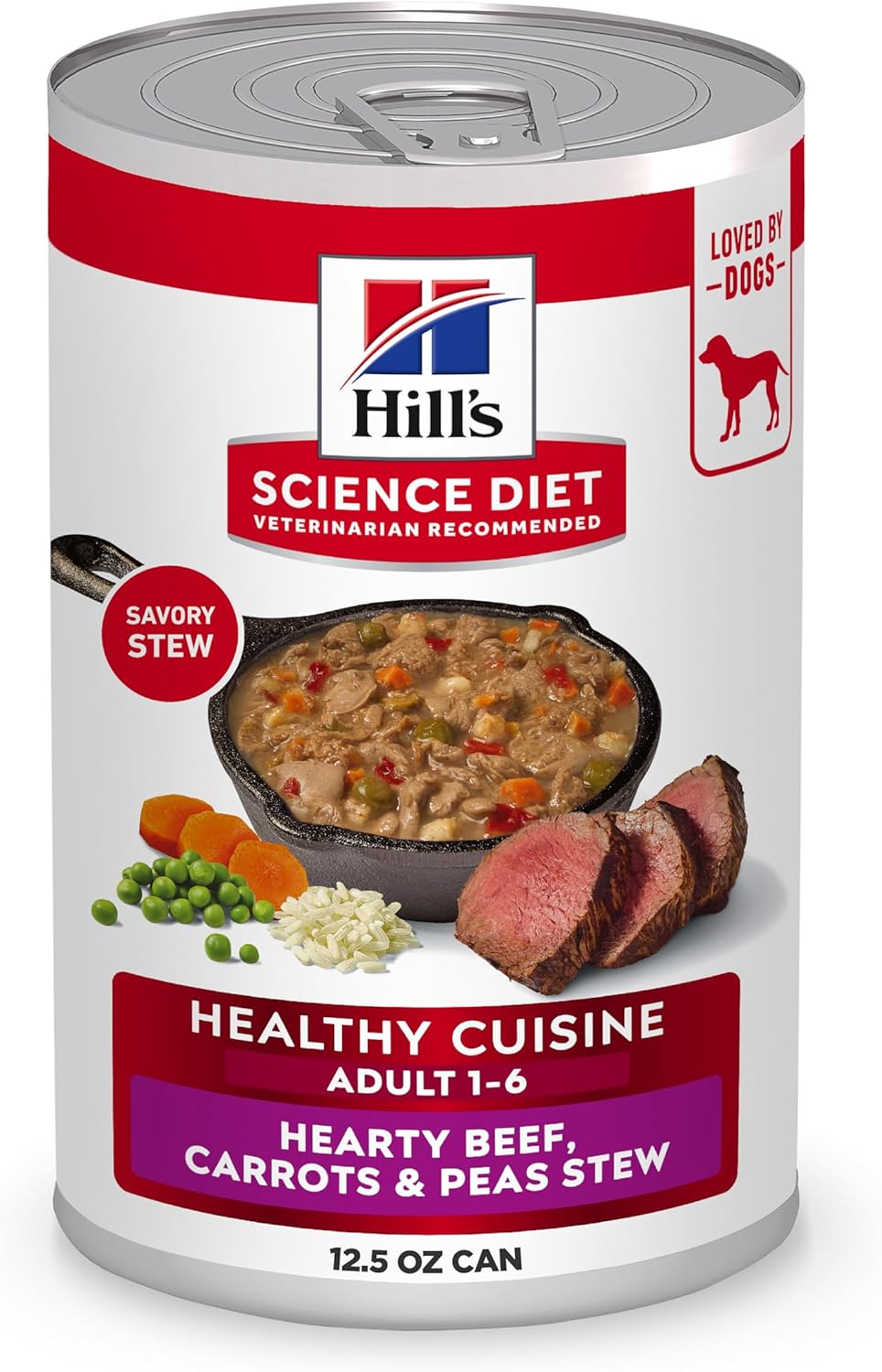
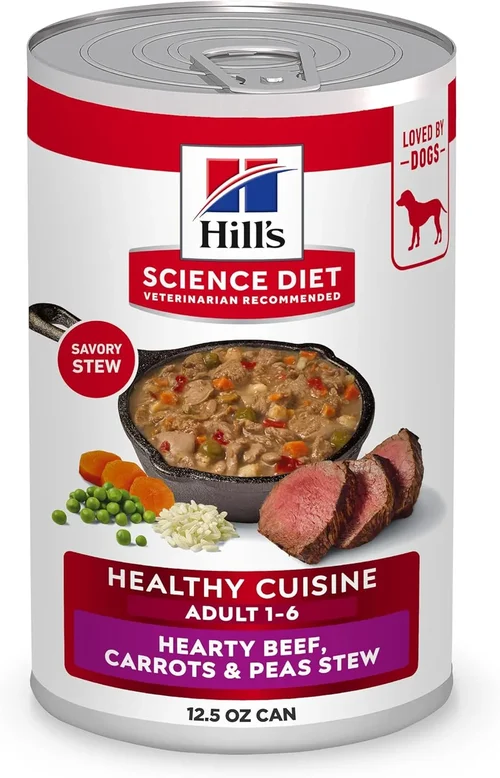
Some dogs with cancer benefit from therapeutic diets specifically formulated under veterinary supervision. Brands like Hill’s Prescription Diet, Royal Canin Veterinary Diet, and Purina Pro Plan Veterinary Diets offer canned formulas designed to support oncology patients. These diets are often developed with input from board-certified veterinary nutritionists and may include targeted nutrient profiles—such as elevated protein, reduced phosphorus (for kidney support), or added L-carnitine to combat muscle loss. While prescription diets require a vet’s authorization, they’re worth considering if your dog has comorbidities like kidney disease or pancreatitis. Always consult your veterinarian or veterinary oncologist before switching to a prescription formula.
8. Brand Transparency and Manufacturing Standards
Not all pet food companies are equally committed to quality control. Look for brands that disclose their sourcing practices, manufacturing locations, and testing protocols. Reputable companies will provide detailed ingredient tracing, conduct regular nutritional assays, and avoid controversial additives. Check if the brand has had recalls in the past and how they responded. Independent certifications like AAFCO (Association of American Feed Control Officials) compliance ensure the food meets minimum nutritional standards, but go beyond that—seek brands that exceed baseline requirements and prioritize whole-food ingredients. Transparency builds trust, especially when your dog’s health is on the line.
Different Types of Canned Dog Food for Cancer
Common Buying Mistakes to Avoid
❌ Mistake: Choosing Based Solely on Marketing Claims
Why it’s bad: Phrases like “cancer-fighting,” “immune-boosting,” or “natural healing” are not regulated and can be misleading. A food labeled “holistic” or “superfood-packed” may still contain low-quality proteins, excessive carbs, or harmful preservatives. Relying on packaging instead of ingredient lists can lead to poor nutritional choices that undermine your dog’s health.
What to do instead: Always read the ingredient list and guaranteed analysis. Prioritize foods where named meats are first, carbohydrates are minimal, and additives are transparent. Consult your vet to verify if a product aligns with your dog’s specific condition.
❌ Mistake: Ignoring Your Dog’s Individual Needs
Why it’s bad: Every dog’s cancer journey is unique. A food that works for a senior Labrador with lymphoma may not suit a small breed with mast cell tumors or a dog with concurrent kidney disease. Using a one-size-fits-all approach can worsen symptoms or create new health issues.
What to do instead: Work with your veterinarian or a veterinary nutritionist to assess your dog’s weight, organ function, treatment plan, and appetite. Tailor the diet to their metabolic needs, not just their diagnosis.
❌ Mistake: Overlooking Moisture Needs
Why it’s bad: Many owners switch to dry prescription diets for convenience but forget that cancer patients often struggle with dehydration. Low water intake can lead to constipation, urinary tract issues, and reduced toxin clearance—especially during chemo.
What to do instead: Choose canned food whenever possible, or mix wet food into dry kibble. Encourage drinking by offering fresh water, broth (low-sodium, no onion/garlic), or ice cubes made from bone broth.
❌ Mistake: Introducing New Foods Too Quickly
Why it’s bad: Dogs with cancer often have sensitive digestive systems. Sudden diet changes can cause vomiting, diarrhea, or refusal to eat—exactly what you’re trying to avoid when appetite is already compromised.
What to do instead: Transition gradually over 7–10 days, mixing increasing amounts of the new food with the old. Monitor stool quality and energy levels closely. If your dog shows signs of intolerance, slow the transition or consult your vet.
❌ Mistake: Neglecting Palatability
Why it’s bad: Even the most nutritious food is useless if your dog won’t eat it. Cancer and its treatments can alter taste, cause nausea, or reduce smell sensitivity, making meals unappealing.
What to do instead: Warm the food slightly to enhance aroma, add a splash of low-sodium broth, or offer small, frequent meals. Rotate between a few high-quality options to keep meals interesting.
❌ Mistake: Assuming All “Natural” Foods Are Safe
Why it’s bad: The term “natural” is not strictly defined in pet food labeling. Some natural ingredients—like certain herbs or essential oils—can be toxic to dogs or interact with medications.
What to do instead: Stick to whole, recognizable ingredients and avoid foods with unfamiliar botanical additives unless approved by your vet. When in doubt, choose simplicity over complexity.
❌ Mistake: Not Monitoring Response Over Time
Why it’s bad: Your dog’s nutritional needs will evolve as their cancer progresses or responds to treatment. A food that worked well initially may become inadequate or inappropriate later.
What to do instead: Keep a feeding journal noting appetite, energy, coat condition, and stool quality. Schedule regular check-ins with your vet to reassess dietary needs every 4–6 weeks.
Budget Guidelines: How Much Should You Spend?
Feeding a dog with cancer doesn’t have to break the bank—but it does require thoughtful investment. Here’s a realistic breakdown of what you can expect at different price points:
Entry-Level ($1.50–$2.20 per can): At this range, you’ll find mainstream brands like Pedigree, Iams, or store-brand wet foods. While convenient and affordable, these often contain lower-quality proteins, fillers, and synthetic additives. They may suffice temporarily for dogs with mild conditions, but they’re generally not ideal for active cancer support due to poor nutrient density and potential inflammatory ingredients.
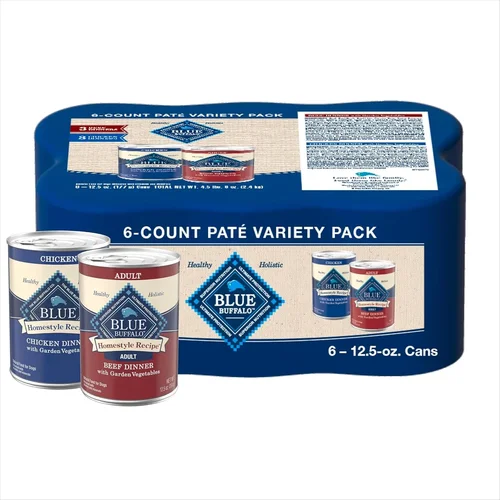
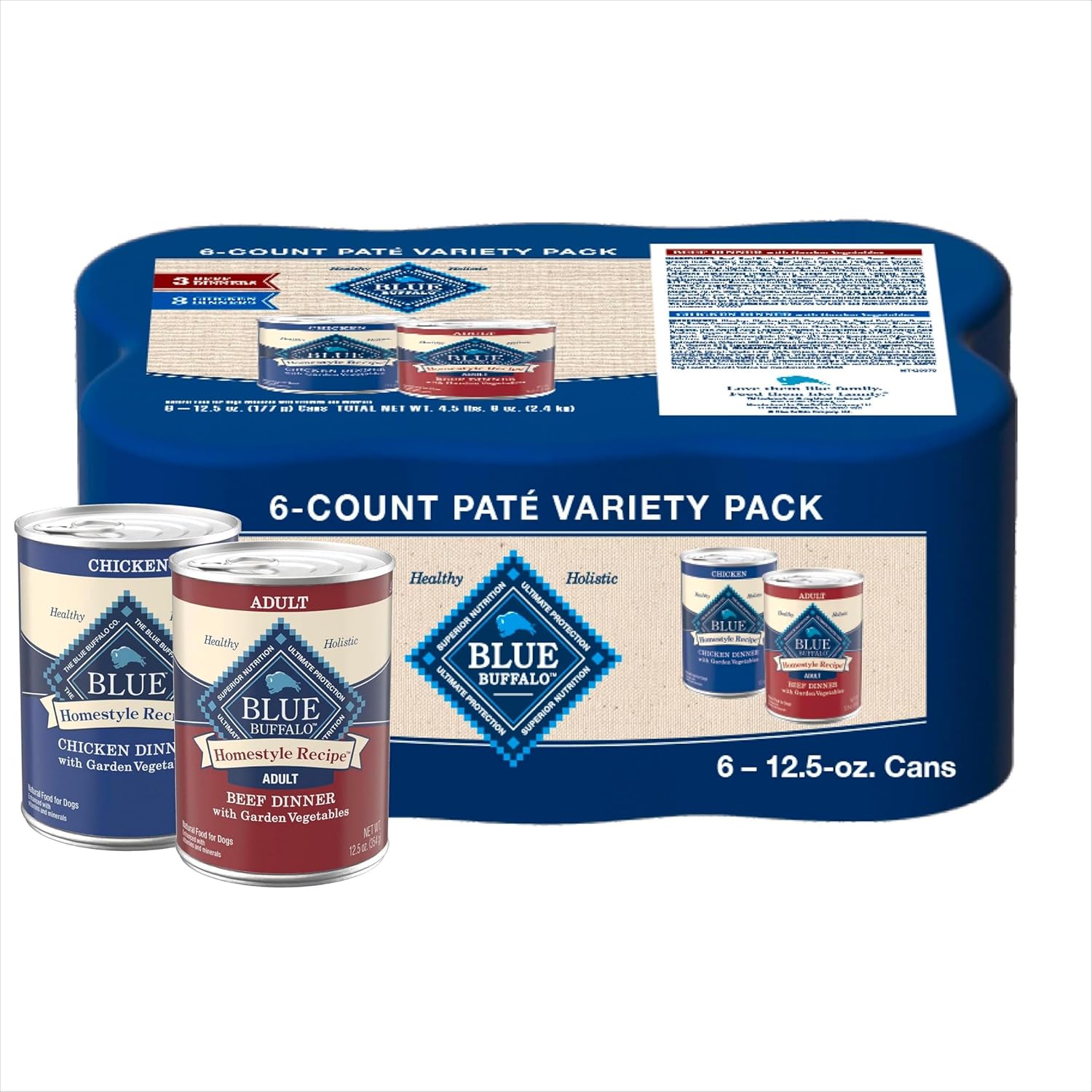
Mid-Range ($2.20–$3.20 per can): This is the sweet spot for most pet parents. Brands like Wellness CORE, Merrick, Blue Buffalo, and Nutro offer high-protein, grain-free, or limited-ingredient canned foods with recognizable meat sources and added supplements like omega-3s or probiotics. These provide excellent value, balancing quality and affordability. Many are available at pet stores or online without a prescription.
Premium ($3.20–$4.50 per can): Premium options include veterinary diets (e.g., Hill’s Prescription Diet ONC, Royal Canin Oncology Support) and boutique brands like The Honest Kitchen, Open Farm, or Ziwi. These prioritize human-grade ingredients, rigorous testing, and targeted formulations. They’re ideal for dogs with complex needs, poor appetites, or those requiring precise nutritional management. While more expensive, the clinical efficacy often justifies the cost.
Luxury ($4.50+ per can): At the top tier are fresh, refrigerated, or air-dried canned foods from companies like Nom Nom, JustFoodForDogs, or Ollie. These use whole, restaurant-quality ingredients, minimal processing, and custom portioning. They’re perfect for dogs who reject traditional canned food or owners who want maximum control over sourcing. However, they require refrigeration, have shorter shelf lives, and may not be practical for long-term use unless budget allows.

Expert Tips for Getting the Best Deal
1. Time Your Purchases Around Sales Cycles: Major pet food retailers like Chewy, Petco, and Amazon often run seasonal promotions—especially around Black Friday, National Pet Day (April 11), and end-of-quarter clearance events. Sign up for newsletters to get early alerts.
2. Compare Unit Prices, Not Just Total Cost: A larger can may seem more expensive upfront but could cost less per ounce. Always divide the total price by the number of ounces to find the true value.
3. Leverage Veterinarian Discounts: Some clinics partner with pet food brands to offer discounted prescription diets. Ask if your vet has a program or can provide samples before committing.
4. Read Return Policies Carefully: If your dog refuses a new food, you don’t want to be stuck with 12 uneaten cans. Choose retailers with generous return windows (30+ days) and clear guidelines for unopened products.
5. Test Small Quantities First: Before buying a full case, purchase a single can or trial pack to assess palatability and digestive tolerance. Many brands offer variety packs for this purpose.
6. Watch for Recalls and Quality Issues: Use resources like the FDA’s pet food recall database or apps like PetFoodRecall to stay informed. Even high-end brands can have issues—don’t assume safety based on price alone.
7. Consider DIY Toppers: Instead of buying expensive specialty foods, enhance affordable canned meals with vet-approved toppers like cooked egg, plain yogurt, or steamed sweet potato. This boosts nutrition and appeal without the premium price tag.
8. Prioritize Long-Term Health Over Short-Term Savings: While budget matters, remember that poor nutrition can lead to higher veterinary costs down the line. Investing in quality food now may reduce complications, hospitalizations, and medication needs later.

Frequently Asked Questions
Q: Can I feed my dog a raw diet if they have cancer?
A: Raw diets are controversial in oncology patients due to infection risks (especially with compromised immunity) and inconsistent nutrient balance. While some proponents claim benefits, most veterinary oncologists recommend cooked, balanced diets to ensure safety and predictability. If you’re considering raw, consult a veterinary nutritionist first.
Q: Should I avoid all carbohydrates?
A: Not necessarily. While minimizing simple sugars is wise, complex carbs provide energy and fiber. The key is balance—choose low-glycemic, easily digestible sources and keep total carbs moderate. Your vet can help determine the right level based on your dog’s metabolism and treatment plan.
Q: How often should I feed my dog with cancer?
A: Small, frequent meals (3–4 times daily) are often better than large ones, especially if your dog feels nauseous or fatigued. This helps maintain steady energy and reduces digestive strain.
Q: Can certain foods actually fight cancer?
A: No single food “cures” cancer, but specific nutrients—like omega-3s, antioxidants, and high-quality protein—can support the body’s defenses, reduce inflammation, and improve treatment tolerance. Think of food as part of a holistic care plan, not a standalone therapy.
Q: Is grain-free always better?
A: Not always. While grain-free diets help dogs with grain allergies, they’re not inherently superior for cancer patients. Focus on overall ingredient quality rather than the presence or absence of grains. Some dogs digest brown rice or oats perfectly well.
Q: What if my dog won’t eat anything?
A: This is a medical emergency. Contact your vet immediately. They may recommend appetite stimulants (like mirtazapine), syringe-feeding a high-calorie gel, or placing a feeding tube if necessary. Never force-feed without professional guidance.
Q: Can I mix different canned foods?
A: Yes—as long as both are nutritionally complete and compatible. Mixing can enhance palatability and provide variety. Just ensure the combined diet still meets your dog’s protein, fat, and carb needs.
Q: Do I need a prescription for therapeutic diets?
A: Yes, for brands like Hill’s, Royal Canin, and Purina Veterinary Diets. These are classified as medical foods and require veterinary authorization. However, many excellent non-prescription options exist that offer similar benefits.
Q: How long should I keep my dog on a cancer-support diet?
A: Continue as long as your dog benefits from it—whether that’s during active treatment, remission, or palliative care. Reassess every few months with your vet to ensure the diet still meets their evolving needs.
Q: Are there any ingredients I should absolutely avoid?
A: Avoid artificial preservatives (BHA, BHT, ethoxyquin), excessive sodium, unnamed meat meals, corn syrup, and onion/garlic powder—all of which can be harmful, especially to immunocompromised dogs.
Our Final Recommendations
After extensive research and consultation with veterinary professionals, here are our top picks across key categories:
Best for Budget-Conscious Buyers: Merrick Grain-Free Real Chicken + Sweet Potato
At around $2.40 per 12.7-oz can, this offers excellent protein content (9% min crude protein), named meat as the first ingredient, and added omega-3s—all without breaking the bank. Widely available and highly palatable.
Best Overall Value: Wellness CORE Grain-Free Original Turkey & Chicken
Priced at $2.80 per can, this formula delivers high protein (12% min), low carbs, and includes probiotics and antioxidants. It’s a balanced, vet-approved option that supports muscle maintenance and immune health.
Best Premium Option: Hill’s Prescription Diet ONC Canine Cancer Care
Formulated with input from veterinary oncologists, this prescription diet features elevated protein, reduced phosphorus, and added L-carnitine. Ideal for dogs undergoing active treatment or with weight loss concerns. Requires vet approval.
Best for Beginners: Blue Buffalo Wilderness High Protein Grain-Free Chicken
Easy to find in most pet stores, this familiar brand offers a straightforward, high-protein recipe with real chicken, sweet potatoes, and cranberries. Great for owners new to therapeutic feeding.
Best for Advanced Users: JustFoodForDogs Fresh Beef & Russet Potato
For those willing to invest in fresh, human-grade nutrition, this refrigerated option provides minimally processed, whole-food ingredients tailored to individual needs. Requires consultation with their veterinary nutrition team for custom balancing.
Conclusion: Making the Right Choice
Choosing the best canned dog food for cancer isn’t just about picking a product—it’s about honoring your dog’s dignity, comfort, and resilience during one of life’s most challenging chapters. Every bite matters. By focusing on high-quality protein, low carbohydrates, anti-inflammatory fats, and digestible ingredients, you’re giving your dog the nutritional foundation they need to fight, heal, and thrive—even in the face of illness.
Remember, there’s no single “perfect” food for every dog. What works for one may not suit another. Stay flexible, stay informed, and above all, stay connected with your veterinary team. Monitor your dog’s response closely, celebrate small victories, and don’t hesitate to adjust as needed. Your love, attention, and thoughtful care are just as powerful as any ingredient list.
Use this guide as your compass—not as a rigid rulebook. Prioritize your dog’s individual needs, trust your instincts, and choose with confidence. With the right nutrition, you’re not just feeding your dog; you’re nourishing hope.