

When it comes to feeding your dog, the choices can feel overwhelming. With thousands of pet food brands flooding the market, each claiming to be the healthiest, most nutritious, or most delicious option, how do you know what’s truly best for your furry companion? Canned dog food has long been a favorite among pet parents for its palatability, moisture content, and convenience. But not all canned foods are created equal. Some are packed with real meat and wholesome ingredients, while others hide fillers, artificial additives, and low-quality by-products behind flashy packaging and marketing buzzwords.
This comprehensive buying guide is designed to cut through the noise and help you make an informed, confident decision when selecting the best canned dog food in 2026. Whether you’re a first-time dog owner or a seasoned pet parent looking to upgrade your pup’s diet, this guide will walk you through everything you need to know—from understanding ingredient labels to comparing price points, evaluating nutritional needs, and avoiding common pitfalls. We’ll explore the latest trends in pet nutrition, highlight top-performing brands, and provide actionable tips to ensure your dog gets the balanced, high-quality meals they deserve.
The canned dog food market has evolved significantly in recent years. Driven by increased consumer awareness about pet health and wellness, manufacturers are now focusing on transparency, sustainability, and science-backed formulations. From grain-free recipes to limited-ingredient diets, novel proteins like kangaroo and rabbit, and even functional formulas targeting joint health, digestion, and skin conditions, the options are more diverse than ever. However, this abundance of choice can also lead to confusion. That’s why this guide doesn’t just list products—it equips you with the knowledge to evaluate them critically. By the end, you’ll know exactly what to look for, what to avoid, and how to match your dog’s unique needs with the right canned food.
What to Look for When Buying Buying Guide
1. Ingredient Quality and Transparency
The foundation of any great canned dog food is its ingredient list. High-quality ingredients directly impact your dog’s energy levels, coat health, digestion, and long-term wellness. Start by checking the first few ingredients—these make up the bulk of the food. Look for named animal proteins like “chicken,” “beef,” or “salmon” as the first ingredient, not vague terms like “meat meal” or “animal by-product.” Real meat should be the star, not a side note.
Transparency is equally important. Reputable brands clearly list every ingredient and avoid misleading terms like “natural flavors” without specifying the source. Be wary of artificial preservatives such as BHA, BHT, and ethoxyquin, which have been linked to health concerns in dogs. Instead, opt for foods preserved with natural alternatives like mixed tocopherols (a form of vitamin E) or rosemary extract.
2. Nutritional Adequacy and AAFCO Compliance
Not all canned dog foods are nutritionally complete. The Association of American Feed Control Officials (AAFCO) sets standards for pet food nutrition, and any reputable brand will state on the label whether the food meets AAFCO nutrient profiles for a specific life stage—such as “growth,” “maintenance,” or “all life stages.” This ensures the food provides a balanced mix of protein, fat, carbohydrates, vitamins, and minerals.
Avoid foods labeled only as “snacks” or “treats,” as these are not meant to be complete meals. Even if a can looks appealing, if it lacks AAFCO certification, it may leave nutritional gaps over time. For puppies, pregnant dogs, or seniors, life-stage-specific formulas are essential to support their unique dietary needs.
3. Protein Source and Content
Dogs are omnivores with a strong carnivorous倾向, meaning they thrive on high-protein diets. Look for canned foods with at least 30–40% protein on a dry matter basis. To calculate this, subtract the moisture content (usually around 75–80% in canned food) from 100%, then divide the protein percentage by the remaining dry matter.
For example, if a can lists 10% protein and 78% moisture, the dry matter protein is 10 / (100 – 78) = ~45.5%. That’s excellent. High-protein diets support muscle maintenance, immune function, and healthy metabolism. However, dogs with kidney issues may need lower protein levels, so always consult your vet for medical conditions.
4. Moisture Content and Hydration Benefits
One of the biggest advantages of canned dog food is its high moisture content—typically 70–80%. This is crucial for dogs, especially those who don’t drink enough water. Proper hydration supports kidney function, urinary tract health, and digestion. Dogs prone to urinary crystals or kidney disease often benefit significantly from wet food.
While dry kibble can be convenient, it contains only about 10% moisture. Feeding canned food, even as a supplement, can dramatically improve your dog’s water intake. Some pet parents mix wet and dry food to get the best of both worlds—crisp texture and hydration.
5. Grain-Free vs. Grain-Inclusive Diets
The grain-free trend has been controversial in recent years. While some dogs have grain sensitivities or allergies, most do not. Whole grains like brown rice, oats, and barley provide valuable fiber, B vitamins, and sustained energy. The FDA has investigated a potential link between grain-free diets and dilated cardiomyopathy (DCM) in dogs, particularly those using legumes (like peas and lentils) as primary ingredients.
Unless your dog has a diagnosed grain allergy, grain-inclusive diets are generally safe and nutritious. If you choose grain-free, ensure the food uses high-quality alternative carbohydrates and is formulated with heart health in mind.
6. Additives, Preservatives, and Artificial Ingredients
Artificial colors, flavors, and preservatives serve no nutritional purpose and may pose health risks. Ingredients like red 40, blue 2, and yellow 5 have been associated with hyperactivity and allergic reactions in some dogs. Similarly, chemical preservatives like propylene glycol (used in some “semi-moist” foods) should be avoided.
Instead, look for natural preservatives and clean labels. Foods with added probiotics, prebiotics, omega-3 fatty acids (from fish oil), and antioxidants (like vitamin E and C) offer functional benefits beyond basic nutrition.
7. Brand Reputation and Manufacturing Standards
Not all pet food companies prioritize quality. Research the brand’s history—have they had recalls? Do they manufacture their own food or outsource to third-party facilities? Brands that own their manufacturing plants often have stricter quality control.
Look for companies that conduct feeding trials, publish ingredient sourcing information, and are transparent about their supply chain. Independent certifications like USDA Organic, Non-GMO Project Verified, or Global Animal Partnership (GAP) ratings can also indicate higher standards.
8. Price vs. Value
Canned dog food varies widely in price—from under $1 per can to over $5. While cost is a factor, it shouldn’t be the only one. Cheaper foods often use lower-quality ingredients, fillers, and by-products, which can lead to health issues and higher vet bills down the line.
Instead of focusing solely on price per can, consider cost per feeding and nutritional value. A slightly more expensive can with real meat and no fillers may actually be more economical in the long run because your dog will eat less and absorb more nutrients.
Different Types of Buying Guide
Common Buying Mistakes to Avoid

❌ Mistake: Choosing Based on Packaging or Marketing
Why it’s bad: Flashy labels with words like “gourmet,” “premium,” or “natural” don’t guarantee quality. Some brands use misleading imagery—like pictures of fresh vegetables—while the actual ingredient list is full of by-products and fillers.
What to do instead: Always read the ingredient list and guaranteed analysis. Don’t be swayed by marketing. Look for real meat as the first ingredient and avoid vague terms.
❌ Mistake: Ignoring Your Dog’s Life Stage
Why it’s bad: Feeding a puppy food to an adult dog can lead to obesity and nutrient imbalances. Conversely, adult food may not provide enough calories or DHA for a growing puppy.
What to do instead: Match the food to your dog’s life stage. Check the AAFCO statement on the label to ensure it’s appropriate for growth, maintenance, or all life stages.
❌ Mistake: Overlooking Allergies and Sensitivities
Why it’s bad: Dogs can develop food allergies to common ingredients like chicken, beef, or wheat. Symptoms include itching, ear infections, and digestive upset.
What to do instead: If your dog shows signs of allergies, try a limited-ingredient diet with a novel protein (like duck or venison) and a single carbohydrate source. Work with your vet to identify triggers.
❌ Mistake: Feeding Only Wet Food Without Balancing Nutrition
Why it’s bad: While wet food is hydrating, feeding it exclusively without ensuring complete nutrition can lead to deficiencies. Some canned foods are designed as toppers, not complete meals.
What to do instead: Choose AAFCO-complete canned foods or supplement with a balanced dry food. Rotate proteins to provide variety and reduce allergy risk.
❌ Mistake: Not Transitioning Gradually
Why it’s bad: Switching foods abruptly can cause diarrhea, vomiting, or refusal to eat. Dogs have sensitive digestive systems.
What to do instead: Transition over 7–10 days. Start with 25% new food and 75% old, gradually increasing the ratio each day until fully switched.
❌ Mistake: Buying in Bulk Without Testing
Why it’s bad: Your dog might not like the taste or have an adverse reaction. Large quantities can also spoil or lose freshness if not stored properly.
What to do instead: Buy small quantities first. Once you confirm your dog enjoys it and tolerates it well, consider larger sizes or subscription plans for savings.
❌ Mistake: Ignoring Storage and Shelf Life
Why it’s bad: Opened cans can spoil quickly. Bacteria can grow if left at room temperature for too long.
What to do instead: Refrigerate opened cans and use within 3–5 days. Transfer leftovers to an airtight container. Check expiration dates before purchasing.
Budget Guidelines: How Much Should You Spend?
– Entry-Level ($0.75–$1.50 per can): These foods often use meat by-products, fillers like corn and soy, and artificial preservatives. While affordable, they may not provide optimal nutrition. Best for temporary use or mixing with higher-quality food. Examples include store brands or economy lines from major manufacturers.
– Mid-Range ($1.50–$3.00 per can): This is the sweet spot for most dog owners. These foods typically feature named meat sources, limited fillers, and AAFCO compliance. Brands like Wellness, Merrick, and Nutro offer reliable options in this range. You get good value without overspending.
– Premium ($3.00–$4.50 per can): These foods use high-quality, human-grade ingredients, often with novel proteins, organic produce, and functional additives like probiotics and omega-3s. Ideal for dogs with health issues or owners prioritizing top-tier nutrition. Brands like The Honest Kitchen, Open Farm, and Ziwi Peak fall here.
– Luxury ($4.50+ per can): Top-tier brands with air-dried or freeze-dried components, ethically sourced meats, and minimal processing. These are often sold in smaller portions and cater to enthusiasts or dogs with complex dietary needs. Examples include Primal, Stella & Chewy’s, and Nom Nom.
Expert Tips for Getting the Best Deal
– Buy during seasonal sales: Look for promotions around holidays like Black Friday, Cyber Monday, or National Pet Day. Retailers often discount pet food significantly.
– Compare unit prices: Don’t just look at the total price—check the cost per ounce or per can. Larger cans aren’t always cheaper per unit.
– Use loyalty programs: Pet stores like Chewy, Petco, and PetSmart offer rewards points, free shipping, and exclusive discounts for members.
– Read return policies: Some retailers allow returns on unopened pet food. This is helpful if your dog refuses a new brand.
– Check for recalls: Before buying, visit the FDA’s pet food recall database to ensure the brand hasn’t had recent safety issues.
– Test small first: Order sample packs or single cans before committing to a large purchase.
– Mix wet and dry: Combine canned food with kibble to stretch your budget while still providing hydration and variety.
– Consider homemade supplements: Add fresh veggies, eggs, or plain yogurt to canned food for extra nutrients at a low cost.
Frequently Asked Questions
Q: Is canned dog food better than dry kibble?
A: Canned food offers higher moisture content, which supports hydration and urinary health. It’s also more palatable for picky eaters. However, dry food is convenient, helps with dental health, and is often more affordable. The best approach is often a combination of both.
Q: How much canned food should I feed my dog?
A: Feeding guidelines vary by brand and your dog’s weight, age, and activity level. Most cans include a feeding chart on the label. As a general rule, a 10-pound dog may need about ¾ to 1 can per day, while a 50-pound dog may need 2–3 cans. Adjust based on your dog’s body condition.
Q: Can I feed my dog only canned food?
A: Yes, as long as the food is AAFCO-complete and balanced. Many dogs thrive on an all-wet diet, especially those with kidney or urinary issues. Just ensure you’re meeting their caloric and nutritional needs.
Q: Is grain-free dog food healthier?
A: Not necessarily. Unless your dog has a grain allergy, whole grains can be a healthy part of their diet. The FDA has raised concerns about grain-free diets potentially contributing to heart disease in some dogs, especially when legumes are used as fillers.
Q: How long does canned dog food last after opening?
A: Opened cans should be refrigerated and used within 3–5 days. Cover the can with a lid or plastic wrap to prevent drying out.
Q: Can puppies eat adult canned food?
A: Puppies have higher energy and nutrient needs. Adult food may not provide enough protein, fat, or DHA for proper growth. Choose a formula labeled for “growth” or “all life stages.”
Q: What’s the difference between “chicken” and “chicken meal”?
A: “Chicken” refers to fresh meat, which includes water. “Chicken meal” is rendered, dried, and concentrated protein with most moisture removed. Both can be high-quality, but chicken meal is more nutrient-dense by weight.
Q: Are expensive brands worth the cost?
A: Often, yes—especially if they use human-grade ingredients, conduct feeding trials, and avoid fillers. However, some mid-range brands offer excellent value. Focus on ingredient quality, not just price.
Q: Can I mix different brands of canned food?
A: Yes, but do so gradually to avoid digestive upset. Mixing brands can provide variety and reduce the risk of developing food sensitivities.
Q: What should I do if my dog refuses canned food?
A: Try warming it slightly (not hot) to enhance aroma, mixing in a small amount of warm water, or topping with a bit of low-sodium broth. Some dogs prefer pâté over chunks, so experiment with textures.
Our Final Recommendations
– Best for Budget-Conscious Buyers: Purina Pro Plan Classic – Offers solid nutrition with real meat as the first ingredient at an affordable price. AAFCO-complete and widely available.
– Best Overall Value: Wellness Complete Health Grain-Free – Balances quality and cost with high protein, no fillers, and added probiotics. Great for most adult dogs.
– Best Premium Option: Open Farm Homestead Turkey & Chicken – Ethically sourced, human-grade ingredients, transparent sourcing, and rich in omega-3s. Ideal for health-focused owners.
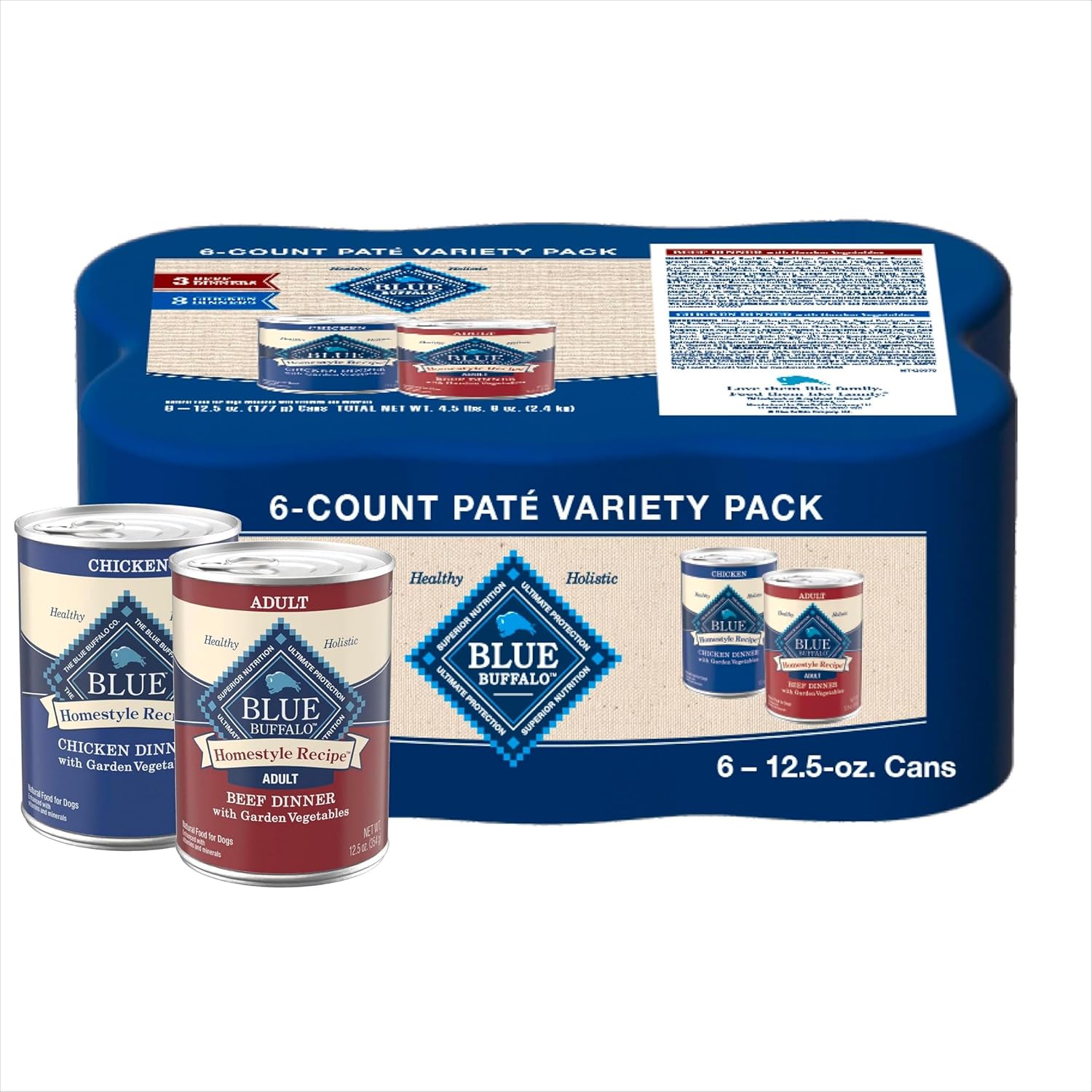
– Best for Beginners: Blue Buffalo Homestyle Recipe – Easy to find, clearly labeled, and made with real deboned chicken. A reliable entry point into quality canned food.
– Best for Advanced Users: Ziwi Peak Air-Dried Canned Topper – Combines the convenience of canned food with the nutrient density of air-drying. Perfect for boosting any diet with minimal processing.
Conclusion: Making the Right Choice
Choosing the best canned dog food isn’t just about picking the most expensive or most advertised option—it’s about understanding your dog’s unique needs and matching them with a food that delivers real nutritional value. From ingredient quality and AAFCO compliance to moisture content and life stage appropriateness, every factor plays a role in your dog’s long-term health and happiness.
Remember, the best food is one your dog enjoys eating, digests well, and thrives on. Don’t be afraid to experiment—within reason—and consult your veterinarian if you’re unsure. With the insights from this guide, you’re now equipped to navigate the crowded pet food market with confidence.
Your dog relies on you for nourishment, care, and love. By investing time in selecting the right canned food, you’re not just feeding them—you’re supporting their vitality, longevity, and quality of life. So take the next step: read those labels, compare those options, and give your pup the delicious, nutritious meals they deserve.