
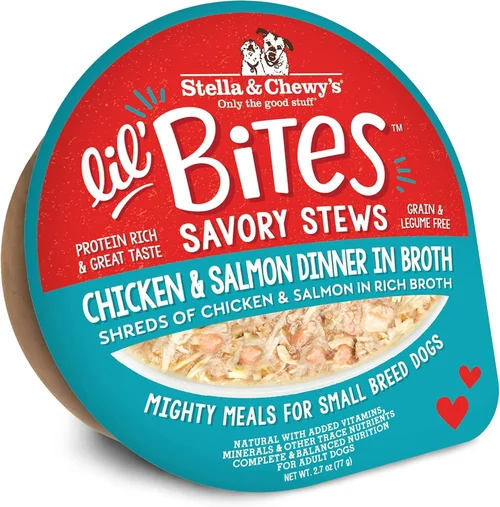
Feeding a small dog with a discerning palate can feel like trying to win over a food critic who only weighs 12 pounds. You’ve opened a fresh can of premium wet food, expecting eager tail wags and enthusiastic lapping—only to be met with a single sniff, a dramatic turn of the head, and your pup trotting off to stare longingly at the empty food bowl like it’s a personal betrayal. Sound familiar? You’re not alone. Picky eating is surprisingly common among small breed dogs, and it’s often rooted in biology, behavior, and even genetics. Small dogs have higher metabolisms, more sensitive digestive systems, and can be more prone to food sensitivities or texture aversions. What’s more, their tiny mouths and teeth make them especially particular about the size, shape, and consistency of their meals. That’s why choosing the right canned dog food isn’t just about nutrition—it’s about understanding your dog’s unique preferences and finding a product that satisfies both their taste buds and their health needs.
This comprehensive buying guide is designed specifically for owners of small dogs who are notoriously picky eaters. Whether you’re dealing with a Chihuahua who turns up her nose at anything without gravy, a Pomeranian who only eats if the food is warmed to exactly body temperature, or a Dachshund who treats mealtime like a negotiation, this guide will equip you with the knowledge to make informed, confident decisions. We’ll walk you through the most important factors to consider when selecting canned dog food—from ingredient quality and texture to flavor variety and digestibility. You’ll learn how to decode labels, avoid common marketing traps, and identify products that are both nutritionally sound and irresistibly tasty. We’ll also break down different food types, highlight budget-friendly and premium options, and share expert tips to help you get the best value without compromising on quality.
The market for small dog food—especially wet, canned varieties—has exploded in recent years, with dozens of brands touting “gourmet,” “human-grade,” or “veterinarian-recommended” formulas. While this abundance of choice is great in theory, it can quickly become overwhelming, especially when your dog refuses to eat half of what you buy. Some brands focus on high-protein, grain-free recipes, while others emphasize limited ingredients for sensitive stomachs. Texture varies wildly—from pâté and shreds to chunks in gravy or jelly. And then there’s the question of price: you can spend anywhere from $1 to $5 per can, depending on the brand and formulation. This guide cuts through the noise, offering a clear, evidence-based roadmap to help you find the best canned food for your finicky small dog—one that they’ll actually eat, enjoy, and thrive on. By the end, you’ll know exactly what to look for, what to avoid, and how to turn mealtime from a battle into a bonding experience.

What to Look for When Buying Buying Guide
1. Ingredient Quality & Transparency
The foundation of any great canned dog food is high-quality, identifiable ingredients. For small picky eaters, this is especially critical—because they eat less food overall, every bite needs to count. Start by checking the ingredient list on the can or packaging. The first ingredient should be a named animal protein source, such as “chicken,” “turkey,” or “salmon,” not vague terms like “meat meal” or “animal by-products.” Real meat provides essential amino acids, supports muscle maintenance, and delivers the rich flavor that entices picky dogs. Avoid foods that list corn, soy, or wheat as primary ingredients—these are often fillers that offer little nutritional value and can trigger allergies or digestive upset in sensitive dogs.
Look for brands that use whole, recognizable ingredients and avoid artificial preservatives, colors, or flavors. Ingredients like “natural flavoring” are acceptable, but “BHA,” “BHT,” or “ethoxyquin” should raise red flags. Transparency is key—reputable brands will clearly state the source of their proteins and avoid vague descriptors. For example, “deboned chicken” is better than “chicken by-product meal.” Also, consider whether the food includes beneficial additions like omega-3 fatty acids (from fish oil or flaxseed), probiotics for gut health, or glucosamine and chondroitin for joint support—especially important for small breeds prone to hip dysplasia or arthritis.
2. Texture & Consistency
Texture is one of the most overlooked—but crucial—factors for picky small dogs. A dog who refuses to eat pâté might gobble down shreds in gravy, and vice versa. Small breeds often have dental sensitivities or missing teeth, making it difficult to chew large chunks or dense pâtés. Shredded or flaked meats are usually easier to eat and more appealing to dogs with small mouths. Gravy-based formulas can also stimulate appetite, especially in older dogs or those recovering from illness.
Experiment with different textures to find your dog’s preference. Some dogs love the smooth, uniform consistency of pâté, while others prefer the variety of chunks and sauce. Jellied formulas (common in some premium brands) can be hit or miss—some dogs enjoy the gelatinous texture, while others find it unappealing. If your dog is particularly finicky, consider warming the food slightly (to around 98–100°F) to enhance aroma, which can trigger appetite. Always mix new textures gradually to avoid digestive upset.
3. Flavor Variety & Rotation
Picky dogs often develop boredom with the same flavor day after day. Just like humans, they crave variety. Rotating between different protein sources—such as chicken, beef, lamb, duck, or fish—can keep meals exciting and prevent food fatigue. Some dogs are drawn to rich, meaty flavors like liver or heart, while others prefer milder options like turkey or whitefish. Limited-ingredient diets can be helpful for dogs with allergies, but even within those, flavor rotation (e.g., salmon vs. duck) can maintain interest.
When introducing new flavors, do so gradually. Sudden changes can upset a small dog’s sensitive stomach. Mix a small amount of the new food with the old, increasing the ratio over 5–7 days. This also helps you identify which flavors your dog truly loves—watch for signs like licking the bowl clean, eating immediately, or showing excitement at mealtime. Brands that offer variety packs or sampler boxes are ideal for testing multiple flavors without committing to full cases.
4. Nutritional Balance & AAFCO Compliance
Even the most delicious food is worthless if it doesn’t meet your dog’s nutritional needs. Always choose canned foods that are AAFCO-compliant, meaning they’ve been formulated to meet the nutritional standards for your dog’s life stage (e.g., adult maintenance, growth, or senior). Look for a statement on the label such as: “Animal feeding tests substantiate that this product provides complete and balanced nutrition.” This ensures the food has been tested in real dogs, not just formulated on paper.
For small dogs, pay attention to calorie density. Because they eat smaller portions, their food should be nutrient-dense to avoid nutritional gaps. Aim for a balance of protein (25–30% for most adults), fat (10–15%), and carbohydrates (from digestible sources like sweet potatoes or peas). Avoid foods with excessive fillers or low protein content—these may fill your dog up without providing adequate nutrition. Senior small dogs may benefit from lower-calorie formulas with added joint support, while puppies need higher protein and fat for growth.
5. Digestibility & Gut Health
Small dogs are prone to digestive issues like gas, bloating, and sensitive stomachs. Picky eaters may refuse food that doesn’t agree with their system, even if it’s high-quality. Choose canned foods with highly digestible ingredients—such as lean meats, easily absorbed carbohydrates (like pumpkin or rice), and prebiotics or probiotics. These support a healthy gut microbiome and can improve nutrient absorption and stool quality.
Look for foods that include ingredients like chicory root (a natural prebiotic), yeast cultures, or added fiber. Avoid excessive fat or rich organ meats (like liver) if your dog has a history of pancreatitis. If your dog experiences frequent digestive upset, consider a limited-ingredient diet or a formula specifically designed for sensitive digestion. Many premium brands offer “sensitive stomach” lines that are gentle yet flavorful.
6. Brand Reputation & Manufacturing Standards
Not all pet food brands are created equal. Some prioritize marketing over quality, while others invest heavily in research, sourcing, and safety. Choose brands with a strong reputation for transparency, ethical sourcing, and rigorous testing. Look for companies that manufacture their own food (rather than outsourcing to third-party facilities), as this allows for better quality control.
Research whether the brand has ever been recalled—and if so, why. The FDA maintains a public database of pet food recalls. Reputable brands will also publish information about their sourcing, manufacturing processes, and nutritional philosophy. Brands like Wellness, Blue Buffalo, and Merrick have long-standing reputations for quality, while newer companies like The Honest Kitchen or Open Farm emphasize human-grade ingredients and sustainability. Avoid brands with vague labeling or those that use excessive marketing buzzwords without substance.
7. Packaging & Portability
While it may seem minor, packaging can impact your dog’s eating experience—and your convenience. Small dogs typically eat less, so single-serve cans (3–5.5 oz) are ideal to prevent spoilage and ensure freshness. Look for cans with easy-open lids or pull-tabs, especially if you’re feeding on the go or have arthritis. Some brands offer resealable lids or pouches, which can be useful for partial servings.
Consider the shelf life and storage requirements. Most canned foods last 2–5 years unopened but should be refrigerated after opening and used within 3–5 days. If you travel frequently or live in a hot climate, choose brands with durable packaging that won’t dent or rust easily. For apartment dwellers or those with limited fridge space, smaller cans reduce waste and make storage easier.
8. Price & Value for Money
Price is always a consideration, but the cheapest option isn’t always the best value—especially for picky eaters who may refuse to eat low-quality food. That said, you don’t need to buy the most expensive brand to get excellent nutrition. Evaluate cost per ounce or per meal, not just the price per can. A $3 can that your dog eats completely is better value than a $5 can that goes half-eaten.
Look for sales, subscription discounts, or bulk-buy options from reputable retailers. Many online pet stores offer auto-ship programs with 10–15% off. Compare ingredient quality against price—sometimes mid-range brands offer premium ingredients at a lower cost than luxury labels. Remember, investing in high-quality food can reduce long-term vet bills by supporting better health and digestion.
Different Types of Buying Guide

Common Buying Mistakes to Avoid

❌ Mistake: Choosing Based on Marketing Claims Alone
Why it’s bad: Phrases like “natural,” “premium,” or “holistic” are not regulated and can be used by any brand. A food labeled “grain-free” might still contain low-quality proteins or fillers. Relying on packaging instead of ingredients can lead to poor nutritional choices.
What to do instead: Always read the ingredient list and guaranteed analysis. Focus on the first five ingredients and look for AAFCO compliance. Use marketing claims as a starting point, not the deciding factor.
❌ Mistake: Ignoring Texture Preferences
Why it’s bad: A dog who can’t or won’t chew their food won’t eat it, no matter how nutritious it is. Texture aversion is common in small dogs with dental problems or sensitive mouths.
What to do instead: Offer samples of different textures (pâté, shreds, chunks) and observe your dog’s reaction. Rotate textures occasionally to keep meals interesting.
❌ Mistake: Feeding the Same Flavor Every Day
Why it’s bad: Monotony leads to food fatigue. Picky dogs are more likely to refuse meals if they’re bored with the flavor.
What to do instead: Rotate between 2–3 different protein sources weekly. Use variety packs to test new flavors without waste.
❌ Mistake: Overlooking Calorie Density
Why it’s bad: Small dogs eat less, so their food must be nutrient-dense. Low-calorie or filler-heavy foods can lead to malnutrition over time.
What to do instead: Check the kcal per can and per cup. Choose foods with high protein and moderate fat, and avoid excessive carbohydrates.
❌ Mistake: Not Transitioning Foods Gradually
Why it’s bad: Sudden changes can cause vomiting, diarrhea, or refusal to eat. Small dogs have sensitive digestive systems.
What to do instead: Mix new food with old over 5–7 days, increasing the ratio daily. Monitor stool and appetite during the transition.
❌ Mistake: Buying in Bulk Without Testing
Why it’s bad: A 24-can case of food your dog refuses is a waste of money and storage space.
What to do instead: Start with single cans or variety packs. Once you find a winner, consider bulk buying with auto-ship discounts.
❌ Mistake: Ignoring Vet Recommendations
Why it’s bad: Picky eating can sometimes signal underlying health issues like dental pain, gastrointestinal disorders, or hormonal imbalances.
What to do instead: Consult your veterinarian if your dog suddenly stops eating or shows signs of discomfort. They may recommend a prescription diet or diagnostic tests.
Budget Guidelines: How Much Should You Spend?
When it comes to feeding a small picky dog, budget is a real concern—but it shouldn’t come at the expense of nutrition. The cost of canned dog food varies widely, and understanding price tiers can help you make smart, sustainable choices.
Entry-Level ($1.00–$1.80 per 5.5 oz can): These foods are often available at big-box stores or grocery chains. While convenient, they may contain lower-quality proteins, fillers like corn or wheat, and artificial additives. Some dogs will eat them, but picky eaters may turn up their noses. Look for brands that at least list a named meat as the first ingredient and avoid those with excessive by-products or chemical preservatives. This tier is best for temporary use or mixing with higher-quality food.
Mid-Range ($1.80–$3.00 per 5.5 oz can): This is the sweet spot for most small dog owners. Brands in this range typically use real meat, limited fillers, and natural preservatives. Many offer variety in texture and flavor, making them ideal for picky eaters. You’ll find AAFCO-compliant formulas with added benefits like probiotics or omega fatty acids. This tier balances affordability with quality, and many dogs thrive on these diets long-term.
Premium ($3.00–$4.50 per 5.5 oz can): These foods often feature human-grade ingredients, novel proteins (like duck or venison), and specialized formulations for sensitive stomachs or weight management. Packaging is usually superior, with resealable lids or eco-friendly materials. While more expensive, they can be worth the investment for dogs with allergies, digestive issues, or extreme pickiness. Many premium brands also offer subscription discounts.
Luxury ($4.50+ per 5.5 oz can): At the top end, you’ll find artisanal, small-batch, or freeze-dried raw options. These are often made with organic, locally sourced ingredients and may include functional additives like turmeric or green-lipped mussel. While nutritionally excellent, they may be overkill for the average small dog and can be cost-prohibitive for daily feeding. Best reserved for special occasions or dogs with specific medical needs.
Expert Tips for Getting the Best Deal
- Buy During Sales Cycles: Pet food brands often run promotions in January (post-holiday), April (National Pet Month), and November (Black Friday). Sign up for newsletters to get early access to discounts.
- Use Subscription Services: Online retailers like Chewy, Amazon, or Petco offer 10–15% off with auto-ship. You can pause or cancel anytime, and it ensures you never run out.
- Shop at Local Pet Stores: Many independent shops offer loyalty programs, free samples, or in-store demos. Staff are often more knowledgeable than big-box employees.
- Compare Unit Prices: Don’t just look at the total price—check the cost per ounce. A larger can may seem cheaper but could go to waste if your dog doesn’t finish it.
- Look for Variety Packs: These let you test multiple flavors without committing to full cases. Ideal for discovering your dog’s preferences.
- Check Return Policies: Some retailers allow returns on unopened cans. If your dog refuses a flavor, you can exchange it.
- Warm the Food: Heating canned food to body temperature (98–100°F) enhances aroma and can make even the pickiest dog more interested.
- Mix with Toppers: Add a small amount of low-sodium broth, plain cooked egg, or freeze-dried liver bits to entice reluctant eaters.
Frequently Asked Questions
Q: How often should I feed my small picky dog canned food?
A: Most small dogs do well with two meals per day. Canned food can be fed alone or mixed with dry kibble. Avoid leaving wet food out for more than 2 hours to prevent spoilage.
Q: Can I mix different brands of canned food?
A: Yes, but do so gradually to avoid digestive upset. Mixing brands can add variety and help you find the perfect combination for your dog’s taste.
Q: Is grain-free food better for picky small dogs?
A: Not necessarily. Grain-free diets are only beneficial if your dog has a grain allergy. Most dogs digest grains like rice or oats just fine. Focus on protein quality instead.
Q: My dog only eats if I hand-feed him. Is that normal?
A: Some small dogs develop this habit, especially if they’ve been hand-fed as puppies. While it’s not ideal long-term, it’s not harmful if the dog is eating well. Try placing food on your palm or using interactive feeders to encourage independent eating.
Q: How long should I try a new food before deciding it’s not working?
A: Give it at least 5–7 days with a proper transition. If your dog still refuses to eat or shows digestive issues, try a different flavor or brand.
Q: Can picky eating be a sign of illness?
A: Yes. Sudden loss of appetite, especially with vomiting, diarrhea, or lethargy, warrants a vet visit. Dental pain is a common cause in small dogs.
Q: Are organic or human-grade foods worth the extra cost?
A: They can be, especially for dogs with sensitivities. However, “human-grade” doesn’t automatically mean better. Focus on ingredient quality and nutritional balance.
Q: Should I add water to canned food?
A: It’s not necessary, but some dogs prefer a soupier consistency. Adding a tablespoon of warm water can enhance aroma and aid hydration, especially for dogs who don’t drink much.
Q: Can I freeze leftover canned food?
A: Yes, in airtight containers for up to 2 months. Thaw in the fridge before serving. Avoid freezing in the original can.
Q: What if my dog only eats one specific brand?
A: While brand loyalty is common, try rotating flavors within the same brand to prevent boredom. If supply issues arise, transition slowly to a similar formula.
Our Final Recommendations
Best for Budget-Conscious Buyers: Purina Pro Plan Small Breed Wet Dog Food (Chicken & Rice) – At around $1.75 per can, this offers real chicken, AAFCO compliance, and a smooth pâté texture that appeals to many small dogs. It’s widely available and reliable.
Best Overall Value: Wellness Complete Health Small Breed (Turkey & Duck) – Priced at $2.50 per can, this grain-free formula features high-quality proteins, probiotics, and a shreds-in-gravy texture. Dogs love the flavor, and owners appreciate the nutritional balance.
Best Premium Option: Merrick Grain-Free Small Breed (Real Texas Beef + Sweet Potato) – At $3.80 per can, this uses deboned beef, sweet potatoes, and added glucosamine. The chunks in gravy are a hit with picky eaters, and the ingredient list is top-tier.
Best for Beginners: Blue Buffalo Homestyle Recipe (Chicken Dinner) – A familiar brand with a simple, pâté-style formula. At $2.20 per can, it’s easy to find and transition to, making it ideal for first-time wet food users.
Best for Advanced Users: The Honest Kitchen Human-Grade Dehydrated Base Mix + Canned Topper – While not traditional canned food, this system allows you to rehydrate a base mix and top with high-quality canned proteins. Ideal for owners who want full control over ingredients and texture.
Conclusion: Making the Right Choice
Feeding a small picky dog doesn’t have to be a daily struggle. With the right knowledge, a bit of patience, and a willingness to experiment, you can find a canned food that satisfies your dog’s taste buds and supports their long-term health. Remember, the best food is one your dog actually eats—consistently and enthusiastically. Prioritize ingredient quality, texture, and nutritional balance, and don’t be afraid to rotate flavors or try new brands. Use the tips in this guide to avoid common pitfalls, stretch your budget, and make mealtime a joy rather than a chore.
Every dog is unique, and what works for one may not work for another. Trust your instincts, observe your dog’s preferences, and consult your vet when in doubt. With the right approach, you’ll turn even the most finicky eater into a happy, healthy companion who looks forward to every meal. Start small, stay consistent, and enjoy the journey of discovering what truly makes your small dog’s tail wag.