

Cancer is one of the most heartbreaking diagnoses a dog parent can face. As our canine companions age, the risk of developing cancer increases significantly—according to the American Veterinary Medical Association, nearly 50% of dogs over the age of 10 will develop some form of cancer. While genetics and environmental factors play a role, emerging research in veterinary nutrition suggests that diet can be a powerful tool in both preventing and supporting dogs during cancer treatment. This isn’t about miracle cures or overnight transformations, but rather about making informed, science-backed dietary choices that may help reduce inflammation, support immune function, and create an internal environment less conducive to tumor growth.
That’s where this expert buying guide comes in. Whether you’re proactively looking to reduce your dog’s cancer risk or supporting a dog already undergoing treatment, choosing the right food is a critical decision. The market is flooded with pet foods claiming “anti-cancer” benefits, but many are based on marketing hype rather than clinical evidence. Our goal is to cut through the noise and provide you with a comprehensive, research-informed roadmap to selecting the best cancer-fighting dog food in 2026. You’ll learn what ingredients truly matter, how to interpret labels, what to avoid, and how to balance nutritional needs with your dog’s individual health profile.
The landscape of therapeutic and preventive canine nutrition has evolved dramatically in recent years. Veterinary oncologists and veterinary nutritionists now recognize that certain dietary patterns—particularly those low in carbohydrates, high in quality animal protein, and rich in bioactive compounds—can influence cancer progression and improve quality of life. From prescription diets formulated for dogs with cancer to premium commercial foods enriched with antioxidants and omega-3 fatty acids, the options are more sophisticated than ever. This guide will walk you through every step of the decision-making process, empowering you to make confident, compassionate choices for your dog’s long-term health.

What to Look for When Buying Cancer Fighting Dog Food
1. High-Quality Animal Protein Sources
Protein is the foundation of any cancer-fighting diet for dogs. Cancer cells thrive in environments with excess glucose, and many studies suggest that reducing carbohydrate intake while increasing high-quality protein can help starve tumors and preserve lean muscle mass—especially important during illness. Look for named animal proteins as the first ingredient, such as “chicken,” “turkey,” or “salmon,” rather than vague terms like “meat meal” or “animal by-products.” Ideally, the food should contain at least 30–40% crude protein on a dry matter basis.
Why does this matter? Dogs are biologically carnivores, and their bodies are designed to metabolize animal-based proteins efficiently. During cancer, muscle wasting (cachexia) is a common and dangerous side effect. A diet rich in digestible, bioavailable protein helps maintain muscle, supports immune function, and provides the amino acids necessary for tissue repair. Additionally, certain amino acids like arginine and glutamine have been shown in veterinary studies to enhance immune response and may have anti-tumor properties.
When evaluating protein sources, also consider digestibility. Novel proteins (like duck, venison, or rabbit) may be beneficial if your dog has food sensitivities, but they aren’t inherently more “anti-cancer” than traditional proteins. The key is quality and digestibility—look for foods that list whole meats or meat meals (e.g., “chicken meal”) rather than rendered by-products. Avoid foods with excessive plant-based proteins like soy, corn gluten meal, or pea protein as primary ingredients, as these are less biologically appropriate and may contribute to inflammation.
2. Low Carbohydrate and Starch Content
One of the most important dietary strategies in cancer management is reducing carbohydrate intake. Cancer cells rely heavily on glucose for energy through a process called aerobic glycolysis (the Warburg effect), which allows them to proliferate rapidly. By minimizing dietary carbohydrates—especially refined grains and starches—you can help lower blood glucose and insulin levels, creating a less favorable environment for tumor growth.
Look for foods with less than 20% carbohydrates on a dry matter basis. This means avoiding ingredients like corn, wheat, rice, potatoes, sweet potatoes, and peas in large quantities. While some carbohydrates are necessary for energy and fiber, they should come from low-glycemic, nutrient-dense sources like pumpkin, green beans, or small amounts of oats—not fillers or energy-dense starches.
Many commercial dog foods are surprisingly high in carbohydrates, even those marketed as “grain-free.” Grain-free doesn’t mean low-carb; in fact, many grain-free diets replace grains with potato, tapioca, or legumes, which can spike blood sugar just as much. Always read the ingredient list and guaranteed analysis. A food labeled “low carb” or “high protein” is more likely to align with cancer-fighting principles.
It’s also worth noting that ketogenic diets—very low in carbs and high in fats—have shown promise in human and animal cancer research. While full ketogenic diets should only be implemented under veterinary supervision, choosing a dog food with a macronutrient profile closer to ketogenic (high fat, moderate protein, very low carb) can be a beneficial step. However, not all dogs tolerate high-fat diets well, especially those with pancreatitis or liver issues, so individualization is key.
3. Rich in Omega-3 Fatty Acids (EPA and DHA)
Omega-3 fatty acids, particularly eicosapentaenoic acid (EPA) and docosahexaenoic acid (DHA), are among the most well-researched nutrients for cancer support in dogs. These anti-inflammatory fats help modulate the immune system, reduce tumor-related inflammation, and may slow cancer progression. Studies have shown that dogs with cancer who consume diets supplemented with omega-3s experience improved appetite, reduced weight loss, and better response to treatment.
Look for dog foods that list fish oil, salmon oil, or algae oil as a primary fat source. The ideal ratio of omega-6 to omega-3 fatty acids should be between 2:1 and 5:1. Most commercial dog foods have ratios closer to 15:1 or higher due to the use of plant-based oils like corn or soybean oil, which are high in pro-inflammatory omega-6s.
The amount of EPA and DHA matters too. Aim for at least 0.5% combined EPA/DHA on a dry matter basis, or follow veterinary recommendations for therapeutic dosing (often 20–50 mg of EPA per pound of body weight daily). Cold-water fish like salmon, sardines, and anchovies are excellent natural sources. If your dog’s food doesn’t contain sufficient omega-3s, consider adding a high-quality fish oil supplement—but always consult your vet first, especially if your dog is on blood thinners or has a bleeding disorder.
4. Antioxidant and Phytonutrient Density
Antioxidants help neutralize free radicals—unstable molecules that can damage DNA and contribute to cancer development. Dogs with cancer often experience oxidative stress, making antioxidant support crucial. Look for dog foods that include natural sources of antioxidants such as vitamin E (tocopherols), vitamin C (ascorbic acid), selenium, and carotenoids.
More importantly, seek out foods enriched with phytonutrients—bioactive compounds found in plants that have anti-cancer properties. Examples include:
– Curcumin (from turmeric): A potent anti-inflammatory and anti-tumor agent. Look for formulations with black pepper (piperine) to enhance absorption.
– Green tea extract (EGCG): Shown to inhibit tumor growth in preclinical studies.
– Resveratrol (from grapes or Japanese knotweed): May induce apoptosis (programmed cell death) in cancer cells.
– Quercetin (from apples, onions): A flavonoid with anti-inflammatory and anti-cancer effects.
While whole food ingredients like blueberries, spinach, broccoli, and carrots contribute antioxidants, many commercial diets don’t include them in meaningful amounts. Some premium brands now incorporate “functional ingredient blends” specifically designed for immune and cancer support. These may include standardized extracts of the above compounds.
Be cautious with synthetic antioxidants like BHA, BHT, and ethoxyquin—these are preservatives that have been linked to health concerns in dogs. Instead, opt for natural preservatives like mixed tocopherols (vitamin E) or rosemary extract.
5. Limited Processing and High Freshness
The way dog food is processed can significantly impact its nutritional value and safety. High-heat processing (like extrusion used in kibble) can degrade heat-sensitive nutrients such as vitamins, enzymes, and fatty acids. It can also lead to the formation of harmful compounds like acrylamide and advanced glycation end products (AGEs), which are linked to inflammation and cancer.
Whenever possible, choose minimally processed options such as:
– Fresh or refrigerated diets: Made with raw or gently cooked ingredients, these retain more nutrients and enzymes.
– Freeze-dried or dehydrated foods: Lower heat processing preserves nutrient integrity while offering convenience.
– Raw diets: Can be highly nutritious but require careful handling to avoid bacterial contamination (e.g., Salmonella, Listeria). Only consider raw feeding under veterinary guidance, especially for immunocompromised dogs.
If you choose kibble, look for brands that use lower-temperature extrusion or air-drying methods. Some companies now offer “cold-pressed” kibble, which uses minimal heat and retains more nutrients.
Freshness is equally important. Check the “best by” date and buy from retailers with high turnover. Rancid fats and spoiled proteins not only lose nutritional value but can also produce toxins harmful to dogs. Store food in a cool, dry place and use airtight containers to prevent oxidation.
6. Absence of Carcinogens and Toxins
Unfortunately, some commercial dog foods contain ingredients or contaminants that may increase cancer risk. Avoid foods with:
– Artificial colors, flavors, and preservatives: These offer no nutritional benefit and may be linked to health issues.
– Mycotoxins: Toxic compounds produced by mold in grains and legumes. Look for brands that test for mycotoxins (e.g., aflatoxin, vomitoxin).
– Heavy metals: Some fish-based diets may contain mercury or other heavy metals. Choose brands that conduct third-party heavy metal testing.
– Pesticide residues: Conventionally grown crops may contain pesticide residues. Organic ingredients reduce this risk, though they’re not always necessary if the brand conducts rigorous testing.
Also be wary of foods with high levels of acrylamide, a chemical formed when starchy ingredients are cooked at high temperatures. While not proven to cause cancer in dogs, it’s a known carcinogen in rodents and best avoided.
Reputable brands will publish transparency reports or allow access to lab results. Look for certifications like AAFCO compliance, but also go beyond—seek brands that conduct independent testing for contaminants and publish the results.
7. Veterinary Approval and Clinical Support
Not all “cancer-fighting” claims are backed by science. Some foods are marketed with buzzwords like “anti-tumor” or “immune-boosting” but lack clinical evidence. The most reliable options are those developed in collaboration with veterinary nutritionists and supported by peer-reviewed research.
Prescription diets like Hill’s Prescription Diet n/d or Royal Canin Oncology Support are formulated specifically for dogs with cancer and have undergone clinical trials. These diets are often high in protein, low in carbs, and enriched with omega-3s and antioxidants. While they require a vet’s authorization, they are considered the gold standard for therapeutic nutrition.
That said, many excellent non-prescription options exist. Look for brands that:
– Employ board-certified veterinary nutritionists.
– Publish ingredient sourcing and testing data.
– Have published studies or case reports supporting their formulations.
– Are recommended by veterinary oncologists.
Avoid brands that make exaggerated claims or rely solely on anecdotal testimonials. A good cancer-fighting diet should be part of a comprehensive care plan that includes regular veterinary monitoring, appropriate medical treatment, and lifestyle support.
8. Palatability and Digestibility
Even the most nutritious food is useless if your dog won’t eat it. Cancer and its treatments (like chemotherapy) can significantly reduce appetite, so palatability is crucial. Dogs with cancer often experience nausea, mouth sores, or changes in taste, making food selection even more challenging.
Look for foods with strong natural aromas and flavors—real meat, broth, or gently cooked ingredients tend to be more appealing than dry kibble. Some dogs prefer wet food, which is easier to chew and more hydrating. Others may benefit from warming the food slightly to enhance smell.
Digestibility is equally important. Cancer and treatments can impair digestion, so choose foods with highly digestible ingredients and minimal fillers. Probiotics and prebiotics (like FOS and MOS) can support gut health, which is closely linked to immune function. Avoid foods with excessive fiber or hard-to-digest grains.
If your dog is struggling to eat, consider working with a veterinary nutritionist to create a customized meal plan or use appetite stimulants as prescribed by your vet.
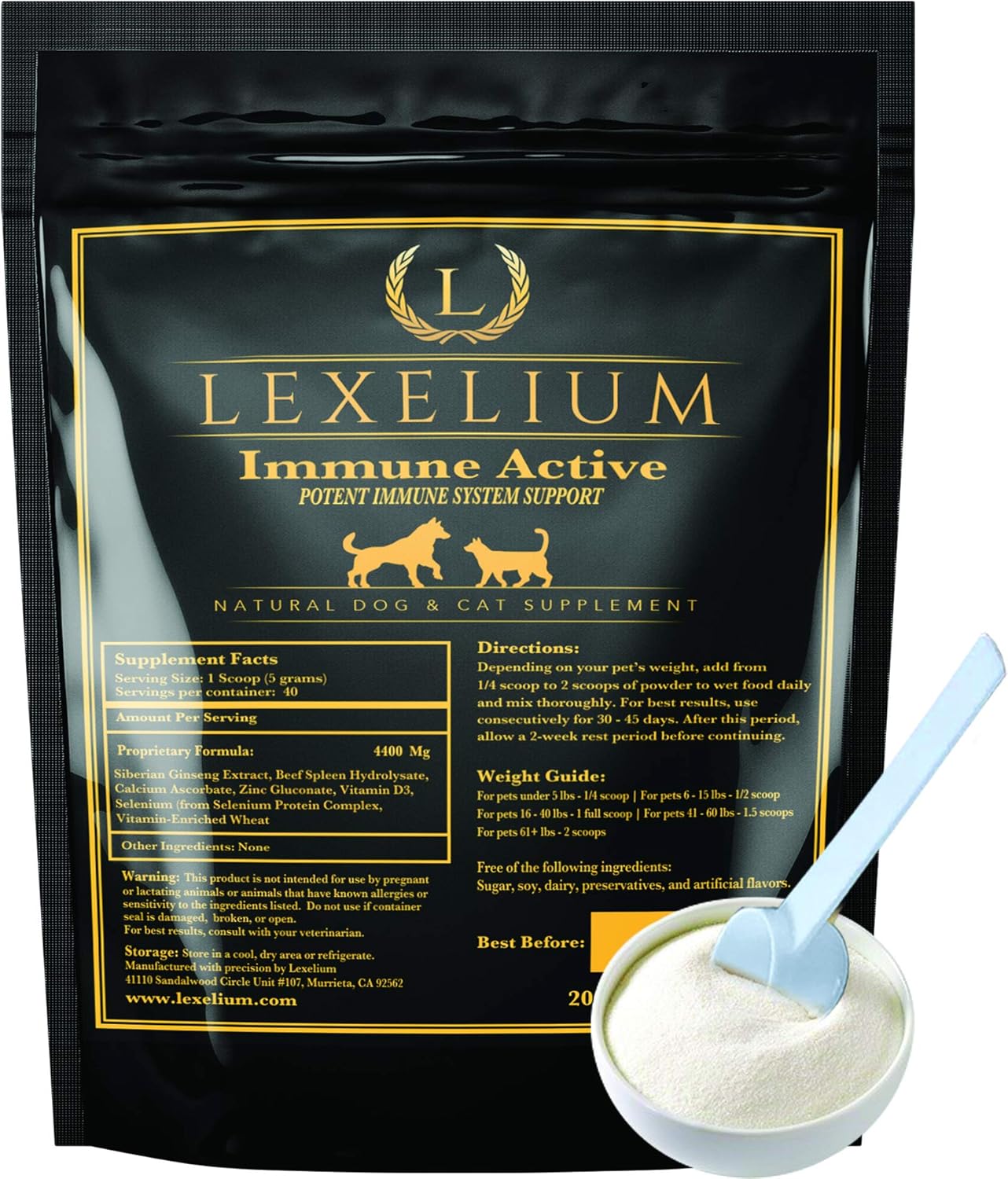
Different Types of Cancer Fighting Dog Food
Common Buying Mistakes to Avoid
❌ Mistake: Choosing Based on Marketing Claims Alone
Why it’s bad: Many brands use terms like “anti-cancer,” “immune-boosting,” or “superfood blend” without scientific backing. These claims are often unregulated and can mislead pet owners into thinking a food is therapeutic when it’s just a marketing gimmick.
What to do instead: Look beyond the front label. Read the ingredient list, guaranteed analysis, and research the brand’s formulation process. Ask your vet for recommendations and prioritize foods with clinical support or veterinary endorsement.
❌ Mistake: Ignoring Carbohydrate Content
Why it’s bad: High-carb diets can fuel cancer growth by increasing blood glucose and insulin levels. Many “grain-free” diets are still high in starchy vegetables and legumes, which can be just as problematic.
What to do instead: Calculate the carbohydrate content on a dry matter basis. Aim for less than 20%. Choose foods where animal protein is the dominant ingredient and carbohydrates are minimal and low-glycemic.
❌ Mistake: Overlooking Omega-3 Quality and Quantity
Why it’s bad: Not all omega-3s are equal. Plant-based sources like flaxseed provide ALA, which dogs convert poorly to EPA and DHA. Without sufficient EPA/DHA, anti-inflammatory benefits are limited.
What to do instead: Choose foods with fish oil or algae oil as a primary fat source. Check the guaranteed analysis for EPA and DHA levels, and consider supplementation if needed—under veterinary guidance.
❌ Mistake: Feeding a One-Size-Fits-All Diet
Why it’s bad: Dogs with cancer have unique needs based on tumor type, stage, treatment, and overall health. A diet that works for one dog may not suit another.
What to do instead: Work with your veterinarian or a veterinary nutritionist to tailor the diet to your dog’s specific condition. Monitor weight, appetite, energy, and lab work regularly.
❌ Mistake: Neglecting Food Safety and Freshness
Why it’s bad: Rancid fats, spoiled proteins, or contaminated ingredients can worsen health and increase cancer risk. Dogs with compromised immune systems are especially vulnerable.
What to do instead: Buy from reputable sources, check expiration dates, store food properly, and avoid bulk bins or damaged packaging. Consider brands that test for contaminants.
❌ Mistake: Switching Diets Too Quickly
Why it’s bad: Sudden dietary changes can cause digestive upset, especially in dogs undergoing treatment. This may lead to refusal to eat, which is dangerous during illness.
What to do instead: Transition gradually over 7–10 days, mixing increasing amounts of the new food with the old. Monitor for vomiting, diarrhea, or lethargy.
❌ Mistake: Relying Solely on Diet for Cancer Treatment
Why it’s bad: While nutrition is a powerful supportive tool, it is not a replacement for veterinary care. Cancer requires a multidisciplinary approach, including surgery, chemotherapy, radiation, or immunotherapy.
What to do instead: Use diet as part of a comprehensive treatment plan. Always follow your vet’s recommendations and never delay or refuse proven medical therapies in favor of dietary changes alone.
Budget Guidelines: How Much Should You Spend?
Entry-Level ($1.50–$2.50 per lb): At this price point, most foods are highly processed, grain-heavy, and low in quality protein. While some budget brands have improved, they rarely meet the criteria for cancer-fighting nutrition. You may find occasional options with decent protein, but they often lack omega-3s, antioxidants, and functional ingredients. Best for temporary use or supplemental feeding, not long-term cancer support.
Mid-Range ($2.50–$4.00 per lb): This is the sweet spot for most dog owners seeking quality without breaking the bank. Many premium commercial brands fall here, offering high-protein, low-carb formulas with added omega-3s and natural preservatives. Look for brands like Wellness CORE, Taste of the Wild High Prairie, or Nutro Ultra. These often include functional ingredients and are widely available.
Premium ($4.00–$6.00 per lb): For dogs with active cancer or high nutritional needs, premium diets offer the best balance of science and quality. These include prescription diets (with vet approval) and high-end commercial brands like Blue Buffalo Natural Veterinary Diet, Purina Pro Plan Veterinary Diets, or Open Farm. They feature novel proteins, therapeutic nutrient profiles, and rigorous testing.
Luxury ($6.00+ per lb): At this tier, you’ll find fresh, refrigerated, or custom-formulated diets from companies like The Farmer’s Dog, Nom Nom, or Ollie. These are minimally processed, made with human-grade ingredients, and often tailored to individual dogs. While expensive, they offer maximum palatability, digestibility, and nutrient retention—ideal for dogs struggling to eat during treatment.
Remember: cost per pound isn’t the only factor. Consider cost per meal, feeding guidelines, and your dog’s individual needs. A higher-priced food may last longer if your dog eats less due to higher satiety.
Expert Tips for Getting the Best Deal
– Buy in bulk during sales: Many online retailers (Chewy, Petco, Amazon) offer discounts on larger bags or subscription orders. Stock up during Black Friday, Prime Day, or end-of-season sales.
– Use subscription services: Auto-shipping often comes with 5–15% off and free delivery. You can pause or cancel anytime.
– Check for rebates and coupons: Manufacturer websites and apps like Rakuten often have promo codes. Some vets also provide sample packs or discounts on prescription diets.
– Compare cost per cup or meal: A cheaper bag may require larger portions, making it more expensive long-term. Calculate based on your dog’s daily intake.
– Ask your vet about financial assistance: Some clinics offer payment plans or partner with nonprofits to help cover the cost of therapeutic diets.
– Consider mixing diets: If a premium food is too costly, blend it with a mid-range option to stretch your budget while still providing benefits.
– Test small quantities first: Before committing to a large bag, buy a small size or sample to ensure your dog likes it and tolerates it well.
– Look for loyalty programs: Stores like PetSmart and Chewy offer rewards points that can be redeemed for discounts on future purchases.

Frequently Asked Questions
Q: Can diet really help fight cancer in dogs?
A: While diet alone cannot cure cancer, it can play a significant supportive role. Research shows that certain nutritional strategies—like reducing carbohydrates, increasing omega-3s, and providing antioxidants—can help slow tumor growth, reduce inflammation, and improve quality of life. Always use diet in conjunction with veterinary treatment.
Q: Should I switch to a raw diet if my dog has cancer?
A: Raw diets can be nutritious but come with risks, especially for immunocompromised dogs. Bacterial contamination (e.g., Salmonella) is a serious concern. If you choose raw, ensure it’s balanced, sourced from reputable suppliers, and handled safely. Consult your vet before making the switch.
Q: Are grain-free diets better for cancer prevention?
A: Not necessarily. Grain-free doesn’t mean low-carb. Many grain-free foods use potatoes or legumes, which can still spike blood sugar. Focus on overall carbohydrate content and ingredient quality, not just the absence of grains.
Q: How much omega-3 should my dog with cancer get?
A: A common therapeutic dose is 20–50 mg of EPA per pound of body weight daily. For a 50-pound dog, that’s 1,000–2,500 mg of EPA. Always consult your vet before supplementing, especially if your dog is on medication.
Q: Can I make homemade cancer-fighting dog food?
A: Yes, but it requires careful formulation to ensure nutritional balance. Work with a veterinary nutritionist to create a recipe that meets your dog’s needs. Homemade diets can be highly beneficial but are risky if not properly balanced.
Q: Is it safe to give my dog turmeric for cancer?
A: Turmeric (curcumin) has anti-inflammatory and anti-cancer properties, but it’s poorly absorbed. Use a formulation with black pepper (piperine) and fat to enhance absorption. Start with small doses and monitor for digestive upset. Avoid in dogs with gallbladder issues.
Q: How often should I feed my dog with cancer?
A: Small, frequent meals (3–4 times daily) are often better than large meals, especially if your dog has a reduced appetite or is on chemotherapy. This helps maintain energy and reduces nausea.
Q: What if my dog won’t eat the new food?
A: Try warming it slightly, adding low-sodium broth, or mixing in a small amount of wet food. If appetite remains poor, talk to your vet about appetite stimulants or alternative feeding methods like syringe feeding.
Q: Are there any ingredients I should absolutely avoid?
A: Avoid artificial preservatives (BHA, BHT, ethoxyquin), excessive carbohydrates, low-quality by-products, and foods with high mycotoxin risk. Also steer clear of diets with high omega-6 to omega-3 ratios.
Q: How long does it take to see benefits from a cancer-fighting diet?
A: Improvements in energy, coat condition, and digestion may be seen within weeks. However, anti-cancer effects are long-term and part of a broader treatment plan. Regular veterinary check-ups are essential to monitor progress.
Our Final Recommendations
Best for Budget-Conscious Buyers: Wellness CORE Grain-Free Original Recipe – Offers high protein (34% dry matter), low carbs, and added omega-3s at a reasonable price. Widely available and well-balanced for preventive care.
Best Overall Value: Open Farm Homestead Turkey & Chicken Recipe – Human-grade ingredients, transparent sourcing, rich in omega-3s, and includes functional ingredients like turmeric and pumpkin. Excellent for dogs in remission or at high risk.
Best Premium Option: Hill’s Prescription Diet n/d Canine – Clinically proven to support dogs with cancer, high in protein, low in carbs, and enriched with EPA and antioxidants. Requires vet authorization but is the gold standard.
Best for Beginners: Taste of the Wild High Prairie Grain-Free – Affordable, palatable, and made with real roasted meats. A great entry point for owners new to therapeutic nutrition.
Best for Advanced Users: The Farmer’s Dog Fresh Beef Recipe – Customized, fresh, and minimally processed. Ideal for dogs needing high palatability and digestibility during treatment. Subscription-based with vet-approved formulations.
Conclusion: Making the Right Choice
Choosing the best cancer-fighting dog food is one of the most meaningful ways you can support your dog’s health and well-being. While no diet can guarantee prevention or cure, the right nutritional approach can make a real difference in slowing disease progression, improving treatment tolerance, and enhancing quality of life. By focusing on high-quality protein, low carbohydrates, omega-3 fatty acids, antioxidants, and minimal processing, you’re giving your dog the best possible foundation for fighting cancer.
Remember, every dog is unique. What works for one may not work for another. Always consult your veterinarian before making significant dietary changes, especially if your dog is undergoing treatment. Monitor your dog closely, adjust as needed, and stay informed about the latest research in canine oncology and nutrition.
Your love and dedication are your dog’s greatest allies. With the right food, the right care, and the right support, you can help your furry friend live their best life—no matter what challenges come their way. Start today. Your dog deserves nothing less.