

When your dog receives a cancer diagnosis, it’s natural to feel overwhelmed, scared, and desperate to do everything possible to support their health. One of the most impactful ways you can help is through nutrition. While no food can cure cancer, the right diet can play a powerful role in supporting your dog’s immune system, maintaining energy levels, managing side effects from treatment, and improving overall quality of life. That’s why choosing the best cancer food for dogs isn’t just about picking a premium kibble—it’s about making an informed, science-backed decision that aligns with your dog’s unique medical needs.
This comprehensive buying guide is designed to empower pet parents with the knowledge and tools needed to navigate the complex world of canine cancer nutrition. Whether your dog is undergoing chemotherapy, radiation, surgery, or palliative care, we’ll walk you through the key factors to consider, debunk common myths, compare different dietary approaches, and help you avoid costly mistakes. You’ll learn how to evaluate ingredients, understand nutritional profiles, interpret veterinary recommendations, and find the right balance between cost and quality. With so many options on the market—from prescription diets to homemade meals and raw food—it’s easy to feel lost. Our goal is to simplify the process and give you confidence in your choices.
The market for therapeutic and supportive diets for dogs with cancer has grown significantly in recent years, driven by increased awareness of the link between nutrition and disease management. Major pet food brands now offer specialized formulas, while holistic veterinarians advocate for whole-food, anti-inflammatory diets. However, not all products are created equal. Some are backed by clinical research, while others rely on marketing hype. In this guide, we’ll cut through the noise and focus on evidence-based recommendations, real-world effectiveness, and practical considerations like palatability, availability, and affordability. By the end, you’ll have a clear roadmap to choosing the best cancer food for your dog—one that supports healing, comfort, and vitality during a challenging time.

What to Look for When Buying Cancer Food for Dogs
1. Nutritional Profile Tailored to Cancer Support
When selecting food for a dog with cancer, the nutritional composition is the most critical factor. Cancer alters a dog’s metabolism, often leading to muscle wasting (cachexia), reduced appetite, and increased inflammation. Therefore, the ideal diet should be high in bioavailable protein, moderate in fat, and low in carbohydrates—especially simple sugars. Tumors thrive on glucose, so minimizing carb intake can help slow tumor growth. Look for foods where animal-based proteins (like chicken, turkey, or fish) are the first ingredient, and avoid fillers like corn, wheat, or soy.
Additionally, omega-3 fatty acids—particularly EPA and DHA from fish oil—have been shown to reduce inflammation and may help slow cancer progression. Antioxidants such as vitamins E and C, selenium, and beta-carotene support immune function and combat oxidative stress caused by cancer and treatments like chemotherapy. Some advanced formulas also include medium-chain triglycerides (MCTs), which provide an alternative energy source that cancer cells cannot easily use.
2. Digestibility and Palatability
Cancer and its treatments often cause nausea, vomiting, diarrhea, or a complete loss of appetite. Even the most nutritious food won’t help if your dog refuses to eat it. Digestibility refers to how easily the body can break down and absorb nutrients—this becomes especially important when a dog’s gastrointestinal system is compromised. Highly digestible proteins and fats ensure your dog gets maximum nutrition with minimal digestive strain.
Palatability is equally crucial. Dogs with cancer may become picky eaters due to changes in taste perception or discomfort. Warming the food slightly, adding bone broth, or mixing in small amounts of cooked meat can enhance appeal. Some prescription diets are formulated with enhanced flavors to encourage consumption. Always monitor your dog’s eating habits and be prepared to adjust textures or temperatures to make meals more inviting.
3. Prescription vs. Over-the-Counter Options
One of the biggest decisions you’ll face is whether to choose a prescription diet or an over-the-counter (OTC) product. Prescription diets, such as Hill’s Prescription Diet ONC or Royal Canin Veterinary Diet Oncology, are formulated under veterinary supervision and often backed by clinical studies. They’re designed to meet specific metabolic needs of dogs with cancer and may include targeted nutrients like L-carnitine to preserve muscle mass.
OTC options can be effective too, especially if they’re high-quality, grain-free, and rich in animal protein. However, they lack the rigorous testing and veterinary oversight of prescription diets. If your dog is on active treatment, a prescription diet may offer more reliable support. That said, some pet owners successfully manage their dog’s condition with carefully crafted homemade or raw diets under veterinary guidance. Always consult your vet before making the switch.
4. Ingredient Quality and Sourcing
Not all proteins and fats are created equal. High-quality animal proteins should come from named sources (e.g., “deboned chicken” rather than “poultry by-product meal”). Avoid artificial preservatives like BHA, BHT, and ethoxyquin, which have been linked to health risks. Instead, look for natural preservatives such as mixed tocopherols (vitamin E) or rosemary extract.
Sourcing matters too. Foods made in countries with strict regulatory standards (like the USA, Canada, or EU) tend to have better quality control. Check the manufacturer’s website for transparency about sourcing, testing, and manufacturing practices. Brands that conduct third-party testing for contaminants and nutritional accuracy are generally more trustworthy.
5. Caloric Density and Feeding Frequency
Dogs with cancer often have higher energy needs due to the metabolic demands of the disease and treatment. However, they may eat less due to nausea or fatigue. This creates a paradox: they need more calories but consume less food. High-calorie, nutrient-dense diets help bridge this gap. Look for foods with a caloric density of at least 400–500 kcal per cup, depending on your dog’s size and activity level.
Feeding smaller, more frequent meals (4–6 times per day) can also help maintain energy levels and reduce digestive upset. Some dogs benefit from liquid or semi-liquid diets that are easier to consume. Consider using a high-calorie supplement like cottage cheese, plain yogurt, or a vet-approved nutritional gel if your dog struggles to eat enough.
6. Compatibility with Treatment Plans
The best cancer food must work in harmony with your dog’s overall treatment plan. For example, if your dog is on chemotherapy, they may experience mucositis (mouth sores) or gastrointestinal irritation. Soft, moist foods or gently warmed meals can be easier to swallow. Radiation therapy can cause skin sensitivity, so avoid foods with potential allergens like beef or chicken if your dog has shown sensitivities.
Some supplements and foods can interact with medications. For instance, high doses of vitamin C may interfere with certain chemotherapies. Always inform your veterinarian of any dietary changes or supplements you’re considering. A veterinary oncologist or integrative veterinarian can help tailor a nutrition plan that complements medical treatments without causing harm.
7. Brand Reputation and Veterinary Support
Not all pet food companies prioritize health over profit. Research the brand’s history—have there been recalls? Do they invest in research? Are their products recommended by veterinarians? Established brands like Hill’s, Royal Canin, Purina Pro Plan Veterinary Diets, and Blue Buffalo have long-standing relationships with veterinary professionals and often provide educational resources and feeding guides.
Additionally, some brands offer direct support to pet owners, including access to veterinary nutritionists or feeding hotlines. This can be invaluable when you’re navigating complex dietary needs. Avoid boutique or unproven brands that make bold claims without scientific backing.
8. Cost and Long-Term Affordability
While your dog’s health is priceless, budget is a real concern. Prescription diets can cost $3–$5 per day or more, which adds up over time. Homemade diets may seem cheaper, but the cost of high-quality ingredients, supplements, and veterinary consultations can exceed commercial options. Raw diets require careful handling and storage, which may not be practical for all households.
Consider the long-term: how long will your dog need this diet? If it’s for life, affordability becomes even more important. Look for bulk discounts, subscription services, or vet clinic promotions. Some pet insurance plans cover prescription diets, so check your policy. Balance cost with quality—don’t sacrifice nutrition for savings, but also avoid overspending on unnecessary “premium” features.
Different Types of Cancer Diets for Dogs

Common Buying Mistakes to Avoid
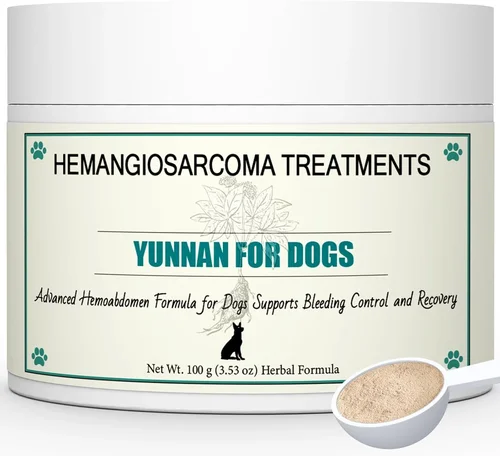
❌ Mistake: Choosing Based on Marketing Claims Alone
Why it’s bad: Many pet foods use buzzwords like “natural,” “holistic,” or “cancer-fighting” without scientific evidence. These terms are not regulated and can mislead pet owners into buying ineffective or even harmful products.
What to do instead: Focus on ingredient lists and nutritional analysis. Look for peer-reviewed studies or veterinary endorsements. When in doubt, ask your vet for a recommendation based on clinical experience.
❌ Mistake: Ignoring Your Dog’s Individual Needs
Why it’s bad: Every dog is different. A diet that works for a small breed with lymphoma may not suit a large breed with osteosarcoma. Age, weight, cancer type, treatment plan, and pre-existing conditions all influence dietary needs.
What to do instead: Work with your veterinarian to create a personalized nutrition plan. Consider a nutritional assessment to identify deficiencies or imbalances.
❌ Mistake: Switching Diets Too Quickly
Why it’s bad: Sudden changes in diet can cause gastrointestinal upset, especially in dogs with sensitive systems. This can lead to refusal to eat, worsening the situation.
What to do instead: Transition gradually over 7–10 days, mixing increasing amounts of the new food with the old. Monitor for signs of intolerance like vomiting, diarrhea, or lethargy.
❌ Mistake: Over-Supplementing Without Guidance
Why it’s bad: While supplements like fish oil, turmeric, or medicinal mushrooms have potential benefits, excessive or inappropriate use can interfere with treatments or cause toxicity.
What to do instead: Only use supplements under veterinary supervision. Ask for dosage recommendations and potential interactions with medications.
❌ Mistake: Prioritizing Cost Over Quality
Why it’s bad: Cheap foods often contain low-quality proteins, fillers, and artificial additives that can exacerbate inflammation and weaken the immune system.
What to do instead: Invest in the best quality food you can afford. Consider it a medical expense—like medication or therapy. Look for value, not just low price.
❌ Mistake: Neglecting Hydration
Why it’s bad: Cancer and treatments like chemotherapy can cause dehydration, which worsens fatigue and organ function. Dry kibble alone may not provide enough moisture.
What to do instead: Add water, bone broth, or wet food to meals. Encourage drinking with multiple water bowls, fountains, or flavored broths. Monitor urine output and skin elasticity.
❌ Mistake: Failing to Monitor and Adjust
Why it’s bad: A dog’s nutritional needs change as cancer progresses or responds to treatment. What worked initially may become inadequate or inappropriate.
What to do instead: Schedule regular check-ins with your vet. Track weight, appetite, energy levels, and stool quality. Be prepared to adjust the diet as needed.
Budget Guidelines: How Much Should You Spend?
Feeding a dog with cancer can be a significant financial commitment, but understanding budget tiers helps you make informed choices without compromising care.
Entry-Level ($1.50–$2.50/day): These are typically high-protein, grain-free commercial kibbles from reputable brands. While not prescription-grade, they offer better quality than budget brands. Look for options like Wellness CORE Grain-Free or Nutro Ultra. Expect fewer specialized nutrients but decent digestibility and palatability. Best for stable dogs not on aggressive treatment.
Mid-Range ($2.50–$4.00/day): This is the sweet spot for most pet owners. It includes premium OTC diets like Blue Buffalo Wilderness High Protein, Orijen, or Taste of the Wild. These foods use high-quality ingredients, include beneficial additives like probiotics and omega-3s, and are widely available. They offer a good balance of cost, quality, and convenience.
Premium ($4.00–$6.00/day): These are often prescription or veterinary-exclusive diets such as Hill’s Prescription Diet ONC, Royal Canin Veterinary Diet Oncology, or Purina Pro Plan Veterinary Diets NC. They’re formulated with clinical research, include targeted nutrients, and are recommended by oncologists. Ideal for dogs undergoing active treatment or with complex needs.
Luxury ($6.00+/day): This tier includes custom homemade diets prepared with organic, human-grade ingredients, or raw diets sourced from specialty suppliers. While potentially the most nutritious, they require significant time, knowledge, and veterinary oversight. Best for dedicated owners with the resources to manage them properly.

Expert Tips for Getting the Best Deal
- Buy in Bulk When Possible: Larger bags of kibble often cost less per pound. Just ensure your dog will eat it before it expires—most dry foods last 6–12 months when stored properly.
- Subscribe and Save: Online retailers like Chewy, Amazon, or Petco offer subscription discounts (up to 15% off) for recurring deliveries. Set reminders to adjust quantities as needed.
- Check for Manufacturer Rebates: Brands like Hill’s and Royal Canin often run promotions or offer rebates for first-time buyers of prescription diets. Visit their websites or ask your vet.
- Compare Prices Across Retailers: Prices can vary significantly between vet clinics, pet stores, and online shops. Vet clinics may charge more for convenience, but online retailers sometimes offer free shipping.
- Ask Your Vet for Samples: Many companies provide free samples of prescription diets. This lets you test palatability before committing to a large purchase.
- Consider a Hybrid Approach: Mix a high-quality OTC kibble with homemade additions like cooked eggs, sardines, or pumpkin. This can enhance nutrition without the full cost of a prescription diet.
- Review Return Policies: If your dog refuses the food, you want to be able to return or exchange it. Most reputable retailers allow returns within 30 days if the bag is unopened.
- Track Your Dog’s Response: Keep a food journal noting appetite, energy, coat condition, and stool quality. This helps you determine if the diet is truly beneficial—and justifies the cost.

Frequently Asked Questions
Q: Can food really help my dog fight cancer?
A: While no food can cure cancer, proper nutrition supports the immune system, reduces inflammation, preserves muscle mass, and improves tolerance to treatments. It’s a vital part of a comprehensive care plan.
Q: Should I switch to a raw diet if my dog has cancer?
A: Raw diets can be beneficial due to their high protein and low carbohydrate content, but they carry risks like bacterial contamination and nutritional imbalances. Only consider raw feeding under veterinary supervision, especially if your dog is immunocompromised.
Q: How do I get my dog to eat if they’ve lost their appetite?
A: Try warming the food, adding low-sodium bone broth, mixing in a small amount of cooked chicken or fish, or offering hand-fed meals. Small, frequent meals and a calm eating environment can also help.
Q: Are grain-free diets better for dogs with cancer?
A: Not necessarily. While grains are carbohydrates, some (like oats or quinoa) provide fiber and nutrients. The key is minimizing simple sugars, not eliminating all carbs. Focus on overall carb content and ingredient quality.
Q: Can I make my own cancer diet at home?
A: Yes, but it must be balanced and vet-approved. Homemade diets require careful planning to avoid deficiencies. Work with a veterinary nutritionist to formulate a complete recipe.
Q: How often should I feed my dog with cancer?
A: Most dogs benefit from 4–6 small meals per day. This helps maintain energy levels and reduces digestive strain, especially if they’re on medication.
Q: Is it safe to give my dog supplements like turmeric or CBD?
A: Some supplements have anti-inflammatory or anti-tumor properties, but they can interact with medications. Always consult your vet before adding anything new to your dog’s regimen.
Q: What if my dog refuses to eat the prescription diet?
A: Try mixing it with a small amount of their old food, warming it, or adding a topper. If refusal continues, talk to your vet—there may be alternative formulas or appetite stimulants available.
Q: How long should my dog stay on a cancer-specific diet?
A: This depends on their prognosis and treatment plan. Some dogs remain on supportive diets for life, while others transition back to maintenance food if they go into remission. Regular vet check-ups will guide the decision.
Q: Can cancer food prevent cancer in healthy dogs?
A: While a healthy diet reduces cancer risk, it cannot guarantee prevention. Focus on overall wellness: balanced nutrition, regular exercise, weight management, and routine veterinary care.
Our Final Recommendations
Best for Budget-Conscious Buyers: Wellness CORE Grain-Free Original Recipe – A high-protein, low-carb kibble with real deboned turkey, omega-3s, and no fillers. Affordable at around $2.20/day, it’s a solid choice for stable dogs not on aggressive treatment.
Best Overall Value: Blue Buffalo Wilderness High Protein Grain-Free – Offers excellent ingredient quality, includes LifeSource Bits with antioxidants, and is widely available. Priced around $3.00/day, it balances cost, nutrition, and palatability.
Best Premium Option: Hill’s Prescription Diet ONC – Specifically formulated for dogs with cancer, this diet is high in protein, low in carbs, and includes L-carnitine and omega-3s. Backed by clinical research and vet-recommended, it’s ideal for dogs undergoing treatment.
Best for Beginners: Royal Canin Veterinary Diet Oncology – Easy to find through vet clinics, highly palatable, and designed to support dogs during cancer therapy. Comes with detailed feeding guidelines and veterinary support.
Best for Advanced Users: Custom Homemade Diet (Vet-Formulated) – For owners willing to invest time and effort, a homemade diet allows complete control over ingredients. Work with a veterinary nutritionist to ensure balance and safety.
Conclusion: Making the Right Choice
Choosing the best cancer food for your dog is one of the most loving and impactful decisions you can make during their illness. It’s not just about feeding them—it’s about giving them the strength to fight, the comfort to heal, and the joy to live each day to the fullest. While the journey may be difficult, you’re not alone. With the right information, support from your veterinary team, and a commitment to your dog’s well-being, you can navigate this challenge with confidence.
Remember, there’s no one-size-fits-all solution. What matters most is finding a diet that meets your dog’s unique needs, fits your lifestyle, and aligns with your budget. Prioritize quality ingredients, digestibility, and veterinary guidance. Avoid quick fixes and marketing gimmicks. And above all, listen to your dog—watch their energy, their appetite, their spirit. They’ll tell you what’s working.
We encourage you to use this guide as a starting point, not a final answer. Talk to your vet, ask questions, and stay informed. Every meal you prepare is an act of love. And in the face of cancer, that love can make all the difference.