
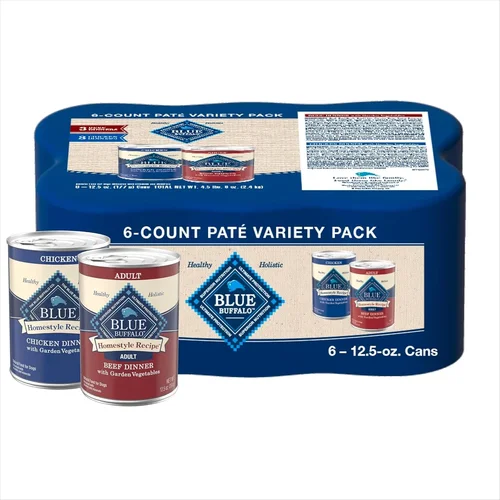
Cancer in dogs is a heartbreaking reality that affects countless pets and their families every year. As a devoted pet owner, you want nothing more than to provide your furry companion with the best possible care—especially when facing a serious health challenge like cancer. While veterinary treatment is essential, nutrition plays a pivotal role in supporting your dog’s immune system, maintaining energy levels, and improving quality of life during this difficult time. That’s where choosing the right canned dog food becomes not just important, but potentially life-enhancing.
In recent years, the pet food market has seen a surge in specialized diets designed to support dogs with chronic illnesses, including cancer. These formulations often emphasize high-quality proteins, healthy fats, low carbohydrates, and functional ingredients like antioxidants, omega-3 fatty acids, and immune-boosting compounds. However, with so many options flooding the shelves—and conflicting claims about what “cancer-friendly” really means—it can be overwhelming to know where to start. This comprehensive buying guide cuts through the noise to help you make an informed, compassionate decision for your dog.
By the end of this article, you’ll understand exactly what to look for in canned dog food for canine cancer patients, how to evaluate ingredient quality, and which brands and formulas offer real nutritional benefits. We’ll explore key factors like protein sourcing, carbohydrate content, additive safety, and palatability—critical considerations when your dog may already be dealing with reduced appetite or digestive sensitivity. Whether you’re caring for a senior dog diagnosed with lymphoma or supporting a middle-aged pup undergoing chemotherapy, this guide equips you with expert-level knowledge to choose food that truly supports healing, comfort, and vitality.
The market for therapeutic and wellness-focused pet foods has evolved rapidly, driven by both scientific research and consumer demand for transparency. Today’s top-tier canned dog foods aren’t just about meeting basic AAFCO standards—they’re formulated with input from veterinary nutritionists, prioritize bioavailable nutrients, and avoid common inflammatory triggers. From grain-free recipes rich in novel proteins to low-glycemic blends that help stabilize blood sugar (a concern in some cancer types), the options are more sophisticated than ever. But sophistication doesn’t always mean better—especially if it comes at the cost of digestibility or affordability. Our goal is to help you navigate this complex landscape with confidence, clarity, and compassion.
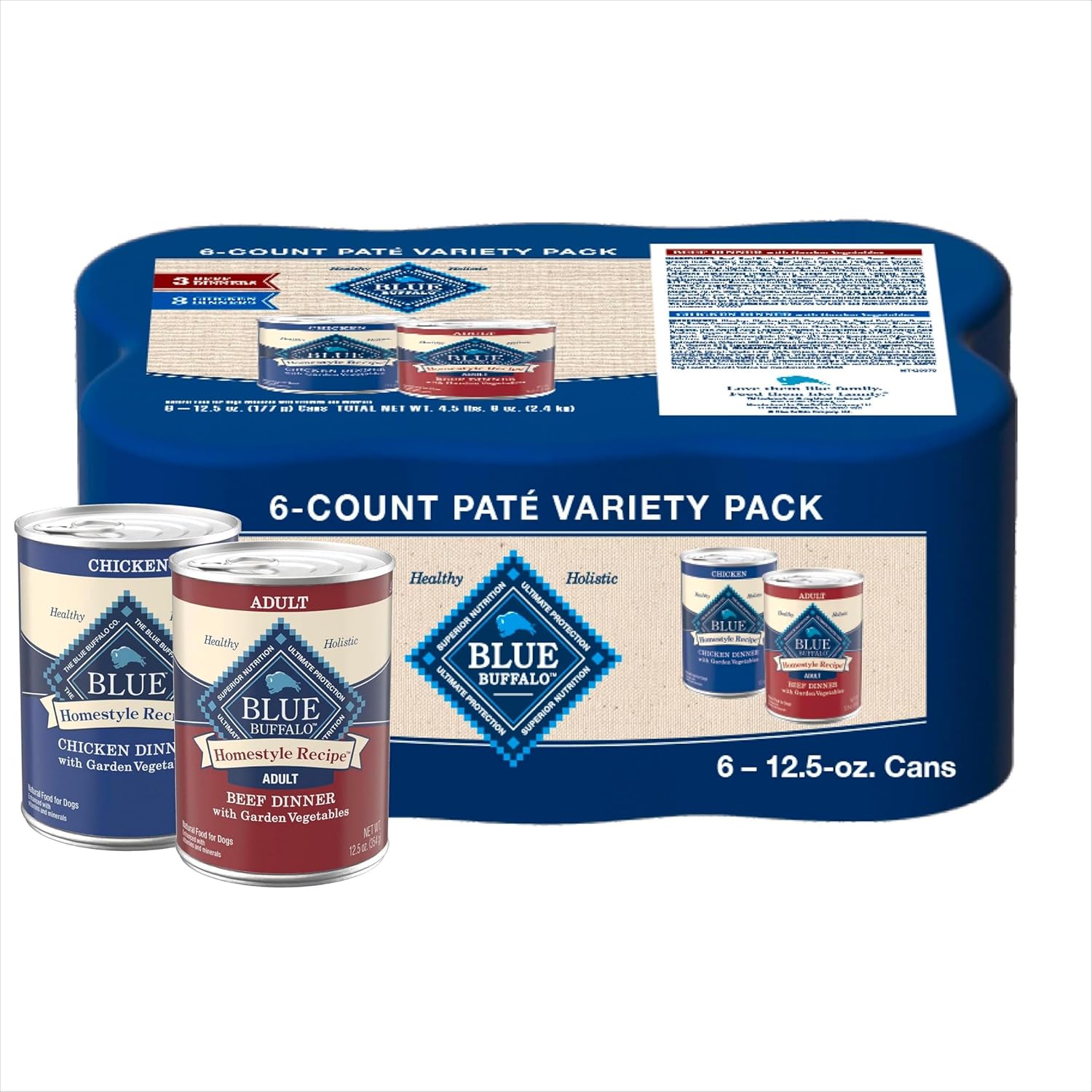
What to Look for When Buying Canned Dog Food for Dogs with Cancer
1. High-Quality, Digestible Protein Sources
Protein is the cornerstone of any cancer-supportive diet for dogs. During illness, especially cancer, a dog’s body experiences increased metabolic demand and muscle wasting (cachexia). High-quality, easily digestible protein helps preserve lean muscle mass, supports immune function, and provides essential amino acids needed for tissue repair. Look for named animal proteins as the first ingredient—such as “deboned chicken,” “turkey meal,” or “wild-caught salmon”—rather than vague terms like “meat meal” or “animal by-products.”
Novel proteins (like duck, rabbit, or venison) can be particularly beneficial if your dog has developed food sensitivities or allergies, which are not uncommon in chronically ill pets. These proteins are less likely to trigger immune responses and are often better tolerated. Additionally, highly digestible proteins reduce the burden on the digestive system, which is crucial if your dog is undergoing treatments like chemotherapy that can cause nausea or gastrointestinal upset.
Avoid formulas that rely heavily on plant-based proteins (like pea protein or soy) as primary protein sources. While these may boost the overall protein percentage on the label, they lack the complete amino acid profile and bioavailability of animal proteins. Dogs are biologically carnivores, and their bodies are optimized to utilize nutrients from animal tissue.
2. Low to Moderate Carbohydrate Content
One of the most debated topics in canine cancer nutrition is carbohydrate intake. While dogs can survive on carbohydrates, emerging research suggests that many cancers thrive in high-glucose environments. Insulin and IGF-1 (insulin-like growth factor) pathways can promote tumor growth, so minimizing blood sugar spikes is a strategic consideration.
Canned dog foods with high carbohydrate content—often from grains like corn, wheat, or rice, or starchy vegetables like potatoes and peas—can lead to elevated glucose levels. Instead, opt for recipes that use low-glycemic, fiber-rich carbohydrates such as pumpkin, sweet potato (in moderation), or green beans. These provide energy without causing sharp insulin spikes.
That said, completely eliminating carbohydrates isn’t necessary or always beneficial. Fiber supports gut health, which is vital for immune function and nutrient absorption. The key is balance: choose formulas where carbohydrates are secondary to protein and fat, and avoid those where grains or starches dominate the ingredient list.
3. Rich in Omega-3 Fatty Acids (EPA & DHA)
Omega-3 fatty acids, particularly eicosapentaenoic acid (EPA) and docosahexaenoic acid (DHA), are powerful anti-inflammatory compounds that have been studied for their potential to slow tumor growth, reduce cachexia, and improve treatment tolerance in dogs with cancer. These fatty acids help modulate the immune response, reduce chronic inflammation, and support brain and joint health—important considerations for aging or debilitated dogs.
Look for canned foods that include fish oil, salmon oil, or algae oil as a named ingredient. Cold-water fish like salmon, sardines, and mackerel are excellent natural sources. The ideal omega-6 to omega-3 ratio in a cancer-supportive diet should be close to 5:1 or lower (many commercial dog foods have ratios as high as 20:1 or more, which promotes inflammation).
Supplementation may also be necessary. Even the best canned foods may not provide therapeutic levels of EPA and DHA. Consult your veterinarian about adding a high-quality fish oil supplement to your dog’s regimen, especially if they’re undergoing chemotherapy or radiation.
4. Antioxidant and Immune-Boosting Ingredients
Cancer and its treatments generate oxidative stress, which damages cells and weakens the immune system. Antioxidants help neutralize free radicals and support cellular repair. Look for canned foods that include natural sources of antioxidants such as:
– Vitamin E (often listed as mixed tocopherols)
– Vitamin C (ascorbic acid)
– Beta-carotene (from carrots or sweet potatoes)
– Selenium
– Polyphenols (from blueberries, cranberries, or spinach)
Ingredients like turmeric, green tea extract, and medicinal mushrooms (such as reishi or turkey tail) are increasingly found in premium therapeutic diets and have shown promise in supporting immune function and reducing inflammation. However, always verify that these ingredients are present in meaningful amounts—not just as marketing buzzwords.
Avoid foods with synthetic preservatives like BHA, BHT, or ethoxyquin, which may contribute to oxidative stress. Natural preservatives like tocopherols (vitamin E) and rosemary extract are safer alternatives.
5. Palatability and Digestibility
One of the biggest challenges in feeding a dog with cancer is maintaining appetite. Nausea, mouth sores, fatigue, and the side effects of treatment can drastically reduce interest in food. Canned dog food is often preferred over dry kibble because of its strong aroma, soft texture, and high moisture content—all of which enhance palatability.
Look for recipes with rich, meat-based broths or gravies that entice eating. Avoid overly processed textures or formulas that rely on artificial flavor enhancers. High moisture content (typically 70–80% in canned food) also supports hydration, which is critical for dogs on certain medications or experiencing vomiting or diarrhea.
Digestibility is equally important. Even the most nutritious food is useless if your dog can’t keep it down. Choose formulas with minimal fillers, artificial additives, or hard-to-digest grains. Probiotics and prebiotics (like chicory root or dried fermentation products) can support gut health and improve nutrient absorption.
6. Minimal Additives and Artificial Ingredients
When your dog is fighting cancer, every ingredient matters. Artificial colors, flavors, and preservatives offer no nutritional value and may contribute to inflammation or allergic reactions. Some synthetic additives have even been linked to long-term health risks in pets.
Read the ingredient list carefully. Avoid foods containing:
– Artificial colors (e.g., Red 40, Blue 2)
– Artificial flavors
– Chemical preservatives (BHA, BHT, ethoxyquin)
– Excessive sodium (which can strain the kidneys)
– Sugars or sweeteners (like corn syrup or molasses)
Instead, choose brands that prioritize clean labeling and transparency. Look for certifications like “non-GMO,” “human-grade,” or “made in FDA-registered facilities” as indicators of higher quality control. While these don’t guarantee therapeutic efficacy, they suggest a commitment to ingredient integrity.
7. Veterinary and AAFCO Compliance
While many commercial dog foods meet AAFCO (Association of American Feed Control Officials) nutrient profiles, not all are formulated with disease states in mind. For dogs with cancer, it’s ideal to choose foods that are not only complete and balanced but also developed with input from veterinary nutritionists.
Some brands offer “therapeutic” or “prescription” diets specifically for cancer or metabolic support. These are often available through veterinarians and may include specialized formulations like Hill’s Prescription Diet ONC or Royal Canin Oncology Support. While these can be excellent options, they’re not the only path—many high-quality over-the-counter (OTC) brands now offer science-backed, cancer-supportive recipes.
Always consult your veterinarian or a board-certified veterinary nutritionist before making significant dietary changes. They can help determine whether a prescription diet is necessary or if a well-chosen OTC formula will suffice.
8. Brand Reputation and Transparency
Not all pet food companies are created equal. Some prioritize marketing over science, while others invest heavily in research, sourcing, and manufacturing standards. When choosing canned food for a dog with cancer, brand reputation matters.
Look for companies that:
– Publish detailed ingredient sourcing information
– Conduct feeding trials (not just computer-formulated recipes)
– Are transparent about manufacturing locations and practices
– Have a history of recalls or safety issues (check FDA recall databases)
Brands like Wellness, The Honest Kitchen, Nom Nom, and Open Farm are known for their commitment to quality and transparency. Others, like Purina Pro Plan Veterinary Diets or Blue Buffalo’s Natural Veterinary Diet line, offer clinically tested formulas developed with veterinary input.
Avoid brands that use vague language like “natural” without certification or those that rely heavily on celebrity endorsements over scientific backing.
Different Types of Canned Dog Food for Cancer Support
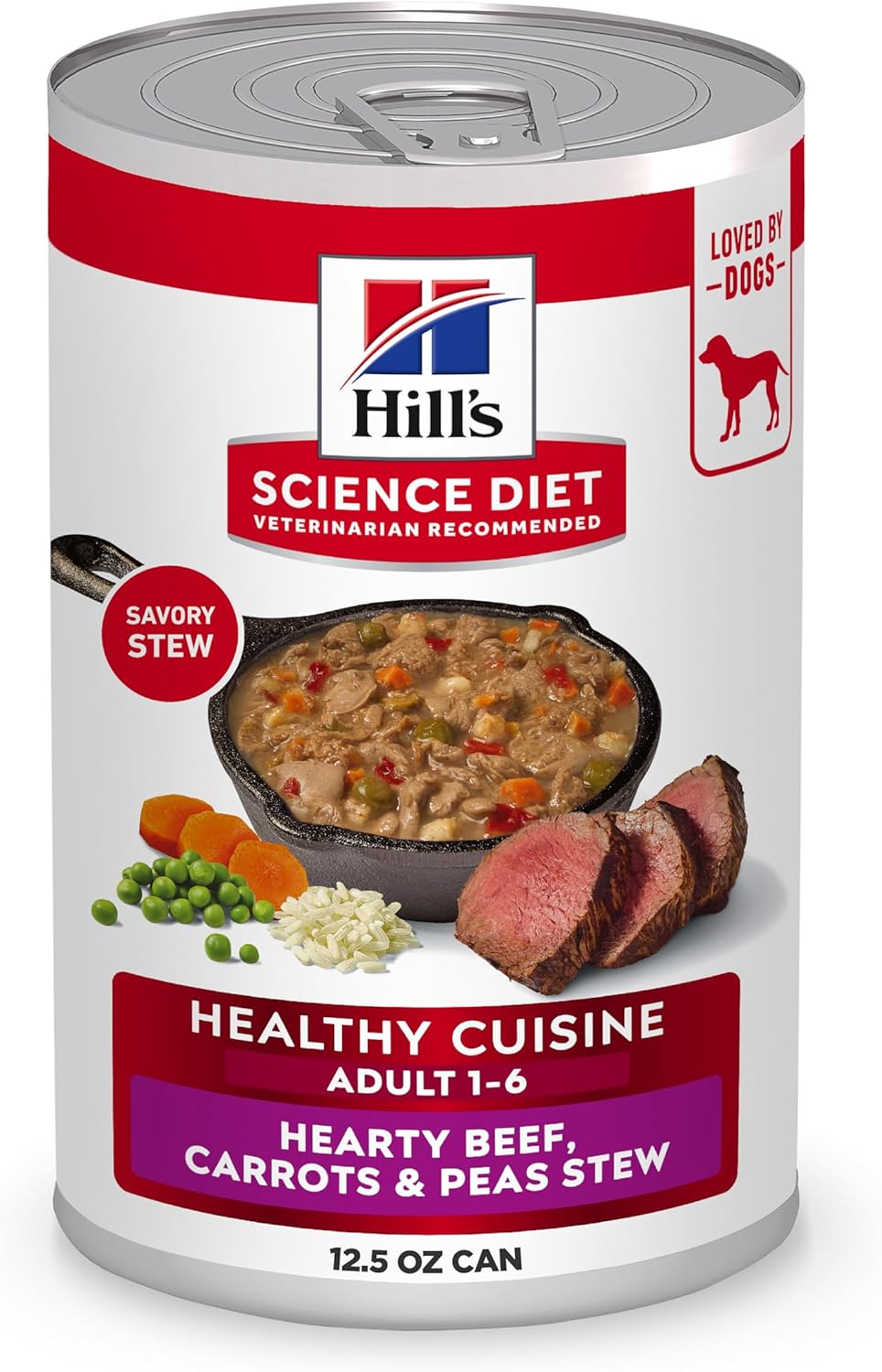
Common Buying Mistakes to Avoid
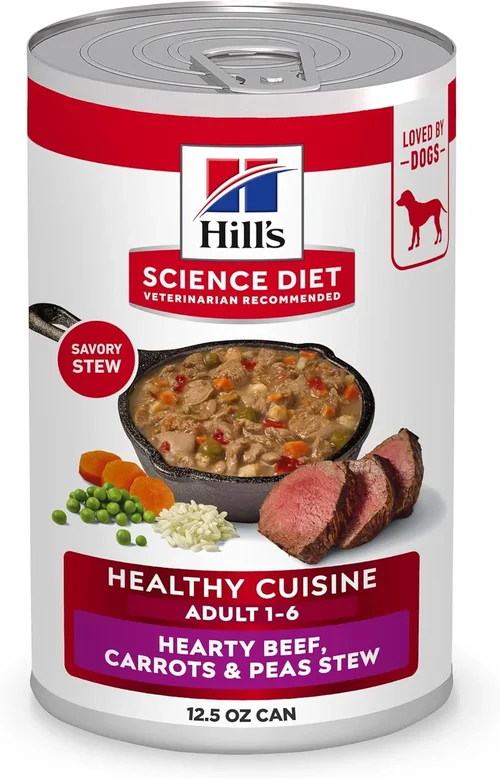
❌ Mistake: Choosing Based Solely on “Grain-Free” Claims
Why it’s bad: Grain-free doesn’t automatically mean cancer-friendly. Many grain-free formulas replace grains with high-starch legumes like peas, lentils, or chickpeas, which can spike blood sugar and contribute to inflammation. Additionally, the FDA has investigated a potential link between grain-free diets and dilated cardiomyopathy (DCM) in dogs, though the exact cause remains under study.
What to do instead: Focus on the overall macronutrient balance and ingredient quality, not just the absence of grains. Look for low-glycemic carbohydrates and ensure the primary ingredients are high-quality animal proteins.
❌ Mistake: Ignoring Moisture Content and Dry Matter Analysis
Why it’s bad: Canned food labels can be misleading because they list percentages on an “as-fed” basis, which includes up to 80% water. A food with 10% protein as-fed may actually contain only 30% protein on a dry matter basis—far too low for a cancer patient.
What to do instead: Always calculate the dry matter content. Subtract the moisture percentage from 100, then divide the protein (or fat/carb) percentage by that number. This gives you a true comparison between wet and dry foods.
❌ Mistake: Overlooking Palatability and Appetite Issues
Why it’s bad: Even the most nutritious food won’t help if your dog refuses to eat it. Cancer and treatments like chemotherapy can cause nausea, mouth sores, and fatigue, making mealtime a challenge.
What to do instead: Choose highly palatable foods with strong aromas and soft textures. Offer small, frequent meals and consider warming the food or adding enticing toppers like bone broth or plain yogurt.
❌ Mistake: Assuming All “Natural” or “Organic” Foods Are Better
Why it’s bad: “Natural” and “organic” are marketing terms that don’t guarantee therapeutic value. Some organic foods still contain high-carb fillers or lack essential nutrients for cancer support.
What to do instead: Read the full ingredient list and guaranteed analysis. Prioritize nutrient density and bioavailability over certifications alone.
❌ Mistake: Not Consulting a Veterinarian or Nutritionist
Why it’s bad: Every dog’s cancer is different. A diet that works for one dog with lymphoma may not be appropriate for another with osteosarcoma or hemangiosarcoma. Self-prescribing without professional guidance can lead to nutritional imbalances.
What to do instead: Work with your vet or a board-certified veterinary nutritionist (ACVN) to create a personalized feeding plan. They can recommend specific formulas, supplements, and feeding schedules based on your dog’s diagnosis, stage, and treatment plan.
❌ Mistake: Switching Foods Too Quickly or Frequently
Why it’s bad: Sudden diet changes can cause gastrointestinal upset, especially in sensitive or immunocompromised dogs. Frequent switching also makes it hard to determine what’s working.
What to do instead: Transition slowly over 7–10 days, mixing increasing amounts of the new food with the old. Once settled, stick with a formula for at least 4–6 weeks to assess its impact.
Budget Guidelines: How Much Should You Spend?
Feeding a dog with cancer doesn’t have to break the bank—but it does require thoughtful investment. Here’s a breakdown of what to expect at different price points:
Entry-Level ($1.20–$1.80 per can): These are typically mainstream brands like Pedigree, Iams, or generic store brands. While affordable, they often contain lower-quality proteins, high carbohydrate levels, and artificial additives. Not recommended for cancer support unless used temporarily during financial hardship.
Mid-Range ($1.80–$3.00 per can): This is the sweet spot for most pet owners. Brands like Wellness CORE, Merrick, and Blue Buffalo offer high-protein, low-carb recipes with recognizable ingredients. Many include omega-3s and antioxidants. Ideal for dogs in early-stage cancer or in remission.
Premium ($3.00–$4.50 per can): These include veterinary diets (like Hill’s Prescription Diet or Royal Canin) and premium OTC brands (such as The Honest Kitchen or Open Farm). They feature novel proteins, minimal processing, and science-backed formulations. Best for dogs undergoing active treatment or with complex health needs.
Luxury ($4.50+ per can): Fresh, refrigerated, or human-grade options like Nom Nom or JustFoodForDogs fall into this category. These are minimally processed, highly palatable, and made with restaurant-quality ingredients. While expensive, they can be transformative for dogs with poor appetites or severe sensitivities.

Expert Tips for Getting the Best Deal
1. Buy During Seasonal Sales: Look for discounts around holidays like Black Friday, Memorial Day, or Pet Appreciation Week. Many retailers offer 20–30% off premium pet food during these periods.
2. Subscribe and Save: Most online retailers (Chewy, Amazon, Petco) offer subscription discounts. You’ll save money and ensure you never run out.
3. Compare Unit Prices: Don’t just look at the total cost—check the price per ounce or per can. Larger cans may seem cheaper but could go to waste if your dog has a small appetite.
4. Use Manufacturer Rebates: Some brands offer mail-in rebates or loyalty programs. Sign up for newsletters to receive exclusive coupons.
5. Ask Your Vet About Samples: Veterinary clinics often have sample packs of prescription diets. Try before you commit to a full case.
6. Check Return Policies: If your dog doesn’t like the food, you want to be able to return it. Chewy and Petco have generous return windows for unopened items.
7. Consider Mixing Diets: Combine a high-quality canned food with a small amount of dry kibble or homemade elements to stretch your budget without sacrificing nutrition.
8. Monitor Your Dog’s Response: Keep a feeding journal to track appetite, energy, stool quality, and weight. This helps you determine if the food is truly beneficial—or if it’s time to switch.
Frequently Asked Questions
Q: Can canned dog food actually help fight cancer?
A: While no food can cure cancer, the right diet can support your dog’s overall health, improve treatment tolerance, and potentially slow disease progression. High-protein, low-carb, anti-inflammatory diets may help manage symptoms like cachexia and boost immune function.
Q: Should I switch to a raw diet instead of canned food?
A: Raw diets carry risks, including bacterial contamination and nutritional imbalances. For immunocompromised dogs, the risk of foodborne illness is higher. Canned food is safer, more convenient, and often equally nutritious when chosen wisely.
Q: How often should I feed my dog with cancer?
A: Small, frequent meals (3–4 times per day) are often better than large ones. This helps maintain energy levels and reduces nausea. Adjust based on your dog’s appetite and vet recommendations.
Q: Can I mix different brands of canned food?
A: Yes, as long as both are high-quality and compatible. Mixing can enhance palatability and provide nutritional variety. Introduce gradually to avoid digestive upset.
Q: What if my dog refuses to eat the new food?
A: Try warming it, adding low-sodium broth, or mixing in a favorite treat. Offer it by hand or use a syringe if necessary. Consult your vet if appetite doesn’t improve—they may recommend appetite stimulants.
Q: Are there specific ingredients I should avoid?
A: Avoid artificial preservatives, high-glycemic carbs, excessive fillers, and unnamed meat meals. Also limit foods high in omega-6 fatty acids (like corn or soybean oil), which can promote inflammation.
Q: How long should I feed a cancer-supportive diet?
A: Continue as long as your dog is benefiting—whether during treatment, remission, or palliative care. Regularly reassess with your vet to ensure the diet still meets your dog’s needs.
Q: Can puppies or young dogs with cancer eat the same food?
A: Puppies have different nutritional needs (higher fat, calcium, and calories). Choose a formula labeled for “all life stages” or consult your vet for a growth-appropriate cancer-supportive diet.
Q: Is it worth spending more on premium brands?
A: For dogs with serious illness, yes. Premium brands often use better ingredients, undergo more rigorous testing, and offer formulations backed by science. The investment can improve quality of life and treatment outcomes.
Q: What if my dog has kidney issues along with cancer?
A: Kidney disease requires lower phosphorus and protein levels. Work closely with your vet to find a balanced diet that supports both conditions—some prescription diets are formulated for this dual need.
Our Final Recommendations
Best for Budget-Conscious Buyers: Wellness CORE Grain-Free Turkey & Chicken Liver Recipe
High in protein, low in carbs, and free from fillers. Offers excellent value at around $2.20 per can.
Best Overall Value: Merrick Grain-Free Real Texas Beef + Sweet Potato
Named beef as the first ingredient, includes probiotics and omega-3s. Palatable and widely available.
Best Premium Option: Hill’s Prescription Diet ONC Canine Cancer Care
Veterinary-formulated with high protein, low carbs, and added L-carnitine to combat muscle loss. Requires a vet’s approval.
Best for Beginners: Blue Buffalo Natural Veterinary Diet ONC Oncology Support
Easy to find, well-balanced, and designed with input from veterinary nutritionists. Great for first-time therapeutic feeding.
Best for Advanced Users: Nom Nom Fresh Dog Food (Beef Mash)
Fresh, human-grade, and customized to your dog’s needs. Delivered refrigerated with feeding guidelines. Ideal for dogs with complex dietary requirements.
Conclusion: Making the Right Choice
Choosing the best canned dog food for a dog with cancer is one of the most loving and impactful decisions you can make as a pet parent. It’s not just about calories or convenience—it’s about providing nourishment that supports healing, comfort, and dignity during a challenging journey. By focusing on high-quality protein, low carbohydrates, anti-inflammatory fats, and clean ingredients, you give your dog the nutritional foundation they need to fight harder and feel better.
Remember, no single food is a miracle cure, but the right diet can be a powerful ally alongside veterinary care. Take the time to read labels, consult professionals, and observe your dog’s response. Your attention to detail can make a meaningful difference in their energy, appetite, and overall well-being.
Above all, trust your instincts. You know your dog better than anyone. Whether you choose a prescription formula, a premium OTC brand, or a fresh-made option, your commitment to their health shines through in every meal. With the knowledge from this guide, you’re now equipped to make confident, compassionate choices—one can at a time.