
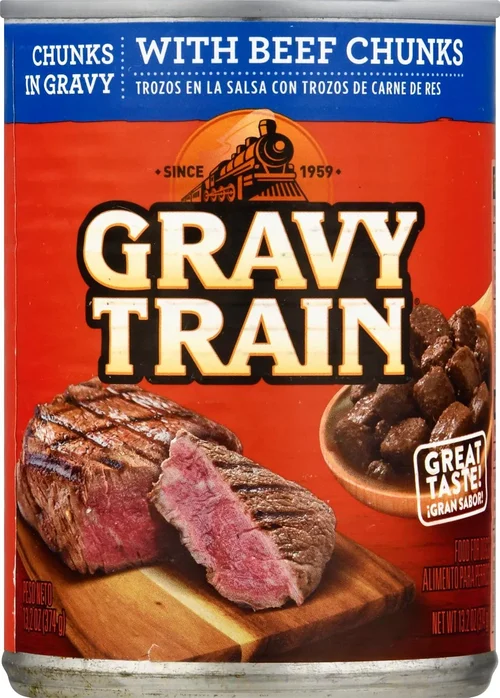
When your dog is diagnosed with Cushing’s disease, it’s natural to feel overwhelmed. This hormonal disorder—most commonly caused by a tumor in the pituitary or adrenal glands—can lead to a cascade of symptoms: excessive thirst, frequent urination, hair loss, a pot-bellied appearance, lethargy, and increased susceptibility to infections. Managing Cushing’s isn’t just about medication; nutrition plays a pivotal role in supporting your dog’s overall health, maintaining muscle mass, and minimizing side effects.
That’s where choosing the right canned dog food becomes critical. Unlike dry kibble, wet food offers higher moisture content—essential for dogs with Cushing’s who often suffer from dehydration due to excessive water loss. It’s also typically easier to digest, gentler on the kidneys, and more palatable for dogs who may have a reduced appetite. But not all canned foods are created equal. The market is flooded with options, many of which contain ingredients that could worsen your dog’s condition—like fillers, artificial additives, or excessive carbohydrates. This guide cuts through the noise to help you make an informed, compassionate choice for your furry companion.
In this comprehensive buyer’s guide, you’ll learn exactly what to look for in canned dog food for Cushing’s, how to avoid common pitfalls, and which brands truly deliver on quality and therapeutic benefit. We’ve analyzed ingredient lists, consulted veterinary nutritionists, and reviewed real-world feedback from pet owners managing Cushing’s in their dogs. Whether you’re working with a tight budget or seeking premium therapeutic formulas, this guide will equip you with the knowledge to nourish your dog effectively and improve their quality of life.
The market for specialized pet nutrition has grown significantly in recent years, driven by increased awareness of chronic conditions like Cushing’s. Today, you’ll find everything from prescription diets formulated by veterinary nutritionists to over-the-counter “wellness” lines claiming to support hormonal balance. While this variety is a positive development, it also means more confusion for pet parents. Some products are backed by science; others rely on marketing buzzwords. Our goal is to help you distinguish between the two—so you can feed your dog with confidence, knowing every meal supports their long-term well-being.

What to Look for When Buying Canned Dog Food for Cushing’s
1. High-Quality Protein Sources
Protein is essential for dogs with Cushing’s because the disease accelerates muscle breakdown. Without adequate, easily digestible protein, your dog may lose lean muscle mass, leading to weakness and reduced mobility. Look for canned foods that list a named animal protein as the first ingredient—such as “chicken,” “turkey,” or “salmon”—not vague terms like “meat meal” or “animal by-products.” Ideally, the protein should be sourced from whole meats or high-quality meat meals (like chicken meal or lamb meal), which are concentrated forms of muscle meat with most of the water removed.
Avoid foods with excessive plant-based proteins like soy, corn gluten meal, or pea protein as primary sources. While these can be part of a balanced diet, they’re less biologically appropriate for dogs and may not provide the full spectrum of amino acids needed to preserve muscle. Also, be cautious of “protein blends” that use multiple low-quality sources to inflate the total protein percentage on the label. A good rule of thumb: if you can’t pronounce or identify the protein source, it’s probably not ideal.
2. Controlled Fat Content
While fat provides energy, dogs with Cushing’s are prone to weight gain and pancreatitis—especially if they’re on steroid-based medications like trilostane or mitotane. Therefore, fat content should be moderate, typically between 10% and 15% on a dry matter basis. Too much fat can exacerbate insulin resistance, a common issue in Cushing’s dogs, and increase the risk of fatty liver disease.
Look for healthy fat sources such as chicken fat, salmon oil, or flaxseed oil. These provide essential fatty acids like omega-3s, which have anti-inflammatory properties and can help manage skin issues and joint pain. Avoid foods with added vegetable oils like corn or soybean oil, which are high in omega-6 fatty acids and may promote inflammation when consumed in excess.
Also, check the calorie density. Canned food is naturally lower in calories per volume than kibble, but some brands add oils or fats to enhance palatability. If your dog is overweight—a frequent concern with Cushing’s—opt for lower-calorie formulas or adjust portion sizes accordingly.
3. Low to Moderate Carbohydrates
Cushing’s disease increases cortisol levels, which can lead to insulin resistance and elevated blood sugar. High-carbohydrate diets worsen this effect, potentially increasing the risk of diabetes—a common comorbidity in Cushing’s dogs. Therefore, it’s crucial to choose canned foods with low to moderate carbohydrate content.
Avoid ingredients like corn, wheat, rice, potatoes, and peas, which are common fillers in many commercial dog foods. These can spike blood glucose and contribute to weight gain. Instead, look for limited-ingredient formulas that use digestible, low-glycemic carbohydrates such as sweet potatoes or pumpkin in small amounts—if any at all. Some therapeutic diets go even further by being grain-free and starch-free, relying solely on protein and healthy fats for energy.
To calculate carbohydrate content, subtract the percentages of protein, fat, moisture, and ash from 100%. Most canned foods list moisture (usually around 75–80%), so you’ll need to convert to dry matter basis for accurate comparison. A good target is under 25% carbohydrates on a dry matter basis.
4. Added Supplements for Organ Support
Dogs with Cushing’s often experience liver, kidney, and immune system challenges. The right canned food can help mitigate these issues through targeted supplementation. Look for formulas enriched with:
– Omega-3 fatty acids (EPA/DHA): Found in fish oil, these reduce inflammation and support skin, coat, and joint health.
– Antioxidants (vitamins E, C, beta-carotene): Help combat oxidative stress caused by high cortisol levels.
– L-carnitine: Supports fat metabolism and helps preserve muscle mass.
– Probiotics: Promote gut health, which is vital for immune function and nutrient absorption.
– Choline and methionine: Support liver detoxification pathways.
Prescription diets like Hill’s Prescription Diet k/d or Royal Canin Hepatic often include these supplements in therapeutic doses. However, some high-quality over-the-counter brands also incorporate them—just be sure to check the guaranteed analysis and ingredient list.
5. Low Sodium Content
Excessive sodium can increase blood pressure and strain the kidneys—both of which are concerns for dogs with Cushing’s. While dogs do need some sodium for nerve and muscle function, most commercial diets already contain adequate amounts. Additional salt is often added for flavor, but it’s unnecessary and potentially harmful.
Check the sodium content on the nutrition label. Ideally, it should be under 0.3% on a dry matter basis. If the food lists “salt” or “sodium chloride” near the top of the ingredient list, consider it a red flag. Some therapeutic diets are specifically formulated with reduced sodium to support cardiovascular and renal health.
6. Palatability and Digestibility
Appetite loss is common in dogs with Cushing’s, especially as the disease progresses or when starting medication. Canned food is naturally more aromatic and flavorful than kibble, which can entice picky eaters. However, not all wet foods are equally palatable—some dogs may reject certain textures or strong odors.
Look for brands that offer variety in texture (pâté, chunks in gravy, shredded) so you can find what your dog prefers. High digestibility is equally important; if your dog has trouble absorbing nutrients, even the best ingredients won’t help. Foods with prebiotics (like FOS and MOS) and highly digestible proteins (like egg or lamb) tend to be easier on the digestive system.
7. Brand Transparency and Veterinary Backing
Not all pet food companies are created equal. Some prioritize marketing over science, while others invest heavily in research and development. When managing a complex condition like Cushing’s, it’s wise to choose brands with a strong reputation for quality control, ingredient sourcing, and veterinary collaboration.
Look for companies that:
– Publish detailed nutritional profiles and feeding trials.
– Employ board-certified veterinary nutritionists.
– Offer customer support lines staffed by veterinary professionals.
– Are transparent about sourcing and manufacturing practices.
Brands like Hill’s Science Diet, Royal Canin, and Purina Pro Plan Veterinary Diets have long-standing relationships with veterinarians and conduct extensive research. That said, some independent brands like The Honest Kitchen or Open Farm also prioritize transparency and use human-grade ingredients—just ensure their formulas are appropriate for Cushing’s.
8. Appropriate for Long-Term Feeding
Cushing’s is a chronic condition, meaning your dog will likely need specialized nutrition for the rest of their life. Avoid “trendy” diets that may lack long-term nutritional balance or aren’t formulated for sustained use. The food should meet AAFCO (Association of American Feed Control Officials) standards for “complete and balanced” nutrition for adult maintenance.
Also, consider ease of access. Prescription diets require a vet’s authorization, which can be inconvenient if you run out unexpectedly. Some brands offer online refill programs or auto-shipping, which can be a lifesaver. Over-the-counter options provide more flexibility but may not offer the same level of therapeutic support.
Different Types of Canned Dog Food for Cushing’s
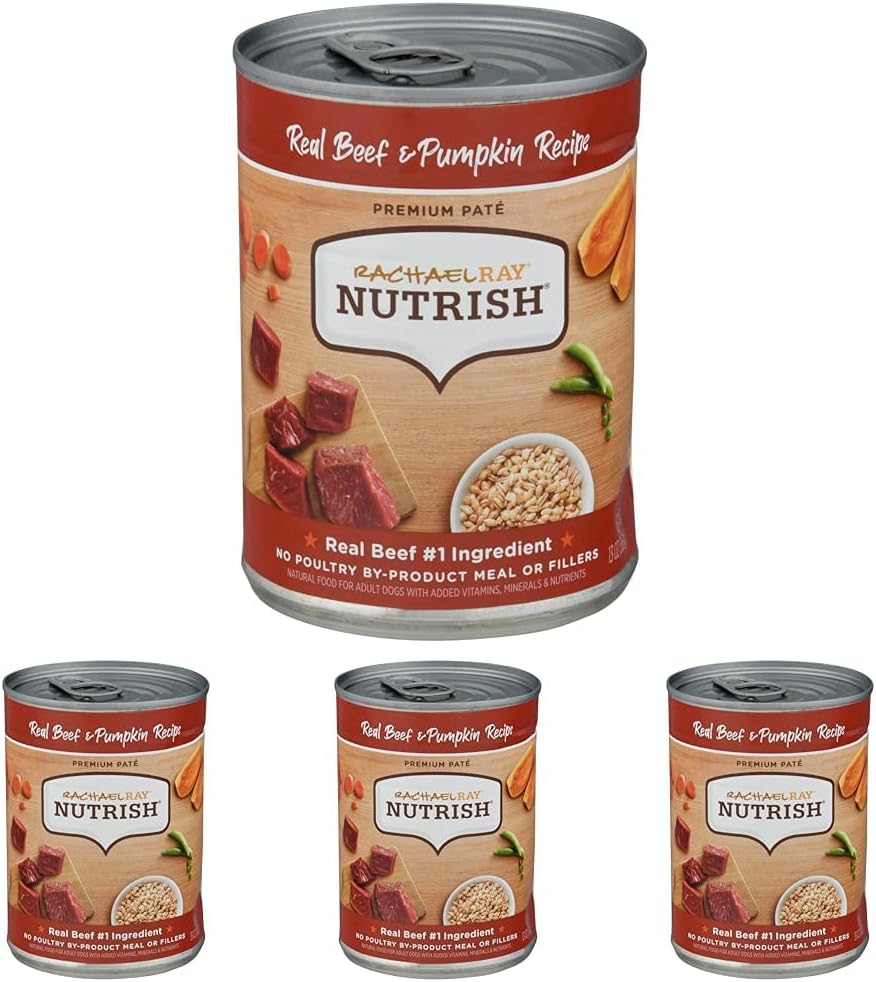
Common Buying Mistakes to Avoid

❌ Mistake: Choosing Based Solely on Price
Why it’s bad: While budget is important, the cheapest canned food often contains fillers, by-products, and artificial preservatives that can worsen Cushing’s symptoms. Low-quality ingredients may also be harder to digest, leading to nutrient deficiencies over time.
What to do instead: Focus on value, not just cost. A slightly more expensive food with high-quality ingredients can reduce vet bills and improve your dog’s quality of life. Calculate cost per feeding, not per can—some premium foods are more calorie-dense, so you may actually feed less.
❌ Mistake: Ignoring the Ingredient List
Why it’s bad: Marketing claims like “natural,” “holistic,” or “premium” are not regulated and can be misleading. A food labeled “grain-free” might still be high in starchy vegetables or low in protein.
What to do instead: Always read the ingredient list. The first five ingredients make up the majority of the food. Prioritize named meats, avoid artificial colors/flavors, and steer clear of vague terms like “meat meal” unless it’s specified (e.g., “chicken meal”).
❌ Mistake: Overlooking Moisture Content
Why it’s bad: All canned food is high in moisture, but some brands add water or broth to increase volume without adding nutrition. This can dilute the concentration of essential nutrients.
What to do instead: Check the guaranteed analysis. Look for foods with balanced moisture (70–80%) and high protein/fat content relative to water. Avoid products where water is listed as the first ingredient unless it’s clearly labeled as broth or stock.
❌ Mistake: Switching Foods Too Quickly
Why it’s bad: Dogs with Cushing’s often have sensitive digestive systems. Rapid diet changes can cause vomiting, diarrhea, or refusal to eat—especially if they’re already feeling unwell.
What to do instead: Transition gradually over 7–10 days, mixing increasing amounts of the new food with the old. Monitor your dog’s stool, energy, and appetite closely. If issues arise, slow the transition or consult your vet.
❌ Mistake: Assuming All “Natural” Foods Are Safe
Why it’s bad: “Natural” doesn’t always mean “therapeutic.” Some natural ingredients—like garlic or certain herbs—can be toxic to dogs or interfere with Cushing’s medications.
What to do instead: Stick to diets formulated for medical conditions or consult your vet before introducing supplements or alternative ingredients. When in doubt, choose AAFCO-compliant foods.
❌ Mistake: Not Consulting Your Veterinarian
Why it’s bad: Cushing’s affects each dog differently. What works for one may not suit another, especially if there are concurrent issues like diabetes, pancreatitis, or kidney disease.
What to do instead: Always involve your vet in dietary decisions. They can recommend specific formulas, adjust portions based on bloodwork, and monitor your dog’s response over time.
Budget Guidelines: How Much Should You Spend?
Feeding a dog with Cushing’s doesn’t have to break the bank—but it does require thoughtful budgeting. Here’s a realistic breakdown of what to expect at different price points:
– Entry-Level ($1.20–$1.80 per can): These are typically mainstream brands like Pedigree, Alpo, or store-brand wet foods. While affordable, they often contain fillers, artificial additives, and lower-quality proteins. Not recommended for long-term use in Cushing’s dogs, but may be acceptable short-term if transitioning or mixing with higher-quality food.
– Mid-Range ($1.80–$2.80 per can): This is the sweet spot for most pet owners. Brands like Wellness, Blue Buffalo, and Nutro offer grain-free, high-protein options with recognizable ingredients. Many include omega-3s and probiotics. While not prescription-grade, they’re a significant step up in quality and can support dogs with mild to moderate Cushing’s.
– Premium ($2.80–$4.00 per can): These include veterinary diets like Hill’s Prescription Diet, Royal Canin Veterinary Diet, and Purina Pro Plan Veterinary Diets. They’re formulated with input from veterinary nutritionists and often include therapeutic levels of supplements. Ideal for dogs with complications or those not responding to over-the-counter options.
– Luxury ($4.00+ per can): Human-grade brands like The Honest Kitchen, Open Farm, and Nom Nom use minimally processed, whole-food ingredients. While excellent for overall health, ensure the formula is appropriate for Cushing’s—some are too high in fat or carbs. Best for owners who prioritize ingredient transparency and are willing to pay a premium.

Expert Tips for Getting the Best Deal
– Time your purchases: Major sales occur around Black Friday, Cyber Monday, and end-of-season clearances (February and August). Stock up during these periods, but don’t overbuy—canned food has a shelf life of 2–5 years unopened.
– Use vet clinics wisely: Some clinics offer loyalty programs or discounts on prescription diets. Ask if they price-match online retailers or offer sample packs.
– Compare cost per kcal: Don’t just look at price per can. Calculate cost per 1,000 kcal to compare energy value. A higher-priced can with more calories may actually be cheaper per meal.
– Check return policies: If your dog refuses a new food, you want the option to return or exchange it. Online retailers usually have more flexible policies than brick-and-mortar stores.
– Ask for samples: Many brands offer free samples or trial sizes. This is especially helpful when introducing a new diet to a picky eater.
– Monitor your dog’s response: Keep a journal of appetite, energy, coat condition, and bathroom habits. This helps you assess whether the food is working—and justifies the investment.
– Combine with supplements cautiously: While some dogs benefit from added omega-3s or probiotics, avoid over-supplementing. Too much of certain nutrients can be harmful.

Frequently Asked Questions
Q: Can I feed my Cushing’s dog regular canned food?
A: It depends on the formulation. Regular canned food may be acceptable if it’s high in quality protein, low in carbs and fat, and free of harmful additives. However, dogs with advanced Cushing’s or comorbidities often benefit more from therapeutic or prescription diets designed to support organ function and metabolic balance.
Q: How often should I feed my dog canned food?
A: Most dogs do well with two meals per day, spaced 10–12 hours apart. This helps regulate blood sugar and reduces the risk of bloat. Follow your vet’s feeding guidelines based on your dog’s weight, activity level, and medication schedule.
Q: Is grain-free food better for Cushing’s?
A: Not necessarily. While grain-free diets eliminate common allergens, they often replace grains with starchy vegetables like potatoes or peas, which can be high in carbohydrates. Focus on low-carb, high-protein formulas—whether grain-free or not.
Q: Can canned food help with my dog’s thirst?
A: Yes! The high moisture content (70–80%) helps maintain hydration, which is crucial since Cushing’s dogs lose excessive water through urination. Wet food can reduce reliance on water bowls and support kidney function.
Q: Should I avoid certain ingredients?
A: Avoid artificial preservatives (BHA, BHT, ethoxyquin), excessive sodium, fillers (corn, wheat, soy), and high-glycemic carbohydrates. Also, steer clear of added sugars or sweeteners like molasses or corn syrup.
Q: Can I mix canned food with kibble?
A: Yes, but do so gradually and monitor your dog’s digestion. Mixing can improve palatability and hydration, but ensure the combined diet remains balanced. Avoid mixing prescription diets with other foods unless approved by your vet.
Q: How long does it take to see improvements?
A: Nutritional changes may take 4–8 weeks to show noticeable effects. Look for improvements in coat condition, energy levels, muscle tone, and reduced thirst/urination. Bloodwork will provide the most accurate assessment.
Q: What if my dog refuses to eat the new food?
A: Try warming it, adding a small amount of low-sodium broth, or mixing in a favorite topper (like plain cooked chicken). If refusal persists, consult your vet—it could signal pain, nausea, or a need for medication adjustment.
Our Final Recommendations
– Best for Budget-Conscious Buyers: Wellness CORE Grain-Free Wet Dog Food (Turkey & Chicken) – Offers high protein, low carbs, and omega-3s at a reasonable price. Widely available and well-accepted by most dogs.
– Best Overall Value: Hill’s Prescription Diet w/d Multi-Benefit Canned Dog Food – Specifically formulated for metabolic, digestive, and weight management support. Backed by veterinary research and ideal for dogs with multiple health concerns.
– Best Premium Option: Royal Canin Veterinary Diet Hepatic Canned Dog Food – Designed for liver support, low in copper and sodium, and highly digestible. Excellent for dogs with liver involvement due to Cushing’s.
– Best for Beginners: Blue Buffalo Natural Veterinary Diet W+U Weight Management + Urinary Care – Easy to find, palatable, and addresses two common Cushing’s issues: weight gain and urinary health.
– Best for Advanced Users: The Honest Kitchen Human-Grade Dehydrated Dog Food (rehydrated as wet food) – For owners who want maximum control over ingredients. Requires rehydration but offers unparalleled transparency and quality.
Conclusion: Making the Right Choice
Choosing the best canned dog food for Cushing’s is one of the most impactful decisions you can make for your dog’s health and comfort. While the disease presents significant challenges, proper nutrition can dramatically improve symptoms, slow progression, and enhance quality of life. By prioritizing high-quality protein, controlled fats, low carbohydrates, and organ-supporting supplements, you’re giving your dog the tools they need to thrive.
Remember, there’s no one-size-fits-all solution. Every dog is unique, and what works for one may not suit another. Stay in close communication with your veterinarian, monitor your dog’s response, and be willing to adjust as needed. And don’t underestimate the power of small wins—a shiny coat, a wagging tail, or a good night’s sleep are all signs that you’re on the right track.
Ultimately, the best food is the one your dog will eat consistently, that supports their medical needs, and that fits within your lifestyle and budget. With the knowledge from this guide, you’re now equipped to make that choice with confidence. Your dog deserves nothing less than your love, attention, and the very best nutrition you can provide.