

When your beloved dog is diagnosed with heart disease, every decision about their care takes on new urgency—especially when it comes to nutrition. As a pet owner, you want to give your furry family member the best possible quality of life, and diet plays a pivotal role in managing cardiac conditions like congestive heart failure (CHF), dilated cardiomyopathy (DCM), or valvular disease. While medication and regular veterinary checkups are essential, what your dog eats can significantly influence their energy levels, fluid retention, blood pressure, and overall heart function. That’s why choosing the right canned dog food isn’t just about taste or convenience—it’s a medical necessity.
This comprehensive buying guide is designed specifically for dog owners navigating the complex world of canine heart health. Whether you’re newly managing a diagnosis or looking to optimize your dog’s current diet, this guide will equip you with expert-level knowledge to make informed, confident decisions. You’ll learn how to decode ingredient labels, understand sodium’s impact on cardiac function, evaluate protein quality, and identify brands that prioritize therapeutic nutrition. We’ll also break down price ranges, highlight common pitfalls, and provide actionable tips to help you find the best canned dog food for dogs with heart disease—without overspending or compromising on quality.
The market for specialized pet foods has exploded in recent years, with dozens of brands claiming to support heart health. However, not all “heart-friendly” labels are created equal. Many commercial products still contain hidden sodium, fillers, or low-quality proteins that can exacerbate symptoms. Others may be formulated for general wellness rather than targeted cardiac support. Our goal is to cut through the marketing noise and deliver science-backed, veterinarian-informed insights so you can choose a food that truly benefits your dog’s unique needs. From budget-friendly options to premium therapeutic diets, we’ve analyzed the full spectrum to help you find the perfect match.

What to Look for When Buying Canned Dog Food for Dogs with Heart Disease
1. Low Sodium Content
Sodium is public enemy number one for dogs with heart disease. Excess sodium causes the body to retain water, increasing blood volume and putting additional strain on an already compromised heart. This can lead to worsening congestion, difficulty breathing, and fluid buildup in the lungs or abdomen—hallmarks of congestive heart failure. For this reason, low-sodium diets are a cornerstone of cardiac management.
When evaluating canned dog food, look for products with sodium levels below 0.3% on a dry matter basis (DMB). To calculate DMB, use this formula: (sodium % ÷ [100 – moisture %]) × 100. For example, a can labeled “0.1% sodium” with 78% moisture actually contains approximately 0.45% sodium DMB—too high for most cardiac patients. Ideal options will fall between 0.1% and 0.25% DMB. Avoid foods listing salt, sodium chloride, or sodium nitrate in the top five ingredients. Some brands explicitly market “low-sodium” or “cardiac support” formulas, but always verify the actual sodium content on the guaranteed analysis panel.
2. High-Quality, Digestible Protein
Protein is essential for maintaining muscle mass, immune function, and overall vitality—especially important for dogs battling chronic illness. However, not all proteins are equal. Dogs with heart disease often experience reduced kidney perfusion, making it harder to process waste products like urea and creatinine. Therefore, the protein source must be highly digestible and bioavailable to minimize metabolic burden.
Look for named animal proteins as the first ingredient—such as “chicken,” “turkey,” or “salmon”—rather than vague terms like “meat meal” or “animal by-product.” Whole meats provide complete amino acid profiles and are easier on the kidneys than rendered meals. Additionally, avoid excessive protein levels; while moderate protein is beneficial, levels above 28% DMB may stress compromised kidneys. Ideal ranges are 22–26% DMB for most cardiac patients. Some therapeutic diets also include taurine supplementation, which supports heart muscle function—particularly valuable for breeds prone to taurine-deficient DCM, such as Golden Retrievers or Cocker Spaniels.
3. Controlled Phosphorus Levels
While phosphorus isn’t directly linked to heart function, many dogs with advanced heart disease also develop secondary kidney issues due to reduced blood flow. Elevated phosphorus can accelerate kidney damage and contribute to mineral imbalances that affect cardiac rhythm. Thus, monitoring phosphorus intake is a proactive step in holistic care.
Aim for canned foods with phosphorus levels below 0.6% DMB. This is especially critical if your vet has noted elevated creatinine or BUN (blood urea nitrogen) levels. Some prescription cardiac diets are formulated with phosphorus binders or reduced mineral content to support renal health. Even non-prescription “heart support” foods should disclose phosphorus content—if it’s missing, contact the manufacturer or choose a more transparent brand.
4. Omega-3 Fatty Acids (EPA & DHA)
Omega-3 fatty acids, particularly eicosapentaenoic acid (EPA) and docosahexaenoic acid (DHA), have well-documented anti-inflammatory properties that benefit cardiovascular health. They help reduce systemic inflammation, lower triglyceride levels, and may improve heart rhythm stability. Studies in both humans and dogs show that omega-3 supplementation can slow the progression of heart disease and improve survival rates.
When reviewing labels, check for sources like fish oil, salmon oil, or algae oil. Avoid generic “omega-3” claims without specifying EPA/DHA content. A good target is at least 0.5% combined EPA and DHA on a dry matter basis. Cold-water fish such as salmon, sardines, and mackerel are excellent natural sources. Be cautious with plant-based omega-3s like flaxseed oil—they contain alpha-linolenic acid (ALA), which dogs convert inefficiently to active EPA/DHA.
5. Limited Fillers and Artificial Additives
Fillers such as corn, wheat, soy, and potato starch offer little nutritional value and can trigger inflammation or allergic reactions in sensitive dogs. Artificial preservatives (BHA, BHT, ethoxyquin), colors, and flavors may also pose long-term health risks and offer no benefit to cardiac patients. These ingredients can increase oxidative stress and compromise immune function—counterproductive when the body is already under strain.
Opt for formulas with whole-food carbohydrates like sweet potatoes, peas, or oats, which provide fiber and sustained energy without spiking blood sugar. Natural preservatives such as mixed tocopherols (vitamin E) or rosemary extract are safer alternatives. Simplicity is key: the shorter and more recognizable the ingredient list, the better. If you can’t pronounce it or don’t recognize it as food, it’s likely unnecessary.
6. Moisture Content and Palatability
Canned dog food typically contains 70–80% moisture, which is beneficial for dogs with heart disease. Increased hydration helps dilute electrolytes, supports kidney function, and reduces the risk of urinary crystals or stones. For dogs on diuretics like furosemide (Lasix), which increase urine output, extra dietary moisture is crucial to prevent dehydration.
However, high moisture doesn’t guarantee palatability. Some dogs with heart disease experience reduced appetite due to medication side effects, nausea, or general lethargy. Choose foods with strong aroma and rich flavor—often achieved through real meat juices or broth bases. Avoid overly gelatinous textures or excessive gravy, which may indicate thickeners like carrageenan or guar gum. These can cause digestive irritation in some dogs. If your dog is a picky eater, consider warming the food slightly or mixing in a small amount of low-sodium bone broth to enhance appeal.
7. Veterinary Approval and Clinical Support
Not all “heart-healthy” claims are backed by scientific evidence. The most reliable canned dog foods for cardiac patients are those developed in collaboration with veterinary nutritionists and supported by clinical trials. Prescription diets from brands like Hill’s, Royal Canin, and Purina Pro Plan Veterinary Diets undergo rigorous testing for efficacy and safety.
While these diets often require a vet’s authorization, they’re formulated to meet specific physiological needs—such as precise sodium restriction, balanced electrolytes, and targeted nutrient profiles. Non-prescription “cardiac support” foods can be effective too, but scrutinize their research backing. Look for brands that publish peer-reviewed studies or partner with veterinary schools. Transparency matters: reputable companies will provide detailed nutritional profiles and feeding guidelines tailored to heart disease stages.
8. Brand Reputation and Manufacturing Standards
Trustworthy pet food brands invest in quality control, ingredient sourcing, and third-party testing. Look for companies that manufacture their own products (not co-packers) and adhere to AAFCO (Association of American Feed Control Officials) standards. Brands with a history of recalls or ingredient controversies should raise red flags—especially for medically vulnerable dogs.
Check for certifications like SQF (Safe Quality Food) or GMP (Good Manufacturing Practices). Read customer reviews focusing on dogs with similar health conditions. Forums like Dog Food Advisor or veterinary communities often share real-world experiences. Also, consider whether the brand offers customer support—can you call and speak with a nutritionist? Do they provide detailed feeding charts for cardiac patients? These details reflect a commitment to pet health beyond profit.
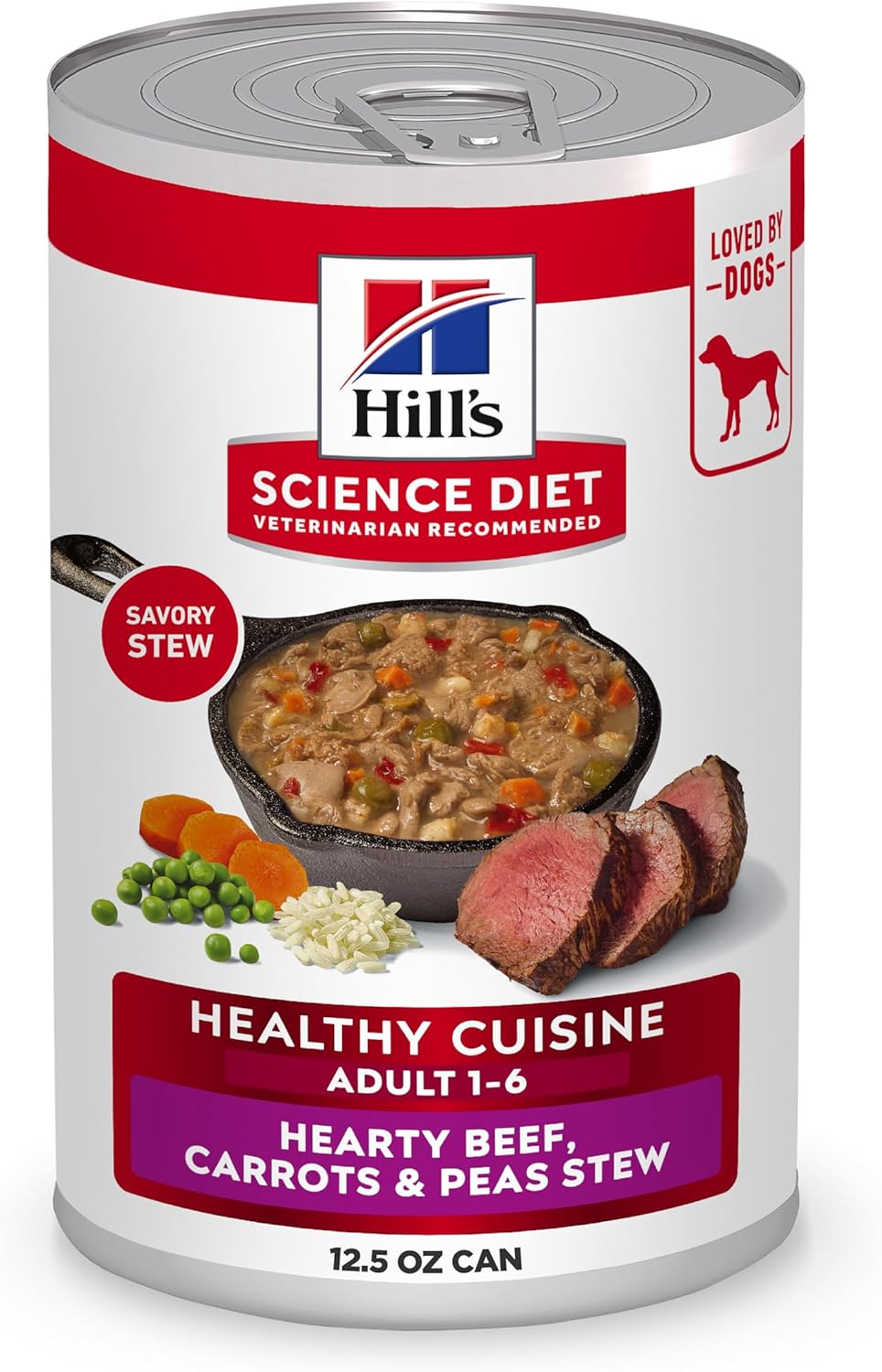
Different Types of Canned Dog Food for Heart Disease
Common Buying Mistakes to Avoid

❌ Mistake: Assuming “Natural” or “Holistic” Means Heart-Safe
Why it’s bad: Terms like “natural,” “holistic,” or “premium” are unregulated in pet food marketing. A product can boast these labels while still containing high sodium, low-quality proteins, or inflammatory grains—all detrimental to cardiac health.
What to do instead: Focus on concrete nutritional metrics: sodium content, protein source, and ingredient quality. Use the guaranteed analysis and ingredient list as your primary guide, not marketing buzzwords.
❌ Mistake: Ignoring Dry Matter Calculations
Why it’s bad: Canned food labels list nutrients on an “as-fed” basis, which includes high moisture content. Comparing sodium or protein percentages directly between cans and kibble is misleading and can lead to unintentional overfeeding of sodium.
What to do instead: Always convert values to dry matter basis using the formula provided earlier. This allows accurate comparisons across all food types.
❌ Mistake: Switching Foods Too Quickly
Why it’s bad: Sudden dietary changes can cause gastrointestinal upset, especially in dogs on medications like ACE inhibitors or diuretics. Vomiting or diarrhea may be mistaken for disease progression rather than dietary transition.
What to do instead: Gradually introduce new food over 7–10 days, increasing the proportion daily while monitoring stool, energy, and appetite.
❌ Mistake: Overlooking Hidden Sodium Sources
Why it’s bad: Ingredients like broth, stock, or “flavor” can contain concentrated sodium even if not listed as “salt.” Some treats, supplements, or human foods (like cheese or deli meat) also add unseen sodium.
What to do instead: Read every label—including treats and toppers. Choose low-sodium alternatives and avoid feeding table scraps.
❌ Mistake: Relying Solely on Price as a Quality Indicator
Why it’s bad: While expensive doesn’t always mean better, extremely cheap canned food often uses fillers, by-products, and high sodium to enhance palatability. Conversely, premium brands may offer unnecessary extras for healthy dogs.
What to do instead: Balance cost with nutritional adequacy. Mid-range veterinary-recommended brands often offer the best value for cardiac patients.
❌ Mistake: Not Consulting Your Veterinarian
Why it’s bad: Every dog’s heart disease is unique. What works for one may not suit another, especially with comorbidities like kidney disease or diabetes. Self-prescribing diets can delay proper treatment.
What to do instead: Always discuss dietary changes with your vet or a veterinary nutritionist. They can recommend specific brands, portion sizes, and monitor lab work for adjustments.
❌ Mistake: Neglecting Regular Reassessment
Why it’s bad: Heart disease progresses over time. A diet that worked initially may become inadequate as the condition advances or medications change.
What to do instead: Schedule regular check-ups and revisit your dog’s nutritional plan every 6–12 months or whenever symptoms change.
Budget Guidelines: How Much Should You Spend?
– Entry-Level ($1.20–$1.80 per 13 oz can): These options are typically mainstream brands with limited cardiac-specific formulations. While some may meet basic low-sodium criteria, they often contain fillers, unnamed meat meals, or higher phosphorus levels. Best for short-term use or dogs with very mild heart disease under close veterinary supervision.
– Mid-Range ($1.80–$2.80 per 13 oz can): This is the sweet spot for most owners. Brands in this tier offer veterinary-recommended formulas with verified low sodium, high-quality proteins, and omega-3s—without requiring a prescription. Examples include Wellness CORE Grain-Free Reduced Sodium and Blue Buffalo Natural Veterinary Diet HF. These provide excellent balance between affordability and therapeutic benefit.
– Premium ($2.80–$4.00 per 13 oz can): Includes prescription cardiac diets like Hill’s Prescription Diet h/d or Royal Canin Veterinary Diet Cardiac. These are scientifically formulated, rigorously tested, and tailored to specific stages of heart disease. Ideal for dogs with CHF, arrhythmias, or concurrent conditions. Often covered partially by pet insurance.
– Luxury ($4.00+ per 13 oz can): Fresh-pressed, human-grade, or boutique brands like The Honest Kitchen or Open Farm. While ingredient quality is high, sodium control varies widely. Only choose these if they meet strict cardiac criteria and your budget allows. Not recommended as a primary diet unless approved by your vet.

Expert Tips for Getting the Best Deal
– Time your purchases around seasonal sales: Major pet retailers often run promotions in January (New Year wellness), June (Adopt-a-Cat/Month), and November (Black Friday). Stock up during these periods, but ensure you won’t exceed shelf life.
– Compare online vs. in-store pricing: Online retailers frequently offer lower prices, free shipping thresholds, and subscription discounts. However, local pet stores may price-match or provide immediate access if your dog runs out unexpectedly.
– Use manufacturer coupons and rebates: Brands like Hill’s and Royal Canin offer digital coupons through their websites or vet clinics. Sign up for newsletters to receive exclusive deals.
– Check pet insurance coverage: Some plans reimburse up to 90% of prescription diet costs. Confirm eligibility before purchasing.
– Read return policies carefully: If your dog refuses the food, can you return unopened cans? Most reputable sellers allow returns within 30 days.
– Test small quantities first: Buy single cans or variety packs before committing to a case. This minimizes waste if your dog dislikes the flavor or texture.
– Ask your vet for samples: Many clinics keep sample-sized cans of prescription diets. Try these before investing in a full case.
– Monitor your dog’s response: Keep a journal of energy levels, breathing, appetite, and stool quality. Share this with your vet to assess whether the diet is truly beneficial.

Frequently Asked Questions
Q: Can I feed my dog with heart disease regular canned food if I rinse it?
A: Rinsing canned food can reduce sodium by up to 30%, but it’s not a reliable or complete solution. You’ll also wash away essential nutrients like B vitamins and minerals. Additionally, rinsing doesn’t address other cardiac concerns like protein quality or phosphorus levels. It’s far better to choose a properly formulated low-sodium diet from the start.
Q: Is grain-free food better for dogs with heart disease?
A: Not necessarily. While grain-free diets eliminate common allergens, there’s no evidence they directly benefit heart function. In fact, some grain-free formulas use legumes (like peas or lentils) as fillers, which have been loosely associated with DCM in certain breeds. Focus on sodium, protein, and omega-3s rather than grain content alone.
Q: How often should I feed my dog with heart disease?
A: Most dogs do well with two measured meals per day, which helps regulate digestion and medication timing. Avoid free-feeding, as it can lead to overeating and weight gain—both harmful to cardiac patients. Always follow your vet’s feeding recommendations based on your dog’s weight and condition.
Q: Can I mix canned food with dry kibble for heart disease?
A: Yes, but only if both foods meet cardiac dietary requirements. Mixing a low-sodium canned food with high-sodium kibble defeats the purpose. If combining, ensure the dry food is also specifically formulated for heart health or approved by your veterinarian.
Q: Are homemade diets a good option for dogs with heart disease?
A: Homemade diets can be beneficial if formulated by a veterinary nutritionist and carefully balanced. However, they require precise measurements, supplementation, and regular bloodwork to avoid deficiencies or excesses. Most owners find commercial therapeutic diets more practical and reliable.
Q: What if my dog refuses to eat the new heart-friendly food?
A: Appetite loss is common in cardiac dogs. Try warming the food to enhance aroma, mixing in a small amount of low-sodium bone broth, or offering hand-fed portions. If refusal persists beyond 24–48 hours, contact your vet—it could signal worsening disease or medication side effects.
Q: Do I need to switch foods if my dog’s heart disease stabilizes?
A: Not necessarily. Once stabilized, many dogs remain on the same therapeutic diet long-term. However, periodic reassessment ensures the food continues to meet their evolving needs. Never switch back to a regular diet without veterinary guidance.
Q: Can puppies or young dogs have heart disease?
A: Yes—congenital heart defects (like patent ductus arteriosus or pulmonic stenosis) can appear in puppies. Nutritional needs differ for growing dogs, so consult a vet before selecting a cardiac diet. Some prescription formulas are not suitable for growth stages.
Q: Is it safe to give treats to a dog with heart disease?
A: Yes, but choose low-sodium, heart-safe treats. Avoid jerky, cheese, or processed snacks. Look for treats specifically labeled for cardiac support or make your own using lean meat baked without salt. Limit treats to 10% of daily caloric intake.
Q: How do I know if the new food is working?
A: Positive signs include improved energy, easier breathing, stable weight, and better appetite. Your vet will monitor key indicators like heart size (via X-ray), blood pressure, and BNP (a cardiac biomarker). Consistent improvement over weeks suggests the diet is effective.
Our Final Recommendations
– Best for Budget-Conscious Buyers: Wellness CORE Grain-Free Reduced Sodium – Offers verified low sodium (0.2% DMB), real turkey as the first ingredient, and added taurine—all at an affordable mid-range price.
– Best Overall Value: Blue Buffalo Natural Veterinary Diet HF (Heart) – Combines veterinary oversight with accessible pricing, featuring controlled sodium, high-quality protein, and omega-3s from fish oil.
– Best Premium Option: Hill’s Prescription Diet h/d – The gold standard in cardiac nutrition, clinically proven to support heart function with precisely balanced electrolytes and nutrients. Requires vet authorization.
– Best for Beginners: Royal Canin Veterinary Diet Cardiac – Easy to transition to, highly palatable, and widely available through vet clinics. Ideal for owners new to managing heart disease.
– Best for Advanced Users: Purina Pro Plan Veterinary Diets CV – Formulated for dogs with concurrent conditions like kidney disease, offering dual support with moderate protein and ultra-low sodium.
Conclusion: Making the Right Choice
Choosing the best canned dog food for a dog with heart disease is both a science and an act of love. It requires attention to detail, collaboration with your veterinarian, and a willingness to prioritize long-term health over short-term convenience. By focusing on low sodium, high-quality protein, omega-3s, and ingredient transparency, you can significantly improve your dog’s comfort, longevity, and quality of life.
Remember, no single food is perfect for every dog. What matters most is finding a formula that aligns with your dog’s specific diagnosis, stage of disease, and individual preferences. Use this guide as your roadmap—but always let your vet be your co-pilot. With the right nutrition, many dogs with heart disease continue to enjoy happy, active lives for years to come.
Take the time to read labels, ask questions, and advocate for your furry friend. Your diligence today can mean more walks, more cuddles, and more precious moments tomorrow. Start by scheduling a nutritional consultation with your veterinarian, and together, choose a path that puts your dog’s heart health first.