
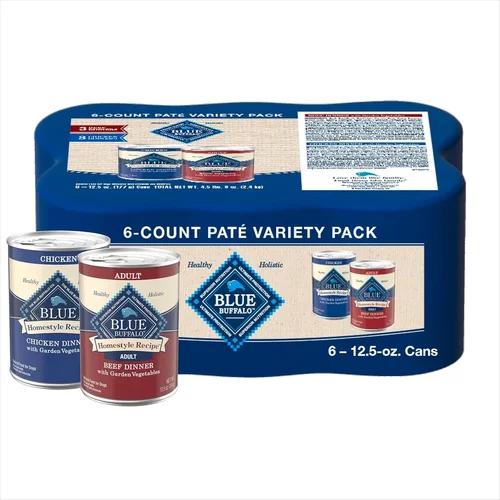
When it comes to feeding your German Shepherd Dog (GSD), the quality of their diet plays a pivotal role in their overall health, energy levels, coat condition, and longevity. As one of the most intelligent, active, and loyal breeds, German Shepherds have unique nutritional needs that go beyond what a generic dog food label might promise. While dry kibble dominates many pet food aisles, canned dog food offers a highly palatable, moisture-rich alternative that can be especially beneficial for GSDs—particularly those prone to dehydration, picky eaters, or dogs with dental issues. Whether you’re supplementing your dog’s meals or feeding exclusively with wet food, choosing the right canned dog food is a decision that shouldn’t be taken lightly.
This comprehensive buying guide is designed to help you navigate the crowded and often confusing world of canned dog food with confidence. We’ll walk you through the essential factors to consider, from ingredient quality and protein sources to moisture content and brand transparency. You’ll learn how to read labels like a pro, avoid common marketing traps, and make informed choices based on your German Shepherd’s age, activity level, and health status. Whether you’re feeding a growing puppy, an athletic adult, or a senior GSD with joint concerns, this guide will equip you with the knowledge to select the best canned food for your dog’s specific needs. By the end, you’ll not only know what to look for but also how to balance nutrition, budget, and convenience—so your loyal companion thrives for years to come.
The market for canned dog food has exploded in recent years, with hundreds of brands offering everything from grain-free formulas to limited-ingredient diets and even raw-inspired wet foods. While this variety is a win for pet owners seeking tailored nutrition, it also means more noise, more hype, and more opportunities to make costly mistakes. Some products boast “premium” ingredients but are packed with fillers and artificial preservatives. Others claim to be “vet-recommended” without any real nutritional science backing them up. For a breed as large and active as the German Shepherd—known for its susceptibility to hip dysplasia, digestive sensitivities, and skin allergies—feeding the wrong food can lead to long-term health issues. That’s why this guide cuts through the marketing fluff and focuses on what truly matters: real meat content, balanced nutrition, digestibility, and safety. We’ll also highlight top-performing brands and formulas that consistently deliver on quality, so you can spend less time researching and more time enjoying life with your four-legged friend.
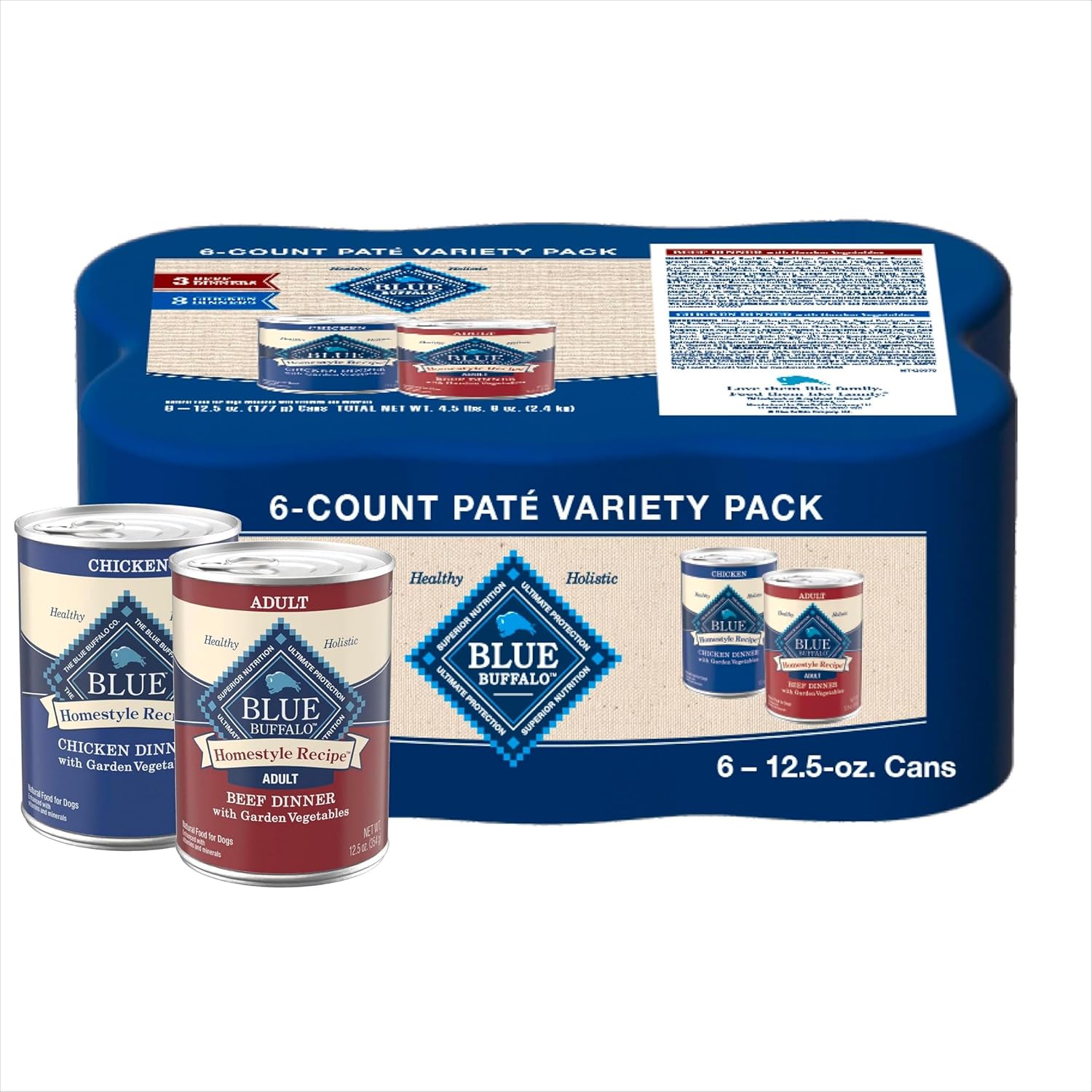
What to Look for When Buying Canned Dog Food for German Shepherds
1. High-Quality Protein Sources
Protein is the cornerstone of any healthy diet for German Shepherds, especially since they are large, muscular dogs with high energy demands. Look for canned foods where real meat—such as chicken, beef, lamb, or fish—is listed as the first ingredient. Avoid products that list vague terms like “meat meal” or “by-product meal” without specifying the animal source. Whole meats or named meat meals (e.g., “chicken meal”) are far superior and indicate a higher concentration of usable protein. For active or working GSDs, aim for a minimum of 8–10% crude protein on an as-fed basis, though many premium formulas offer 10–12% or more. Puppies and lactating females may benefit from even higher levels. Additionally, consider the biological value of the protein—chicken and turkey are highly digestible, while novel proteins like duck or venison can be ideal for dogs with food sensitivities.
2. Balanced Fat Content for Energy and Coat Health
Fats are essential for maintaining your German Shepherd’s energy levels, supporting brain function, and promoting a shiny, healthy coat. Look for canned foods that contain healthy animal fats like chicken fat or salmon oil, which are rich in omega-3 and omega-6 fatty acids. These fatty acids help reduce inflammation, support joint health (a major concern for GSDs), and improve skin condition. Aim for a fat content between 5–8% for most adult GSDs, though active dogs or those in colder climates may benefit from slightly higher levels. Avoid foods with excessive plant-based oils or unnamed “animal fats,” as these can be lower quality and less digestible. Also, ensure the food includes a balanced ratio of omega-3 to omega-6 fatty acids—ideally around 5:1 to 10:1—to support optimal skin and immune health.
3. Moisture Content and Hydration Benefits
One of the biggest advantages of canned dog food is its high moisture content, typically ranging from 70% to 85%. This is especially beneficial for German Shepherds, who are prone to urinary tract issues and dehydration, particularly if they’re not big water drinkers. The added hydration from wet food can help support kidney function and reduce the risk of bladder stones. For senior GSDs or dogs with chronic kidney disease, moisture-rich diets can be a game-changer. When comparing products, check the guaranteed analysis on the label—higher moisture content means less dry matter, so you’ll need to feed slightly larger portions to meet caloric needs. However, the health benefits often outweigh the extra cost. Just be sure to store opened cans properly in the refrigerator and use within 3–5 days to prevent spoilage.
4. Limited and Digestible Carbohydrates
While German Shepherds don’t require large amounts of carbohydrates, some can be beneficial for sustained energy and digestive health—especially when sourced from whole, digestible ingredients. Look for canned foods that use sweet potatoes, peas, lentils, or oats instead of corn, wheat, or soy, which are common allergens and low-value fillers. These complex carbs provide fiber, which supports healthy digestion and helps regulate blood sugar. Avoid foods with excessive grain content or those that list multiple carbohydrate sources near the top of the ingredient list. For GSDs with sensitive stomachs, grain-free or limited-ingredient formulas may be preferable, but always consult your vet before making drastic dietary changes. Remember: the goal is balance, not elimination. A small amount of healthy carbs can complement a high-protein diet without causing weight gain or digestive upset.
5. No Artificial Additives or Fillers
The best canned dog foods for German Shepherds are free from artificial colors, flavors, preservatives, and unnecessary fillers. Ingredients like BHA, BHT, ethoxyquin, and propylene glycol should be avoided, as they have been linked to health concerns in dogs over time. Similarly, watch out for vague terms like “flavor” or “natural flavor” without further clarification. Instead, opt for foods preserved with natural antioxidants like mixed tocopherols (vitamin E) or rosemary extract. Fillers such as corn gluten meal, soybean meal, or rice bran offer little nutritional value and can contribute to weight gain or allergies. Always read the full ingredient list—not just the marketing claims on the front of the can. A shorter, cleaner ingredient list usually indicates higher quality and better digestibility.
6. Appropriate Caloric Density for Size and Activity Level
German Shepherds are large dogs with varying energy needs depending on age, size, and lifestyle. A sedentary adult GSD may require around 1,200–1,400 calories per day, while an active working dog or agility competitor could need 1,800–2,200 calories or more. Canned dog food is typically more calorie-dense than dry kibble due to its high moisture content, but it’s still important to check the caloric information on the label (usually listed as kcal per can or per 100g). Overfeeding can lead to obesity, a serious issue for GSDs that exacerbates joint problems like hip dysplasia. Underfeeding, on the other hand, can result in muscle loss and low energy. Use the feeding guidelines on the packaging as a starting point, but adjust based on your dog’s body condition score (aim for a visible waist and palpable ribs). If you’re mixing wet and dry food, calculate the total daily caloric intake to avoid overfeeding.
7. Brand Transparency and Manufacturing Standards
Not all pet food brands are created equal when it comes to sourcing, testing, and manufacturing. Choose companies that are transparent about where their ingredients come from and how their food is made. Look for brands that perform regular nutritional testing, follow AAFCO (Association of American Feed Control Officials) guidelines, and are willing to answer questions about their supply chain. Reputable manufacturers often provide detailed feeding guides, nutritional profiles, and even batch-specific testing results online. Avoid brands that outsource production to unknown facilities or refuse to disclose ingredient sources. Additionally, consider whether the company conducts feeding trials or relies solely on formulation analysis—feeding trials are the gold standard for proving a food’s nutritional adequacy. Brands like Wellness, Hill’s Science Diet, and Royal Canin have long-standing reputations for quality and research, while newer premium brands like The Honest Kitchen and Open Farm emphasize transparency and ethical sourcing.
8. Life Stage and Health-Specific Formulas
German Shepherds have different nutritional needs at various stages of life. Puppies require higher levels of protein, fat, and calories to support rapid growth, while seniors benefit from joint-supportive ingredients like glucosamine and chondroitin. Dogs with allergies may need limited-ingredient diets, and those with kidney issues may require lower phosphorus levels. Many premium canned foods are formulated specifically for these needs—look for labels that say “for puppies,” “senior,” “sensitive skin,” or “joint health.” For example, a GSD puppy might thrive on a high-protein, DHA-rich formula to support brain development, while an older dog with arthritis could benefit from a food enriched with omega-3s and green-lipped mussel. Always consult your veterinarian before switching to a therapeutic or specialized diet, especially if your dog has a diagnosed health condition.
Different Types of Canned Dog Food for German Shepherds

Common Buying Mistakes to Avoid
❌ Mistake: Choosing Based Solely on Price
Why it’s bad: Opting for the cheapest canned dog food often means sacrificing ingredient quality, which can lead to poor digestion, allergies, and long-term health issues. Low-cost brands frequently use meat by-products, fillers, and artificial preservatives that offer little nutritional value.
What to do instead: Focus on value, not just cost. A slightly more expensive food with high-quality ingredients can reduce vet bills and improve your dog’s quality of life. Calculate cost per feeding based on caloric density, not just can price.
❌ Mistake: Ignoring the Ingredient List
Why it’s bad: Many pet owners are swayed by flashy packaging and marketing claims like “natural” or “premium” without reading the actual ingredients. These terms are not regulated and can be misleading.
What to do instead: Always read the ingredient list from top to bottom. The first five ingredients make up the bulk of the food. Prioritize named meats, avoid vague terms, and steer clear of artificial additives.
❌ Mistake: Overfeeding Due to High Moisture Content
Why it’s bad: Because canned food has high water content, it’s easy to underestimate how much you’re feeding. Over time, this can lead to obesity, especially in less active GSDs.
What to do instead: Use a kitchen scale to measure portions accurately and track daily caloric intake. Adjust feeding amounts based on your dog’s weight, activity level, and body condition.
❌ Mistake: Switching Foods Too Quickly
Why it’s bad: Sudden changes in diet can cause gastrointestinal upset, including diarrhea and vomiting, especially in sensitive breeds like German Shepherds.
What to do instead: Transition gradually over 7–10 days, mixing increasing amounts of the new food with the old. This allows your dog’s digestive system to adapt.
❌ Mistake: Feeding the Same Food Indefinitely
Why it’s bad: Dogs can develop sensitivities to ingredients they’ve eaten for years, leading to skin issues, ear infections, or digestive problems.
What to do instead: Rotate between different protein sources and brands every 3–6 months to maintain nutritional variety and reduce allergy risk.
❌ Mistake: Not Considering Life Stage Needs
Why it’s bad: Feeding a senior formula to a growing puppy—or vice versa—can result in nutritional deficiencies or excesses that impact development and health.
What to do instead: Choose a food specifically formulated for your GSD’s life stage. Puppies need more calories and DHA; seniors benefit from joint support and lower phosphorus.
❌ Mistake: Assuming All “Grain-Free” Foods Are Better
Why it’s bad: Grain-free diets have been linked to dilated cardiomyopathy (DCM) in some dogs, especially when they rely heavily on legumes like peas and lentils as fillers.
What to do instead: Only choose grain-free if your dog has a diagnosed grain allergy. Otherwise, opt for whole grains like oats or barley, which provide fiber and energy.
Budget Guidelines: How Much Should You Spend?
– Entry-Level ($1.00 – $1.75 per can): These foods are often available at big-box stores and grocery chains. While convenient, they typically contain lower-quality proteins, fillers, and artificial preservatives. Best for occasional use or mixing with higher-quality food, but not recommended as a primary diet for GSDs.
– Mid-Range ($1.75 – $2.75 per can): This is the sweet spot for most German Shepherd owners. Brands in this range offer named meat sources, balanced nutrition, and fewer fillers. Examples include Wellness CORE, Merrick Grain-Free, and Blue Buffalo Wilderness. These foods provide excellent value and are suitable for daily feeding.
– Premium ($2.75 – $4.00 per can): Ideal for owners who prioritize ingredient quality and transparency. These foods often include novel proteins, organic ingredients, and added supplements like probiotics or joint support. Brands like The Honest Kitchen, Open Farm, and Ziwi Peak fall into this category. Great for dogs with allergies or high activity levels.
– Luxury ($4.00+ per can): Top-tier options featuring human-grade ingredients, air-dried or freeze-dried elements, and ethically sourced meats. While expensive, they offer the highest nutritional density and are often used by competitive dog owners or those managing chronic health conditions.

Expert Tips for Getting the Best Deal
– Buy in bulk during sales: Many online retailers (like Chewy, Amazon, and Petco) offer discounts when you purchase multi-packs or subscribe to regular deliveries. Stock up during Black Friday or end-of-season sales.
– Mix wet and dry food: Combining canned food with high-quality kibble can reduce overall cost while still providing the benefits of moisture and palatability. Use wet food as a topper or mix 50/50.
– Check for rebates and loyalty programs: Some brands offer cashback, free samples, or points for future purchases. Sign up for newsletters to stay informed.
– Compare cost per kcal: Don’t just look at the price per can—calculate the cost per 100 kcal to compare value across different products.
– Read customer reviews: Look for feedback from other GSD owners, especially those with similar health concerns. Real-world experiences can reveal issues not mentioned on the label.
– Ask your vet for samples: Many veterinary clinics receive free samples from pet food companies. These can help you test new foods without committing to a full case.
– Rotate brands to avoid burnout: Even high-quality foods can become monotonous. Rotating between 2–3 trusted brands keeps your dog interested and reduces allergy risk.
– Store properly to extend shelf life: Once opened, transfer unused portions to airtight containers and refrigerate. Use within 3–5 days to maintain freshness and prevent bacterial growth.

Frequently Asked Questions
Q: Can I feed my German Shepherd only canned food?
A: Yes, you can feed your GSD an all-wet diet, but it’s important to ensure the food is nutritionally complete and balanced. Look for products labeled as “complete and balanced” by AAFCO. Be mindful of portion sizes and caloric intake to avoid overfeeding.
Q: Is canned food better than dry kibble for German Shepherds?
A: Canned food offers higher moisture content, which supports hydration and kidney health—especially beneficial for large breeds. However, dry kibble can help with dental health and is often more cost-effective. Many owners use a combination of both for optimal benefits.
Q: How much canned food should I feed my German Shepherd?
A: Feeding guidelines vary by brand and your dog’s weight, age, and activity level. As a general rule, an adult GSD may need 2–3 cans per day, but always check the label and adjust based on body condition. Consult your vet for personalized advice.
Q: Can puppies eat adult canned dog food?
A: It’s not recommended. Puppies have different nutritional needs, especially for calcium, phosphorus, and DHA. Choose a formula specifically designed for puppies to support healthy growth and development.
Q: Are grain-free canned foods safe for German Shepherds?
A: Grain-free diets are safe for most dogs, but only necessary if your GSD has a diagnosed grain allergy. Recent studies have raised concerns about grain-free diets and heart health, so consult your vet before making the switch.
Q: How do I transition my GSD to a new canned food?
A: Gradually mix the new food with the old over 7–10 days, increasing the proportion of new food each day. This helps prevent digestive upset and allows your dog to adjust.
Q: Can canned food cause dental problems?
A: Wet food doesn’t provide the mechanical abrasion that helps reduce plaque, so it’s important to maintain dental hygiene through brushing, dental chews, or water additives.
Q: What should I do if my GSD refuses to eat canned food?
A: Try warming the food slightly to enhance aroma, mixing it with a small amount of warm water or low-sodium broth, or topping it with a spoonful of plain yogurt or cooked egg.
Q: Are there canned foods that help with hip dysplasia?
A: While no food can cure hip dysplasia, formulas enriched with glucosamine, chondroitin, omega-3 fatty acids, and antioxidants can support joint health and reduce inflammation.
Q: How long can I keep opened canned dog food?
A: Store opened cans in the refrigerator in an airtight container and use within 3–5 days. Do not leave wet food out at room temperature for more than 2 hours.
Our Final Recommendations
– Best for Budget-Conscious Buyers: Wellness CORE Grain-Free Original – Offers high protein, named meats, and no fillers at a mid-range price. Great for daily feeding without breaking the bank.
– Best Overall Value: Merrick Grain-Free Real Chicken & Sweet Potato – Features deboned chicken as the first ingredient, balanced nutrition, and excellent palatability. A favorite among GSD owners.
– Best Premium Option: The Honest Kitchen Human-Grade Dehydrated Dog Food (reconstituted as wet) – Made with whole, human-grade ingredients and gently dehydrated to preserve nutrients. Ideal for owners seeking the highest quality.
– Best for Beginners: Hill’s Science Diet Adult Large Breed – Veterinarian-recommended, easy to find, and formulated specifically for large breeds like GSDs. Great for first-time wet food users.
– Best for Advanced Users: Ziwi Peak Air-Dried Dog Food (used as wet food) – High meat content, no grains, and air-dried for maximum nutrient retention. Perfect for performance dogs or those with complex dietary needs.
Conclusion: Making the Right Choice
Choosing the best canned dog food for your German Shepherd is about more than just picking a can off the shelf—it’s about understanding your dog’s unique nutritional needs and making informed decisions that support their long-term health and happiness. From prioritizing high-quality proteins and healthy fats to avoiding artificial additives and matching the food to your dog’s life stage, every detail matters. While the market offers countless options, the key is to focus on transparency, balance, and consistency. Don’t be swayed by flashy labels or celebrity endorsements; instead, rely on ingredient lists, nutritional analysis, and real-world feedback from other GSD owners.
Remember, your German Shepherd depends on you to provide not just food, but nourishment. Whether you’re feeding a rambunctious puppy, a hardworking adult, or a dignified senior, the right canned food can make a noticeable difference in their energy, coat, digestion, and overall well-being. Use this guide as your roadmap, but also stay flexible—your dog’s needs may change over time, and being attentive to those shifts is part of being a responsible pet parent. When in doubt, consult your veterinarian, who can offer personalized recommendations based on your dog’s health history and lifestyle.
Ultimately, the best canned dog food is the one that keeps your German Shepherd thriving—physically, mentally, and emotionally. With the knowledge from this guide, you’re now equipped to make confident, compassionate choices that honor the bond you share with your loyal companion. So go ahead, open that can with confidence, and watch your GSD thrive with every bite.