

When it comes to feeding your Siberian Husky, choosing the right canned dog food isn’t just about convenience—it’s about supporting a breed known for its high energy, thick double coat, and unique digestive needs. Huskies are active, athletic dogs originally bred for endurance in harsh Arctic conditions. This means they require a nutrient-dense diet rich in quality proteins, healthy fats, and easily digestible carbohydrates to maintain their stamina, coat health, and overall well-being. While dry kibble dominates many pet food aisles, canned dog food offers distinct advantages: higher moisture content aids hydration, enhanced palatability encourages picky eaters, and often superior ingredient quality supports long-term health.
This comprehensive buying guide is designed to help you navigate the crowded and often confusing world of canned dog food—specifically tailored for the nutritional and lifestyle demands of your Husky. Whether you’re a first-time Husky owner or a seasoned enthusiast looking to upgrade your dog’s diet, this guide will equip you with expert knowledge, practical tips, and actionable insights. We’ll break down everything from ingredient quality and protein sources to budget considerations and common pitfalls, ensuring you make a confident, informed decision. By the end, you’ll know exactly what to look for, what to avoid, and which brands truly deliver on their promises.
The market for premium canned dog food has exploded in recent years, with dozens of brands touting “grain-free,” “high-protein,” or “vet-recommended” formulas. However, not all canned foods are created equal—especially when it comes to meeting the specific needs of a working breed like the Husky. Some formulas may be too rich, leading to digestive upset, while others lack sufficient calories to fuel an active lifestyle. Others may use fillers, artificial preservatives, or low-quality meat by-products that do more harm than good. Our goal is to cut through the marketing noise and deliver a clear, science-backed evaluation of what makes a canned dog food truly beneficial for Huskies. From budget-friendly options to premium formulations, we’ve analyzed the top contenders to help you find the perfect match for your furry companion.
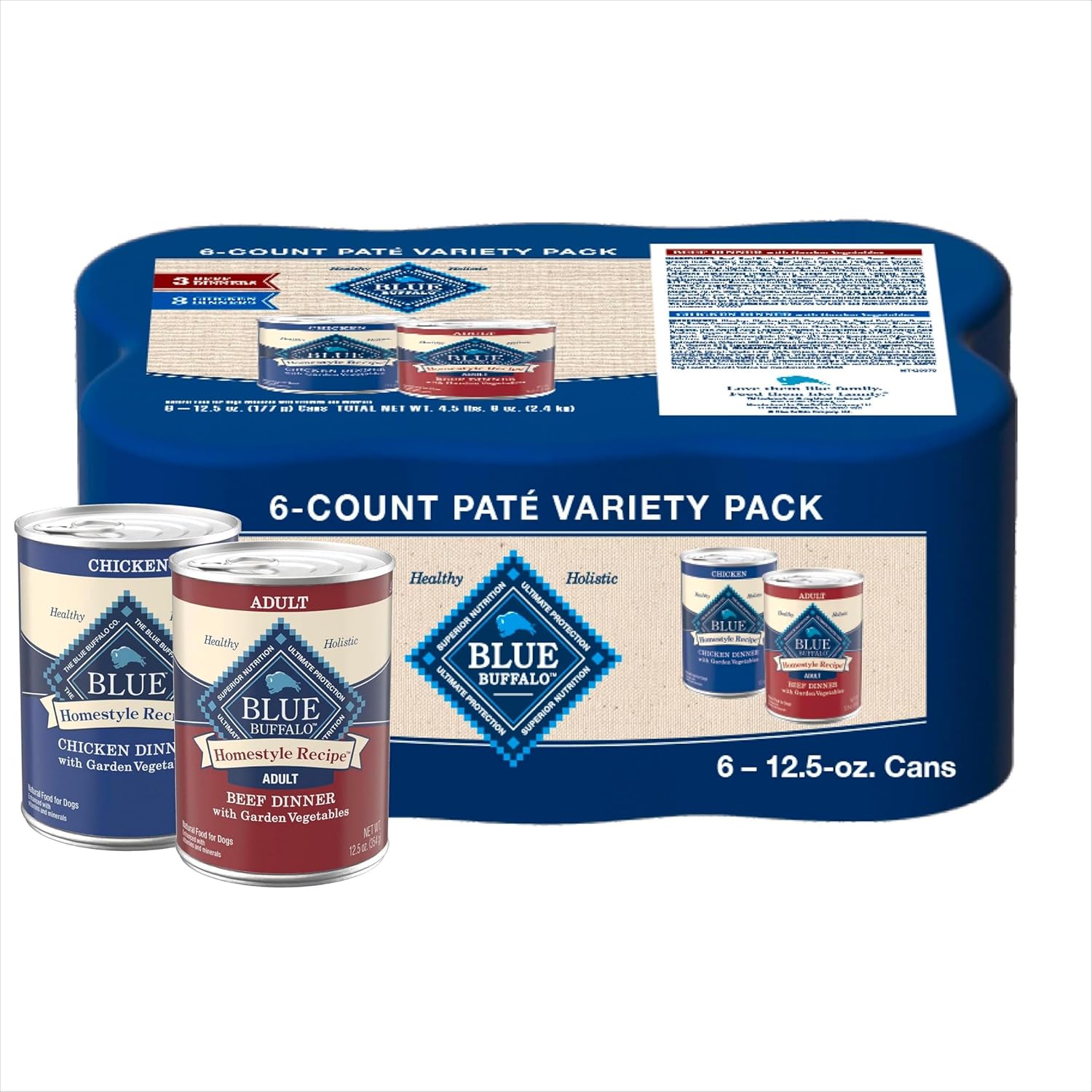
What to Look for When Buying Canned Dog Food for Huskies
1. High-Quality Protein as the First Ingredient
For a Husky, protein isn’t just important—it’s essential. As a high-energy working breed, your Husky relies on lean muscle mass for endurance, agility, and overall vitality. The best canned dog foods list a named animal protein (like “chicken,” “salmon,” or “lamb”) as the very first ingredient. Avoid vague terms like “meat meal” or “animal by-product,” which can indicate lower-quality or inconsistent sources. Look for whole meats or meat meals (e.g., “chicken meal” or “salmon meal”), which are concentrated forms of protein that have been rendered to remove moisture while preserving amino acids.
Huskies thrive on diets with 25–30% protein content. This supports muscle maintenance, especially in active or working dogs. Additionally, animal-based proteins provide complete amino acid profiles, including taurine and L-carnitine, which are crucial for heart health and metabolism. For example, a formula featuring deboned chicken or wild-caught salmon ensures your Husky gets bioavailable protein that’s easy to digest and highly nutritious.
2. Optimal Fat Content for Energy and Coat Health
Healthy fats are a cornerstone of a Husky’s diet. Their thick double coat requires omega-3 and omega-6 fatty acids to stay shiny, reduce shedding, and prevent dry, flaky skin. Look for canned foods that include sources like salmon oil, flaxseed, or chicken fat—these provide essential fatty acids without the use of artificial additives. Aim for a fat content between 12–18%, which is ideal for sustaining energy levels without contributing to weight gain.
Fats also serve as a concentrated energy source, which is vital for Huskies who may be involved in activities like sledding, hiking, or agility training. Unlike carbohydrates, fats are metabolized slowly, providing sustained energy rather than quick spikes and crashes. Additionally, omega-3 fatty acids (especially EPA and DHA) have anti-inflammatory properties that support joint health—important for a breed prone to hip dysplasia and arthritis as they age.
Avoid foods with excessive plant-based oils or unnamed “animal fats,” as these can be low-quality and less digestible. Instead, opt for formulas that specify the fat source and include a balance of omega-3 and omega-6 fatty acids in a ratio close to 5:1 to 10:1.
3. Moisture Content and Hydration Benefits
One of the biggest advantages of canned dog food is its high moisture content—typically 70–80%, compared to just 10% in dry kibble. This is especially beneficial for Huskies, who may not drink enough water on their own, particularly in colder climates or during intense activity. Proper hydration supports kidney function, aids digestion, and helps regulate body temperature—critical for a breed adapted to cold environments.
Dehydration can lead to urinary tract issues, constipation, and reduced energy levels. By feeding canned food, you’re naturally increasing your Husky’s water intake, which can reduce the risk of these problems. This is particularly important for senior Huskies or those with a history of kidney issues.
When comparing brands, check the guaranteed analysis on the label. A moisture content above 75% is ideal. Be cautious of products that list water as the first ingredient—while moisture is good, it shouldn’t come at the expense of nutrient density. The best formulas balance high moisture with rich, concentrated nutrition.
4. Limited, Digestible Carbohydrates
While Huskies don’t require as many carbohydrates as some other breeds, they still benefit from easily digestible sources of energy. Look for complex carbs like sweet potatoes, peas, lentils, or oats—these provide fiber for digestive health and sustained energy without spiking blood sugar. Avoid corn, wheat, soy, and excessive grains, which can be difficult to digest and may trigger allergies or sensitivities.
Huskies have a relatively short digestive tract, which means they process food quickly. This makes digestibility a key factor. Ingredients like pumpkin, carrots, and blueberries not only add natural sweetness and fiber but also provide antioxidants that support immune function. A well-balanced canned food should contain no more than 30–40% carbohydrates, with the majority coming from whole, recognizable sources.
Grain-free options are popular, but they’re not always necessary. Unless your Husky has a diagnosed grain allergy, whole grains like brown rice or quinoa can be excellent sources of energy and nutrients. The key is to avoid fillers and focus on ingredients that contribute real nutritional value.
5. No Artificial Additives or Fillers
Artificial preservatives, colors, and flavors have no place in a high-quality canned dog food. Ingredients like BHA, BHT, ethoxyquin, and propylene glycol can be harmful over time and have been linked to health issues in dogs. Similarly, avoid foods with “mystery” ingredients like “animal digest” or “natural flavoring,” which are vague and often low-quality.
Instead, look for natural preservatives like mixed tocopherols (vitamin E) or rosemary extract. These are safe, effective, and indicate a brand committed to clean labeling. Fillers such as corn gluten meal, cellulose, or beet pulp should also be avoided—they add bulk without nutritional benefit and can contribute to weight gain or digestive upset.
Reading the ingredient list carefully is crucial. A shorter list with recognizable, whole-food ingredients is almost always a better choice than a long list of unpronounceable chemicals. Transparency is a hallmark of reputable brands, so prioritize companies that disclose sourcing and manufacturing practices.
6. Appropriate Caloric Density for Activity Level
Huskies are known for their high metabolism and energy output, but their caloric needs can vary widely depending on age, size, and activity level. An adult Husky typically requires 1,000–1,400 calories per day, but active or working dogs may need up to 2,000. Canned food is generally more calorie-dense than dry kibble, so portion control is essential to prevent obesity.
Check the caloric content per can (usually listed in kcal/kg or kcal per cup). A typical 13 oz can contains 400–500 calories, so you may need to adjust feeding amounts based on your dog’s needs. Overfeeding can lead to weight gain, which puts extra strain on joints and increases the risk of diabetes and heart disease.
Use a feeding calculator or consult your veterinarian to determine the right amount. Many premium brands provide feeding guidelines based on weight and activity level. For example, a lightly active 50-pound Husky might need 1.5 cans per day, while a highly active one could require 2–2.5 cans.
7. Brand Reputation and Transparency
Not all pet food companies are created equal. Some prioritize marketing over quality, while others invest heavily in research, testing, and ethical sourcing. When choosing a canned dog food, consider the brand’s reputation, manufacturing standards, and commitment to transparency.
Look for companies that conduct AAFCO (Association of American Feed Control Officials) feeding trials or formulate to meet AAFCO nutrient profiles. This ensures the food is complete and balanced for your dog’s life stage. Brands that publish ingredient sourcing information, third-party testing results, or recalls history demonstrate accountability.
Reputable brands often have veterinary nutritionists on staff and participate in industry research. They’re also more likely to respond to customer inquiries and provide detailed nutritional information. Avoid brands with a history of recalls or vague labeling practices.
8. Palatability and Digestibility
Even the most nutritious food won’t help if your Husky won’t eat it. Palatability is a key factor—especially for picky eaters or dogs transitioning from kibble. High-quality canned foods often have a stronger aroma and richer texture, which can entice reluctant eaters.
Digestibility is equally important. A food that’s easy to digest reduces the risk of gas, bloating, diarrhea, or vomiting. Look for brands that use highly digestible proteins and prebiotic fibers like chicory root or beet pulp (in moderation). Some companies publish digestibility studies, which can be a useful indicator of quality.
Introduce new foods gradually over 7–10 days to avoid digestive upset. Mix increasing amounts of the new food with the old, monitoring your dog’s stool and energy levels. If your Husky shows signs of discomfort, consider a different formula or consult your vet.
Different Types of Canned Dog Food for Huskies

Common Buying Mistakes to Avoid
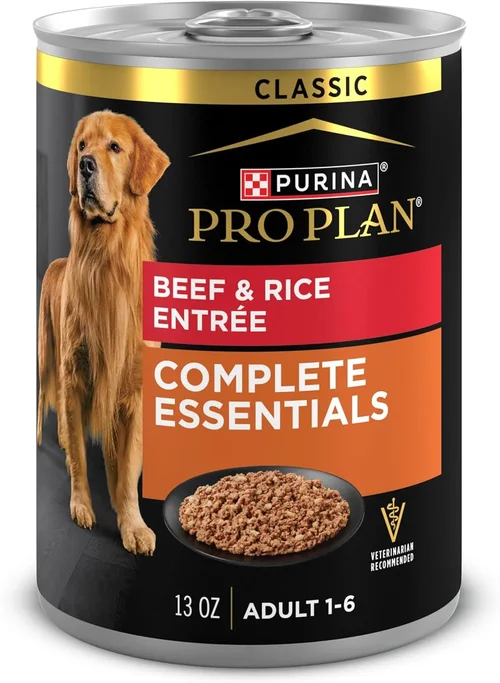
❌ Mistake: Choosing Based on Price Alone
Why it’s bad: Opting for the cheapest canned food often means sacrificing ingredient quality. Low-cost brands frequently use fillers, by-products, and artificial preservatives that can harm your Husky’s health over time. While budget is important, prioritizing cost over nutrition can lead to higher vet bills and reduced quality of life.
What to do instead: Focus on value, not just price. Look for mid-range brands that offer high-quality ingredients at a reasonable cost. Calculate cost per calorie or per serving to compare fairly. Sometimes, a slightly more expensive can provides more nutrition and reduces the amount you need to feed.
❌ Mistake: Ignoring the Ingredient List
Why it’s bad: Many pet owners rely on packaging claims like “natural” or “premium” without checking the actual ingredients. These terms are not regulated and can be misleading. A food labeled “grain-free” might still contain low-quality proteins or excessive legumes, which have been linked to heart issues in dogs.
What to do instead: Always read the ingredient list from top to bottom. The first five ingredients make up the majority of the food, so ensure they are high-quality and recognizable. Use resources like the Dog Food Project or AAFCO guidelines to verify nutritional adequacy.
❌ Mistake: Overfeeding Due to High Palatability
Why it’s bad: Canned food is often more appealing than kibble, which can lead to overfeeding—especially if your Husky begs for more. Excess calories can result in obesity, joint stress, and metabolic disorders. Huskies are prone to weight gain if not monitored closely.
What to do instead: Follow feeding guidelines based on your dog’s weight and activity level. Use a measuring cup or kitchen scale to ensure accuracy. Split meals into two servings per day to prevent overeating and support digestion.
❌ Mistake: Not Transitioning Gradually
Why it’s bad: Switching foods abruptly can cause digestive upset, including diarrhea, vomiting, or gas. Huskies have sensitive stomachs, and sudden changes can disrupt gut flora and lead to long-term issues.
What to do instead: Transition over 7–10 days. Start with 25% new food and 75% old, gradually increasing the ratio each day. Monitor your dog’s stool and behavior. If issues persist, slow the transition or consult your vet.
❌ Mistake: Feeding Only Canned Food Long-Term
Why it’s bad: While canned food is nutritious, feeding it exclusively can be expensive and may lack the dental benefits of crunchy kibble. Some dogs also develop softer stools or become picky if they never eat dry food.
What to do instead: Consider a mixed feeding approach—combine canned food with high-quality kibble. This balances moisture intake, dental health, and cost. Use canned food as a topper or mix to enhance palatability.
❌ Mistake: Ignoring Life Stage Needs
Why it’s bad: Puppies, adults, and seniors have different nutritional requirements. Feeding an adult formula to a growing puppy can lead to deficiencies, while senior food may not provide enough energy for an active adult Husky.
What to do instead: Choose a formula labeled for your dog’s life stage. Look for “complete and balanced” statements that specify “for growth,” “for maintenance,” or “for all life stages.”
❌ Mistake: Not Consulting a Veterinarian
Why it’s bad: Every dog is unique. Health conditions like allergies, kidney disease, or obesity require specialized diets. Relying solely on online reviews or marketing claims can lead to inappropriate choices.
What to do instead: Discuss your Husky’s diet with your vet, especially if they have health concerns. Your vet can recommend brands, portion sizes, and supplements based on individual needs.
Budget Guidelines: How Much Should You Spend?
Feeding your Husky high-quality canned food doesn’t have to break the bank—but it does require smart budgeting. Here’s a breakdown of what to expect at different price points:
- Entry-Level ($1.50–$2.20 per can): These options are often available at big-box stores or supermarkets. While convenient, they may contain lower-quality proteins, fillers, and artificial additives. Suitable for occasional use or as a topper, but not ideal for daily feeding.
- Mid-Range ($2.20–$3.20 per can): This is the sweet spot for most Husky owners. Brands in this range offer high-quality ingredients, good protein sources, and balanced nutrition without excessive cost. Examples include Wellness, Merrick, and Nutro. Ideal for daily feeding and long-term health.
- Premium ($3.20–$4.50 per can): These foods feature novel proteins (like duck or venison), organic ingredients, and advanced formulations. Brands like The Honest Kitchen, Open Farm, and Ziwi Peak fall here. Best for dogs with sensitivities or owners seeking the highest quality.
- Luxury ($4.50+ per can): Top-tier options often use human-grade, ethically sourced ingredients and minimal processing. These are ideal for show dogs, working Huskies, or those with complex dietary needs. While expensive, they offer unparalleled nutrition and transparency.
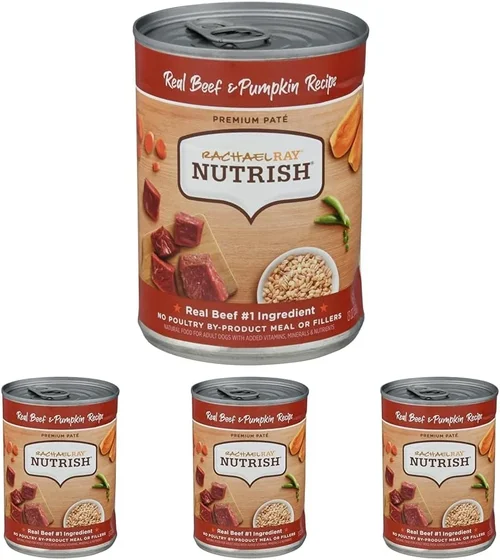
Expert Tips for Getting the Best Deal
- Shop During Sales: Major holidays like Black Friday, Memorial Day, and Amazon Prime Day often feature significant discounts on pet food. Stock up when prices drop.
- Use Subscription Services: Brands like Chewy, Petco, and Amazon offer auto-ship discounts (up to 15% off) and free shipping. Set a delivery schedule that matches your usage.
- Compare Unit Prices: Don’t just look at the total cost—compare price per ounce or per calorie. A larger can may seem expensive but offer better value.
- Check for Coupons and Rebates: Sign up for brand newsletters, loyalty programs, or cashback apps like Rakuten to earn rewards on pet food purchases.
- Buy Direct from Manufacturers: Some brands offer exclusive deals, free samples, or loyalty points when you purchase directly from their website.
- Read Return Policies: Ensure the retailer allows returns if your Husky doesn’t like the food. This reduces risk when trying new brands.
- Test Small Quantities First: Before committing to a large order, buy a single can or trial pack to assess palatability and digestibility.
- Consider Mixed Feeding: Combine canned food with dry kibble to stretch your budget while still providing moisture and flavor.
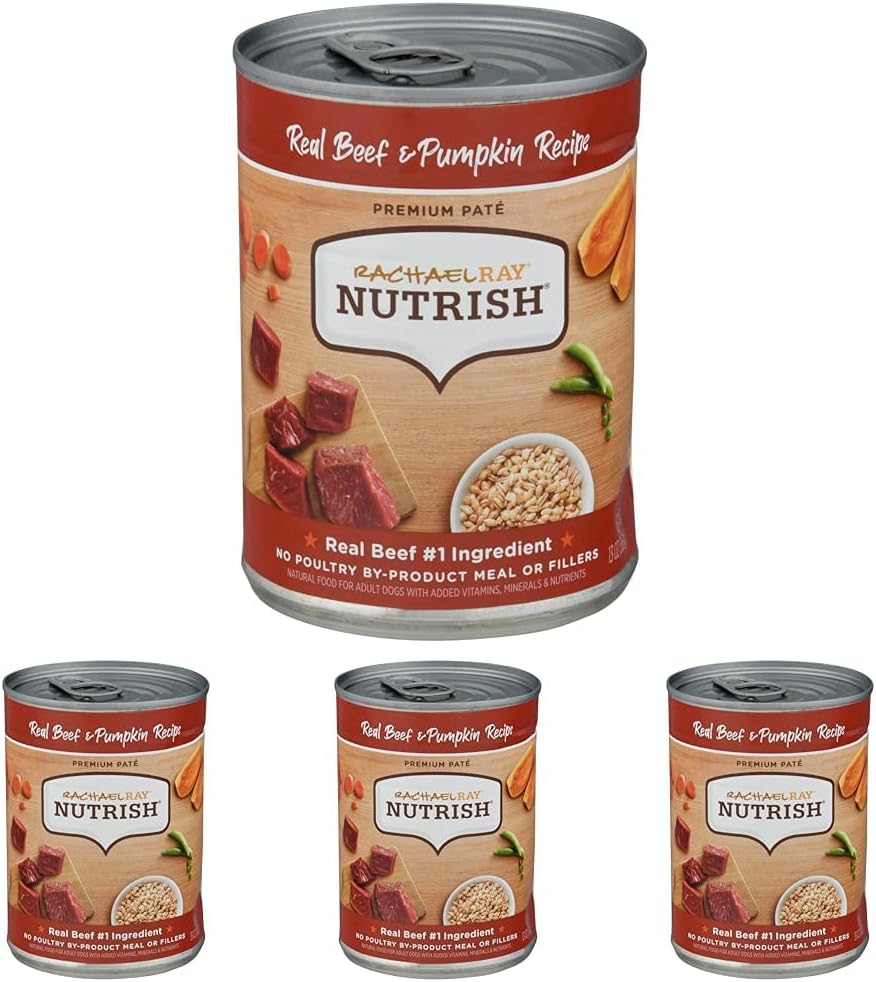
Frequently Asked Questions
Q: Can I feed my Husky canned food every day?
A: Yes, many Huskies thrive on daily canned food, especially if it’s nutritionally complete and balanced. Just ensure you’re feeding the correct portion size and monitoring your dog’s weight and health. Some owners prefer a mix of wet and dry food for variety and dental benefits.
Q: Is grain-free canned food better for Huskies?
A: Not necessarily. Grain-free diets are beneficial for dogs with grain allergies, but most Huskies tolerate grains well. Whole grains like oats or brown rice can provide valuable fiber and energy. The key is ingredient quality, not the absence of grains.
Q: How much canned food should I feed my Husky?
A: It depends on weight, age, and activity level. A general guideline is 1 can (13 oz) per 20–25 pounds of body weight daily, split into two meals. Always refer to the feeding chart on the label and adjust based on your dog’s condition.
Q: Can canned food cause diarrhea in Huskies?
A: It can, especially if introduced too quickly or if the formula doesn’t agree with your dog’s digestive system. Transition gradually and choose highly digestible formulas. If diarrhea persists, consult your vet.
Q: Is raw or fresh food better than canned?
A: Raw and fresh diets can be excellent but require careful handling, balanced formulation, and higher cost. Canned food offers a convenient, safe alternative with similar benefits when choosing high-quality brands.
Q: How long does opened canned food last?
A: Store opened cans in the refrigerator for up to 5–7 days. Cover with a lid or plastic wrap to prevent drying out. Discard if you notice an off smell or mold.
Q: Can I mix different brands of canned food?
A: Yes, but do so gradually to avoid digestive upset. Mixing brands can provide variety and balance nutrients, but ensure both foods are complete and balanced.
Q: Are there canned foods specifically for senior Huskies?
A: Yes, many brands offer senior formulas with reduced calories, added joint support (glucosamine, chondroitin), and easier digestion. These are ideal for less active or aging Huskies.
Q: What if my Husky is allergic to chicken?
A: Switch to a novel protein like duck, venison, or salmon. Limited ingredient diets are excellent for identifying and managing food allergies.
Q: Can I feed canned food to a Husky puppy?
A: Yes, but choose a formula labeled for growth or all life stages. Puppies need higher protein and fat for development. Feed smaller, more frequent meals.
Our Final Recommendations
- Best for Budget-Conscious Buyers: Wellness Complete Health Grain-Free Wet Dog Food (Chicken & Sweet Potato) – Offers excellent value with high-quality ingredients, no fillers, and AAFCO compliance. Around $2.30 per can.
- Best Overall Value: Merrick Grain-Free Real Chicken + Sweet Potato Recipe – Rich in protein, highly palatable, and made in the USA. Balances cost and quality perfectly. Priced at $2.80 per can.
- Best Premium Option: Open Farm Homestead Turkey & Chicken Recipe – Human-grade, ethically sourced, and free from artificial additives. Ideal for health-conscious owners. $3.90 per can.
- Best for Beginners: Nutro Ultra Grain-Free Wet Dog Food (Salmon & Lentil) – Easy to find, vet-recommended, and gentle on digestion. Great for first-time canned food users. $2.60 per can.
- Best for Advanced Users: Ziwi Peak Air-Dried Mackerel & Lamb – Though technically air-dried, it’s rehydrated like canned food and offers top-tier nutrition. Perfect for working or show Huskies. $4.75 per can.
Conclusion: Making the Right Choice
Choosing the best canned dog food for your Husky is a decision that impacts their energy, coat, digestion, and long-term health. By focusing on high-quality proteins, healthy fats, moisture content, and clean ingredients, you can provide a diet that supports your dog’s unique needs. Avoid common pitfalls like overfeeding, ignoring labels, or choosing based on price alone. Instead, prioritize transparency, digestibility, and nutritional balance.
Remember, every Husky is different. What works for one may not suit another. Use this guide as a foundation, but stay attuned to your dog’s individual response. Monitor their weight, coat condition, energy levels, and stool quality. When in doubt, consult your veterinarian for personalized advice.
Investing in premium nutrition now can prevent health issues down the road and ensure your Husky lives a long, active, and vibrant life. Whether you’re feeding a playful puppy, a hardworking sled dog, or a senior companion, the right canned food makes all the difference. Start with a high-quality option from our recommendations, transition gradually, and enjoy watching your Husky thrive.