

As our beloved canine companions enter their golden years, their nutritional needs shift in significant ways. Senior dogs—typically defined as those over seven years of age, though this varies by breed and size—face unique health challenges that demand thoughtful dietary adjustments. Joint stiffness, reduced metabolism, dental issues, and declining organ function are just a few of the changes that can impact their quality of life. One of the most effective ways to support aging dogs is through proper nutrition, and canned dog food has emerged as a top choice for many pet parents seeking palatability, hydration, and digestibility.
This comprehensive buying guide is designed to help you navigate the crowded and often confusing world of senior dog food. Whether you’re caring for a 10-year-old Labrador, a 12-year-old Chihuahua, or a senior Great Dane, choosing the right canned food can make a meaningful difference in your dog’s energy levels, coat condition, mobility, and overall well-being. With hundreds of brands and formulations on the market—ranging from budget-friendly options to premium veterinary-grade diets—it’s easy to feel overwhelmed. Our goal is to cut through the marketing noise and provide you with science-backed, practical advice to help you make the best decision for your aging pup.
In this guide, you’ll learn how to evaluate canned dog food based on key nutritional factors, understand the differences between product categories, avoid common purchasing pitfalls, and find options that fit your budget without compromising quality. We’ll also share expert tips on timing your purchases, interpreting labels, and transitioning your dog to a new diet safely. By the end, you’ll have a clear roadmap to confidently select a high-quality canned food that supports your senior dog’s health, happiness, and longevity.
The senior dog food market has evolved dramatically over the past decade. Once limited to a handful of dry kibble options, it now features a wide array of wet (canned) formulas tailored to age-related conditions such as arthritis, kidney disease, cognitive decline, and weight management. Major brands like Hill’s Science Diet, Royal Canin, Purina Pro Plan, and Blue Buffalo have expanded their senior lines, while boutique and natural pet food companies like The Honest Kitchen, Wellness, and Open Farm have introduced grain-free, human-grade, and limited-ingredient canned options. This abundance of choice is a blessing—but only if you know what to look for.
What to Look for When Buying Senior Dog Food
1. Protein Content and Quality
Protein is the cornerstone of any senior dog’s diet, but not all proteins are created equal. As dogs age, their ability to process and utilize protein may decline, especially if they have kidney or liver issues. However, contrary to outdated beliefs, most healthy senior dogs still require high-quality, easily digestible protein to maintain muscle mass, support immune function, and promote healing. Look for canned foods where real meat (e.g., chicken, beef, lamb, or fish) is listed as the first ingredient, not meat by-products or vague terms like “meat meal.”
Aim for a protein content between 18% and 25% on a dry matter basis (DMB)—this means adjusting for the high moisture content in wet food. For example, a can labeled 10% protein with 78% moisture actually contains about 45% protein DMB, which is excellent. High-quality animal proteins like deboned chicken, turkey, or salmon provide essential amino acids such as taurine and L-carnitine, which support heart health and metabolism. Avoid foods with excessive plant-based proteins (like pea protein or soy), as they are less bioavailable for dogs and may strain the kidneys over time.
2. Fat Content and Omega Fatty Acids
Fat provides concentrated energy, but senior dogs often have slower metabolisms and are prone to weight gain. Therefore, the type and amount of fat in canned food are crucial. Look for moderate fat levels—typically between 8% and 15% DMB—to support energy needs without contributing to obesity. More importantly, prioritize sources rich in omega-3 and omega-6 fatty acids, such as fish oil, flaxseed, or chicken fat. These healthy fats reduce inflammation, support joint health, improve coat shine, and may even slow cognitive decline.
Omega-3 fatty acids, particularly EPA and DHA found in cold-water fish like salmon and sardines, are especially beneficial for senior dogs with arthritis or heart conditions. A study published in the Journal of the American Veterinary Medical Association found that dogs with osteoarthritis showed significant improvement in mobility after consuming diets supplemented with omega-3s. Avoid foods with excessive saturated fats or unnamed “animal fats,” which can be low-quality and contribute to pancreatitis in sensitive dogs.
3. Fiber and Digestibility
Digestive health becomes increasingly important as dogs age. Reduced stomach acid production, slower gut motility, and changes in gut microbiota can lead to constipation, gas, or loose stools. Canned dog food is naturally easier to digest than dry kibble due to its high moisture content, but the fiber source matters greatly. Look for moderate levels of fiber (3% to 6% DMB) from natural sources like pumpkin, sweet potato, beet pulp, or chicory root.
Soluble fiber helps regulate blood sugar and supports beneficial gut bacteria, while insoluble fiber promotes regular bowel movements. Avoid foods with excessive fillers like corn, wheat, or soy, which can cause digestive upset and offer little nutritional value. Prebiotics such as FOS (fructooligosaccharides) and MOS (mannan oligosaccharides) are excellent additions, as they feed healthy gut flora and improve nutrient absorption.
4. Joint Support Ingredients
Arthritis and joint degeneration are among the most common ailments in senior dogs. While no food can cure these conditions, certain ingredients can help manage inflammation and support cartilage health. Glucosamine and chondroitin sulfate are well-researched supplements that aid in maintaining joint integrity. Many premium senior canned foods include these compounds, often derived from chicken cartilage or green-lipped mussels.
Additional joint-supportive ingredients include MSM (methylsulfonylmethane), hyaluronic acid, and turmeric—a natural anti-inflammatory. A 2021 study in Frontiers in Veterinary Science found that dogs fed diets containing turmeric extract showed reduced pain and improved activity levels. When evaluating labels, check the guaranteed analysis or ingredient list for these compounds. If they’re not present, consider pairing your dog’s food with a vet-approved joint supplement.
5. Moisture Content and Hydration
One of the biggest advantages of canned dog food is its high moisture content—typically 70% to 80%. This is especially beneficial for senior dogs, who are more prone to dehydration due to reduced thirst sensation and declining kidney function. Chronic mild dehydration can exacerbate kidney disease, urinary tract infections, and constipation.
Wet food helps maintain proper hydration, supports kidney function, and makes eating more appealing for dogs with dental pain or reduced appetite. For dogs with kidney disease, increased water intake is often recommended to help flush toxins. Canned food can be a game-changer in these cases, as it provides essential fluids without requiring the dog to drink large volumes of water.
6. Calorie Density and Weight Management
Senior dogs are at higher risk for obesity due to decreased activity levels and metabolic slowdown. Excess weight puts additional strain on joints, heart, and organs, accelerating age-related decline. Therefore, calorie control is essential—but it must be balanced with nutrient density. A high-calorie food isn’t inherently bad if it’s rich in nutrients and supports lean muscle mass.
Check the calorie content per can or per 100 grams, usually listed in kilocalories (kcal). Most senior canned foods range from 300 to 500 kcal per 13 oz can. Compare this to your dog’s daily energy needs, which can be calculated using their ideal body weight and activity level. Overfeeding, even with healthy food, can lead to weight gain. Use a measuring cup or kitchen scale to ensure accurate portions, and adjust based on your dog’s body condition score (BCS)—aim for a BCS of 4 to 5 on a 9-point scale.
7. Additives, Preservatives, and Fillers
The ingredient list is your window into a food’s quality. Avoid canned foods with artificial colors, flavors, or preservatives like BHA, BHT, or ethoxyquin—these have been linked to health concerns in dogs. Instead, look for natural preservatives such as mixed tocopherols (vitamin E), rosemary extract, or ascorbic acid (vitamin C).
Be cautious of excessive fillers like corn, wheat, soy, and rice, which offer little nutritional value and may trigger allergies. While small amounts of carbohydrates are fine—especially from digestible sources like sweet potato or oats—they should not dominate the ingredient list. Also, watch for vague terms like “animal digest” or “meat by-products,” which can indicate lower-quality protein sources.
8. Brand Transparency and Recall History
Not all pet food brands are equally committed to quality and safety. Research the manufacturer’s reputation, sourcing practices, and recall history. Reputable brands conduct regular testing for contaminants, publish nutritional analyses, and are transparent about ingredient sourcing. Look for companies that manufacture their own food (rather than relying on third-party co-packers) and follow AAFCO (Association of American Feed Control Officials) guidelines.
Check the FDA’s pet food recall database to see if a brand has had recent issues. Brands like Hill’s, Royal Canin, and Purina have had recalls in the past, but they also have robust quality control systems and typically respond quickly to issues. Smaller, boutique brands may offer higher ingredient quality but sometimes lack the same level of testing and consistency.
Different Types of Senior Canned Dog Food
Common Buying Mistakes to Avoid
❌ Mistake: Choosing Based Solely on Price
Why it’s bad: Opting for the cheapest canned food may save money upfront, but it often means sacrificing ingredient quality, digestibility, and nutritional balance. Low-cost brands frequently use fillers, by-products, and artificial preservatives that can lead to long-term health issues like obesity, allergies, or kidney strain.
What to do instead: Focus on value, not just cost. A slightly more expensive food with high-quality ingredients may actually cost less per meal when considering better nutrient absorption and reduced vet bills. Calculate cost per 100 kcal to compare fairly across brands.
❌ Mistake: Ignoring the Ingredient List
Why it’s bad: The front of the can may boast “real chicken” or “grain-free,” but the ingredient list tells the real story. Marketing claims can be misleading, and some foods contain minimal amounts of premium ingredients while relying on cheap fillers.
What to do instead: Always read the full ingredient list. Look for named meat sources first, minimal fillers, and recognizable components. Use resources like the Dog Food Advisor or AAFCO guidelines to decode confusing terms.
❌ Mistake: Overlooking Calorie Needs
Why it’s bad: Feeding a high-calorie food to a sedentary senior dog can lead to rapid weight gain, joint stress, and reduced lifespan. Conversely, underfeeding can cause muscle loss and malnutrition.
What to do instead: Calculate your dog’s resting energy requirement (RER) using the formula: 70 × (ideal body weight in kg)^0.75. Adjust for activity level and health status. Use a food scale and track body condition monthly.
❌ Mistake: Switching Foods Too Quickly
Why it’s bad: Sudden dietary changes can cause gastrointestinal upset, including vomiting, diarrhea, or refusal to eat. Senior dogs are especially sensitive to abrupt transitions.
What to do instead: Transition gradually over 7 to 10 days. Start with 25% new food and 75% old food, increasing the ratio every 2–3 days. Monitor stool quality and appetite throughout.
❌ Mistake: Assuming All “Senior” Labels Are Equal
Why it’s bad: The term “senior” is not regulated by AAFCO, so it can be used loosely. Some “senior” formulas are nearly identical to adult maintenance diets, offering little targeted support.
What to do instead: Look for specific senior-focused features: joint support, controlled calories, high digestibility, and added antioxidants. Compare guaranteed analyses and ingredient lists across brands.
❌ Mistake: Neglecting Dental Health
Why it’s bad: While canned food is easier to eat, it doesn’t provide the mechanical cleaning action of kibble. Senior dogs are prone to dental disease, which can lead to pain, tooth loss, and systemic infections.
What to do instead: Combine wet food with dental chews, water additives, or regular vet cleanings. Some canned foods are formulated with enzymes or texture to support oral health—look for VOHC (Veterinary Oral Health Council) approval.
❌ Mistake: Not Consulting a Veterinarian
Why it’s bad: Every senior dog is unique. Health conditions like kidney disease, diabetes, or heart failure require specialized diets that over-the-counter foods may not address.
What to do instead: Schedule a senior wellness exam and discuss dietary needs with your vet. They can recommend therapeutic diets or supplements tailored to your dog’s specific health profile.
Budget Guidelines: How Much Should You Spend?
– Entry-Level ($0.90 – $1.50 per can): These foods are widely available at grocery stores and big-box retailers. While convenient, they often contain lower-quality proteins, fillers, and artificial additives. Best for healthy seniors with no dietary sensitivities, but not ideal for long-term use or dogs with health issues.
– Mid-Range ($1.80 – $2.50 per can): This is the sweet spot for most pet parents. Brands like Purina Pro Plan, Iams, and Nutro offer balanced nutrition with recognizable ingredients, moderate protein, and added joint support. These foods provide excellent value and are suitable for the majority of senior dogs.
– Premium ($2.50 – $3.50 per can): Ideal for owners seeking higher ingredient quality and targeted health benefits. These foods often include human-grade proteins, omega-rich fats, prebiotics, and natural preservatives. Brands like Wellness, Blue Buffalo, and Merrick fall into this category.
– Luxury ($3.50+ per can): Reserved for boutique brands and veterinary diets. These offer the highest standards of sourcing, formulation, and testing. Examples include Hill’s Prescription Diet, Royal Canin Veterinary Diet, and The Honest Kitchen’s dehydrated wet food. Best for dogs with chronic conditions or owners prioritizing top-tier nutrition.

Expert Tips for Getting the Best Deal
– Buy in bulk during sales: Many online retailers (Chewy, Petco, Amazon) offer discounts on multi-can purchases or subscription plans. Sign up for newsletters to receive alerts on seasonal promotions.
– Compare cost per 100 kcal: This metric allows you to fairly compare foods of different calorie densities. A higher-priced can may actually be more economical if it’s more nutrient-dense.
– Check for rebates and loyalty programs: Brands like Hill’s and Royal Canin offer rebates for first-time buyers or frequent purchasers. Pet stores often have loyalty cards that earn points for discounts.
– Read customer reviews: Look for consistent feedback on palatability, digestibility, and packaging. Avoid products with frequent complaints about spoilage or inconsistent texture.
– Test small quantities first: Before committing to a large purchase, buy a single can or a small case to see if your dog likes it and tolerates it well.
– Consider mixing with dry food: Combining wet and dry food can reduce overall cost while still providing hydration and variety. Use wet food as a topper or mix half-and-half.
– Watch for recalls: Subscribe to FDA pet food recall alerts to stay informed. Even premium brands can have issues, so vigilance is key.
– Ask your vet for samples: Many veterinary offices provide free samples of prescription or therapeutic diets. This is a great way to try before you buy.
Frequently Asked Questions
Q: How often should I feed my senior dog canned food?
A: Most senior dogs do well with two meals per day, spaced 10–12 hours apart. This supports stable blood sugar and digestion. However, dogs with diabetes or kidney disease may benefit from smaller, more frequent meals. Always follow the feeding guidelines on the can and adjust based on your dog’s weight and activity level.
Q: Can I feed my senior dog only canned food?
A: Yes, as long as the food is complete and balanced according to AAFCO standards. Canned food provides all necessary nutrients and hydration. However, some dogs enjoy variety, so mixing in dry food or fresh toppers (like cooked vegetables or lean meat) can enhance mealtime.
Q: Is grain-free food better for senior dogs?
A: Not necessarily. While grain-free diets can help dogs with grain allergies, there’s no evidence that grains are harmful to most senior dogs. In fact, grains like oats and brown rice provide fiber and energy. The FDA has also raised concerns about a potential link between grain-free diets and dilated cardiomyopathy (DCM) in some dogs. Consult your vet before switching.
Q: How do I know if my senior dog is overweight?
A: Use the body condition score (BCS) system. You should be able to feel your dog’s ribs without pressing hard, and they should have a visible waist when viewed from above. If you can’t feel the ribs or see a rounded abdomen, your dog may be overweight. Your vet can provide an accurate assessment.
Q: Should I add supplements to my senior dog’s canned food?
A: Only if recommended by your veterinarian. Many premium canned foods already include joint, heart, and cognitive support ingredients. Adding unneeded supplements can lead to toxicity or imbalances. Always discuss supplementation with your vet first.
Q: Can senior dogs eat puppy food?
A: No. Puppy food is higher in calories, fat, and protein, which can strain a senior dog’s metabolism and contribute to obesity. It’s also formulated for growth, not maintenance. Stick to adult or senior-specific formulas.
Q: How long can I store opened canned dog food?
A: Once opened, transfer unused portions to an airtight container and refrigerate. Use within 3–5 days. Do not leave wet food out at room temperature for more than 2 hours, as bacteria can grow rapidly.
Q: What if my senior dog refuses to eat canned food?
A: Try warming the food slightly (to body temperature), adding low-sodium broth, or mixing in a favorite topper like cooked chicken or pumpkin. Ensure the food isn’t spoiled and rule out dental pain or illness with a vet visit.
Q: Are there canned foods for senior dogs with kidney disease?
A: Yes. Veterinary diets like Hill’s k/d or Royal Canin Renal Support are specifically formulated for kidney health. They feature reduced phosphorus, moderate protein, and added omega-3s. These require a prescription and should only be used under veterinary supervision.
Q: Can I make homemade senior dog food instead?
A: Homemade diets can be nutritious but are challenging to balance properly. Dogs need precise ratios of protein, fat, calcium, and other nutrients. If you choose this route, work with a veterinary nutritionist to formulate a complete diet. Canned commercial food is generally safer and more convenient.
Our Final Recommendations
– Best for Budget-Conscious Buyers: Purina Pro Plan Senior Canned Dog Food (Chicken & Rice). Offers solid nutrition, high palatability, and wide availability at an affordable price. Contains real chicken, rice for digestibility, and added vitamins.
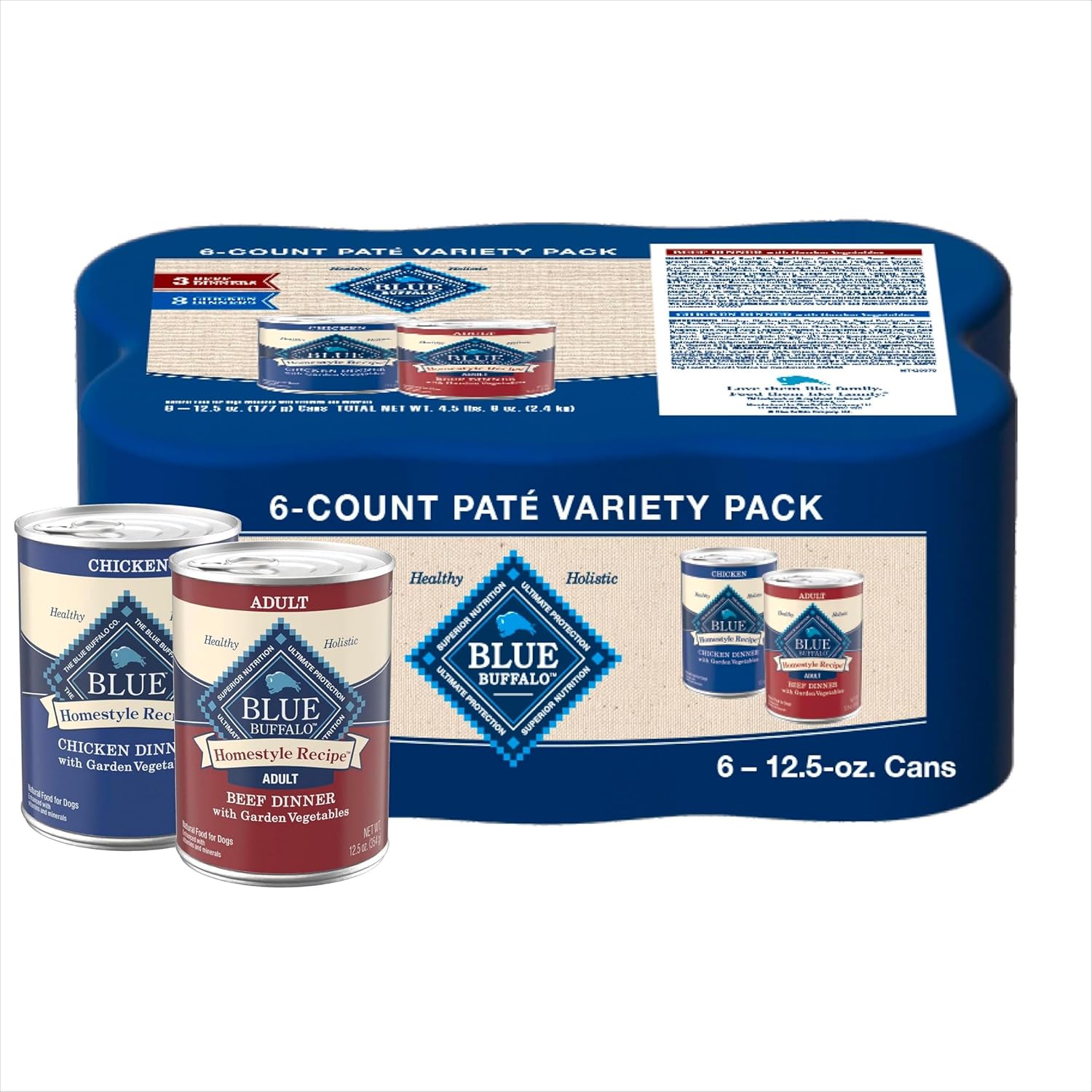
– Best Overall Value: Blue Buffalo Homestyle Recipe Senior Dog Food. Features deboned chicken, garden vegetables, and no by-products. Includes glucosamine and chondroitin for joint health, all at a mid-range price.
– Best Premium Option: Wellness Complete Health Senior Canned Dog Food. Made with human-grade ingredients, omega-rich salmon, and prebiotics. Free from grains, fillers, and artificial additives.
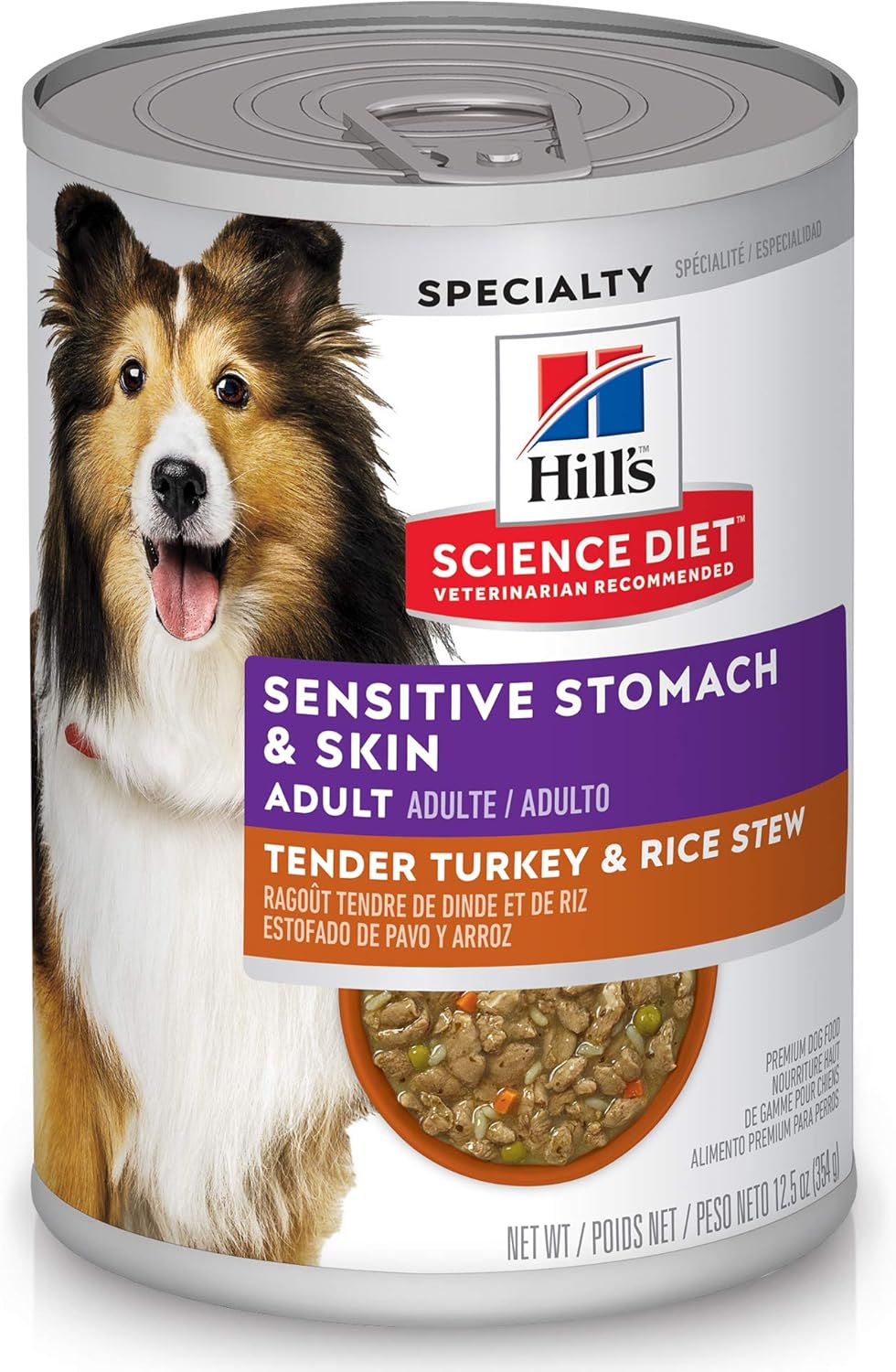
– Best for Beginners: Hill’s Science Diet Senior Canned Dog Food. Trusted by veterinarians, easy to find, and formulated with balanced nutrition for aging dogs. Great for first-time senior food buyers.
– Best for Advanced Users: Royal Canin Veterinary Diet Mobility Support. A therapeutic formula designed for dogs with arthritis, featuring high levels of EPA/DHA, glucosamine, and controlled calories. Requires a vet prescription.
Conclusion: Making the Right Choice
Choosing the best canned dog food for your senior dog is one of the most impactful decisions you can make for their health and happiness. As your companion ages, their body changes—and so should their diet. By focusing on high-quality protein, healthy fats, joint support, and proper hydration, you can help your dog maintain mobility, energy, and a strong immune system well into their golden years.
Remember, no single food is perfect for every dog. Consider your pet’s breed, size, activity level, and any existing health conditions. Read labels carefully, avoid common pitfalls, and don’t hesitate to consult your veterinarian. Whether you’re feeding a spry 8-year-old or a frail 14-year-old, the right nutrition can add not just years to their life—but life to their years.
Take the time to evaluate your options, test small batches, and observe how your dog responds. With the knowledge from this guide, you’re now equipped to make a confident, informed choice. Your senior dog deserves the best—start their next chapter with a meal that truly supports their well-being.