

As our beloved canine companions age, their nutritional needs shift in ways that can significantly impact their health, energy levels, and overall quality of life. Senior dogs—typically those over seven years old, though this varies by breed size—often face challenges like reduced metabolism, joint stiffness, dental issues, and declining organ function. These changes mean that the food they’ve thrived on for years may no longer be the best fit. That’s where choosing the right canned dog food becomes not just a convenience, but a vital part of their care. With countless options flooding the market, each claiming to be “the best for seniors,” pet parents can easily feel overwhelmed. This comprehensive guide cuts through the noise, offering expert-backed insights to help you make an informed, compassionate decision for your aging dog.
In this buying guide, you’ll learn exactly what to look for in high-quality canned dog food tailored to senior dogs. We’ll break down the key nutritional components that support aging bodies, from easily digestible proteins to joint-supporting supplements and moisture-rich formulas that aid hydration. You’ll also discover how to evaluate brands based on ingredient transparency, manufacturing standards, and real-world performance. Whether your senior pup is a spry small breed still full of energy or a large-breed dog dealing with arthritis and weight gain, this guide will equip you with the knowledge to choose a food that meets their unique needs. By the end, you’ll not only understand what makes a canned dog food truly beneficial for seniors—you’ll know how to spot value, avoid common pitfalls, and confidently select a product that supports your dog’s golden years with vitality and comfort.
The market for senior-specific pet food has exploded in recent years, driven by increased awareness of canine aging and a growing demand for premium, health-focused nutrition. Major brands like Hill’s Science Diet, Royal Canin, and Purina Pro Plan now offer entire lines dedicated to senior dogs, while niche and natural brands such as Wellness, Blue Buffalo, and The Honest Kitchen have carved out loyal followings with grain-free, limited-ingredient, and human-grade offerings. Canned food, in particular, has gained popularity among senior dog owners due to its high moisture content—often 70–80%—which helps combat dehydration, a common issue in older dogs with reduced thirst drive. Additionally, the soft texture is easier on sensitive teeth and gums, making mealtime more comfortable for dogs with dental disease or missing teeth. With such a wide array of choices, from budget-friendly store brands to ultra-premium organic formulas, this guide will help you navigate the landscape with clarity and confidence.
What to Look for When Buying Canned Dog Food for Seniors
1. High-Quality, Digestible Protein Sources
Protein is the cornerstone of any senior dog’s diet, but not all proteins are created equal. As dogs age, their ability to digest and utilize protein can decline, making it essential to choose foods with highly digestible, bioavailable sources. Look for named animal proteins listed first on the ingredient label—such as “chicken,” “turkey,” or “salmon”—rather than vague terms like “meat meal” or “animal by-products.” These whole meats provide complete amino acid profiles that support muscle maintenance, which is crucial since senior dogs are prone to sarcopenia (age-related muscle loss). Additionally, avoid foods with excessive plant-based proteins (like pea protein or soy), which are less efficient at meeting canine dietary needs. For dogs with kidney concerns, moderate protein levels are important—too much can strain compromised kidneys, but too little leads to muscle wasting. A balanced approach with high-quality, moderate-protein formulas is ideal.
2. Appropriate Caloric Density and Fat Content
Senior dogs typically have slower metabolisms and lower activity levels, which means they require fewer calories to maintain a healthy weight. Overfeeding is a leading cause of obesity in older dogs, which exacerbates joint problems, diabetes, and heart disease. When evaluating canned food, check the caloric content per can or per cup—most senior formulas range from 300 to 450 kcal per 13 oz can. Fat content should also be moderate, usually between 10% and 15% on a dry matter basis. While fat provides concentrated energy, excessive fat can lead to weight gain and pancreatitis, especially in less active dogs. Look for sources of healthy fats like chicken fat, flaxseed, or fish oil, which also contribute omega-3 fatty acids beneficial for coat health and inflammation reduction. Avoid foods with added vegetable oils or unnamed fat sources, as these may not offer the same nutritional value.
3. Joint and Mobility Support Ingredients
Arthritis and joint stiffness are among the most common health issues in senior dogs, particularly in larger breeds. The right canned food can play a proactive role in managing discomfort and maintaining mobility. Key ingredients to look for include glucosamine and chondroitin, which support cartilage health and may slow the progression of osteoarthritis. Many premium senior formulas also include MSM (methylsulfonylmethane) and hyaluronic acid for additional joint lubrication. Omega-3 fatty acids, especially EPA and DHA from fish oil, have been shown to reduce inflammation and improve joint function. Some brands incorporate green-lipped mussel extract, a natural source of glycosaminoglycans, which has demonstrated anti-inflammatory effects in clinical studies. When comparing products, prioritize those that list these ingredients in meaningful amounts—not just as trace additions for marketing purposes.
4. Digestive Health and Fiber Balance
Digestive efficiency often declines with age, leading to issues like constipation, gas, or irregular bowel movements. Canned dog food naturally supports digestion due to its high moisture content, but the inclusion of prebiotic fibers and probiotics can further enhance gut health. Look for ingredients like pumpkin, sweet potato, or beet pulp, which provide gentle, fermentable fiber that promotes regular digestion without causing bloating. Some senior formulas also include inulin (from chicory root) or FOS/MOS (fructooligosaccharides/mannanoligosaccharides), which feed beneficial gut bacteria. Avoid foods with excessive fillers like corn, wheat, or soy, which can be harder to digest and may trigger sensitivities. For dogs with a history of gastrointestinal issues, limited-ingredient diets with novel proteins (like duck or venison) can help identify and avoid allergens.
5. Dental and Oral Health Considerations
While canned food doesn’t provide the mechanical abrasion that kibble does for plaque removal, it can still support oral health through formulation. Senior dogs are more prone to periodontal disease, tooth loss, and gum inflammation, so choosing a soft, palatable food that’s easy to chew is essential. Some brands offer pâté-style textures that are especially gentle on sensitive mouths, while others include dental-friendly additives like sodium hexametaphosphate, which helps reduce tartar buildup. Additionally, foods with added antioxidants like vitamin E and vitamin C can support gum tissue health and reduce oxidative stress. If your dog still has most of their teeth, you might consider mixing in a small amount of dental kibble or using dental chews to complement the soft diet. However, for dogs with severe dental issues, a fully wet diet may be the most comfortable option.
6. Hydration and Moisture Content
Dehydration is a silent but serious risk for senior dogs, who often lose their sense of thirst and may have reduced kidney function. Canned food is an excellent tool for boosting fluid intake, as it typically contains 70–80% water—far more than dry kibble (which is only about 10% moisture). This added hydration supports kidney function, helps flush toxins, and can improve urinary tract health, especially in dogs prone to bladder stones or infections. When comparing products, check the guaranteed analysis on the label: the moisture content should be clearly stated and ideally above 75%. Some brands even offer “broth-based” or “gravy-enhanced” formulas that further increase palatability and fluid intake. For dogs with chronic kidney disease, increased hydration is a cornerstone of management, making high-moisture canned food a therapeutic choice.
7. Ingredient Transparency and Brand Reputation
Not all pet food brands are created equal when it comes to sourcing, manufacturing, and labeling practices. Senior dogs deserve food made with integrity, so it’s important to choose brands that prioritize transparency. Look for companies that disclose their ingredient sources, manufacturing locations, and quality control processes. Reputable brands often have veterinary nutritionists on staff, conduct feeding trials, and publish detailed nutritional profiles. Avoid brands that use vague terms like “flavor” instead of “chicken” or “meat meal” without specifying the animal source. Additionally, check for third-party certifications such as AAFCO (Association of American Feed Control Officials) compliance, which ensures the food meets minimum nutritional standards. Brands like Hill’s, Royal Canin, and Purina have long-standing reputations backed by scientific research, while newer natural brands may appeal to those seeking organic or non-GMO options—just be sure to verify their claims with independent reviews or veterinary input.
8. Palatability and Appetite Stimulation
Appetite loss is a common concern in senior dogs, whether due to medical conditions, medication side effects, or simply a diminished sense of smell and taste. A food that looks and smells appealing can make a significant difference in ensuring your dog eats enough to maintain weight and energy. Canned food generally scores high in palatability due to its rich aroma and soft texture. When selecting a product, consider varieties with strong, natural scents—like roasted chicken or salmon—and avoid overly processed or artificial-smelling formulas. Some brands enhance palatability with natural broths or gravies, which can entice picky eaters. If your dog is recovering from illness or surgery, high-palatability canned food can be a crucial part of nutritional rehabilitation. Always monitor your dog’s response: if they consistently leave food uneaten, it may be time to try a different flavor or brand.
Different Types of Canned Dog Food for Seniors
Common Buying Mistakes to Avoid

❌ Mistake: Choosing Based Solely on Price
Why it’s bad: While budget is a real concern, opting for the cheapest canned food often means sacrificing nutritional quality. Low-cost brands may use fillers, by-products, and artificial preservatives that offer little benefit to senior dogs and could even exacerbate health issues over time.
What to do instead: Focus on value, not just cost. Compare price per ounce and evaluate ingredient quality. A slightly more expensive can with real meat and no fillers may actually be more economical in the long run by reducing vet bills and supporting better health.
❌ Mistake: Ignoring the Guaranteed Analysis
Why it’s bad: The ingredient list tells part of the story, but the guaranteed analysis reveals the actual nutritional content—protein, fat, fiber, and moisture percentages. Skipping this can lead to overfeeding, underfeeding, or choosing a food that doesn’t meet your dog’s specific needs.
What to do instead: Always check the guaranteed analysis on the label. For seniors, aim for protein levels between 18–25%, fat between 10–15%, and fiber under 5%. Use this data to compare brands objectively.
❌ Mistake: Overlooking Texture and Palatability
Why it’s bad: A nutritionally perfect food is useless if your dog refuses to eat it. Senior dogs often have reduced appetites, and unappealing textures or smells can lead to weight loss and malnutrition.
What to do instead: Choose a texture your dog enjoys—pâté, chunks in gravy, or shredded. If possible, buy small quantities or variety packs to test palatability before committing to a large purchase.
❌ Mistake: Switching Foods Too Quickly
Why it’s bad: Sudden dietary changes can cause digestive upset, including diarrhea and vomiting, which are especially risky for senior dogs with sensitive systems.
What to do instead: Transition gradually over 7–10 days, mixing increasing amounts of the new food with the old. Monitor your dog’s stool and energy levels during the switch.
❌ Mistake: Assuming All “Senior” Labels Are Equal
Why it’s bad: The term “senior” is not regulated, so any brand can use it regardless of actual formulation. Some “senior” foods are just repackaged adult formulas with minor tweaks.
What to do instead: Read beyond the label. Look for specific senior-focused ingredients like glucosamine, L-carnitine, or reduced phosphorus. Research the brand’s reputation and consult your vet if unsure.
❌ Mistake: Neglecting Hydration Needs
Why it’s bad: Even with high-moisture canned food, some senior dogs still don’t drink enough water, especially in colder months or if they have kidney issues.
What to do instead: Encourage water intake by adding warm broth to meals, using a pet water fountain, or offering water-rich foods like cucumber (in moderation). Monitor urine output and consult your vet if dehydration is suspected.
❌ Mistake: Not Consulting a Veterinarian
Why it’s bad: Every senior dog is unique. What works for one may not suit another, especially if there are underlying health conditions like diabetes, heart disease, or cancer.
What to do instead: Schedule a senior wellness exam and discuss dietary needs with your vet. They can recommend specific formulas or prescription diets based on bloodwork and physical assessment.
Budget Guidelines: How Much Should You Spend?
When it comes to feeding your senior dog, cost is a practical consideration—but it shouldn’t be the only one. Here’s a breakdown of what to expect at different price points, so you can make a choice that aligns with both your budget and your dog’s health needs.
Entry-Level ($1.00–$1.75 per 13 oz can): These are typically store brands or economy lines from major manufacturers. While convenient and affordable, they often rely on meat by-products, corn, and artificial preservatives. Protein sources may be less digestible, and joint-supporting ingredients are usually absent. Best for dogs with no health issues and tight budgets, but not ideal for long-term senior nutrition.
Mid-Range ($1.75–$2.75 per 13 oz can): This is the sweet spot for most pet owners. Brands like Purina Pro Plan, Iams, and Nutro offer senior-specific formulas with real meat, moderate protein, and added supplements like glucosamine. These foods balance cost and quality, providing solid nutrition without breaking the bank. Many include prebiotics and omega-3s, making them a great choice for generally healthy senior dogs.
Premium ($2.75–$4.00 per 13 oz can): These brands—such as Wellness, Blue Buffalo, and Merrick—focus on natural ingredients, limited fillers, and enhanced formulations. You’ll find named meats, grain-free options, and higher levels of joint and immune support. Ideal for dogs with mild sensitivities or owners who prioritize ingredient quality and transparency.
Luxury ($4.00+ per 13 oz can): At this tier, you’re paying for human-grade ingredients, organic sourcing, and often veterinary-formulated recipes. Brands like The Honest Kitchen, JustFoodForDogs, and Hill’s Prescription Diet fall here. These are best for dogs with medical conditions, severe allergies, or owners seeking the absolute highest standard of nutrition. While expensive, they can be transformative for dogs with complex health needs.
Expert Tips for Getting the Best Deal
Finding the right canned dog food for your senior pup doesn’t have to mean overspending. With a few smart strategies, you can secure high-quality nutrition at a fair price.
- Buy during seasonal sales: Pet food retailers often run promotions in January (post-holiday), April (National Pet Month), and November (Black Friday). Stock up during these periods to save significantly.
- Use subscription services: Chewy, Amazon Subscribe & Save, and Petco offer recurring delivery with discounts. You’ll never run out, and you’ll pay less per can.
- Compare unit prices: Don’t just look at the total cost—check the price per ounce. A larger can may seem expensive but could be cheaper per serving.
- Look for manufacturer rebates: Brands like Hill’s and Royal Canin frequently offer mail-in rebates or free samples through vet clinics and online portals.
- Try variety packs: Many brands sell mixed-flavor cases, allowing you to test multiple options without committing to a full case of one flavor.
- Check return policies: If your dog doesn’t like the food, ensure the retailer accepts returns. Chewy and Petco are known for generous return windows.
- Ask your vet for samples: Veterinary offices often have sample cans of prescription and therapeutic diets. This is a great way to test a high-end food before buying.
- Read customer reviews: Look beyond star ratings. Detailed reviews often reveal insights about palatability, digestibility, and real-world results with senior dogs.
Frequently Asked Questions
Q: How often should I feed my senior dog canned food?
A: Most senior dogs do well with two meals per day, spaced 10–12 hours apart. This helps maintain stable blood sugar and supports digestion. Follow the feeding guidelines on the can based on your dog’s weight, but adjust as needed based on body condition and vet recommendations.
Q: Can I mix canned food with dry kibble?
A: Yes, many owners combine wet and dry food for variety and dental benefits. Just be sure to adjust portion sizes to avoid overfeeding. For example, replace half a cup of kibble with half a can of wet food.
Q: Is grain-free canned food better for senior dogs?
A: Not necessarily. While grain-free diets can help dogs with grain allergies, most senior dogs don’t require them. Whole grains like oats and brown rice provide beneficial fiber and energy. Focus on overall ingredient quality rather than grain content alone.
Q: How do I know if my senior dog is getting enough protein?
A: Signs of adequate protein include maintained muscle mass, healthy coat, and good energy levels. If your dog is losing muscle along the spine or ribs, consult your vet. Blood tests can also assess protein status and kidney function.
Q: Can canned food cause diarrhea in senior dogs?
A: It can, especially if introduced too quickly or if the dog has a sensitivity to an ingredient. Transition slowly and choose easily digestible formulas. If diarrhea persists, seek veterinary advice to rule out underlying conditions.
Q: Should I choose a pâté or chunks in gravy?
A: It depends on your dog’s preference and dental health. Pâté is easier for dogs with missing teeth or gum disease, while chunks in gravy may be more appealing to picky eaters. Both can be nutritionally equivalent.
Q: Is it safe to feed senior dogs raw or homemade diets instead of canned food?
A: Raw and homemade diets can be risky if not properly balanced. Senior dogs have specific nutritional needs, and deficiencies can develop quickly. If you choose this route, work with a veterinary nutritionist to ensure completeness and safety.
Q: How long can opened canned food be stored?
A: Once opened, transfer unused portions to a sealed container and refrigerate. Use within 3–5 days. Do not leave opened cans at room temperature, as bacteria can grow rapidly.
Q: Can senior dogs eat puppy or adult dog food?
A: Generally, no. Puppy food is too high in calories and fat, while adult formulas may lack the joint support and adjusted protein levels seniors need. Stick to age-appropriate recipes unless directed otherwise by your vet.
Q: What if my senior dog refuses to eat canned food?
A: Try warming the food slightly to enhance aroma, adding low-sodium broth, or mixing in a small amount of cooked meat. If appetite loss persists, consult your vet to rule out pain, illness, or dental issues.
Our Final Recommendations
After extensive research and consultation with veterinary nutritionists, here are our top picks for senior dogs, categorized by need and budget:
Best for Budget-Conscious Buyers: Purina Pro Plan Senior Wet Dog Food (Chicken & Rice)
At around $1.80 per can, this formula offers real chicken, moderate protein, and added glucosamine. It’s widely available and vet-recommended, making it a reliable choice for cost-aware pet parents.
Best Overall Value: Hill’s Science Diet Senior Wet Dog Food (Chicken & Barley)
Priced at $2.20 per can, this scientifically formulated food includes high-quality protein, joint support, and antioxidants. It’s backed by decades of research and is a favorite among veterinarians.
Best Premium Option: Wellness Complete Health Senior Wet Dog Food (Turkey & Salmon)
At $3.50 per can, this grain-free formula features deboned turkey, salmon oil, and prebiotics. Ideal for dogs with sensitivities or owners seeking natural ingredients without fillers.
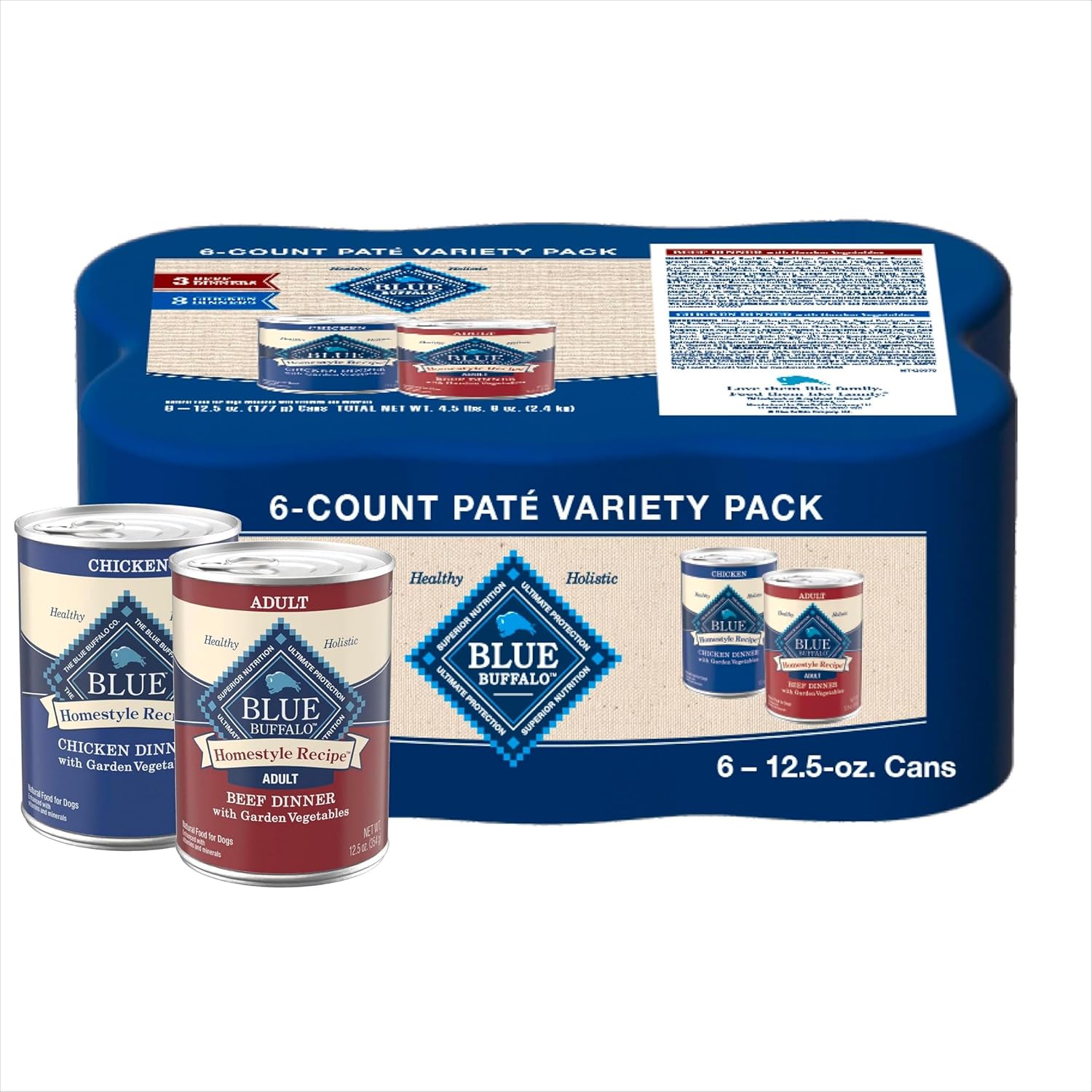
Best for Beginners: Blue Buffalo Homestyle Recipe Senior Wet Dog Food (Chicken)
With a simple ingredient list and pâté texture, this $2.80-per-can option is easy to digest and highly palatable. Great for first-time buyers exploring senior-specific nutrition.
Best for Advanced Users (Medical Needs): Royal Canin Veterinary Diet Renal Support Wet Dog Food
At $4.50 per can, this prescription formula is designed for dogs with kidney disease. It’s low in phosphorus and protein but highly palatable, making it a lifesaver for dogs with renal issues.
Conclusion: Making the Right Choice
Choosing the best canned dog food for your senior companion is one of the most meaningful ways you can support their health and happiness in their later years. It’s not just about filling their bowl—it’s about providing nutrition that addresses the unique challenges of aging, from joint stiffness and weight management to hydration and digestion. By focusing on high-quality protein, appropriate caloric density, joint-supporting ingredients, and ingredient transparency, you can make a decision that truly benefits your dog’s long-term well-being.
Remember, every senior dog is different. What works for a 10-year-old Chihuahua may not suit a 12-year-old Labrador. Take the time to observe your dog’s preferences, monitor their response to new foods, and consult your veterinarian when in doubt. Use the guidelines in this article to compare options, avoid common pitfalls, and find a food that fits both your dog’s needs and your budget. With the right nutrition, your senior pup can continue to enjoy life with energy, comfort, and dignity—proving that age is just a number when you’re loved and well-fed.