

When your dog suffers from a sensitive stomach, mealtime can quickly become a source of stress—for both you and your furry companion. Vomiting, diarrhea, gas, bloating, and chronic digestive discomfort are not only unpleasant for your pet but can also signal underlying health issues that require thoughtful dietary management. In recent years, the pet food market has responded with a surge of specialized formulas designed to support gastrointestinal health, particularly in canned (wet) dog food formats. These products often feature limited ingredients, novel proteins, prebiotics, and easily digestible carbohydrates—all aimed at calming an upset tummy while still delivering complete nutrition.
This comprehensive buying guide is crafted for pet parents who want to make informed, science-backed decisions about the best canned dog food for sensitive stomachs. Whether you’re dealing with food intolerances, allergies, or general digestive fragility, understanding what truly matters in a high-quality formula can mean the difference between ongoing discomfort and a happy, healthy pup. We’ll walk you through every critical factor—from ingredient quality and protein sources to price considerations and brand transparency—so you can confidently choose a product that aligns with your dog’s unique needs. By the end of this guide, you’ll have the knowledge to navigate labels, avoid marketing traps, and select a wet food that supports long-term digestive wellness.
The market for sensitive stomach dog food has exploded, with dozens of brands now offering “gentle,” “digestive care,” or “hypoallergenic” wet formulas. However, not all claims are created equal. Some products use vague terminology like “natural” or “premium” without meaningful nutritional backing, while others may include fillers or common allergens disguised under different names. Our goal is to cut through the noise and provide you with a clear, actionable framework for evaluating canned dog food. From budget-friendly options to premium veterinary-grade formulas, we’ll cover everything you need to know to make the right choice—without overspending or compromising on quality.
What to Look for When Buying Canned Dog Food for Sensitive Stomachs
1. Limited and High-Quality Ingredients
One of the most critical factors when selecting canned dog food for a sensitive stomach is ingredient simplicity and quality. Dogs with digestive sensitivities often react poorly to complex formulas loaded with artificial additives, fillers, or multiple protein sources. Look for recipes that feature a single, named animal protein as the first ingredient—such as deboned turkey, duck meal, or lamb—rather than vague terms like “meat by-products” or “animal digest.” Avoid foods containing common allergens like beef, chicken (if your dog is reactive), wheat, corn, soy, and dairy unless specifically recommended by your vet.
Additionally, prioritize brands that list whole-food ingredients rather than processed derivatives. For example, “sweet potatoes” are preferable to “potato starch,” and “flaxseed” beats “vegetable oil.” The shorter the ingredient list, the easier it is to identify potential triggers if your dog has a reaction. Many top-tier sensitive stomach formulas contain fewer than 10 core ingredients, focusing on digestibility and nutrient bioavailability.
2. Novel or Hydrolyzed Protein Sources
For dogs with food sensitivities or allergies, traditional proteins like chicken or beef can trigger immune responses that manifest as gastrointestinal upset. In these cases, novel proteins—those your dog has never eaten before—can be a game-changer. Examples include venison, rabbit, duck, kangaroo, or salmon. These less-common meats are less likely to cause adverse reactions because the immune system hasn’t built up antibodies against them.
Even more advanced are hydrolyzed protein formulas, where proteins are broken down into tiny fragments too small to trigger an allergic response. These are often found in veterinary diets and are clinically proven to manage food allergies. While typically more expensive, they’re ideal for dogs with confirmed protein allergies. If your dog has been diagnosed with a food allergy by a veterinarian, a hydrolyzed diet may be the safest and most effective option.
3. Digestive Support Additives (Prebiotics, Probiotics, Fiber)
A truly effective sensitive stomach formula goes beyond basic nutrition—it actively supports gut health. Look for added prebiotics (like FOS and MOS) and probiotics (such as Lactobacillus acidophilus or Bifidobacterium animalis), which help balance the microbiome and improve nutrient absorption. These beneficial bacteria can reduce inflammation, strengthen the intestinal barrier, and ease symptoms like diarrhea and gas.
Soluble fiber sources such as pumpkin, psyllium husk, or beet pulp also play a crucial role by regulating bowel movements and feeding good gut bacteria. Avoid excessive insoluble fiber (like cellulose), which can irritate an already sensitive digestive tract. The best formulas strike a balance—enough fiber to support regularity without causing bulk or discomfort.
4. Grain-Free vs. Grain-Inclusive: What’s Right for Your Dog?
The grain-free debate has been hotly contested in recent years, especially after FDA investigations into potential links between grain-free diets and dilated cardiomyopathy (DCM) in dogs. However, for dogs with true grain sensitivities—not just marketing-driven preferences—grain-free can be beneficial. Common problematic grains include wheat, corn, and soy, which are frequent allergens.
That said, many dogs with sensitive stomachs actually tolerate easily digestible grains like oatmeal, brown rice, or quinoa quite well—and these can provide valuable energy and fiber. The key is to match the carbohydrate source to your dog’s individual tolerance. If your dog has never shown signs of grain sensitivity, a grain-inclusive formula with gentle carbs may be perfectly suitable. Always consult your vet before switching to a grain-free diet long-term, especially for breeds predisposed to DCM.
5. Moisture Content and Palatability
Canned dog food naturally contains high moisture content—typically 70–80%—which is excellent for hydration, especially in dogs who don’t drink enough water. This is particularly important for dogs with digestive issues, as dehydration can worsen constipation or slow recovery from diarrhea. Wet food also tends to be more palatable than dry kibble, encouraging appetite in picky or unwell dogs.
However, not all wet foods are equally appetizing. Some use artificial flavor enhancers or excessive gravy to mask low-quality ingredients. Look for recipes where natural flavors come from real broth, meat juices, or gently cooked proteins. If your dog turns up their nose at a new food, it may not be due to sensitivity—it could simply be unappealing. Trial sizes or variety packs can help you test palatability before committing to a large purchase.
6. Brand Transparency and Manufacturing Standards
Not all pet food companies are equally transparent about their sourcing, manufacturing, or testing practices. Reputable brands will clearly state where their ingredients come from, whether they conduct AAFCO feeding trials, and if their facilities are FDA-registered or third-party audited. Avoid companies that use vague language like “made in the USA” without specifying sourcing locations—some import ingredients from countries with lax regulations.
Look for brands that publish full nutritional profiles, batch codes for traceability, and detailed FAQs about their formulations. Companies like Royal Canin, Hill’s Science Diet, and Purina Pro Plan have veterinary nutritionists on staff and conduct rigorous testing—but so do emerging brands like The Honest Kitchen and Open Farm, which emphasize human-grade ingredients and ethical sourcing. Transparency builds trust, especially when your dog’s health is on the line.
7. Price vs. Value: Understanding Cost Per Serving
It’s tempting to equate higher price with better quality, but that’s not always true—especially in the pet food industry. Some premium brands charge a premium for branding rather than superior nutrition. Instead of focusing solely on the price per can, calculate the cost per serving based on your dog’s weight and feeding guidelines. A $3 can that feeds a 10-pound dog for two days may be more economical than a $2 can that only lasts one day.
Also consider subscription discounts, bulk pricing, and loyalty programs. Many online retailers (like Chewy or Amazon) offer auto-ship discounts of 5–15%, which can add up over time. While budget constraints are real, skimping on quality can lead to more vet bills down the line. Aim for the best balance of affordability and nutritional integrity.
8. Veterinarian Recommendations and Clinical Backing
When in doubt, consult your veterinarian—especially if your dog has chronic digestive issues. Vets often recommend therapeutic or prescription diets that are scientifically formulated and clinically tested. Brands like Hill’s Prescription Diet, Royal Canin Veterinary Diet, and Purina Pro Plan Veterinary Diets offer wet formulas specifically designed for gastrointestinal health, including options for pancreatitis, inflammatory bowel disease (IBD), and food intolerances.
These diets may require a prescription or vet authorization, but they’re backed by years of research and feeding trials. Even if you don’t go the prescription route, your vet can help identify whether your dog’s symptoms stem from allergies, infections, parasites, or other conditions that require medical treatment alongside dietary changes. Never self-diagnose or switch diets abruptly without professional guidance.
Different Types of Canned Dog Food for Sensitive Stomachs
Common Buying Mistakes to Avoid
❌ Mistake: Choosing Based Solely on “Grain-Free” Labeling
Why it’s bad: Many pet owners assume “grain-free” automatically means “better for sensitive stomachs,” but this isn’t always true. Grain-free diets often replace grains with legumes (like peas or lentils), which can be harder to digest and have been linked to DCM in some dogs. If your dog isn’t allergic to grains, you may be unnecessarily limiting their diet and increasing health risks.
What to do instead: Focus on the specific ingredients and your dog’s individual tolerance. If grains aren’t a problem, choose a gentle formula with easily digestible carbs like oatmeal or sweet potato.
❌ Mistake: Ignoring the Order of Ingredients
Why it’s bad: Ingredients are listed by weight, so the first few items make up the bulk of the food. A product that lists “chicken by-product meal” first may seem like a good protein source, but it’s often less digestible and nutritious than whole meat.
What to do instead: Always check that a named, high-quality protein (e.g., “deboned turkey”) is the first ingredient. Avoid foods where fillers or by-products dominate the top of the list.
❌ Mistake: Switching Foods Too Quickly
Why it’s bad: Sudden diet changes can shock your dog’s digestive system, leading to vomiting, diarrhea, or refusal to eat—even if the new food is superior. This can make it hard to determine whether the food itself caused the issue or just the transition.
What to do instead: Gradually transition over 7–10 days, mixing increasing amounts of the new food with the old. Start with 25% new food and increase by 25% every few days.
❌ Mistake: Overlooking Additives and Preservatives
Why it’s bad: Artificial colors, flavors, and chemical preservatives (like BHA, BHT, or ethoxyquin) can irritate sensitive digestive systems and have been linked to long-term health issues.
What to do instead: Choose foods preserved naturally with mixed tocopherols (vitamin E) or rosemary extract. Avoid anything with vague terms like “artificial flavors” or “chemical preservatives.”
❌ Mistake: Assuming All “Natural” or “Organic” Foods Are Suitable
Why it’s bad: “Natural” and “organic” are marketing terms that don’t guarantee digestibility or suitability for sensitive stomachs. An organic food can still contain multiple proteins, grains, or additives that trigger reactions.
What to do instead: Read the full ingredient list and guaranteed analysis. Look for AAFCO statements confirming the food is complete and balanced for your dog’s life stage.
❌ Mistake: Not Consulting a Veterinarian for Chronic Issues
Why it’s bad: Persistent digestive problems may indicate serious conditions like IBD, parasites, or pancreatic insufficiency. Treating them with diet alone without diagnosis can delay proper care.
What to do instead: Schedule a vet visit if symptoms last more than a few days. Your vet may recommend diagnostic tests and prescribe a therapeutic diet tailored to your dog’s condition.
❌ Mistake: Buying the Cheapest Option Without Evaluating Quality
Why it’s bad: Budget foods often use low-quality proteins, fillers, and synthetic additives that can worsen digestive issues and lead to higher vet costs over time.
What to do instead: Calculate cost per serving and prioritize value over price. Mid-range brands often offer excellent nutrition at reasonable prices—especially with subscription discounts.
Budget Guidelines: How Much Should You Spend?
When shopping for canned dog food for sensitive stomachs, it’s important to align your budget with your dog’s needs and your long-term financial goals. Here’s a breakdown of what to expect at different price points:
- Entry-Level ($1.50–$2.20 per 13 oz can): These formulas often use chicken or beef as the primary protein and may include grains like rice or barley. While some are decent for mild sensitivities, they frequently contain by-products, artificial preservatives, or excessive fillers. Best for short-term use or dogs with very minor digestive issues.
- Mid-Range ($2.20–$3.50 per 13 oz can): This is the sweet spot for most pet owners. Brands in this tier offer limited ingredients, novel proteins (like duck or salmon), and added digestive support (prebiotics, pumpkin). Examples include Wellness Simple, Natural Balance L.I.D., and Merrick Limited Ingredient Diet. These provide excellent value without breaking the bank.
- Premium ($3.50–$5.00 per 13 oz can): Designed for dogs with moderate to severe sensitivities, these formulas often feature human-grade ingredients, hydrolyzed proteins, or veterinary-grade formulations. Brands like Hill’s Science Diet Sensitive Stomach, Royal Canin Gastrointestinal, and Purina Pro Plan Sensitive Skin & Stomach fall here. Ideal for long-term management of chronic conditions.
- Luxury ($5.00+ per 13 oz can): These are top-tier options, often sold through veterinarians or specialty retailers. They include prescription hydrolyzed diets (e.g., Royal Canin Ultamino) or ultra-premium brands using novel proteins like kangaroo or wild boar. Best for dogs with confirmed allergies or complex medical needs.

Expert Tips for Getting the Best Deal
- Buy in Bulk or Subscribe: Retailers like Chewy, Amazon, and Petco offer 5–15% off auto-ship orders. Buying a case of 12 or 24 cans also reduces the per-unit cost.
- Watch for Seasonal Sales: Major holidays (Black Friday, Prime Day, Memorial Day) often feature deep discounts on pet food. Stock up when prices drop.
- Check Manufacturer Rebates: Brands like Hill’s and Royal Canin frequently offer mail-in rebates or free sample programs through vet clinics.
- Read Return Policies: Ensure the retailer accepts returns if your dog refuses the food. Some stores allow exchanges within 30 days.
- Test Small Quantities First: Before committing to a full case, buy a single can or variety pack to test palatability and digestive response.
- Compare Online vs. In-Store: Online prices are often lower, but in-store pickup can save shipping fees. Use price-matching policies when available.
- Look for Coupons and Cashback: Apps like Rakuten, Honey, or Ibotta offer cashback on pet food purchases. Combine with store coupons for maximum savings.
- Prioritize AAFCO Compliance: Always choose foods that meet AAFCO standards for your dog’s life stage (puppy, adult, senior). This ensures nutritional completeness.

Frequently Asked Questions
Q: How long does it take to see improvement after switching to a sensitive stomach formula?
A: Most dogs show improvement within 3–7 days, but full benefits may take 2–4 weeks. Digestive systems need time to adjust, especially if inflammation or imbalance is present. Stick with the new food consistently during this period.
Q: Can I mix wet and dry food for my sensitive stomach dog?
A: Yes—as long as both foods are formulated for sensitive digestion. Mixing can improve palatability and hydration. Just ensure the combined diet meets AAFCO standards and adjust portions to avoid overfeeding.
Q: Is grain-free always better for sensitive stomachs?
A: Not necessarily. Only dogs with confirmed grain allergies benefit from grain-free diets. Many tolerate gentle grains well, and grain-free formulas may increase DCM risk in certain breeds. Consult your vet before going grain-free.
Q: What if my dog still has issues on a sensitive stomach formula?
A: Persistent symptoms may indicate a need for veterinary evaluation. Conditions like IBD, parasites, or pancreatic insufficiency require medical treatment. Your vet may recommend a hydrolyzed or prescription diet.
Q: Are homemade diets better than canned food for sensitive stomachs?
A: Homemade diets can be tailored but are hard to balance nutritionally without a veterinary nutritionist’s help. Canned commercial foods are formulated to meet AAFCO standards and are often safer for long-term use.
Q: Can puppies with sensitive stomachs eat adult sensitive stomach formulas?
A: No. Puppies require higher levels of protein, fat, and calories for growth. Choose a formula specifically labeled for “puppy” or “all life stages” to ensure proper development.
Q: Do probiotics in dog food actually work?
A: Yes—when they contain viable, strain-specific cultures and are stored properly. Look for labels that list active cultures (e.g., “contains live cultures”) and check expiration dates. Refrigeration after opening helps maintain potency.
Q: How do I know if my dog has a food allergy vs. intolerance?
A: Allergies involve the immune system and may cause skin itching, ear infections, or chronic diarrhea. Intolerances are digestive and cause gas, bloating, or loose stools. A vet can help differentiate through elimination diets or testing.
Q: Can I rotate proteins to prevent sensitivities?
A: Rotation can work for some dogs, but those with confirmed allergies should stick to a single, safe protein. If rotating, do so gradually and monitor for reactions.
Q: Is it safe to feed sensitive stomach food long-term?
A: Yes—most sensitive stomach formulas are complete and balanced for lifelong feeding. However, periodically reassess your dog’s needs with your vet, especially as they age or if health status changes.
Our Final Recommendations
- Best for Budget-Conscious Buyers: Natural Balance L.I.D. Limited Ingredient Diets Wet Dog Food (Duck & Potato) – At around $2.20 per can, this formula offers a single novel protein, no grains, and added fiber. It’s widely available and AAFCO-complete.
- Best Overall Value: Wellness Simple Limited Ingredient Diet Wet Dog Food (Salmon & Potato) – Priced at $2.80 per can, it combines high-quality salmon, prebiotics, and pumpkin for digestive support. Excellent palatability and ingredient transparency.
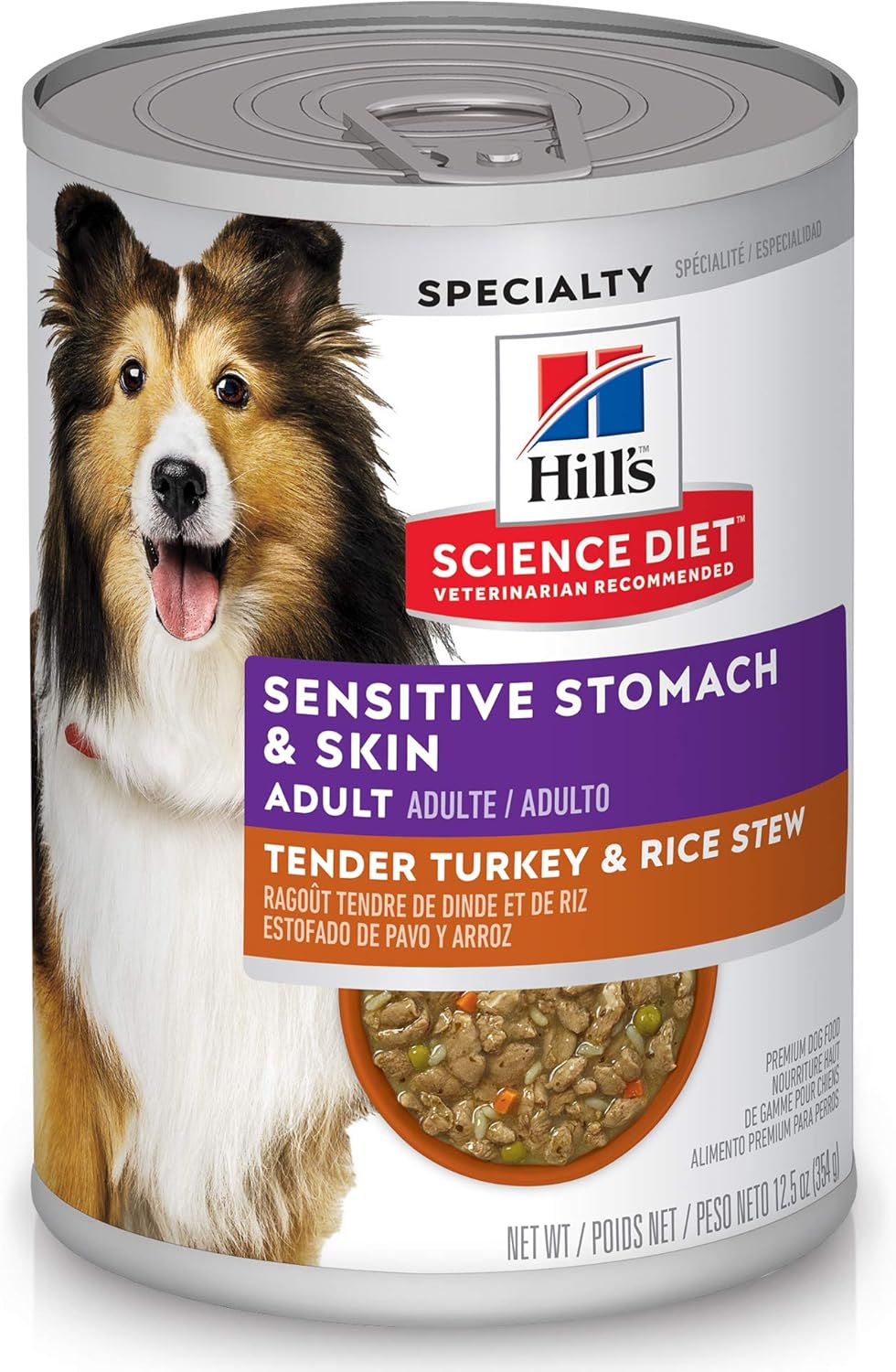
- Best Premium Option: Hill’s Science Diet Sensitive Stomach & Skin Wet Dog Food (Chicken) – At $3.90 per can, this vet-recommended formula includes easily digestible chicken, prebiotic fiber, and omega-6 fatty acids. Ideal for dogs with dual skin and stomach issues.
- Best for Beginners: Purina Pro Plan Sensitive Skin & Stomach Wet Dog Food (Salmon) – Affordable ($2.60 per can), widely available, and formulated with probiotics and omega-3s. Great for first-time switchers.
- Best for Advanced Users (Confirmed Allergies): Royal Canin Veterinary Diet Hydrolyzed Protein Wet Dog Food – A prescription-only hydrolyzed formula ($5.20 per can) for dogs with severe food allergies. Clinically proven and vet-supervised.
Conclusion: Making the Right Choice
Choosing the best canned dog food for a sensitive stomach isn’t just about finding a product labeled “gentle” or “digestive care.” It’s about understanding your dog’s unique physiology, reading labels critically, and prioritizing ingredients that support long-term gut health. From limited ingredient lists and novel proteins to probiotics and veterinary backing, every factor we’ve covered plays a role in creating a diet that soothes rather than stresses your pup’s digestive system.
Remember, what works for one dog may not work for another. Patience, observation, and professional guidance are your greatest allies. Start with a high-quality, mid-range formula that aligns with your dog’s specific needs, monitor their response closely, and don’t hesitate to consult your veterinarian if symptoms persist. With the right food, most dogs with sensitive stomachs can enjoy comfortable, happy lives—free from the discomfort of digestive distress.
Your dog deserves more than just survival—they deserve thriving. By investing time in selecting the right canned food, you’re not just feeding them; you’re nurturing their well-being, one meal at a time. Use this guide as your roadmap, trust your instincts, and give your furry friend the digestive peace they’ve been longing for.