

When your dog suffers from a sensitive stomach, mealtime can quickly turn from a joyful ritual into a source of anxiety—for both you and your furry companion. Digestive issues like vomiting, diarrhea, gas, or chronic loose stools aren’t just unpleasant; they can signal underlying health problems that affect your dog’s overall well-being. While many pet owners initially turn to dry kibble for convenience, canned dog food often emerges as a superior choice for dogs with delicate digestive systems. Its higher moisture content, softer texture, and typically simpler ingredient profiles make it easier on the stomach and more palatable for picky eaters. But not all canned dog foods are created equal—especially when it comes to supporting sensitive digestion.
This comprehensive buying guide is designed to help you navigate the crowded marketplace of wet dog food with confidence. Whether you’re dealing with a puppy with a tender tummy, an adult dog with food intolerances, or a senior canine struggling with age-related digestive decline, we’ll walk you through everything you need to know to make an informed decision. You’ll learn how to decode ingredient labels, understand nutritional needs, compare product types, avoid common pitfalls, and find the best value within your budget. Our goal isn’t just to recommend products—it’s to empower you with the knowledge to choose what’s truly best for your dog’s unique needs.
The market for sensitive-stomach dog food has exploded in recent years, driven by increased awareness of pet nutrition and a growing number of dogs experiencing gastrointestinal sensitivities. Major brands like Hill’s Science Diet, Royal Canin, Purina Pro Plan, and Wellness have expanded their lines to include specialized formulas, while boutique and holistic brands like The Honest Kitchen, Nom Nom, and Open Farm have gained traction with their limited-ingredient, human-grade offerings. With so many options—ranging from vet-recommended therapeutic diets to grain-free, novel protein, and probiotic-enhanced recipes—it’s easy to feel overwhelmed. That’s why this guide cuts through the noise, focusing exclusively on canned (wet) dog food formulations proven to support digestive health without compromising on nutrition or taste.
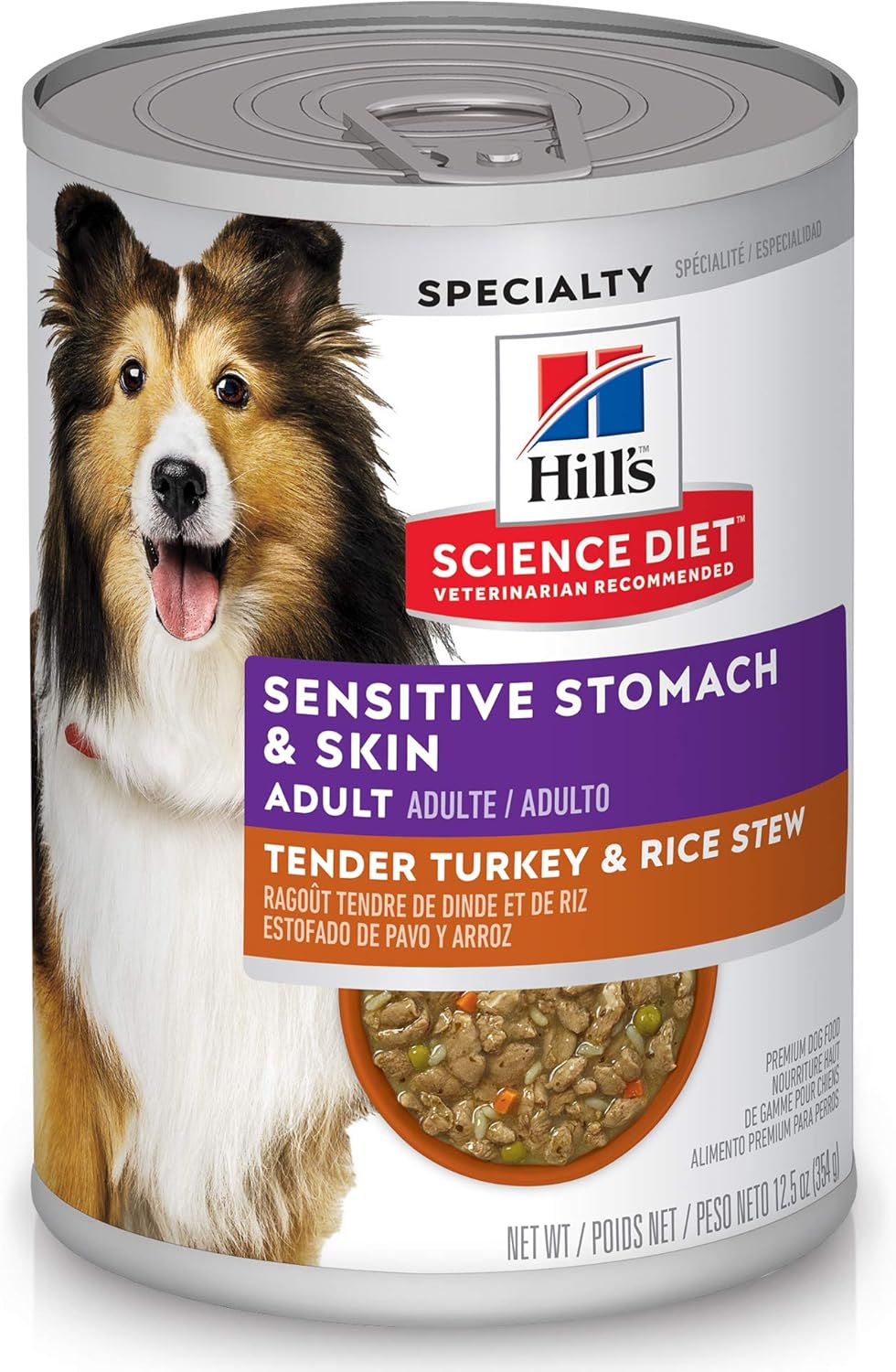
What to Look for When Buying Canned Dog Food for Sensitive Stomachs
1. Limited and Digestible Ingredients
Dogs with sensitive stomachs benefit most from formulas that minimize potential irritants while maximizing digestibility. Look for recipes with a short ingredient list—ideally under 10–12 components—and prioritize those that list a high-quality animal protein as the first ingredient. Single-source proteins (like duck, salmon, or lamb) are often easier to tolerate than blends, especially if your dog has known allergies. Avoid fillers like corn, wheat, soy, and by-products, which can trigger inflammation or poor digestion. Instead, opt for easily digestible carbohydrates such as sweet potatoes, pumpkin, or oats, which provide energy without taxing the gut.
2. High Moisture Content
One of the biggest advantages of canned dog food over dry kibble is its high water content—typically 70–80%. This helps maintain hydration, supports kidney function, and eases digestion by softening food in the stomach. For dogs prone to constipation or urinary tract issues, extra moisture can be a game-changer. Additionally, wet food’s softer texture is gentler on the digestive tract, reducing the mechanical stress of breaking down dry, hard kibble. When comparing products, check the guaranteed analysis on the label: higher moisture percentages (closer to 80%) are generally better for sensitive systems.
3. Probiotics and Prebiotics
A healthy gut microbiome is essential for dogs with digestive sensitivities. Look for canned foods that include live probiotics (such as Lactobacillus or Bifidobacterium strains) or prebiotic fibers (like chicory root, beet pulp, or FOS/MOS). These ingredients help balance gut bacteria, improve nutrient absorption, and reduce inflammation. Some premium brands even use fermentation processes to enhance bioavailability and gut-friendly enzyme production. While not all sensitive-stomach formulas include these, their presence is a strong indicator of a product designed with digestive health in mind.
4. Grain-Free vs. Whole Grains: What’s Best?
The grain-free debate continues, but for sensitive stomachs, the answer isn’t always black and white. While some dogs react poorly to grains like wheat or corn, others tolerate easily digestible whole grains such as brown rice, oatmeal, or quinoa quite well—and these can actually provide beneficial fiber and sustained energy. The key is identifying your dog’s individual triggers. If your vet has ruled out grain allergies, a moderate amount of whole grains may be perfectly fine. However, if your dog has confirmed grain sensitivities or inflammatory bowel disease (IBD), a grain-free formula with alternative carb sources (like peas or lentils) might be preferable. Always consult your veterinarian before making major dietary changes.
5. Artificial Additives and Preservatives
Artificial colors, flavors, and chemical preservatives (like BHA, BHT, or ethoxyquin) can irritate sensitive digestive systems and may contribute to long-term health issues. Choose canned foods that use natural preservatives such as mixed tocopherols (vitamin E) or rosemary extract. Similarly, avoid products with added sugars, artificial sweeteners (especially xylitol, which is toxic to dogs), or excessive sodium. Clean labels with recognizable, whole-food ingredients are almost always the safer bet for dogs with delicate stomachs.
6. Protein Source and Quality
Not all proteins are created equal. High-quality, highly digestible animal proteins—such as deboned chicken, turkey, lamb, or fish—are easier for sensitive dogs to process than meat meals or by-products. Look for named sources (e.g., “salmon” vs. “fish meal”) and avoid vague terms like “meat” or “animal digest.” Additionally, consider the protein-to-fat ratio: too much fat can overwhelm a sensitive digestive system, leading to pancreatitis or loose stools. Aim for moderate fat levels (around 10–15% on a dry matter basis) unless your dog has specific energy needs.
7. Veterinarian-Recommended Formulas
If your dog has a diagnosed condition like IBD, exocrine pancreatic insufficiency (EPI), or chronic pancreatitis, your vet may recommend a therapeutic or prescription diet. Brands like Hill’s Prescription Diet, Royal Canin Veterinary Diet, and Purina Pro Plan Veterinary Diets offer canned formulas specifically formulated for gastrointestinal support. These often include hydrolyzed proteins (broken down to prevent immune reactions), highly digestible fibers, and added nutrients like L-carnitine and omega-3 fatty acids. While these can be more expensive, they’re scientifically backed and may be necessary for managing serious digestive disorders.
8. Palatability and Texture
Even the most nutritious food won’t help if your dog refuses to eat it. Dogs with sensitive stomachs may also be picky eaters, especially if they associate certain textures or smells with past digestive discomfort. Canned food offers varied textures—from pâté and chunks in gravy to shreds and stews—so you can experiment to find what your dog prefers. Some dogs do better with smooth, uniform textures that are easy to chew and digest, while others enjoy the variety of mixed consistencies. Consider rotating between a few vet-approved options to keep meals interesting without compromising digestive health.
Different Types of Canned Dog Food for Sensitive Stomachs
Common Buying Mistakes to Avoid
❌ Mistake: Choosing Based Solely on “Grain-Free” Claims
Why it’s bad: Many pet owners assume “grain-free” automatically means better for sensitive stomachs, but this isn’t always true. In fact, some grain-free diets have been linked to dilated cardiomyopathy (DCM) in dogs due to high levels of legumes like peas and lentils, which may interfere with taurine absorption. Additionally, dogs without grain allergies may actually benefit from the fiber and nutrients in whole grains.
What to do instead: Focus on your dog’s individual needs. If they’ve been diagnosed with a grain allergy, go grain-free. Otherwise, consider formulas with easily digestible grains like oatmeal or brown rice.
❌ Mistake: Ignoring the Guaranteed Analysis
Why it’s bad: Ingredient lists can be misleading—brands may use “splitting” tactics (listing multiple forms of the same ingredient separately) to make a lower-quality item appear higher on the list. The guaranteed analysis, however, reveals the actual percentages of protein, fat, fiber, and moisture, giving you a clearer picture of nutritional value.
What to do instead: Always check the guaranteed analysis on the can or packaging. Aim for at least 7–9% crude protein (on an as-fed basis) and less than 3% crude fiber for sensitive stomachs.
❌ Mistake: Switching Foods Too Quickly
Why it’s bad: Sudden dietary changes can shock your dog’s digestive system, leading to vomiting, diarrhea, or refusal to eat—even if the new food is superior. This is especially true for dogs with chronic sensitivities.
What to do instead: Transition gradually over 7–10 days, mixing increasing amounts of the new food with the old. Start with 25% new food and 75% old, then move to 50/50, then 75/25, before fully switching.
❌ Mistake: Overlooking Expiration Dates and Storage
Why it’s bad: Canned food can spoil if stored improperly or past its expiration date, leading to bacterial growth that can cause food poisoning. Even unopened cans can degrade if exposed to heat or humidity.
What to do instead: Store unopened cans in a cool, dry place and check expiration dates before purchasing. Once opened, refrigerate leftovers and use within 3–5 days.
❌ Mistake: Assuming All “Natural” or “Organic” Foods Are Better
Why it’s bad: Terms like “natural” and “organic” are not regulated in the same way for pet food as they are for human food. Some “natural” brands still use low-quality proteins or fillers, while “organic” doesn’t necessarily mean easier to digest.
What to do instead: Look beyond marketing claims. Read the full ingredient list and nutritional profile. A vet-recommended formula with simple, high-quality ingredients is often better than a trendy “organic” brand with vague sourcing.
❌ Mistake: Feeding Only Wet Food Without Balancing Nutrition
Why it’s bad: While canned food is excellent for hydration and digestion, feeding it exclusively without considering overall nutritional balance can lead to deficiencies or excesses—especially in calcium, phosphorus, or certain vitamins.
What to do instead: Ensure the food is labeled as “complete and balanced” by the Association of American Feed Control Officials (AAFCO). If mixing with dry food or supplements, consult your vet to avoid imbalances.
❌ Mistake: Not Consulting a Veterinarian for Chronic Issues
Why it’s bad: Persistent digestive problems may indicate underlying conditions like parasites, infections, pancreatitis, or food allergies that require medical diagnosis and treatment. Relying solely on diet changes without professional guidance can delay proper care.
What to do instead: If your dog experiences ongoing vomiting, diarrhea, weight loss, or lethargy, schedule a vet visit. A fecal exam, blood work, or elimination diet under veterinary supervision may be necessary.
Budget Guidelines: How Much Should You Spend?
Entry-Level ($1.50–$2.25 per can): These budget-friendly options often come from mainstream brands like Purina ONE, Iams, or store brands (e.g., Walmart’s Pure Balance). While they may contain some fillers or by-products, many offer decent protein levels and are formulated for general digestive health. Look for varieties labeled “sensitive stomach” or “easily digestible.” Expect simpler recipes with fewer premium ingredients, but they can be a good starting point for mild sensitivities.
Mid-Range ($2.25–$3.50 per can): This is the sweet spot for most pet owners. Brands like Wellness Simple, Blue Buffalo Basics, and Nutro Ultra offer limited-ingredient, grain-free, or novel protein formulas with higher-quality proteins and added probiotics. These products strike a balance between affordability and nutritional excellence, making them ideal for dogs with moderate digestive issues.
Premium ($3.50–$5.00 per can): Premium canned foods from brands like The Honest Kitchen, Open Farm, and Nom Nom feature human-grade ingredients, ethically sourced meats, and advanced formulations with probiotics, prebiotics, and functional additives. These are excellent for dogs with chronic sensitivities or owners who prioritize transparency and sustainability. Many are also available through subscription services with personalized feeding plans.
Luxury ($5.00+ per can): At the top end, you’ll find prescription veterinary diets (e.g., Hill’s i/d, Royal Canin Gastrointestinal) and boutique brands offering ultra-limited recipes with exotic proteins like kangaroo or wild boar. These are typically reserved for dogs with severe medical conditions requiring specialized nutrition. While expensive, they’re often covered partially by pet insurance and can significantly improve quality of life.

Expert Tips for Getting the Best Deal
- Buy During Seasonal Sales: Major retailers like Chewy, Petco, and Amazon often run promotions during holidays (e.g., Black Friday, Prime Day) or seasonal transitions. Stock up on your dog’s preferred formula when discounts hit 20–30%.
- Use Subscription Discounts: Many online pet stores offer 5–15% off for recurring deliveries. This not only saves money but ensures you never run out—critical for dogs on strict diets.
- Check Veterinarian Clinics: Some vets sell prescription or therapeutic canned foods at competitive prices, especially if you’re already a client. Ask about package deals or loyalty programs.
- Compare Unit Prices: Don’t just look at the total price—check the cost per ounce or per can. Larger cans may seem cheaper but could go to waste if your dog doesn’t finish them.
- Read Return Policies: If your dog doesn’t tolerate a new food, you’ll want the option to return unopened cans. Chewy and Petco have generous return windows; Amazon varies by seller.
- Test Small Quantities First: Before committing to a full case, buy a single can or a small pack to see how your dog reacts. Some brands offer sample sizes or variety packs.
- Look for Coupons and Cashback: Apps like Rakuten, Honey, or Ibotta often offer cashback on pet food purchases. Combine these with store coupons for maximum savings.
- Consider Store Brands: Retailers like Costco (Kirkland Signature), Target (Kindfull), and Trader Joe’s offer high-quality canned dog food at lower prices than national brands—often with similar ingredient profiles.

Frequently Asked Questions
Q: Can I mix canned food with dry kibble for my sensitive-stomach dog?
A: Yes, many dogs benefit from a mixed feeding approach. The moisture from canned food can help soften kibble and improve digestion, while dry food may support dental health. Just ensure both foods are formulated for sensitive stomachs and transition slowly to avoid upset.
Q: How long does it take to see improvement after switching foods?
A: Most dogs show improvement within 1–2 weeks, but some may take up to 4–6 weeks—especially if they have chronic conditions. Keep a food diary to track symptoms like stool quality, energy levels, and appetite.
Q: Is it safe to feed canned food every day?
A: Absolutely. Canned food is nutritionally complete and safe for daily feeding. Just monitor portion sizes to maintain a healthy weight, as wet food can be more calorie-dense than it appears.
Q: What if my dog refuses to eat the new food?
A: Try warming the food slightly (to room temperature or slightly above) to enhance aroma, or mix in a small amount of low-sodium broth (chicken or beef, no onions or garlic). You can also sprinkle a bit of freeze-dried liver powder as a topper.
Q: Are there risks to feeding only novel proteins long-term?
A: While novel proteins are great for identifying allergies, rotating proteins every 6–12 months can prevent new sensitivities from developing. Work with your vet to create a rotation plan if needed.
Q: Can puppies with sensitive stomachs eat the same canned food as adults?
A: Not necessarily. Puppies have higher energy and nutrient needs. Look for canned formulas specifically labeled for “puppy” or “all life stages” to ensure proper growth support.
Q: How do I know if my dog’s sensitive stomach is due to food or another issue?
A: If symptoms persist despite dietary changes, consult your vet. Conditions like parasites, bacterial overgrowth, or hormonal imbalances can mimic food sensitivities and require medical treatment.
Q: Is grain-free canned food always better for sensitive stomachs?
A: No. Unless your dog has a diagnosed grain allergy, whole grains like oatmeal or brown rice can provide beneficial fiber and are often well-tolerated. Focus on digestibility, not just grain content.
Q: Can I make homemade canned food for my dog?
A: While possible, homemade diets require careful balancing of nutrients to avoid deficiencies. Consult a veterinary nutritionist to formulate a complete recipe. Most owners find commercially prepared sensitive-stomach foods more convenient and reliable.
Q: What should I do if my dog has a reaction to a new food?
A: Stop feeding the food immediately and return to the previous diet. If symptoms are severe (e.g., vomiting, lethargy, bloody stool), contact your vet. Keep the packaging for reference and consider an elimination diet under professional guidance.
Our Final Recommendations
Best for Budget-Conscious Buyers: Purina Pro Plan Sensitive Skin & Stomach (Salmon & Rice)
This affordable option offers high digestibility, real salmon as the first ingredient, and added probiotics—all under $2.50 per can. Ideal for mild sensitivities and everyday feeding.
Best Overall Value: Wellness Simple Limited Ingredient Diet (Lamb & Oatmeal)
With a clean ingredient list, grain-free formula, and moderate pricing ($3.00–$3.50/can), this recipe balances quality and cost. Great for dogs with moderate food intolerances.
Best Premium Option: The Honest Kitchen Human-Grade Dehydrated Base Mix + Canned Topper
While not traditional canned food, this human-grade, minimally processed option can be rehydrated or used as a topper. Packed with whole foods and probiotics, it’s perfect for owners seeking the highest quality.
Best for Beginners: Blue Buffalo Basics Limited Ingredient Diet (Turkey & Potato)
Easy to find in stores, affordable ($2.75–$3.25/can), and formulated with a single animal protein and no grains. A reliable first step for new pet owners navigating sensitive stomachs.
Best for Advanced Users (Veterinary Support): Hill’s Prescription Diet i/d Digestive Care (Chicken & Vegetable)
Clinically proven to resolve digestive upset in 3 days, this vet-recommended formula is ideal for dogs with diagnosed gastrointestinal conditions. Available through veterinarians and select online retailers.
Conclusion: Making the Right Choice
Choosing the best canned dog food for a sensitive stomach isn’t just about picking a product off the shelf—it’s about understanding your dog’s unique physiology, dietary triggers, and nutritional needs. From evaluating ingredient quality and moisture content to considering probiotics, protein sources, and veterinary guidance, every decision plays a role in supporting your dog’s digestive health. While the market offers an overwhelming array of options, the key is to focus on simplicity, transparency, and science-backed formulations.
Remember, what works for one dog may not work for another. Patience, observation, and collaboration with your veterinarian are essential. Start with a high-quality, limited-ingredient formula, transition slowly, and monitor your dog’s response closely. With the right food, many dogs with sensitive stomachs go on to enjoy happy, comfortable lives—free from digestive distress.
Ultimately, your dog’s well-being is worth the investment of time and care. Use this guide as your roadmap, but trust your instincts as a pet parent. When in doubt, consult a professional. And most importantly, celebrate the small victories—like a firm stool, a wagging tail at mealtime, or a peaceful night without stomach rumbling. Those moments remind us why we do what we do: to give our furry friends the healthiest, happiest lives possible.