
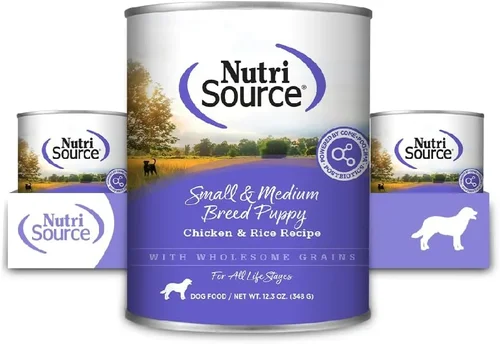
When it comes to feeding your small breed dog, the choices can feel overwhelming. With countless brands, formulas, and packaging options on the market, finding the right canned dog food isn’t just about picking something that looks appealing on the shelf—it’s about making a decision that supports your dog’s long-term health, energy levels, and overall well-being. Small breed dogs have unique nutritional needs: faster metabolisms, smaller jaws, higher calorie requirements per pound of body weight, and often more sensitive digestive systems. That’s why choosing the right canned food is more than a convenience—it’s a critical component of responsible pet ownership.
This comprehensive buying guide is designed to cut through the noise and help you make an informed, confident decision. Whether you’re a first-time dog parent or a seasoned pet owner looking to upgrade your pup’s diet, you’ll learn exactly what to look for in high-quality canned food for small breeds. We’ll break down the most important factors—from ingredient quality and nutritional balance to texture, palatability, and cost-effectiveness. You’ll also discover common pitfalls to avoid, expert-backed tips for getting the best value, and real-world recommendations based on extensive research and hands-on experience. By the end of this guide, you’ll have a clear roadmap to selecting the best canned dog food that fits your dog’s needs, your lifestyle, and your budget.
The market for small breed canned dog food has evolved significantly in recent years. Gone are the days when “small breed” simply meant kibble chopped into smaller pieces. Today’s premium offerings are formulated with science-backed precision, featuring high-protein meats, functional superfoods, probiotics, and grain-free or limited-ingredient recipes tailored specifically for tiny dogs. Brands like Wellness, Blue Buffalo, Merrick, and The Honest Kitchen now offer wet food lines that cater to the unique physiology of dogs under 25 pounds. At the same time, budget-friendly options from trusted names like Purina and Pedigree have improved their formulations to include real meat and fewer fillers. With so many choices, the key is knowing how to evaluate them critically—and that’s exactly what this guide will teach you.

What to Look for When Buying Canned Dog Food for Small Breeds
1. High-Quality Protein Sources
Protein is the cornerstone of any healthy dog diet, but it’s especially vital for small breeds. Due to their rapid metabolism, small dogs burn through energy quickly and require a diet rich in high-quality, digestible protein to maintain muscle mass, support immune function, and sustain their lively personalities. When evaluating canned food, always check the ingredient list: the first ingredient should be a named animal protein such as “chicken,” “turkey,” “salmon,” or “lamb”—not “meat meal” or “by-product meal,” which can be vague and less nutritious.
Look for recipes where animal protein makes up at least 30–40% of the total content. For example, a can listing “deboned chicken, chicken broth, chicken liver” as the first three ingredients is far superior to one that starts with “corn, chicken by-product meal, and soy protein concentrate.” Real meat provides essential amino acids like taurine and L-carnitine, which are crucial for heart health—a common concern in small breeds like Chihuahuas and Dachshunds. Additionally, avoid foods that rely heavily on plant-based proteins (like pea protein or lentils) as the primary source, as these are less bioavailable for dogs.
2. Appropriate Caloric Density and Portion Size
Small breed dogs may only weigh 5–20 pounds, but they often require more calories per pound than larger dogs. This means their food must be nutrient-dense to meet their energy needs without overfeeding. Canned food typically contains more moisture (around 70–80%) than dry kibble, which can make it seem less calorie-rich—but high-quality wet food compensates with concentrated proteins and healthy fats.
Check the guaranteed analysis on the label for crude protein and fat percentages. Ideal ranges for small breeds are 8–12% fat and 7–10% protein on a dry matter basis. Also, consider the can size: most small breed cans are 3 oz or 5.5 oz, which is perfect for portion control. Overfeeding can lead to obesity, a serious issue in small dogs that can cause joint problems, diabetes, and reduced lifespan. Use a feeding calculator based on your dog’s weight, age, and activity level to determine the right daily amount.
3. Digestibility and Gut Health Support
Small dogs often have sensitive stomachs, so digestibility is a major factor. Look for canned foods that include easily digestible ingredients like pumpkin, sweet potato, or oatmeal, which can soothe the digestive tract and promote regular bowel movements. Probiotics are another key feature—these beneficial bacteria help maintain a healthy gut microbiome, improve nutrient absorption, and reduce gas or diarrhea.
Brands like Hill’s Science Diet and Royal Canin often include prebiotic fibers (such as fructooligosaccharides) and probiotics in their small breed formulas. You may also see ingredients like chicory root or dried fermentation products listed. These support long-term digestive health and can be especially helpful for puppies, seniors, or dogs with a history of gastrointestinal issues.
4. Texture and Palatability
Let’s face it—small dogs can be picky eaters. The texture of canned food plays a huge role in whether your dog will actually eat it. Some dogs prefer pâté-style foods that are smooth and easy to chew, while others enjoy chunky or shredded textures that mimic real meat. Since small breeds have tiny mouths and often dental issues, softer textures are generally better, especially for older dogs or those with missing teeth.
Palatability is also influenced by flavor variety. Rotating between chicken, beef, fish, and lamb can keep mealtime exciting and prevent food boredom. However, avoid foods with artificial flavors, colors, or preservatives like BHA, BHT, or ethoxyquin, which can reduce appeal over time and may pose health risks. Natural flavor enhancers like broth, liver, or bone broth are safer and more enticing.
5. Grain-Free vs. Grain-Inclusive: What’s Right for Your Dog?
The grain-free debate has been ongoing in the pet food world, and it’s important to approach it with science, not trends. While some small breed dogs thrive on grain-free diets—especially those with grain allergies—grains like rice, oats, and barley can actually be beneficial sources of fiber, vitamins, and slow-releasing energy.
The FDA has investigated a potential link between grain-free diets and dilated cardiomyopathy (DCM) in dogs, particularly when legumes (like peas, lentils, and chickpeas) are used as primary carbohydrate sources. For small breeds, this risk is still being studied, but it’s wise to choose grain-free options only if your dog has a diagnosed grain sensitivity. Otherwise, grain-inclusive formulas with whole grains can be a safe and nutritious choice.
6. Added Functional Ingredients
The best canned foods go beyond basic nutrition by including functional ingredients that support specific health needs. For small breeds, look for added benefits like:
– Glucosamine and chondroitin for joint health (especially important for breeds prone to patellar luxation or hip dysplasia)
– Omega-3 and omega-6 fatty acids from sources like fish oil or flaxseed for shiny coats and reduced inflammation
– Antioxidants such as vitamin E, vitamin C, and blueberries to boost immune function
– Dental support ingredients like parsley or green tea extract to help reduce tartar buildup
These extras can make a significant difference in your dog’s quality of life, particularly as they age.
7. Brand Transparency and Manufacturing Standards
Not all pet food companies are created equal. Reputable brands are transparent about their sourcing, manufacturing processes, and quality control. Look for companies that:
– Manufacture their own food (not outsourced to third-party facilities)
– Conduct regular safety testing for pathogens like salmonella and E. coli
– Provide detailed nutritional information and feeding guidelines
– Have a clear recall policy and history
Brands like The Honest Kitchen, Open Farm, and Stella & Chewy’s are known for their high standards and traceability. Avoid brands that use vague terms like “meat meal” without specifying the animal source, or those with a history of recalls due to contamination or nutritional imbalances.
8. Price vs. Value: Understanding Cost Per Ounce
Canned dog food can range from $1 to $4 per 3 oz can, and it’s easy to assume that higher price equals better quality. While premium brands often use superior ingredients, the best value isn’t always the most expensive option. To compare fairly, calculate the cost per ounce and consider the nutritional density.
For example, a $2.50 can with 9% protein and 8% fat may offer better value than a $3.50 can with 7% protein and 6% fat. Also, consider buying in bulk or subscribing to auto-ship programs, which can reduce costs by 10–20%. However, don’t sacrifice quality for savings—your dog’s health is worth the investment.
Different Types of Canned Dog Food for Small Breeds

Common Buying Mistakes to Avoid
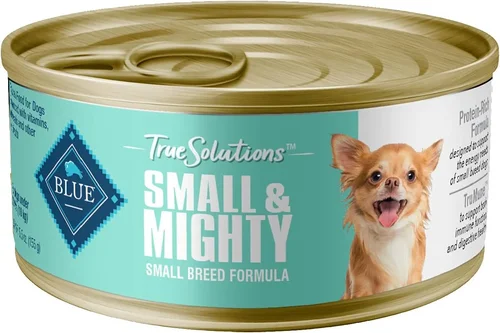
❌ Mistake: Choosing Based on Marketing Claims Alone
Why it’s bad: Phrases like “natural,” “premium,” or “holistic” are not regulated by the FDA and can be used misleadingly. A food labeled “natural” might still contain low-quality ingredients or fillers.
What to do instead: Always read the ingredient list and guaranteed analysis. Focus on what’s actually in the food, not the packaging buzzwords.
❌ Mistake: Ignoring Feeding Guidelines
Why it’s bad: Overfeeding canned food can lead to rapid weight gain, especially in small dogs with low activity levels. Even high-quality food becomes unhealthy in excess.
What to do instead: Use the feeding chart on the label as a starting point, then adjust based on your dog’s weight, age, and energy level. Weigh your dog monthly to monitor changes.
❌ Mistake: Switching Foods Too Quickly
Why it’s bad: Sudden diet changes can cause diarrhea, vomiting, or refusal to eat. Small dogs are especially prone to digestive upset.
What to do instead: Transition gradually over 7–10 days, mixing increasing amounts of the new food with the old.
❌ Mistake: Buying the Cheapest Option Without Research
Why it’s bad: Budget brands may save you money upfront but can lead to higher vet bills due to poor nutrition, allergies, or digestive issues.
What to do instead: Compare cost per ounce and nutritional value. Sometimes spending $0.50 more per can prevents long-term health problems.
❌ Mistake: Not Considering Your Dog’s Life Stage
Why it’s bad: Puppies, adults, and seniors have different nutritional needs. Feeding adult food to a growing puppy can stunt development.
What to do instead: Choose a formula labeled for your dog’s life stage: “puppy,” “adult,” or “senior.”
❌ Mistake: Overlooking Expiration Dates and Storage
Why it’s bad: Expired or improperly stored canned food can spoil, lose nutrients, or grow harmful bacteria.
What to do instead: Check expiration dates before buying. Store unopened cans in a cool, dry place. Refrigerate leftovers and use within 3–5 days.
❌ Mistake: Assuming All Wet Food Is Equal
Why it’s bad: Some canned foods are mostly water with minimal meat content, offering little nutritional value.
What to do instead: Look for foods with high meat content and low moisture fillers. Aim for at least 70% named meat ingredients.
Budget Guidelines: How Much Should You Spend?
Entry-Level ($1.00 – $1.75 per 3 oz can): These options are best for pet owners on a tight budget or those feeding multiple dogs. Brands like Purina ONE and Pedigree offer small breed formulas with real meat as the first ingredient, though they may include grains and by-products. While not the most nutrient-dense, they meet basic AAFCO standards and can be suitable for healthy adult dogs with no sensitivities.
Mid-Range ($1.75 – $2.75 per 3 oz can): This is the sweet spot for most small dog owners. Brands like Blue Buffalo, Wellness, and Merrick offer high-protein, grain-free, or limited-ingredient options with minimal fillers. These foods often include probiotics, omega fatty acids, and functional ingredients. You’ll get excellent value for the price, with noticeable improvements in coat quality, energy, and digestion.
Premium ($2.75 – $3.75 per 3 oz can): Ideal for dogs with allergies, sensitivities, or owners who prioritize top-tier nutrition. These formulas use human-grade ingredients, novel proteins, and advanced supplements. Brands like The Honest Kitchen, Open Farm, and Stella & Chewy’s fall into this category. They’re often made in small batches with rigorous quality control.
Luxury ($3.75+ per 3 oz can): Reserved for specialty diets, veterinary formulas, or raw-coooked hybrids. These are best for dogs with chronic health issues or owners willing to invest in the absolute best. While not necessary for every dog, they can be life-changing for those with complex needs.

Expert Tips for Getting the Best Deal
– Buy in bulk: Purchasing cases of 12 or 24 cans often reduces the per-can cost by 15–25%. Check warehouse clubs like Costco or online retailers like Chewy and Amazon.
– Subscribe and save: Most online pet stores offer 5–15% off for auto-ship subscriptions. You’ll never run out, and you’ll save money over time.
– Watch for seasonal sales: Black Friday, Prime Day, and end-of-year clearance events are prime times to stock up on premium food at discounted prices.
– Compare retailers: Prices can vary significantly between pet stores, supermarkets, and online platforms. Use price comparison tools or apps to find the best deal.
– Check return policies: If your dog doesn’t like a new food, you want the option to return or exchange it. Most reputable online stores offer 30-day return windows.
– Read verified reviews: Look for reviews from verified purchasers who mention their dog’s breed, age, and reaction to the food. This gives real-world insight beyond marketing claims.
– Ask your vet: Your veterinarian can recommend brands based on your dog’s health history and may offer professional discounts or samples.
– Rotate flavors wisely: Introduce new proteins gradually to avoid digestive upset, but rotating every few months can prevent food fatigue and ensure a broader nutrient profile.
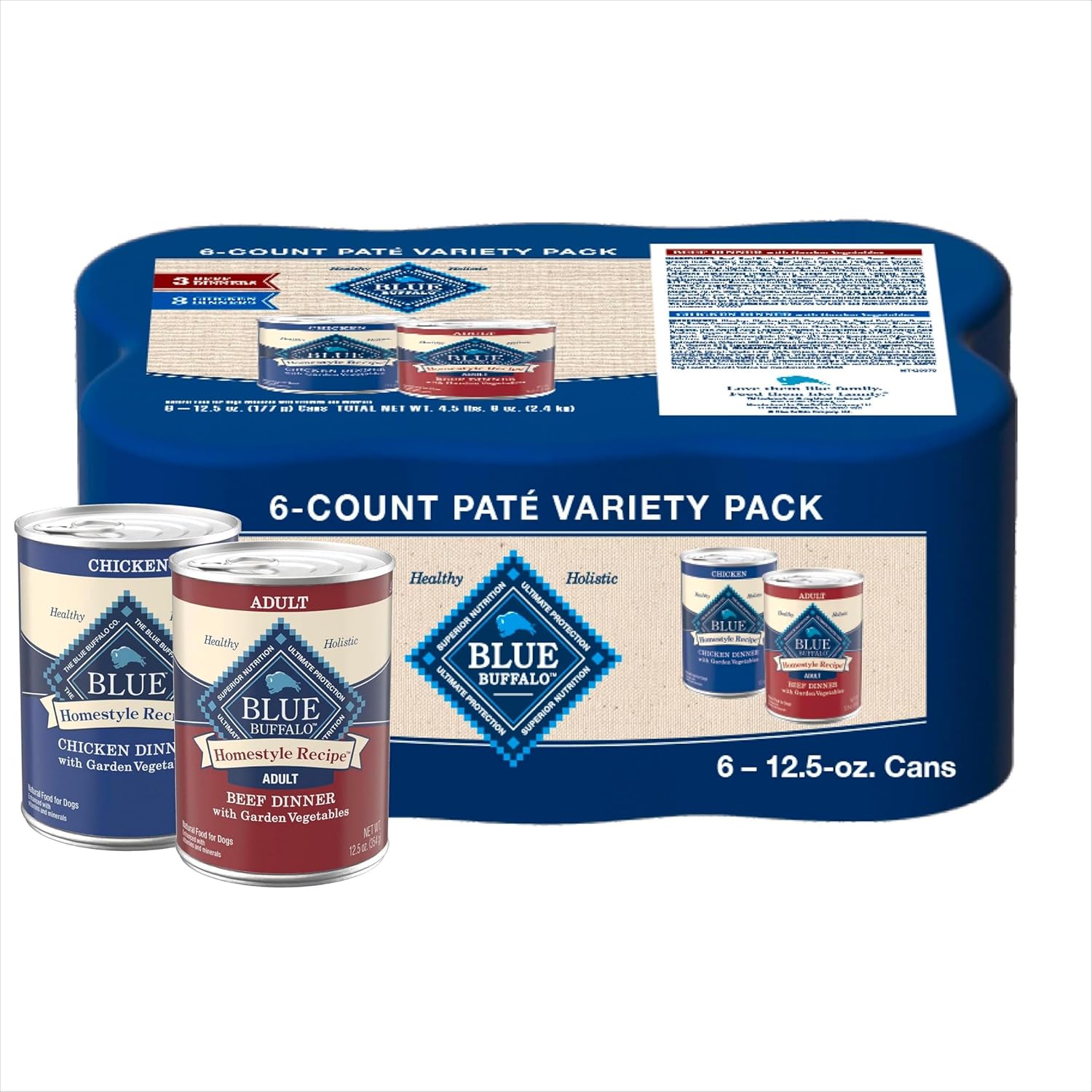
Frequently Asked Questions
Q: Can I feed my small breed dog only canned food?
A: Yes, many small dogs thrive on an all-wet diet. Canned food provides excellent hydration, which is especially beneficial for dogs prone to urinary tract issues. However, some owners prefer to mix wet and dry food to help with dental health and reduce costs.
Q: How much canned food should I feed my small dog?
A: The amount depends on your dog’s weight, age, and activity level. As a general rule, a 10-pound adult dog needs about 1/2 to 3/4 of a 5.5 oz can per day. Always follow the feeding guidelines on the label and adjust based on your dog’s body condition.
Q: Is grain-free food better for small breeds?
A: Not necessarily. Grain-free diets are ideal for dogs with diagnosed grain allergies, but for most small breeds, grain-inclusive foods with whole grains like brown rice or oats are perfectly healthy and provide valuable fiber and nutrients.
Q: Can puppies eat adult small breed canned food?
A: It’s not recommended. Puppies require higher levels of protein, fat, and certain vitamins for growth. Look for formulas specifically labeled “puppy” or “growth” to ensure proper development.
Q: How long can I keep opened canned food in the fridge?
A: Opened cans should be covered and refrigerated immediately. Use within 3–5 days for best quality and safety. Never leave wet food out at room temperature for more than 2 hours.
Q: What if my dog refuses to eat the new food?
A: Try warming the food slightly (to room temperature or slightly above) to enhance aroma. You can also mix in a small amount of low-sodium broth or a spoonful of plain yogurt to increase palatability. If refusal continues, consult your vet to rule out medical issues.
Q: Are there any risks with high-protein canned food?
A: For healthy dogs, high-protein diets are generally safe and beneficial. However, dogs with kidney disease should avoid excessive protein. Always consult your vet before making significant dietary changes.
Q: Can I mix different brands of canned food?
A: Yes, but do so gradually to avoid digestive upset. Mixing brands can provide variety and balance, but ensure both foods meet AAFCO standards and are appropriate for your dog’s life stage.
Q: Is organic canned dog food worth the extra cost?
A: Organic foods avoid synthetic pesticides and GMOs, which may appeal to health-conscious owners. However, they’re not inherently more nutritious. If budget allows and your dog has sensitivities, organic can be a good choice—but it’s not essential for every dog.
Q: How do I know if a food is causing an allergic reaction?
A: Signs include itching, ear infections, gastrointestinal upset, or chronic licking. If you suspect a food allergy, try an elimination diet with a novel protein and single carbohydrate source under veterinary supervision.
Our Final Recommendations
Best for Budget-Conscious Buyers: Purina ONE Small Breed Wet Dog Food (Chicken & Rice)
At around $1.50 per 3 oz can, this option offers real chicken as the first ingredient, added vitamins, and a smooth pâté texture. It’s AAFCO-complete and widely available, making it a reliable choice for cost-conscious owners.
Best Overall Value: Wellness Complete Health Small Breed Wet Food (Turkey & Chicken)
Priced at $2.25 per can, this grain-free formula features deboned turkey, chicken liver, and sweet potatoes. It includes probiotics, omega fatty acids, and no artificial additives—delivering premium nutrition at a mid-range price.
Best Premium Option: The Honest Kitchen Human-Grade Dehydrated Dog Food (Beef)
While not traditional canned food, this human-grade, dehydrated formula rehydrates into a wet meal with minimal processing. At $3.50 per serving, it’s ideal for owners seeking the highest quality ingredients and transparency.
Best for Beginners: Blue Buffalo Homestyle Recipe Small Breed (Chicken)
With a simple ingredient list, recognizable proteins, and a soft pâté texture, this $2.00-per-can option is easy to digest and widely accepted by picky eaters. Great for first-time wet food users.
Best for Advanced Users: Open Farm Grain-Free Wet Dog Food (Wild Caught Salmon)
This $3.25-per-can formula uses sustainably sourced salmon, coconut oil, and pumpkin. It’s traceable from farm to bowl and includes functional ingredients like turmeric and ginger for anti-inflammatory support.
Conclusion: Making the Right Choice
Choosing the best canned dog food for your small breed is about more than convenience—it’s about investing in your dog’s health, happiness, and longevity. By focusing on high-quality protein, appropriate caloric density, digestibility, and functional ingredients, you can find a formula that meets your dog’s unique needs. Avoid common pitfalls like over-reliance on marketing claims or sudden diet changes, and always consider your dog’s life stage, activity level, and any health conditions.
Remember, the best food is one your dog enjoys eating and thrives on. Don’t be afraid to experiment with textures and flavors, but do so gradually and with awareness. Use the budget guidelines and expert tips in this guide to maximize value without compromising quality. And when in doubt, consult your veterinarian—they’re your best partner in your dog’s nutritional journey.
Your small dog may be tiny, but their impact on your life is enormous. Give them the gift of great nutrition, and they’ll reward you with boundless energy, a shiny coat, and years of joyful companionship. Start today—your pup deserves nothing less than the best.