
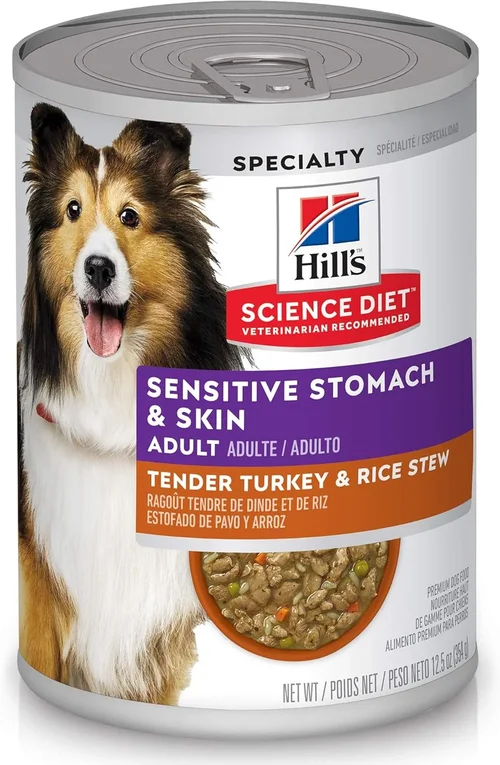
Choosing the right canned dog food for your small dog with a sensitive stomach isn’t just about picking something that looks tasty on the label. It’s about understanding your dog’s unique digestive needs, recognizing the signs of food intolerance, and making informed decisions that support long-term health and comfort. Small breeds—like Chihuahuas, Pomeranians, Dachshunds, and Yorkshire Terriers—are especially prone to gastrointestinal issues due to their fast metabolisms, compact digestive tracts, and often finicky appetites. A single meal with the wrong ingredients can trigger vomiting, diarrhea, gas, or chronic discomfort. That’s why selecting a high-quality, easily digestible canned food is one of the most important decisions you’ll make as a pet parent.
In this comprehensive buying guide, you’ll learn exactly what to look for when shopping for the best canned dog food for small dogs with sensitive stomachs. We’ll break down the key nutritional factors that matter most—from protein sources and fiber content to artificial additives and grain inclusions—and explain how each element impacts your dog’s digestion. You’ll also discover common pitfalls to avoid, budget-friendly options that don’t compromise quality, and expert tips for transitioning your pup safely to a new diet. Whether you’re dealing with chronic digestive issues or simply want to prevent them, this guide equips you with the knowledge to choose wisely.
The market for premium pet food has exploded in recent years, with countless brands claiming to offer “sensitive stomach formulas” or “limited ingredient diets.” While this variety is great for consumers, it can also be overwhelming—especially when your dog’s well-being is on the line. Many products use vague marketing terms like “natural” or “holistic” without clear definitions, and some even include hidden fillers or allergens that worsen digestive problems. Our goal is to cut through the noise and give you a clear, science-backed roadmap to finding a canned food that truly supports your small dog’s digestive health, energy levels, and overall happiness.
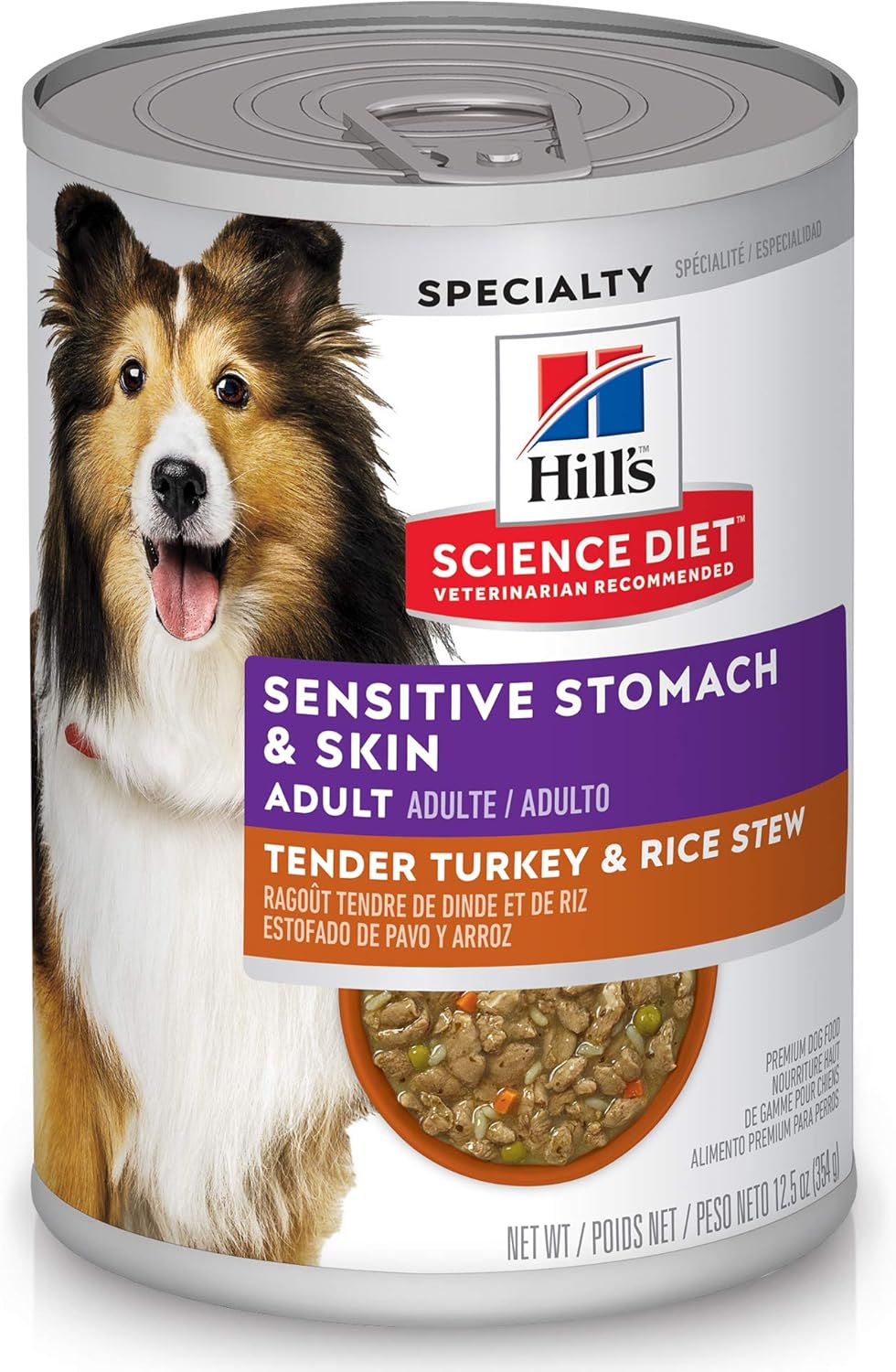
What to Look for When Buying Canned Dog Food for Small Dogs with Sensitive Stomachs
1. High-Quality, Easily Digestible Protein Sources
Protein is the foundation of any dog’s diet, but not all proteins are created equal—especially for dogs with sensitive stomachs. Look for named animal proteins as the first ingredient, such as deboned chicken, turkey meal, or duck. These are highly digestible and less likely to cause allergic reactions compared to generic terms like “meat by-products” or “animal digest.” Novel proteins—like venison, rabbit, or salmon—can be excellent choices if your dog has shown sensitivity to common meats like beef or chicken. Avoid foods that list multiple protein sources early in the ingredient list, as this increases the risk of triggering an adverse reaction.
Small dogs have higher metabolic rates than larger breeds, meaning they need nutrient-dense meals that are easy to break down. Highly digestible proteins ensure your dog absorbs maximum nutrition without overworking the digestive system. For example, a study published in the Journal of Animal Physiology and Animal Nutrition found that dogs fed diets with single-source, high-biological-value proteins showed significantly improved stool quality and reduced gastrointestinal upset. When reading labels, prioritize foods where the primary protein is clearly identified and minimally processed.
2. Limited Ingredient Formulas
Dogs with sensitive stomachs often react poorly to complex ingredient lists filled with fillers, artificial additives, and potential allergens. A limited ingredient diet (LID) typically contains one protein source, one carbohydrate source, and minimal additional components—making it easier to identify and eliminate problem ingredients. These formulas are especially helpful if your dog has been diagnosed with food intolerances or allergies.
Look for cans that list fewer than 10–12 ingredients total. For instance, a good LID might include: deboned turkey, turkey broth, sweet potatoes, peas, carrots, and sunflower oil. Avoid products with vague terms like “flavor” (e.g., “chicken flavor” instead of “chicken”) or excessive additives. The fewer the ingredients, the lower the chance of digestive distress. However, don’t confuse “limited” with “incomplete”—ensure the food is still nutritionally balanced and meets AAFCO (Association of American Feed Control Officials) standards for complete and balanced nutrition.
3. Grain-Free vs. Grain-Inclusive: What’s Right for Your Dog?
There’s ongoing debate about whether grain-free diets are better for dogs with sensitive stomachs. While some small dogs thrive on grain-free formulas, others actually benefit from easily digestible grains like oats, barley, or rice. Contrary to popular belief, grains are not inherently harmful—many are excellent sources of fiber, vitamins, and slow-releasing energy.
The key is choosing the right kind of grain. Whole grains like brown rice or quinoa are gentle on the stomach and provide soluble fiber, which helps regulate digestion. On the other hand, corn, wheat, and soy are common allergens and should generally be avoided. If your dog has a known grain allergy, opt for grain-free options with alternative carb sources like sweet potatoes, lentils, or chickpeas. Always consult your veterinarian before making major dietary changes, especially if your dog has a history of pancreatitis or heart disease—conditions sometimes linked to certain grain-free diets high in legumes.
4. Prebiotics and Probiotics for Gut Health
A healthy gut microbiome is essential for dogs with sensitive stomachs. Prebiotics (like chicory root or inulin) feed beneficial bacteria, while probiotics (such as Lactobacillus acidophilus or Bifidobacterium animalis) introduce live cultures that support digestion and immune function. Many premium canned foods now include these functional ingredients to promote gastrointestinal balance.
Look for labels that specify the type and strain of probiotics used—generic terms like “fermentation products” don’t guarantee live, active cultures. Research shows that dogs fed probiotic-supplemented diets experience fewer episodes of diarrhea and improved nutrient absorption. For small dogs, even minor digestive imbalances can lead to significant discomfort, so choosing a food with scientifically backed gut-supportive ingredients can make a noticeable difference in stool consistency, gas reduction, and overall comfort.
5. No Artificial Additives, Fillers, or By-Products
Artificial preservatives (like BHA, BHT, and ethoxyquin), colors, and flavors are unnecessary and potentially harmful, especially for sensitive dogs. These additives can irritate the digestive tract and contribute to chronic inflammation. Similarly, low-quality fillers such as corn gluten meal, soybean meal, or unnamed meat by-products offer little nutritional value and may trigger allergic reactions.
Instead, choose foods preserved naturally with mixed tocopherols (vitamin E) or rosemary extract. Avoid cans that list “meat meal” without specifying the animal source (e.g., “chicken meal” is acceptable; “meat meal” is not). High-quality canned foods use real broth, whole vegetables, and healthy fats like salmon oil or flaxseed—ingredients that enhance flavor and nutrition without compromising digestive health.
6. Appropriate Moisture Content and Texture
Canned dog food naturally contains 70–80% moisture, which is beneficial for small dogs who may not drink enough water. Proper hydration supports kidney function and helps prevent urinary tract issues, which are common in small breeds. However, texture matters too—some dogs prefer pâté, while others enjoy chunks in gravy or shredded meat.
For dogs with sensitive stomachs, smoother textures like pâté are often easier to digest and less likely to cause gagging or choking. Avoid overly thick gravies that may contain thickeners like carrageenan, which some studies suggest could irritate the gut lining. If your dog is prone to dental issues (common in small breeds), consider mixing canned food with dry kibble to help reduce plaque buildup—but always ensure the kibble is also suitable for sensitive stomachs.
7. Brand Reputation and Transparency
Not all pet food brands are equally committed to quality and safety. Look for companies that conduct feeding trials, publish ingredient sourcing information, and are transparent about their manufacturing processes. Reputable brands often have veterinary nutritionists on staff and adhere to strict quality control standards.
Check whether the brand is AAFCO-compliant and whether they recall products promptly when issues arise. Brands like Royal Canin, Hill’s Science Diet, and Purina Pro Plan have long-standing reputations and extensive research backing their formulas. However, smaller, boutique brands like The Honest Kitchen, Wellness, and Instinct also offer excellent sensitive-stomach options with high transparency. Avoid brands that use excessive marketing jargon without substantiated claims.
8. Veterinarian-Recommended Formulas
When in doubt, consult your veterinarian. Many vets recommend therapeutic or prescription diets for dogs with chronic digestive issues. These formulas are scientifically formulated to address specific conditions like inflammatory bowel disease (IBD), food allergies, or exocrine pancreatic insufficiency (EPI).
While prescription diets can be more expensive, they’re often worth the investment for dogs with severe sensitivities. Examples include Hill’s Prescription Diet i/d (for digestive care) or Royal Canin Gastrointestinal Low Fat. These foods undergo rigorous testing and are designed to be highly digestible, low in fat, and rich in essential nutrients. Even if your dog doesn’t need a prescription diet, asking your vet for brand recommendations can help narrow your options and ensure you’re choosing a product backed by clinical evidence.
Different Types of Canned Dog Food for Small Dogs with Sensitive Stomachs

Common Buying Mistakes to Avoid

❌ Mistake: Choosing Based Solely on Price
Why it’s bad: Cheaper canned foods often contain low-quality proteins, fillers, and artificial preservatives that can worsen digestive issues. While budget is important, prioritizing cost over quality may lead to more vet visits and long-term health problems.
What to do instead: Focus on value, not just price. A slightly more expensive can that prevents stomach upset is cheaper than treating diarrhea or vomiting. Look for sales, subscribe-and-save options, or buy in bulk from reputable retailers.
❌ Mistake: Ignoring the Ingredient List
Why it’s bad: Marketing claims like “natural” or “sensitive stomach” don’t guarantee quality. Some foods labeled as “grain-free” still contain high levels of legumes or potato starch, which can cause gas and bloating in sensitive dogs.
What to do instead: Always read the full ingredient list. Prioritize named meats, avoid artificial additives, and check for AAFCO statements. If you can’t pronounce it or don’t know what it is, it’s probably not ideal for a sensitive stomach.
❌ Mistake: Switching Foods Too Quickly
Why it’s bad: Sudden diet changes can shock your dog’s digestive system, leading to diarrhea, vomiting, or refusal to eat. Even high-quality foods can cause issues if introduced abruptly.
What to do instead: Transition gradually over 7–10 days. Start with 25% new food and 75% old food, increasing the ratio every few days. Monitor stool quality and appetite closely during the switch.
❌ Mistake: Overlooking Portion Size and Feeding Frequency
Why it’s bad: Small dogs have tiny stomachs and high metabolisms. Overfeeding—even with premium food—can lead to digestive upset, obesity, or pancreatitis.
What to do instead: Follow the feeding guidelines on the can, but adjust based on your dog’s age, activity level, and body condition. Most small dogs do well with 2–3 small meals per day. Use a kitchen scale for accuracy.
❌ Mistake: Assuming All “Sensitive Stomach” Labels Are Equal
Why it’s bad: The term “sensitive stomach” is not regulated. One brand’s formula might include probiotics and easily digestible proteins, while another uses corn syrup and unnamed meat by-products.
What to do instead: Research the brand and read reviews from other small dog owners. Look for third-party certifications or veterinary endorsements. When in doubt, ask your vet for recommendations.
❌ Mistake: Not Monitoring Your Dog’s Response
Why it’s bad: Even the best food won’t work if it doesn’t agree with your dog. Some dogs may tolerate a food initially but develop sensitivities over time.
What to do instead: Keep a food journal. Note your dog’s stool quality, energy levels, coat condition, and any signs of discomfort. If symptoms persist after 2–3 weeks, consider trying a different formula or consulting your vet.
❌ Mistake: Feeding Large Cans to Small Dogs
Why it’s bad: Most canned dog food comes in 12–13 oz cans, which are too large for small breeds. Opened cans can dry out or spoil quickly, leading to waste or foodborne illness.
What to do instead: Look for brands that offer smaller cans (3–5.5 oz) or use resealable containers. Alternatively, freeze portions in ice cube trays for easy thawing. Some brands like Wellness and Merrick offer single-serve pouches ideal for small dogs.
Budget Guidelines: How Much Should You Spend?
Entry-Level ($1.00–$1.75 per can): At this price point, you’ll find basic canned foods that may meet minimum nutritional standards but often include fillers, unnamed proteins, or artificial additives. Brands like Pedigree or generic store brands fall here. While they’re affordable, they’re not ideal for dogs with sensitive stomachs. Proceed with caution and always check the ingredient list.
Mid-Range ($1.75–$2.75 per can): This is the sweet spot for most pet owners. You’ll find high-quality proteins, limited ingredients, and functional additives like probiotics. Brands like Blue Buffalo Basics, Natural Balance LID, and Merrick Grain-Free offer excellent options in this range. These foods balance affordability with digestive support and are suitable for long-term feeding.
Premium ($2.75–$4.00 per can): Premium canned foods often use human-grade ingredients, novel proteins, and advanced formulations. Brands like The Honest Kitchen, Open Farm, and Ziwi Peak fall into this category. They’re ideal for dogs with severe sensitivities or owners who prioritize ingredient transparency and sustainability. While more expensive, they can reduce vet bills and improve quality of life.
Luxury ($4.00+ per can): These are top-tier, often air-dried or freeze-dried raw options sold in canned form. They feature single-source proteins, organic vegetables, and no grains or legumes. While not necessary for all dogs, they’re excellent for those with multiple allergies or owners seeking the absolute best nutrition. Examples include Primal Pet Foods and Stella & Chewy’s.

Expert Tips for Getting the Best Deal
– Buy in bulk during seasonal sales: Major pet retailers often run promotions around holidays like Black Friday, Memorial Day, or National Pet Day. Stock up when prices drop, but only if you have proper storage.
– Compare unit prices: Don’t just look at the total cost—check the price per ounce. A $3.00 can that’s 5.5 oz is cheaper per ounce than a $2.50 can that’s 3 oz.
– Use loyalty programs: Sign up for rewards programs at Chewy, Petco, or your local vet clinic. Points can add up to free food or discounts.
– Try sample packs: Some brands offer variety packs or trial sizes. This lets you test multiple flavors without committing to a full case.
– Check return policies: If your dog doesn’t like the food or has a reaction, you should be able to return unopened cans. Most reputable retailers offer 30–90 day return windows.
– Ask your vet for samples: Many veterinary offices receive free samples from pet food companies. They’re often happy to share with clients, especially for dogs with medical needs.
– Read verified buyer reviews: Look for reviews from owners of small dogs with sensitive stomachs. Real-world experiences are more reliable than marketing claims.
– Consider subscription discounts: Brands like Nom Nom and The Farmer’s Dog offer fresh, portioned meals with subscription savings—though not canned, they’re worth considering for severe sensitivities.
Frequently Asked Questions
Q: How long does it take to see improvement after switching foods?
A: Most dogs show improvement within 1–2 weeks, but it can take up to 4–6 weeks for full digestive stabilization. Consistency is key—avoid switching back and forth between brands.
Q: Can I mix canned food with dry kibble?
A: Yes, as long as both are formulated for sensitive stomachs. Mixing can help with dental health and add variety, but ensure the total daily calories are balanced to avoid weight gain.
Q: Is grain-free always better for sensitive stomachs?
A: Not necessarily. Some dogs digest grains like rice or oats well. Grain-free diets are best for dogs with confirmed grain allergies, not as a default choice.
Q: What if my dog refuses to eat the new food?
A: Try warming the food slightly (not hot) to enhance aroma, or mix in a small amount of low-sodium chicken broth. Never force-feed—consult your vet if appetite loss persists.
Q: Are homemade diets a good alternative?
A: Homemade diets can work but require careful balancing of nutrients. Without veterinary guidance, they often lack essential vitamins and minerals. If you choose this route, work with a veterinary nutritionist.
Q: How much should I feed my small dog per day?
A: Generally, small dogs (under 20 lbs) need 1/2 to 1.5 cans per day, depending on size, age, and activity level. Always follow the feeding guide on the label and adjust as needed.
Q: Can sensitive stomach food help with bad breath?
A: Indirectly, yes. Digestive health impacts breath odor. High-quality, easily digestible food can reduce gas and improve oral health, especially when combined with dental care.
Q: Is it safe to feed the same food long-term?
A: Yes, as long as your dog tolerates it well and the food remains nutritionally complete. Rotating proteins occasionally can reduce the risk of developing new sensitivities.
Q: What are signs my dog’s food isn’t agreeing with them?
A: Watch for diarrhea, vomiting, excessive gas, bloating, lethargy, itching, or changes in appetite or stool consistency. If symptoms last more than 48 hours, consult your vet.
Q: Can puppies with sensitive stomachs eat the same food as adult dogs?
A: Puppies have different nutritional needs. Choose a formula labeled for “all life stages” or specifically for puppies. Avoid adult-only foods, which may lack sufficient calories and DHA for growth.
Our Final Recommendations
Best for Budget-Conscious Buyers: Natural Balance LID Sweet Potato & Fish Formula – At around $1.80 per can, this grain-free, limited ingredient food uses real fish and sweet potatoes. It’s highly digestible and free from common allergens, making it a great value for sensitive small dogs.
Best Overall Value: Blue Buffalo Basics Limited Ingredient Diet, Turkey & Potato – Priced at $2.25 per can, this formula features deboned turkey, easily digestible carbs, and no poultry by-product meals. It includes prebiotic fiber and is AAFCO-complete.
Best Premium Option: The Honest Kitchen Grain-Free Turkey Pâté – At $3.50 per can, this human-grade, dehydrated food is rehydrated with water to create a moist, nutrient-dense meal. It’s ideal for dogs with multiple sensitivities and offers exceptional ingredient transparency.
Best for Beginners: Hill’s Science Diet Sensitive Stomach & Skin, Chicken Recipe – Veterinarian-recommended and widely available, this $2.50-per-can option is gentle, balanced, and trusted by pet owners worldwide. Great for first-time switchers.
Best for Advanced Users: Open Farm Homestead Turkey & Chicken Pâté – At $3.75 per can, this ethically sourced, traceable food includes probiotics, pumpkin, and coconut oil. Perfect for owners who want maximum control over sourcing and nutrition.
Conclusion: Making the Right Choice
Finding the best canned dog food for your small dog with a sensitive stomach is a journey—one that requires patience, observation, and informed decision-making. By focusing on high-quality proteins, limited ingredients, gut-supportive additives, and brand transparency, you can significantly improve your dog’s digestive health and overall well-being. Remember, what works for one dog may not work for another, so stay attentive to your pet’s unique needs and responses.
Don’t let marketing claims or price tags dictate your choice. Instead, use the tools and knowledge in this guide to evaluate options critically and confidently. Whether you’re feeding a Chihuahua with chronic diarrhea or a Dachshund prone to gas, the right food can make all the difference. And when in doubt, your veterinarian is your best ally—use their expertise to guide your decisions.
Ultimately, the best canned food is the one your dog eats happily, digests easily, and thrives on. Take the time to transition slowly, monitor closely, and celebrate small victories—like firmer stools, shinier coats, and more energetic play sessions. Your dog’s comfort and health are worth every effort. Start today, and give your small companion the digestive peace they deserve.