
When it comes to feeding your small dog, choosing the right canned food isn’t just about convenience—it’s about nutrition, health, and long-term well-being. Small breed dogs have unique dietary needs that differ significantly from their larger counterparts. They metabolize food faster, require higher calorie density per ounce, and often have sensitive digestive systems. Yet, with thousands of canned dog food options flooding the market in 2026, it’s easy for pet parents to feel overwhelmed by flashy labels, ingredient lists filled with unpronounceable additives, and conflicting advice from friends, vets, and online forums.
That’s where this comprehensive buying guide comes in. Whether you’re a first-time dog owner or a seasoned pet parent looking to upgrade your pup’s diet, this guide is designed to cut through the noise and deliver expert-backed, practical advice tailored specifically for small dogs. We’ll walk you through everything you need to know—from understanding ingredient quality and nutritional balance to decoding price points and avoiding common pitfalls. By the end, you’ll have the confidence to select a high-quality canned dog food that supports your dog’s energy levels, coat health, digestion, and overall vitality.
The canned dog food market has evolved dramatically over the past decade. Gone are the days when “wet food” meant mystery meat in gravy. Today’s premium brands offer biologically appropriate recipes featuring real meat as the first ingredient, grain-free or limited-ingredient formulas for sensitive stomachs, and even functional additives like probiotics, omega fatty acids, and joint-supporting supplements. With innovations in packaging, sustainability, and sourcing transparency, pet food companies are responding to growing consumer demand for healthier, more ethical options. However, not all cans are created equal—and what works for one small dog may not suit another. This guide will help you navigate that complexity with clarity and confidence.
What to Look for When Buying Canned Dog Food for Small Dogs
1. High-Quality Protein Sources
Protein is the cornerstone of any healthy canine diet, especially for small dogs who need concentrated nutrition in smaller portions. Look for canned foods where a named animal protein—such as chicken, turkey, lamb, salmon, or duck—is listed as the very first ingredient. Avoid vague terms like “meat meal” or “animal by-product meal,” which can include low-quality or inconsistent sources. Ideally, the protein source should be human-grade and clearly identified (e.g., “deboned chicken” rather than just “chicken”).
Small breeds are prone to muscle loss as they age, and adequate protein helps maintain lean body mass. Additionally, high-protein diets support immune function and energy levels—critical for active little pups. According to the Association of American Feed Control Officials (AAFCO), adult dog foods should contain at least 18% crude protein on a dry matter basis, but many premium small-breed formulas exceed 25%. Always check the guaranteed analysis on the label and convert percentages to dry matter if needed to make accurate comparisons.
2. Appropriate Calorie Density and Portion Size
Small dogs don’t eat much—but they burn calories quickly due to their high metabolic rate. A 10-pound Chihuahua may only need 250–300 calories per day, while a 20-pound Cocker Spaniel might require 400–500. Because of this, canned food for small breeds should be calorie-dense, meaning it packs more energy into each ounce without relying on fillers like corn, wheat, or soy.
Check the kcal/kg or kcal per cup measurement on the label. Premium small-breed canned foods typically range from 400 to 600 kcal per cup. This allows you to feed smaller volumes while still meeting your dog’s energy needs—reducing waste and preventing overfeeding. Over time, feeding a low-calorie, filler-heavy wet food can lead to undernourishment or excessive feeding volumes that upset your dog’s stomach.
Portion control is also easier with appropriately sized cans. Many brands now offer 3-ounce or 5.5-ounce cans specifically for small dogs, which reduces spoilage and ensures freshness. Avoid oversized cans unless you plan to refrigerate leftovers immediately—exposed wet food can spoil within hours.
3. Digestibility and Gut Health Support
Small dogs are notorious for having sensitive stomachs. Ingredients that are easy to digest reduce the risk of gas, diarrhea, or vomiting. Look for formulas that include prebiotic fibers (like chicory root or beet pulp), probiotics (such as Lactobacillus acidophilus), and highly digestible carbohydrates like sweet potatoes or pumpkin.
Digestibility isn’t just about avoiding upset tummies—it’s about nutrient absorption. Even the best ingredients won’t benefit your dog if they pass through undigested. Studies show that highly digestible diets can improve stool quality, reduce odor, and enhance overall energy levels. Some premium brands publish digestibility scores (often above 85%), which can be a helpful indicator of quality.
Avoid artificial colors, flavors, and preservatives like BHA, BHT, and ethoxyquin—these can irritate the gut and have been linked to long-term health issues. Natural preservatives like mixed tocopherols (vitamin E) and rosemary extract are safer alternatives.
4. Moisture Content and Hydration Benefits
Canned dog food typically contains 70–80% moisture, which is significantly higher than dry kibble (which averages 10%). For small dogs—especially those who don’t drink enough water—this added hydration is a major benefit. Proper hydration supports kidney function, urinary tract health, and digestion.
Kidney disease is a leading cause of death in older small dogs, and chronic dehydration can accelerate its progression. Feeding wet food helps maintain consistent fluid intake, reducing strain on the kidneys. It’s also beneficial for dogs prone to urinary crystals or stones, as increased water intake dilutes urine and prevents crystal formation.
While some owners worry that wet food causes dental issues, research shows that the risk is minimal—especially when combined with regular teeth cleaning or dental chews. In fact, the soft texture of canned food can be gentler on aging teeth and gums.
5. Grain-Free vs. Whole Grains: What’s Right for Your Dog?
The grain-free debate continues to spark controversy, but the truth is more nuanced than “grains = bad.” For most small dogs, whole grains like oats, brown rice, or barley are perfectly safe and provide valuable fiber, B vitamins, and slow-releasing energy. However, dogs with diagnosed grain allergies or sensitivities may benefit from grain-free formulas.
The real concern isn’t grains themselves—it’s the quality of the carbohydrate source. Cheap fillers like corn gluten meal or wheat flour offer little nutritional value and can spike blood sugar. Instead, look for complex carbs that support digestion and sustained energy.
In 2018, the FDA launched an investigation into a potential link between grain-free diets and dilated cardiomyopathy (DCM) in dogs, particularly those containing legumes (like peas, lentils, or chickpeas) as primary ingredients. While the exact cause remains unclear, many veterinarians now recommend moderation with legume-heavy formulas—especially for breeds predisposed to heart issues, such as Cavalier King Charles Spaniels or Dachshunds.
When in doubt, consult your vet. If your dog has no known sensitivities, a balanced formula with whole grains may be the safest choice.
6. Added Functional Ingredients
Premium canned dog foods often include functional additives designed to support specific health needs. These aren’t just marketing gimmicks—they can make a real difference in your dog’s quality of life.
Look for:
– Omega-3 and Omega-6 fatty acids (from fish oil, flaxseed, or chia seeds) for shiny coats, reduced inflammation, and brain health.
– Glucosamine and chondroitin to support joint health—especially important for small breeds prone to patellar luxation or arthritis.
– Antioxidants like vitamin E, vitamin C, and blueberries to boost immunity and combat oxidative stress.
– Probiotics to promote a healthy gut microbiome and improve digestion.
These ingredients are particularly valuable for senior small dogs or those with chronic conditions. However, avoid over-supplementation—too much of certain vitamins or minerals can be harmful. Stick to brands that follow AAFCO guidelines and avoid “mega-dosing” without veterinary guidance.
7. Brand Transparency and Sourcing Practices
Not all pet food companies are equally transparent about where their ingredients come from or how their food is made. Reputable brands will disclose their manufacturing locations, ingredient sourcing policies, and quality control measures. Look for companies that:
– Manufacture their own food (rather than outsourcing to third-party facilities)
– Conduct regular third-party testing for contaminants
– Provide batch-specific recall information
– Use human-grade or USDA-inspected ingredients
Brands like Wellness, Merrick, and The Honest Kitchen are known for their transparency, while others may use vague language like “sourced globally” without specifics. Don’t hesitate to contact the manufacturer directly with questions—ethical companies welcome consumer inquiries.
Sustainability is another growing concern. Some brands now use recyclable packaging, carbon-neutral shipping, or ethically sourced proteins (like wild-caught Alaskan salmon). While these factors may not directly impact nutrition, they reflect a company’s commitment to long-term environmental and animal welfare.
8. Palatability and Texture Preferences
Even the healthiest food won’t help if your dog refuses to eat it. Small dogs can be picky eaters, and texture plays a big role in acceptance. Some prefer pâté-style foods, while others enjoy chunks in gravy or shredded meat.
Palatability is influenced by fat content, aroma, and moisture distribution. High-fat meats (like duck or salmon) tend to be more appealing, but balance is key—too much fat can lead to pancreatitis, especially in miniature breeds.
If your dog is a fussy eater, consider rotating between two or three high-quality brands to prevent boredom. Just introduce new foods gradually over 7–10 days to avoid digestive upset. You can also enhance appeal by warming the food slightly (never microwave directly in the can) or mixing in a spoonful of bone broth.
Different Types of Canned Dog Food for Small Dogs

Common Buying Mistakes to Avoid
❌ Mistake: Choosing Based Solely on Price
Why it’s bad: The cheapest canned dog food often contains low-quality proteins, fillers, and artificial additives that can lead to long-term health problems like obesity, allergies, or digestive issues. Over time, poor nutrition may result in higher veterinary bills.
What to do instead: Focus on cost per ounce and nutritional value rather than upfront price. A $2.50 can that meets all your dog’s needs is a better investment than a $1.00 can that requires supplementation or causes health issues.
❌ Mistake: Ignoring the Ingredient List
Why it’s bad: Marketing claims like “natural” or “premium” are not regulated strictly. A product may sound healthy but contain by-products, corn syrup, or unnamed meat meals.
What to do instead: Always read the ingredient list first. Real meat should be the first item, followed by recognizable vegetables, fruits, and whole grains. Avoid products with long lists of chemical-sounding names.
❌ Mistake: Feeding the Same Food Indefinitely
Why it’s bad: Dogs can develop sensitivities to ingredients over time, especially if fed the same diet for years. Lack of variety may also lead to nutrient gaps.
What to do instead: Rotate between two or three high-quality brands every few months. This reduces the risk of allergies and ensures a broader nutrient profile.
❌ Mistake: Overlooking Portion Guidelines
Why it’s bad: Small dogs are prone to weight gain. Overfeeding—even healthy food—can lead to obesity, joint stress, and reduced lifespan.
What to do instead: Follow the feeding guidelines on the label based on your dog’s weight and activity level. Adjust as needed and monitor body condition regularly.
❌ Mistake: Assuming All Wet Food Is Equal
Why it’s bad: Some canned foods are mostly gravy or broth with minimal meat content. These provide little nutritional value and can spike blood sugar.
What to do instead: Look for foods with visible chunks of meat and minimal liquid. Check the protein percentage—aim for at least 8–10% on an as-fed basis.
❌ Mistake: Not Consulting Your Veterinarian
Why it’s bad: Every dog is unique. A food that works for your neighbor’s Pomeranian may not suit your Shih Tzu, especially if your dog has medical conditions.
What to do instead: Discuss dietary changes with your vet, particularly if your dog has kidney disease, diabetes, or food allergies. Your vet can recommend therapeutic diets if needed.
Budget Guidelines: How Much Should You Spend?
– Entry-Level ($0.80–$1.30 per 5.5 oz can): What to expect: These foods often use meat by-products, corn, wheat, or soy as fillers. While they meet basic AAFCO standards, they may lack optimal nutrition for active or sensitive small dogs. Best for temporary use or supplemental feeding.
– Mid-Range ($1.30–$2.00 per 5.5 oz can): Sweet spot for most buyers: These brands offer named meat proteins, limited fillers, and added vitamins. Examples include Purina Pro Plan, Iams, and Nutro. Great for healthy dogs with no special dietary needs.
– Premium ($2.00–$3.00 per 5.5 oz can): For enthusiasts and professionals: Brands like Wellness, Merrick, and Blue Buffalo use high-quality ingredients, probiotics, and functional additives. Ideal for dogs with sensitivities, high energy, or aging needs.
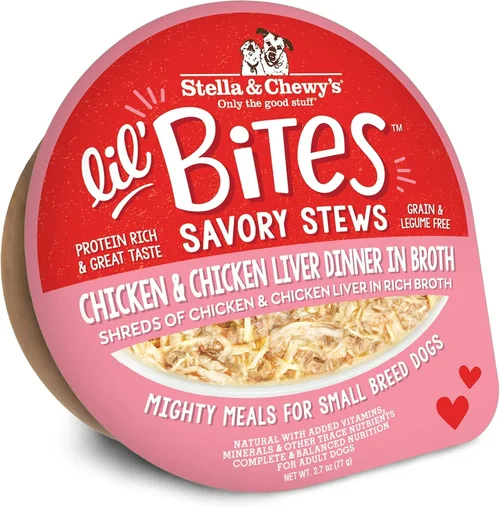
– Luxury ($3.00+ per 5.5 oz can): Top-tier features: These include raw-coated, fresh-pressed, or human-grade options from companies like The Honest Kitchen, Open Farm, or Stella & Chewy’s. Often made in small batches with traceable ingredients. Best for pet parents prioritizing maximum nutrition and transparency.
Expert Tips for Getting the Best Deal
– Buy during seasonal sales: Major pet retailers offer deep discounts in January (post-holiday), July (summer clearance), and November (Black Friday). Sign up for newsletters to get early access.
– Use subscription services: Chewy, Amazon Subscribe & Save, and Petco’s Repeat Delivery offer 5–15% off recurring orders. You can cancel anytime.
– Compare unit prices: Don’t just look at the total cost—check price per ounce. A larger case may seem expensive but cost less per can.
– Check return policies: If your dog refuses the food, some retailers (like Petco and Chewy) allow returns of unopened items. Keep receipts!
– Test before committing: Buy single cans or small cases first. Observe your dog’s digestion, coat condition, and energy levels over 2–3 weeks.
– Look for vet-recommended brands: Some clinics offer discounts on therapeutic or premium foods. Ask if they carry samples.
– Avoid impulse buys: Flashy packaging or celebrity endorsements don’t guarantee quality. Stick to your checklist.

Frequently Asked Questions
Q: Can I feed my small dog only canned food?
A: Yes, many dogs thrive on an all-wet diet. Just ensure the food is complete and balanced according to AAFCO standards. Monitor weight and adjust portions as needed. Some owners mix wet and dry food for dental benefits and variety.
Q: How long does opened canned dog food last?
A: Store opened cans in the refrigerator in an airtight container for up to 5 days. Do not leave uneaten food out at room temperature for more than 2 hours.
Q: Is grain-free food better for small dogs?
A: Not necessarily. Grain-free is only beneficial if your dog has a diagnosed grain allergy. Whole grains provide valuable nutrients and fiber. Consult your vet before switching.
Q: Should I avoid foods with peas or lentils?
A: If your dog is at risk for DCM (especially certain breeds), moderation is key. Choose formulas where legumes are not the primary ingredient. Discuss with your veterinarian.
Q: Can puppies eat adult canned dog food?
A: Puppies have higher calorie and nutrient needs. Use puppy-specific formulas until 12 months of age (or 18 months for some small breeds). Adult food may not support proper growth.
Q: How do I transition my dog to a new canned food?
A: Mix increasing amounts of the new food with the old over 7–10 days. Start with 25% new, 75% old, and gradually increase. Watch for digestive upset.
Q: Are expensive brands worth the cost?
A: Often, yes—especially if your dog has health issues or sensitivities. Higher-quality ingredients lead to better digestion, coat condition, and energy. However, mid-range brands can be sufficient for healthy dogs.
Q: Can I make my own canned dog food at home?
A: Homemade diets require careful balancing to avoid deficiencies. Consult a veterinary nutritionist to formulate a complete recipe. Canned commercial foods are formulated to meet all nutritional needs.
Our Final Recommendations
– Best for Budget-Conscious Buyers: Purina Pro Plan Small Breed Wet Dog Food – Offers real chicken as the first ingredient, balanced nutrition, and affordability at around $1.20 per can.
– Best Overall Value: Wellness Complete Health Small Breed Pâté – Features deboned turkey, probiotics, and no grains or artificial additives. Priced at $1.90 per can, it’s a trusted choice for daily feeding.
– Best Premium Option: Merrick Grain-Free Small Breed Recipe – Made with 96% meat, sweet potatoes, and added glucosamine. Ideal for active or senior small dogs. Around $2.40 per can.
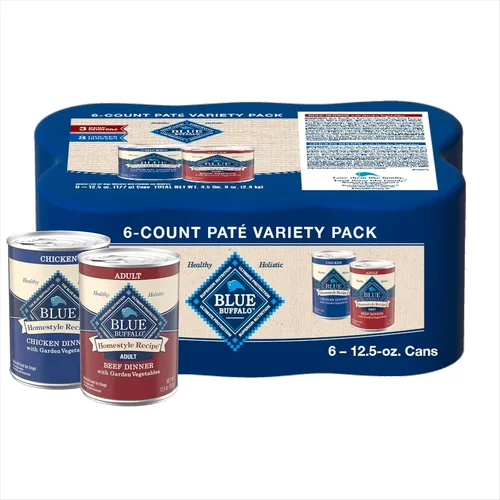
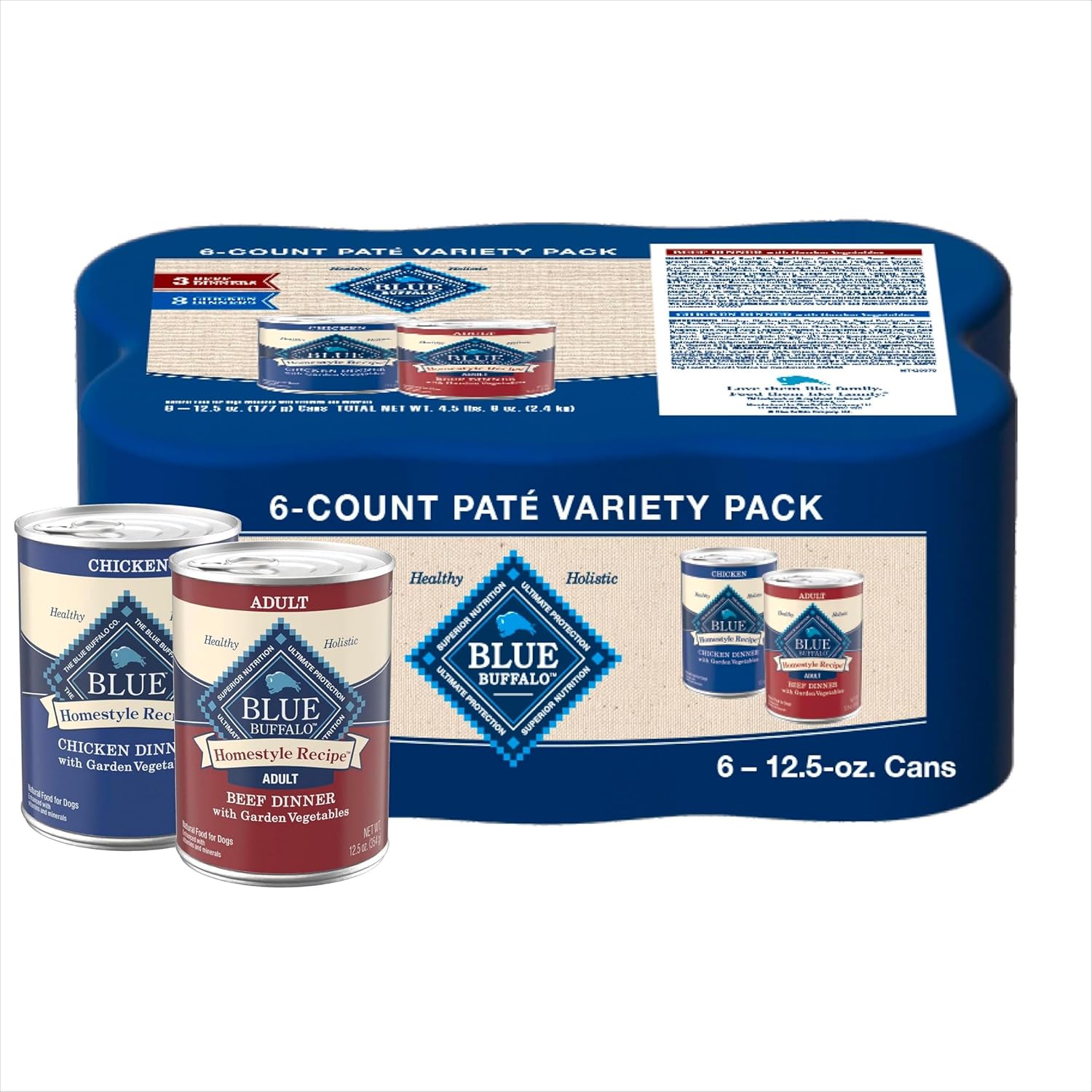
– Best for Beginners: Blue Buffalo Homestyle Recipe Small Breed – Easy-to-find, widely available, and formulated with real meat and garden vegetables. Great for first-time wet food users.
– Best for Advanced Users: The Honest Kitchen Human-Grade Dehydrated Food (rehydrated) – While not traditional canned food, it offers the convenience of wet food with minimal processing. Simply add water to create a fresh, nutrient-dense meal.
Conclusion: Making the Right Choice
Choosing the best canned dog food for your small dog is one of the most important decisions you’ll make as a pet parent. It’s not just about filling their bowl—it’s about supporting their health, happiness, and longevity. By focusing on high-quality proteins, appropriate calorie density, digestibility, and transparency, you can ensure your pup gets the nutrition they need in every bite.
Remember, there’s no one-size-fits-all solution. Your dog’s age, activity level, health status, and preferences all play a role. Use this guide as your roadmap, but stay flexible. Rotate foods, monitor their response, and don’t hesitate to consult your veterinarian when in doubt.
Investing in premium nutrition now can prevent costly health issues down the road. Whether you choose a mid-range staple or a luxury formula, the key is consistency, quality, and love. Your small dog may not be able to thank you in words—but their wagging tail, shiny coat, and boundless energy will say it all. Start today, and give your furry friend the gift of great food.