
If your dog is suffering from recurring yeast infections—whether it’s ear infections, itchy paws, hot spots, or a persistent musty odor—you’re not alone. Yeast overgrowth, particularly Malassezia and Candida, is one of the most common yet misunderstood health issues in dogs today. And while many pet owners initially turn to antifungal medications or topical treatments, the root cause often lies in diet. That’s where choosing the right canned dog food becomes not just helpful, but essential.
Yeast thrives on carbohydrates, especially simple sugars and starches. When dogs consume diets high in grains, fillers, and processed ingredients, they create an internal environment that encourages yeast proliferation. This can lead to chronic inflammation, skin irritation, digestive upset, and even behavioral changes. The good news? A carefully selected canned dog food can help rebalance your dog’s microbiome, reduce inflammation, and starve off yeast overgrowth—all while providing complete nutrition. But with hundreds of brands and formulas on the market, knowing which ones truly support yeast management is no easy task.
This comprehensive buying guide is designed to cut through the noise and give you expert-level insight into selecting the best canned dog food for yeast problems. Whether you’re dealing with a single flare-up or a long-term condition, you’ll learn exactly what to look for, what to avoid, and how to make informed decisions that support your dog’s long-term health. We’ll cover everything from ingredient analysis and nutritional science to budget considerations and real-world feeding strategies. By the end, you’ll have a clear roadmap to find a high-quality, yeast-friendly canned food that works for your dog—and your lifestyle.
The market for therapeutic and wellness-focused pet foods has exploded in recent years, with more brands claiming to offer “grain-free,” “low-carb,” or “anti-yeast” formulas than ever before. However, not all of these claims are backed by science—or even accurate labeling. Some products still contain hidden sugars, excessive carbohydrates, or inflammatory ingredients that can worsen yeast issues. Others may be nutritionally incomplete or overly restrictive. This guide will help you distinguish marketing hype from genuine solutions, so you can confidently choose a product that delivers real results.

What to Look for When Buying Canned Dog Food for Yeast Problems
1. Low Carbohydrate Content
Carbohydrates are the primary fuel source for yeast. When dogs consume diets high in carbs—especially refined grains, potatoes, peas, and other starchy vegetables—yeast populations can explode. For dogs with yeast overgrowth, it’s critical to choose canned foods that are low in total carbohydrates, ideally under 20% on a dry matter basis.
To calculate dry matter carbohydrate content, first subtract the moisture percentage (usually listed on the can) from 100%, then divide the carbohydrate percentage by that number and multiply by 100. For example, if a food contains 78% moisture and 15% carbohydrates, the dry matter carb content is (15 / 22) × 100 = ~68%. That’s far too high for a yeast-prone dog.
Look for formulas that prioritize animal-based proteins and fats while minimizing plant-based starches. Ingredients like sweet potatoes, lentils, chickpeas, and brown rice may sound healthy, but they’re still high in fermentable carbs that feed yeast. Instead, opt for canned foods that list meat as the first ingredient and avoid those with multiple carbohydrate sources in the top five.
2. High-Quality Animal Protein as the Primary Ingredient
Protein is essential for tissue repair, immune function, and maintaining muscle mass—especially important for dogs fighting chronic infections. For yeast management, animal-based proteins are superior because they’re more bioavailable and less likely to contribute to inflammation than plant proteins.
Look for canned foods where a named meat source (e.g., “chicken,” “salmon,” “turkey”) appears first on the ingredient list. Avoid vague terms like “meat meal” or “animal by-product meal,” which can include low-quality or inconsistent sources. Ideally, the first three ingredients should be animal proteins.
Novel proteins—such as duck, venison, rabbit, or kangaroo—can be especially beneficial if your dog has developed food sensitivities alongside yeast issues. These less-common meats are less likely to trigger allergic reactions, which can exacerbate skin and ear problems. Rotating protein sources every few months may also help prevent new sensitivities from developing.
3. Limited, Easily Digestible Ingredients
Dogs with yeast overgrowth often have compromised digestive systems. Their gut lining may be inflamed, and their microbiome imbalanced, making it harder to process complex or poorly digestible ingredients. This is why simplicity matters.
Choose canned foods with short, recognizable ingredient lists. The fewer the ingredients, the lower the risk of hidden allergens or irritants. Avoid formulas with artificial preservatives (like BHA, BHT, or ethoxyquin), colors, or flavors, as these can contribute to inflammation and immune dysregulation.
Additionally, look for foods that include natural digestive aids such as pumpkin, ginger, or probiotics. While not all canned foods contain live probiotics (due to processing), some brands add postbiotic compounds or prebiotic fibers like inulin or chicory root, which help feed beneficial gut bacteria.
4. Grain-Free and Starch-Free Formulations
While “grain-free” has become a marketing buzzword, it’s genuinely important for dogs with yeast problems. Grains like corn, wheat, and soy are not only high in carbohydrates but are also common allergens that can worsen skin and ear infections.
However, being grain-free isn’t enough. Many grain-free canned foods replace grains with starchy alternatives like potatoes, sweet potatoes, tapioca, or peas. These ingredients are still high in fermentable carbohydrates and can feed yeast just as effectively as grains.
True yeast-friendly canned foods go a step further by being starch-free or very low-starch. These formulas rely on animal fats and proteins for energy, minimizing the use of any plant-based starches. Look for brands that explicitly state “low-carb,” “starch-free,” or “yeast-friendly” on the label or website.
5. Added Omega-3 Fatty Acids for Anti-Inflammatory Support
Chronic yeast infections are often accompanied by inflammation—red, itchy skin, swollen ears, and discomfort. Omega-3 fatty acids, particularly EPA and DHA found in fish oil, have powerful anti-inflammatory properties that can help calm the immune response and reduce symptoms.
Look for canned foods that include sources of omega-3s, such as salmon oil, sardine oil, or flaxseed (though flaxseed provides ALA, which is less efficiently converted to EPA/DHA in dogs). The best formulas will list a specific fish oil source and may even provide the omega-3 to omega-6 ratio on the packaging or website.
A healthy ratio of omega-6 to omega-3 fatty acids is around 5:1 to 10:1. Many commercial dog foods have ratios as high as 20:1 or more due to high levels of plant-based oils like corn or soybean oil, which promote inflammation. Choosing a food with balanced fatty acids can make a significant difference in your dog’s comfort and recovery.
6. No Added Sugars or Sweeteners
This is a critical but often overlooked factor. Some canned dog foods, especially those marketed as “tasty” or “gravy-based,” contain added sugars, molasses, or other sweeteners to enhance palatability. These ingredients directly feed yeast and can undermine even the best low-carb formula.
Check the ingredient list carefully for hidden sugars. Common culprits include:
– Sugar
– Corn syrup
– Molasses
– Honey
– Dextrose
– Fructose
– Brown rice syrup
Even natural sweeteners like honey can be problematic for yeast-prone dogs. While small amounts may not cause immediate issues, consistent exposure can contribute to ongoing overgrowth.
7. Probiotic and Gut Health Support
A healthy gut microbiome is one of the strongest defenses against yeast overgrowth. Beneficial bacteria compete with yeast for resources and help maintain a balanced internal environment. When the gut is disrupted—due to antibiotics, poor diet, or stress—yeast can flourish.
Some premium canned dog foods include probiotics, which are live beneficial bacteria that support digestive health. Look for strains like Lactobacillus acidophilus, Bifidobacterium animalis, or Enterococcus faecium, which are commonly used in pet foods and have been shown to improve gut function.
However, keep in mind that the high heat used in canning can kill live probiotics. Some brands use microencapsulation or add probiotics after processing to preserve viability. Check the label for statements like “contains live cultures” or “probiotics added after processing.”
Even if probiotics aren’t included, foods with prebiotic fibers (like inulin or FOS) can help feed existing good bacteria. These are often listed as “chicory root extract” or “fructooligosaccharides.”
8. Brand Transparency and Quality Control
Not all pet food brands are created equal. Some prioritize marketing over science, while others invest heavily in research, testing, and sourcing. For dogs with health issues like yeast overgrowth, brand reliability is crucial.
Look for companies that:
– Publish full ingredient sourcing information
– Conduct regular third-party testing for contaminants
– Have veterinary nutritionists on staff
– Are transparent about manufacturing processes
– Offer detailed feeding guides and nutritional analysis
Brands that are members of the Pet Food Institute (PFI) or follow AAFCO (Association of American Feed Control Officials) guidelines are generally more trustworthy. Avoid companies that use vague language, make exaggerated claims, or refuse to provide nutritional data upon request.
Different Types of Canned Dog Food for Yeast Problems

Common Buying Mistakes to Avoid
❌ Mistake: Assuming “Grain-Free” Means Yeast-Safe
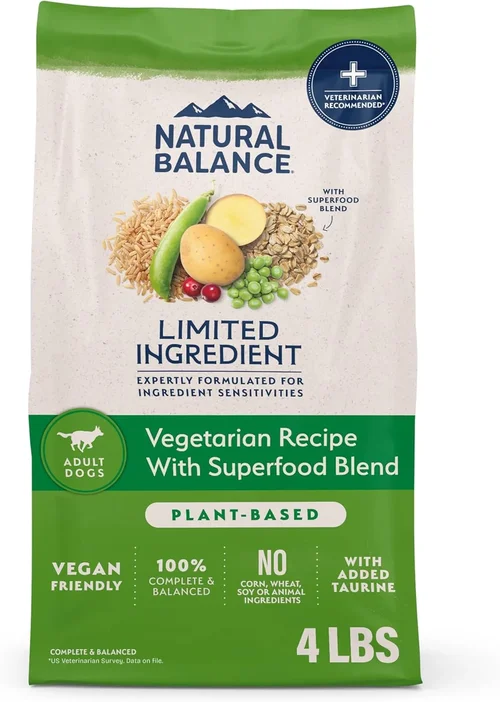
Why it’s bad: Many grain-free canned foods replace grains with high-starch ingredients like potatoes, peas, or lentils, which are still high in fermentable carbohydrates. These can feed yeast just as effectively as grains, undermining your efforts to control overgrowth.
What to do instead: Look beyond the “grain-free” label and check the full ingredient list and carbohydrate content. Choose foods that are not only grain-free but also low in total carbs and free from starchy vegetables.
❌ Mistake: Overlooking Hidden Sugars
Why it’s bad: Added sugars—even in small amounts—can fuel yeast growth and lead to recurring infections. Ingredients like molasses, honey, or corn syrup are sometimes used to improve taste but can sabotage a yeast-friendly diet.
What to do instead: Read the ingredient list carefully and avoid any product with added sweeteners. If your dog is picky, try warming the food or adding a small amount of unsalted bone broth to enhance palatability without sugar.
❌ Mistake: Choosing Based on Price Alone
Why it’s bad: While budget is important, the cheapest canned foods often contain fillers, by-products, and low-quality proteins that can worsen inflammation and yeast issues. Investing in a higher-quality food can reduce vet bills and improve your dog’s quality of life.
What to do instead: Focus on value, not just cost. A mid-range or premium food with clean ingredients may cost more per can but can lead to better health outcomes and fewer medical expenses over time.
❌ Mistake: Ignoring Protein Source and Quality
Why it’s bad: Low-quality or unnamed protein sources (like “meat meal” or “animal digest”) can be inconsistent, inflammatory, or even contaminated. They may also contain allergens that exacerbate skin and ear problems.
What to do instead: Choose foods with named, high-quality animal proteins as the first ingredient. If your dog has sensitivities, consider novel proteins like duck, rabbit, or venison.
❌ Mistake: Not Transitioning Gradually
Why it’s bad: Switching foods too quickly can cause digestive upset, including diarrhea or vomiting, which may be mistaken for a worsening of yeast symptoms. This can lead to unnecessary vet visits or abandonment of a potentially beneficial diet.
What to do instead: Transition over 7–10 days, gradually increasing the proportion of new food while decreasing the old. Monitor your dog’s stool, energy, and skin condition throughout the process.
❌ Mistake: Relying Solely on Diet Without Veterinary Input
Why it’s bad: While diet is a powerful tool, yeast overgrowth can be a symptom of underlying issues like hormonal imbalances, immune disorders, or chronic infections. Treating only the diet may not address the root cause.
What to do instead: Work with your veterinarian to rule out other conditions. Consider diagnostic tests like skin scrapings, blood work, or allergy testing if symptoms persist despite dietary changes.
❌ Mistake: Expecting Immediate Results
Why it’s bad: Dietary changes take time to impact yeast levels and inflammation. Some dogs may see improvement in days, but others may take weeks or even months, especially if the overgrowth is chronic.
What to do instead: Be patient and consistent. Keep a symptom journal to track progress, and consult your vet if there’s no improvement after 4–6 weeks on a yeast-friendly diet.
Budget Guidelines: How Much Should You Spend?
– Entry-Level ($1.50–$2.50 per can): These foods are often widely available at big-box stores and supermarkets. While some may be grain-free, they frequently contain fillers, by-products, and higher carbohydrate levels. Best for short-term use or dogs with mild, occasional yeast issues. Look for brands like Wellness Simple or Natural Balance LID if choosing this tier.
– Mid-Range ($2.50–$4.00 per can): This is the sweet spot for most dog owners dealing with yeast problems. These foods typically offer high-quality proteins, limited ingredients, and lower carbohydrate content. Brands like Instinct Limited Ingredient, Taste of the Wild Pacific Stream, and Nutro Limited Ingredient are solid options in this range.
– Premium ($4.00–$6.00 per can): Designed for dogs with chronic health issues, these foods often include novel proteins, added omega-3s, probiotics, and minimal processing. Brands like Zignature, Pure Vita, and Brothers Complete fall into this category. Ideal for dogs with persistent yeast infections or multiple sensitivities.
– Luxury ($6.00+ per can): These are top-tier, often veterinary or boutique brands with clinically tested formulas. They may include raw-coated kibble, fresh ingredients, or prescription-level formulations. Examples include Hill’s Prescription Diet, Royal Canin Veterinary Diet, and some small-batch raw-inspired canned foods. Best for severe or refractory cases under veterinary guidance.

Expert Tips for Getting the Best Deal
– Buy during seasonal sales: Pet food brands often run promotions in January (New Year’s resolutions), April (National Pet Month), and November (Black Friday). Stock up during these periods to save significantly.
– Compare online vs. in-store prices: Online retailers like Chewy, Amazon, and PetFlow often have lower prices and better selection than local stores. Use price comparison tools to find the best deal.
– Look for manufacturer rebates and coupons: Many brands offer mail-in rebates or digital coupons through their websites or apps. Sign up for newsletters to stay informed.
– Check return policies: If your dog doesn’t tolerate a new food, you’ll want to be able to return or exchange it. Most reputable online retailers offer 30-day return windows for unopened cans.
– Test with small quantities first: Before committing to a case, buy a single can or two to see if your dog likes it and tolerates it well. Some brands offer sample packs or trial sizes.
– Consider subscription discounts: Auto-ship programs often come with 5–15% off and free shipping. You can usually pause or cancel anytime.
– Read customer reviews with a critical eye: Look for patterns in reviews—multiple reports of digestive issues or palatability problems may indicate a formula isn’t right for yeast-prone dogs.
– Consult your vet for recommendations: Some veterinary clinics carry therapeutic diets at competitive prices, and your vet may have insights based on your dog’s specific needs.

Frequently Asked Questions
Q: Can canned dog food really help with yeast infections?
A: Yes—diet plays a crucial role in managing yeast overgrowth. By reducing carbohydrates and eliminating inflammatory ingredients, the right canned food can help starve yeast, reduce inflammation, and support gut health. However, diet should be part of a comprehensive plan that may include topical treatments, supplements, and veterinary care.
Q: How long does it take to see improvement on a yeast-friendly diet?
A: Most dogs show noticeable improvement within 2–4 weeks, especially in skin and ear symptoms. However, chronic cases may take 6–8 weeks or longer. Consistency is key—stick with the diet even if progress seems slow.
Q: Is it safe to feed a low-carb diet long-term?
A: Yes, as long as the food is nutritionally complete and balanced. Dogs are omnivores but thrive on diets high in animal protein and fat. Low-carb, high-protein canned foods are safe for long-term feeding when formulated to AAFCO standards.
Q: Can I mix canned food with dry kibble?
A: It’s possible, but not ideal for yeast management. Dry kibble is typically higher in carbohydrates due to the extrusion process. If you must mix, choose a low-carb kibble and limit the proportion to no more than 25% of the total diet.
Q: What if my dog refuses to eat the new food?
A: Transition slowly over 7–10 days. Warm the food slightly, add a small amount of unsalted bone broth, or mix in a teaspoon of plain canned pumpkin. Avoid using sugary treats as incentives.
Q: Are raw diets better for yeast problems?
A: Raw diets can be beneficial due to their low carbohydrate content and high bioavailability, but they come with risks like bacterial contamination and nutritional imbalances. If considering raw, consult a veterinary nutritionist and practice strict food safety.
Q: Should I give my dog probiotics in addition to canned food?
A: Yes, especially if the canned food doesn’t contain live cultures. High-quality probiotic supplements can help restore gut balance and outcompete yeast. Look for products specifically formulated for dogs with multiple strains and high CFU counts.
Q: Can yeast infections return even on a good diet?
A: Yes, if underlying triggers aren’t addressed. Stress, antibiotics, environmental allergens, or hormonal imbalances can all contribute to recurrence. Work with your vet to identify and manage these factors.
Q: Is it okay to rotate proteins?
A: Yes—rotating proteins every 3–6 months can help prevent new food sensitivities from developing. Just ensure each new food is also yeast-friendly and introduced gradually.
Q: What about supplements like apple cider vinegar or coconut oil?
A: While some owners report benefits, there’s limited scientific evidence. Apple cider vinegar may help balance skin pH, and coconut oil contains caprylic acid, which has antifungal properties. However, always consult your vet before adding supplements, especially in large amounts.
Our Final Recommendations
– Best for Budget-Conscious Buyers: Wellness Simple Limited Ingredient Diet – Offers clean ingredients, novel proteins, and low carbohydrates at an affordable price. Great for mild to moderate yeast issues.
– Best Overall Value: Instinct Limited Ingredient Diet Grain-Free – High in animal protein, low in carbs, and includes probiotics. Widely available and well-tolerated by most dogs.
– Best Premium Option: Zignature Kangaroo Formula – Novel protein, starch-free, and rich in omega-3s. Ideal for dogs with severe yeast overgrowth and multiple sensitivities.
– Best for Beginners: Taste of the Wild Pacific Stream – Salmon-based, grain-free, and palatable. Easy to find and transition to, with a good balance of nutrition and affordability.
– Best for Advanced Users: Brothers Complete Raw-Coated Canned Food – Minimally processed, high in fresh meat, and designed for optimal digestion. Best for owners willing to invest in top-tier nutrition.
Conclusion: Making the Right Choice
Choosing the best canned dog food for yeast problems isn’t just about picking a product off the shelf—it’s about understanding your dog’s unique needs and making informed, science-backed decisions. From low carbohydrate content and high-quality proteins to anti-inflammatory fats and gut-supporting ingredients, every aspect of the food matters when managing yeast overgrowth.
Remember, diet is one piece of the puzzle. Work closely with your veterinarian, monitor your dog’s response, and be patient. Improvement may take time, but with the right food and consistent care, you can significantly reduce yeast-related symptoms and improve your dog’s overall health and happiness.
Don’t let marketing claims or price tags guide your decision. Instead, prioritize transparency, ingredient quality, and nutritional science. Your dog deserves a diet that doesn’t just fill their bowl—but truly supports their well-being.
Take the first step today: review your current food’s ingredient list, calculate the carbohydrate content, and consider one of our recommended options. With the right knowledge and tools, you’re well on your way to helping your dog live a healthier, more comfortable life—free from the discomfort of chronic yeast infections.