
When your dog is diagnosed with colitis—a painful and often chronic inflammation of the colon—it can feel overwhelming. Suddenly, mealtime isn’t just about satisfying hunger; it becomes a delicate balancing act between nutrition, digestion, and comfort. Colitis in dogs often leads to frequent diarrhea, abdominal pain, gas, and even vomiting. In severe cases, dogs may lose weight or become lethargic due to poor nutrient absorption and discomfort. As a responsible pet parent, you want nothing more than to ease your dog’s suffering, and diet plays a pivotal role in managing this condition. That’s where choosing the right canned dog food becomes not just helpful—but essential.
This comprehensive buying guide is designed to cut through the noise and confusion surrounding dog food labels, marketing claims, and conflicting advice from well-meaning friends or online forums. Whether you’re dealing with acute flare-ups or long-term management of chronic colitis, the right canned food can significantly reduce symptoms, support gut healing, and improve your dog’s quality of life. We’ll walk you through everything you need to know—from understanding ingredient quality and digestibility to navigating price ranges and brand reliability—so you can make an informed decision with confidence. Our goal isn’t just to recommend products, but to empower you with the knowledge to evaluate any canned dog food on the market and determine whether it’s truly suitable for a sensitive digestive system.
The market for therapeutic and digestive-support dog foods has exploded in recent years, with dozens of brands now offering “sensitive stomach,” “limited ingredient,” or “veterinary” formulas. While this variety is beneficial, it also means more opportunities for misleading claims and subpar formulations. Some products tout “natural” ingredients but still include hard-to-digest fillers or artificial additives. Others are expensive without delivering real clinical benefits. This guide cuts through the marketing fluff and focuses on what truly matters: scientifically backed nutrition that supports intestinal health, minimizes irritation, and promotes consistent, healthy bowel movements. By the end, you’ll know exactly what to look for—and what to avoid—when shopping for the best canned food for dogs with colitis.
What to Look for When Buying Canned Dog Food for Dogs with Colitis
1. High Digestibility and Low Residue
One of the most critical factors when selecting canned food for a dog with colitis is digestibility. Dogs with colitis have inflamed colons that struggle to process complex or poorly digested foods. High-residue diets—those that leave behind undigested material in the gut—can worsen symptoms by increasing bulk and irritation in the colon. Look for formulas that emphasize highly digestible proteins and carbohydrates. Ingredients like hydrolyzed protein (where proteins are broken down into smaller molecules), cooked white rice, sweet potato, or pumpkin are excellent choices because they’re gentle on the digestive tract and easily absorbed.
Digestibility isn’t just about what’s listed on the label—it’s also about how the food is processed. Canned foods that use gentle cooking methods (like slow-cooking or low-temperature processing) tend to preserve nutrient integrity while enhancing digestibility. Avoid foods with excessive fiber from sources like beet pulp, cellulose, or whole grains, which can increase stool volume and irritate an already sensitive colon. A good rule of thumb: if your dog has colitis, aim for a food that produces smaller, firmer stools—this is a sign of improved digestion and reduced colonic workload.
2. Limited and Novel Protein Sources
Food sensitivities and allergies are common triggers for colitis in dogs. Even if your dog has eaten the same food for years without issue, chronic inflammation can lower the gut barrier, making it more reactive to previously tolerated ingredients. This is why many veterinarians recommend switching to a novel protein source—one your dog has never eaten before—such as duck, rabbit, venison, or kangaroo. Novel proteins reduce the likelihood of an immune response that could exacerbate inflammation.
Equally important is limiting the number of protein sources in the formula. Multi-protein blends (like “chicken and beef” or “salmon and lamb”) increase the risk of exposure to potential allergens. Single-protein recipes are ideal for dogs with colitis, especially during flare-ups or elimination diet trials. Additionally, avoid common allergens like chicken, beef, dairy, wheat, soy, and eggs unless your veterinarian confirms your dog tolerates them well. If you’re unsure, consider working with your vet to conduct a food trial using a hydrolyzed protein diet, which is scientifically designed to minimize allergic reactions.
3. Easily Digestible Carbohydrates
While dogs don’t require carbohydrates in their diet, they can be valuable energy sources—especially when they’re highly digestible and low in fermentable fibers. For dogs with colitis, the type of carb matters more than the amount. Simple, cooked starches like white rice, potato, or tapioca are preferred over whole grains, legumes, or high-fiber vegetables. These refined carbs are broken down quickly in the small intestine, leaving less residue to ferment in the colon—a process that can produce gas, bloating, and loose stools.
Avoid ingredients like peas, lentils, chickpeas, and corn, which are increasingly common in “grain-free” formulas but can be difficult for some dogs to digest and may contribute to gastrointestinal upset. Sweet potato is a better option due to its moderate fiber content and beta-carotene, but even then, it should be used in moderation. The ideal carbohydrate source for a dog with colitis is one that provides steady energy without overloading the digestive system. Always check the ingredient list: if complex carbs appear early in the list or are present in large quantities, the food may not be suitable during active colitis episodes.
4. Added Prebiotics and Probiotics
Gut health is central to managing colitis, and a balanced microbiome can significantly reduce inflammation and improve stool quality. Prebiotics (like fructooligosaccharides or FOS) feed beneficial bacteria, while probiotics (live cultures such as Lactobacillus or Bifidobacterium) help repopulate the gut with healthy microbes. Look for canned foods that include both, as they work synergistically to support a resilient intestinal environment.
However, not all probiotics are created equal. The strains should be well-researched and survive the canning process. Some brands use heat-stable strains or microencapsulation technology to protect the bacteria. Additionally, avoid products with excessive prebiotic fiber (like inulin or chicory root), which can ferment rapidly and cause gas or bloating in sensitive dogs. A moderate amount is beneficial, but too much can worsen symptoms. If your dog’s colitis is severe, your vet may recommend a separate probiotic supplement alongside their food—ask before combining products to avoid overloading the gut.
5. No Artificial Additives or Fillers
Artificial colors, flavors, preservatives, and chemical additives can irritate an already inflamed digestive tract. Ingredients like BHA, BHT, ethoxyquin, and artificial dyes (e.g., Red 40, Blue 2) have been linked to gastrointestinal sensitivity in some dogs. Even “natural” preservatives like mixed tocopherols (vitamin E) are generally safe, but it’s best to choose foods with minimal processing and clean ingredient lists.
Fillers such as corn gluten meal, soy protein concentrate, or meat by-products offer little nutritional value and can be hard to digest. While some by-products are acceptable (like liver or heart), vague terms like “meat meal” or “animal digest” should raise a red flag—they often indicate lower-quality, inconsistent sources. Stick to foods with named meat sources (e.g., “deboned duck” or “turkey liver”) and avoid anything with excessive ash, which can indicate mineral imbalances or poor-quality ingredients.
6. Moisture Content and Palatability
Canned dog food is naturally high in moisture—typically 70–80%—which is a major advantage for dogs with colitis. Dehydration can worsen digestive issues, and the extra water helps soften stool and support kidney function. This is especially important if your dog has been experiencing frequent diarrhea. Unlike dry kibble, canned food doesn’t require additional water intake to rehydrate, making it easier for dogs to stay properly hydrated during recovery.
Palatability is also key. Dogs with colitis may lose their appetite due to nausea or discomfort, so the food must be appealing enough to encourage eating. Look for recipes with rich, meat-based aromas and textures that mimic fresh food. Some dogs prefer pâté-style textures, while others do better with shreds or chunks in gravy. If your dog is particularly finicky, consider rotating between two or three trusted brands to maintain interest—just do so gradually to avoid upsetting their stomach further.
7. Veterinary or Therapeutic Formulation
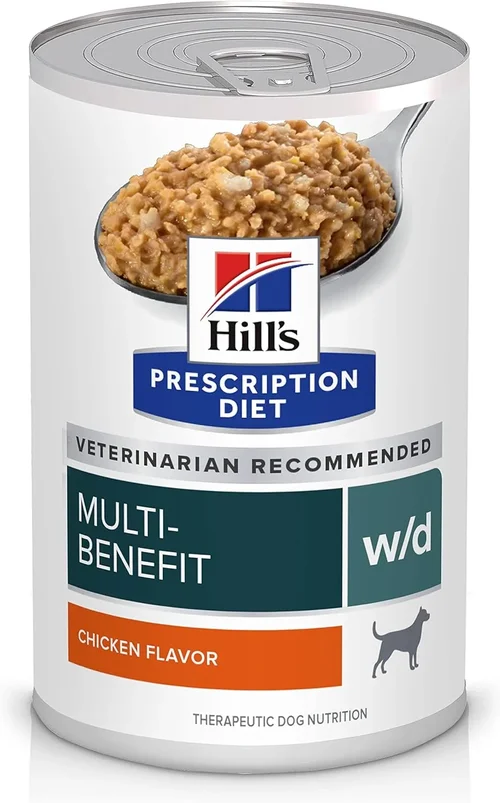
For dogs with moderate to severe colitis, a veterinary therapeutic diet may be the best option. These foods are formulated under strict nutritional guidelines and often require a prescription. Brands like Hill’s Prescription Diet, Royal Canin Veterinary Diet, and Purina Pro Plan Veterinary Diets offer canned formulas specifically designed for gastrointestinal health. These diets are scientifically tested for digestibility, nutrient balance, and clinical efficacy.
While prescription diets can be more expensive, they offer peace of mind knowing the formulation has been validated in real-world cases. They often include hydrolyzed proteins, highly refined carbs, and targeted levels of fat and fiber. That said, not all dogs need a prescription diet—mild cases may respond well to high-quality over-the-counter options. Always consult your veterinarian before switching to a therapeutic diet, especially if your dog has other health conditions like kidney disease or pancreatitis.
8. Brand Transparency and Quality Control
Not all dog food brands are equally committed to quality. Look for companies that provide detailed information about their sourcing, manufacturing processes, and testing protocols. Reputable brands will disclose where their ingredients come from, whether they conduct AAFCO feeding trials, and if they perform regular pathogen testing. Transparency builds trust—especially when your dog’s health is on the line.
Avoid brands that use vague language or make exaggerated claims like “100% natural” or “miracle cure.” These are often marketing tactics rather than indicators of quality. Instead, focus on brands with a history of producing consistent, science-backed products. Reading customer reviews can also provide insight into real-world performance—look for feedback from other pet parents whose dogs have digestive issues. If a brand has a high rate of recalls or negative reports about ingredient contamination, it’s best to steer clear.
Different Types of Canned Dog Food for Colitis

Common Buying Mistakes to Avoid
❌ Mistake: Choosing “Grain-Free” Without Considering Other Ingredients
Why it’s bad: Many pet parents assume “grain-free” automatically means better for digestion, but this isn’t always true. Grain-free formulas often replace grains with legumes like peas, lentils, or chickpeas—ingredients that can be harder to digest and may contribute to gas, bloating, and loose stools in dogs with colitis. Additionally, some grain-free diets have been linked to dilated cardiomyopathy (DCM) in certain breeds, though the exact cause is still under investigation.
What to do instead: Focus on overall ingredient quality and digestibility rather than the presence or absence of grains. Simple carbohydrates like white rice or potato are often better tolerated than complex legumes. If your dog does well on grains, there’s no need to eliminate them—especially if they help stabilize digestion.
❌ Mistake: Ignoring the Order of Ingredients
Why it’s bad: Dog food labels list ingredients by weight, so the first few items make up the majority of the product. If a food leads with “chicken meal” or “by-product meal” instead of a named meat source, it may contain lower-quality proteins. Similarly, if grains or fillers appear before meat, the food may be more plant-based than advertised—something that can be problematic for dogs with sensitive stomachs.
What to do instead: Always check the first three ingredients. Look for a named animal protein (e.g., “deboned turkey” or “salmon”) as the first ingredient, followed by digestible carbs and healthy fats. Avoid foods where grains, by-products, or unnamed meats dominate the top of the list.
❌ Mistake: Switching Foods Too Quickly
Why it’s bad: Sudden diet changes can trigger or worsen colitis symptoms. The gut microbiome needs time to adapt to new proteins, fats, and fibers. Switching from one brand to another overnight can lead to diarrhea, vomiting, or refusal to eat—especially in dogs already dealing with inflammation.
What to do instead: Transition gradually over 7–10 days. Start by mixing 25% new food with 75% old food, then increase the ratio every few days. Monitor your dog’s stool, energy, and appetite throughout the process. If symptoms worsen, slow the transition or consult your vet.
❌ Mistake: Overlooking Fat Content
Why it’s bad: High-fat diets can be difficult for dogs with colitis to digest, especially if they have concurrent conditions like pancreatitis. Excess fat can slow gastric emptying, increase bile production, and irritate the intestinal lining. Some dogs with colitis also develop fat malabsorption, leading to greasy, foul-smelling stools.
What to do instead: Choose canned foods with moderate fat levels (typically 8–12% on a dry matter basis). Look for healthy fat sources like chicken fat or fish oil, which provide omega-3 fatty acids that may help reduce inflammation. Avoid foods with excessive animal fat or unnamed fat sources.
❌ Mistake: Relying Solely on Marketing Claims
Why it’s bad: Terms like “natural,” “holistic,” or “premium” are not regulated by the FDA or AAFCO and can be used freely by any brand. A food labeled “for sensitive stomachs” might still contain common allergens or hard-to-digest ingredients. Similarly, “vet-recommended” doesn’t always mean “clinically proven.”
What to do instead: Read the ingredient list and guaranteed analysis instead of relying on front-label claims. Look for foods that meet AAFCO nutrient profiles and, if possible, have undergone feeding trials. When in doubt, ask your veterinarian for recommendations based on clinical evidence.
❌ Mistake: Not Consulting a Veterinarian
Why it’s bad: Colitis can be a symptom of underlying conditions like inflammatory bowel disease (IBD), parasites, bacterial overgrowth, or even cancer. Treating it with diet alone without a proper diagnosis may delay necessary medical intervention. Additionally, some dogs require medication (like antibiotics or anti-inflammatories) alongside dietary changes.
What to do instead: Always consult your vet before making significant dietary changes. They can perform tests (fecal exams, blood work, biopsies) to rule out other causes and recommend the most appropriate food and treatment plan. A vet can also help you determine whether a prescription diet is necessary.
❌ Mistake: Feeding Large Meals
Why it’s bad: Large meals can overwhelm a sensitive digestive system, leading to bloating, gas, and diarrhea. Dogs with colitis often have reduced colonic capacity and slower transit times, making it harder to process big portions.
What to do instead: Feed smaller, more frequent meals—three to four times a day instead of one or two. This reduces the workload on the gut and helps maintain consistent nutrient absorption. Use a measuring cup to ensure portion control, and avoid free-feeding.
Budget Guidelines: How Much Should You Spend?
When it comes to feeding a dog with colitis, cost is a real concern—especially if your dog requires long-term dietary management. However, spending more doesn’t always mean better results, and cheaper options aren’t necessarily ineffective. The key is finding the right balance between quality, digestibility, and affordability. Below is a breakdown of what you can expect at different price points.
Entry-Level ($1.25–$2.00 per can): At this price range, you’ll find many mainstream brands offering “sensitive stomach” or “limited ingredient” formulas. While some are decent, others may use lower-quality proteins or fillers. Look for options from reputable brands like Iams, Pedigree Pro Plan, or Purina ONE that offer simple recipes with named meats and digestible carbs. These can work well for mild colitis, especially if your dog doesn’t have known food allergies. However, avoid generics or store brands that list vague ingredients or high levels of by-products.
Mid-Range ($2.00–$3.00 per can): This is the sweet spot for most pet parents managing colitis. Brands like Wellness Simple, Natural Balance LID, and Blue Buffalo Basics offer high-quality, limited-ingredient canned foods with novel proteins and minimal additives. These formulas are often well-balanced, palatable, and designed specifically for digestive health. You’ll find better ingredient transparency, higher meat content, and added prebiotics or probiotics. For many dogs, these foods provide excellent symptom relief without the high cost of prescription diets.
Premium ($3.00–$4.50 per can): Premium canned foods, such as those from The Honest Kitchen, Open Farm, or Ziwi, use human-grade ingredients, novel proteins, and advanced processing techniques. These diets often include functional ingredients like bone broth, fermented foods, or organic vegetables. While not always necessary for colitis, they can be ideal for dogs with multiple sensitivities or those who thrive on biologically appropriate nutrition. The higher cost reflects better sourcing, smaller batch production, and enhanced palatability.
Luxury ($4.50+ per can): At the top end of the spectrum are veterinary therapeutic diets and ultra-premium brands like Royal Canin Veterinary Diet, Hill’s Prescription Diet, or Rayne Clinical Nutrition. These foods are formulated under strict scientific guidelines and often require a prescription. They’re ideal for dogs with severe, chronic colitis or those who haven’t responded to over-the-counter options. While expensive, they offer the highest level of clinical support and are often covered partially by pet insurance.
Expert Tips for Getting the Best Deal
- Buy during seasonal sales: Major retailers often run promotions around holidays like Black Friday, Memorial Day, or National Pet Day. Sign up for newsletters from brands like Hill’s, Royal Canin, or Purina to get early access to discounts on prescription diets.
- Use subscription services: Chewy, Amazon Subscribe & Save, and PetFlow offer 5–15% off recurring orders. This not only saves money but ensures you never run out of your dog’s essential food.
- Check for rebates and coupons: Many veterinary diets come with mail-in rebates or instant coupons through the manufacturer’s website. These can reduce the cost by $20–$50 per case.
- Compare prices across retailers: Prices can vary significantly between online stores, local pet shops, and veterinary clinics. Use price comparison tools or apps to find the best deal.
- Ask your vet about sample programs: Some brands provide free samples or trial sizes for new customers. This lets you test a food before committing to a full case.
- Consider store brands from reputable chains: Petco’s WholeHearted or Chewy’s Tylee’s offer high-quality, affordable options that often rival name brands in ingredient quality.
- Look for bundle deals: Some retailers offer discounts when you buy multiple cans or combine dry and wet food. This can be especially useful if your dog eats a mixed diet.
- Read return policies: If your dog doesn’t tolerate a food, you’ll want to return it. Choose retailers with flexible return windows—especially for opened cans.

Frequently Asked Questions
Q: Can I feed my dog with colitis regular canned food?
A: It depends on the severity of the colitis and your dog’s individual sensitivities. Mild cases may tolerate high-quality, limited-ingredient canned foods from reputable brands. However, if your dog has frequent flare-ups, vomiting, or weight loss, a therapeutic or hydrolyzed diet is usually recommended. Always consult your vet before making changes.
Q: How long does it take to see improvement after switching foods?
A: Most dogs show improvement within 3–7 days of starting a new diet, especially if the previous food was a trigger. However, full resolution of symptoms may take 2–4 weeks, particularly in chronic cases. Keep a symptom diary to track changes in stool quality, appetite, and energy levels.
Q: Should I add supplements to my dog’s canned food?
A: Probiotics, omega-3 fatty acids, and slippery elm bark can support gut health, but always consult your vet first. Some supplements may interact with medications or worsen symptoms if dosed incorrectly. Avoid giving multiple supplements at once—introduce one at a time to monitor effects.
Q: Can I mix canned food with dry kibble?
A: Yes, but do so gradually and in small amounts. Mixing can help with palatability and texture variety, but sudden changes in moisture or fiber content may upset a sensitive stomach. If your dog has severe colitis, stick to a consistent canned diet during flare-ups.
Q: What if my dog refuses to eat the new food?
A: Try warming the food slightly to enhance aroma, mixing in a small amount of low-sodium broth, or hand-feeding to encourage interest. If refusal persists for more than 24 hours, contact your vet—it could indicate pain, nausea, or an underlying issue.
Q: Are homemade diets better for colitis?
A: Homemade diets can be beneficial if properly balanced, but they require careful planning to avoid nutrient deficiencies. Work with a veterinary nutritionist to create a recipe that meets your dog’s needs. Improperly formulated homemade diets can worsen colitis or lead to long-term health problems.
Q: Can colitis be cured with diet alone?
A: In some cases, yes—especially if the colitis is diet-responsive. However, many dogs require a combination of dietary management, medication, and lifestyle changes. Chronic colitis often requires lifelong maintenance, but most dogs can live comfortably with the right approach.
Q: Is it safe to rotate between different canned foods?
A: Rotation can be helpful for preventing food sensitivities, but do it slowly—every 4–6 weeks—and only between similar formulas (e.g., duck-based LID foods). Avoid frequent or abrupt changes, which can trigger digestive upset.
Q: What should I do if my dog’s symptoms worsen?
A: Contact your veterinarian immediately. Worsening symptoms could indicate an infection, obstruction, or progression of disease. Do not wait—early intervention is key to preventing complications.
Q: Can puppies or senior dogs with colitis eat the same foods?
A: Puppies and seniors have different nutritional needs, so choose age-appropriate formulas. Puppies require higher protein and fat for growth, while seniors may need lower phosphorus and added joint support. Look for canned foods labeled for “all life stages” or consult your vet for tailored recommendations.
Our Final Recommendations
Best for Budget-Conscious Buyers: Purina Pro Plan Sensitive Skin & Stomach (Salmon & Rice) – This affordable option offers a single novel protein, easily digestible rice, and added probiotics. It’s widely available and well-tolerated by many dogs with mild colitis.
Best Overall Value: Wellness Simple Limited Ingredient Diet (Turkey & Potato) – With a clean ingredient list, high digestibility, and added prebiotics, this formula strikes an excellent balance between quality and cost. It’s ideal for long-term management of colitis.
Best Premium Option: Royal Canin Veterinary Diet Gastrointestinal Low Fat Canned – A clinically proven therapeutic diet that’s highly digestible, low in fat, and formulated for dogs with chronic gastrointestinal issues. Requires a prescription but offers unmatched support for severe colitis.
Best for Beginners: Blue Buffalo Basics Limited Ingredient Diet (Turkey & Potato) – Easy to find, affordable, and made with simple ingredients. Great for pet parents new to managing colitis who want a reliable, vet-trusted brand.
Best for Advanced Users: The Honest Kitchen Human-Grade Dehydrated Food (Rehydrated as Canned) – While not traditional canned food, rehydrating this human-grade mix creates a fresh, minimally processed meal with novel proteins and no fillers. Ideal for owners willing to invest time and money in top-tier nutrition.
Conclusion: Making the Right Choice
Choosing the best canned food for a dog with colitis is one of the most impactful decisions you can make for their health and comfort. While the process may seem daunting at first, understanding key factors like digestibility, protein sources, and ingredient quality empowers you to make confident, informed choices. Remember, every dog is different—what works for one may not work for another. Patience, observation, and collaboration with your veterinarian are essential.
Start by eliminating common triggers, selecting a high-quality, limited-ingredient formula, and monitoring your dog’s response closely. Don’t be afraid to try different brands or textures until you find the perfect match. And above all, prioritize your dog’s well-being over marketing claims or price tags. With the right nutrition, most dogs with colitis can enjoy improved digestion, fewer symptoms, and a happier, more comfortable life.
We hope this guide has equipped you with the knowledge and tools to navigate the complex world of canine digestive health. Your dog deserves the best—and now, you know how to give it to them.