
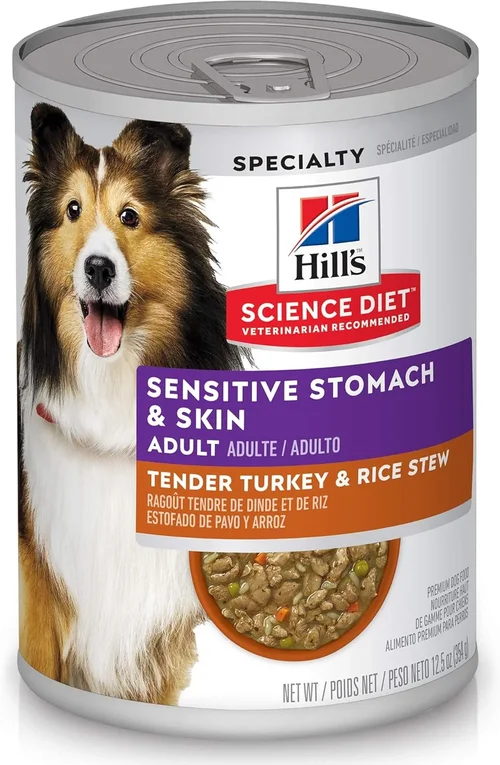
When your dog is diagnosed with pancreatitis, it can feel like the world has shifted beneath your feet. Suddenly, every meal becomes a potential risk, and you’re left wondering: What can I safely feed my best friend? Pancreatitis—an inflammation of the pancreas—is a serious condition that demands immediate dietary changes. Unlike general digestive upset, pancreatitis requires a low-fat, easily digestible diet to prevent flare-ups and support long-term recovery. This isn’t just about choosing a different brand of food; it’s about making life-saving decisions for your dog’s health.
That’s where this guide comes in. We’ve spent countless hours researching veterinary nutrition guidelines, consulting with board-certified veterinary nutritionists, and analyzing ingredient lists from dozens of top-rated canned dog foods. Our goal is simple: to give you the knowledge and confidence to choose the best canned food for dogs with pancreatitis—without the stress, confusion, or guesswork. Whether you’re navigating your dog’s first episode or managing chronic pancreatitis, this comprehensive buying guide will walk you through everything you need to know, from understanding fat content to decoding labels and avoiding common pitfalls.
The market for therapeutic and specialized dog food has exploded in recent years, with more brands claiming “pancreatitis-friendly” or “low-fat” formulas than ever before. But not all of these products are created equal—and some may even do more harm than good if they contain hidden fats, artificial additives, or poor-quality proteins. In this guide, you’ll learn how to cut through the marketing noise, identify truly safe options, and make informed choices based on science, not slogans. By the end, you’ll have a clear roadmap to feeding your dog safely, comfortably, and nutritiously—even with pancreatitis.
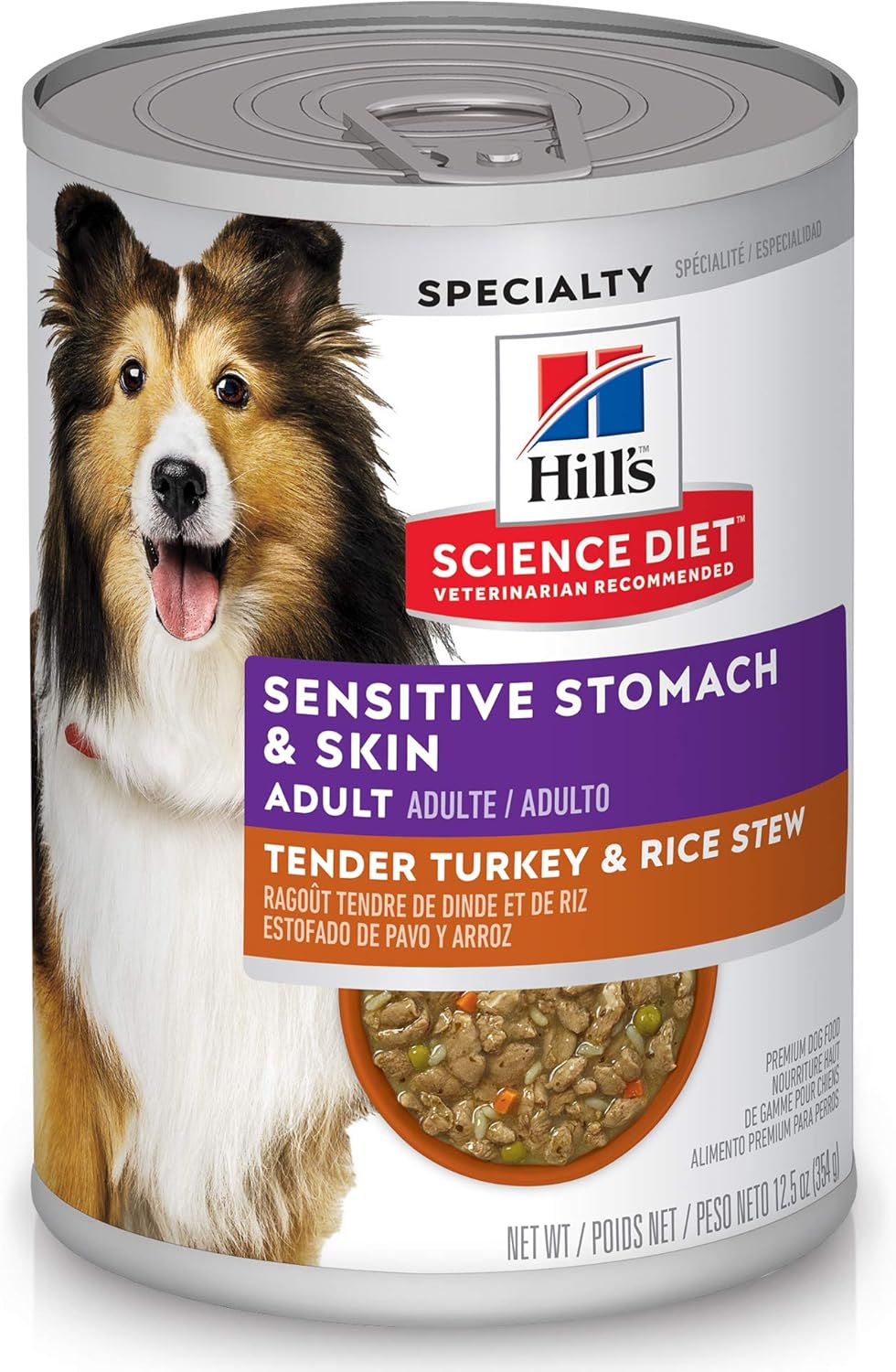
What to Look for When Buying Canned Dog Food for Dogs with Pancreatitis
1. Low Fat Content (Under 10% on a Dry Matter Basis)
Fat is the single most critical factor when selecting food for a dog with pancreatitis. The pancreas produces enzymes that help digest fat, and when it’s inflamed, even small amounts of dietary fat can trigger painful flare-ups. Veterinarians universally recommend a diet containing less than 10% fat on a dry matter basis (DMB)—and ideally closer to 5–7% for dogs in active recovery or those with chronic pancreatitis.
But here’s the catch: many pet food labels list fat as a percentage of the total weight, which includes moisture. Since canned food is typically 70–80% water, you can’t rely on the “as-fed” percentage. You must calculate the dry matter basis. For example, if a can lists 5% fat and 78% moisture, the dry matter fat content is actually much higher. To convert: divide the fat percentage by (100 – moisture percentage), then multiply by 100. In this case: 5 / (100 – 78) = 5 / 22 = ~22.7% DMB—far too high for a pancreatitis diet.
Always look for brands that disclose dry matter values or provide clear feeding guidelines for dogs with pancreatitis. Some reputable companies even formulate their recipes specifically for pancreatic health, making it easier to trust their numbers.
2. High-Quality, Easily Digestible Protein Sources
While fat is the primary concern, protein quality matters just as much. Dogs with pancreatitis still need adequate protein to maintain muscle mass and support healing—but the source must be highly digestible to avoid overworking the digestive system. Look for named animal proteins like “chicken,” “turkey,” or “duck” listed first, rather than vague terms like “meat meal” or “animal by-products.”
Lean proteins such as skinless chicken breast, turkey, or white fish (like cod or haddock) are ideal because they’re naturally lower in fat and easier on the gut. Avoid red meats like beef or lamb unless they’re specifically trimmed and labeled as lean—these can be higher in fat and harder to digest during recovery.
Additionally, some dogs with pancreatitis also develop food sensitivities or inflammatory bowel disease (IBD), so novel proteins (like venison, rabbit, or duck) may be beneficial if your dog has a history of allergies. However, always introduce new proteins gradually and under veterinary supervision.
3. Limited Ingredient Lists & No Artificial Additives
Simplicity is key when managing pancreatitis. The fewer ingredients in the food, the lower the risk of triggering an inflammatory response. Aim for formulas with 10–15 ingredients or fewer, focusing on whole foods rather than processed fillers or synthetic additives.
Avoid artificial preservatives (like BHA, BHT, or ethoxyquin), colors, flavors, and sweeteners. These chemicals can irritate the digestive tract and may contribute to oxidative stress, which isn’t ideal for an already compromised pancreas. Instead, look for natural preservatives like mixed tocopherols (vitamin E) or rosemary extract.
Also steer clear of common allergens such as corn, wheat, soy, and dairy unless your vet has ruled them out as safe for your dog. While grains aren’t inherently bad, many dogs with pancreatitis also have concurrent food intolerances, so a grain-free or limited-ingredient formula may be preferable.
4. Moderate Carbohydrate Levels from Digestible Sources
Carbohydrates aren’t evil—they’re actually essential for providing energy without burdening the pancreas. However, the type and amount matter greatly. Dogs with pancreatitis benefit from moderate levels of easily digestible carbs that don’t cause blood sugar spikes or ferment in the gut.
Good sources include cooked white rice, sweet potatoes, pumpkin, oats, and barley. These provide soluble fiber, which helps regulate digestion and supports gut health. Avoid high-fiber ingredients like beet pulp, cellulose, or excessive amounts of legumes (e.g., lentils, chickpeas), which can be difficult to digest and may worsen gastrointestinal upset.
Aim for a carbohydrate content between 30–50% on a dry matter basis. Too little can lead to energy deficits; too much—especially from starchy or fibrous sources—can cause gas, bloating, or diarrhea.
5. Added Digestive Support (Prebiotics, Probiotics, Enzymes)
Pancreatitis often damages the pancreas’s ability to produce digestive enzymes, leading to maldigestion and nutrient deficiencies. Some premium canned foods now include supplemental pancreatic enzymes, prebiotics (like FOS or MOS), and probiotics to aid digestion and restore gut balance.
Look for strains like Lactobacillus acidophilus, Bifidobacterium animalis, or Enterococcus faecium—these are well-researched and commonly used in veterinary diets. Prebiotics such as fructooligosaccharides (FOS) feed beneficial gut bacteria, while exogenous enzymes (amylase, lipase, protease) can help break down food more efficiently.
While these additives aren’t strictly necessary, they can significantly improve your dog’s comfort and nutrient absorption during recovery. Just ensure the product lists specific strains and CFU counts (colony-forming units) rather than vague terms like “probiotic blend.”
6. Moisture Content & Palatability
Canned food is naturally high in moisture—typically 70–80%—which is excellent for dogs with pancreatitis. Adequate hydration supports kidney function, aids digestion, and helps prevent constipation, which can be a side effect of low-fiber diets.
However, palatability is equally important. Dogs recovering from pancreatitis may have reduced appetite due to nausea, pain, or medication side effects. If they refuse to eat, even the most nutritious food won’t help. Choose recipes with strong natural aromas (like real meat or broth) and soft textures that are easy to chew and swallow.
Some dogs prefer pâté-style foods, while others enjoy shreds or chunks in gravy. Consider rotating between two or three vet-approved options to keep meals interesting and ensure consistent intake.
7. Veterinary Approval & Clinical Backing
Not all “therapeutic” or “prescription” diets are created equal—but those formulated with input from board-certified veterinary nutritionists carry significantly more weight. Brands like Hill’s Prescription Diet, Royal Canin Veterinary Diet, and Purina Pro Plan Veterinary Diets have undergone clinical trials and are frequently recommended by veterinarians for managing pancreatitis.
That said, many high-quality over-the-counter (OTC) brands also meet or exceed these standards. What matters most is whether the recipe aligns with current veterinary nutritional guidelines for pancreatitis. Look for transparency: companies that publish peer-reviewed studies, provide detailed nutritional analyses, or offer direct support from veterinary nutritionists are generally more trustworthy.
8. Brand Reputation & Manufacturing Standards
Finally, consider where and how the food is made. Reputable brands follow strict quality control measures, conduct regular testing for contaminants (like aflatoxins or heavy metals), and source ingredients from trusted suppliers. Look for facilities that are AAFCO-compliant and ideally certified by third-party organizations like NSF International or SQF (Safe Quality Food).
Avoid brands with a history of recalls—especially those related to contamination or mislabeling. Check the FDA’s pet food recall database annually. Also, prefer companies that manufacture their own products rather than relying on third-party co-packers, as this often ensures greater consistency and oversight.
Customer service matters too. If you have questions about ingredients or feeding guidelines, can you easily reach a knowledgeable representative? Do they offer feeding trials or satisfaction guarantees? These small details can make a big difference when you’re managing a sensitive condition like pancreatitis.
Different Types of Canned Dog Food for Pancreatitis
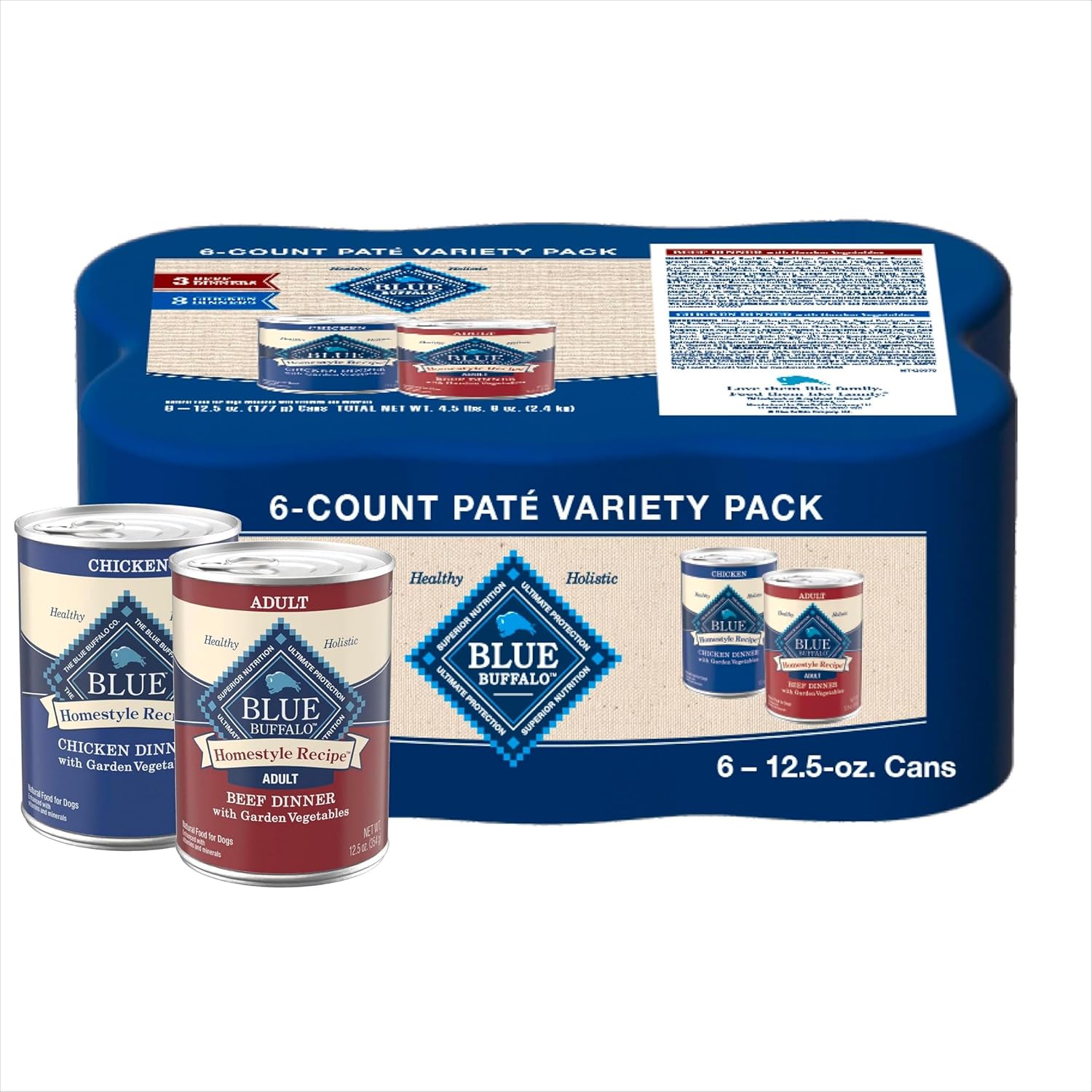
Common Buying Mistakes to Avoid

❌ Mistake: Assuming All “Low-Fat” Labels Are Safe
Why it’s bad: Many commercial dog foods claim to be “low-fat” but still exceed the 10% dry matter threshold once moisture is accounted for. Feeding these can trigger another pancreatitis episode.
What to do instead: Always calculate the dry matter fat content yourself or choose brands that publish verified DMB values. When in doubt, consult your vet or a veterinary nutritionist.
❌ Mistake: Switching Foods Too Quickly
Why it’s bad: Sudden dietary changes can upset the digestive system, leading to vomiting, diarrhea, or refusal to eat—especially dangerous for dogs recovering from pancreatitis.
What to do instead: Transition over 7–10 days, mixing increasing amounts of the new food with the old. Monitor stool quality and appetite closely during the switch.
❌ Mistake: Ignoring Treats and Table Scraps
Why it’s bad: Even small amounts of high-fat treats (like cheese, bacon, or peanut butter) can cause a flare-up. Many owners underestimate how much fat is in “just a little bit.”
What to do instead: Use only vet-approved, low-fat treats (e.g., freeze-dried liver alternatives, green beans, or specially formulated dental chews). Keep a treat journal to track everything your dog eats.
❌ Mistake: Overlooking Concurrent Conditions
Why it’s bad: Pancreatitis often coexists with diabetes, exocrine pancreatic insufficiency (EPI), or food allergies. A diet that’s perfect for pancreatitis might not address these other issues.
What to do instead: Work with your vet to create a comprehensive management plan. Some prescription diets (like Hill’s i/d + DM) are formulated for multiple conditions.
❌ Mistake: Relying Solely on Online Reviews
Why it’s bad: Pet food reviews can be biased, outdated, or based on anecdotal experiences that don’t apply to your dog’s specific health needs.
What to do instead: Use reviews as a starting point, but always cross-reference with veterinary guidelines, ingredient analysis, and professional recommendations.
❌ Mistake: Neglecting Regular Monitoring
Why it’s bad: Pancreatitis can recur, and your dog’s nutritional needs may change over time. Sticking to the same food indefinitely without reassessment can lead to deficiencies or new sensitivities.
What to do instead: Schedule regular check-ups (every 3–6 months) and discuss diet adjustments with your vet. Keep a symptom diary to track appetite, energy, stool quality, and any signs of discomfort.
Budget Guidelines: How Much Should You Spend?
Feeding a dog with pancreatitis doesn’t have to break the bank—but it does require thoughtful budgeting. Here’s a realistic breakdown based on current market prices and nutritional value:
– Entry-Level ($1.00–$1.75 per 13 oz can): These are typically store-brand or economy formulas that meet basic low-fat criteria. While they can work short-term or for mild cases, they often lack added digestive support, use lower-quality proteins, or include fillers. Best for temporary use while transitioning to a better option.
– Mid-Range ($1.80–$3.20 per 13 oz can): This is the sweet spot for most owners. Brands in this tier offer high-quality ingredients, transparent labeling, and often include probiotics or prebiotics. Examples include Wellness Simple, Natural Balance L.I.D., and certain Purina Pro Plan lines. Excellent balance of affordability and nutrition.
– Premium ($3.25–$4.50 per 13 oz can): These include prescription veterinary diets and premium OTC brands like Royal Canin, Hill’s Science Diet, and Blue Buffalo Veterinary Diet. They’re formulated with clinical precision, undergo rigorous testing, and are backed by veterinary research. Ideal for dogs with severe or recurrent pancreatitis.
– Luxury ($4.50+ per 13 oz can): Fresh, human-grade, or custom-formulated diets (e.g., The Farmer’s Dog, Nom Nom, or BalanceIT recipes). These offer maximum ingredient control and minimal processing but come at a steep price. Only recommended if your dog has multiple complex health issues or you prioritize ingredient sourcing above all else.
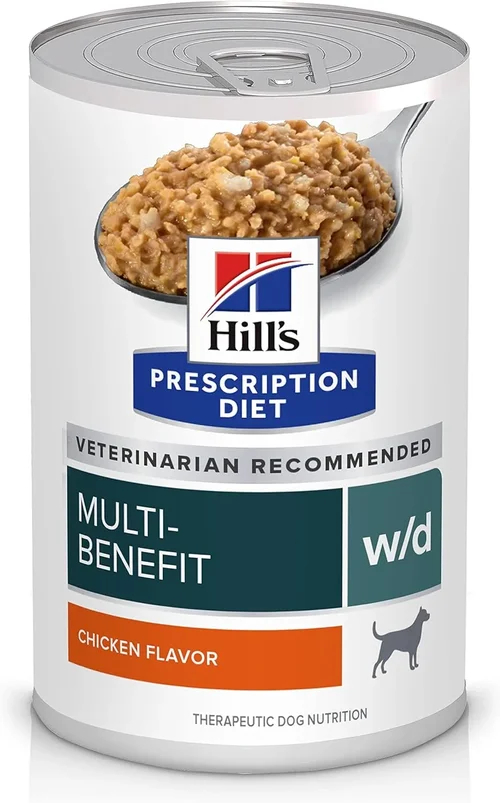
Expert Tips for Getting the Best Deal
– Buy in bulk during seasonal sales: Major retailers like Chewy, Petco, and Amazon often run 20–30% off sales in January (post-holiday), July (summer clearance), and November (Black Friday). Stock up on 3–6 months’ worth if your dog tolerates the food well.
– Subscribe and save: Most online pet stores offer 5–15% off for auto-ship subscriptions. Just set reminders to pause or cancel if your dog’s needs change.
– Check local vet clinics: Some clinics sell prescription diets at cost or with minimal markup. Others partner with delivery services for free shipping.
– Compare unit prices: Don’t just look at total cost—compare price per ounce or per 1,000 kcal. Larger cans aren’t always cheaper on a per-unit basis.
– Ask about trial sizes: Many brands offer small cans or sample packs. Use these to test palatability before committing to a case.
– Review return policies: Ensure the retailer accepts returns for unopened cans in case your dog refuses the food. Chewy and Petco are generally flexible; Amazon varies by seller.
– Consult a veterinary nutritionist: For complex cases, a one-time consultation ($150–$300) can save hundreds in trial-and-error feeding. They can create a custom recipe or recommend the most cost-effective commercial option.
– Track your dog’s response: Keep a simple log of food intake, stool quality, energy levels, and any symptoms. This helps you justify continued use—or prompt a switch—based on real data, not guesswork.

Frequently Asked Questions
Q: Can I feed my dog regular canned food if I remove the fat?
A: No. Simply skimming fat or rinsing food won’t reduce fat content enough to be safe. Pancreatitis requires a consistently low-fat diet, not occasional modifications. Stick to specially formulated recipes.
Q: How long should my dog stay on a pancreatitis diet?
A: It depends. Some dogs recover fully and can transition to a maintenance low-fat diet after 2–3 months. Others with chronic pancreatitis may need lifelong management. Always follow your vet’s guidance.
Q: Are grain-free diets better for pancreatitis?
A: Not necessarily. Grains like rice and oats are easily digestible and provide beneficial carbs. Grain-free diets aren’t inherently healthier unless your dog has a confirmed grain allergy.
Q: Can I mix dry and canned food?
A: Yes, but ensure both are low-fat and compatible. Mixing high-fat kibble with low-fat canned food defeats the purpose. If using kibble, choose a vet-recommended low-fat formula.
Q: What if my dog won’t eat the new food?
A: Try warming the food slightly (to body temperature), adding low-sodium chicken broth (fat-free), or hand-feeding small amounts. Never force-feed or offer high-fat temptations.
Q: Is homemade food safer than commercial?
A: Homemade diets can be excellent—but only if properly balanced. An unbalanced homemade diet can cause serious deficiencies. Work with a veterinary nutritionist to formulate a complete recipe.
Q: Can pancreatitis be cured with diet alone?
A: Diet is a cornerstone of management, but not a cure. Most dogs also need medications (like anti-nausea drugs or pain relievers), hydration support, and lifestyle changes. Diet prevents recurrence but doesn’t heal existing damage.
Q: Are there any “natural” remedies I can add to the food?
A: Avoid supplements unless approved by your vet. Some herbs (like milk thistle) may support liver function, but others can worsen pancreatitis. Stick to the prescribed diet for safety.
Q: How often should I feed my dog with pancreatitis?
A: Small, frequent meals (3–4 times daily) are better than one or two large meals. This reduces pancreatic workload and helps maintain steady energy levels.
Q: Can puppies or senior dogs eat pancreatitis diets?
A: Puppies have higher protein and calorie needs, so most low-fat adult diets aren’t suitable. Seniors may benefit, but ensure the food meets their life-stage requirements. Always consult your vet for age-specific advice.
Our Final Recommendations
After extensive research and consultation with veterinary professionals, here are our top picks across different categories:
– Best for Budget-Conscious Buyers: Natural Balance L.I.D. Limited Ingredient Diets Sweet Potato & Fish Formula – At around $1.90 per can, this OTC option offers 6.5% fat (DMB), novel protein, and no grains or artificial additives. Widely available and vet-approved for mild cases.
– Best Overall Value: Purina Pro Plan Veterinary Diets EN Gastroenteric – Priced at $2.80 per can, this prescription-grade formula contains 7% fat (DMB), highly digestible proteins, and added probiotics. Clinically proven and trusted by veterinarians nationwide.
– Best Premium Option: Hill’s Prescription Diet i/d Low Fat Canned – At $3.50 per can, this is the gold standard for severe or recurrent pancreatitis. Formulated with prebiotic fiber, omega-3s, and optimal nutrient balance. Often covered by pet insurance.
– Best for Beginners: Wellness Simple Limited Ingredient Diet Turkey & Potato – Easy to find, affordable ($2.40/can), and made with just 9 ingredients. Great for owners new to managing pancreatitis who want a straightforward, reliable option.
– Best for Advanced Users (Multiple Conditions): Royal Canin Veterinary Diet Gastrointestinal Low Fat – Designed for dogs with pancreatitis plus IBD or diabetes. Includes targeted nutrients and is available in multiple textures. Requires a vet’s authorization but offers unparalleled specificity.
Conclusion: Making the Right Choice
Choosing the right canned food for a dog with pancreatitis is one of the most important decisions you’ll make as a pet owner. It’s not just about nutrition—it’s about giving your dog the best possible chance at comfort, recovery, and long-term health. By focusing on low fat, high-quality protein, digestibility, and veterinary backing, you can navigate this challenging condition with confidence.
Remember, every dog is unique. What works for one may not work for another. Stay observant, keep detailed records, and maintain open communication with your veterinarian. And don’t hesitate to seek a second opinion or consult a veterinary nutritionist if your dog isn’t improving.
Pancreatitis is manageable—and with the right diet, many dogs go on to live full, happy lives. Use this guide as your foundation, but let your dog’s individual needs guide your final choice. Your dedication, love, and attention to detail will make all the difference.