

As our beloved canine companions age, their nutritional needs evolve in ways that require thoughtful attention and proactive care. Just like humans, senior dogs experience changes in metabolism, digestion, joint health, and energy levels—often beginning as early as age seven for larger breeds or ten for smaller ones. These shifts mean that the high-protein, calorie-dense diets ideal for puppies or active adults may no longer be suitable. Instead, older dogs benefit from food that supports joint function, maintains lean muscle mass, promotes healthy digestion, and helps manage weight—all while remaining palatable enough to encourage consistent eating. This is where high-quality canned dog food becomes a game-changer.
Canned food offers several advantages for senior dogs: its high moisture content aids hydration (especially important for dogs with kidney concerns), its soft texture is easier on aging teeth and gums, and its rich aroma can entice picky eaters who may be losing their appetite due to age-related changes in smell or taste. With the pet food market flooded with options—ranging from budget-friendly store brands to premium veterinary-formulated recipes—it’s easy for pet parents to feel overwhelmed. That’s why this comprehensive buying guide exists: to cut through the noise, decode ingredient labels, and help you make an informed decision based on your dog’s unique health profile, lifestyle, and dietary needs.
In this expert-level guide, you’ll learn exactly what to look for when selecting the best canned food for your older dog. We’ll break down the most critical nutritional factors—from protein sources and fiber content to joint-supporting supplements and sodium levels—and explain why each matters for senior health. You’ll also discover how different formulations (like grain-free, limited-ingredient, or prescription diets) compare, avoid common pitfalls that could compromise your dog’s well-being, and get actionable tips for maximizing value without sacrificing quality. Whether you’re feeding a sprightly 8-year-old Labrador or a gentle 14-year-old Chihuahua, this guide will empower you to choose a diet that supports longevity, vitality, and comfort in your dog’s golden years.
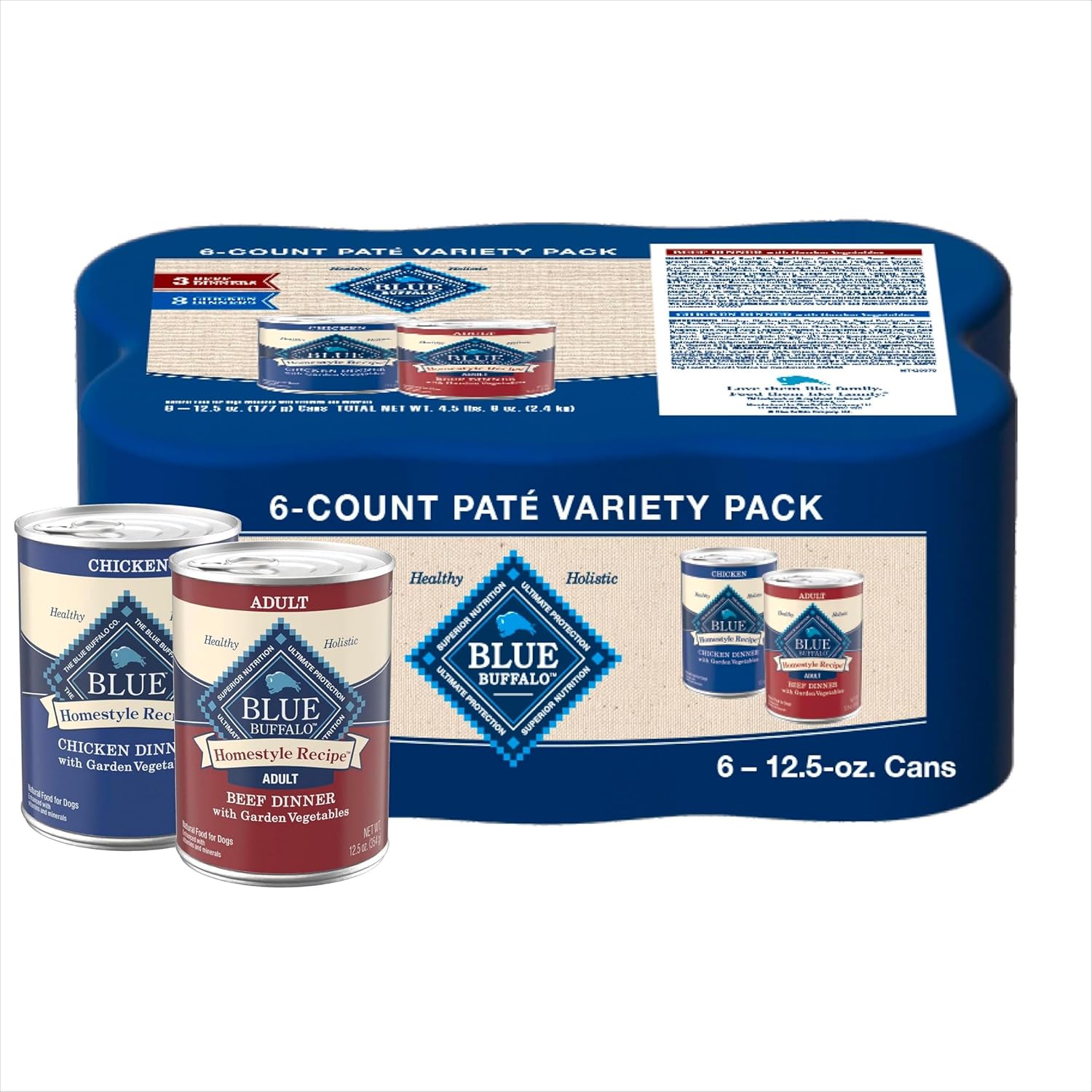
What to Look for When Buying Canned Food for Older Dogs
1. High-Quality Animal Protein as the First Ingredient
As dogs age, maintaining muscle mass becomes increasingly important. Sarcopenia—the natural loss of muscle tissue associated with aging—can lead to weakness, reduced mobility, and a lower quality of life. To combat this, senior dogs need easily digestible, high-biological-value animal protein. Look for named meat sources like “chicken,” “turkey,” “beef,” or “salmon” listed as the first ingredient. Avoid vague terms like “meat meal” or “animal by-products,” which offer inconsistent nutritional value and may contain parts less beneficial for senior dogs.
Ideal protein levels for senior dogs typically range between 20% and 28% on a dry matter basis (DMB). This ensures adequate amino acid intake without overburdening the kidneys—a common concern in older dogs. For example, a can listing “deboned chicken” or “wild-caught salmon” as the primary ingredient is far superior to one starting with corn or wheat gluten. Remember: protein quality matters more than quantity. A small amount of real meat beats a large amount of filler every time.
2. Moderate Fat Content for Energy Without Weight Gain
Older dogs tend to be less active, which means they burn fewer calories. However, they still need dietary fat for energy, hormone production, and nutrient absorption—especially fat-soluble vitamins like A, D, E, and K. The key is balance: too little fat leads to lethargy and dry skin; too much contributes to obesity, which exacerbates joint pain and increases the risk of diabetes and heart disease.
For most senior dogs, fat content should fall between 10% and 15% on a dry matter basis. Look for healthy fat sources such as chicken fat, salmon oil, or flaxseed oil—these provide omega-3 and omega-6 fatty acids that support skin, coat, and cognitive function. Avoid foods with excessive plant-based oils like corn or soybean oil, which are cheaper but less biologically appropriate for dogs. If your dog is overweight, opt for a “light” or “weight management” formula with slightly lower fat and added L-carnitine, an amino acid that helps metabolize fat.
3. Joint-Supportive Supplements: Glucosamine, Chondroitin, and Omega-3s
Arthritis and joint stiffness are among the most common ailments in senior dogs. Fortunately, certain nutrients can help slow cartilage degradation and reduce inflammation. Glucosamine and chondroitin sulfate are naturally occurring compounds that support cartilage health and are often added to senior-specific formulas. While they won’t reverse advanced arthritis, they may improve mobility and comfort over time when included consistently in the diet.
Even more powerful are omega-3 fatty acids—particularly EPA and DHA—found in fish oil. These have been clinically shown to reduce joint inflammation and may even enhance brain function in aging dogs. Look for cans that list “fish oil” or “salmon oil” among the top five ingredients. Some premium brands also include green-lipped mussel powder, a natural source of glycosaminoglycans that support connective tissue. If your dog has been diagnosed with osteoarthritis, consult your vet about combining diet with supplements or medications for maximum benefit.
4. Digestive Health: Prebiotics, Probiotics, and Fiber
Aging often brings changes to gut motility and microbiome balance, leading to issues like constipation, gas, or loose stools. Canned food’s high moisture content naturally supports digestion, but the right fiber and microbial support can make a big difference. Soluble fiber (like pumpkin, sweet potato, or beet pulp) helps regulate bowel movements, while insoluble fiber (such as cellulose) adds bulk without excess calories.
Prebiotics—like fructooligosaccharides (FOS) or mannan-oligosaccharides (MOS)—feed beneficial gut bacteria, promoting a healthy intestinal environment. Probiotics (live cultures such as Lactobacillus or Bifidobacterium) can further enhance digestion and immune function, though their viability in canned food is sometimes questioned due to processing heat. Still, many reputable brands use stabilized strains designed to survive manufacturing. If your senior dog has a sensitive stomach or chronic digestive issues, consider a limited-ingredient or novel protein formula to minimize allergens.
5. Low to Moderate Sodium Levels
Kidney disease is prevalent in older dogs, and excessive sodium can strain already compromised kidneys. While dogs do need some sodium for nerve and muscle function, senior diets should avoid high-salt formulations—especially those targeting “flavor enhancement” or using broth with added salt. The Association of American Feed Control Officials (AAFCO) doesn’t set strict sodium limits for senior dogs, but veterinary nutritionists generally recommend keeping sodium below 0.3% on a dry matter basis for dogs with kidney concerns.
Check the guaranteed analysis on the label: if sodium isn’t listed, contact the manufacturer. Avoid foods with added salt (sodium chloride) near the top of the ingredient list. Instead, look for natural flavor enhancers like bone broth (low-sodium versions), herbs, or yeast extract. If your dog has been diagnosed with early-stage kidney disease, your vet may recommend a prescription renal diet, but many over-the-counter senior formulas now offer kidney-friendly profiles with controlled phosphorus and sodium.
6. Palatability and Texture for Appetite Stimulation
Loss of appetite is a serious concern in senior dogs and can lead to muscle wasting, immune suppression, and accelerated decline. Canned food’s strong aroma and soft texture make it inherently more appealing than dry kibble—especially for dogs with dental pain, missing teeth, or reduced olfactory function. However, not all canned foods are equally palatable. Some use artificial flavors or excessive gravy to mask low-quality ingredients, which may backfire if your dog detects the difference.
When evaluating palatability, consider your dog’s preferences: some prefer pâté, others enjoy chunks in gravy or shredded textures. Rotate between a few trusted brands to see what your dog consistently eats with enthusiasm. Avoid foods with artificial colors, flavors, or preservatives like BHA, BHT, or ethoxyquin—these offer no nutritional benefit and may deter sensitive eaters. If your dog is particularly finicky, warming the food slightly (to room temperature or slightly above) can enhance aroma and encourage eating.
7. Appropriate Calorie Density for Activity Level
Senior dogs require fewer calories than their younger counterparts—typically 20% to 40% less, depending on breed, size, and activity level. Overfeeding is a leading cause of obesity in older dogs, which in turn increases the risk of diabetes, heart disease, and joint stress. Yet underfeeding can lead to malnutrition and muscle loss. The solution lies in choosing a canned food with appropriate calorie density and adjusting portion sizes accordingly.
Most senior canned foods contain between 300 and 450 kcal per 13-ounce can. Smaller breeds may need only half a can per day, while large breeds might require one to two full cans. Always refer to the feeding guidelines on the label as a starting point, then monitor your dog’s body condition score (BCS) monthly. A healthy senior dog should have a visible waist when viewed from above and palpable ribs without a thick fat layer. If your dog is underweight due to illness or dental issues, your vet may recommend a higher-calorie therapeutic diet.
8. Transparency and Brand Reputation
Not all pet food companies prioritize your dog’s health over profit. Some use misleading marketing terms like “natural” or “holistic” without third-party verification. To ensure you’re buying a trustworthy product, research the brand’s history, manufacturing practices, and recall record. Reputable companies will disclose where their ingredients are sourced, whether they conduct feeding trials, and if their facilities meet AAFCO or FDA standards.
Look for brands that employ board-certified veterinary nutritionists or partner with independent labs for nutritional analysis. Avoid companies that rely heavily on vague ingredient descriptions or refuse to answer questions about their formulations. Reading verified customer reviews—especially from owners of senior dogs with similar health conditions—can also provide valuable insights. When in doubt, consult your veterinarian or a veterinary nutritionist for personalized recommendations.
Different Types of Canned Food for Older Dogs
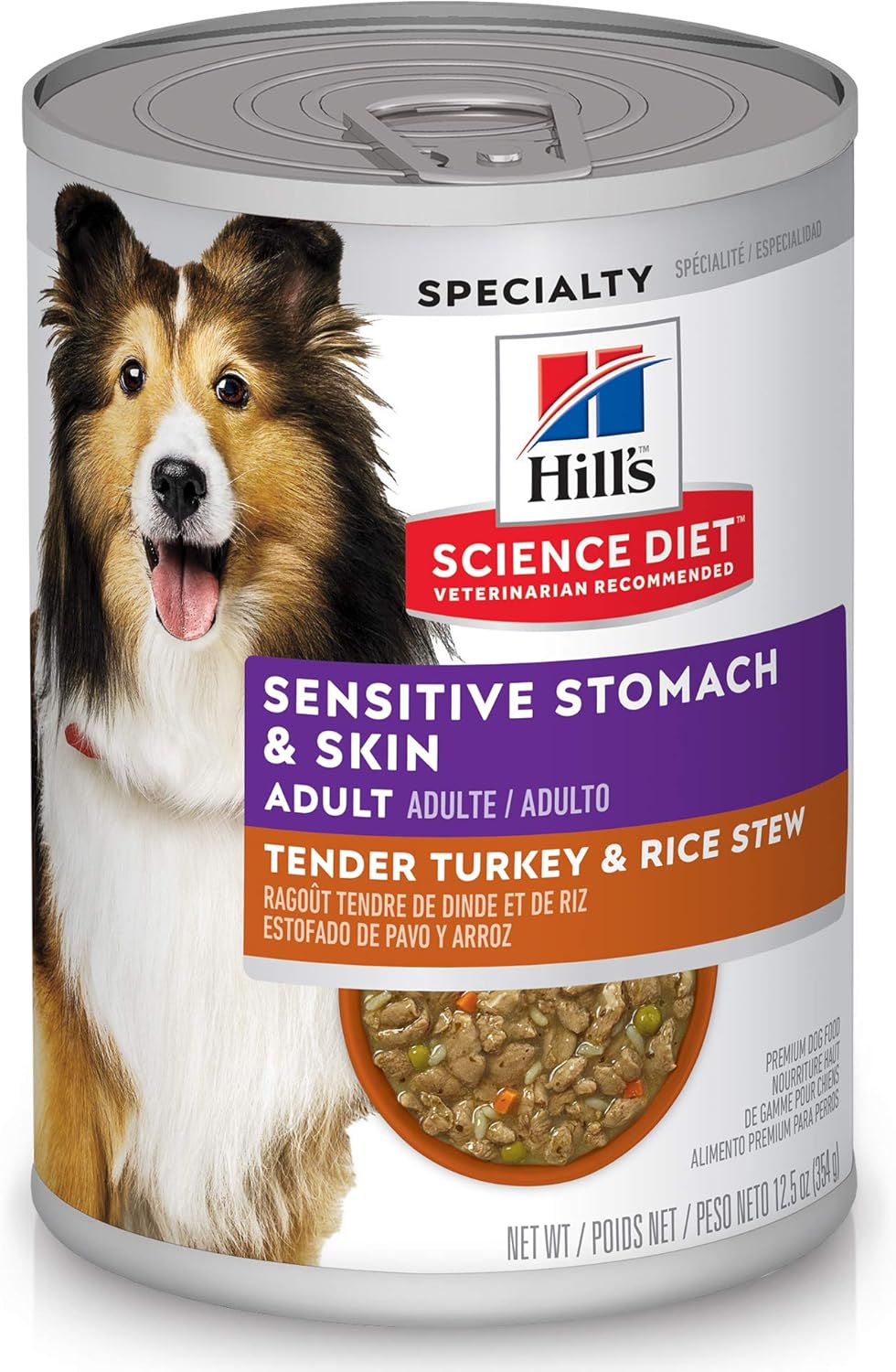
Common Buying Mistakes to Avoid
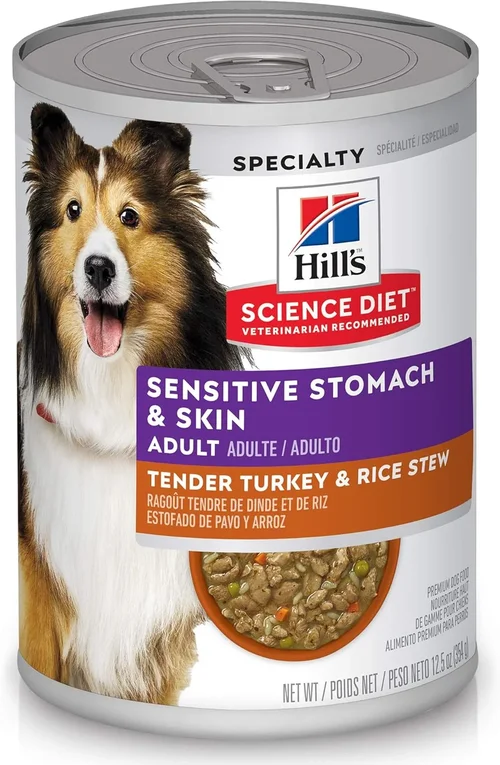
❌ Mistake: Choosing Based Solely on Price
Why it’s bad: Cheap canned foods often rely on fillers like corn, wheat, and soy, which provide little nutritional value and may trigger allergies or digestive upset. They may also contain unnamed meat meals or artificial preservatives linked to long-term health risks. Feeding a low-quality diet can accelerate age-related decline and increase veterinary costs down the line.
What to do instead: Prioritize ingredient quality over cost per can. A slightly more expensive food with real meat, joint supplements, and no fillers will keep your dog healthier longer, potentially reducing future medical expenses. Consider the cost per feeding rather than per can—some premium foods are more calorie-dense, meaning you feed less.
❌ Mistake: Ignoring Your Dog’s Specific Health Conditions
Why it’s bad: A food marketed as “senior” isn’t automatically right for every older dog. For example, a dog with kidney disease needs low phosphorus and sodium, while a dog with diabetes requires low glycemic ingredients. Using a generic senior formula could worsen underlying conditions.
What to do instead: Work with your veterinarian to identify your dog’s individual needs. If your dog has been diagnosed with a condition like arthritis, kidney disease, or heart issues, ask for dietary recommendations. Many vets carry therapeutic diets, but some high-quality over-the-counter options can also meet these needs.
❌ Mistake: Overlooking Moisture Content
Why it’s bad: While canned food is naturally high in moisture, some brands add excessive water or broth to bulk up the can without adding nutrition. This can dilute calorie and nutrient density, leading to underfeeding if you’re not adjusting portions.
What to do instead: Check the guaranteed analysis for moisture (typically 70–80%). If it’s above 80%, the food may be overly diluted. Also, look for nutrient-rich liquids like bone broth or meat juice rather than plain water. Ensure you’re feeding enough to meet your dog’s caloric needs.
❌ Mistake: Switching Foods Too Quickly or Frequently
Why it’s bad: Sudden diet changes can cause gastrointestinal upset, including vomiting and diarrhea. Frequent switching may also make it hard to identify food sensitivities or intolerances.
What to do instead: Transition to a new food gradually over 7–10 days, mixing increasing amounts of the new food with the old. Once settled on a formula, stick with it unless your dog’s health needs change. If you must switch often (e.g., due to availability), choose brands with consistent formulations.
❌ Mistake: Relying on Marketing Claims Without Verification
Why it’s bad: Terms like “grain-free,” “human-grade,” or “vet-recommended” are not regulated and can be misleading. Grain-free diets, for instance, have been linked to dilated cardiomyopathy (DCM) in some dogs, regardless of age.
What to do instead: Focus on the ingredient list and guaranteed analysis, not flashy labels. Verify claims by researching the brand’s reputation, reading independent reviews, and consulting your vet. If a food claims to be “vet-formulated,” ask which veterinarian and what their credentials are.
❌ Mistake: Feeding the Same Amount as When Younger
Why it’s bad: Older dogs need fewer calories but may still be fed puppy or adult portions, leading to weight gain and associated health problems.
What to do instead: Adjust portion sizes based on your dog’s current weight, activity level, and body condition. Use the feeding guide as a starting point, then monitor your dog’s weight monthly. Consult your vet if you’re unsure—they can help calculate ideal caloric intake.
❌ Mistake: Neglecting Dental Health While Feeding Soft Food
Why it’s bad: While canned food is gentler on teeth, it doesn’t provide the mechanical abrasion that helps reduce plaque and tartar. Senior dogs are already prone to dental disease, which can lead to pain, infection, and systemic illness.
What to do instead: Combine canned food with dental care strategies: regular tooth brushing, dental chews approved by the Veterinary Oral Health Council (VOHC), or occasional raw bones (under supervision). Some senior dogs can tolerate a mix of wet and dry food to support dental health.
Budget Guidelines: How Much Should You Spend?
When it comes to feeding your senior dog, budget considerations are important—but they shouldn’t override nutritional needs. Here’s a realistic breakdown of what you can expect at different price points:
- Entry-Level ($1.00–$1.75 per 13 oz can): These foods often contain by-product meals, corn, wheat, or soy as primary ingredients. While they meet basic AAFCO standards, they lack the high-quality protein, joint support, and digestive aids that benefit older dogs. Best for temporary use or dogs with no health issues, but not ideal for long-term senior feeding.
- Mid-Range ($1.75–$2.75 per 13 oz can): This is the sweet spot for most pet owners. Brands in this range typically list real meat as the first ingredient, include some joint supplements (like glucosamine), and avoid major fillers. Examples include Wellness Complete Health Senior, Blue Buffalo Life Protection Senior, and Nutro Ultra Senior. These offer excellent value without compromising on core nutrition.
- Premium ($2.75–$4.00 per 13 oz can): Designed for discerning pet parents, these formulas feature novel proteins (like duck or venison), organic ingredients, added probiotics, and higher concentrations of omega-3s. Brands like The Honest Kitchen, Weruva, and Open Farm fall here. Ideal for dogs with sensitivities, picky appetites, or owners who prioritize ingredient transparency.
- Luxury ($4.00+ per 13 oz can): These are often fresh-frozen, gently cooked, or air-dried foods sold in cans for convenience. They may include human-grade meats, superfoods like blueberries or kale, and functional additives like turmeric or collagen. While nutritionally superior, they come at a steep price—best reserved for dogs with complex health needs or owners with flexible budgets.

Expert Tips for Getting the Best Deal
- Time your purchases around sales: Major retailers like Petco, Chewy, and Amazon often run promotions in January (post-holiday clearance), July (summer sales), and November (Black Friday). Sign up for email alerts to catch deals on your dog’s favorite brands.
- Compare unit prices, not just total cost: A larger case may seem cheaper overall, but calculate the cost per ounce or per feeding to ensure you’re really saving. Sometimes smaller cans offer better value for small breeds.
- Read the fine print on subscriptions: Auto-ship programs offer convenience and discounts, but check cancellation policies and minimum commitments. Some lock you in for months or charge restocking fees.
- Ask your vet about samples: Many veterinary clinics receive free samples of therapeutic or senior diets. Even if you don’t switch permanently, trying a new food risk-free can help you find the right fit.
- Check return policies before buying in bulk: If your dog refuses a new food, you don’t want to be stuck with 24 uneaten cans. Reputable retailers like Chewy allow returns on unopened items, but always confirm beforehand.
- Rotate proteins to prevent sensitivities: Feeding the same protein for years can increase the risk of developing food intolerances. Rotate between chicken, beef, fish, and novel proteins every few months—just do so gradually.
- Use cashback apps and credit card rewards: Apps like Rakuten or Honey offer cashback on pet food purchases. Pair this with a rewards credit card to earn points or miles on every order.
- Don’t overlook local pet stores: Independent shops often carry niche or regional brands not available online and may offer personalized advice or loyalty programs.
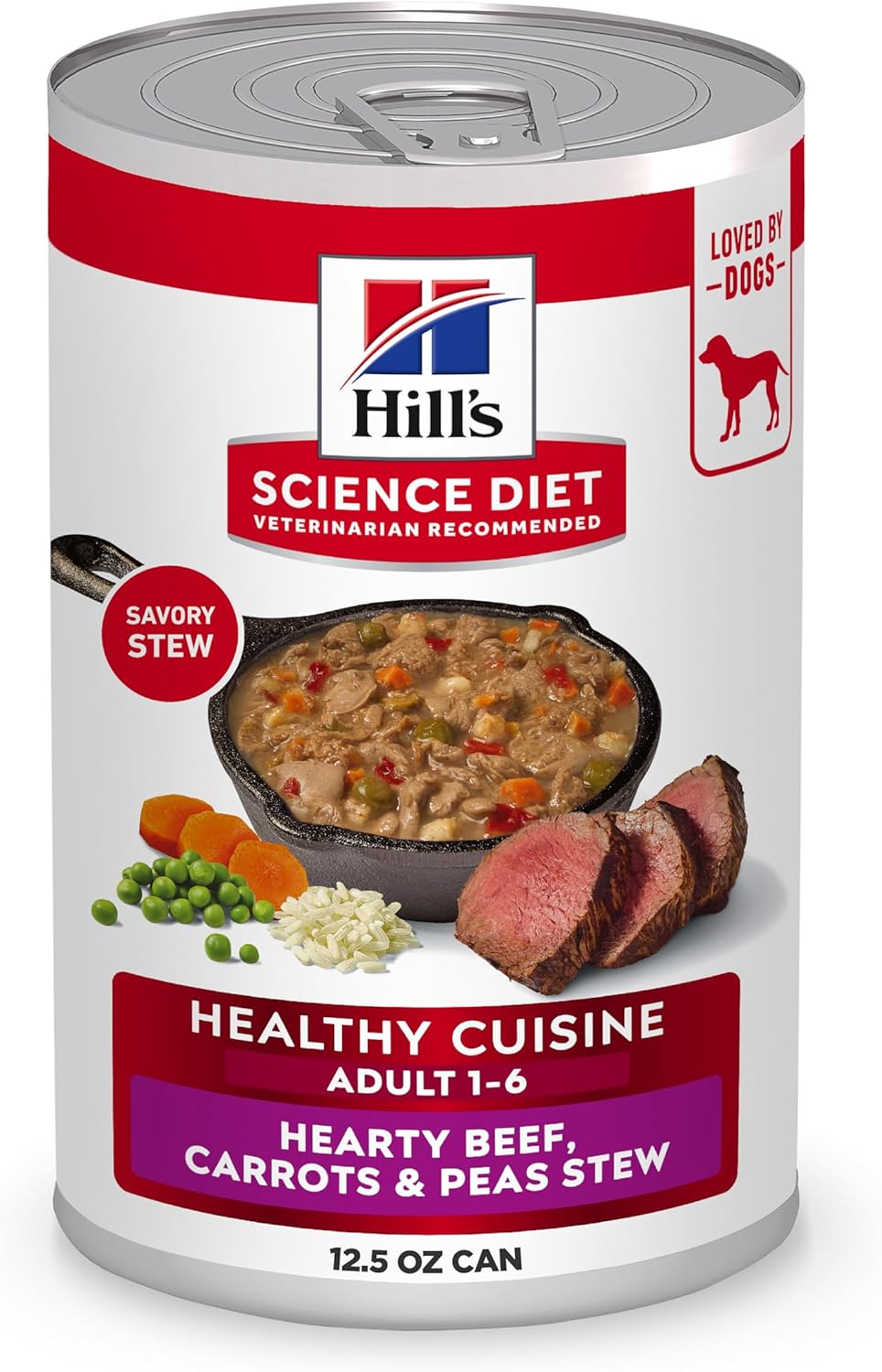
Frequently Asked Questions
Q: How often should I feed my senior dog canned food?
A: Most senior dogs do well with two meals per day, spaced 10–12 hours apart. This helps regulate digestion and prevents blood sugar spikes. However, dogs with diabetes, kidney disease, or other conditions may benefit from smaller, more frequent meals. Always follow your vet’s recommendations based on your dog’s health status.
Q: Can I mix canned food with dry kibble for my older dog?
A: Yes—many owners combine wet and dry food to balance palatability, dental health, and cost. Just ensure the total daily calories don’t exceed your dog’s needs. Mixing can also help transition picky eaters to a new diet. Use a 50/50 ratio or adjust based on your dog’s preference and dental condition.
Q: Is grain-free canned food better for senior dogs?
A: Not necessarily. While some senior dogs with grain allergies benefit from grain-free diets, there’s no evidence that grains are harmful to healthy dogs. In fact, whole grains like oats and brown rice provide fiber and energy. The FDA has investigated a potential link between grain-free diets and DCM, so consult your vet before choosing grain-free—especially if your dog is a breed predisposed to heart issues (like Dobermans or Cocker Spaniels).
Q: My senior dog has bad teeth. Is canned food safe?
A: Absolutely. Canned food is ideal for dogs with dental pain, missing teeth, or gum disease. Its soft texture requires minimal chewing, reducing discomfort. However, continue dental care through brushing, water additives, or VOHC-approved chews to prevent further issues.
Q: How do I know if my senior dog is getting enough nutrients?
A: Monitor your dog’s body condition, energy levels, coat quality, and stool consistency. A healthy senior should maintain a stable weight, have bright eyes, a shiny coat, and regular bowel movements. If you notice weight loss, lethargy, or digestive changes, consult your vet for a nutritional assessment.
Q: Can senior dogs eat puppy or adult canned food in a pinch?
A: Occasionally, yes—but not long-term. Puppy food is too high in calories and calcium for seniors, while adult formulas may lack joint support or have higher sodium. Use only as a temporary substitute and return to a senior-specific diet as soon as possible.
Q: Are there canned foods specifically for very old dogs (15+ years)?
A: While most “senior” labels apply to dogs 7+, some brands offer “mature” or “geriatric” formulas for dogs over 12. These often have even lower calories, enhanced kidney support, and extra palatability boosters. Examples include Hill’s Science Diet Adult 11+ and Royal Canin Aging 12+.
Q: What if my senior dog refuses to eat canned food?
A: Try warming it slightly, adding warm water or low-sodium broth, or mixing in a small amount of cooked egg or plain yogurt. If appetite loss persists for more than 24–48 hours, seek veterinary attention—it could signal an underlying illness.
Q: How long does opened canned food last in the fridge?
A: Store opened cans in an airtight container and use within 3–5 days. Avoid leaving food out at room temperature for more than 2 hours to prevent bacterial growth.
Our Final Recommendations
- Best for Budget-Conscious Buyers: Purina Pro Plan Senior Wet Dog Food (Chicken & Rice) – At around $1.60 per can, it offers real chicken as the first ingredient, added glucosamine, and balanced nutrition without breaking the bank. Ideal for healthy seniors needing reliable, affordable meals.
- Best Overall Value: Wellness Complete Health Senior Turkey & Sweet Potato – Priced at $2.25 per can, this formula features deboned turkey, prebiotics, omega-3s, and no grains or artificial additives. It strikes the perfect balance between quality, nutrition, and cost.
- Best Premium Option: The Honest Kitchen Human-Grade Dehydrated Base Mix + Canned Topper – While slightly more expensive (~$3.75 per serving when mixed), this human-grade, minimally processed option provides exceptional ingredient quality and customization. Great for owners who want maximum control over their dog’s diet.
- Best for Beginners: Blue Buffalo Life Protection Formula Senior Chicken & Brown Rice – With clear labeling, recognizable ingredients, and wide availability, this is an easy first choice for new senior dog owners. It includes LifeSource Bits for antioxidants and supports joint health.
- Best for Advanced Users (Dogs with Health Conditions): Royal Canin Veterinary Diet Renal Support Canned – For dogs with kidney disease, this prescription-grade formula offers controlled phosphorus, sodium, and high-quality protein. Requires a vet’s authorization but is clinically proven to support renal function.
Conclusion: Making the Right Choice
Choosing the best canned food for your older dog isn’t just about picking a brand—it’s about honoring the years of loyalty, love, and companionship your furry friend has given you. As their needs change, so should their diet. By focusing on high-quality protein, joint support, digestive health, and appropriate calorie density, you’re not just feeding your dog; you’re investing in their comfort, mobility, and longevity.
Remember, there’s no one-size-fits-all solution. What works for a 10-year-old Golden Retriever with arthritis may not suit a 13-year-old Dachshund with a sensitive stomach. Use this guide as your roadmap: evaluate your dog’s individual health, consult your veterinarian, compare ingredients honestly, and don’t be swayed by marketing gimmicks. And above all, trust your instincts—you know your dog better than any label ever could.
Your senior dog deserves a diet that reflects the care and attention they’ve always shown you. With the right canned food, you can help them enjoy their golden years with vitality, dignity, and joy. Start today—because every meal is a chance to say “thank you” in the language they understand best: love, served warm and full of flavor.