
As our beloved canine companions enter their golden years, their nutritional needs evolve in ways that require thoughtful attention and care. Senior dogs—typically those over seven years of age, though this can vary by breed and size—face unique health challenges such as reduced metabolism, joint stiffness, dental issues, and decreased immune function. These changes make it essential to adjust their diet accordingly, and for many pet parents, canned food becomes a preferred choice due to its palatability, moisture content, and ease of digestion. Unlike dry kibble, high-quality canned food often contains higher protein levels, fewer fillers, and more natural ingredients, making it an excellent option for aging dogs who may struggle with chewing or maintaining a healthy weight.
This comprehensive buying guide is designed to help you navigate the crowded and often confusing world of senior dog food. With hundreds of brands and formulations on the market, choosing the right canned food can feel overwhelming. Our goal is to cut through the marketing noise and provide you with expert-backed, practical advice that prioritizes your dog’s health and well-being. Whether you’re looking for budget-friendly options, grain-free recipes, or formulas tailored to specific health conditions like arthritis or kidney disease, this guide will equip you with the knowledge to make an informed decision. We’ll explore key nutritional factors, compare product types, highlight common pitfalls, and offer actionable tips to ensure your senior dog gets the nourishment they deserve in their later years.
The market for senior dog food has grown significantly in recent years, driven by increased awareness of pet health and the humanization of pets. Major brands like Hill’s Science Diet, Royal Canin, Blue Buffalo, and Wellness have expanded their senior lines, while boutique and holistic brands such as The Honest Kitchen, Open Farm, and Nom Nom Now have introduced fresh, minimally processed options. At the same time, private-label brands from retailers like Chewy, Petco, and Amazon offer more affordable alternatives without sacrificing quality. This diversity means pet owners have more choices than ever—but also more responsibility to evaluate ingredients, sourcing, and nutritional adequacy. In this guide, we’ll help you understand what truly matters when selecting the best canned food for your senior dog, so you can feel confident in your purchase and give your furry friend the best possible quality of life.
What to Look for When Buying Buying Guide
1. Protein Content and Quality
Protein is the cornerstone of a senior dog’s diet, especially as muscle mass naturally declines with age. Look for canned foods where high-quality animal protein is listed as the first ingredient—such as real chicken, turkey, beef, or fish. Avoid vague terms like “meat meal” or “animal by-product meal,” which can indicate lower-quality sources. Ideally, senior dog food should contain at least 25–30% crude protein on a dry matter basis. This supports lean muscle maintenance, immune function, and overall energy levels. Additionally, consider the digestibility of the protein source; novel proteins like duck or lamb may be beneficial for dogs with food sensitivities.
2. Moisture Content and Hydration Support
One of the biggest advantages of canned food is its high moisture content—typically 70–80%, compared to just 10% in dry kibble. This is especially important for senior dogs, who are more prone to dehydration due to reduced kidney function or decreased thirst drive. Adequate hydration supports kidney health, aids digestion, and helps prevent urinary tract issues. When evaluating canned food, check the guaranteed analysis on the label to confirm moisture levels. While all canned foods are naturally high in moisture, some brands may add water or broth to boost volume without enhancing nutrition—so always read ingredient lists carefully.
3. Joint and Mobility Support
Arthritis and joint stiffness are common in older dogs, making mobility support a critical factor in food selection. Look for formulas enriched with glucosamine, chondroitin, and omega-3 fatty acids (particularly EPA and DHA from fish oil), which have been shown to reduce inflammation and support cartilage health. Some premium brands also include green-lipped mussel extract or turmeric for additional anti-inflammatory benefits. These ingredients can make a noticeable difference in your dog’s comfort and activity level, especially if they show signs of stiffness or reluctance to climb stairs or jump.
4. Digestive Health and Fiber Balance
Senior dogs often experience slower digestion and may be more susceptible to constipation or sensitive stomachs. A good canned food should include easily digestible fibers such as pumpkin, sweet potato, or beet pulp to support healthy gut motility. Prebiotics like FOS (fructooligosaccharides) and MOS (mannanoligosaccharides) can also promote beneficial gut bacteria. Avoid foods with excessive fillers like corn, soy, or wheat, which can be hard to digest and may contribute to inflammation. Instead, opt for recipes with whole-food carbohydrates that provide sustained energy without spiking blood sugar.
5. Calorie Density and Weight Management
Metabolism slows down in older dogs, increasing the risk of weight gain—even if their activity level remains the same. Obesity can exacerbate joint problems, diabetes, and heart disease, so it’s crucial to choose a canned food with appropriate calorie density. Senior-specific formulas are often lower in fat and calories while still providing essential nutrients. Check the kcal per cup or can to ensure you’re not overfeeding. If your dog is underweight, however, look for energy-dense options with healthy fats like chicken fat or flaxseed to help them gain weight safely.
6. Dental and Oral Health Considerations
While canned food doesn’t provide the mechanical abrasion that helps clean teeth like kibble does, it can still support oral health through ingredient selection. Avoid foods high in simple sugars or sticky carbohydrates that can contribute to plaque buildup. Some brands include additives like sodium hexametaphosphate, which helps reduce tartar formation. Additionally, the soft texture of canned food is ideal for dogs with missing teeth, gum disease, or dental pain, making it easier for them to eat comfortably without discomfort.
7. Ingredient Transparency and Sourcing
Not all canned dog food is created equal when it comes to ingredient quality and sourcing. Reputable brands will clearly list the origin of their proteins and avoid artificial preservatives, colors, or flavors. Look for certifications such as AAFCO (Association of American Feed Control Officials) compliance, which ensures the food meets nutritional standards for a dog’s life stage. Brands that use human-grade ingredients or are certified by third-party organizations like the Global Animal Partnership (GAP) or USDA Organic offer greater assurance of quality. Transparency in sourcing—such as “humanely raised chicken” or “wild-caught salmon”—is a strong indicator of a brand’s commitment to ethical and sustainable practices.
8. Palatability and Appetite Stimulation
Senior dogs may experience a decline in appetite due to reduced sense of smell, dental pain, or underlying health issues. Canned food’s strong aroma and soft texture make it highly palatable, encouraging even finicky eaters to finish their meals. Look for recipes with natural flavor enhancers like bone broth, liver, or real meat juices—avoid artificial flavorings. Some brands offer “topper” versions of their canned food, designed to be mixed with kibble or served alone to entice reluctant eaters. If your dog has recently lost interest in food, switching to a high-moisture, protein-rich canned formula can often reignite their appetite.
Different Types of Buying Guide
Common Buying Mistakes to Avoid

❌ Mistake: Choosing Based Solely on Price
Why it’s bad: While budget is important, the cheapest canned food often contains low-quality proteins, fillers, and artificial preservatives that can harm your senior dog’s health over time. Poor nutrition may lead to weight gain, digestive issues, or exacerbate existing conditions like arthritis or kidney disease.
What to do instead: Focus on value, not just cost. Compare price per ounce and evaluate ingredient quality. A slightly more expensive can with real meat and no fillers is a better long-term investment in your dog’s health.
❌ Mistake: Ignoring the AAFCO Statement
Why it’s bad: Not all dog foods are nutritionally complete. Some are labeled as “snacks” or “treats” and lack the balanced nutrition required for daily feeding. Feeding an incomplete diet can lead to deficiencies or excesses in key nutrients.
What to do instead: Always check the label for an AAFCO nutritional adequacy statement. It should say the food is “complete and balanced” for “adult maintenance” or “all life stages.” Avoid products that only meet “growth” or “reproduction” standards unless recommended by a vet.
❌ Mistake: Overlooking Moisture Content
Why it’s bad: Some canned foods are mostly water with minimal nutritional value. While moisture is beneficial, a product that’s 85% water and 10% filler offers little in terms of protein or essential nutrients.
What to do instead: Look for a balanced moisture content (70–80%) and ensure the first few ingredients are high-quality proteins and digestible carbohydrates. Avoid products where water or broth is listed before the main protein source.
❌ Mistake: Feeding the Same Food Indefinitely
Why it’s bad: A dog’s nutritional needs can change as they age. What worked at age 8 may not be suitable at age 12, especially if they develop new health issues like diabetes or heart disease.
What to do instead: Reassess your dog’s diet annually or whenever you notice changes in weight, energy, or digestion. Consult your veterinarian to determine if a formula change is needed.
❌ Mistake: Not Transitioning Gradually
Why it’s bad: Sudden diet changes can cause gastrointestinal upset, including vomiting, diarrhea, or refusal to eat. Senior dogs are especially sensitive to dietary shifts.
What to do instead: Transition over 7–10 days by gradually mixing the new food with the old, increasing the proportion each day. This allows the digestive system to adapt.
❌ Mistake: Ignoring Your Dog’s Preferences
Why it’s bad: Even the healthiest food is useless if your dog won’t eat it. Senior dogs may become picky due to dental pain, reduced smell, or boredom with the same flavor.
What to do instead: Offer small samples of different textures and flavors (e.g., pâté, chunks in gravy, shredded) to find what your dog enjoys. Rotate proteins occasionally to keep meals interesting.
❌ Mistake: Over-Supplementing
Why it’s bad: Adding supplements like fish oil or glucosamine on top of a fortified food can lead to toxicity or imbalances. Many senior formulas already include these ingredients.
What to do instead: Review the ingredient list and consult your vet before adding any supplements. If your dog has a diagnosed condition, follow a vet-approved supplementation plan.
Budget Guidelines: How Much Should You Spend?
Entry-Level ($1.00 – $1.75 per can): These options are typically store brands or economy lines from major manufacturers. While they may meet basic AAFCO standards, they often rely on by-product meals, corn, and artificial preservatives. Best for pet owners on a tight budget, but not ideal for long-term feeding of senior dogs with health concerns. Look for brands like Iams ProActive Health Senior or Purina ONE Senior to get the most value in this range.
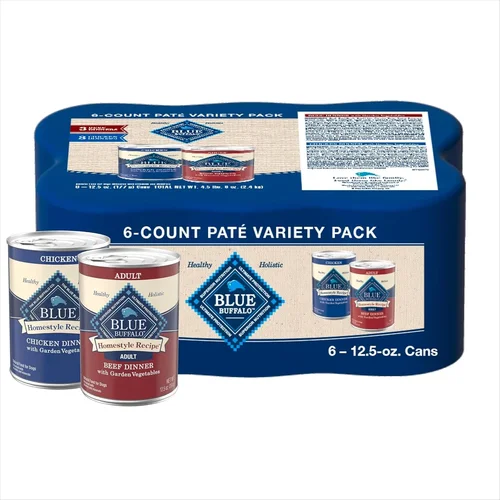
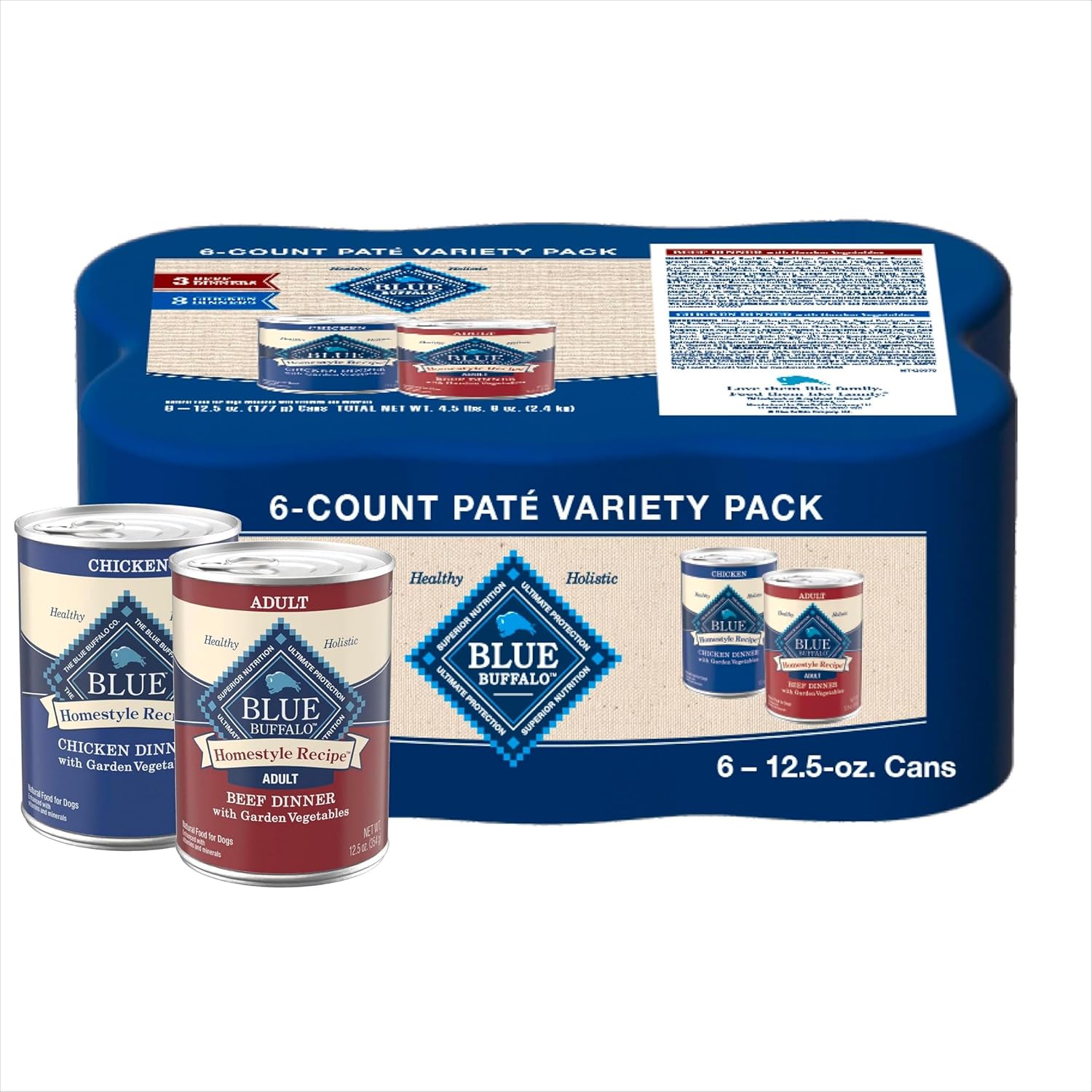
Mid-Range ($1.75 – $2.75 per can): This is the sweet spot for most pet owners. Brands like Blue Buffalo Life Protection Senior, Wellness Complete Health Senior, and Nutro Ultra Senior offer high-quality proteins, limited fillers, and added joint support. These foods strike a balance between affordability and nutrition, making them excellent choices for healthy senior dogs or those with mild dietary sensitivities.
Premium ($2.75 – $4.00 per can): Premium canned foods feature human-grade ingredients, novel proteins, and advanced formulations. Brands such as The Honest Kitchen, Open Farm, and Weruva offer grain-free, minimally processed options with transparent sourcing. These are ideal for dogs with allergies, digestive issues, or owners who prioritize clean eating. While more expensive, the improved palatability and digestibility often justify the cost.
Luxury ($4.00+ per can): At the top end of the spectrum are fresh, refrigerated, or freeze-dried raw foods that require special storage. Nom Nom Now and JustFoodForDogs deliver pre-portioned, vet-formulated meals made with whole ingredients. These options are best for dogs with complex medical needs or owners willing to invest in the highest standard of nutrition. While costly, they offer unparalleled freshness and nutrient retention.
Expert Tips for Getting the Best Deal
1. Buy During Seasonal Sales: Major pet retailers often run promotions during holidays like Black Friday, Memorial Day, or National Pet Day. Sign up for newsletters to get early access to discounts. Some brands also offer “buy one, get one 50% off” deals on canned food.
2. Compare Online vs. In-Store Prices: Online retailers like Chewy, Petco, and Amazon frequently offer lower prices and free shipping on orders over a certain amount. In-store pickup can save on shipping fees, but online shopping allows for easier price comparison and access to customer reviews.
3. Look for Manufacturer Coupons and Rebates: Brands like Hill’s, Royal Canin, and Purina often provide digital coupons through their websites or apps. These can save $5–$10 per purchase and are especially valuable for prescription diets.
4. Read Customer Reviews Carefully: Pay attention to reviews from owners of senior dogs, particularly those with similar health issues. Look for comments about palatability, digestion, and energy levels. Avoid products with consistent complaints about spoilage or inconsistent texture.
5. Check Return and Exchange Policies: Not all retailers accept returns on opened pet food. Before buying a large quantity, purchase a single can to test your dog’s reaction. Stores like Chewy and Petco often allow returns of unopened items, giving you flexibility if your dog doesn’t like the food.
6. Consider Subscription Services: Auto-ship programs not only save money but also ensure you never run out. Many services allow you to pause, skip, or cancel at any time, making them convenient and risk-free.
7. Ask Your Veterinarian for Samples: If your dog has a medical condition, ask your vet if they have samples of prescription or therapeutic diets. This allows you to test the food before committing to a full case.
8. Monitor Expiration Dates: Canned food has a long shelf life, but it’s still important to check expiration dates, especially when buying in bulk. Rotate stock to use older cans first and avoid waste.
Frequently Asked Questions
Q: How often should I feed my senior dog canned food?
A: Most senior dogs do well with two meals per day, spaced 10–12 hours apart. This helps maintain stable blood sugar and supports digestion. Follow the feeding guidelines on the can based on your dog’s weight, and adjust as needed to maintain a healthy body condition.
Q: Can I mix canned food with dry kibble?
A: Yes, many owners use canned food as a topper to enhance palatability and moisture intake. Mixing can also help transition dogs to a new diet. Just be sure to reduce the kibble portion to avoid overfeeding, as canned food is more calorie-dense.
Q: Is grain-free food better for senior dogs?
A: Not necessarily. While grain-free diets can benefit dogs with grain allergies, most senior dogs tolerate grains like rice or oats well. The key is choosing easily digestible carbohydrates. Unless your dog has a diagnosed sensitivity, grain-free isn’t required.
Q: How do I know if my senior dog is getting enough protein?
A: Signs of adequate protein include maintained muscle mass, healthy coat, and good energy levels. If your dog is losing muscle, especially over the back or hips, they may need more protein. Consult your vet for a body condition assessment.
Q: Can senior dogs eat puppy food?
A: No. Puppy food is higher in calories and fat, which can lead to weight gain in less active senior dogs. It’s also formulated for growth, not maintenance, and may not support joint or kidney health.
Q: What if my senior dog has kidney disease?
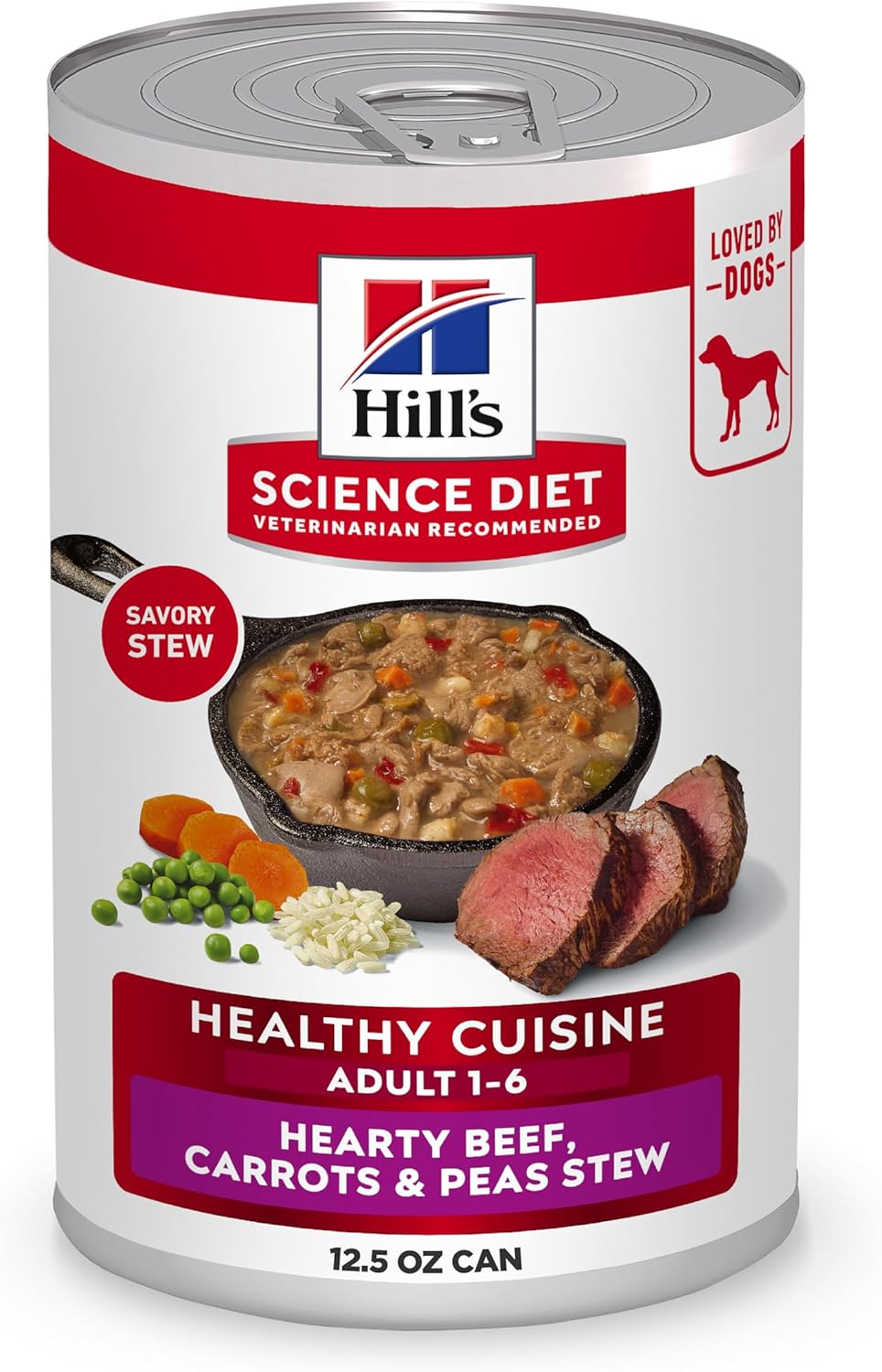
A: Dogs with kidney disease require a specialized low-phosphorus, low-protein diet. Prescription canned foods like Hill’s k/d or Royal Canin Renal are formulated to reduce kidney workload. Always consult your veterinarian before making dietary changes.
Q: How long can I leave canned food out?
A: Canned food should not be left out for more than 1–2 hours at room temperature to prevent bacterial growth. If your dog doesn’t finish their meal, cover and refrigerate leftovers for up to 3 days.
Q: Are there senior dog foods for small breeds vs. large breeds?
A: Yes. Small breed seniors may benefit from smaller kibble or softer textures, while large breeds often need extra joint support. Some brands offer breed-specific senior formulas—look for “small breed senior” or “large breed senior” on the label.
Q: Can I make homemade senior dog food instead?
A: Homemade diets can be nutritious but require careful balancing to avoid deficiencies. If you choose this route, work with a veterinary nutritionist to formulate a complete diet. Canned commercial food is often safer and more convenient.
Q: What’s the difference between “senior” and “mature” dog food?
A: The terms are often used interchangeably, but “senior” typically refers to dogs over 7, while “mature” may be used for dogs over 5, especially large breeds. Always check the AAFCO statement to confirm the food is appropriate for your dog’s life stage.
Our Final Recommendations
Best for Budget-Conscious Buyers: Blue Buffalo Life Protection Formula Senior Chicken & Brown Rice
This mid-range option offers real deboned chicken, whole grains, and added glucosamine—all at an affordable price. It’s widely available and consistently rated for palatability and digestibility.
Best Overall Value: Wellness Complete Health Senior Chicken & Barley
With high protein, no artificial additives, and a focus on joint and immune support, this formula delivers excellent nutrition for the price. It’s a favorite among holistic veterinarians and pet owners alike.
Best Premium Option: The Honest Kitchen Human-Grade Dehydrated Dog Food (Rehydrated)
While not traditional canned food, this human-grade, whole-food option can be rehydrated with water to create a moist, nutrient-dense meal. Ideal for owners seeking the highest quality ingredients.
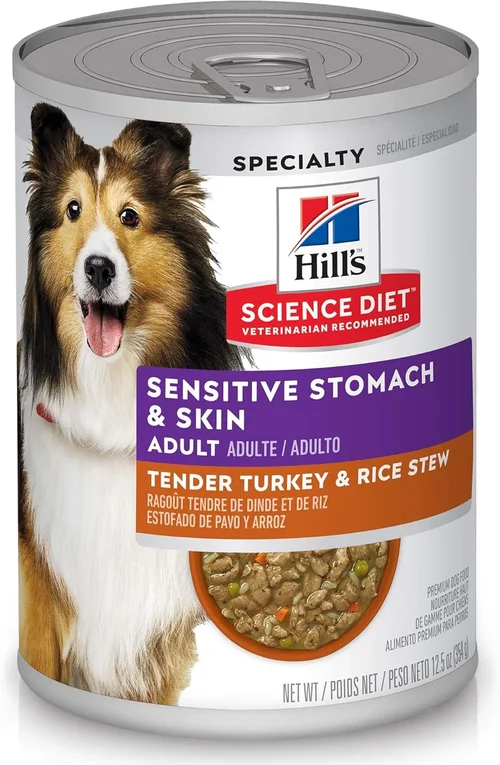
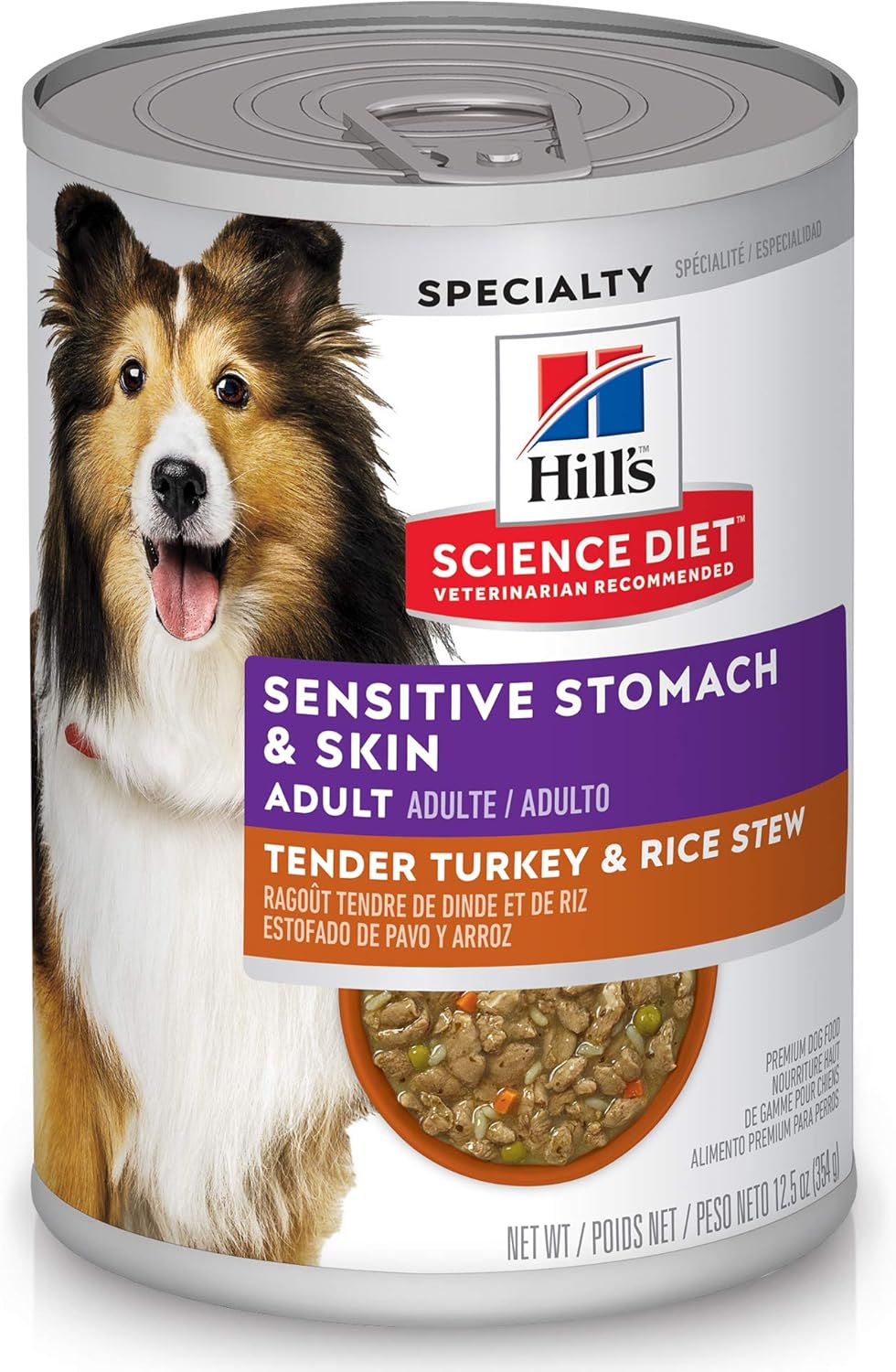
Best for Beginners: Hill’s Science Diet Senior 11+ Chicken Recipe
A trusted veterinary brand with a simple, balanced formula. It’s easy to find, widely recommended, and suitable for most healthy senior dogs with no special dietary needs.
Best for Advanced Users: Nom Nom Now Fresh Dog Food (Chicken & Brown Rice)
This fresh, pre-portioned meal service offers customized nutrition based on your dog’s age, weight, and health. While expensive, it’s ideal for dogs with complex needs or owners who want precision feeding.
Conclusion: Making the Right Choice
Choosing the best canned food for your senior dog is one of the most impactful decisions you can make for their health and happiness in their later years. It’s not just about finding a product that fits your budget—it’s about selecting a diet that supports their changing physiology, addresses potential health concerns, and keeps them engaged at mealtime. Throughout this guide, we’ve emphasized the importance of high-quality protein, proper hydration, joint support, and ingredient transparency. We’ve also highlighted common pitfalls, budget considerations, and expert strategies to help you navigate the market with confidence.
Remember, every dog is unique. What works for one senior may not suit another. Pay close attention to your dog’s individual needs—whether it’s managing weight, soothing sensitive digestion, or combating arthritis—and don’t hesitate to consult your veterinarian for personalized advice. The right food can improve mobility, boost energy, and even extend your dog’s quality of life. By investing time in research and choosing wisely, you’re not just feeding your dog—you’re showing them the love and care they’ve given you throughout their life.
Take the insights from this guide, compare your options, and make a decision that aligns with both your dog’s health and your values. Whether you choose a trusted mid-range brand or splurge on a premium fresh formula, the most important thing is that your senior dog feels nourished, comfortable, and loved. After all, they’ve earned it.