
[FEATURED_IMAGE_PLACEOLDER]
Small breed dogs—think Chihuahuas, Pomeranians, Dachshunds, and Yorkshire Terriers—may be tiny in stature, but they have big nutritional needs. Their high metabolism, rapid growth during puppyhood, and unique dental and digestive sensitivities require a specialized approach to feeding. While dry kibble dominates many pet food aisles, canned wet food has become an increasingly popular choice for small breed owners seeking better hydration, enhanced palatability, and more nutrient-dense meals. But with hundreds of options on the market—ranging from budget-friendly supermarket brands to premium veterinary formulas—choosing the right canned food can feel overwhelming.
This comprehensive buying guide is designed to cut through the noise and help you make an informed, confident decision. Whether you’re a first-time dog owner or a seasoned pet parent looking to upgrade your pup’s diet, you’ll learn exactly what to look for in high-quality canned food tailored to small breeds. We’ll break down key nutritional factors, compare different product types, highlight common pitfalls, and offer expert-backed recommendations based on real-world performance and ingredient quality. By the end, you’ll know not just which cans to buy—but why they matter for your dog’s long-term health and happiness.
The market for small breed dog food has evolved significantly in recent years. Brands now recognize that “small breed” isn’t just a marketing label—it’s a physiological category requiring specific formulations. From kibble-sized meat chunks that are easy to chew to recipes optimized for higher calorie density (since small dogs eat less volume but need more energy), manufacturers are responding with smarter, science-driven products. Canned food, in particular, offers advantages like improved moisture content (critical for urinary health), reduced processing compared to extruded kibble, and often higher meat inclusion rates. However, not all wet food is created equal. Some are loaded with fillers, artificial preservatives, or excessive sodium—ingredients that can do more harm than good over time. This guide will empower you to distinguish between marketing hype and genuine nutritional value, ensuring your little companion gets the best possible start—and sustenance—in life.

What to Look for When Buying Canned Food for Small Breed Dogs
1. High-Quality Protein Sources
Protein is the cornerstone of any healthy dog diet, but it’s especially vital for small breeds. These dogs have faster metabolisms and burn calories at a higher rate than larger breeds, meaning they need more protein per pound of body weight to maintain muscle mass, support immune function, and fuel their energetic lifestyles. When evaluating canned food, always check the ingredient list: the first ingredient should be a named animal protein—such as “chicken,” “turkey,” or “salmon”—not a vague term like “meat meal” or “animal by-product.” Whole meats are preferable, but high-quality meals (like “chicken meal”) are also acceptable if they’re clearly identified and sourced responsibly.
Avoid products that rely heavily on plant-based proteins like corn gluten meal or soy protein isolate as primary protein sources. While dogs can digest some plant matter, their biology is optimized for animal-based nutrition. Look for recipes where real meat makes up the majority of the protein content. For example, a can listing “deboned chicken, chicken broth, chicken liver” as the top three ingredients signals a meat-forward formulation. Additionally, consider the protein percentage on the guaranteed analysis—ideally, crude protein should be at least 8–10% on an “as-fed” basis for adult maintenance, and higher for puppies or active dogs.
2. Appropriate Calorie Density and Portion Size
One of the biggest misconceptions about feeding small dogs is that they need large portions. In reality, because of their compact size, even a few ounces of food can pack a significant caloric punch. Overfeeding is a leading cause of obesity in small breeds, which can lead to joint problems, diabetes, and reduced lifespan. Therefore, calorie density matters immensely. Check the kcal/kg or kcal per cup/can measurement on the label. Most small breed canned foods range from 800–1,200 kcal/kg. For reference, a typical 5.5-oz can might contain 150–220 kcal—enough for a full meal for a 10-pound dog, depending on activity level.
Portion control is easier when the food is appropriately dense. A highly caloric food means you can feed less volume while still meeting energy needs, reducing the risk of overeating. Conversely, low-calorie foods may require larger servings, which can be impractical for tiny dogs with small stomachs. Also, consider the physical size of the can. Many brands now offer 3-oz or 5.5-oz cans specifically for small breeds—convenient for single meals and reducing waste. Avoid oversized cans unless you plan to refrigerate leftovers promptly, as opened wet food spoils quickly.
3. Moisture Content and Hydration Benefits
Canned food typically contains 70–80% moisture, compared to just 10–12% in dry kibble. This is a major advantage for small breed dogs, who are notoriously prone to urinary tract issues, including bladder stones and crystals. Adequate hydration helps flush the urinary system and maintain healthy kidney function. Since many small dogs don’t drink enough water on their own—especially if they’re primarily fed dry food—wet food acts as a crucial supplemental source of fluids.
When comparing products, look for those with minimal added water or broth beyond what’s naturally present in the ingredients. Some budget brands dilute their formulas with excessive water to stretch volume, which can dilute nutrient concentration. A good rule of thumb: if the second ingredient is “water sufficient for processing,” that’s normal. But if water appears multiple times or is listed before meat, it may indicate a less nutrient-dense product. High-moisture diets also tend to be more palatable, encouraging picky eaters to finish their meals—a common challenge with small breeds.
4. Grain-Free vs. Grain-Inclusive: What’s Right for Your Dog?
The grain-free debate has sparked controversy in recent years, especially after the FDA’s investigation into a potential link between grain-free diets and dilated cardiomyopathy (DCM) in dogs. While the science is still evolving, the consensus among veterinary nutritionists is that grains themselves are not inherently harmful—and for many dogs, they’re a valuable source of fiber, vitamins, and digestible carbohydrates.
For small breeds, the decision often comes down to individual tolerance. Some dogs thrive on grain-free recipes, especially if they have known sensitivities to wheat, corn, or soy. Others do perfectly well—and may even benefit—from grain-inclusive formulas containing wholesome options like oats, barley, or brown rice. These can aid digestion and provide sustained energy without spiking blood sugar. The key is to avoid cheap fillers like corn syrup, brewers rice, or unspecified “cereal by-products.”
If your dog has no known allergies, a grain-inclusive diet from a reputable brand is often a safe and balanced choice. However, if your vet has recommended grain-free due to skin issues, digestive upset, or suspected food sensitivities, look for recipes that use novel carbohydrates like sweet potato or peas instead of legumes (which have been more closely associated with DCM concerns). Always consult your veterinarian before making major dietary changes.
5. Limited Ingredients vs. Complete Formulas
Small breed dogs can be prone to food sensitivities, making limited-ingredient diets (LIDs) an attractive option. These recipes typically feature a single protein source and a short list of easily digestible ingredients, reducing the likelihood of allergic reactions. Common LID proteins include duck, lamb, venison, or fish like salmon or whitefish. If your dog has a history of itching, ear infections, or gastrointestinal upset after eating certain foods, an LID might be worth trying.
However, not all small dogs need limited-ingredient food. Many thrive on complete, multi-protein formulas that offer nutritional variety and balanced amino acid profiles. The advantage of complete diets is that they’re formulated to meet all of a dog’s nutritional needs without supplementation—ideal for busy owners who want convenience without compromise. When choosing between the two, consider your dog’s health history. If they’re healthy and tolerate a range of foods well, a complete formula with chicken, beef, and vegetables is perfectly fine. But if you’re dealing with chronic issues, an LID under veterinary guidance could be transformative.
6. Texture and Palatability for Small Mouths
Let’s face it: small dogs have tiny mouths and often delicate teeth. A can of food filled with large chunks or tough shreds might be difficult—or even painful—for them to eat. Texture plays a crucial role in both enjoyment and digestibility. Pâté-style foods are generally the easiest for small breeds to consume, as they require minimal chewing and slide easily off the tongue. Minced or finely ground textures are also excellent, offering visual variety while remaining soft.
Some brands offer “small breed” or “tiny bites” versions of their wet food, specifically designed with bite-sized pieces that match the scale of a Chihuahua or Maltese. These can be particularly helpful for senior dogs or those with dental disease. Avoid products with overly fibrous textures (like coarse shreds) or those that separate into oily layers, which can indicate poor emulsification and lower quality.
Palatability is another key factor. Small breeds are often pickier than their larger counterparts, possibly due to their heightened sense of smell and taste. Rotating flavors (e.g., chicken one week, salmon the next) can prevent boredom and ensure they’re getting a range of nutrients. Just be sure any flavor rotation doesn’t include ingredients your dog is sensitive to.
7. Brand Transparency and Sourcing Practices
Not all pet food companies are equally committed to quality. Some prioritize profit over transparency, using vague labeling, undisclosed sourcing, or third-party manufacturers with questionable standards. When choosing canned food for your small breed dog, prioritize brands that openly share information about where their ingredients come from, how their food is made, and whether it’s tested for safety.
Look for companies that:
– List specific ingredient sources (e.g., “chicken from U.S.-raised farms”)
– Conduct regular AAFCO feeding trials or formulate to meet AAFCO nutrient profiles
– Provide batch-specific recall information and third-party testing results
– Avoid artificial colors, flavors, and preservatives (like BHA, BHT, or ethoxyquin)
Brands like Wellness, Merrick, Blue Buffalo, and The Honest Kitchen have built strong reputations for transparency and quality control. Others, such as Royal Canin and Hill’s Science Diet, offer veterinary-backed formulations developed in collaboration with animal nutritionists. Even premium brands should be scrutinized—some use “natural” as a marketing buzzword without meaningful standards. Always read beyond the front of the package.
8. Price vs. Value: Understanding Cost Per Ounce
It’s tempting to reach for the cheapest can on the shelf, but when it comes to pet food, price often reflects quality. That said, “expensive” doesn’t always mean “better.” The key is to evaluate cost per ounce (or per kcal) rather than just the sticker price. A $2.50 can might seem pricey, but if it’s highly nutrient-dense and your dog only needs half of it per meal, it could actually be more economical than a $1.50 can that requires a full serving and lacks nutritional completeness.
Calculate the cost per ounce by dividing the total price by the number of ounces in the can. Then consider how much your dog actually eats. For example:
– Can A: $2.49 for 5.5 oz = $0.45/oz
– Can B: $1.79 for 5.5 oz = $0.33/oz
If Can A is 20% more calorie-dense, your dog eats 20% less, potentially making the effective cost similar—or even lower—over time. Additionally, higher-quality ingredients may reduce vet bills down the line by supporting better digestion, coat health, and immune function. Think of premium canned food as an investment in preventive care.
Different Types of Canned Food for Small Breed Dogs

Common Buying Mistakes to Avoid
❌ Mistake: Choosing Based Solely on Marketing Claims
Why it’s bad: Phrases like “natural,” “holistic,” or “premium” are unregulated and can be used by any brand—even those with low-quality ingredients. A can labeled “grain-free with real chicken” might still contain chicken by-product meal as the primary protein or excessive sodium as a preservative.
What to do instead: Always read the ingredient list and guaranteed analysis, not just the front label. Use resources like the Association of American Feed Control Officials (AAFCO) statements to verify nutritional adequacy. If a product claims to be “complete and balanced,” it should state which life stage it’s formulated for (e.g., “for adult maintenance”).
❌ Mistake: Ignoring Sodium Levels
Why it’s bad: Many canned foods—especially budget brands—use high levels of salt to enhance flavor and act as a preservative. Excessive sodium can strain the kidneys and heart, particularly in older small breeds or those with preexisting conditions.
What to do instead: Check the guaranteed analysis for sodium content. Ideal levels are below 0.3% on an as-fed basis. For dogs with heart or kidney issues, look for “low-sodium” or “renal support” formulas prescribed by your vet.
❌ Mistake: Feeding Adult Food to Puppies (or Vice Versa)
Why it’s bad: Puppy formulas are higher in calories, fat, and certain minerals like calcium to support rapid growth. Feeding adult food to a growing small breed puppy can lead to malnutrition and developmental issues. Conversely, adult dogs fed puppy food may gain excess weight due to higher fat content.
What to do instead: Match the food to your dog’s life stage. Most small breeds reach adulthood by 9–12 months, but some toy breeds may continue growing until 14–16 months. When in doubt, consult your vet.
❌ Mistake: Overlooking Expiration Dates and Storage
Why it’s bad: Canned food has a long shelf life, but once opened, it spoils quickly. Leaving wet food out for more than 2 hours (or 1 hour in hot weather) can promote bacterial growth, leading to digestive upset.
What to do instead: Store unopened cans in a cool, dry place. After opening, transfer leftovers to a sealed container and refrigerate for up to 3–5 days. Never feed spoiled or foul-smelling food.
❌ Mistake: Not Transitioning Gradually
Why it’s bad: Sudden diet changes can cause vomiting, diarrhea, or refusal to eat—especially in sensitive small breeds.
What to do instead: Mix the new food with the old over 7–10 days, gradually increasing the proportion of new food. Monitor your dog’s stool and energy levels during the transition.
❌ Mistake: Assuming All “Small Breed” Labels Are Equal
Why it’s bad: Some brands slap “small breed” on packaging without adjusting formulation. The food may still contain large kibble-sized chunks or inappropriate nutrient ratios.
What to do instead: Look for products that specify texture (e.g., “tiny bites”) and nutrient adjustments (e.g., “higher calorie density for small dogs”). Read reviews from other small breed owners.
Budget Guidelines: How Much Should You Spend?
– Entry-Level ($1.00–$1.75 per 5.5 oz): These are typically supermarket brands like Pedigree, Alpo, or store generics. While convenient, they often contain by-products, fillers, and artificial additives. Best for temporary use or mixing with higher-quality food, but not ideal as a sole diet long-term.
– Mid-Range ($1.75–$2.75 per 5.5 oz): This is the sweet spot for most owners. Brands like Purina Pro Plan, Iams, and Nutro offer scientifically formulated recipes with real meat, balanced nutrients, and good palatability. Many include probiotics, omega fatty acids, and small-breed-specific textures.
– Premium ($2.75–$4.00 per 5.5 oz): Think Wellness CORE, Merrick Grain-Free, or Blue Buffalo Wilderness. These use high-quality proteins, limited fillers, and often include superfoods like blueberries, spinach, or flaxseed. Ideal for owners prioritizing ingredient integrity and long-term health.
– Luxury ($4.00+ per 5.5 oz): Includes fresh-refrigerated brands (The Honest Kitchen, Nom Nom) or veterinary therapeutic diets. These offer human-grade ingredients, customized portions, or medical support. Best for dogs with complex health needs or owners willing to invest heavily in preventive nutrition.
Expert Tips for Getting the Best Deal
– Buy in bulk during sales: Many retailers (Chewy, Petco, Amazon) offer discounts on multi-can packs. Stock up during Black Friday, Prime Day, or end-of-season clearances.
– Subscribe and save: Auto-ship programs often provide 5–15% off and free shipping. Just set reminders to adjust or cancel if your dog’s needs change.
– Check local pet food co-ops or farms: Some regions have co-ops that offer discounted high-quality wet food in bulk.
– Compare unit prices: Always look at cost per ounce, not total price. A larger can isn’t always cheaper per unit.
– Ask your vet for samples: Many premium and therapeutic brands provide free samples. Try before you commit.
– Read verified buyer reviews: Focus on reviews from owners of small breeds—they’ll mention texture, smell, and how their dog reacted.
– Watch for recalls: Sign up for FDA pet food recall alerts to stay informed about safety issues.
Frequently Asked Questions
Q: Can I feed my small breed dog only canned food?
A: Yes, as long as the food is labeled “complete and balanced” for your dog’s life stage. Many owners feed 100% wet food successfully. Just ensure proper portion control to avoid weight gain.
Q: How much canned food should I feed my small dog?
A: It depends on weight, age, and activity level. Most 5–15 lb dogs need 3–5.5 oz per day, split into 2 meals. Always follow the feeding guidelines on the can and adjust based on your dog’s body condition.
Q: Is grain-free safe for small breeds?
A: For most dogs, yes—but consult your vet first. If your dog has no known sensitivities, grain-inclusive diets are often safer and more balanced.
Q: Can puppies eat adult canned food?
A: Not recommended. Puppies need higher levels of protein, fat, and calcium. Use a puppy-specific formula until they reach adulthood (usually 9–12 months for small breeds).
Q: Why does my dog only eat the gravy and leave the chunks?
A: This is common with “gravy-based” foods where nutrients aren’t evenly distributed. Try pâté or minced styles, or mix in a bit of warm water to distribute flavor.
Q: How long can I leave canned food out?
A: No more than 2 hours at room temperature (1 hour if above 90°F). After that, discard any uneaten portion.
Q: Can I mix wet and dry food?
A: Absolutely! Many owners use wet food as a topper to enhance palatability and hydration. Just adjust portions to avoid overfeeding.
Q: What if my dog has kidney disease?
A: Consult your vet immediately. They may recommend a therapeutic renal diet low in phosphorus and protein, available in canned form from brands like Hill’s or Royal Canin.
Our Final Recommendations
– Best for Budget-Conscious Buyers: Purina Pro Plan Small Breed Wet Food (Chicken & Rice) – Offers solid nutrition, small-breed texture, and reliable availability at under $2 per can.
– Best Overall Value: Wellness Complete Health Small Breed Pâté (Turkey & Salmon) – High meat content, grain-free option, and excellent palatability at a mid-range price.
– Best Premium Option: Merrick Grain-Free Small Breed Recipe (Real Texas Beef) – Uses deboned meat as the first ingredient, includes probiotics, and comes in perfectly sized 3-oz cans.
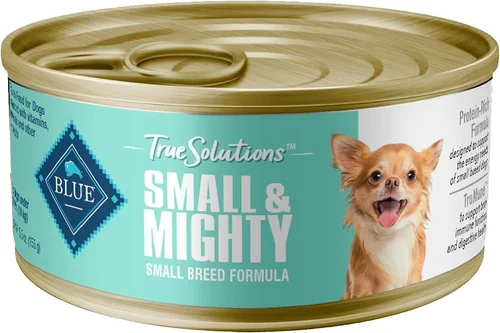
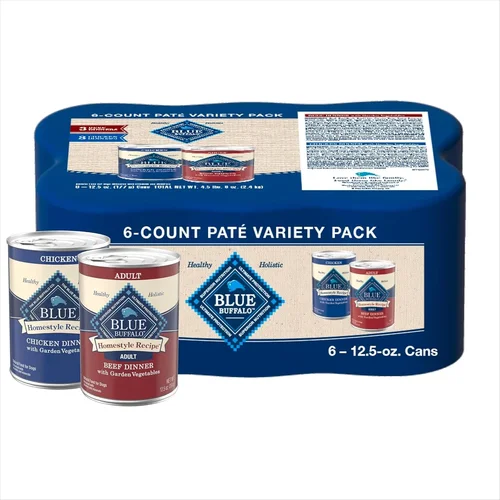
– Best for Beginners: Blue Buffalo Homestyle Recipe Small Breed (Chicken) – Easy-to-find, clearly labeled, and formulated with life-stage nutrition in mind.
– Best for Advanced Users (or Dogs with Sensitivities): The Honest Kitchen Human-Grade Dehydrated Food (rehydrated as wet food) – While not traditional canned food, it offers the convenience of wet feeding with human-grade, minimally processed ingredients.
Conclusion: Making the Right Choice
Choosing the best canned food for your small breed dog isn’t just about picking the shiniest can on the shelf—it’s about understanding your dog’s unique physiology, nutritional needs, and lifestyle. From prioritizing high-quality protein and appropriate calorie density to avoiding common pitfalls like excessive sodium or misleading marketing, every decision you make contributes to your pup’s long-term vitality. Remember, the ideal food is one that supports healthy digestion, maintains a shiny coat, promotes stable energy levels, and—most importantly—gets enthusiastically devoured at mealtime.
Don’t be afraid to experiment within safe boundaries. Try different textures, rotate proteins occasionally (if no sensitivities exist), and always monitor your dog’s response. If you notice changes in stool quality, energy, or skin condition, it may be time to reassess. And when in doubt, your veterinarian is your best resource—especially for dogs with health conditions or special dietary requirements.
Ultimately, the best canned food is the one that aligns with your values, your budget, and your dog’s individual needs. Whether you opt for a trusted mid-range brand or splurge on a premium formula, what matters most is consistency, quality, and love. Your small breed dog may weigh just a few pounds, but their impact on your life is immeasurable. Give them the nutrition they deserve—one delicious, nourishing can at a time.