
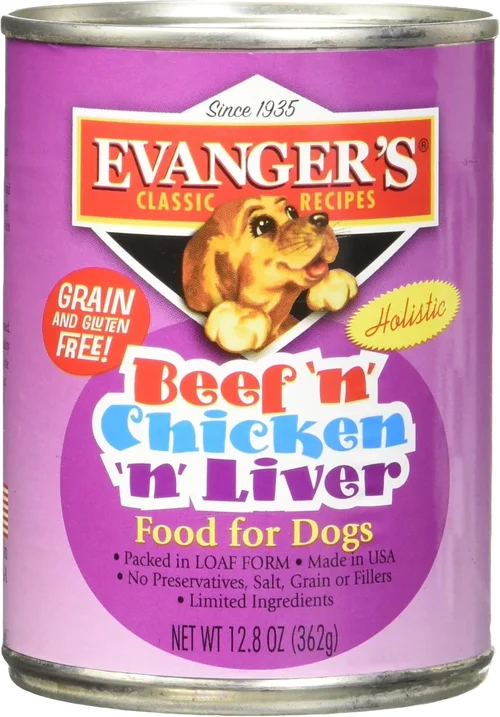
When it comes to feeding our beloved canine companions, more pet parents are turning away from commercial kibble and toward homemade dog food. There’s a growing awareness that what we put in our dogs’ bowls directly impacts their energy, coat quality, digestion, and long-term health. But preparing balanced, nutritious meals from scratch can be time-consuming and complex—especially when you’re trying to meet all of your dog’s dietary needs without a veterinary nutritionist on speed dial. That’s where canned meat for dogs comes in: a convenient, high-protein base that can simplify the process of making homemade meals while still offering the benefits of real, whole ingredients.
This guide is designed for dog owners who want the best of both worlds—the control and transparency of homemade food, paired with the ease and reliability of commercially prepared proteins. Whether you’re a seasoned home cook for your pup or just starting to explore alternatives to kibble, understanding which canned meats are truly safe, nutritious, and appropriate for canine diets is essential. With so many options flooding the market—from grain-free pâtés to single-protein stews—it’s easy to feel overwhelmed. Our goal is to cut through the noise and give you expert-backed, practical advice to help you choose the best canned meat for your dog’s unique needs.
In this comprehensive buying guide, you’ll learn how to evaluate canned meats based on ingredient quality, nutritional profile, sourcing standards, and compatibility with homemade recipes. We’ll walk you through key factors like protein content, fillers, preservatives, and brand transparency, plus compare different types of canned meats (like pâté, shreds, and stews) so you can match them to your dog’s preferences and dietary requirements. You’ll also discover common pitfalls to avoid, budget-friendly strategies, and pro tips for integrating canned meat into balanced homemade meals. By the end, you’ll have everything you need to confidently select the right canned meat—and feel good about every spoonful you serve.

What to Look for When Buying Canned Meat for Dogs
1. High-Quality Protein as the First Ingredient
The most critical factor in choosing canned meat for dogs is ensuring that a named animal protein—such as “chicken,” “beef,” or “salmon”—is listed as the very first ingredient. Dogs are primarily carnivorous, and their bodies thrive on animal-based proteins that provide essential amino acids like taurine, methionine, and lysine. Look for labels that specify the species (e.g., “deboned turkey” rather than vague terms like “meat” or “animal digest”). Avoid products where carbohydrates or by-products appear before real meat, as these often indicate lower nutritional value and potential fillers.
High-quality protein not only supports muscle maintenance and immune function but also enhances palatability. Dogs naturally gravitate toward meaty flavors, so a product with real meat as the star ingredient will likely be more appealing to picky eaters. Additionally, single-protein formulas (like duck or lamb) are excellent choices for dogs with food sensitivities or allergies, as they minimize the risk of triggering adverse reactions.
2. Minimal and Transparent Ingredients
A short, recognizable ingredient list is a hallmark of premium canned dog food. Ideally, you should be able to pronounce every item and understand its purpose. Avoid cans loaded with artificial colors, flavors, or preservatives like BHA, BHT, or ethoxyquin—these chemicals have been linked to health concerns in dogs over time. Instead, look for natural preservatives such as mixed tocopherols (a form of vitamin E) or citric acid.
Also watch out for unnecessary fillers like corn syrup, soy, or excessive grains. While small amounts of vegetables or legumes can add fiber and nutrients, they shouldn’t dominate the formula. The best canned meats focus on meat, organ meats (like liver or kidney), and minimal supplementary ingredients like broth or gelatin. Transparency matters too: reputable brands will clearly state sourcing practices and avoid vague terms like “meat meal” unless it’s specified as “chicken meal” or another named source.
3. Appropriate Moisture Content
Canned dog food typically contains 70–80% moisture, which is beneficial for hydration—especially important for dogs who don’t drink enough water. However, when using canned meat as a base for homemade meals, you’ll want to balance this liquid content with dry components like cooked grains, vegetables, or supplements to avoid overly loose stools. Some canned meats are formulated as “loaf” or “pâté” styles with lower water content, while others are more soup-like.
Consider your dog’s digestive sensitivity: dogs prone to diarrhea may do better with thicker textures, whereas senior dogs or those with kidney issues benefit from higher moisture intake. Always read the label’s moisture percentage (usually listed under “guaranteed analysis”) and adjust your recipe accordingly. If you’re mixing canned meat with kibble or dehydrated foods, the moisture balance becomes even more crucial to prevent spoilage or texture issues.
4. Grain-Free vs. Grain-Inclusive Options
The grain-free debate continues in the pet food world, but recent studies suggest that grain-free diets may not be necessary—or even ideal—for all dogs. Unless your dog has a diagnosed grain allergy (which is actually quite rare), whole grains like brown rice, oats, or barley can provide valuable fiber, B vitamins, and sustained energy. That said, many high-quality canned meats are grain-free by design, focusing purely on meat and vegetables.
When selecting canned meat for homemade recipes, consider whether you plan to add grains separately. If you’re already incorporating cooked quinoa or sweet potato into your dog’s meals, a grain-free canned meat keeps things simple and avoids redundancy. Conversely, if you prefer an all-in-one solution, look for grain-inclusive formulas that include digestible carbohydrates. The key is consistency: don’t mix grain-free canned meat with large amounts of added grains unless you’re carefully balancing macros.
5. Brand Reputation and Manufacturing Standards
Not all pet food brands are created equal. Look for companies that follow AAFCO (Association of American Feed Control Officials) guidelines, conduct regular nutritional testing, and manufacture in facilities that meet human-grade or FDA standards. Brands that publish third-party audit results or have veterinary nutritionists on staff demonstrate a higher commitment to quality.
Research recalls and customer reviews—especially those mentioning digestive upset, inconsistent texture, or strong chemical odors. A brand might look great on paper but fail in real-world use. Also, check if the company owns its manufacturing facilities (vertical integration often means better quality control) or outsources production. Transparency about sourcing—such as “humanely raised chicken from U.S. farms”—is a strong indicator of ethical and nutritional integrity.
6. Packaging and Shelf Life
Canned meat offers excellent shelf stability, but not all cans are equal. Opt for BPA-free linings to avoid endocrine-disrupting chemicals leaching into the food. Check expiration dates and avoid dented, bulging, or rusted cans, which can indicate spoilage or compromised seals. Once opened, transfer unused portions to airtight containers and refrigerate for up to 5–7 days—or freeze in portion-sized containers for longer storage.
Some brands now offer resealable plastic tubs or flexible pouches, which can be more convenient for partial servings. However, traditional cans remain the gold standard for long-term storage and nutrient preservation. If you buy in bulk, ensure you have proper storage space and rotate stock to use older cans first.
7. Price vs. Value
It’s tempting to go for the cheapest option, but canned meat is one area where price often reflects quality. Budget brands may use meat by-products, unnamed protein sources, or excessive fillers to cut costs—compromising your dog’s nutrition. That doesn’t mean you need to splurge on luxury brands, but aim for mid-tier products that balance affordability with integrity.
Calculate cost per ounce or per serving to compare value accurately. Sometimes a slightly more expensive can offers significantly better ingredients and higher protein content, making it more economical in the long run. Consider buying in multi-packs or during sales to stretch your budget without sacrificing quality.
8. Suitability for Your Dog’s Life Stage and Health Needs
Puppies, adults, seniors, and dogs with medical conditions (like kidney disease, pancreatitis, or obesity) have vastly different nutritional requirements. Choose canned meat formulated—or appropriate—for your dog’s life stage. For example, high-fat meats like duck or beef may be too rich for dogs with sensitive stomachs, while lean proteins like turkey or whitefish are gentler options.
If your dog has specific health concerns, consult your veterinarian before selecting a canned meat. Dogs with kidney issues may need lower phosphorus content, while those with heart conditions benefit from taurine-rich proteins like chicken or lamb. Always read labels carefully and avoid ingredients that could exacerbate existing conditions.
Different Types of Canned Meat for Dogs

Common Buying Mistakes to Avoid

❌ Mistake: Choosing Based Solely on Price
Why it’s bad: Cheap canned meats often contain low-quality proteins, unnamed meat meals, or excessive fillers that offer little nutritional value. Over time, this can lead to deficiencies, digestive issues, or weight gain due to poor nutrient absorption.
What to do instead: Prioritize ingredient quality over cost. Calculate value per ounce and look for sales or subscription discounts from reputable brands. A slightly higher upfront cost often translates to better health outcomes and fewer vet bills.
❌ Mistake: Ignoring the Guaranteed Analysis
Why it’s bad: Without checking protein, fat, fiber, and moisture levels, you can’t ensure the food meets your dog’s dietary needs. Too much fat can trigger pancreatitis; too little protein fails to support muscle health.
What to do instead: Always review the guaranteed analysis panel. Compare it to AAFCO nutrient profiles for your dog’s life stage. Use online calculators or consult a vet nutritionist to verify balance when mixing with homemade components.
❌ Mistake: Overlooking Additives and Preservatives
Why it’s bad: Artificial preservatives like BHA and BHT are potential carcinogens. Colors and flavors may cause hyperactivity or allergic reactions in sensitive dogs.
What to do instead: Choose products with natural preservatives (e.g., mixed tocopherols) and avoid anything with “artificial” in the name. Read every ingredient—even if the front label says “natural.”
❌ Mistake: Assuming All “Natural” or “Organic” Labels Are Equal
Why it’s bad: “Natural” isn’t strictly regulated in pet food, and “organic” doesn’t guarantee high protein or absence of fillers. Some organic brands still use low-meat formulas.
What to do instead: Look for USDA Organic certification and verify that meat is the primary ingredient. Cross-reference with third-party reviews and recall histories.
❌ Mistake: Feeding the Same Canned Meat Indefinitely
Why it’s bad: Dogs benefit from dietary variety. Sticking to one protein long-term increases allergy risk and may lead to nutrient imbalances if the formula isn’t complete.
What to do instead: Rotate proteins every few months (e.g., chicken, then lamb, then fish). If using canned meat as a base, supplement with rotating veggies, grains, and fats to ensure diversity.
❌ Mistake: Not Consulting a Vet for Medical Conditions
Why it’s bad: Dogs with kidney disease, diabetes, or heart conditions require specialized diets. Using inappropriate canned meat can worsen their condition.
What to do instead: Always get veterinary approval before changing your dog’s diet—especially if they have chronic health issues. Your vet may recommend therapeutic formulas or specific nutrient limits.
❌ Mistake: Storing Opened Cans Improperly
Why it’s bad: Leaving opened cans uncovered in the fridge promotes bacterial growth and oxidation, reducing freshness and safety.
What to do instead: Transfer leftovers to glass or BPA-free plastic containers, label with dates, and use within 5–7 days. Never leave food sitting out at room temperature for more than 2 hours.
Budget Guidelines: How Much Should You Spend?
Entry-Level ($1.00–$1.75 per 13 oz can): These budget options often use meat by-products, unnamed protein sources, or high carbohydrate content. While acceptable for occasional use or mixing with other ingredients, they’re not ideal as a primary protein source. Look for store brands that at least list a named meat first—but proceed with caution and monitor your dog’s response closely.
Mid-Range ($1.75–$2.75 per 13 oz can): This is the sweet spot for most dog owners. Brands in this tier typically use real meat as the first ingredient, minimal fillers, and natural preservatives. Examples include Wellness CORE, Merrick Grain-Free, and Nutro Ultra. They offer excellent value, consistent quality, and wide availability—perfect for daily use in homemade recipes.
Premium ($2.75–$3.75 per 13 oz can): Premium canned meats feature human-grade ingredients, novel proteins (like venison or rabbit), and often include functional additives like probiotics or omega-3s. Brands like The Honest Kitchen, Open Farm, and Ziwi Peak fall here. Ideal for dogs with sensitivities, performance athletes, or owners who prioritize ethical sourcing.
Luxury ($3.75+ per 13 oz can): These top-tier products often mimic raw diets with minimal processing, air-dried coatings, or air-chilled meats. While nutritionally superior, they may be overkill for healthy adult dogs. Reserve these for special occasions, puppies with high growth demands, or dogs recovering from illness—and only if your budget allows.
Expert Tips for Getting the Best Deal
- Shop during pet food sales cycles: Major retailers like Chewy, Petco, and Amazon often run 20–30% off promotions in January (post-holiday), July (summer clearance), and November (Black Friday). Sign up for newsletters to get early alerts.
- Subscribe and save: Most online pet stores offer 5–15% discounts for auto-ship subscriptions. You’ll never run out, and you lock in lower prices—just remember to pause or cancel if your dog’s needs change.
- Compare unit prices: Don’t be fooled by “family packs” or “value sizes.” Always check the price per ounce to ensure you’re actually getting a deal.
- Read verified buyer reviews: Look for patterns in feedback—repeated mentions of “strong odor,” “watery texture,” or “dog refused to eat” are red flags, even if the brand is well-known.
- Check return policies: Some retailers allow returns of unopened pet food. If your dog doesn’t like a new brand, you won’t be stuck with 12 cans of uneaten food.
- Test small quantities first: Before committing to a case, buy a single can to see how your dog reacts. Some dogs are sensitive to sudden diet changes, even with high-quality ingredients.
- Pair with homemade bases wisely: Use canned meat as the protein anchor, then add cooked sweet potatoes, green beans, or quinoa for balance. Avoid doubling up on fats or proteins to prevent digestive upset.
- Consult a veterinary nutritionist: If you’re serious about homemade feeding, invest in a one-time consultation ($100–$200) to create a balanced recipe. This prevents costly health issues down the line.

Frequently Asked Questions
Q: Can I feed my dog only canned meat?
A: No—canned meat alone is not nutritionally complete for long-term feeding. While it provides excellent protein and moisture, it lacks essential vitamins, minerals, and fiber that dogs need. Always supplement with carbohydrates (like rice or oats), vegetables (like carrots or spinach), and fats (like fish oil or coconut oil) to create a balanced meal. For optimal health, consult a vet or canine nutritionist to formulate a complete diet.
Q: Is grain-free canned meat better for my dog?
A: Not necessarily. Grain-free diets gained popularity due to marketing, but recent FDA investigations linked certain grain-free formulas (especially those with legumes like peas or lentils) to dilated cardiomyopathy (DCM) in dogs. Unless your dog has a confirmed grain allergy, whole grains can be a healthy part of their diet. Choose based on your dog’s individual needs—not trends.
Q: How much canned meat should I feed my dog per day?
A: Serving size depends on your dog’s weight, age, activity level, and whether the canned meat is part of a mixed meal or the sole component. As a general rule, dogs need about 1/2 to 1 can (13 oz) per 20–30 pounds of body weight daily when combined with other ingredients. Always adjust based on body condition—aim for a lean, athletic physique, not ribs showing or excess weight.
Q: Can puppies eat the same canned meat as adult dogs?
A: Puppies have higher calorie and nutrient demands for growth. Choose canned meats labeled for “all life stages” or specifically for puppies. Avoid high-fat or rich formulas that could cause digestive upset. Puppies also benefit from added calcium and DHA, so consider supplements or puppy-formulated bases.
Q: Are there risks to feeding raw-coated canned meats?
A: Raw-coated products undergo minimal processing to preserve nutrients, but they still carry a slight risk of bacterial contamination (like Salmonella or Listeria). While healthy dogs usually handle this well, immunocompromised pets or households with young children should exercise caution. Wash bowls and hands thoroughly after handling.
Q: How do I transition my dog to a new canned meat?
A: Gradual transitions prevent digestive upset. Mix 25% new food with 75% old food for 2–3 days, then increase to 50/50 for another 2–3 days. Continue until you’re feeding 100% new food over 7–10 days. Monitor stool consistency and energy levels throughout.
Q: Can I freeze opened canned meat?
A: Yes! Portion leftover canned meat into silicone ice cube trays or small containers and freeze for up to 3 months. Thaw in the refrigerator before serving. Avoid refreezing thawed food.
Q: What’s the difference between “meat” and “meat meal”?
A: “Meat” refers to fresh or frozen muscle tissue, while “meat meal” is rendered (cooked down) protein with water and fat removed. Named meat meals (like “chicken meal”) are highly concentrated protein sources and acceptable in quality foods—but avoid unnamed “meat meal,” which could come from any species.
Q: Should I avoid canned meats with carrageenan?
A: Carrageenan is a seaweed-derived thickener linked to inflammation and digestive issues in some studies. While not all dogs react, many veterinarians recommend avoiding it. Look for alternatives like guar gum, xanthan gum, or natural broths for texture.
Q: Can I use human canned meat for dogs?
A: Generally, no. Human canned meats (like tuna in oil or spam) are high in sodium, spices, or preservatives toxic to dogs. Even plain canned chicken from the grocery store may lack the nutrient balance dogs need. Stick to pet-specific products formulated for canine physiology.
Our Final Recommendations
Best for Budget-Conscious Buyers: Merrick Grain-Free Real Chicken + Sweet Potato
This mid-range option offers real deboned chicken as the first ingredient, no grains, and minimal fillers—all at an affordable price. Great for mixing with rice or veggies.
Best Overall Value: Wellness CORE Grain-Free Original
With 85% meat content, probiotics, and omega fatty acids, this pâté-style formula delivers exceptional nutrition without breaking the bank. Ideal for daily homemade meals.
Best Premium Option: Open Farm Homestead Turkey & Chicken
Humanely raised turkey and chicken, certified humane, and traceable sourcing. Includes superfoods like pumpkin and coconut oil. Perfect for owners who prioritize ethics and quality.
Best for Beginners: Nutro Ultra Grain-Free Pâté
Simple ingredient list, smooth texture, and widely available. Easy to mix and gentle on sensitive stomachs—great for first-time homemade feeders.
Best for Advanced Users: The Honest Kitchen Pour Overs: Human Grade Bone Broth & Meat
Dehydrated base that you rehydrate with water, offering raw-like nutrition with shelf-stable convenience. Ideal for those crafting fully customized, balanced recipes.
Conclusion: Making the Right Choice
Choosing the best canned meat for your dog isn’t just about picking the most expensive or trendiest option—it’s about understanding your dog’s unique nutritional needs, lifestyle, and health status, then matching those to a high-quality, transparent product. Whether you’re supplementing kibble, building fully homemade meals, or simply looking for a tasty topper, the right canned meat can elevate your dog’s diet in meaningful ways.
Remember: ingredient quality trumps marketing claims, balance matters more than novelty, and your dog’s long-term health is worth the extra effort. Use this guide as your roadmap—weigh the factors, avoid common pitfalls, and don’t hesitate to seek professional advice when needed. With the right canned meat as your foundation, you’re not just feeding your dog… you’re nourishing a lifetime of vitality, joy, and tail wags.
Now go forth, open that can with confidence, and watch your pup thrive—one wholesome spoonful at a time.