

When your dog suffers from a sensitive stomach, mealtime can quickly become a source of stress—not just for your pup, but for you as a pet parent. Vomiting, diarrhea, gas, bloating, and chronic digestive discomfort are more than just unpleasant symptoms; they’re signs that your dog’s gastrointestinal system isn’t processing food properly. While dry kibble has long dominated the pet food market, many dogs with sensitive stomachs actually benefit significantly from switching to high-quality canned (wet) dog food. The higher moisture content, gentler cooking process, and often simpler ingredient profiles make canned formulas easier to digest and less likely to trigger adverse reactions.
This comprehensive buying guide is designed specifically for pet owners navigating the complex world of dog nutrition with a sensitive-stomach dog in mind. Whether you’re dealing with food intolerances, allergies, or simply a finicky digestive system, we’ll walk you through everything you need to know to make an informed, confident decision. You’ll learn how to decode ingredient labels, understand nutritional needs, compare different types of canned dog food, avoid common pitfalls, and find the best value within your budget. Our goal isn’t just to recommend products—it’s to empower you with the knowledge to choose what’s truly best for your dog’s unique health needs.
The market for sensitive-stomach dog food has exploded in recent years, with dozens of brands claiming to offer “gentle,” “digestive-friendly,” or “hypoallergenic” formulas. But not all claims are created equal. Some products use marketing buzzwords without delivering real digestive benefits, while others may contain hidden fillers or artificial additives that worsen symptoms. With so many options—ranging from budget-friendly store brands to premium veterinary diets—it’s easy to feel overwhelmed. This guide cuts through the noise, offering expert-backed insights based on ingredient quality, digestibility science, brand transparency, and real-world feedback from veterinarians and pet owners alike.
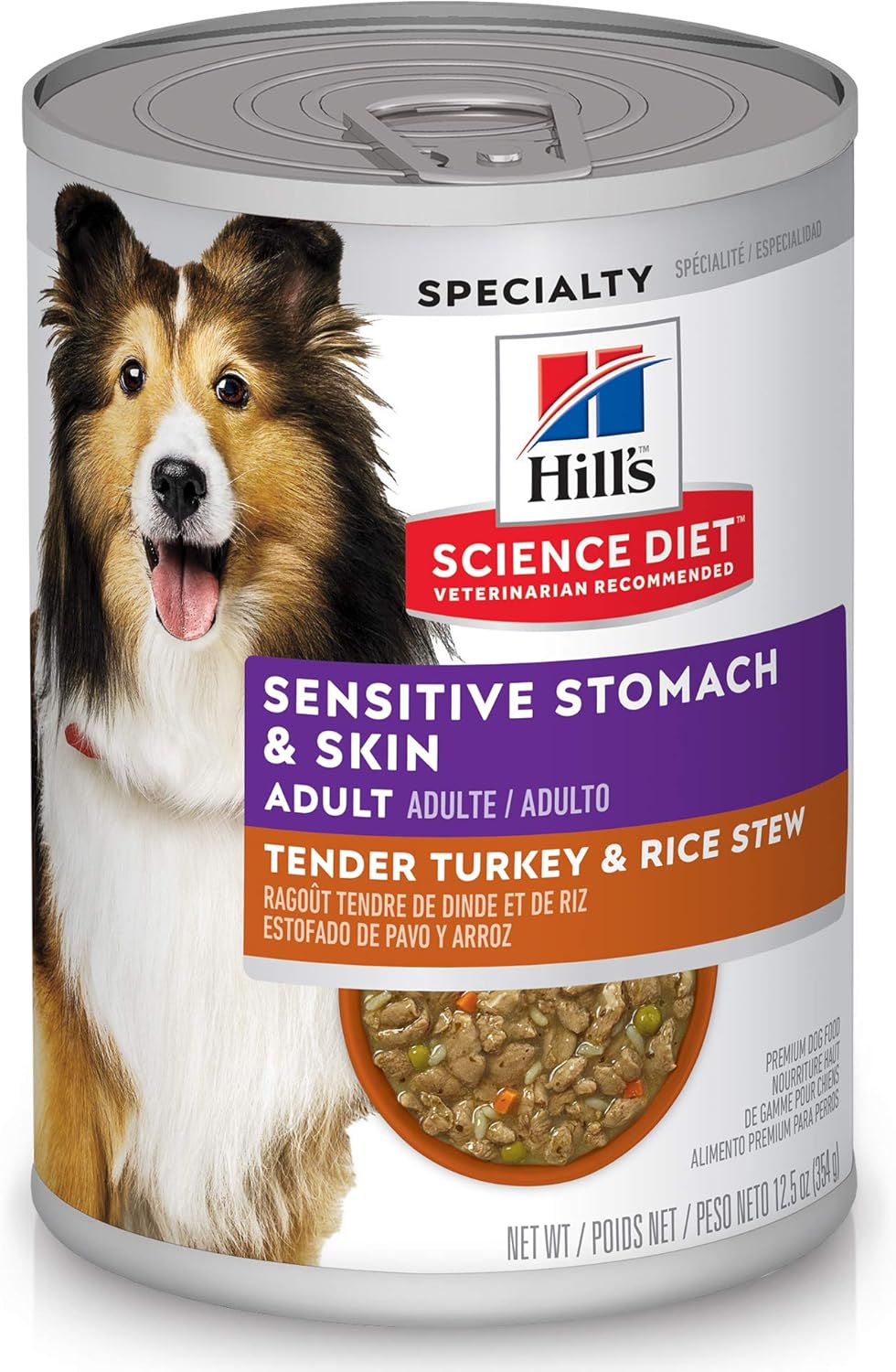
What to Look for When Buying Canned Dry Dog Food for Sensitive Stomachs
1. High-Quality, Limited Ingredients
One of the most critical factors when selecting canned dog food for a sensitive stomach is ingredient simplicity and quality. Dogs with digestive sensitivities often react poorly to complex formulas loaded with multiple protein sources, grains, by-products, or artificial additives. Look for recipes that feature a single, named animal protein as the first ingredient—such as deboned chicken, turkey meal, or salmon—rather than vague terms like “meat” or “poultry by-product.” Avoid foods containing corn, wheat, soy, and artificial preservatives like BHA, BHT, or ethoxyquin, which are common irritants.
Additionally, limited-ingredient diets (LIDs) are specifically formulated to reduce the risk of allergic reactions. These typically contain one protein and one carbohydrate source, making it easier to identify and eliminate triggers. For example, a duck-and-green-pea formula or a salmon-and-sweet-potato blend minimizes exposure to potential allergens while still providing complete nutrition.
2. High Digestibility & Bioavailability
Digestibility refers to how easily your dog’s body can break down and absorb nutrients from their food. For dogs with sensitive stomachs, high digestibility is non-negotiable. Poorly digestible ingredients can sit in the gut undigested, leading to fermentation, gas, and inflammation. Look for formulas that use highly bioavailable proteins—such as fresh meats, hydrolyzed proteins, or gently cooked organ meats—which are broken down more efficiently by the digestive system.
Some brands include digestive enzymes or probiotics in their recipes to further support gut health. These additives help maintain a balanced microbiome, reduce inflammation, and improve nutrient absorption. Studies have shown that dogs fed highly digestible diets experience fewer gastrointestinal upsets and firmer stools. If your dog has chronic digestive issues, consider consulting your vet about prescription diets that undergo rigorous digestibility testing.
3. Moisture Content & Hydration Benefits
Canned dog food typically contains 70–80% moisture, compared to only 10–12% in dry kibble. This higher water content offers significant benefits for dogs with sensitive stomachs. Proper hydration supports kidney function, aids digestion, and helps prevent constipation—a common issue in dogs with dietary sensitivities. The soft texture of wet food is also easier to chew and swallow, especially for senior dogs or those with dental problems.
Moreover, the moisture in canned food can help dilute stomach acids and reduce irritation during digestion. This is particularly helpful for dogs prone to acid reflux or gastritis. While some owners mix wet and dry food, if your dog has a very sensitive system, switching entirely to canned may yield better results. Just be mindful of portion control, as wet food is less calorie-dense than kibble.
4. Absence of Common Allergens & Fillers
Food allergies and intolerances are leading causes of chronic digestive distress in dogs. The most common culprits include beef, dairy, chicken, eggs, wheat, soy, and corn. Even if your dog has eaten these ingredients before without issue, sensitivities can develop over time. If you suspect an allergy, an elimination diet under veterinary supervision is the gold standard for diagnosis.
When shopping, avoid formulas that list these common allergens—especially if they appear early in the ingredient list. Instead, opt for novel proteins like venison, rabbit, duck, or kangaroo, which are less likely to trigger reactions. Similarly, steer clear of fillers such as brewers rice, corn gluten meal, or cellulose, which offer little nutritional value and can exacerbate digestive issues.
5. Probiotics & Gut-Supporting Additives
A healthy gut microbiome is essential for dogs with sensitive stomachs. Probiotics—beneficial bacteria like Lactobacillus and Bifidobacterium—help maintain intestinal balance, reduce inflammation, and improve immune function. Many premium canned dog foods now include live probiotics or prebiotic fibers (like chicory root or pumpkin) to support digestive health.
Look for products that specify the strain and colony-forming units (CFUs) of probiotics, as not all probiotics survive the canning process. Some brands use microencapsulation technology to protect these live cultures until consumption. Additionally, ingredients like pumpkin, ginger, and slippery elm bark have natural soothing properties that can calm an upset stomach.
6. Brand Transparency & Manufacturing Standards
Not all pet food companies are equally committed to quality and safety. Reputable brands provide detailed information about their sourcing, manufacturing processes, and testing protocols. Look for companies that conduct AAFCO (Association of American Feed Control Officials) feeding trials or formulate their recipes to meet AAFCO nutrient profiles. This ensures the food is nutritionally complete and balanced.
Transparency also extends to recalls and customer service. Check the brand’s recall history—frequent recalls may indicate inconsistent quality control. Brands that offer direct customer support, detailed FAQs, and vet consultations demonstrate a higher level of accountability. Avoid companies that use vague language like “natural” without certification or third-party verification.
7. Veterinarian Recommendations & Clinical Evidence
When in doubt, consult your veterinarian. Vets often recommend therapeutic or prescription diets for dogs with severe or chronic digestive issues. These formulas are scientifically formulated and clinically tested to manage conditions like inflammatory bowel disease (IBD), pancreatitis, or exocrine pancreatic insufficiency (EPI).
While over-the-counter sensitive-stomach foods can be effective for mild cases, prescription diets like Hill’s Prescription Diet i/d, Royal Canin Gastrointestinal, or Purina Pro Plan Veterinary Diets EN are backed by peer-reviewed research and veterinary nutritionists. They may cost more, but they offer peace of mind and proven results for dogs with serious health concerns.
8. Palatability & Acceptance
Even the healthiest food won’t help if your dog refuses to eat it. Palatability is especially important for dogs with sensitive stomachs, who may already be reluctant to eat due to nausea or discomfort. High-quality canned foods often have stronger aromas and richer flavors because they use real meat and minimal processing.
When introducing a new food, do so gradually over 7–10 days to avoid shocking the digestive system. Start with 25% new food mixed with 75% old food, increasing the ratio daily. If your dog turns up their nose, try warming the food slightly or adding a small amount of low-sodium bone broth to enhance flavor. Avoid frequent switching between brands, as this can disrupt gut flora.
Different Types of Canned Dog Food for Sensitive Stomachs

Common Buying Mistakes to Avoid

❌ Mistake: Choosing Based Solely on Price
Why it’s bad: Cheaper canned dog foods often cut corners with low-quality proteins, fillers, and artificial additives—all of which can worsen digestive issues. Saving a few cents per can may lead to higher vet bills and prolonged discomfort for your dog.
What to do instead: Prioritize ingredient quality over cost. Look for mid-range brands that balance affordability with nutritional integrity. Consider buying in bulk or during sales to reduce long-term expenses.
❌ Mistake: Ignoring the Ingredient List
Why it’s bad: Marketing claims like “natural,” “holistic,” or “premium” are not regulated and can be misleading. A product may claim to be “grain-free” but still contain inflammatory legumes or potato starch.
What to do instead: Always read the full ingredient list. Focus on the first five ingredients—they make up the majority of the food. Avoid vague terms and prioritize whole, recognizable foods.
❌ Mistake: Switching Foods Too Quickly
Why it’s bad: Abrupt changes in diet can shock the digestive system, leading to diarrhea, vomiting, or refusal to eat. This is especially risky for dogs with sensitive stomachs.
What to do instead: Transition gradually over 7–10 days, mixing increasing amounts of the new food with the old. Monitor your dog’s stool and behavior closely during the switch.
❌ Mistake: Overlooking Moisture Needs
Why it’s bad: Some owners feed canned food but don’t adjust water intake or portion sizes, leading to dehydration or weight gain. Others assume all wet food is equally hydrating.
What to do instead: Ensure your dog has access to fresh water at all times. Adjust portions based on calorie content—wet food is less energy-dense than kibble. Use a feeding calculator or consult your vet.
❌ Mistake: Not Consulting a Veterinarian
Why it’s bad: Persistent digestive issues may signal underlying conditions like parasites, bacterial overgrowth, or organ dysfunction. Self-treating with commercial sensitive-stomach food may delay proper diagnosis.
What to do instead: If symptoms last more than a few days or include weight loss, blood in stool, or lethargy, seek veterinary care. A vet can recommend appropriate testing and prescribe therapeutic diets if needed.
❌ Mistake: Assuming All “Sensitive Stomach” Labels Are Equal
Why it’s bad: The term “sensitive stomach” is not standardized. One brand’s formula may include probiotics and novel proteins, while another uses chicken by-products and corn syrup.
What to do instead: Compare products side by side using the criteria in this guide. Look for third-party certifications, AAFCO statements, and customer reviews from owners with similar experiences.
❌ Mistake: Feeding Inconsistent Portions or Schedules
Why it’s bad: Irregular feeding times or overfeeding can disrupt digestion and worsen symptoms like bloating or acid reflux.
What to do instead: Feed measured portions at consistent times each day. Use a kitchen scale for accuracy. Split daily intake into 2–3 smaller meals to ease digestive load.
Budget Guidelines: How Much Should You Spend?
When it comes to feeding a dog with a sensitive stomach, budget considerations are important—but they shouldn’t compromise health. Here’s a realistic breakdown of what you can expect at different price points:
- Entry-Level ($1.00 – $1.75 per 12.5 oz can): These are typically store brands or economy lines from major manufacturers. While some may be suitable for mild sensitivities, they often contain lower-quality proteins, grains, and additives. Best for short-term use or as a temporary solution while identifying triggers.
- Mid-Range ($1.75 – $3.00 per 12.5 oz can): This is the sweet spot for most pet owners. Brands like Wellness Simple, Blue Buffalo Basics, and Natural Balance offer limited-ingredient, grain-free, or novel protein formulas with high digestibility. These provide excellent value without sacrificing quality.
- Premium ($3.00 – $5.00 per 12.5 oz can): Premium brands such as Instinct Limited Ingredient, The Honest Kitchen, and Ziwi Peak use human-grade ingredients, air-dried or raw elements, and advanced probiotic blends. Ideal for dogs with moderate to severe sensitivities or owners seeking top-tier nutrition.
- Luxury ($5.00+ per 12.5 oz can): These include freeze-dried raw mixes, fresh-cooked subscription services (like Nom Nom or JustFoodForDogs), and veterinary-exclusive formulas. While expensive, they offer unparalleled ingredient purity, customization, and clinical support. Best for dogs with complex health needs or owners willing to invest heavily in long-term wellness.
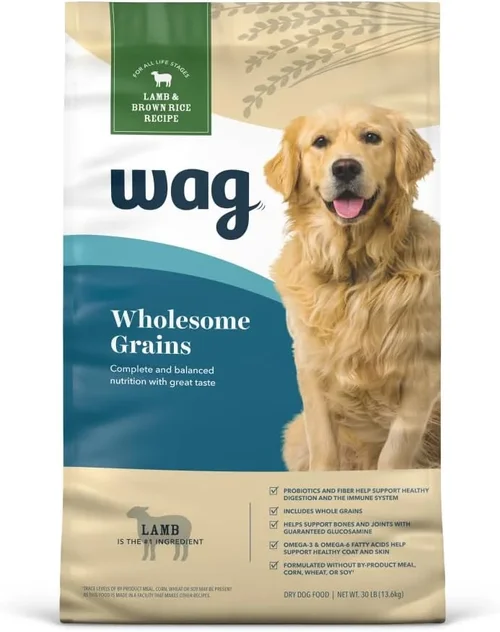
Expert Tips for Getting the Best Deal
- Buy in Bulk During Sales: Major retailers like Chewy, Petco, and Amazon often run seasonal promotions (e.g., Black Friday, Prime Day). Stock up on your dog’s preferred formula when prices drop.
- Subscribe & Save: Most online pet stores offer subscription services with discounts of 5–15%. Set up auto-delivery to ensure you never run out—and save money in the process.
- Check Veterinarian Clinics: Some vets sell prescription diets at competitive prices, especially if you’re already a client. Ask about loyalty programs or bulk discounts.
- Compare Unit Prices: Don’t just look at the total cost—compare price per ounce or per can. Larger cans may seem more expensive upfront but often offer better value.
- Read Return Policies: If your dog doesn’t tolerate a new food, you’ll want the option to return unopened cans. Chewy and Petco have generous return windows; Amazon varies by seller.
- Test Small Quantities First: Before committing to a large order, buy a single can or a small case to test palatability and digestibility. Many brands offer sample packs or trial sizes.
- Look for Coupons & Cashback: Use apps like Rakuten, Honey, or Ibotta to earn cashback on pet food purchases. Manufacturer websites often have printable coupons or digital rebates.
- Consider Homemade Supplements: If cost is a major concern, you can supplement commercial canned food with vet-approved homemade ingredients like plain pumpkin, boiled chicken, or bone broth to stretch portions and enhance nutrition.

Frequently Asked Questions
Q: Can I mix canned and dry food for my sensitive-stomach dog?
A: Yes, but with caution. Mixing wet and dry food can provide texture variety and added moisture, but sudden changes in consistency or ingredients may upset a sensitive digestive system. If you choose to mix, do so gradually and monitor your dog’s response. Ensure both foods are compatible in terms of protein source and formulation.
Q: How long does it take to see improvement after switching foods?
A: Most dogs show improvement within 1–2 weeks, but full benefits may take 4–6 weeks. Digestive health improvements like firmer stools, reduced gas, and better appetite are common early signs. If there’s no improvement after 6 weeks, consult your vet—your dog may need a different formula or medical intervention.
Q: Is grain-free always better for sensitive stomachs?
A: Not necessarily. While some dogs benefit from grain-free diets, others tolerate grains like rice or oats well—and these can actually be gentle on the stomach. The key is identifying your dog’s specific triggers. Grain-free diets are best for dogs with confirmed grain allergies, not as a default choice.
Q: Can puppies with sensitive stomachs eat the same canned food as adult dogs?
A: Only if the food is labeled for “all life stages” or “growth.” Puppies have higher calorie and nutrient needs. Look for canned formulas specifically designed for puppies or those that meet AAFCO growth profiles. Avoid adult maintenance diets for growing dogs.
Q: Are homemade diets a good alternative?
A: Homemade diets can be beneficial but require careful planning to ensure nutritional balance. Consult a veterinary nutritionist to formulate a complete recipe. Improperly balanced homemade diets can lead to deficiencies or excesses that harm your dog’s health.
Q: What if my dog still has symptoms on a sensitive-stomach formula?
A: Persistent symptoms may indicate an undiagnosed condition like IBD, pancreatitis, or bacterial overgrowth. Your vet may recommend diagnostic tests (bloodwork, ultrasound, fecal exams) and possibly a prescription diet. Don’t keep switching brands without professional guidance—it can delay proper treatment.
Q: How do I store opened cans of dog food?
A: Transfer unused portions to an airtight container and refrigerate for up to 5 days. Do not leave opened cans at room temperature. When serving, bring the food to room temperature or warm it slightly (not hot) to enhance aroma and palatability.
Q: Are there any natural remedies I can use alongside canned food?
A: Yes, but always consult your vet first. Probiotic supplements, slippery elm bark, ginger, and plain canned pumpkin (not pie filling) can support digestion. Avoid giving over-the-counter human medications unless prescribed.
Q: Can senior dogs with sensitive stomachs benefit from canned food?
A: Absolutely. Older dogs often have reduced digestive enzyme production and dental issues that make chewing kibble difficult. Canned food’s soft texture and high moisture content are ideal for senior dogs, supporting hydration and easier digestion.
Q: Is it safe to feed raw or freeze-dried to sensitive-stomach dogs?
A: Raw diets carry risks of bacterial contamination (like Salmonella) and may be too rich for sensitive systems. Freeze-dried options are safer but should be rehydrated and introduced slowly. Always discuss with your vet before making the switch.
Our Final Recommendations
After extensive research and analysis, here are our top picks across different categories:
- Best for Budget-Conscious Buyers: Wellness Simple Limited Ingredient Diet (Salmon & Potato) – Offers high-quality protein, no grains, and added probiotics at an affordable price. Widely available and well-tolerated by most sensitive dogs.
- Best Overall Value: Blue Buffalo Basics Limited Ingredient Diet (Turkey & Potato) – Combines novel protein, gentle carbs, and real ingredients without artificial additives. Excellent digestibility and palatability at a mid-range price.
- Best Premium Option: Instinct Limited Ingredient Diet (Rabbit) – Made with raw-coated kibble and real rabbit, this formula is ideal for dogs with multiple protein sensitivities. High moisture content and natural probiotics support optimal gut health.
- Best for Beginners: Natural Balance L.I.D. Limited Ingredient Diets (Duck & Green Pea) – Simple, transparent ingredient list and consistent quality make this a great starting point for owners new to sensitive-stomach feeding.
- Best for Advanced Users (Veterinary Support): Hill’s Prescription Diet i/d Digestive Care – Clinically proven to improve digestion in dogs with chronic GI issues. Requires a vet prescription but offers unmatched efficacy for severe cases.
Conclusion: Making the Right Choice
Choosing the right canned dog food for a sensitive stomach is both a science and an art. It requires understanding your dog’s unique needs, reading beyond marketing claims, and being willing to experiment—safely and methodically. While no single formula works for every dog, the principles outlined in this guide—high-quality ingredients, high digestibility, moisture content, and veterinary guidance—will put you on the right path.
Remember, your dog’s health is worth the investment. A few extra dollars per can can mean the difference between chronic discomfort and vibrant, happy living. Prioritize transparency, listen to your dog’s body, and don’t hesitate to seek professional help when needed. With patience and the right information, you can find a food that not only settles your dog’s stomach but supports their overall well-being for years to come.
Now that you’re equipped with expert knowledge, it’s time to take action. Review your current food, assess your dog’s symptoms, and make a thoughtful switch. Your pup will thank you—with wagging tails, clearer eyes, and a healthier gut.