
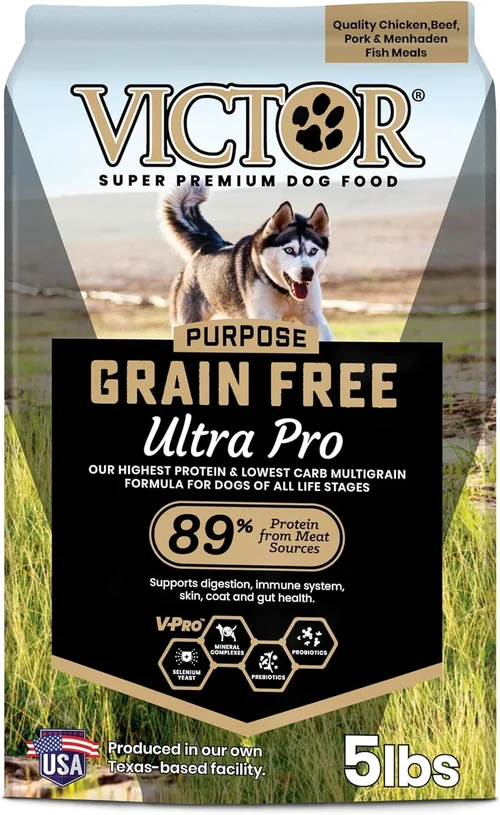
When it comes to your dog’s health, nutrition plays a pivotal role—perhaps more than any other factor. As pet owners become increasingly aware of the impact diet has on longevity, energy levels, coat quality, and even behavior, many are turning away from traditional kibble loaded with grains, fillers, and hidden carbohydrates. Enter carb-free dog food: a growing category designed to mimic the ancestral, meat-forward diets of canines while minimizing ingredients that may contribute to inflammation, weight gain, or digestive issues. Whether your pup suffers from food sensitivities, obesity, diabetes, or simply thrives on a high-protein regimen, choosing the right carb-free food can make a world of difference.
This comprehensive buying guide is crafted for dog parents who want to cut through the noise and make informed, science-backed decisions. You’ll learn not just what carb-free dog food is, but why it matters—and how to evaluate products based on your dog’s unique needs, lifestyle, and health profile. We’ll explore key selection criteria, compare different formats (kibble, freeze-dried, raw, etc.), highlight common pitfalls, and provide actionable tips to help you get the best value without compromising quality. With the pet food market flooded with options—from budget-friendly brands to premium, vet-recommended formulas—this guide equips you with the knowledge to navigate confidently in 2026 and beyond.
The carb-free dog food market has evolved dramatically over the past decade. Once considered a niche for dogs with severe allergies or medical conditions, it’s now embraced by proactive pet owners seeking optimal wellness. Major brands like Stella & Chewy’s, Ziwi, and Wellness have expanded their low-carb and grain-free lines, while startups leverage novel proteins and sustainable sourcing. However, not all “carb-free” labels are created equal. Some products still contain starches like tapioca or peas, which can spike blood sugar, while others use misleading marketing tactics. Our goal is to demystify the landscape so you can choose a diet that truly supports your dog’s biology—without overspending or falling for gimmicks.

What to Look for When Buying Carb-Free Dog Food
1. Protein Source and Quality
The cornerstone of any carb-free dog food is its protein content—both quantity and quality. Dogs are biologically designed to thrive on animal-based proteins, which provide essential amino acids like taurine, L-carnitine, and arginine that support muscle maintenance, heart health, and immune function. Look for foods where a named meat (e.g., “deboned chicken,” “wild-caught salmon”) is the first ingredient, not a by-product or vague term like “meat meal.” High-quality proteins should be human-grade or fit for human consumption, minimally processed, and free from artificial preservatives.
Protein levels should ideally range between 30%–45% on a dry matter basis for adult dogs, though puppies, active breeds, or working dogs may require even higher amounts. Avoid formulas that rely heavily on plant-based proteins (like pea protein isolate) as primary sources—these don’t offer the complete amino acid profile dogs need. Also, consider novel proteins (e.g., duck, venison, rabbit) if your dog has known food sensitivities.
2. Carbohydrate Content and Hidden Starches
True carb-free dog food contains less than 10% carbohydrates on a dry matter basis—ideally under 5%. While some brands market themselves as “grain-free,” they often replace grains with high-starch legumes like peas, lentils, or potatoes. These can still trigger insulin spikes and contribute to obesity or pancreatitis in susceptible dogs. Scrutinize the ingredient list for hidden carbs: tapioca, chickpeas, sweet potatoes, and even “green peas” are common culprits.
Instead, opt for formulas that use minimal, low-glycemic vegetables like spinach, broccoli, or pumpkin—primarily for fiber and micronutrients, not as fillers. If your dog has diabetes or insulin resistance, aim for recipes with near-zero digestible carbs. Remember: just because a bag says “no corn, wheat, or soy” doesn’t mean it’s truly low-carb.
3. Fat Content and Fatty Acid Profile
Fats are the second most important macronutrient in a carb-free diet, serving as a concentrated energy source and supporting skin, coat, brain, and joint health. Look for moderate to high fat levels (12%–20% on a dry matter basis), ideally from animal sources like chicken fat, salmon oil, or duck fat. These provide essential fatty acids, particularly omega-3s (EPA and DHA) and omega-6s (linoleic acid).
Balance is key: too little fat leads to dry skin and low energy; too much can cause weight gain or pancreatitis. Prioritize brands that specify the source of their fats and include natural antioxidants like mixed tocopherols (vitamin E) instead of synthetic preservatives like BHA or BHT. Cold-pressed oils and wild-caught fish oils are superior to generic “animal fat” listings.
4. Ingredient Transparency and Sourcing
Not all carb-free dog foods are transparent about where their ingredients come from. Reputable brands disclose their sourcing practices—whether meat is pasture-raised, wild-caught, or certified humane. They also avoid vague terms like “meat meal” (which could include rendered by-products) in favor of specific descriptors like “chicken meal” or “lamb meal.”
Check for third-party certifications such as AAFCO (Association of American Feed Control Officials) compliance, USDA Organic, or Global Animal Partnership (GAP) ratings. These signals indicate rigorous testing and ethical standards. Avoid brands that list “by-product meal” or “animal digest” without clarification—these are often low-quality protein sources.
5. Processing Method and Nutrient Retention
How dog food is processed dramatically affects its nutritional integrity. Highly processed kibble (extruded at high heat) can degrade heat-sensitive nutrients like vitamins B and C, as well as destroy natural enzymes and probiotics. In contrast, gently cooked, air-dried, or raw diets preserve more bioavailable nutrients.
Freeze-dried and dehydrated foods strike a balance—minimally processed yet shelf-stable. Raw diets (frozen or freeze-dried) offer the highest nutrient retention but require careful handling to avoid bacterial contamination. If convenience is a priority, look for gently cooked or cold-pressed kibbles, which use lower temperatures to maintain nutrient density.
6. Life Stage and Breed-Specific Needs
Not all carb-free foods suit every dog. Puppies need higher calories, protein, and calcium for growth; senior dogs benefit from joint-supportive ingredients like glucosamine and lower phosphorus. Large breeds require controlled calcium-to-phosphorus ratios to prevent skeletal issues, while small breeds may need smaller kibble sizes and higher fat for energy.
Active or working dogs (e.g., Border Collies, Malamutes) thrive on higher-protein, higher-fat formulas, whereas sedentary pets may need portion-controlled versions to avoid weight gain. Always choose a formula labeled for your dog’s life stage—“all life stages” is acceptable but may not be optimized for specific needs.
7. Digestibility and Gut Health Support
A truly effective carb-free diet should promote healthy digestion. Look for added prebiotics (like FOS or MOS), probiotics (listed with strain names, e.g., Lactobacillus acidophilus), and easily digestible fibers (pumpkin, psyllium husk). These support a balanced gut microbiome, reduce gas and bloating, and enhance nutrient absorption.
Avoid foods with excessive fiber from low-quality sources like beet pulp or cellulose, which can irritate sensitive stomachs. If your dog has chronic diarrhea, vomiting, or IBD, consult your vet—some carb-free diets include novel proteins or hydrolyzed formulas specifically for digestive disorders.
8. Price vs. Value Proposition
Carb-free dog food often comes with a premium price tag—but that doesn’t always mean better quality. Evaluate cost per pound or per serving, not just the total bag price. A $60 bag of raw food may last longer than a $40 bag of kibble due to higher density and lower feeding volumes.
Consider long-term value: a slightly more expensive food that improves your dog’s coat, reduces vet visits, or eliminates allergy symptoms may save money over time. However, avoid overpaying for marketing fluff—focus on ingredient quality, not celebrity endorsements or fancy packaging.
Different Types of Carb-Free Dog Food

Common Buying Mistakes to Avoid

❌ Mistake: Assuming “Grain-Free” Means Carb-Free
Why it’s bad: Many grain-free foods replace grains with high-starch legumes like peas or potatoes, which can still elevate blood sugar and contribute to weight gain—especially problematic for diabetic or obese dogs.
What to do instead: Always check the guaranteed analysis and ingredient list. Calculate digestible carbs using online tools or consult your vet. Choose formulas explicitly labeled “low-carb” or “carb-conscious.”
❌ Mistake: Ignoring Feeding Guidelines and Overfeeding
Why it’s bad: High-protein, high-fat carb-free foods are calorie-dense. Overfeeding leads to rapid weight gain, joint stress, and reduced lifespan—even on a “healthy” diet.
What to do instead: Weigh your dog regularly and adjust portions based on activity level. Use a kitchen scale for accuracy, not volume measurements. Consult your vet for personalized feeding plans.
❌ Mistake: Switching Diets Too Quickly
Why it’s bad: Sudden changes can cause diarrhea, vomiting, or refusal to eat. Dogs have sensitive digestive systems that need time to adapt to new proteins and fat levels.
What to do instead: Transition over 7–10 days: start with 25% new food + 75% old, gradually increasing the ratio. Monitor stool quality and energy levels throughout.
❌ Mistake: Choosing Based Solely on Price
Why it’s bad: Cheap carb-free foods often use low-quality proteins, synthetic additives, or excessive fillers disguised as “functional ingredients.” This undermines the health benefits you’re paying for.
What to do instead: Focus on cost per serving and ingredient quality. A mid-range brand with transparent sourcing may offer better long-term value than a budget option with hidden compromises.
❌ Mistake: Neglecting Hydration with Dry Foods
Why it’s bad: Even carb-free kibble is dehydrated. Dogs on dry diets are at higher risk for urinary tract issues, especially if they don’t drink enough water.
What to do instead: Add warm water or bone broth to kibble, or rotate with wet/canned carb-free options. Ensure fresh water is always available.
❌ Mistake: Not Consulting a Veterinarian for Medical Conditions
Why it’s bad: Dogs with kidney disease, pancreatitis, or diabetes require specialized diets. A generic carb-free food may worsen their condition if not properly formulated.
What to do instead: Always involve your vet before switching diets for dogs with chronic illnesses. They can recommend therapeutic or prescription-grade carb-free options.
❌ Mistake: Falling for Marketing Buzzwords
Why it’s bad: Terms like “ancestral,” “biologically appropriate,” or “premium” are unregulated and meaningless without ingredient proof. They distract from what truly matters: nutritional adequacy.
What to do instead: Ignore flashy labels. Focus on AAFCO statements, ingredient lists, and guaranteed analysis. Research brands independently via reviews and third-party testing.
Budget Guidelines: How Much Should You Spend?
- Entry-Level ($30–$50 per 15–20 lbs): These are typically grain-free kibbles with moderate protein (28%–32%) and some starch substitutes like tapioca. Best for healthy dogs with no sensitivities. Examples: Wellness CORE Grain-Free, Taste of the Wild High Prairie. Expect decent quality but watch for hidden carbs.
- Mid-Range ($50–$80 per 15–25 lbs): The sweet spot for most owners. Includes air-dried, gently cooked, or high-meat kibbles with named protein sources and minimal fillers. Brands like Ziwi Peak (air-dried), Instinct Raw Boost, and NutriSource Grain-Free offer excellent balance of quality and affordability.
- Premium ($80–$130 per 4–12 lbs): Ideal for dogs with allergies, digestive issues, or owners prioritizing optimal nutrition. Features freeze-dried raw, human-grade ingredients, and novel proteins. Examples: Stella & Chewy’s Freeze-Dried Patties, Primal Freeze-Dried Formulas, and Open Farm Raw.
- Luxury ($130+ per 8–12 lbs): Top-tier raw or custom-formulated diets, often sold through veterinarians or specialty retailers. Includes brands like The Honest Kitchen (dehydrated), Bravo! Raw, or personalized meal plans from Nom Nom. Best for working dogs, show animals, or pets with complex health needs.
Expert Tips for Getting the Best Deal
- Time your purchases: Stock up during end-of-season clearances (spring for winter formulas, fall for summer blends) or major holidays. Retailers often discount slow-moving inventory.
- Compare online vs. in-store: Online retailers (Chewy, Amazon, brand websites) frequently offer lower prices, subscription discounts, and free shipping. In-store shopping allows you to inspect packaging and expiration dates.
- Read verified buyer reviews: Look beyond star ratings. Search for keywords like “stool,” “coat,” “energy,” or “allergies” to find real-world feedback from dogs with similar needs.
- Check return policies: Some dogs refuse new foods. Choose retailers with hassle-free returns (e.g., Chewy’s 100% satisfaction guarantee) in case of rejection.
- Test small quantities first: Before committing to a large bag, buy single-serving packs or trial sizes. Many brands offer sample kits for $5–$10.
- Watch for recalls: Subscribe to FDA pet food recall alerts. Even premium brands can have contamination issues—stay informed to protect your pup.
- Consider mixing formats: Combine a base of affordable kibble with toppers of freeze-dried raw or fresh food. This boosts nutrition and palatability without breaking the bank.
- Ask your vet for samples: Some clinics provide free samples of therapeutic or prescription carb-free diets. This lets you test efficacy before purchasing.

Frequently Asked Questions
Q: Is carb-free dog food safe for all dogs?
A: Generally yes—but with caveats. Healthy dogs tolerate carb-free diets well, especially active or overweight ones. However, dogs with kidney disease may need controlled phosphorus levels, and those with certain metabolic disorders require vet supervision. Always consult your veterinarian before making significant dietary changes.
Q: Can puppies eat carb-free food?
A: Yes, provided it’s formulated for growth or all life stages and meets AAFCO puppy standards. Puppies need higher calories, calcium, and DHA for brain development. Avoid adult maintenance formulas, which may lack sufficient nutrients for rapid growth.
Q: Will carb-free food help my dog lose weight?
A: Often, yes—especially if the current diet is high in starchy fillers. Carb-free foods promote satiety through protein and fat, reducing begging and overeating. Combine with portion control and increased exercise for best results.
Q: How do I know if my dog is allergic to an ingredient in carb-free food?
A: Symptoms include itching, ear infections, chronic diarrhea, or gas. If suspected, try an elimination diet with a single novel protein (e.g., kangaroo or duck) for 8–12 weeks. Reintroduce ingredients one at a time to identify triggers.
Q: Are raw carb-free diets risky due to bacteria?
A: Properly handled raw food poses minimal risk to healthy dogs. Wash hands, bowls, and surfaces thoroughly. Dogs with compromised immune systems (e.g., from illness or medication) should avoid raw unless approved by a vet.
Q: Can I make homemade carb-free dog food?
A: Yes, but it’s challenging to balance nutrients without veterinary guidance. Use recipes from certified veterinary nutritionists and supplement with calcium, taurine, and omega-3s. Never feed onions, garlic, grapes, or chocolate.
Q: Do carb-free foods cause pancreatitis?
A: Not inherently—but very high-fat diets can trigger pancreatitis in susceptible dogs. Choose moderate-fat formulas (12%–16%) unless your vet recommends otherwise. Avoid sudden fat increases during diet transitions.
Q: How long does it take to see results from switching to carb-free food?
A: Most owners notice improvements in coat shine, energy, and stool quality within 2–4 weeks. Allergy relief may take 6–8 weeks. Be patient and consistent during the transition.
Q: Are there eco-friendly carb-free dog food options?
A: Yes! Brands like Open Farm and The Honest Kitchen use sustainable sourcing, recyclable packaging, and carbon-neutral shipping. Look for certifications like B Corp or Marine Stewardship Council (MSC) for seafood.
Q: Can senior dogs benefit from carb-free diets?
A: Absolutely. Older dogs often have reduced insulin sensitivity and benefit from lower-carb, high-protein diets that preserve muscle mass. Add joint supplements like glucosamine and omega-3s for added support.
Our Final Recommendations
- Best for Budget-Conscious Buyers: Wellness CORE Grain-Free Original – Offers 34% protein, named meats, and minimal fillers at under $2.50 per pound. Great for healthy adult dogs without sensitivities.
- Best Overall Value: Ziwi Peak Air-Dried Lamb – Human-grade lamb, 96% meat content, no grains or potatoes. Priced fairly for its quality and ideal for picky eaters or dogs with mild allergies.
- Best Premium Option: Stella & Chewy’s Freeze-Dried Raw Dinner Patties (Duck Duck Goose) – 95% cage-free poultry, organic fruits/veggies, and probiotics. Perfect for dogs needing maximum nutrition with minimal processing.
- Best for Beginners: Instinct Raw Boost Grain-Free Recipe – Combines kibble with freeze-dried raw pieces. Easy transition, widely available, and vet-approved for most life stages.
- Best for Advanced Users (Raw Enthusiasts): Primal Freeze-Dried Raw Turkey & Sardine Formula – Complete, balanced raw diet with organic produce and supplements. Ideal for owners comfortable handling raw food and seeking ancestral nutrition.
Conclusion: Making the Right Choice
Choosing the best carb-free dog food isn’t about chasing trends—it’s about aligning your dog’s diet with their biological needs, health status, and lifestyle. As we’ve explored, the ideal formula balances high-quality animal protein, healthy fats, minimal carbohydrates, and transparent sourcing—all tailored to your pup’s age, breed, and activity level. While the market offers incredible variety in 2026, the fundamentals remain unchanged: read labels critically, prioritize nutrition over marketing, and involve your veterinarian when in doubt.
Remember, every dog is unique. What works wonders for a high-energy Australian Shepherd may not suit a senior Bulldog with joint issues. Use this guide as your roadmap, but stay flexible and observant. Monitor your dog’s weight, coat, energy, and digestion closely after switching foods. Small adjustments can lead to big improvements in vitality and longevity.
Ultimately, investing in a carb-free diet is an investment in your dog’s long-term well-being. Whether you opt for convenient kibble, nutrient-dense raw, or something in between, the right choice will reward you—and your furry companion—with years of tail wags, bright eyes, and boundless joy. Start smart, stay informed, and feed with confidence.